How to Grill a Ribeye Perfectly: A Step-by-Step Guide
Grilling a ribeye steak to perfection starts with understanding the right heat and timing. The key is using a hot grill to sear the outside while keeping the center juicy and tender. Season simply, preheat your grill, and monitor cooking times based on thickness and preferred doneness to achieve a delicious ribeye.
Ribeye is prized for its marbling, which melts during cooking and creates rich flavor. Getting the cooking process right is essential because overcooking can toughen the meat, while undercooking leaves it too raw. Grilling adds a smoky char that enhances ribeye’s natural taste, making it a popular choice among steak lovers.
This article covers everything from selecting the right cut, preparing it with proper seasoning, managing grill temperature, to resting and serving. Along the way, you’ll find precise tips and common mistakes to avoid for mastering how to grill a ribeye every time.
Choosing and Preparing the Ribeye
Selecting the Right Ribeye Cut
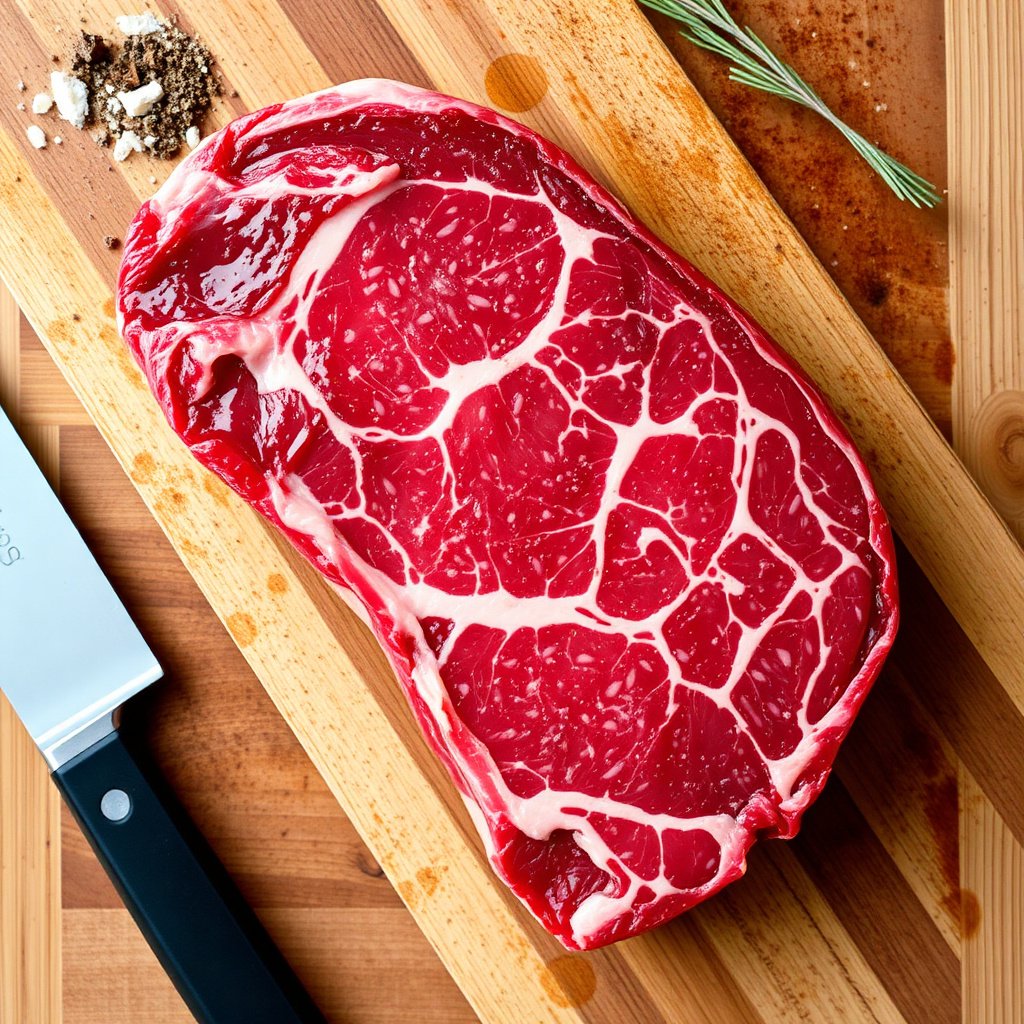
Look for ribeye steaks with rich marbling across the surface and throughout the meat. Marbling refers to the fat streaks that contribute to tenderness and flavor during grilling. Thicker cuts, around 1 to 1.5 inches, provide a good balance between a nice sear and a juicy center.
Consider bone-in ribeyes for added flavor, as the bone helps retain moisture and adds a subtle taste during cooking. However, boneless cuts tend to cook more evenly and are easier to handle on the grill.
- Aim for USDA Choice or Prime grades for better marbling
- Prefer steaks at least 1 inch thick
- Bone-in vs boneless depends on personal preference
Prepping Your Steak for the Grill
Before grilling, bring your ribeye to room temperature for about 30 minutes. This promotes even cooking throughout the steak rather than a cold center. Pat the steak dry with paper towels to enhance searing and prevent steaming.
Season the steak simply with coarse salt and freshly ground black pepper. Avoid heavy marinades as they can overpower the beef flavor and interfere with the crust formation. If desired, add garlic powder or fresh herbs after grilling for extra aroma.
- Allow resting at room temperature for 30 minutes
- Dry surface thoroughly to improve crust
- Use basic seasoning to highlight ribeye flavor
Grill Setup and Temperature Control
Preparing Your Grill for High Heat
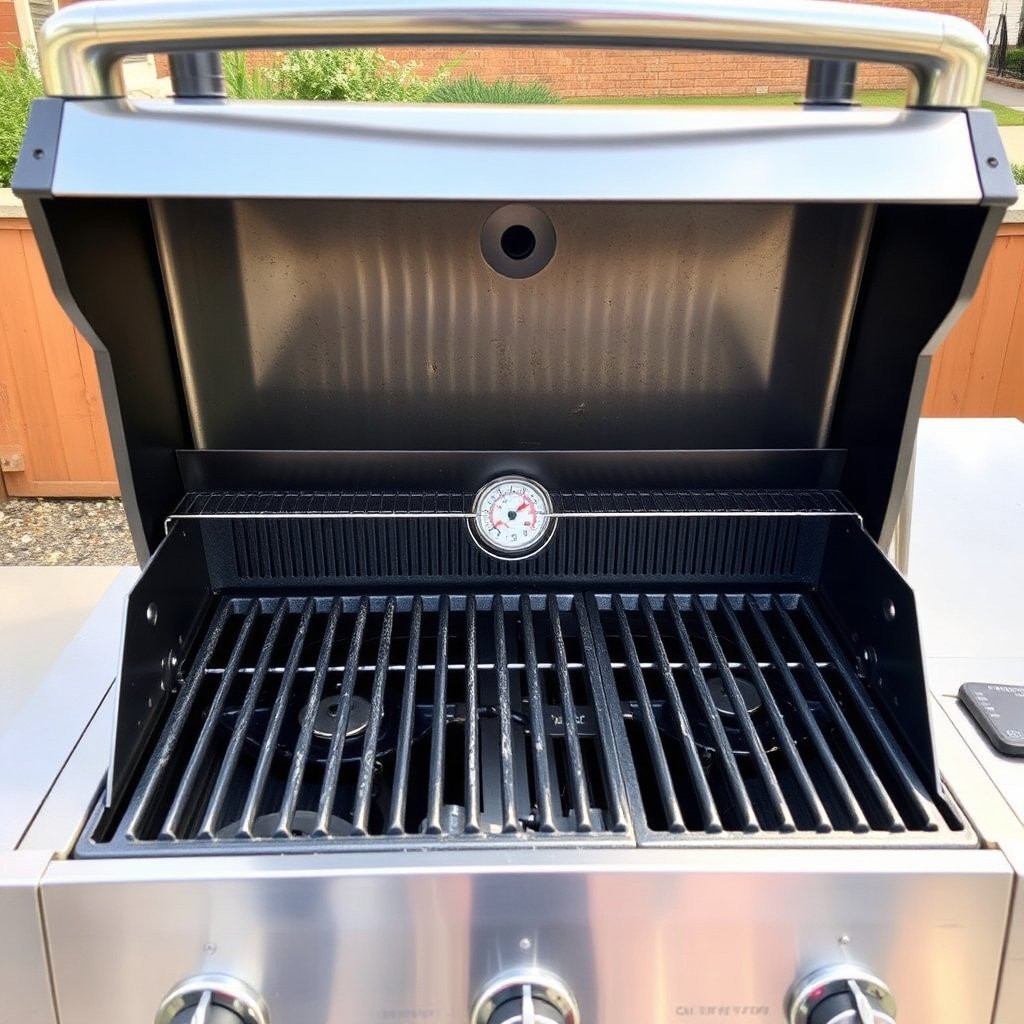
Preheat your grill to high, aiming for 450°F to 500°F. A hot grill is essential for creating the signature sear marks and locking in juices. Clean your grill grates thoroughly to prevent sticking and burned residue.
If using charcoal, light the coals and spread them evenly on one side for direct high heat, leaving the other side empty for indirect cooking. Gas grills should be set to maximum heat with at least 15 minutes warming time.
- Heat grill to 450-500°F before cooking
- Clean grill grates for even searing
- Set up a two-zone fire for thicker cuts
For more on this, see our related guide: What Is the Difference Between Ribeye and New York Strip? A Complete Guide with Cooking Tips.
Managing Heat Zones on the Grill
Creating a two-zone fire allows you to sear the ribeye over direct heat and finish cooking over indirect heat to avoid burning. Place the steak directly over the hot side for 2-3 minutes per side, then move it to the cooler zone to reach the desired internal temperature.
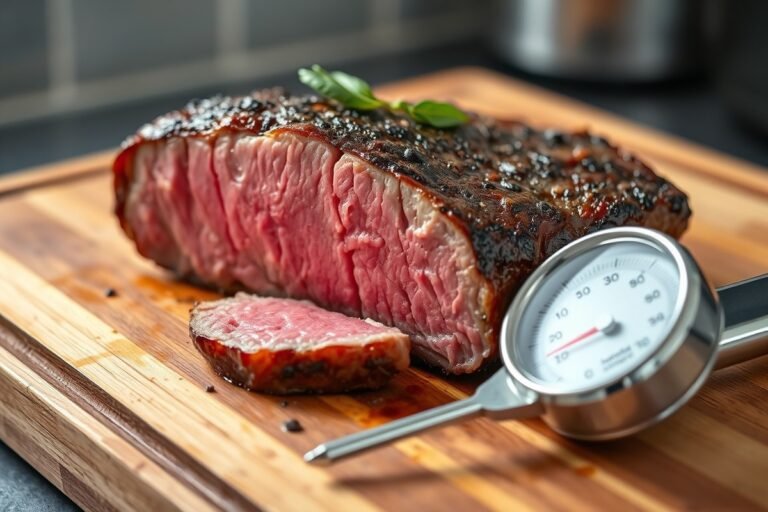
Use a grill thermometer or an instant-read meat thermometer to monitor doneness precisely. Maintaining control over heat zones helps you avoid overcooking while achieving a perfectly caramelized crust.
- Direct heat zone for searing
- Indirect heat zone for gentle cooking
- Use thermometer to check internal temperature
Grilling the Ribeye Steak
Searing the Ribeye
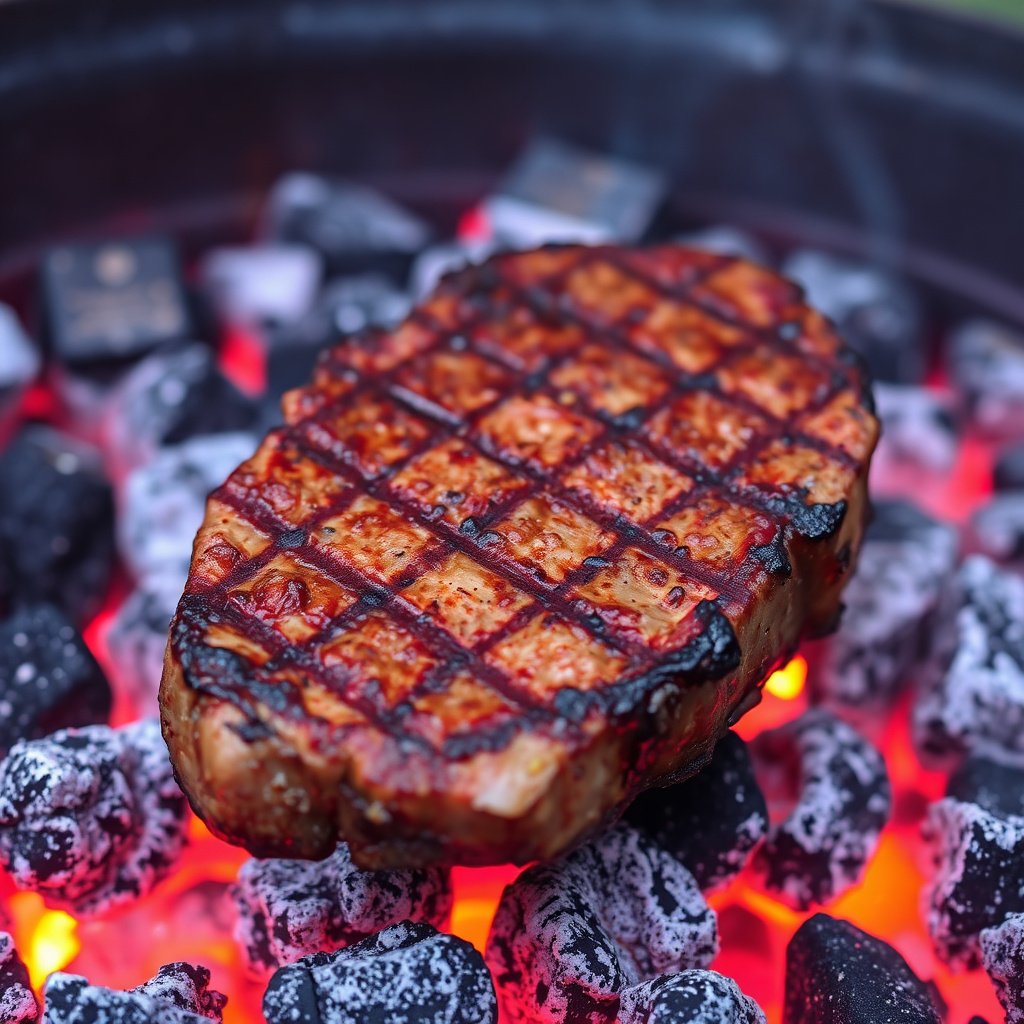
Place the ribeye on the hottest part of the grill and leave it untouched for about 2-3 minutes. This initial sear forms a crust that locks in juices. Rotate the steak 45 degrees halfway through each side’s cooking time to create attractive crosshatch grill marks.
Flip the steak using tongs to avoid piercing the meat and losing juices. Sear the other side the same way before moving to indirect heat for further cooking if necessary.
- Sear 2-3 minutes per side
- Rotate halfway for grill marks
- Use tongs to flip gently
Finishing to Desired Doneness
After searing, transfer the steak to the cooler side of the grill to finish cooking to your preferred doneness. For medium-rare, target an internal temperature of 130°F to 135°F; medium around 140°F to 145°F.
Use a digital thermometer inserted into the thickest part of the steak to check temperature. Cooking times vary by thickness but typically range from an additional 3 to 7 minutes after searing.
- Medium-rare: 130-135°F internal temp
- Medium: 140-145°F internal temp
- Rest steak after cooking to redistribute juices
Resting and Serving Your Grilled Ribeye
Importance of Resting the Steak
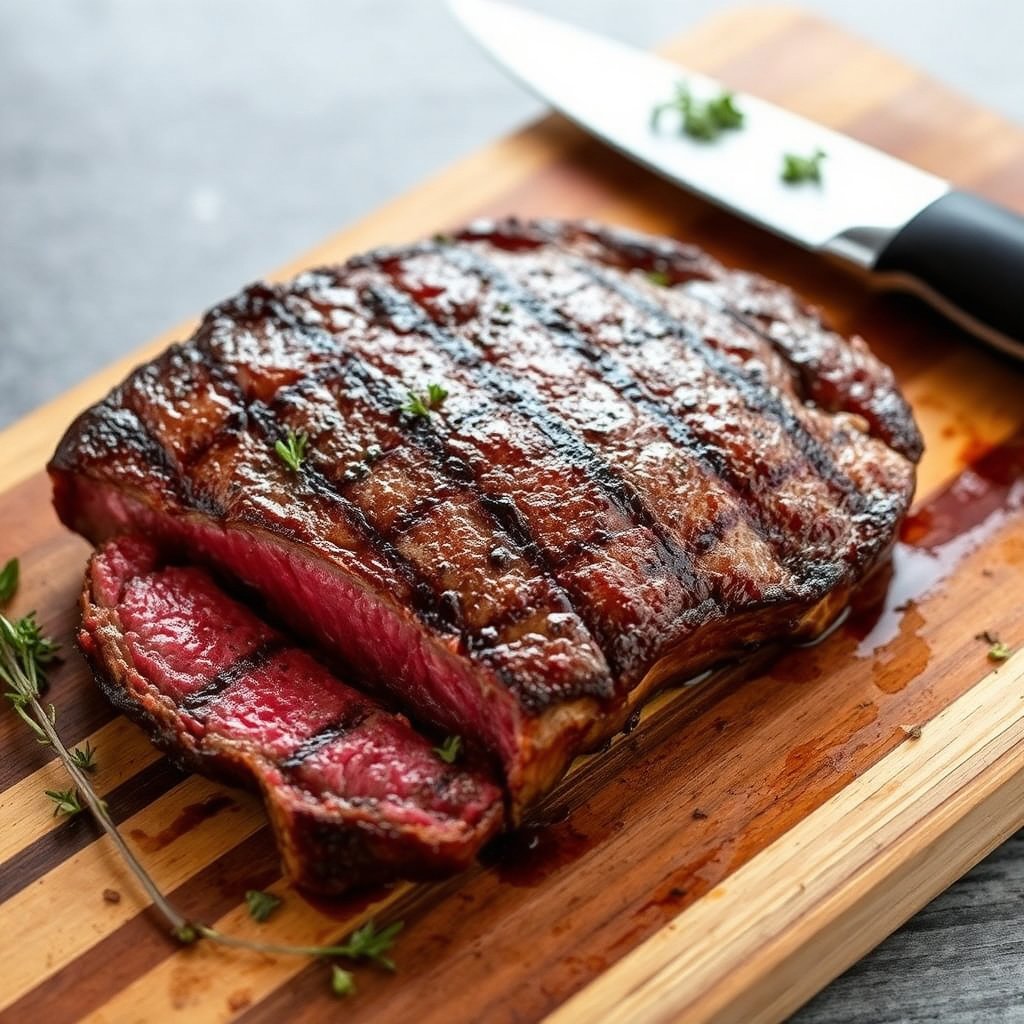
After removing the ribeye from the grill, let it rest uncovered for 5 to 10 minutes. Resting allows juices to redistribute throughout the meat, ensuring a moist and tender bite when cut.
Skipping this step causes the juices to spill out immediately upon cutting, leaving the steak dry. Tent loosely with foil if desired to keep warm but avoid trapping steam that can soften the crust.
- Rest for 5-10 minutes before slicing
- Avoid covering tightly to keep crust crisp
- Juices redistribute for better flavor
For more on this, see our related guide: What Is a Ribeye Steak? A Complete Guide to Cuts, Taste, and Cooking.
Best Serving Suggestions
Serve your grilled ribeye simply to highlight its flavor. Classic accompaniments include roasted vegetables, mashed potatoes, or a fresh green salad. Optionally, add a pat of herb butter or a drizzle of chimichurri sauce for extra zest.
Slice against the grain to maximize tenderness, and pair with your favorite red wine or a cold beer to complement the rich beefy taste.
- Serve with simple sides like veggies or potatoes
- Add herb butter or chimichurri for flavor
- Slice against the grain for tenderness
Common Mistakes to Avoid When Grilling Ribeye
Overcooking or Undercooking
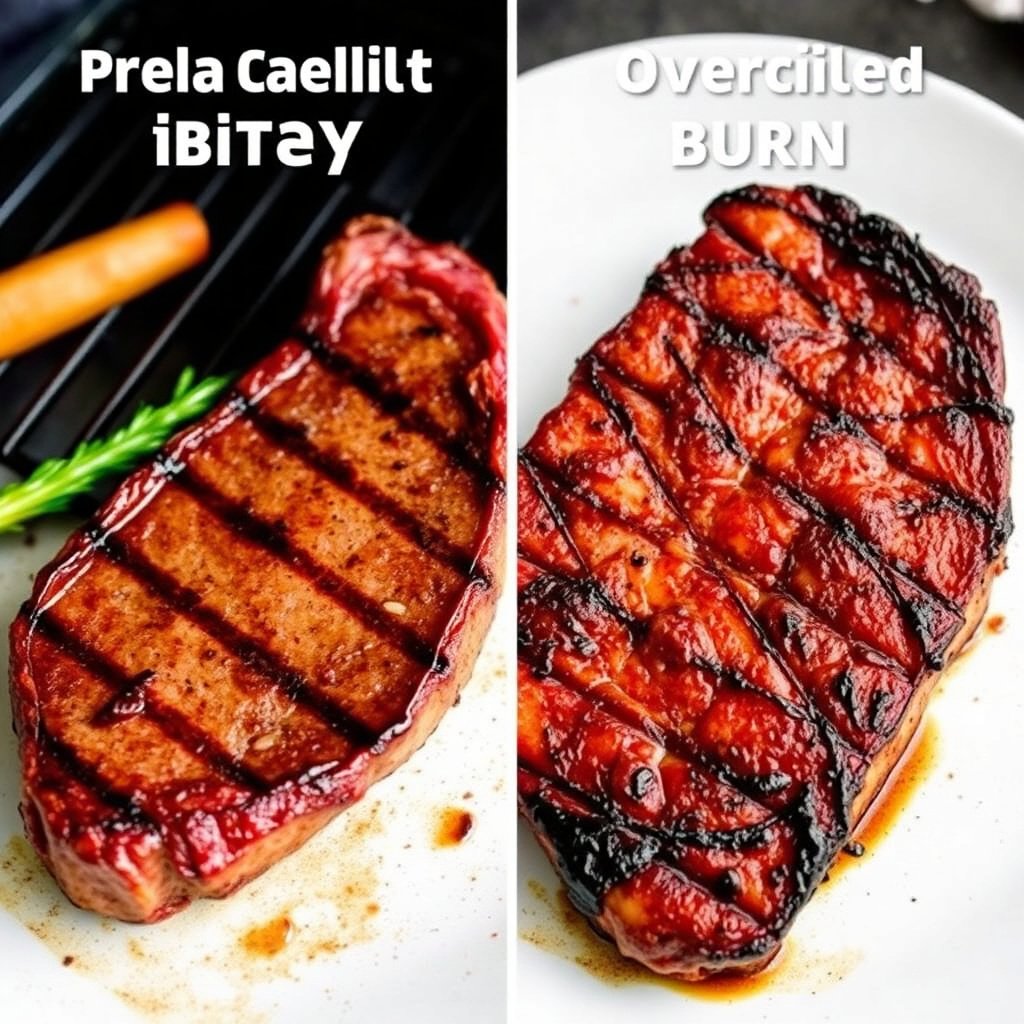
One of the biggest errors is misjudging grilling time or temperature, which can lead to a tough, dry ribeye or one that's too raw. Relying on timing alone can be misleading; using an instant-read thermometer provides accuracy for perfect doneness.
Avoid flipping the steak multiple times, which disrupts searing and causes uneven cooking. Also, do not press down on the meat as it squeezes out flavorful juices.
- Avoid overflipping or pressing the steak
- Use a thermometer to check doneness
- Cook with patience for even results
For more about the ribeye cut and its characteristics, visit the ribeye steak Wikipedia page. ribeye steak Wikipedia page.
Improper Seasoning and Resting
Under seasoning or heavy marinades can diminish the ribeye’s natural taste or overwhelm it. The simplest seasoning approach enhances flavor without covering it up. Additionally, skipping the resting step deprives the meat of a moist texture.
Bringing the steak to room temperature before grilling helps prevent cold spots and cooks the steak evenly. These small prep oversights affect the final juicy and flavorful result.
- Season with salt and pepper just before grilling
- Rest steak after grilling to retain juices
- Bring steak to room temperature before cooking
Ribeye Steak Cooking Methods Comparison
Here’s how grilling stacks up against other popular ribeye cooking methods in flavor, convenience, and texture.
| Method | Flavor | Ease of Cooking | Texture | Best For |
|---|---|---|---|---|
| Grilling | Smoky, charred crust | Moderate – requires heat control | Juicy with crispy exterior | Outdoor cooking enthusiasts |
| Pan-Searing | Rich, buttery crust | Easy – controlled indoor heat | Tender, evenly cooked | Small batches and indoor cooking |
| Broiling | Concentrated top heat, less smoky | Easy – oven-based | Even crust but less char | Quick indoor method |
| Sous Vide + Sear | Very tender, precise doneness | Advanced – requires equipment | Extremely tender with seared crust | Perfect doneness and texture control |
| Oven Roasting | Milder flavor, no char | Easy – requires little attention | Evenly cooked but less crust | Cooking for large portions or slow cooking |
Frequently Asked Questions
How long should I grill a ribeye steak?
Grilling time depends on steak thickness and desired doneness but typically ranges from 4 to 8 minutes total, with about 2-3 minutes per side for searing and additional indirect cooking if thicker.
Should I marinate ribeye before grilling?
Marinating ribeye is not necessary because the marbling provides plenty of flavor. Simple seasoning with salt and pepper highlights the meat’s natural taste best.
How do I know when my ribeye is done on the grill?
Use an instant-read thermometer: 130°F-135°F for medium-rare, 140°F-145°F for medium. Avoid relying solely on visual cues or timing to ensure accuracy.
Can I grill ribeye with the bone in?
Yes, bone-in ribeyes add flavor and retain moisture. They may take slightly longer to cook, so allow extra time and adjust heat zones accordingly.
Is it better to use charcoal or gas grill for ribeye?
Charcoal provides a smokier flavor and higher heat, enhancing crust formation. Gas grills offer easier temperature control and convenience but can produce less smoky taste.
Key Takeaways
- Use thick ribeye cuts with good marbling for best flavor and tenderness
- Preheat grill to high heat and set up two zones for searing and finishing
- Season simply with salt and pepper and avoid heavy marinades
- Rest steak after grilling to keep it juicy and flavorful
Conclusion
Learning how to grill a ribeye effectively involves balancing searing at high heat with finishing at moderate temperatures to achieve your preferred doneness. By selecting a well-marbled, thick cut and prepping it properly, you set the foundation for a delicious steak. Controlling grill zones and timing prevents dry or burnt meat, resulting in a tender and flavorful ribeye every time you fire up the grill.
For those seeking robust smoky flavor with a classic charred crust, grilling remains one of the best ways to cook ribeye steak. Compared to pan-searing or oven methods, grilling imparts unique aromas while allowing for hands-on control. If you prefer precision, sous vide followed by a quick grill sear gives perfect texture and doneness. But for most home cooks, mastering the fundamental grilling steps outlined here will deliver standout results.
Next time you plan to cook ribeye, start by seasoning simply and bringing the steak to room temperature. Fire up your grill to high, sear confidently, then finish cooking gently and remember to rest your steak. With these techniques, enjoying a juicy, tender grilled ribeye becomes effortless. Don’t hesitate to experiment with heat zones and resting times to fine-tune your personal favorite.