How to Cook Pork Chops on the Stove: A Simple Step-by-Step Guide
Cooking pork chops on the stove is a straightforward method that yields juicy, flavorful results when done right. Start by seasoning your pork chops with salt, pepper, and any chosen spices, then heat oil in a skillet over medium-high heat. Sear the pork chops for about 3-5 minutes per side until they reach an internal temperature of 145°F, ensuring they remain tender and juicy.
Getting a perfectly cooked pork chop requires attention to cooking time and temperature since pork can quickly become dry if overcooked. Using the stove method allows you to control the heat and monitor the pork chops closely, giving you the benefit of a crisp, golden crust and moist interior.
This article will guide you through essential tips on selecting the right pork chop cut, preparing the meat, cooking techniques on the stove, timing, and how to finish them for maximum flavor and texture.
Choosing the Right Pork Chops for Stove Cooking

Bone-In vs. Boneless Pork Chops
Bone-in pork chops tend to retain moisture better during skillet cooking, which results in juicier meat compared to boneless chops. The bone also adds flavor and can help the chop cook more evenly, making it an excellent choice for stove-top methods.
Boneless pork chops cook faster and are easier to slice but can dry out more quickly if not monitored carefully. Depending on your timing skills and preference, boneless chops offer convenience but require slightly more attention to avoid overcooking.
Thickness and Cut Types to Consider
Thicker pork chops (around 1 to 1.5 inches) are preferable for pan frying on the stove since they stay juicy and are less likely to dry out. Cuts like rib chops, loin chops, and center-cut chops are popular choices for stove cooking.
Thinner chops cook rapidly and can easily overcook, so if you buy thin slices, reduce the heat slightly and shorten cooking time to maintain tenderness.
- Rib chops: tender with good marbling
- Loin chops: leaner and milder flavor
- Center-cut chops: balanced tenderness and flavor
Preparing Pork Chops for Cooking on the Stove
Seasoning Techniques for Flavor
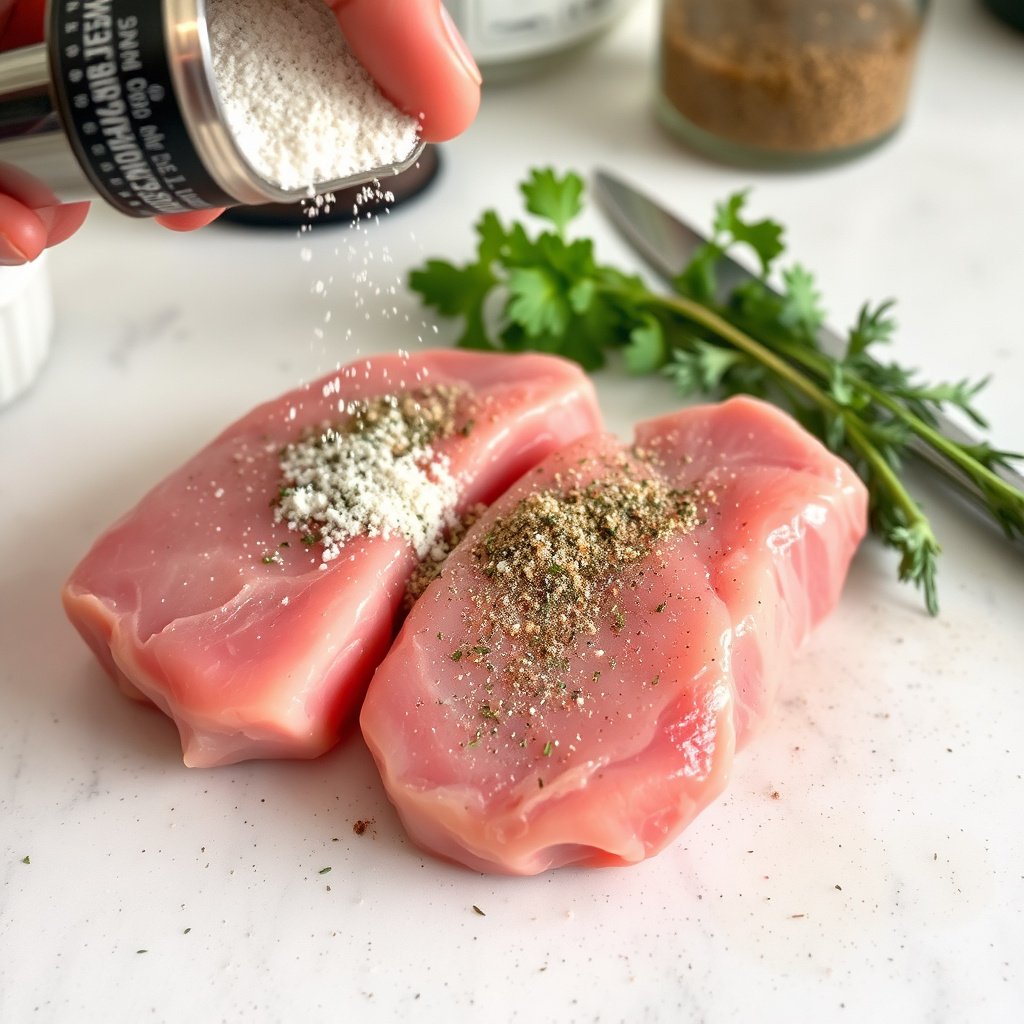
Season your pork chops simply with salt and pepper or add spices such as paprika, garlic powder, or dried herbs for extra flavor. Dry the meat with paper towels before seasoning to help create a better crust during cooking.
For added taste, marinate pork chops ahead of time in mixtures containing acidic ingredients like lemon juice or vinegar, which tenderize the meat slightly and infuse more complex flavors.
- Salt and pepper basics
- Paprika and garlic powder blends
- Herb options: thyme, rosemary, oregano
- Simple marinade ideas
Bringing Pork Chops to Room Temperature
Before cooking, let pork chops rest at room temperature for about 20-30 minutes. This step helps the meat cook evenly on the stove and prevents the outside from overcooking while the center remains underdone.
Taking this simple step also reduces cooking time slightly and enhances the texture, giving you a consistent and tender final result.
Stove Cooking Techniques for Pork Chops
Pan Searing for a Perfect Crust
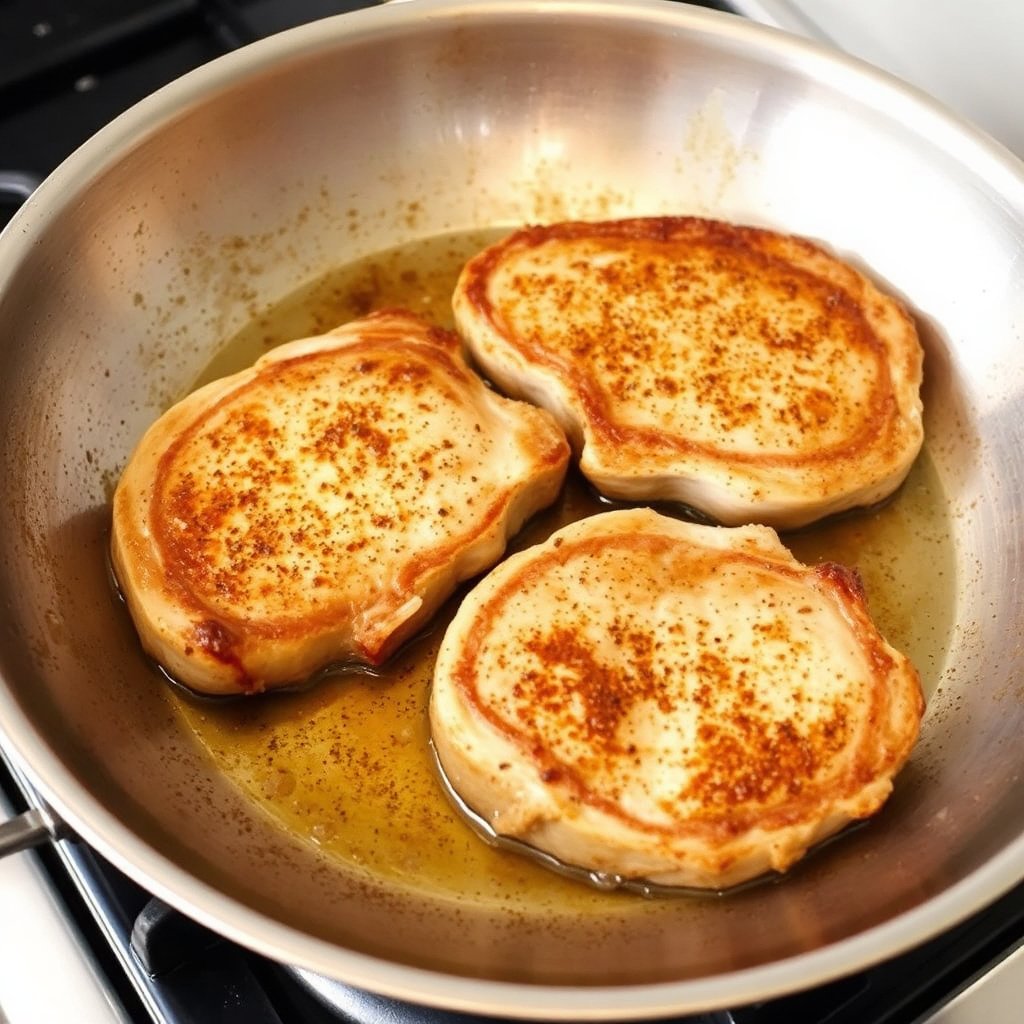
Heat a heavy skillet, preferably cast iron or stainless steel, over medium-high heat until very hot. Add a small amount of oil with a high smoke point like vegetable or canola oil. Place pork chops in the pan without overcrowding.
Sear the chops undisturbed for 3-5 minutes depending on thickness. Flip once when golden brown and cook the other side similarly. Avoid pressing down on the meat to keep juices inside.
- Use high smoke point oils
- Avoid overcrowding the pan
- Do not press chops while cooking
For more on this, see our related guide: How to Cook Thick Cut Pork Chops Perfectly: Best Methods and Tips.
Controlling Heat and Cooking Times
Adjust stove heat to medium after searing to ensure the pork chops cook through gently without burning the crust. Use a meat thermometer to check for an internal temperature of 145°F for safe and tender results.
Overcooking causes dryness, so remove chops once temperature is reached and let them rest before serving to redistribute juices.
- Start medium-high for searing
- Lower to medium to finish cooking
- Check with meat thermometer
Finishing Techniques and Serving Suggestions

Resting Pork Chops After Cooking
After removing the pork chops from the skillet, allow them to rest loosely covered with foil for about 5 minutes. This lets natural juices redistribute inside the meat, enhancing tenderness and moisture.
Skipping resting can cause juices to spill out immediately when cutting, leading to drier chops.
Simple Sauces and Pairings for Stove-Cooked Pork
Complement pan-seared pork chops with quick pan sauces made from the skillet drippings, such as a mustard cream sauce, mushroom gravy, or a balsamic glaze. Fresh herbs and roasted vegetables pair well for balanced meals.
Serving with sides like mashed potatoes, sautéed greens, or applesauce can enhance the overall flavor experience.
- Mustard cream sauce
- Mushroom pan gravy
- Balsamic reduction
- Sides: mashed potatoes, sautéed greens, applesauce
Avoiding Common Mistakes When Cooking Pork Chops on the Stove
Preventing Overcooking and Dryness
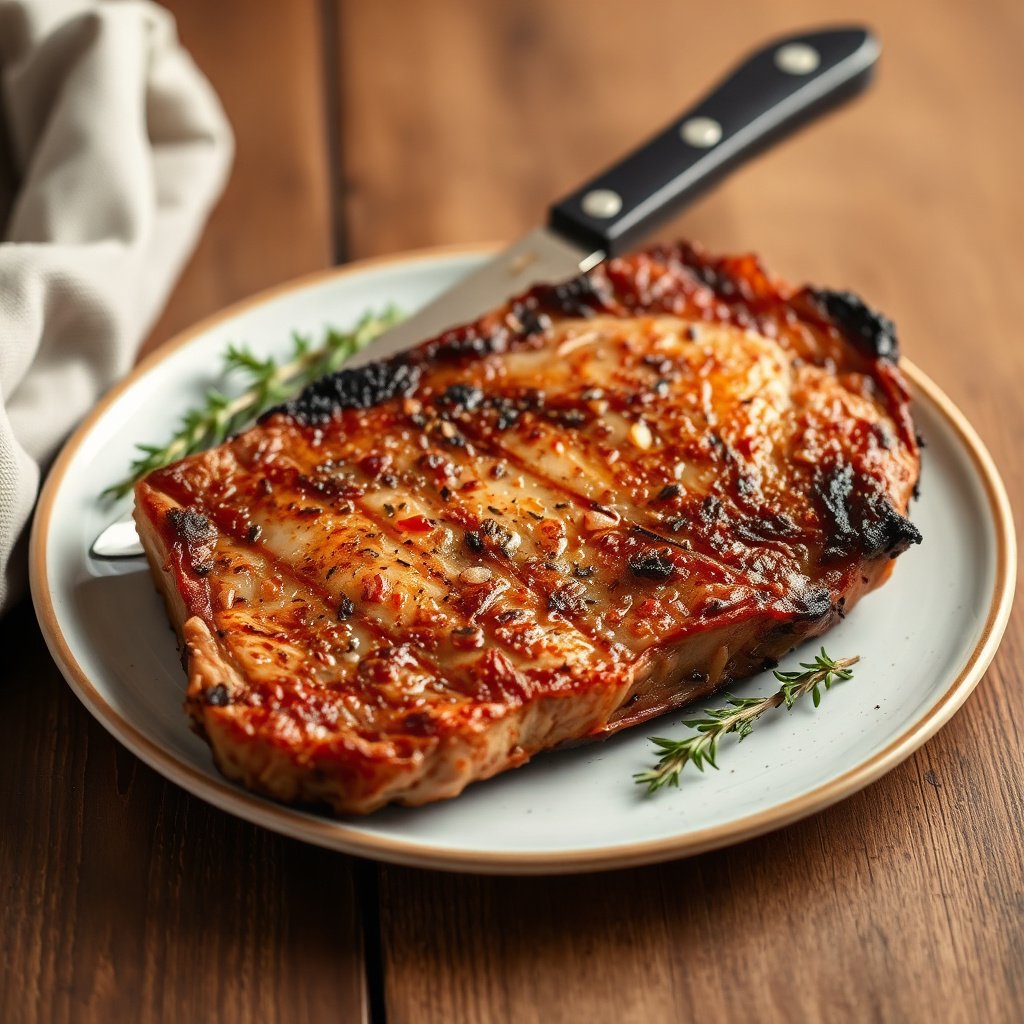
A frequent error is cooking pork chops too long or at too high heat, which causes dryness. Using a meat thermometer and lowering heat after searing helps keep chops juicy and tender.
Also, avoid flipping chops multiple times; flipping once ensures better crust formation and even cooking.
For more on this, see our related guide: How to Cook Bone in Pork Chops Perfectly: Timings, Tips, and Methods.
Avoiding Crowding and Uneven Cooking
Crowding the skillet lowers pan temperature and causes the pork to steam rather than sear. Cook chops in batches if necessary to get the best caramelization and consistent texture.
Adjusting pan size and maintaining heat helps avoid uneven cooking and improves flavor.
Advanced Tips for Perfect Pan-Fried Pork Chops

Using Compound Butters and Aromatics
Adding compound butter made with garlic, herbs, and lemon zest in the final moments of cooking enriches flavor and adds a silky finish to pork chops. Basting chops with melted butter and aromatics like thyme or rosemary enhances aroma and moisture.
This technique balances the crisp sear with extra richness and a restaurant-quality touch.
- Compound butters with garlic and herbs
- Basting with butter and fresh aromatics
- Use toward end of cooking
For more detailed information on pork chop cuts and culinary uses, refer to this Wikipedia article on pork chops. Wikipedia article on pork chops.
Resting with Tent to Retain Heat
Rest the cooked pork chops under a loose foil tent to keep heat in without trapping steam, which could soften the crust. This preserves the texture and warmth while the juices settle.
This little step preserves the contrast between crispy edges and juicy center.
Pork Chop Cooking Method Comparison
Here's a quick comparison of various popular methods to cook pork chops, focusing on flavor, texture, and ease of stove-top preparation.
| Method | Flavor | Texture | Ease of Cooking |
|---|---|---|---|
| Pan Searing on Stove | Rich, caramelized crust with juicy interior | Crisp outside, tender inside | High, requires attention to heat and timing |
| Baking in Oven | Evenly cooked, milder crust | Moist but less crisp | Moderate, requires oven preheating |
| Grilling | Smoky, charred flavor | Slightly firmer texture | Moderate, watch for flare-ups |
| Slow Cooking | Very tender, infused flavors | Soft and falling apart | Easy, hands-off but no crust |
| Sous Vide then Searing | Precisely controlled flavor and doneness | Juicy with perfect crust after sear | Complex, needs equipment |
Frequently Asked Questions
How do I know when pork chops are fully cooked?
Use a meat thermometer to check for an internal temperature of 145°F. This ensures safety while keeping the pork juicy and tender.
Can I cook frozen pork chops on the stove?
It’s best to thaw pork chops before stove cooking to ensure even cooking and prevent the outside from burning while the inside remains raw.
What oil is best for frying pork chops on the stove?
Choose oils with a high smoke point like vegetable, canola, or avocado oil for pan frying to avoid burning and maintain flavor.
Should I marinate pork chops before cooking on the stove?
Marinating can add flavor and help tenderize pork chops, but it’s optional. Dry seasoning also works well for a crisp crust.
How long should pork chops rest after cooking on the stove?
Let pork chops rest for about 5 minutes loosely covered to allow juices to redistribute, resulting in more tender meat.
Key Takeaways
- Select bone-in or thicker pork chops for juicier stove-cooked results
- Season well and bring meat to room temperature before cooking
- Sear over medium-high heat, then reduce heat to finish cooking gently
- Rest pork chops after cooking to retain moisture and tenderness
Conclusion
Learning how to cook pork chops on the stove successfully depends on understanding the cut, seasoning properly, and controlling the cooking temperatures throughout the process. Using a reliable meat thermometer and avoiding common pitfalls like overcrowding or overcooking improves your chances of consistently juicy, tender pork chops with a flavorful crust.
For those seeking simplicity, boneless chops can work well with careful timing, but bone-in or thicker cuts are advisable for best flavor and texture. Pan searing followed by a reduction in heat strikes a good balance, creating a golden crust while maintaining moistness inside. Adding compound butters or quick pan sauces elevates the finished dish for varied meal options.
Start by prepping your pork chops thoughtfully and keeping a close eye during the cooking process. The stove-top method is quick and versatile, making it a useful technique for weeknight dinners or special meals alike. Experiment with seasonings and resting times to perfect your favorite approach.