How to Make Tartar Sauce at Home: Simple and Delicious Recipe
Making tartar sauce at home requires just a handful of simple ingredients and a few minutes of prep time. Start with mayonnaise as the base, then add chopped pickles or relish, minced onions, lemon juice, and fresh herbs like dill or parsley for a tangy, creamy sauce that complements fish perfectly. The process is quick and customizable to your taste.
Tartar sauce is a classic accompaniment for fried seafood such as fish sticks, crab cakes, and calamari. Its creamy texture combined with tangy and slightly sweet flavors balances the richness of fried dishes. Homemade tartar sauce offers fresher taste and can be personalized with variations like adding capers or mustard, unlike store-bought versions that may contain preservatives.
This article will guide you step-by-step through making tartar sauce, explain ingredient choices, share tips for perfect consistency and flavor, and suggest variations to suit different palates. Whether you want a simple classic recipe or something a bit different, you'll find all you need here to whip up delicious tartar sauce every time.
Ingredients for Making Tartar Sauce
Base Ingredients for Classic Tartar Sauce
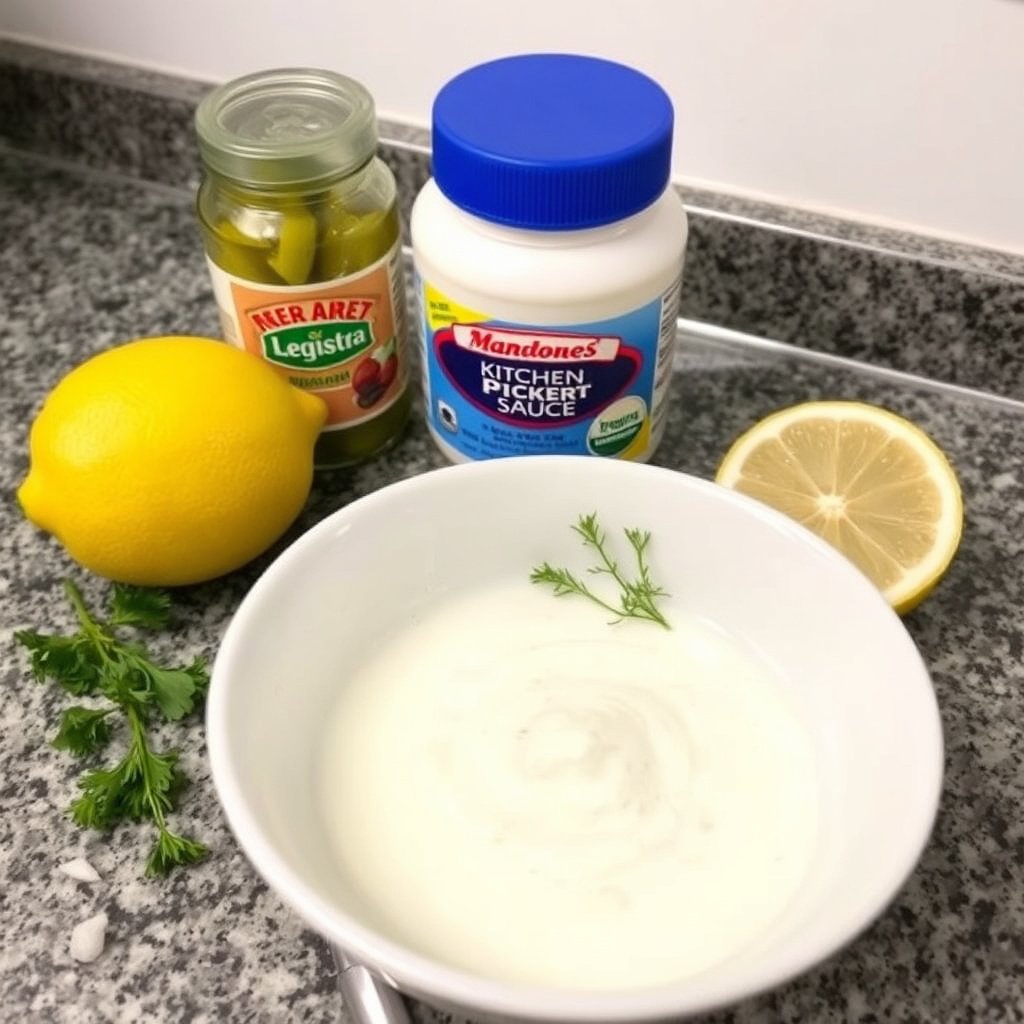
The fundamental ingredient for tartar sauce is mayonnaise, which provides the creamy texture. Choose a good-quality mayonnaise for the best flavor. To this, add chopped dill pickles or sweet pickle relish to give the sauce its distinctive tang and crunch. Fresh lemon juice balances richness with brightness.
Minced onions or shallots add a subtle sharpness, while fresh herbs like parsley or dill introduce freshness. A pinch of salt and freshly ground black pepper rounds off the taste. These components combine to create the classic tartar sauce flavor loved by many.
- Mayonnaise (about 3/4 cup)
- Dill pickles or sweet relish (2-3 tablespoons)
- Fresh lemon juice (1 tablespoon)
- Minced onions or shallots (1 tablespoon)
- Fresh parsley or dill (1 tablespoon, chopped)
- Salt and black pepper (to taste)
Optional Additions to Customize Flavor
You can add capers for a briny kick or Dijon mustard for some mild heat. Some recipes call for finely chopped hard-boiled eggs for richness or a touch of garlic for a more pungent flavor profile. Adjust additions according to your preferences to make the tartar sauce uniquely yours.
Keep in mind that each optional ingredient affects the balance of flavors, so start with small amounts and adjust gradually. This flexibility allows the sauce to suit different dishes or personal tastes with minimal effort.
- Capers (1 tablespoon, chopped)
- Dijon mustard (1 teaspoon)
- Minced garlic (a small clove)
- Finely chopped hard-boiled egg
Step-by-Step Process to Make Tartar Sauce
Preparing and Chopping Ingredients
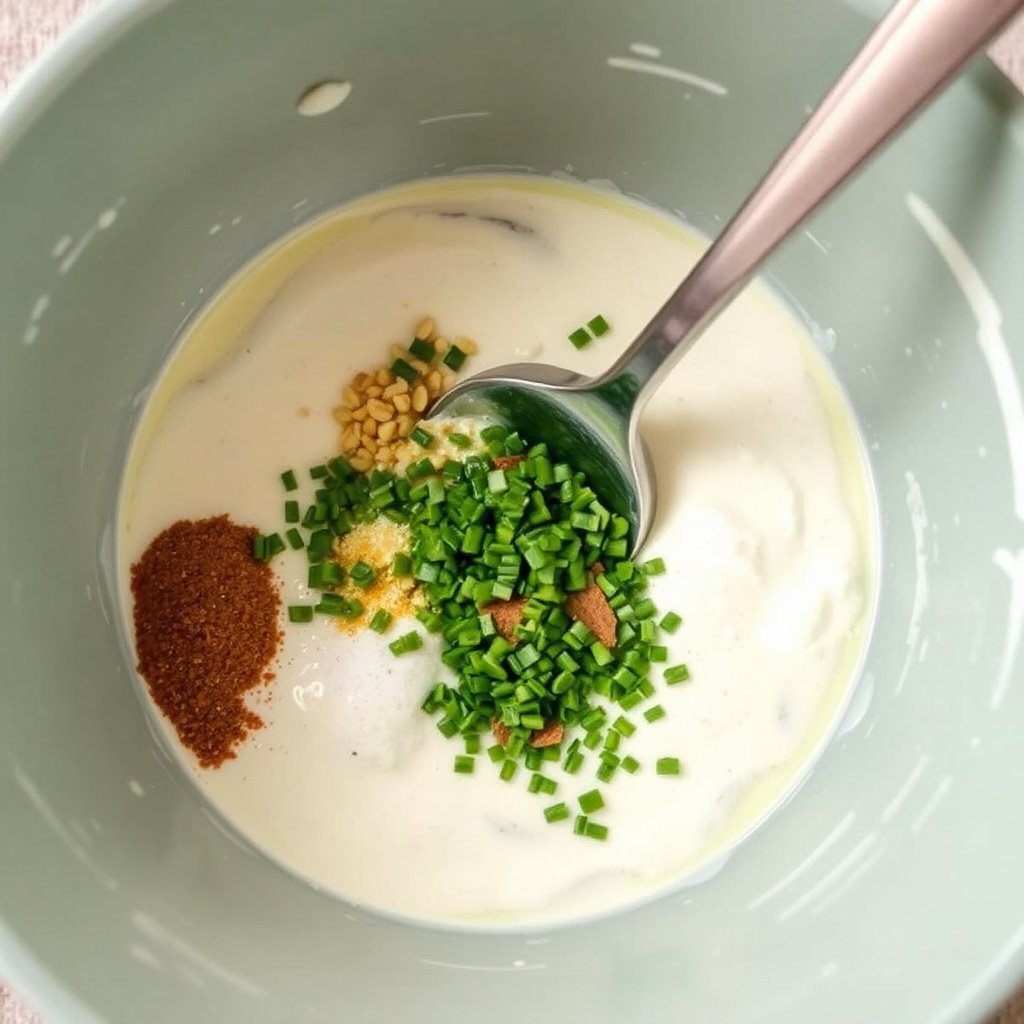
Begin by finely chopping pickles or relish and fresh herbs to ensure a smooth texture in the sauce. Mince onions or shallots as finely as possible to prevent overpowering sharpness. Fresh lemon juice should be squeezed just before mixing to preserve its brightness.
Gather all ingredients in a medium-sized bowl before starting to combine so that measurements are accurate and the mixing process goes smoothly.
Mixing and Adjusting Flavor
Start mixing mayonnaise with chopped pickles and minced onions. Add lemon juice slowly and stir to incorporate. Taste the mixture and adjust salt, pepper, or any optional additions gradually. Mixing thoroughly ensures flavors meld well without lumps or separation.
After combining, refrigerate the sauce for at least 30 minutes to allow flavors to develop fully. Stir again before serving and add a little more lemon or herbs if it tastes flat after chilling.
Consistency and Storage Tips for Tartar Sauce
Achieving the Right Consistency
Tartar sauce should be thick enough to coat food without running off but smooth enough to spread easily. If the sauce is too thick, dilute it with a teaspoon of water, lemon juice, or a mild vinegar to thin it slightly.
Conversely, if it’s too thin, add more mayonnaise or finely chopped pickles gradually until desired thickness is reached. The right balance depends on personal preference and application.
For more on this, see our related guide: What Is the Best Seafood Restaurant Dish? 10 Top Choices and How to Pick.
Storage and Shelf Life
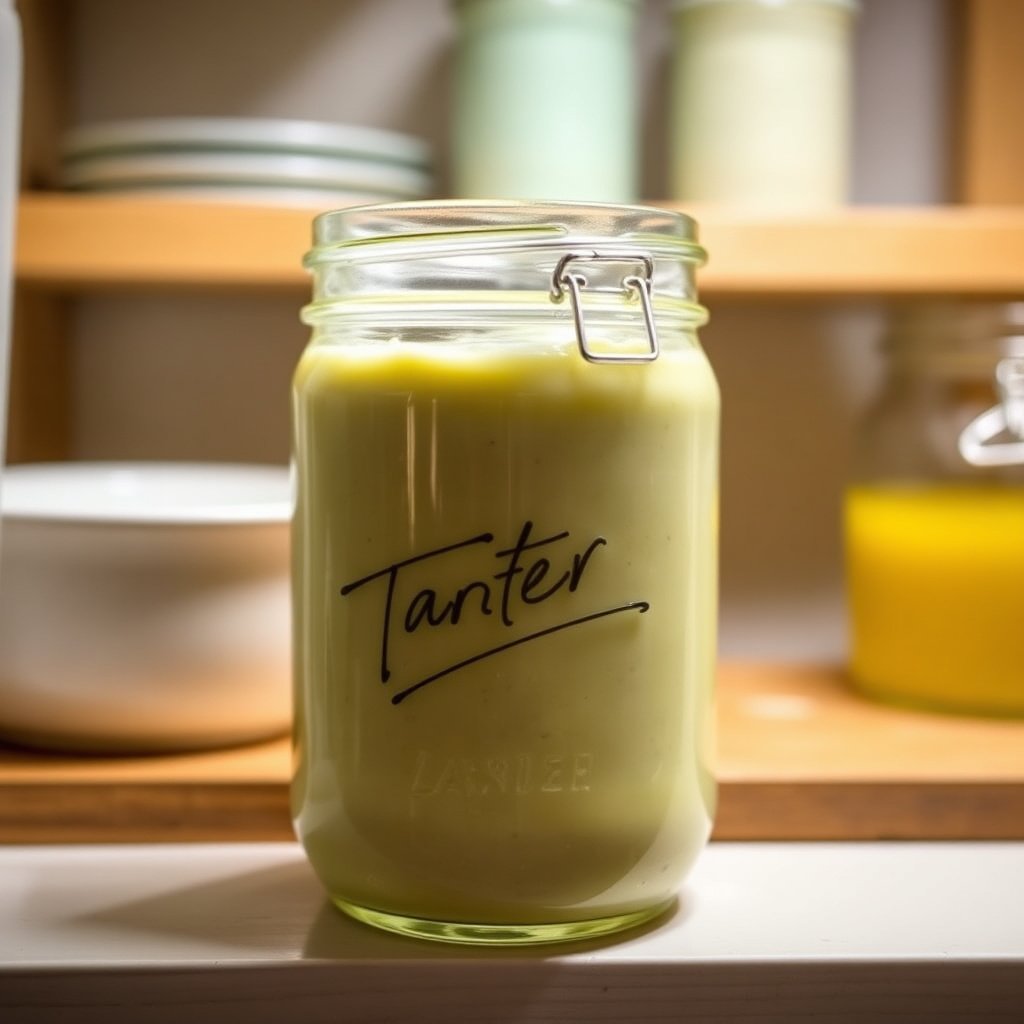
Store tartar sauce in an airtight container in the refrigerator. It generally lasts 4 to 5 days due to fresh ingredients, unlike commercial varieties with preservatives. Keep the sauce cold and use clean utensils when scooping to extend freshness.
If you plan to keep the tartar sauce longer, avoid adding fresh herbs initially; instead, stir them in fresh before serving. This keeps the base sauce stable and fresh for a few extra days.
Variations and Flavor Twists for Tartar Sauce
Spicy and Tangy Variations
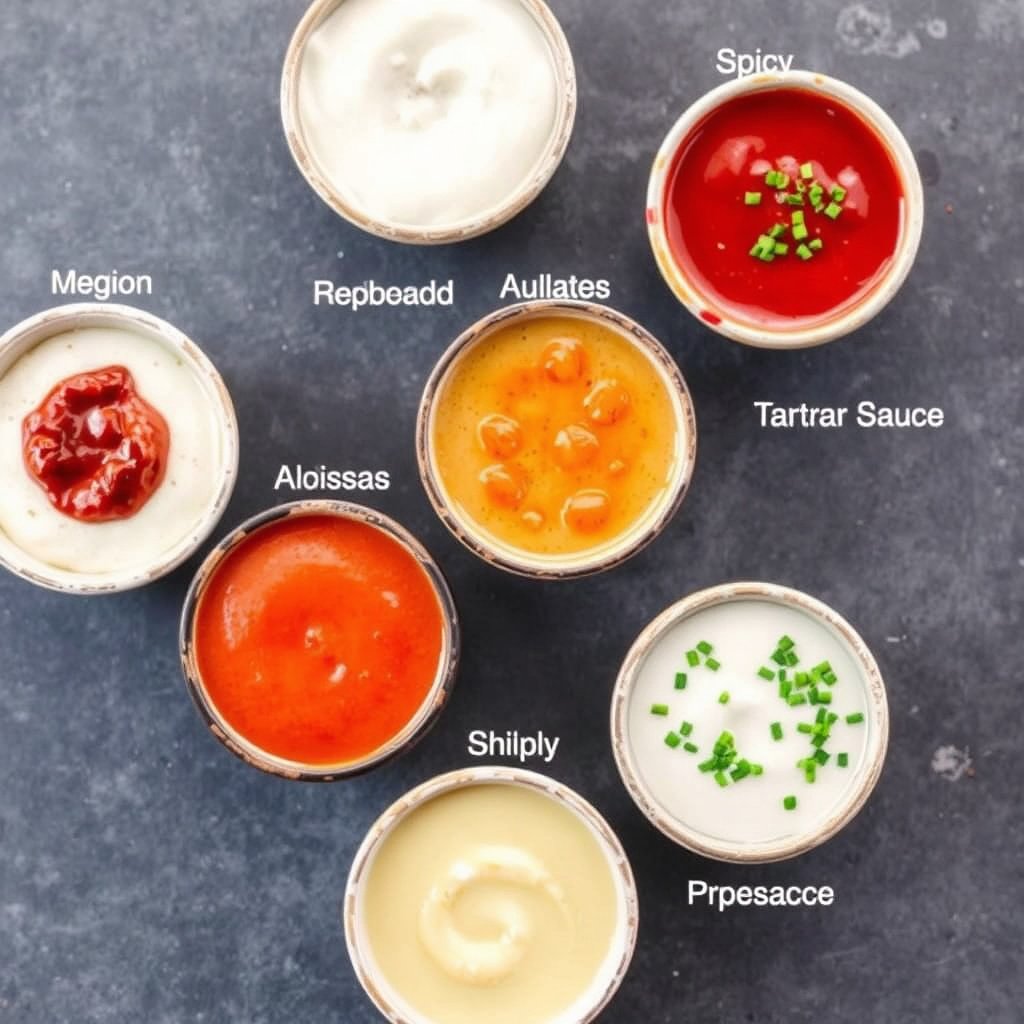
Add finely chopped jalapeños or a dash of hot sauce for heat, or mix in a bit of horseradish for a spicy tang. These ingredients bring new dimensions to the basic tartar sauce, perfect for those who appreciate a little kick.
Try swapping lemon juice for lime juice for a slightly different citrus undertone. Combine with smoked paprika or cayenne pepper sparingly to introduce smokiness or warmth.
- Add jalapeños or hot sauce
- Use lime juice instead of lemon
- Sprinkle smoked paprika or cayenne
Herb and Cream-Based Alternatives
For richer sauces, mix some sour cream or Greek yogurt into the mayonnaise base. Fresh herbs like tarragon or chives provide a refined flavor twist. This method yields a lighter tartar sauce with a fresh and creamy mouthfeel.
Herbs can be scaled up or down to match intensity preferences. Use finely minced herbs to maintain smooth sauce consistency without chunkiness.
- Mix sour cream or Greek yogurt with mayo
- Add tarragon or chives
- Use finely minced herbs
Using Tartar Sauce in Recipes and Pairings
Classic Seafood Pairings
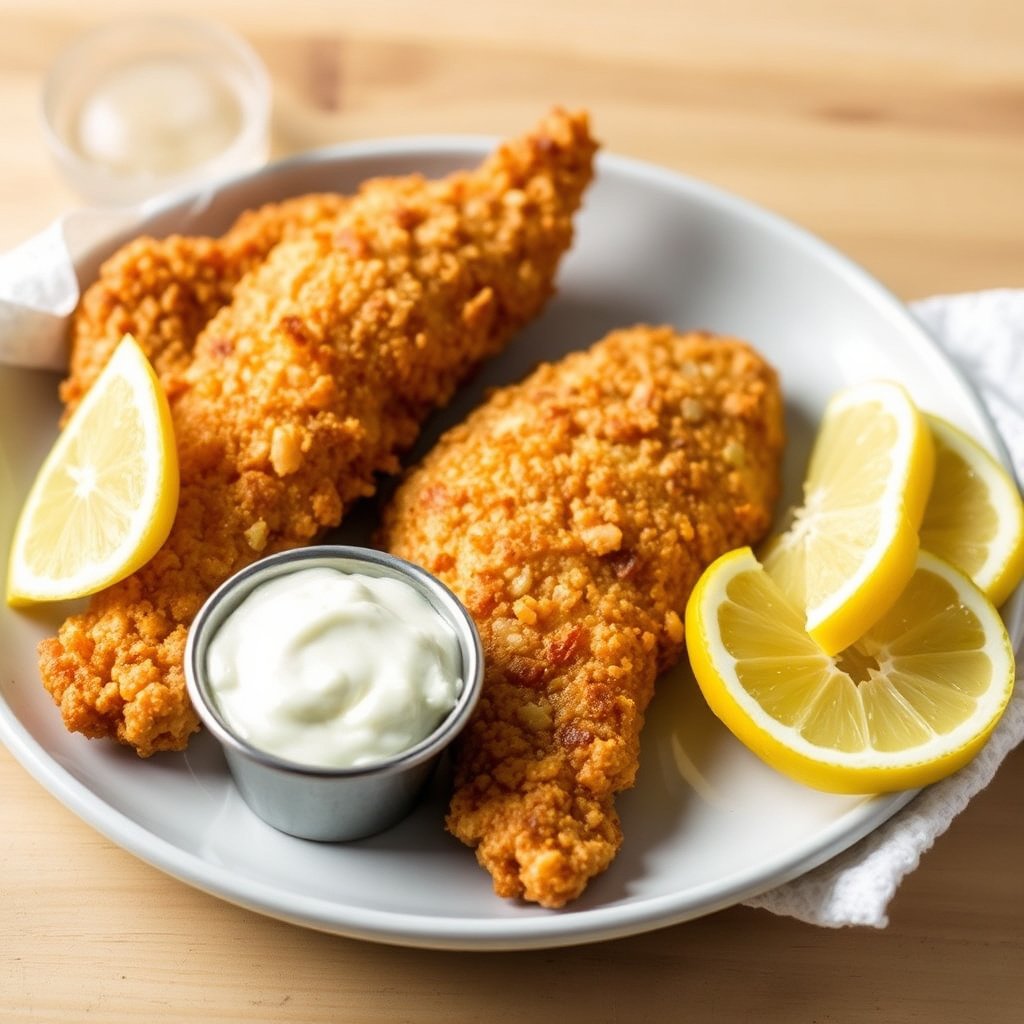
Tartar sauce is traditionally paired with fried fish and chips, crab cakes, shrimp, and calamari. Its creamy, tangy flavor perfectly complements the crunchy, savory seafood textures. Serve it chilled alongside freshly fried dishes for best taste.
The sauce also works well as a dip for veggie sticks or even as a spread on sandwiches and burgers, especially those with seafood or chicken.
For more on this, see our related guide: How to Cook Crab Cakes Perfectly: 8 Essential Steps for Best Taste.
Creative Culinary Uses
Try using tartar sauce as a salad dressing base by thinning it slightly with lemon juice or vinegar. You can also mix it into potato salad or use it as a dipping sauce for roasted vegetables and fries.
Experimenting beyond seafood can reveal new ways to enjoy tartar sauce’s flavor, making it a versatile condiment in various dishes.
Health Considerations and Ingredient Substitutions
Lower-Calorie and Healthier Options
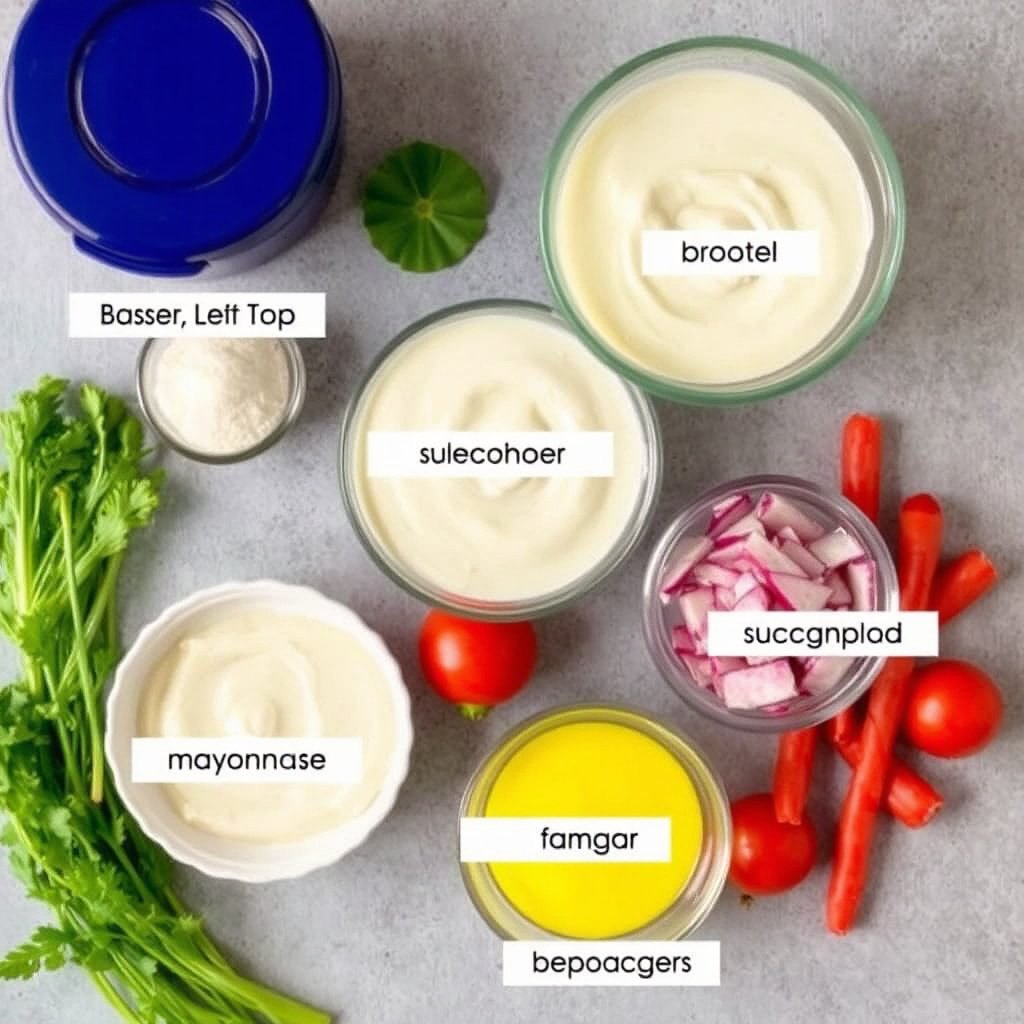
To make a lighter tartar sauce, swap full-fat mayonnaise for low-fat mayonnaise, Greek yogurt, or blended silken tofu. These alternatives reduce calories and fat while maintaining creaminess. Fresh herbs and lemon juice add brightness without extra calories.
Avoid heavy amounts of added sugars in pickles or relish by choosing low-sugar versions or rinsing relish before adding.
For further information about the history and varieties of tartar sauce, visit the detailed article on Wikipedia. Tartar sauce details on Wikipedia.
Allergy-Friendly and Vegan Versions
For egg allergies, vegan mayonnaise replaces traditional mayo without compromising texture. Combine it with capers, pickles, and lemon juice as usual. Nutritional yeast can be added for umami depth in vegan recipes.
Carefully check labels of pickles and condiments for hidden allergens when preparing allergy-friendly tartar sauce.
- Use vegan mayonnaise
- Add nutritional yeast
- Check ingredients for allergens
Tartar Sauce Category Comparison
A look at different types of tartar sauce variations and their ideal uses helps pick the best fit for your needs.
| Category | Base Ingredients | Flavor Profile | Best Use | Shelf Life |
|---|---|---|---|---|
| Classic Tartar Sauce | Mayonnaise, pickles, lemon, herbs | Creamy, tangy, mildly sweet | Fried seafood, sandwiches | 4-5 days refrigerated |
| Spicy Tartar Sauce | Mayonnaise, pickles, hot sauce, lemon | Creamy, tangy, spicy kick | Seafood with a spicy twist | 4-5 days refrigerated |
| Herb-Enhanced Tartar Sauce | Mayonnaise, fresh herbs, lemon | Creamy, fresh herbaceous | Seafood, salads, sandwiches | 4-5 days refrigerated |
| Low-Fat Tartar Sauce | Low-fat mayo or yogurt, pickles, lemon | Light, tangy, less creamy | Health-conscious meals, dips | 3-4 days refrigerated |
| Vegan Tartar Sauce | Vegan mayo, pickles, lemon, capers | Creamy, tangy, dairy-free | Vegan seafood or veggie dishes | 4-5 days refrigerated |
Frequently Asked Questions
Can I make tartar sauce without pickles?
Pickles provide the characteristic tang and crunch in tartar sauce, but you can substitute with chopped capers or green olives to maintain the flavor balance if pickles are unavailable.
How long can homemade tartar sauce be stored?
Homemade tartar sauce lasts about 4 to 5 days in the refrigerator when kept in an airtight container due to fresh ingredients without preservatives.
Is tartar sauce suitable for dipping vegetables?
Yes, tartar sauce’s creamy texture and tangy flavor make it a tasty dip for raw or roasted vegetables, adding a flavorful alternative to traditional dips.
Can I prepare tartar sauce in advance?
Tartar sauce can be made several hours ahead and refrigerated so the flavors meld better, but add fresh herbs just before serving to keep their brightness.
What can I use as a mayonnaise substitute?
You can use Greek yogurt or vegan mayonnaise as substitutes for regular mayo to reduce calories or make a dairy-free version without losing creaminess.
Key Takeaways
- Tartar sauce combines mayonnaise, pickles, lemon juice, and herbs for a tangy, creamy condiment.
- Making tartar sauce at home allows customization of flavor, texture, and heat levels.
- Store tartar sauce in the fridge and consume within 4-5 days for best freshness.
- Variations include spicy, herb enhanced, low-fat, and vegan options to suit preferences.
Conclusion
Creating tartar sauce yourself is straightforward and rewarding, allowing you to tailor every element from the creaminess of the mayonnaise base to the sharpness of pickles and brightness from fresh lemon juice. Deciding on optional ingredients like herbs, capers, or spicy elements depends on how you plan to use the sauce and flavor preferences. Taste-testing as you mix ensures the balance aligns with what you want, rather than settling for a one-size-fits-all store-bought product. This thoughtful approach to making tartar sauce enhances your dishes significantly.
If you’re looking for a classic tartar sauce to accompany fried fish or shrimp, keep it simple with mayonnaise, dill pickles, lemon juice, onions, and parsley. For those who enjoy a spicy twist, add a touch of hot sauce or jalapeños. Health-conscious cooks can opt for low-fat mayo or Greek yogurt bases. Vegans can try plant-based mayonnaise versions. Experiment with these categories to find your signature tartar sauce with ease and confidence, using basic kitchen staples. Each variant holds unique appeal for different culinary occasions.
To start, select fresh, high-quality ingredients and measure thoughtfully. Prepare all components ready to combine, and stir gently but thoroughly. Allow the sauce to chill so flavors integrate fully before serving. Store leftovers properly and consume within a few days to maintain taste and safety. Following these steps will provide you with delicious tartar sauce every time you make it, enriching your meals while offering a fresh, homemade touch that elevates simple seafood dishes and snacks alike.