How to Choose Kitchen Cabinets: A Step-by-Step Guide
Choosing the perfect kitchen cabinets can feel overwhelming with so many options out there. Many people struggle to find a style that fits their taste and budget while also being practical for daily use. You’re not alone—navigating this decision can be tricky, but we’re here to help.
To choose kitchen cabinets, start by picking a style and material that fit your kitchen’s look and durability needs. Prioritize smart storage options like pull-out shelves for convenience.
Set a realistic budget including quality materials and installation costs, with some funds reserved for surprises. Decide between custom, semi-custom, or stock cabinets based on your preferences and budget.
Don’t forget to select door styles and hardware that match your taste and daily use. Keep exploring to uncover more helpful tips and details.
Key Takeaways
- Choose cabinet style, material, and color that match your kitchen design and personal taste.
- Prioritize storage options like pull-out shelves and deep drawers for better accessibility and organization.
- Set a realistic budget that includes materials, labor, permits, and a 10-15% contingency for unexpected costs.
- Select cabinet types—whether custom, semi-custom, or stock—based on your needs for customization, quality, and how long installation takes.
- Decide between doing it yourself or hiring professionals, considering your skill level, cost, and how precise you need the work to be.
How to Choose Kitchen Cabinets: Key Decisions to Make
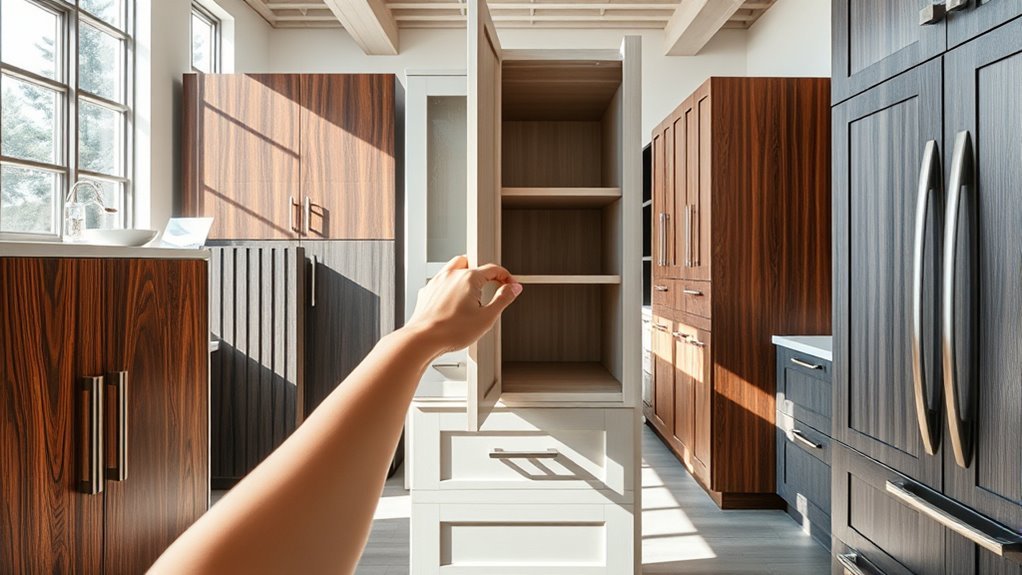
When choosing kitchen cabinets, you’ll want to think about style, material, and how you’ll actually use them. Start by picking a color that matches your kitchen’s overall look and keeps up with design trends for a timeless vibe.
Next, look into door styles that suit your taste, whether you prefer something classic or modern. Storage is key, so consider options like pull-out shelves or deep drawers to make organizing daily essentials easier.
Using adjustable shelves can also help keep everything accessible and tidy. Durability matters too; choose materials that can handle wear and moisture over time.
Review installation options, from doing it yourself to hiring professionals, based on your skill level and timeframe.
While setting a budget is important, focus first on cabinets that meet your needs without sacrificing quality.
Set a Realistic Kitchen Cabinet Budget
First things first, you’ll want to figure out your overall renovation budget. This will give you a good idea of how much you can actually spend on your cabinets. It’s a smart move to prioritize setting aside enough funds for quality materials that match your style and meet your needs.
Staying realistic with your budget from the start helps prevent any surprises down the line and keeps your project moving smoothly. After all, it’s better to plan wisely now than to run into unexpected costs later!
Determine Total Renovation Costs
How much should you realistically allocate for your kitchen cabinet renovation? Start by considering your kitchen layout and renovation timeline since they heavily influence total costs. A more complex layout or a rushed schedule can increase expenses.
Be sure to factor in labor, permits, and unexpected issues so you don’t get caught off guard. Here’s a quick cost overview based on typical variables:
| Factor | Estimated Cost Range | Notes |
|---|---|---|
| Kitchen Layout | $1,000 – $3,000 | Complex layouts cost more |
| Labor | $2,000 – $5,000 | Depends on how urgent it is |
| Permits & Inspections | $200 – $800 | Usually required in many areas |
| Contingency | 10-15% of total | For unexpected expenses |
Knowing these numbers helps you set a realistic budget upfront.
Allocate Funds for Materials
Allocating funds for materials takes up a significant chunk of your kitchen cabinet budget, usually between 40% and 60% of the total renovation cost. To stay on track, start by exploring different material options like solid wood, plywood, MDF, or laminate—each varies in price and durability.
Use budgeting tips such as prioritizing quality for frequently used cabinets and choosing cost-effective options for less visible areas. Don’t forget to include hardware and finishes, which also impact your overall costs.
Plan Cabinet Storage for Maximum Organization
Three key areas to focus on when planning cabinet storage are accessibility, functionality, and space optimization. Start by identifying the items you use most and place them within easy reach. Incorporate smart storage solutions like pull-out shelves, lazy Susans, and vertical dividers to keep everything organized and easy to find. These tips help reduce clutter and save time during meal prep.
Next, customize your cabinets based on your cooking habits. If you bake often, consider dedicated drawers for baking sheets and mixers. For cookware, deep drawers with sturdy bottoms work best. Don’t forget to use adjustable shelving to adapt storage as your needs change.
Finally, maximize every inch by using the inside of cabinet doors for small racks or hooks. Planning your cabinet storage with these strategies creates a kitchen that’s efficient, tidy, and tailored to your lifestyle.
Get to Know Kitchen Cabinet Materials
Once you’ve planned your cabinet storage to fit your habits and space, it’s important to think about the materials that will shape your kitchen’s look and durability. Understanding different cabinet materials helps you balance style and function.
Choosing the right cabinet materials is key to blending kitchen style with lasting durability.
You’ll often compare wood versus laminate: wood offers timeless appeal and sturdiness, while laminate is budget-friendly, versatile, and easy to maintain. The durability of your cabinets depends on the quality of the material and the finish.
Consider how much wear your cabinets will endure. Maintenance tips vary—wood may need periodic sealing, whereas laminate just requires simple cleaning. Environmental factors also matter; sustainably sourced wood reduces your kitchen’s footprint, while some laminates use recycled materials.
Cost is another factor. Wood usually costs more upfront but can boost your home’s value. Laminate is a more affordable option, great for tighter budgets. Keep an eye on design trends and color options to keep your kitchen stylish and personalized.
Knowing these details helps you pick materials that fit your lifestyle and taste perfectly.
Compare Popular Cabinet Door Styles
How do you choose the right cabinet door style to match your kitchen’s personality and function? Start by thinking about how each style complements your space and daily use. Popular door styles offer unique looks and vibes:
Shaker style is known for its clean, simple lines. It works well in both traditional and modern kitchens with timeless appeal.
Raised panel adds depth and a classic touch. It’s perfect if you’re after a more formal or vintage look.
Flat front is great for a sleek, modern kitchen. Its minimalist design keeps things understated and contemporary.
You might also explore options like Glass front cabinets to display your dishware, Beadboard for a cozy, cottage feel, or Louvered doors to add texture and ventilation.
Choose Kitchen Cabinet Finishes to Match Your Style
Where should you start when choosing cabinet finishes that fit your kitchen’s style? Focus on the look and feel you want to create.
If you lean toward sleek, clean lines, modern finishes with high gloss levels can give your space a polished, contemporary vibe. For a cozy, nostalgic touch, vintage styles paired with matte finishes offer timeless charm.
Pay attention to color trends—neutrals, bold blues, or soft greens can set the tone. Consider contrasting hues to add depth and interest.
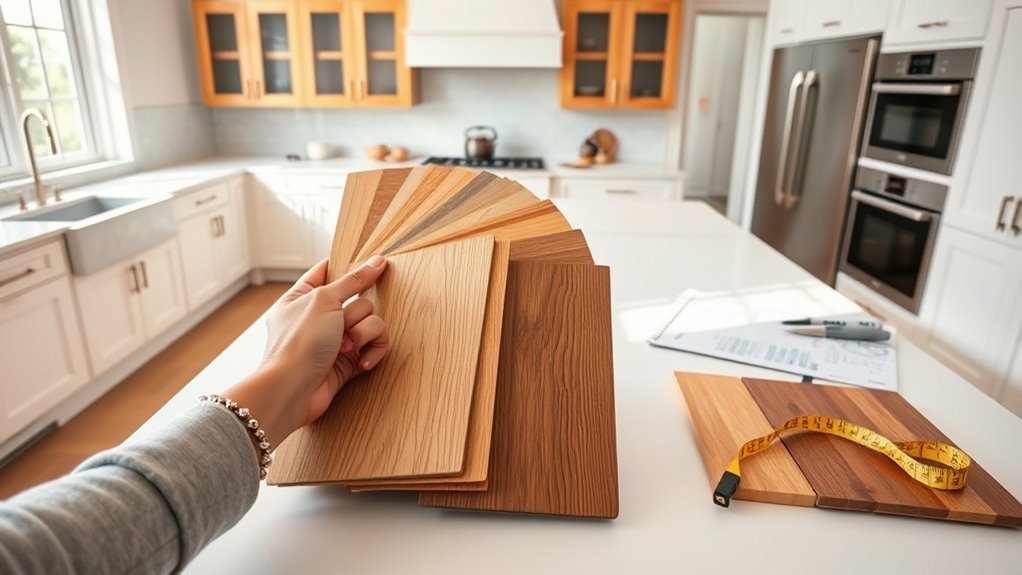
Texture options also play a big role. Smooth surfaces feel modern, while wood grains bring warmth.
Don’t overlook sustainable materials, which not only support eco-friendly choices but often add unique character too.
Balancing gloss levels and textures helps you match your cabinets perfectly to your kitchen’s personality, ensuring your space feels both stylish and inviting.
Measure Your Kitchen for Cabinet Fit and Layout
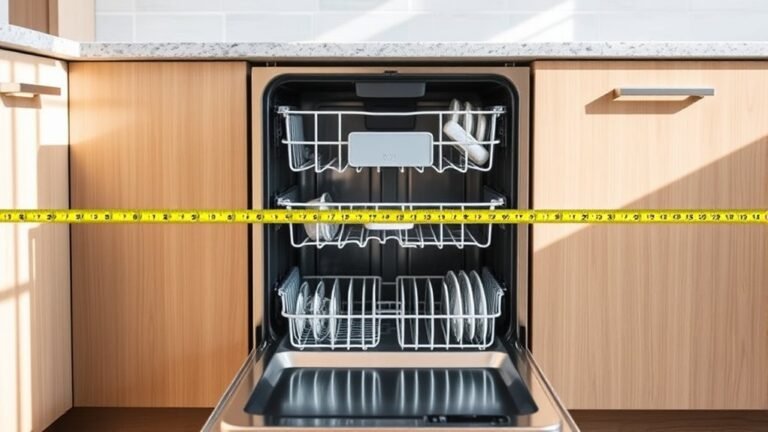
After choosing finishes that match your style, it’s time to make sure your cabinets fit perfectly in your kitchen. Accurate measurements are essential to ensure your new cabinets complement your space without crowding or gaps.
Start by measuring your kitchen dimensions carefully, including wall lengths, ceiling height, and any obstacles like windows or doors. Use these steps to optimize your layout:
- Record all wall lengths and heights to get a clear picture of your available space.
- Note the locations of plumbing, electrical outlets, and appliances that could impact cabinet placement.
- Sketch your kitchen layout to visualize how the cabinets will be arranged and flow together.
Decide on Custom, Semi-Custom, or Stock Cabinets
When choosing cabinets, you’ll want to evaluate whether custom, semi-custom, or stock options best fit your needs and budget. Custom cabinets offer full design personalization and material choices, so you can match your style trends and colors precisely. But keep in mind, they usually take longer to install.
Semi-custom cabinets provide a good middle ground. These come in standard sizes but let you tweak finishes, styles, and materials to suit your kitchen’s look. They’re less expensive than custom options and can be tailored to your preferences.
Stock cabinets are budget-friendly and popular for quick installations. They follow common style trends but have limited options for personalization. If you want your kitchen ready fast and prefer practical choices, stock might be the way to go.
Consider how quickly you want your kitchen finished and how much you value a personalized look. Weighing these factors will help you pick cabinets that fit your lifestyle perfectly.
Assess Cabinet Quality and Construction
A cabinet’s quality and construction directly affect its durability and performance. When evaluating cabinets, pay close attention to how they’re built—this will save you from costly repairs or replacements later.
Start by checking the drawer construction. Solid wood or plywood drawers last longer and resist warping better than particleboard. Next, evaluate the hinge quality since high-quality hinges provide smooth operation and prevent sagging over time.
Finally, inspect the overall joinery and materials used in the cabinet box. Look for these key indicators:
- Drawer construction: Durable materials and dovetail joints indicate sturdiness.
- Hinge quality: Soft-close hinges improve functionality and longevity.
- Cabinet box material: Plywood or solid wood boxes are more reliable than particleboard.
Choose the Best Cabinet Hardware and Installation Help
How do you guarantee your kitchen cabinets not only look great but function flawlessly? Start by choosing the right cabinet hardware. Handles, knobs, and pulls don’t just add style—they impact usability. Pick hardware that complements your kitchen’s design and feels comfortable to use daily. Consider finishes that resist fingerprints and wear for lasting appeal.
Next, look into installation options. While DIY installation can save money, it requires skill and time. Hiring a professional guarantees precise fitting and helps avoid costly mistakes. Some cabinet suppliers offer installation services or can recommend trusted installers. Don’t overlook this step; proper installation affects cabinet durability and overall kitchen function.
Frequently Asked Questions
How Do I Clean and Maintain Kitchen Cabinets?
You clean and maintain kitchen cabinets by first figuring out what they’re made of—wood, laminate, or metal—since each needs a different approach.
For wood cabinets, use a mild soap solution and a soft cloth to avoid any damage. Laminate cabinets respond well to gentle all-purpose cleaners.
Metal cabinets might need a vinegar solution to prevent streaks. Be sure to wipe up spills regularly and avoid harsh chemicals.
Occasionally polishing wood cabinets can help keep them looking fresh and make them last longer.
What Are the Latest Kitchen Cabinet Design Trends?
You’ll love the latest kitchen cabinet design trends featuring modern materials like matte finishes and sustainable wood.
Bold colors, such as deep navy, forest green, or even black, are making a statement and adding personality to your space.
Mixing open shelving with closed cabinets creates a balanced, airy feel.
You’ll also find minimalist hardware or handleless designs popular, giving your kitchen a sleek, contemporary look that’s both functional and stylish.
Can Kitchen Cabinets Be Eco-Friendly or Sustainable?
Yes, you can definitely choose kitchen cabinets that are eco-friendly and sustainable. Look for cabinets made from eco-friendly materials like bamboo, reclaimed wood, or FSC-certified lumber.
Also, opt for sustainable finishes such as low-VOC paints and water-based stains to reduce environmental impact. These choices help you create a beautiful kitchen while minimizing harm to the planet, so you can feel good about your cabinet selection.
How Long Do Kitchen Cabinets Typically Last?
Kitchen cabinets usually last between 15 and 30 years, depending on the material and how well you take care of them. Solid wood cabinets tend to be more durable and last longer than particleboard or laminate options.
To help your cabinets stay in good shape for years, make sure they’re installed properly with level mounting and quality hardware. Regular cleaning and avoiding excess moisture also keep them looking and functioning well for decades.
What Warranty Options Are Available for Kitchen Cabinets?
It’s no coincidence that many cabinet makers offer warranty coverage tailored to their cabinet materials. When you pick cabinets, you’ll find warranties ranging from limited 1-year coverage to lifetime guarantees, especially for solid wood or plywood.
These warranties cover defects in materials and workmanship but usually exclude wear and tear. Always check what’s included so you’re protected.
Knowing your warranty details helps you choose cabinets that stand up to daily use confidently.
Conclusion
Choosing kitchen cabinets is like painting the foundation of your culinary masterpiece. With a clear budget as your palette and thoughtful planning as your brush, you’ll craft a space that’s both functional and beautiful.
By understanding materials, styles, and quality, you set the stage for years of kitchen stories. So, welcome this journey with confidence. Your perfect cabinets are the cornerstone that will transform your kitchen into a harmonious blend of style and utility.