Induction Cooktop Electrical Requirements: What You Need to Know Before Installation
Induction cooktops require specific electrical setups to function safely and at peak performance. Most residential induction cooktops need a dedicated circuit with 240 volts and a suitable amperage rating, typically between 30 to 50 amps depending on the model. Proper wiring and breaker sizing are crucial to prevent hazards and ensure reliable operation.
Knowing the right electrical requirements matters to avoid overloads, electrical fires, or cooktop malfunctions. Induction cooktops use magnetic fields to heat pots directly, requiring a stable and robust electrical supply that differs from standard kitchen appliances. Improper installation can also void warranties or lead to frequent tripping of breakers.
This article covers everything you need for setting up your induction cooktop, including voltage and amperage needs, wiring types, breaker recommendations, grounding rules, and local electrical codes. You'll also find advice on professional installation and tips to troubleshoot common electrical issues.
Understanding Voltage and Amperage for Induction Cooktops

Standard Voltage Requirements
Most induction cooktops operate on a 240-volt circuit, which differs from the common 120-volt circuits used for smaller kitchen appliances. This higher voltage allows the cooktop to deliver the required power level for fast heating and precise temperature control.
Some smaller portable induction models may run on 120 volts, but their power output is limited. For built-in or full-size cooktops, 240 volts is usually mandatory to meet the electrical demands safely and efficiently.
Amperage and Power Rating
The amperage needed for an induction cooktop depends on its power rating, usually measured in watts. Higher wattage cooktops require circuits rated for 30 to 50 amps to handle the current load without tripping breakers.
It’s essential to check the manufacturer’s specifications and select a circuit breaker matching or exceeding the recommended amperage to avoid electrical hazards or performance issues.
Wiring Specifications and Circuit Breaker Selection
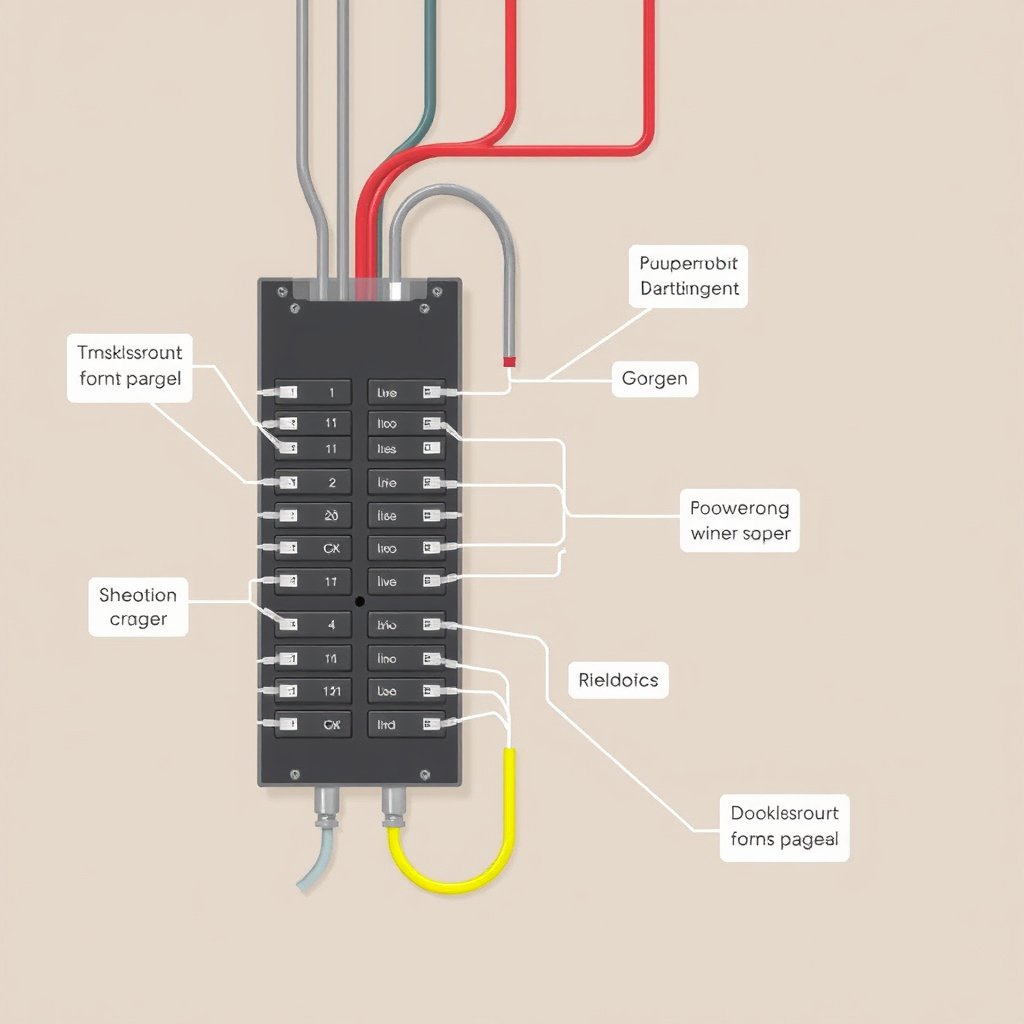
Appropriate Wire Gauge Choices
The wire gauge must be matched to the amperage of the induction cooktop’s circuit. For instance, a 40-amp circuit commonly requires 8-gauge copper wire, while 50 amps might call for 6-gauge wire to safely carry the current.
Using wires that are too thin can lead to overheating and fire risks, so following electrical codes and manufacturer guidelines is critical during installation.
Selecting the Best Circuit Breaker for Induction Cooktop
A dedicated circuit breaker is required for an induction cooktop to isolate its electrical load. The breaker should be a double-pole type to handle 240 volts and have an amperage rating compatible with the cooktop’s power draw.
Choosing the correct breaker not only protects the appliance but also the home's electrical system from overload or damage.
- Double-pole breakers recommended for 240V circuits
- Amperage rating matching manufacturer’s recommendation
- Use breakers rated for continuous load if specified
Grounding and Safety Considerations

Importance of Proper Grounding
A secure ground wire connection is vital for the safe operation of an induction cooktop. It directs any stray electrical current safely into the earth, preventing shocks or appliance damage.
Grounding must comply with national and local electrical codes, usually requiring a dedicated grounding conductor attached at the cooktop and at the main electrical panel.
Avoiding Electrical Hazards
Using a qualified electrician ensures the installation avoids common risks like loose connections, faulty wiring, or shared circuits that can overload the system.
Regular inspections and adhering to electrical codes and manufacturer instructions help maintain safety and reduce fire or shock hazards related to induction cooktop electrical requirements.
Local Electrical Codes and Regulations

Understanding National Electrical Code (NEC) Standards
The NEC provides standardized rules for wiring and installing kitchen appliances, including induction cooktops. Section 210.52 and 220 outline requirements for dedicated circuits and load calculations.
Compliance with the NEC ensures safety, legal approval for installations, and proper insurance coverage in case of electrical incidents.
Checking Local Amendments and Permits
Local jurisdictions may add their own amendments to electrical codes requiring permits or inspections before and after installation.
Before purchasing or installing an induction cooktop, verify local rules to avoid costly rework or code violations.
Installation Tips and Troubleshooting Electrical Issues

Professional Installation Benefits
Hiring a licensed electrician ensures your induction cooktop is wired and connected to the correct circuit, grounded properly, and tested for safety.
They can also advise on upgrades needed in your electrical panel or kitchen wiring to support the cooktop’s electrical requirements.
For detailed technical information on induction cooktop electrical standards, visit the induction cooking section on Wikipedia. Induction cooking electrical standards.
Common Electrical Problems and Fixes
Frequent breaker trips or cooktop power flickers usually indicate wiring issues, inadequate amperage rating, or faulty breakers.
Addressing these involves checking circuit load, testing breaker functionality, and ensuring all connections are secure and code-compliant.
Induction Cooktop Circuit Options Comparison
Review this table comparing common circuit options to help match your induction cooktop’s electrical needs with wiring and breaker choices.
| Circuit Voltage | Breaker Amperage | Wire Gauge | Typical Cooktop Size |
|---|---|---|---|
| 120 V Single-Pole | 15-20 A | 14-12 AWG | Portable or small cooktops up to 1800W |
| 240 V Double-Pole | 30 A | 10 AWG | Mid-range cooktops up to 7200W |
| 240 V Double-Pole | 40 A | 8 AWG | Full-size cooktops up to 9600W |
| 240 V Double-Pole | 50 A | 6 AWG | High-powered cooktops over 9600W |
Frequently Asked Questions
Can I use a standard 120V outlet for my induction cooktop?
Small portable induction cooktops may operate on 120 volts but usually have lower power output. Full-size or built-in models generally require a dedicated 240V circuit for proper performance.
Do I need a dedicated circuit breaker for my induction cooktop?
Yes, induction cooktops require a dedicated breaker rated according to the appliance’s amperage to prevent overload and ensure safe operation.
What wire gauge is required for a 40-amp induction cooktop circuit?
Typically, an 8-gauge copper wire is recommended for a 40-amp circuit to safely handle the electrical load without overheating.
Is professional installation necessary for an induction cooktop?
Hiring a licensed electrician is highly advised to meet electrical code requirements, ensure safety, and properly size circuits for the cooktop.
What happens if the circuit breaker rating is too low?
An underrated breaker may trip frequently during use, interrupting cooking and signaling a mismatch that could pose safety hazards if not corrected.
Key Takeaways
- Induction cooktops usually require a dedicated 240V circuit with proper amperage.
- Correct wire gauge and breaker selection are essential for safety and performance.
- Proper grounding and adherence to electrical codes reduce shock and fire risks.
- Professional installation helps prevent common electrical problems and code violations.
Conclusion
Determining the electrical requirements for your induction cooktop is a foundational step to safe, reliable operation. By focusing on voltage needs, amperage ratings, appropriate wiring, and breaker sizes, you build an electrical setup that supports efficient cooking and protects your home. Understanding these factors in the context of national and local regulations gives you peace of mind, and prevents damage or nuisance issues like frequent breaker trips.
For most residential installations, a 240-volt double-pole breaker with an amperage matching the cooktop’s specific power profile is necessary, alongside correctly gauged copper wiring. Smaller or portable induction cooktops may differ, but always consult the manufacturer’s installation guide. Investing in professional installation ensures your kitchen circuitry is up to standard, and professionals can also assist verifying grounding and conducting necessary inspections.
Before installation, review local code requirements and obtain any necessary permits to keep your project on track. Taking these steps helps guarantee a safe, efficient cooking experience. An electrician's assessment can also be invaluable if your current electrical panel needs a capacity upgrade to support your new induction cooktop electrical requirements.