How to Make Pesto: A Simple Guide to Fresh Homemade Sauce
Making pesto at home is straightforward and rewarding, requiring just a few fresh ingredients like basil, pine nuts, garlic, Parmesan cheese, olive oil, and salt. The key to great pesto is balancing these ingredients by blending them into a smooth, fragrant sauce that brightens pasta, sandwiches, and more.
This Italian classic sauce matters because it uses fresh herbs and simple pantry staples to produce complex flavor quickly. Unlike store-bought versions, homemade pesto lets you control ingredient quality, texture, and intensity, resulting in a vibrant, aromatic sauce that elevates many dishes.
In this guide, you’ll find step-by-step instructions for making pesto, tips for ingredient substitutions, storage advice, and creative ways to use it beyond pasta. Whether you have a blender, food processor, or mortar and pestle, you can create pesto that suits your taste.
Choosing Quality Ingredients for Homemade Pesto

Selecting the Right Basil
Sweet Genovese basil is traditionally used in pesto for its sweet, slightly peppery notes and tender leaves. Avoid wilted or bruised basil as fresh, crisp leaves provide better flavor and aroma. If you can’t find fresh basil, frozen basil is an alternative but less flavorful.
When preparing basil, gently wash and dry leaves to prevent excess moisture diluting the sauce. Using more basil relative to other ingredients produces a greener, more herbaceous pesto, so adjust according to your taste.
Choosing Nuts, Cheese, and Oil
Pine nuts are traditional and impart a buttery, slightly resinous flavor. Toast them lightly for added aroma but avoid burning. Alternatives like walnuts or almonds can be used but change the final taste.
For cheese, authentic pesto calls for aged Parmigiano-Reggiano or Pecorino Romano, which adds savory depth and saltiness. Extra virgin olive oil is ideal for its fruity notes and smooth texture, and using a good-quality oil significantly improves the sauce's richness.
Step-by-Step Process to Make Classic Pesto

Prepping Ingredients and Equipment
Gather all ingredients measured in advance. Peel garlic cloves and grate cheese finely to help them incorporate smoothly with other elements. Choose a blender, food processor, or mortar and pestle based on what you have available for blending.
If you prefer a chunkier texture, using a mortar and pestle to pound ingredients manually encourages a rustic consistency and releases more essential oils from basil and nuts.
- Use fresh ingredients
- Prep garlic and cheese finely
- Select appropriate blending tool
Blending to the Right Texture
Start by pulsing pine nuts and garlic to form a coarse paste before adding basil leaves in batches. Slowly drizzle in olive oil while blending until smooth but still slightly textured. Stir in grated cheese last to prevent overmixing.
Avoid over-blending to keep a natural, vibrant green color and pleasant mouthfeel. Taste and adjust salt or oil if necessary, balancing creaminess and brightness.
- Pulse nuts and garlic first
- Add basil gradually
- Drizzle oil slowly
- Add cheese last
Variations and Ingredient Substitutions

Nut and Herb Alternatives
To vary pesto, try walnuts or cashews instead of pine nuts for different flavor notes. Herbs like parsley, arugula, or cilantro can replace or mix with basil to create unique versions. Each change alters the taste and aroma, broadening pesto’s culinary possibilities.
Sun-dried tomato pesto adds tang and richness by substituting tomatoes for some basil, creating a chunky, colorful sauce suitable for many dishes.
- Walnuts, cashews, or almonds as nuts
- Parsley, arugula, or cilantro instead of basil
- Sun-dried tomato additions
For more on this, see our related guide: How to Make Shrimp Alfredo: Complete Steps and Tips for Perfect Creamy Pasta.
Dairy-Free and Vegan Pesto Options
For dairy-free pesto, omit cheese and replace with nutritional yeast to maintain cheesy umami notes. Using extra nuts or seeds, like hemp or sunflower seeds, can also boost texture and flavor.
Adjust seasoning with extra salt, lemon juice, or garlic to compensate for the cheese’s absence. These versions work well for those with dietary restrictions while preserving pesto’s signature bold taste.
- Use nutritional yeast for cheesy flavor
- Add extra nuts or seeds for body
- Enhance flavor with lemon or garlic
Storing and Preserving Fresh Pesto

Short-Term Refrigeration
Store freshly made pesto in an airtight container with a thin layer of olive oil on top to prevent oxidation. Refrigerated pesto maintains best flavor for up to one week. Using a clean spoon each time prevents contamination.
If the pesto darkens slightly on top, stirring it will often restore some brightness. Keep refrigerated at or below 40°F (4°C) to maintain freshness.
- Use airtight container
- Cover surface with olive oil
- Keep refrigerated under 40°F
Freezing for Longer Storage
Pesto freezes well in ice cube trays allowing small portions to thaw as needed. Once frozen, transfer cubes to a freezer bag for space saving. Frozen pesto retains good flavor for 3 to 6 months but may lose some vibrancy.
Thaw pesto in the refrigerator and stir to recombine before using. Avoid refreezing to preserve texture and taste.
- Freeze in ice cube trays
- Store in freezer bags
- Thaw in refrigerator before use
Creative Ways to Use Homemade Pesto

Classic and Contemporary Serving Ideas
The most common use for pesto is tossing it with freshly cooked pasta for a quick, flavorful dish. It also works well as a spread on sandwiches or bruschetta, adding an herbaceous punch.
Pesto can be stirred into soups, mixed with ricotta for a dip, or drizzled over roasted vegetables, providing versatility beyond traditional applications.
- Pasta sauce
- Sandwich spread
- Soup stir-in
- Vegetable drizzle
For more on this, see our related guide: How to Make Fresh Pasta Without a Machine: Simple Steps for Perfect Homemade Pasta.
Incorporating Pesto into Recipes
Try folding pesto into scrambled eggs or omelets for breakfast with extra flavor. Mixing it into salad dressings or marinades adds a fresh dimension to meats and grilled dishes.
Pesto can also enhance pizza as a base sauce or topping and enrich grain bowls or couscous salads for nutritious, flavorful meals.
- Eggs and omelets
- Salad dressings
- Pizza base or topping
- Grain bowl mix-in
How to Make Pesto: Tips for Perfect Results
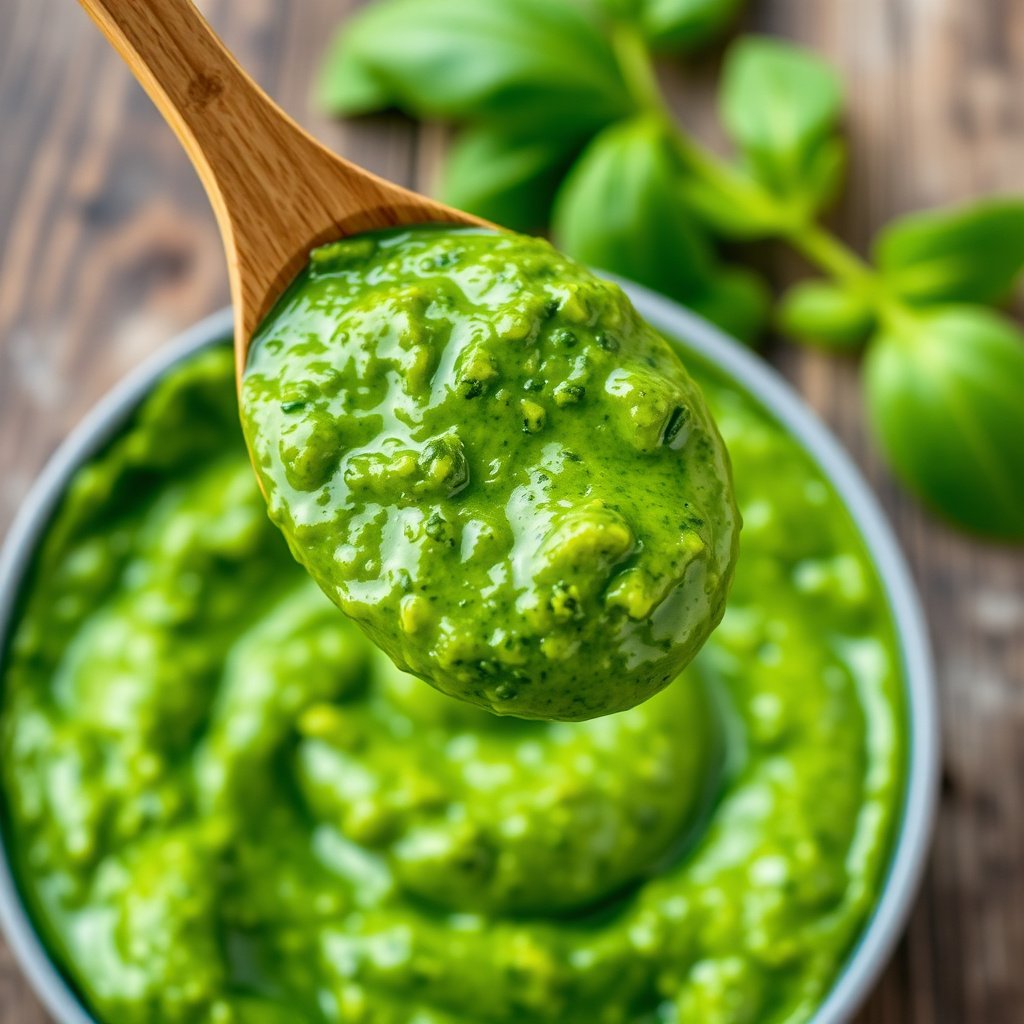
Balancing Flavors and Textures
Adjust olive oil gradually for desired consistency; too much oil creates a thin sauce, too little makes it dry. Fresh garlic adds pungency, so add sparingly at first and increase if needed after tasting.
Salt enhances flavors but tastes can become overpowering if too much is added upfront. Always taste as you go for the best balance of herbal freshness, nuttiness, and creaminess.
- Add oil slowly
- Start with small amounts of garlic
- Adjust salt carefully
For more detailed history and variations of pesto, you can explore Pesto on Wikipedia. Pesto on Wikipedia.
Avoiding Common Mistakes
Using old or dried-out basil will result in flat, dull tasting pesto. Avoid blending ingredients too long, which can cause oxidation and bitterness. Rinse equipment quickly after use to prevent staining and odor residue.
Avoid substituting melted butter or other oils as they alter flavor and texture drastically; quality extra virgin olive oil is paramount for authentic pesto character.
- Use fresh basil
- Limit blending time
- Clean tools promptly
- Use extra virgin olive oil only
Pesto Variations Category Comparison
Here is a comparison of popular pesto types based on ingredients, flavor profile, and best uses to help tailor your choice.
| Pesto Type | Primary Herbs/Nuts | Flavor Profile | Best For |
|---|---|---|---|
| Classic Basil Pine Nut | Basil, pine nuts | Herbaceous, nutty, creamy | Pasta, sandwiches, salads |
| Walnut Pesto | Basil or parsley, walnuts | Earthy, rich | Hearty soups, grain bowls |
| Sun-Dried Tomato Pesto | Basil, sun-dried tomatoes | Tangy, sweet, savory | Pasta, bruschetta, dipping |
| Vegan Pesto | Basil, nuts/seeds | Savory, nutty, slightly tart | Dairy-free dishes, spreads |
| Arugula Pesto | Arugula, almonds or walnuts | Peppery, fresh | Pizza, grilled meats, salads |
Frequently Asked Questions
Can I make pesto without a food processor?
Yes, traditional pesto is often made using a mortar and pestle, which allows manual control over texture and releases aromatic oils better than machines.
How long does homemade pesto last in the fridge?
When stored properly in an airtight container with olive oil on top, fresh pesto lasts about one week refrigerated before flavor fades.
What nuts can I substitute for pine nuts in pesto?
Walnuts, almonds, or cashews are common substitutes that provide different but still delicious flavors and textures in pesto recipes.
Can I freeze pesto for later use?
Absolutely, freezing pesto in small portions like ice cubes preserves flavor for months, making it convenient to use anytime.
Is there a dairy-free alternative to Parmesan in pesto?
Nutritional yeast is a popular vegan substitute that mimics cheese's savory taste while keeping pesto dairy-free.
Key Takeaways
- Fresh basil and quality olive oil are essential for flavorful pesto
- Pesto texture varies with blending method and oil amount
- Homemade pesto can be customized with various nuts and herbs
- Proper storage preserves pesto's vibrant color and taste
Conclusion
Deciding on how to make pesto starts with choosing fresh, quality ingredients that suit your palate and available tools. Whether using classic basil with pine nuts or experimenting with walnuts or arugula, understanding the balance between herbs, nuts, cheese, and olive oil shapes the ultimate flavor and texture. The main keyword’s promise is fulfilled by focusing on technique and ingredients that bring out pesto’s signature freshness and richness.
If you prefer a traditional flavor and smooth consistency, follow the basic pesto recipe step-by-step, blending pine nuts, basil, Parmesan, garlic, and olive oil carefully. For those with dietary restrictions or flavor preferences, exploring vegan or nut alternatives lets you tailor pesto to your needs. Using a mortar and pestle will give rustic texture, while a food processor offers convenience. Notably, the secondary keyword “best pesto recipe” relates well to these variations, guiding you toward the option that best fits your kitchen and taste buds.
After making your first batch of homemade pesto, storing it properly and experimenting with serving ideas will maximize your enjoyment. For fresh results, prepare small quantities or freeze extra for later. Try pesto on pasta, bread, or even as a creative dressing. To further deepen your understanding or for a more professional outlook, visiting the linked external reference offers detailed background and culinary tradition. Cooking pesto at home is satisfying and accessible, making it a flavorful staple in your recipe collection.