How to Make Fried Pickles: A Crispy Southern Classic Recipe
Fried pickles are a delicious Southern treat made by coating pickle slices in a seasoned batter and frying them until golden and crispy. The process is simple and fast, involving just a handful of ingredients such as dill pickles, flour, eggs, and seasonings. With the right technique, you’ll enjoy perfectly crunchy fried pickles with a tangy center every time.
This recipe matters because fried pickles are an irresistible appetizer or snack that brings a crisp texture and tangy flavor contrast in one bite. Whether you’re preparing an indulgent party dish or a casual snack, homemade fried pickles often taste better and fresher than store-bought options. Plus, the batter can be customized to suit your spice preferences.
In this article, you’ll discover step-by-step instructions on how to prepare the pickles for frying, choose the best batter, fry them safely, and serve them with complementary dipping sauces. Additionally, tips on selecting the right pickles and alternatives for different frying methods will help you master this classic recipe.
Choosing the Right Pickles for Fried Pickles
Types of Pickles to Use
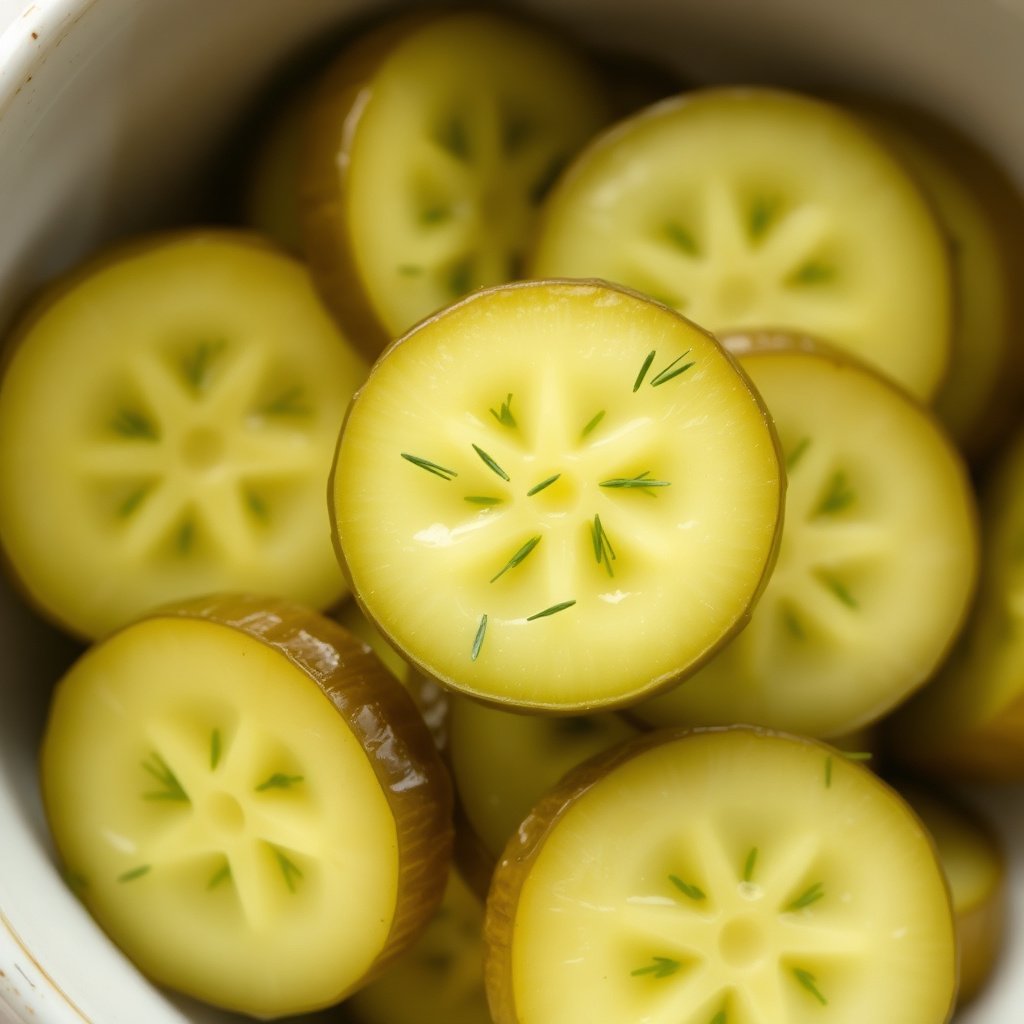
Selecting the right pickles is fundamental for crisp, flavorful fried pickles. Dill pickles are the traditional choice because their tangy and slightly salty flavor stands out well after frying. Slices should be firm and not overly soft to prevent sogginess in the batter.
Bread and butter pickles or sweet pickles can be used if you prefer a sweeter taste. However, their texture might be softer, so opt for thicker slices or pat them dry thoroughly before battering. Avoid pickles that are too watery as they can weaken the batter’s adhesion.
- Firm dill pickle chips or slices
- Avoid overly soft or mushy pickles
- Pat pickles dry to reduce moisture
Preparing Pickle Slices
After selecting your pickles, it’s key to prepare them properly for frying. Drain them well in a colander, then pat them dry with paper towels to remove excess liquid. This step helps the batter stick better and prevents the oil from splattering.
Cut the pickles into chips about 1/4 inch thick or wedges depending on preference. Uniform size ensures even cooking and crispiness. Let the slices rest on paper towels for 10-15 minutes if needed to absorb excess brine.
- Drain and dry pickles thoroughly
- Cut uniformly for even frying
- Rest slices briefly on paper towels
Crafting the Perfect Batter for Fried Pickles
Basic Batter Ingredients and Ratios
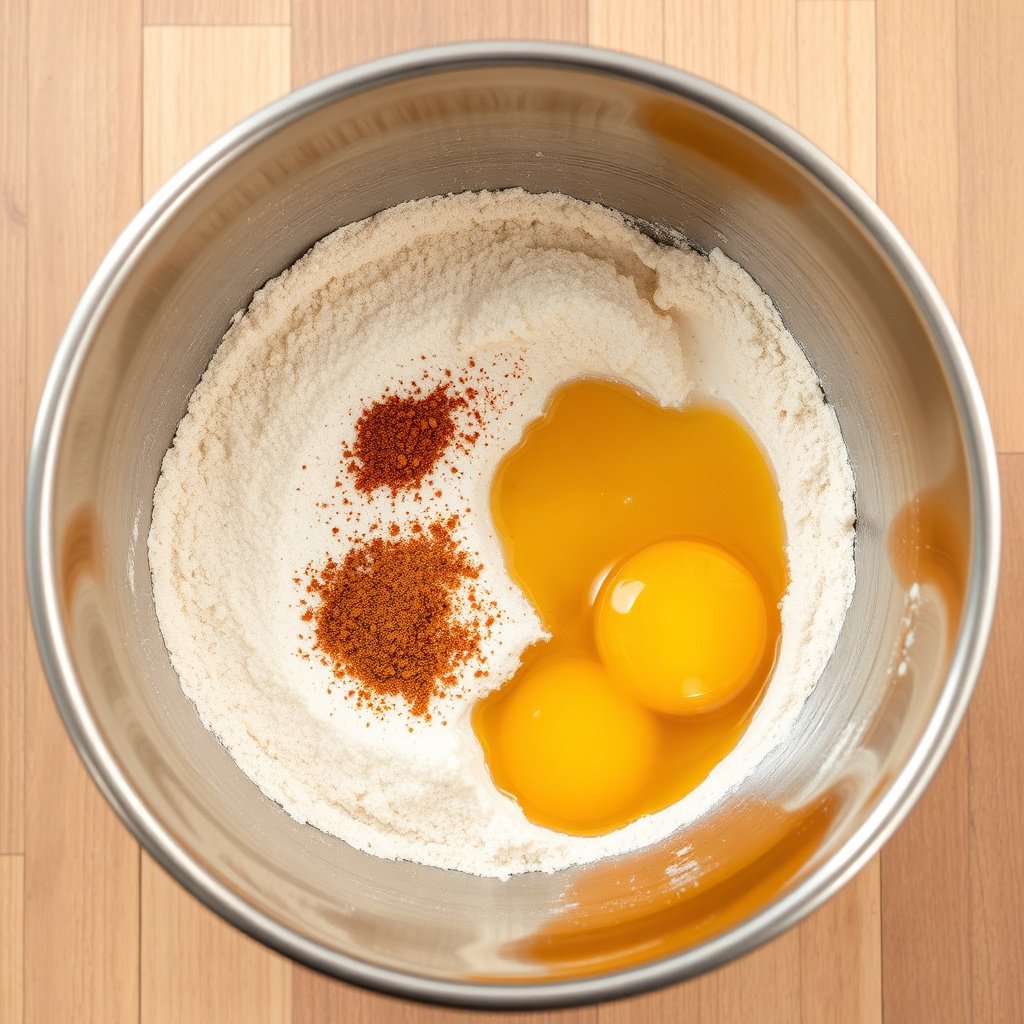
The classic batter for fried pickles includes all-purpose flour, cornmeal or breadcrumbs, eggs, and seasonings like paprika, garlic powder, and salt. The flour provides structure, while cornmeal adds extra crunch. Eggs serve as a binder to hold the dry ingredients onto the pickles.
Maintain roughly a 1:1 ratio of flour to cornmeal or crumbs, and use enough beaten eggs to create a thick, smooth batter. You can thin the batter with a splash of milk or water if it’s too thick to coat the pickles evenly.
- All-purpose flour
- Cornmeal or fine breadcrumbs
- Beaten eggs
- Seasonings: paprika, garlic powder, salt
For more on this, see our related guide: What Is Fried Calamari? A Complete Guide with Cooking Tips & Recipes.
Flavor Variations and Tips
To enhance your fried pickles, customize the batter by adding cayenne pepper or chili powder for a spicy kick. Herbs like dill or parsley blend well with the pickle flavor. For gluten-free options, substitute flour with rice flour or chickpea flour maintaining the same proportions.
Some recipes call for double-dipping by coating the pickle slices in flour first, then egg, and again in flour or breadcrumbs to achieve an extra crispy crust. Resting the battered pickles for a few minutes before frying helps the coating stick better.
- Add cayenne or chili powder for heat
- Use fresh or dried herbs in batter
- Try gluten-free flours as alternatives
- Double-dip for crispier texture
Frying Process: Achieving Crispy Fried Pickles
Choosing the Right Oil and Temperature
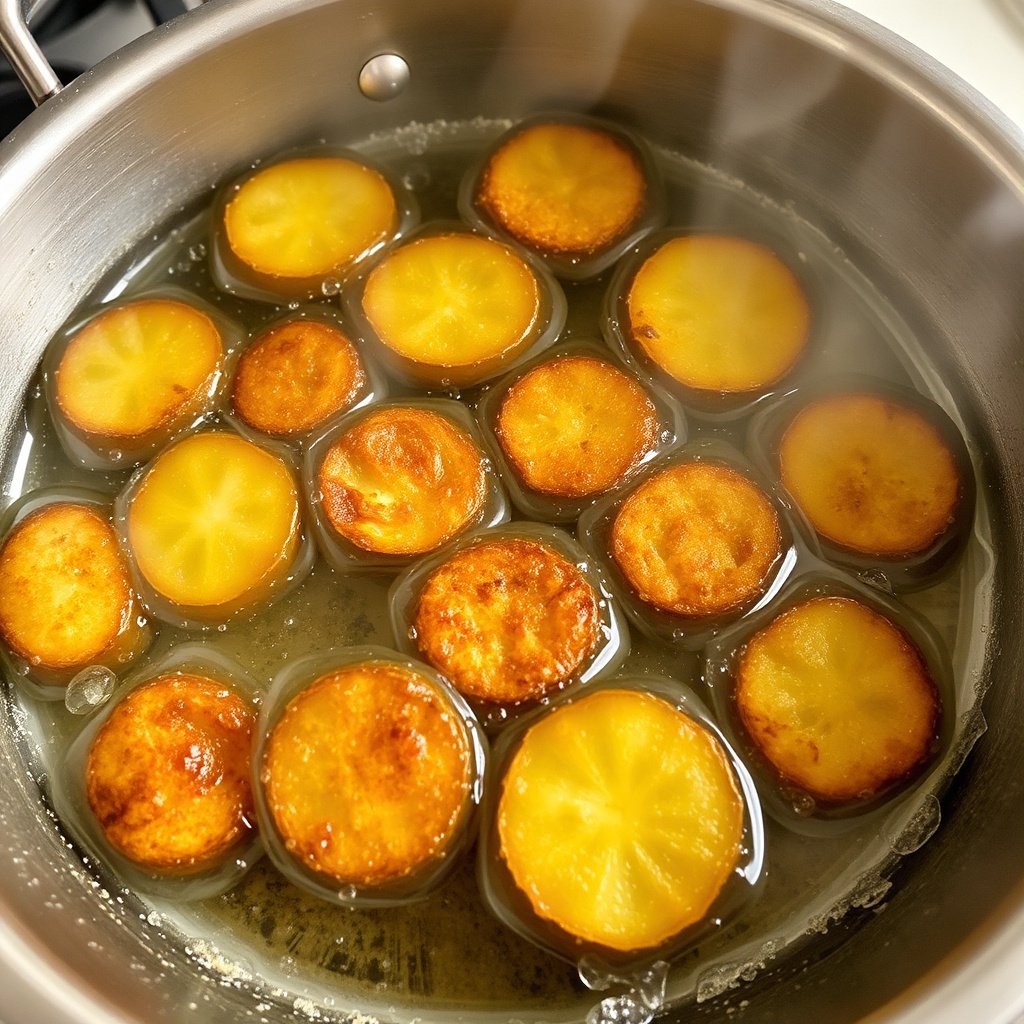
For frying pickles, use oils with a high smoke point such as vegetable oil, peanut oil, or canola oil. These oils maintain temperature well and won’t impart unwanted flavors. Maintaining oil temperature between 350-375°F ensures the pickles fry quickly and absorb minimal oil.
Use a deep fryer or a heavy-bottomed pot with a thermometer to monitor temperature precisely. Overheating causes batter to burn while underheating results in greasy, soggy pickles.
- Vegetable, peanut, or canola oil
- Oil temperature: 350-375°F
- Use thermometer for accuracy
Frying Technique and Timing
Fry the battered pickle slices in small batches to prevent temperature drop. Cook them for about 2-3 minutes or until golden brown and crispy. Use a slotted spoon to turn the pickles if needed for even cooking and remove promptly to a paper towel-lined plate to absorb excess oil.
Avoid overcrowding which causes uneven frying and soggy results. Adjust the batch size depending on your fryer or pot size for consistent results.
- Fry in small batches
- Cook until golden, about 2-3 minutes
- Drain on paper towels
- Avoid overcrowding the fryer
Serving Fried Pickles with Complementary Dips
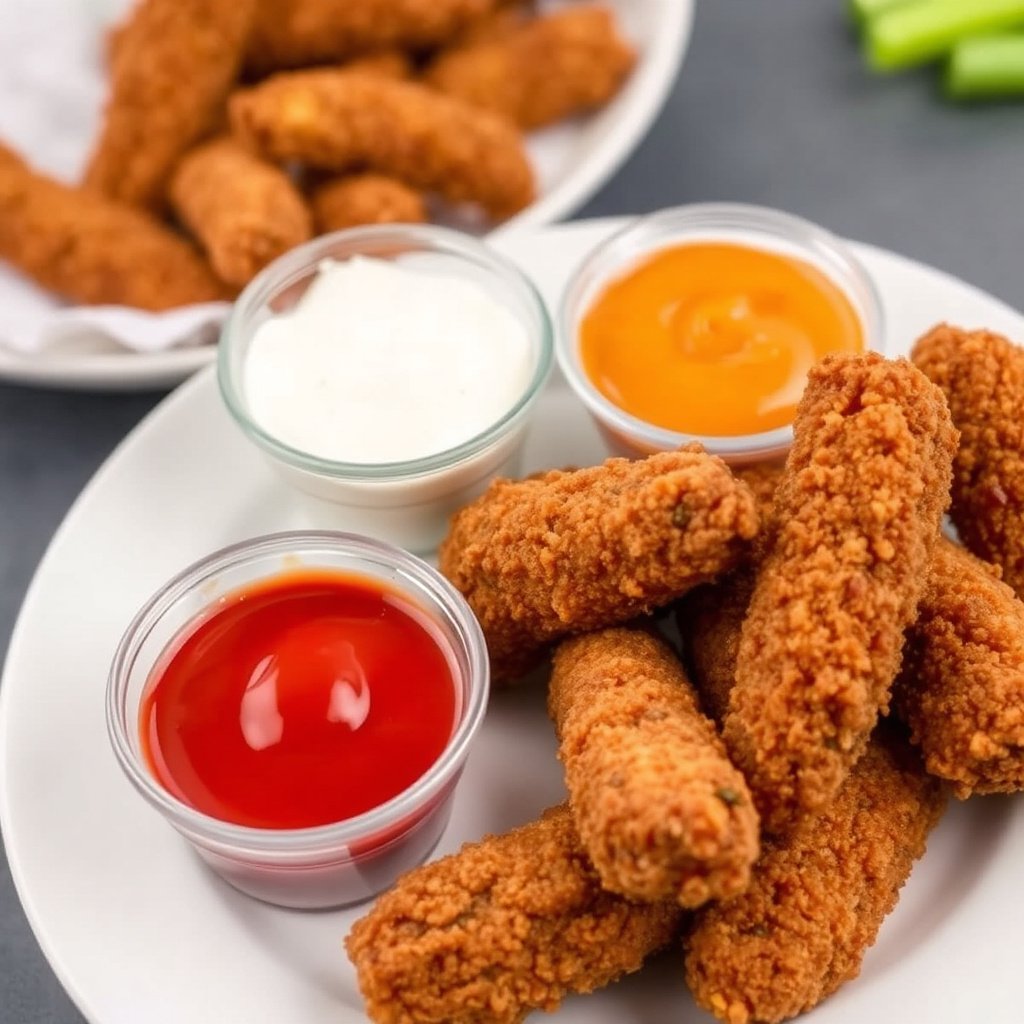
Classic Dipping Sauces
Ranch dressing is the traditional accompaniment for fried pickles, balancing their salty tang with creamy, herby flavor. Other popular options include blue cheese dressing and a simple garlic aioli. These dips add moisture and enhance the crisp texture.
You can easily prepare ranch or aioli at home with ingredients like mayonnaise, sour cream, garlic, herbs, and lemon juice or opt for store-bought varieties. Offer several dips to accommodate different tastes.
- Ranch dressing
- Blue cheese dressing
- Garlic aioli
For more on this, see our related guide: What Is the Best Bar Food: Complete Guide to Top Picks, Pairings & Profits.
Creative Sauce Ideas
For those wanting a twist, spicy sriracha mayo or honey mustard provide a sweet-heat contrast to the tangy pickles. A cool tzatziki sauce or yogurt-based dip offer a refreshing balance, especially if your batter contains spicy seasoning.
Experimenting with dipping sauces encourages variety in flavor profiles and adds excitement to serving fried pickles as a party snack or appetizer.
- Sriracha mayo
- Honey mustard
- Tzatziki or yogurt dips
Alternative Cooking Methods for Fried Pickles
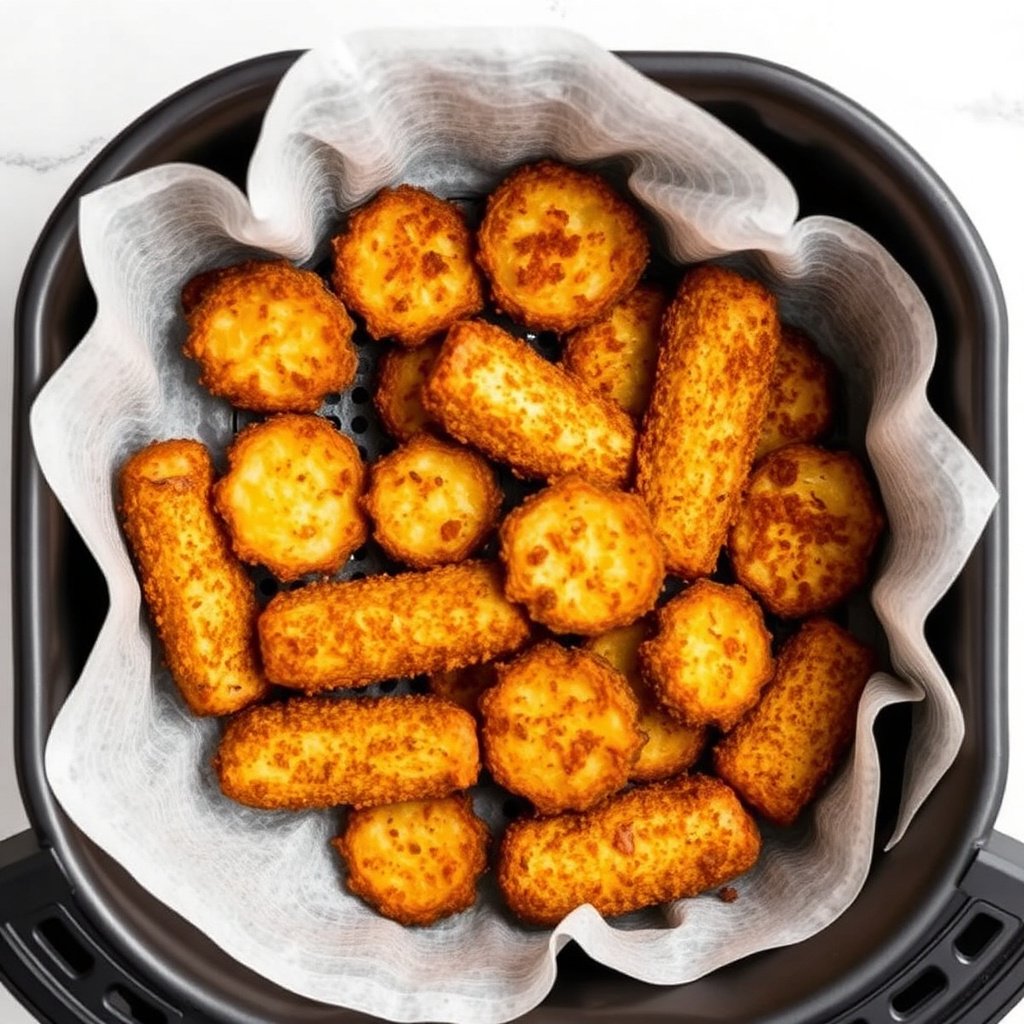
Air Frying Fried Pickles
Air frying offers a healthier alternative to deep-frying by circulating hot air for crispy results with less oil. To air fry fried pickles, lightly spray battered slices with cooking spray and arrange them in a single layer in the basket.
Cook at 400°F for 8-10 minutes, flipping halfway through. Air fried pickles may have slightly less crispiness than deep-fried ones but satisfy that crunch craving in a lower-fat way.
- Use cooking spray on battered pickles
- Air fry at 400°F for 8-10 minutes
- Flip halfway for even crispness
For more on the origins and different styles of fried pickles, see the fried pickle history and variations on Wikipedia. Fried pickle history and variations.
Baking Fried Pickles
Baking is another low-fat alternative. Place battered pickles on a greased baking sheet and spray them with oil. Bake at 425°F for 15-20 minutes, turning once. This method requires more dry seasoning in batter to compensate for lower frying browning.
Baked fried pickles yield a less oily finish with a softer crunch but remain flavorful and suitable for those avoiding frying oils.
- Preheat oven to 425°F
- Bake 15-20 minutes, turning once
- Spray lightly with oil before baking
Fried Pickles Cooking Methods Comparison
Here's a comparison of popular methods for cooking fried pickles based on texture, health, and preparation time.
| Cooking Method | Texture | Healthiness | Preparation Time |
|---|---|---|---|
| Deep-Frying | Crispest and golden | Least healthy, high oil content | Quick, 2-3 minutes per batch |
| Air-Frying | Good crispness with less oil | Healthier alternative, less fat | Moderate, 8-10 minutes per batch |
| Baking | Softer crunch, less grease | Healthiest option, minimal oil | Longest, 15-20 minutes |
| Pan-Frying | Decent crispiness depending on oil | Moderate fat usage | Similar to deep-frying but requires flipping |
| No Frying (Raw) | No crispiness | Healthiest, no oil | No cooking required |
Frequently Asked Questions
Can I use sweet pickles to make fried pickles?
Yes, sweet pickles can be fried, but their softer texture and higher moisture may result in less crispiness. Drain and dry them well before battering to improve results.
What is the best way to keep fried pickles crispy after frying?
Drain fried pickles on paper towels and serve immediately. Avoid covering them tightly as trapped steam causes sogginess. Serving with dipping sauces on the side also helps maintain crispness.
Can I prepare fried pickle batter ahead of time?
It's best to prepare the batter fresh before frying for the best texture. If needed, refrigerate the batter for up to an hour, stirring before use to prevent separation.
Are air-fried pickles as good as deep-fried ones?
Air-fried pickles offer good crispness with less oil but usually have a lighter crunch compared to deep-fried varieties. They are a great healthier alternative.
What oil is safest for frying pickles?
Use oils with high smoke points like vegetable, peanut, or canola oil to safely fry pickles. These maintain stable temperatures and won’t impart off-flavors.
Key Takeaways
- Use firm dill pickles for best frying results.
- Batter with flour, cornmeal, and spices creates a crispy coating.
- Deep-frying at 350-375°F produces golden, crunchy fried pickles.
- Air frying or baking are healthier alternatives with good texture.
Conclusion
Mastering how to make fried pickles involves understanding the balance between pickle selection, batter composition, and frying technique. Picking firm dill pickles helps maintain crunch, while a well-seasoned batter creates a flavorful crispy shell. Controlling oil temperature ensures the pickles cook quickly without absorbing too much grease, crucial for ideal texture and taste. The whole process combines simple ingredients and practical methods to produce an iconic Southern snack loved nationwide.
For those seeking the classic experience, deep-frying remains unbeaten for golden color and crispiness. If health or kitchen setup limits deep-frying, air frying provides a satisfying compromise with less fat and quicker cleanup, while baking offers another low-fat option albeit with a softer crunch. For dipping, ranch dressing is the most traditional complement, but experimenting with spicy or tangy sauces enhances variety and appeal depending on occasion or personal taste.
Now that you know how to make fried pickles from selecting and prepping pickles, crafting batter, frying properly, to serving deliciously, the next step is to gather ingredients and try this rewarding recipe at home. Whether for parties, snacks, or comfort food moments, homemade fried pickles offer a crispy, tangy treat that will delight anyone who loves a crunchy bite.