How to Make Mashed Potatoes: A Step-by-Step Guide for Creamy Perfection
Making mashed potatoes involves cooking peeled potatoes until they’re tender, then mashing them with butter, milk, and seasoning to create a smooth, creamy texture. The core process requires selecting the right type of potato, properly cooking them, and mixing ingredients in the right proportions.
Mashed potatoes are a staple comfort food that can complement a wide variety of meals, from roasted meats to vegetarian dishes. The way you prepare them can significantly affect texture and flavor, which is why understanding each step matters for achieving consistency and taste you love.
This guide walks you through every stage of making mashed potatoes: from choosing the best potatoes to cooking techniques, mashing methods, seasoning tips, and variations you can try to personalize your mashed potatoes. Whether you want classic creamy mashed potatoes or something a bit different, this step-by-step guide will help.
Choosing the Right Potatoes for Mashed Potatoes
Types of Potatoes: Starchy vs. Waxy
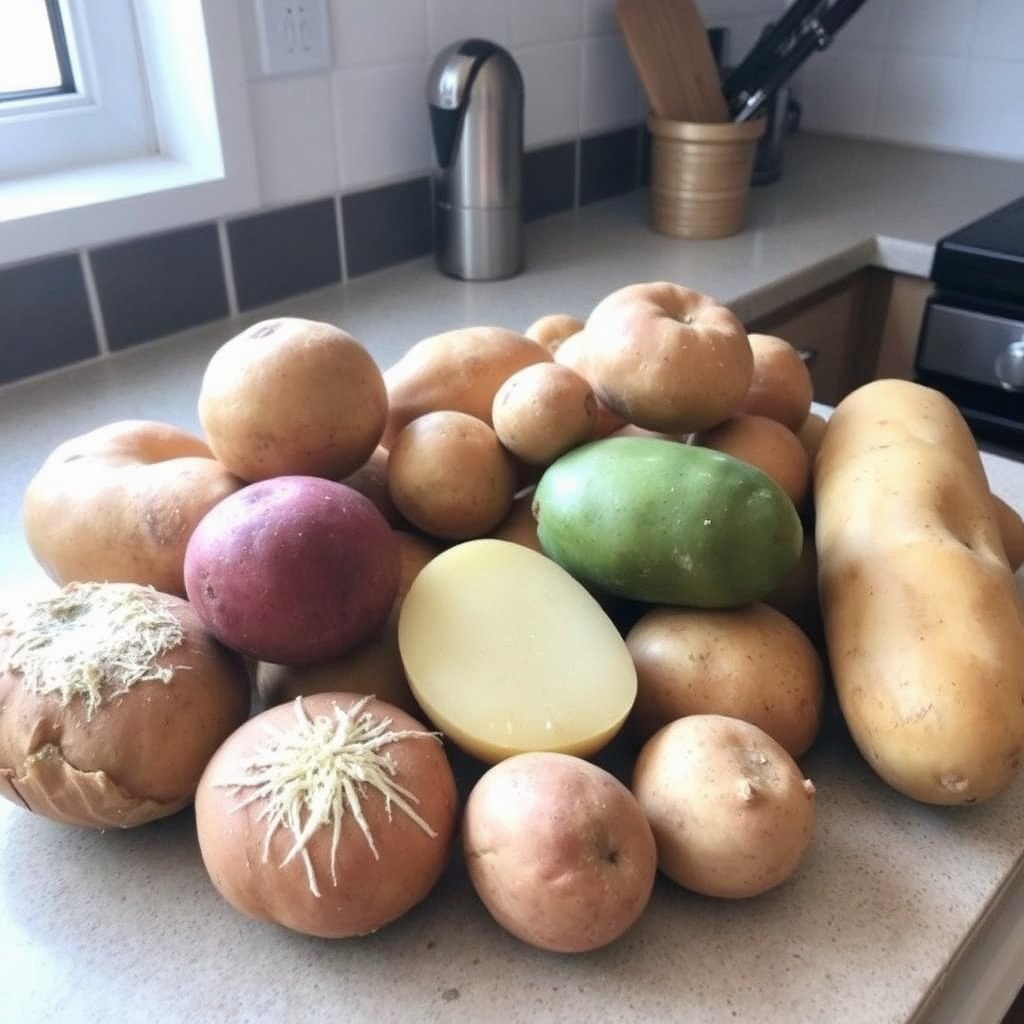
For classic mashed potatoes, starchy potatoes like Russets or Yukon Golds are best. Starchy potatoes break down easily and absorb liquid well, resulting in a fluffy, smooth mash. Waxy potatoes, such as red potatoes or fingerlings, hold their shape and produce a denser, sometimes lumpier texture.
Choosing starchy potatoes will give you that creamy, airy texture most people associate with traditional mashed potatoes. Yukon Golds have a naturally buttery flavor and a slightly creamy texture that some cooks prefer for a richer taste.
- Russet potatoes: high starch, fluffy texture
- Yukon Gold potatoes: medium starch, creamy flavor
- Red potatoes: low starch, waxy and firm
- Fingerling potatoes: waxy with a firm bite
How to Select and Store Potatoes
Choose potatoes that are firm, free of sprouting eyes, and have smooth skin to avoid bitterness or off-flavors in your mashed potatoes. Potatoes should be stored in a cool, dark place with good ventilation to prevent sprouting and preserve freshness.
Avoid refrigerated storage as it can convert starches to sugars, affecting flavor and texture. Using fresh potatoes ensures your mashed potatoes have the best taste and consistency.
Preparing and Cooking Potatoes Properly
Peeling and Cutting Tips
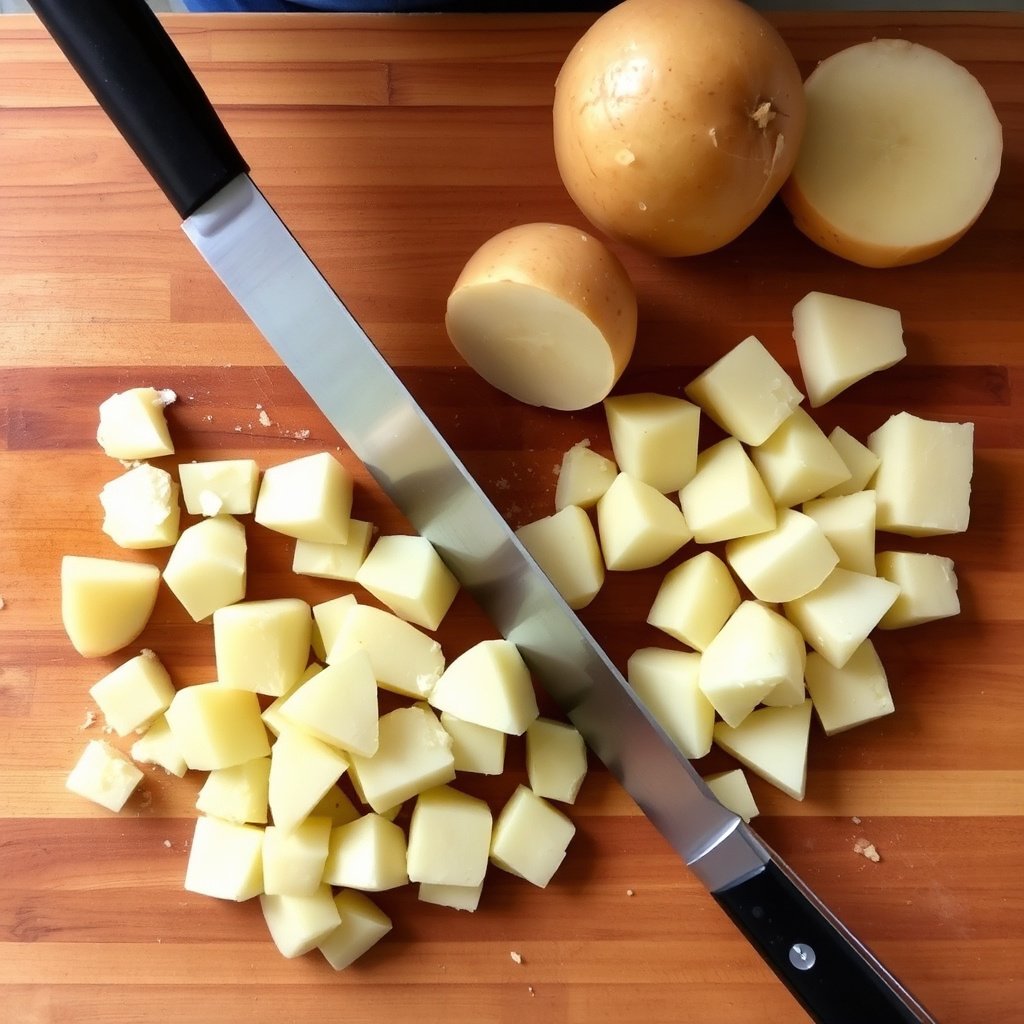
For smooth mashed potatoes, peel your potatoes thoroughly to remove all skins unless you prefer rustic mashed potatoes with skin left on. Cut potatoes into uniform chunks about 1 to 2 inches in size. This helps ensure even cooking and prevents some pieces from becoming mushy while others remain undercooked.
Smaller chunks cook faster but can easily become waterlogged, so mid-sized pieces balance cook time and texture best.
- Use a sharp peeler for efficient peeling
- Cut evenly sized chunks for uniform cooking
Boiling vs. Steaming Potatoes
Boiling potatoes in salted water is the most common method. The water should cover potatoes by at least an inch to allow even heat distribution. Cook until potatoes are fork-tender with no resistance, usually 15-20 minutes depending on chunk size.
Steaming preserves more nutrients and flavor but takes slightly longer and requires a steaming basket. Both methods work well; boiling is quicker while steaming yields potatoes that may absorb less liquid when mashed.
- Boil in salted water for 15-20 minutes until tender
- Steam for 20-25 minutes for firmer texture and nutrient retention
Mashing Techniques for Perfect Texture
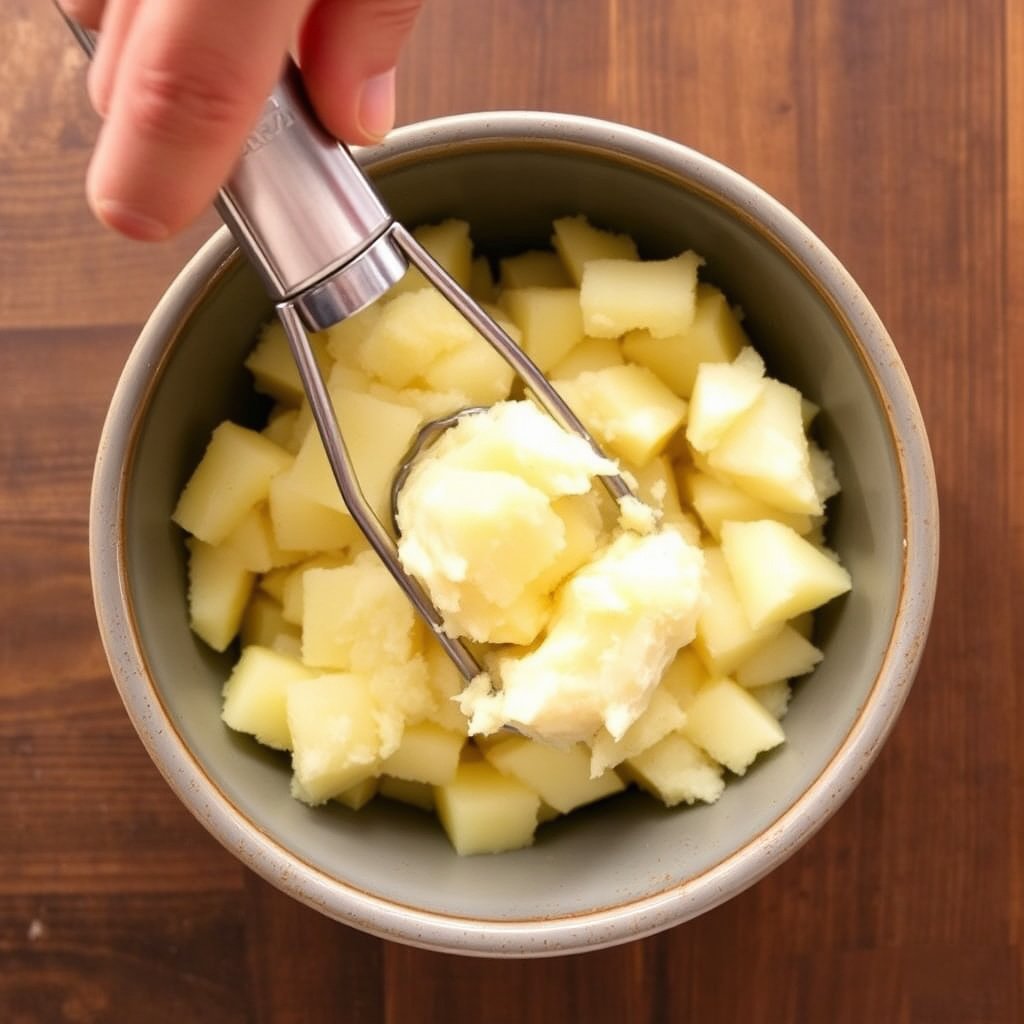
Using a Potato Masher or Ricer
A potato masher is ideal for creamy yet slightly textured mashed potatoes. Use a downward mashing motion and ensure potatoes are completely drained so they don’t become watery. For even lighter texture, a potato ricer presses cooked potatoes through small holes, yielding fluffy and lump-free results.
Avoid over-mashing as it can make potatoes gummy by releasing too much starch. Stop once all lumps are broken apart but potatoes remain fluffy.
- Masher: easy and effective for classic texture
- Ricer: ideal for very smooth, lump-free potatoes
For more on this, see our related guide: How to Make Spaghetti and Meatballs with Easy Steps and Expert Tips.
Avoiding Overmixing
Overmixing or using electric mixers can cause mashed potatoes to become sticky and gluey due to starch release. Use gentle mixing that just combines the potatoes with liquids and fats. Stop once creamy consistency is achieved.
Handling potatoes gently keeps their lightness intact, especially when using starchy varieties favored in mashed potatoes.
- Mix gently to combine ingredients
- Stop once smooth but not gluey
Selecting Ingredients to Enhance Flavor and Creaminess
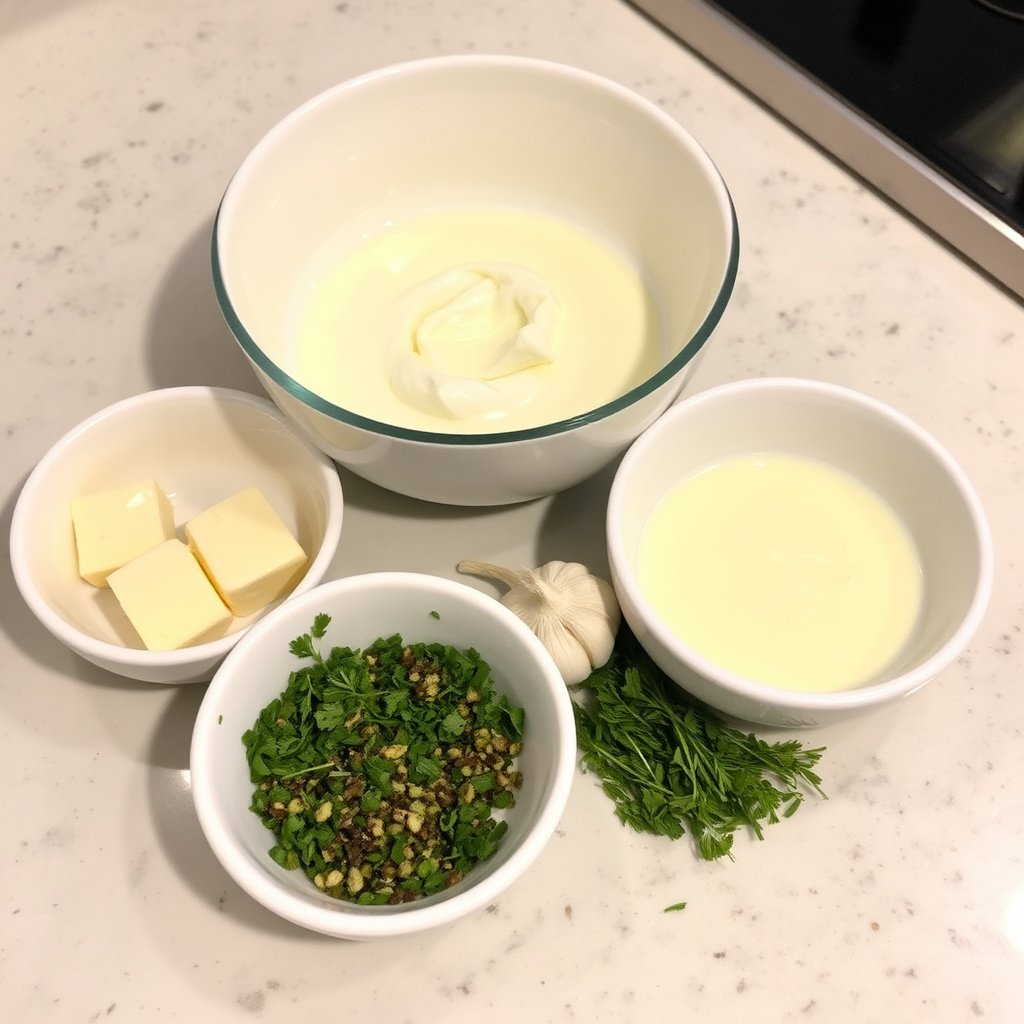
Butter, Milk, and Cream Choices
Butter is key to rich mashed potatoes. Use unsalted butter to control salt levels and add cream or whole milk gradually for desired creaminess. Heavy cream results in very rich texture, while milk yields lighter mashed potatoes.
Warming dairy before adding helps it incorporate smoothly without cooling down the potatoes.
- Unsalted butter for controlled seasoning
- Heavy cream for richness, whole milk for lighter texture
- Warm dairy for better integration
Seasonings and Flavor Additions
Salt is essential and should be added during both the cooking water and final mashing. Freshly ground black pepper enhances flavor without overpowering. For extra depth, consider roasted garlic, chives, sour cream, or cream cheese.
Be mindful of balance so additions complement the creamy texture and don’t outweigh the natural potato flavor.
- Salt potatoes when boiling and taste for seasoning after mashing
- Add garlic, chives, or cream cheese for flavor variations
Serving and Storing Mashed Potatoes
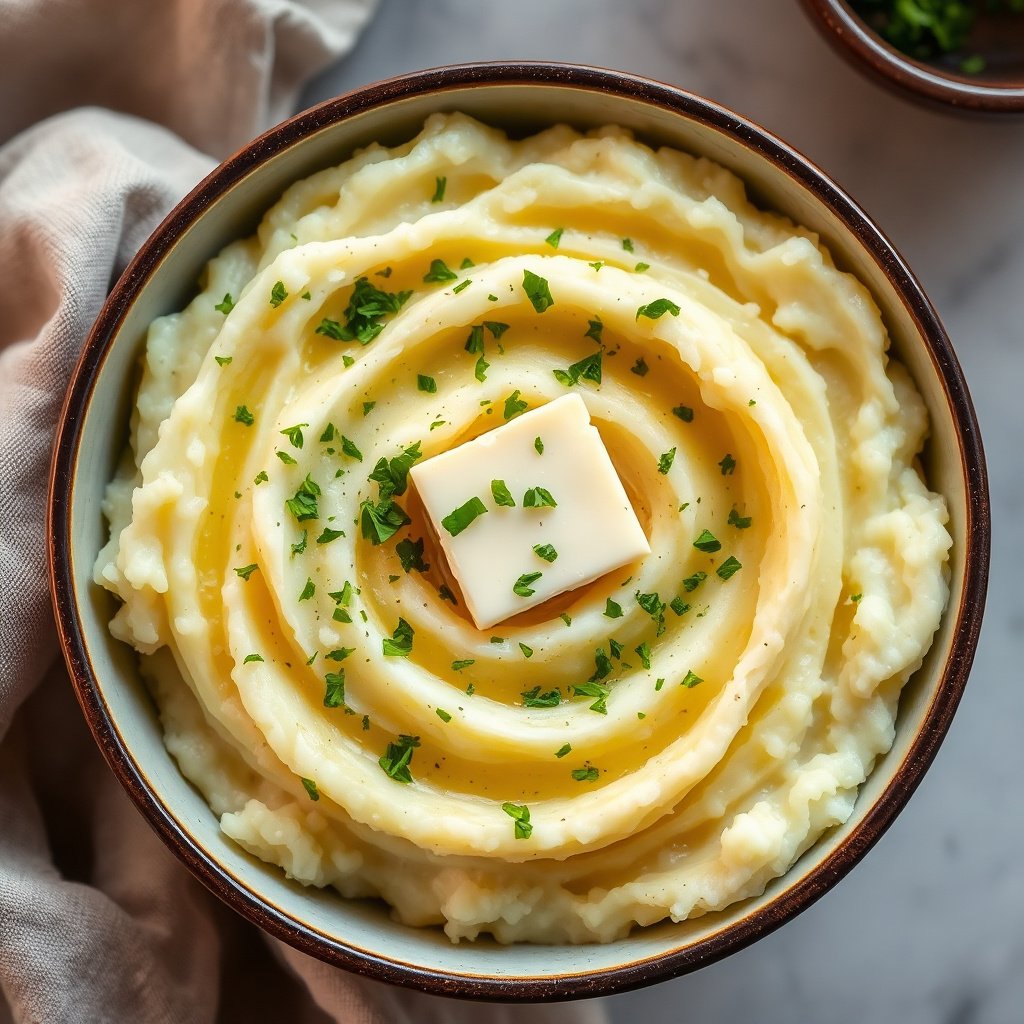
Presentation and Garnishing Ideas
Serve mashed potatoes piping hot with a melting pat of butter on top for visual appeal and added taste. Fresh herbs like parsley, chives, or thyme add color and a subtle flavor boost. A drizzle of olive oil or a sprinkle of paprika also complements classic mashed potatoes nicely.
Presentation makes mashed potatoes more inviting and can elevate a simple dish during meals and holidays.
- Use fresh herbs for garnish
- Add melted butter or a drizzle of olive oil
For more on this, see our related guide: How to Make Loaded Potato Skins: A Complete Guide with Tips & Variations.
Storing and Reheating Tips
Cool mashed potatoes to room temperature before storing tightly covered in the refrigerator for up to 3-5 days. Reheat gently on the stove or microwave with a splash of milk or cream to refresh creaminess and prevent dryness.
Avoid reheating at very high heat to prevent separation and change in texture.
- Store in airtight container refrigerated
- Reheat with added dairy on low heat
Mashed Potato Variations to Try
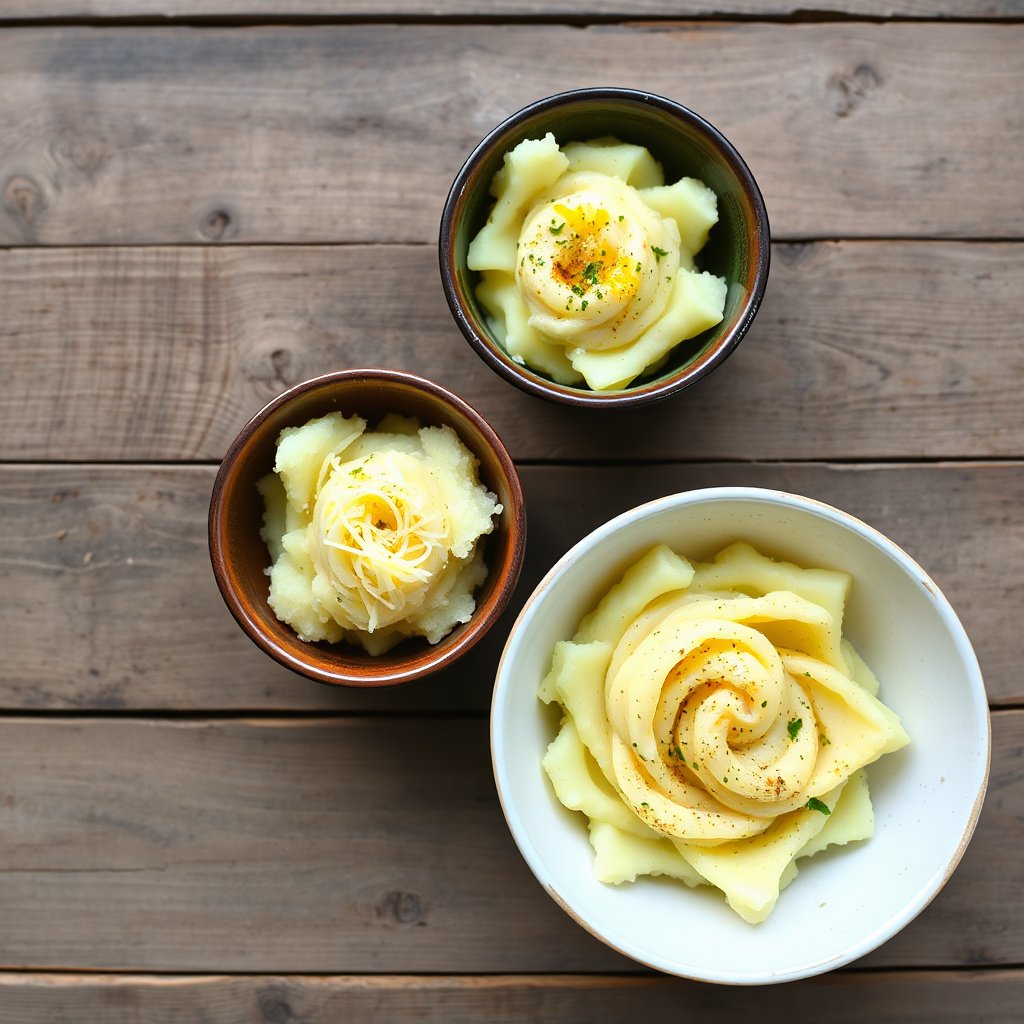
Garlic and Herb Mashed Potatoes
Roasted or sautéed garlic infused into mashed potatoes adds a mellow depth of flavor. Fresh herbs such as rosemary, thyme, or parsley can be mixed in to brighten the dish and add aroma.
This variation is perfect for enhancing the basic mashed potato while keeping the creamy texture intact.
- Roasted garlic for mellow sweetness
- Fresh herbs for aroma and flavor
For additional history and variations, the Mashed potato Wikipedia article offers a wealth of detailed information. Mashed potato Wikipedia article.
Cheesy and Loaded Mashed Potatoes
Mixing shredded cheese like cheddar or Parmesan into mashed potatoes creates a rich, indulgent dish. Adding extras like crispy bacon bits, green onions, or sour cream turns them into a loaded side that pairs wonderfully with hearty meals.
These hearty variations bring more texture and taste complexity to classic mashed potatoes.
- Cheddar or Parmesan cheese
- Bacon bits, green onions, sour cream
Mashed Potato Potato Type Comparison
Different potato types produce distinct mashed potato textures and flavors; here’s how common varieties compare.
| Potato Type | Texture | Flavor Notes | Best Use |
|---|---|---|---|
| Russet | Fluffy and dry | Mild, classic potato flavor | Traditional creamy mashed potatoes |
| Yukon Gold | Creamy and buttery | Slightly sweet, rich | Buttery, rich-style mashed potatoes |
| Red Potato | Dense and waxy | Earthy, slightly sweet | Rustic mashed potatoes with some texture |
| Fingerling | Firm and waxy | Nutty and robust | Chunky mashed or potato salads |
Frequently Asked Questions
Can I use leftover mashed potatoes to make new dishes?
Yes, leftover mashed potatoes can be repurposed into dishes like potato pancakes, shepherd’s pie topping, or gnocchi dough. This helps reduce waste and creates delicious new meals.
Why are my mashed potatoes gummy or gluey?
Overworking starchy potatoes, especially with electric mixers, releases excess starch that creates a gummy texture. Use a masher and mix gently to keep them light and fluffy.
Should I salt the water when boiling potatoes?
Salting the water seasons the potatoes while cooking, improving the final flavor. Use about 1-2 teaspoons of salt per quart of water for proper seasoning.
Can I make mashed potatoes vegan?
Yes, substitute dairy butter with plant-based margarine and use plant milk like almond or oat milk. Season well to enhance flavor despite omitting dairy.
How do I store leftover mashed potatoes?
Cool mashed potatoes, then store them in an airtight container in the refrigerator for up to 3-5 days. Reheat gently with a bit of milk to restore creaminess.
Key Takeaways
- Russet and Yukon Gold potatoes are best for classic creamy mashed potatoes.
- Cut potatoes evenly and boil until fork-tender for best cooking results.
- Mash gently to avoid gummy texture and add warm butter and milk for creaminess.
- Experiment with garlic, herbs, or cheese to customize your mashed potatoes.
Conclusion
Making mashed potatoes is a straightforward process, but small details in potato selection, cooking methods, and mashing technique make a significant difference. Focusing on starchy varieties like Russets or Yukon Golds and properly cooking them ensures a tender base. Gentle mashing without overmixing keeps the texture fluffy rather than gummy, while adding warm butter and milk creates satisfying creaminess. Seasoning throughout the process guarantees flavorful results, making your homemade mashed potatoes stand out.
For those wanting classic mashed potatoes with a smooth texture, Russet potatoes boiled in salted water and mashed with butter and warm milk are the reliable go-to. Yukon Gold potatoes deliver a naturally buttery flavor suitable for richer mashed potatoes. Try steaming potatoes if you want firmer texture, or experiment with cheesy or garlic and herb variations for something special. Choosing the right potato truly shapes your final dish, so consider what texture you prefer when selecting your potato type.
Start by picking fresh starchy potatoes and plan your cooking and mashing method according to your desired texture. Prepare all ingredients in advance so everything comes together smoothly. If you want a quick reference, follow the detailed steps laid out here for consistent mashed potatoes every time. From there, customize with your favorite flavors and enjoy the comforting culinary staple that mashed potatoes provide.