How to Make Baked Potatoes: Simple Steps for Perfect Results
Making baked potatoes is straightforward: start by choosing russet potatoes, then wash and pierce them with a fork. Rub with olive oil and season with salt before baking at 425°F (220°C) for about 45-60 minutes until the skin is crispy and the inside is soft.
A well-baked potato combines a crunchy exterior with a light, fluffy center, creating a satisfying texture contrast. This simple preparation can complement many meals or serve as a hearty snack. Knowing how to bake potatoes correctly helps avoid undercooked or soggy results.
This article will cover the best potato types for baking, essential preparation techniques, baking methods, tips for crisp skin, topping ideas, and troubleshooting common baked potato problems. By the end, you'll confidently make classic baked potatoes tailored to your taste.
Choosing the Right Potatoes for Baking
Why Russet Potatoes Work Best
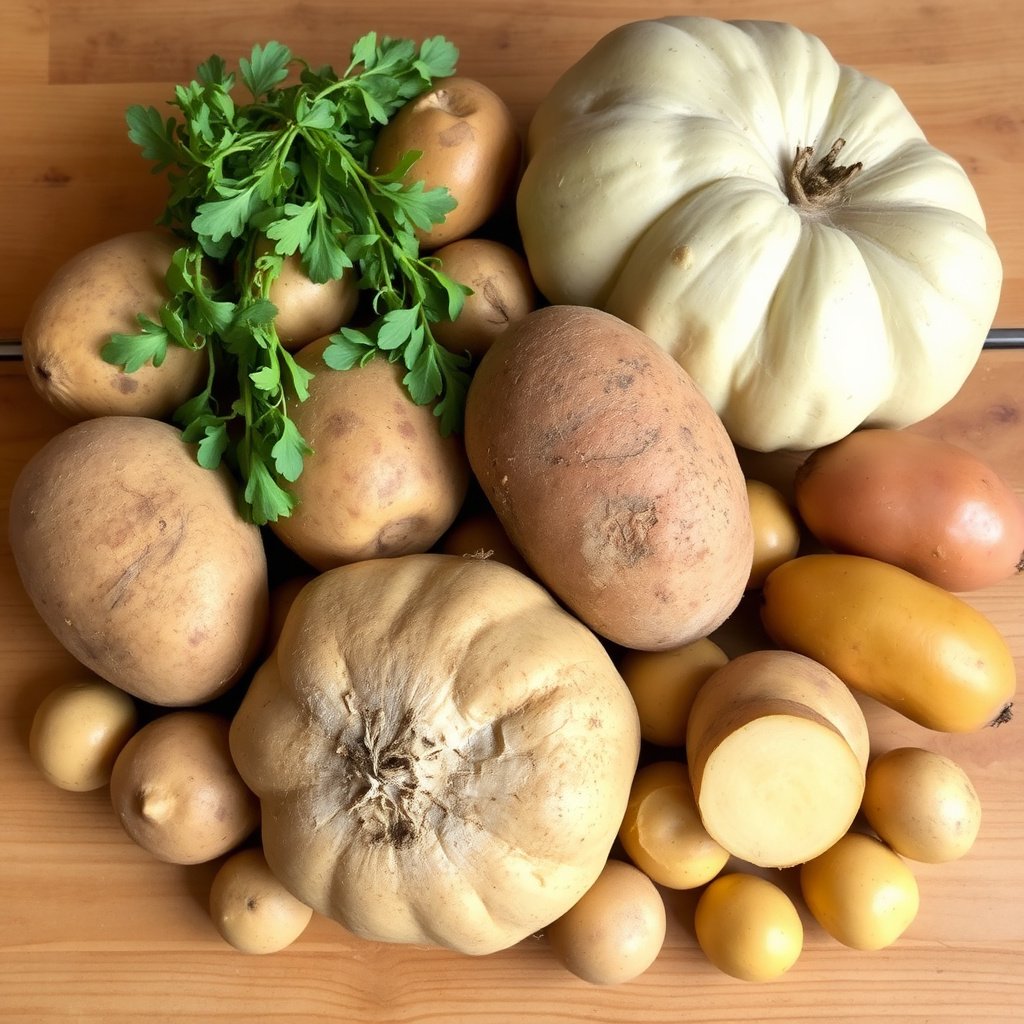
Russet potatoes are the preferred choice for baking due to their high starch content and thick skins. These characteristics allow the skin to crisp nicely while the interior turns soft and fluffy after baking.
Their size and shape also make them convenient for even cooking. Using other varieties with waxier flesh, like red or Yukon gold, may result in denser or less fluffy interiors that don't bake as well.
- High starch content for fluffy inside
- Thick skin crisps well
- Consistent baking size and shape
Selecting the Right Potato Size
Medium to large potatoes, around 6-8 ounces each, bake evenly and yield satisfying portions. Very large potatoes can require extended baking time, risking uneven cooking.
Smaller potatoes cook faster but might dry out more easily. Choose similarly sized potatoes if baking multiple at once to ensure uniform doneness.
- Medium-large size (6-8 ounces)
- Avoid overly large or tiny potatoes
- Uniform size for batch baking
Preparing Potatoes Before Baking
Washing and Scrubbing Potatoes
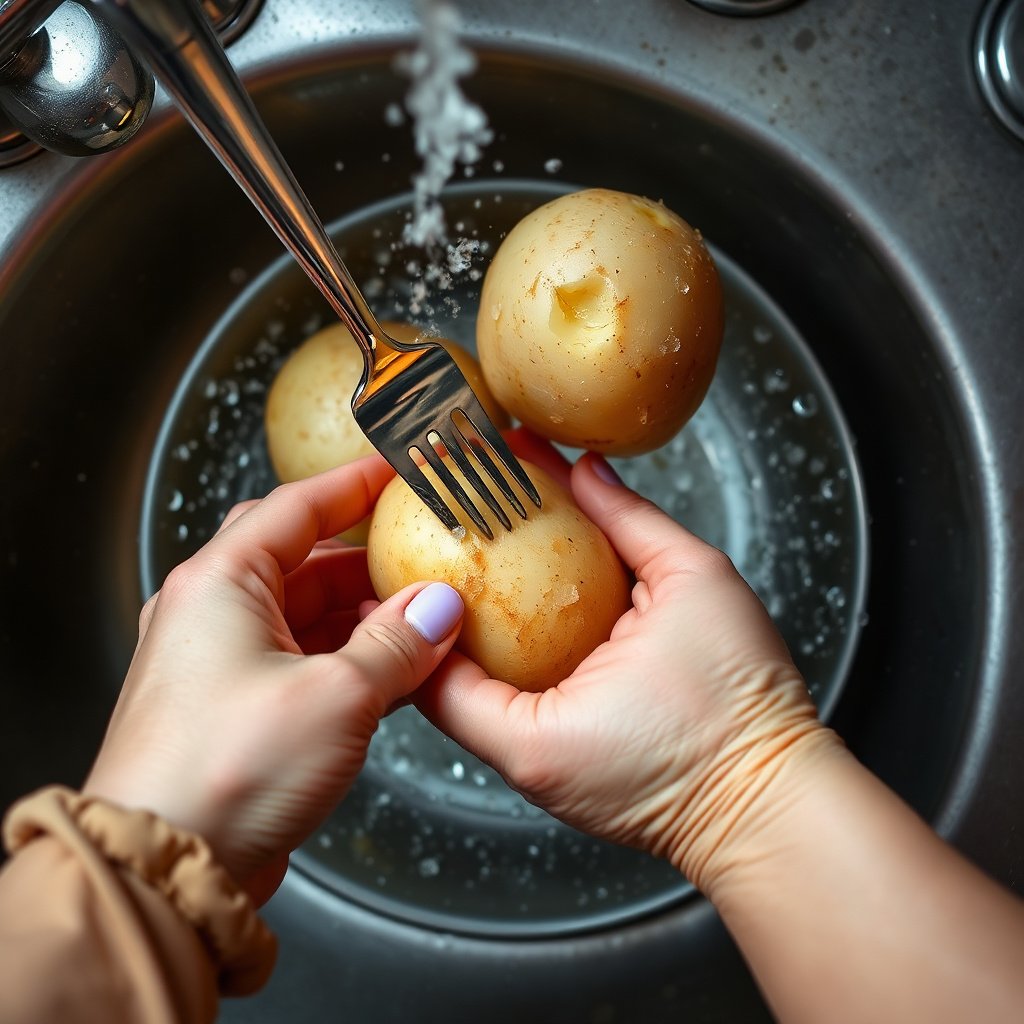
Thoroughly wash potatoes under cold running water to remove dirt and debris. Use a vegetable brush to scrub the skin, especially if you plan to eat it after baking.
Drying the potatoes completely before oiling helps the skin crisp better during baking.
- Use cold water and scrub with a brush
- Remove dirt without peeling skin
- Dry thoroughly before oiling
Piercing and Oiling the Skin
Pierce potatoes several times with a fork to allow steam to escape during baking, preventing the skin from bursting.
Rub the skin with a thin coating of olive oil or vegetable oil and sprinkle with coarse salt to enhance crispness and flavor.
- Pierce 4-6 times around the potato
- Lightly oil to promote crispiness
- Season skin with coarse salt
Baking Techniques for Baked Potatoes
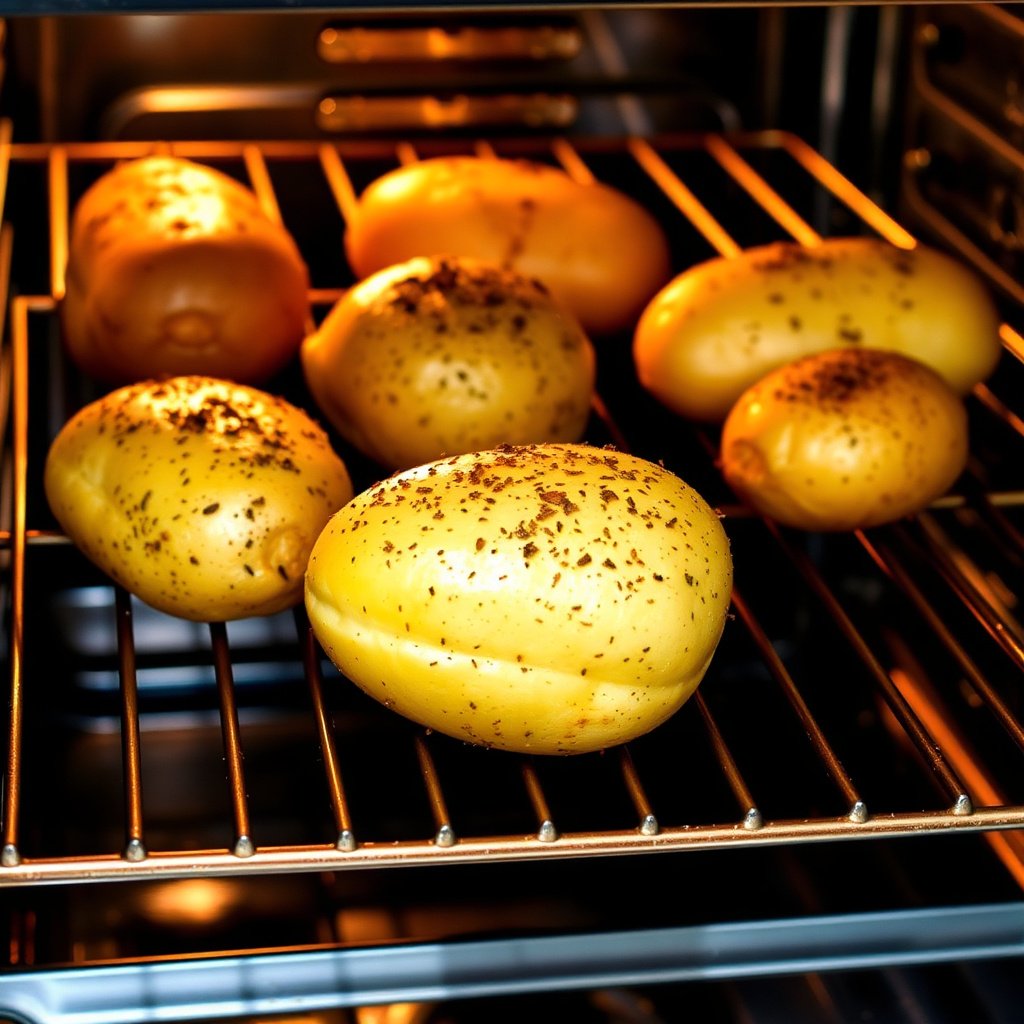
Traditional Oven Baking Method
Preheat your oven to 425°F (220°C). Place the prepared potatoes directly on the oven rack or on a baking sheet to catch drips. Bake for 45-60 minutes, turning once after 30 minutes for even cooking.
Test doneness by inserting a fork; it should slide in easily without resistance. Adjust cooking time depending on potato size.
- 425°F for 45-60 minutes
- Turn potatoes halfway through
- Check doneness with a fork
For more on this, see our related guide: How to Make Pizza at Home Fast and Easy with Perfect Dough and Baking Tips.
Alternative Baking Methods: Microwave and Grill
For speed, microwaving potatoes takes about 8-12 minutes depending on size but won’t produce the same crispy skin. To crisp after microwaving, finish in a hot oven or under a broiler for 5-10 minutes.
Grilling baked potatoes wrapped in foil adds smoky flavor but makes the skin softer unless unwrapped last few minutes.
- Microwave for quick baking, crisp in oven
- Grill wrapped for smoky taste
- Finish unwrapped for crispy skin
Getting Perfectly Crispy Skins

Using Oil and Salt for Texture
Applying a generous coating of oil and sprinkling with coarse salt before baking draws moisture out of the skin, resulting in a crisp, flavorful crust.
The salt also enhances the potato’s natural flavor and provides a subtle crunch that pairs well with soft interiors.
- Use olive or vegetable oil
- Season liberally with coarse salt
- Oil helps crisp, salt adds flavor
Oven Temperature and Positioning Tips
Baking at a high temperature like 425°F allows the skin to dry out quickly and crisp while the interior cooks through evenly.
Placing potatoes directly on the oven rack lets heat circulate around them, preventing soggy bottoms. Avoid wrapping potatoes in foil if you want crispy skin.
- Bake at 425°F (220°C)
- Place directly on oven rack
- Avoid foil for crisp skins
Popular Baked Potato Toppings

Classic Toppings for Traditional Flavors
Sour cream, shredded cheddar cheese, butter, and chives form the classic combination that complements the potato’s creaminess perfectly.
Adding crispy bacon bits or steamed broccoli gives both texture contrast and additional flavor complexity often enjoyed in loaded baked potatoes.
- Sour cream and butter
- Shredded cheddar cheese
- Chives and bacon bits
- Steamed broccoli for vegetables
For more on this, see our related guide: How to Make Spaghetti and Meatballs with Easy Steps and Expert Tips.
Creative and Healthier Topping Ideas
For a lighter option, try Greek yogurt with fresh herbs, salsa, or guacamole as flavorful toppings without extra fat.
Other creative ideas include smoked salmon, caramelized onions, or a sprinkle of nutritional yeast to add savory depth.
- Greek yogurt with herbs
- Salsa and guacamole
- Smoked salmon
- Nutritional yeast
Troubleshooting Common Baked Potato Problems
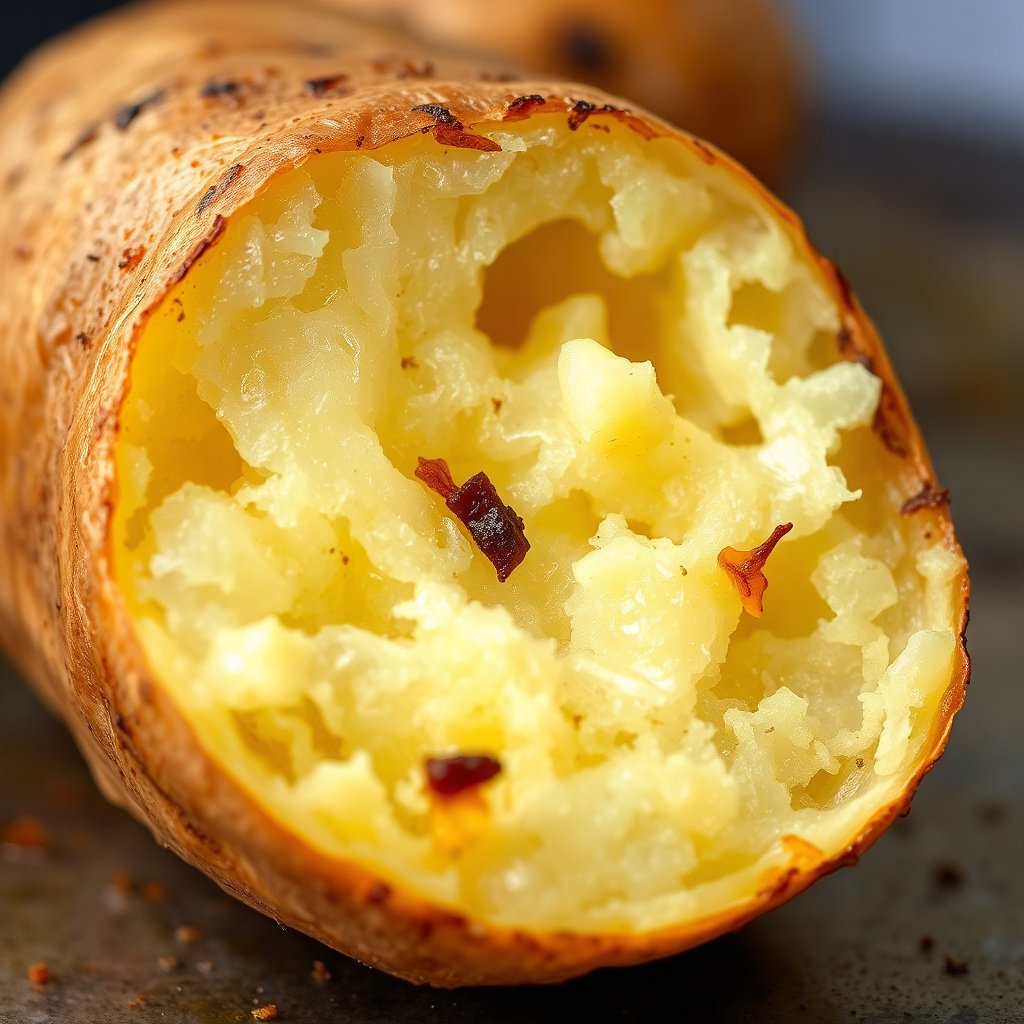
Avoiding Undercooked or Soggy Potatoes
If a potato is undercooked, it often means it needs more baking time or was too large for the cooking method.
Soggy potatoes usually result from wrapping in foil or baking at too low a temperature, which traps steam and prevents crisp skin.
- Bake long enough until fork-tender
- Avoid foil wrapping for crispy skin
- Choose appropriate potato size
For more detailed background on baked potatoes, see the baked potato information on Wikipedia. Baked potato information on Wikipedia.
Preventing Burst Skins and Wrinkling
Piercing the skin before baking allows steam to escape and prevents the potato from bursting inside the oven.
Wrinkling happens when potatoes are overbaked or dehydrated; check for doneness to avoid excessive drying.
- Pierce skin 4-6 times
- Don't overbake
- Monitor cooking closely
Baked Potato Methods Comparison
This comparison outlines the pros and cons of popular baked potato cooking methods to help you decide the best fit for your kitchen and time constraints.
| Method | Cooking Time | Skin Texture | Flavor Impact | Ease |
|---|---|---|---|---|
| Oven Baking | 45-60 mins | Crispy | Classic baked flavor | Moderate |
| Microwave | 8-12 mins | Soft (unless finished in oven) | Less developed | Very Easy |
| Grilling | 30-45 mins | Variable; softer with foil | Smoky | Moderate |
| Slow Cooker | 6-8 hours | Soft | Moist but less crispy | Easy |
Frequently Asked Questions
What temperature should I bake potatoes at for crispy skin?
Baking potatoes at 425°F (220°C) is ideal for developing crispy skin while fully cooking the inside. Lower temperatures will not crisp the skin effectively.
Can I bake potatoes without oil?
Yes, but the skin will not get as crispy or flavorful. Applying oil before baking helps create a delightful crunchy texture and improves taste.
How do I know when a baked potato is done?
A baked potato is done when a fork or skewer slides easily into the center without resistance. The skin should also feel crisp to the touch.
Is it necessary to pierce potatoes before baking?
Piercing is recommended to allow steam to escape during baking, preventing the potato from bursting in the oven.
Can I microwave and then bake potatoes to save time?
Yes, microwaving partially cooks the potato quickly. Finishing in a hot oven for 5-10 minutes crisps the skin and improves texture.
Key Takeaways
- Choose russet potatoes for best baking results
- Pierce and oil potatoes before baking for crispy skins
- Bake at 425°F for 45-60 minutes for perfect doneness
- Experiment with classic or creative toppings
Conclusion
Knowing how to make baked potatoes involves understanding the right potato variety, preparation methods, and baking techniques. Russets are ideal due to their starchy texture and thick skins, which crisp beautifully when oiled and salted. Baking directly on the oven rack at a consistent 425°F yields fluffy interiors and crispy skins, essential for that satisfying contrast everyone loves.
When exploring baked potato options, traditional oven baking stands out for flavor and texture, while microwaving offers speed with slightly softer skins. Adding toppings like sour cream, bacon, or healthier choices such as salsa can elevate the potato to a full meal or side dish. Troubleshooting issues like soggy skins or undercooked centers mainly comes down to oven temperature and proper preparation, including piercing.
If you want delicious baked potatoes ready for your next meal, start by selecting medium-sized russets, washing and piercing thoroughly, then applying oil and salt. Bake without foil on the oven rack, and check for tenderness after 45 minutes. Finally, customize with your favorite toppings to create a versatile dish that suits any palate or occasion.