How to Use an Immersion Blender: A Step-by-Step Guide for Perfect Blending
Using an immersion blender is straightforward and convenient for blending soups, sauces, and smoothies directly in the pot or container. First, assemble your immersion blender, plug it in, and submerge the blade end into your ingredients before turning it on to avoid splatter. Move it gently through the mixture until you reach the desired texture.
Immersion blenders matter because they save time and reduce cleanup by eliminating the need to transfer food to a separate blender jar. Their handheld design offers greater control over blending consistency and works well in various containers, from deep pots to narrow jars.
This article covers the basics of using an immersion blender safely and effectively, plus tips on handling different foods, cleaning and maintenance, and common troubleshooting advice. Whether you’re preparing a creamy soup or a quick smoothie, these steps will ensure you get the best results.
Understanding Immersion Blender Components and Setup
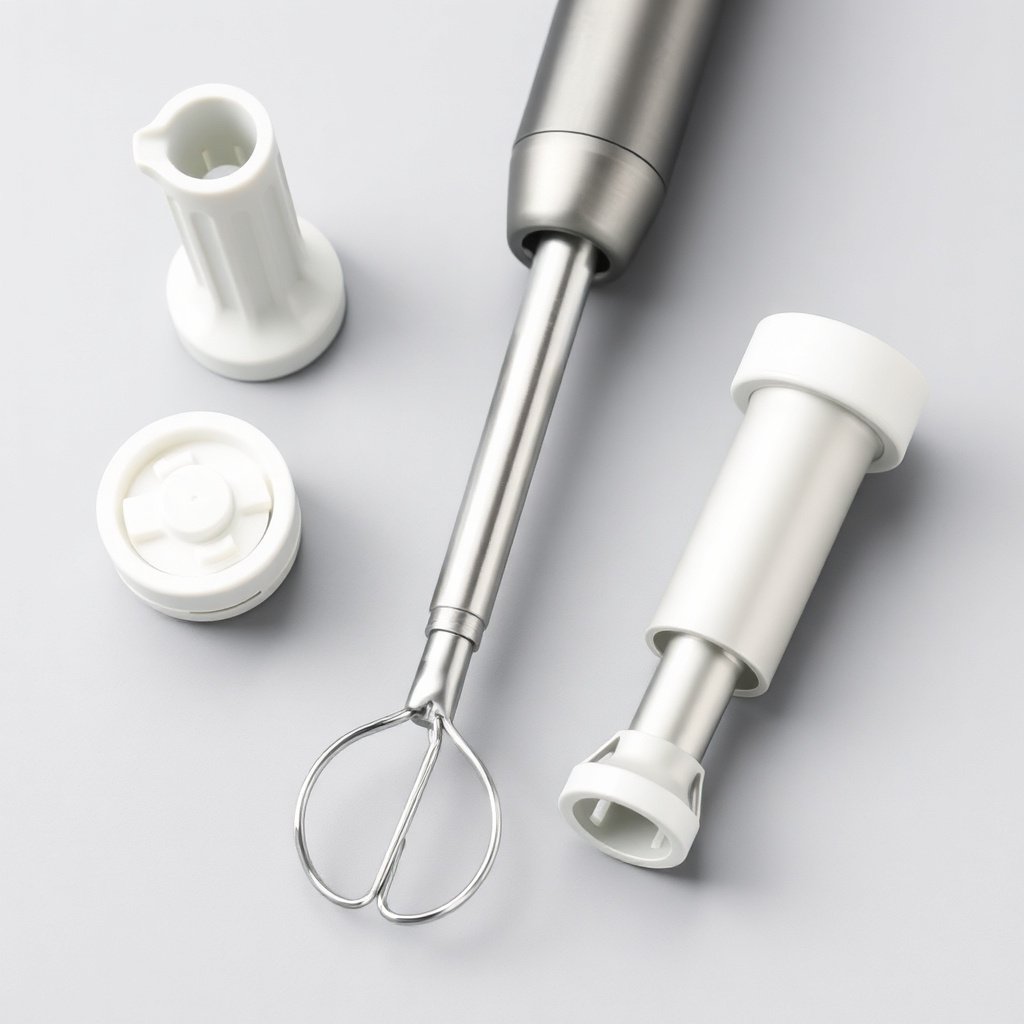
Basic Parts of an Immersion Blender
An immersion blender consists of a motorized handle with control buttons, a detachable blending shaft, and a blade guard housing sharp blades. The detachable shaft makes it easy to clean and store. The blade guard is designed to minimize splashing and protect surfaces while blending.
Some models include additional attachments like whisk or chopper accessories, expanding the blender’s versatility beyond pureeing. Knowing these parts helps with correct assembly and usage.
Preparing Your Workspace and Ingredients
Before starting, ensure your ingredients are in a deep, stable container to prevent splashes. Avoid filling containers to the brim, as an immersion blender creates vigorous movement.
Cut large chunks into smaller pieces for even blending, and consider warming food slightly for smoother results. Also, keep your power cord safely away from water and hot surfaces.
- Use a deep bowl or pot
- Avoid overfilling
- Cut ingredients into manageable pieces
- Keep cord dry and away from heat
Operating Your Immersion Blender Safely and Effectively
Starting and Controlling the Blend
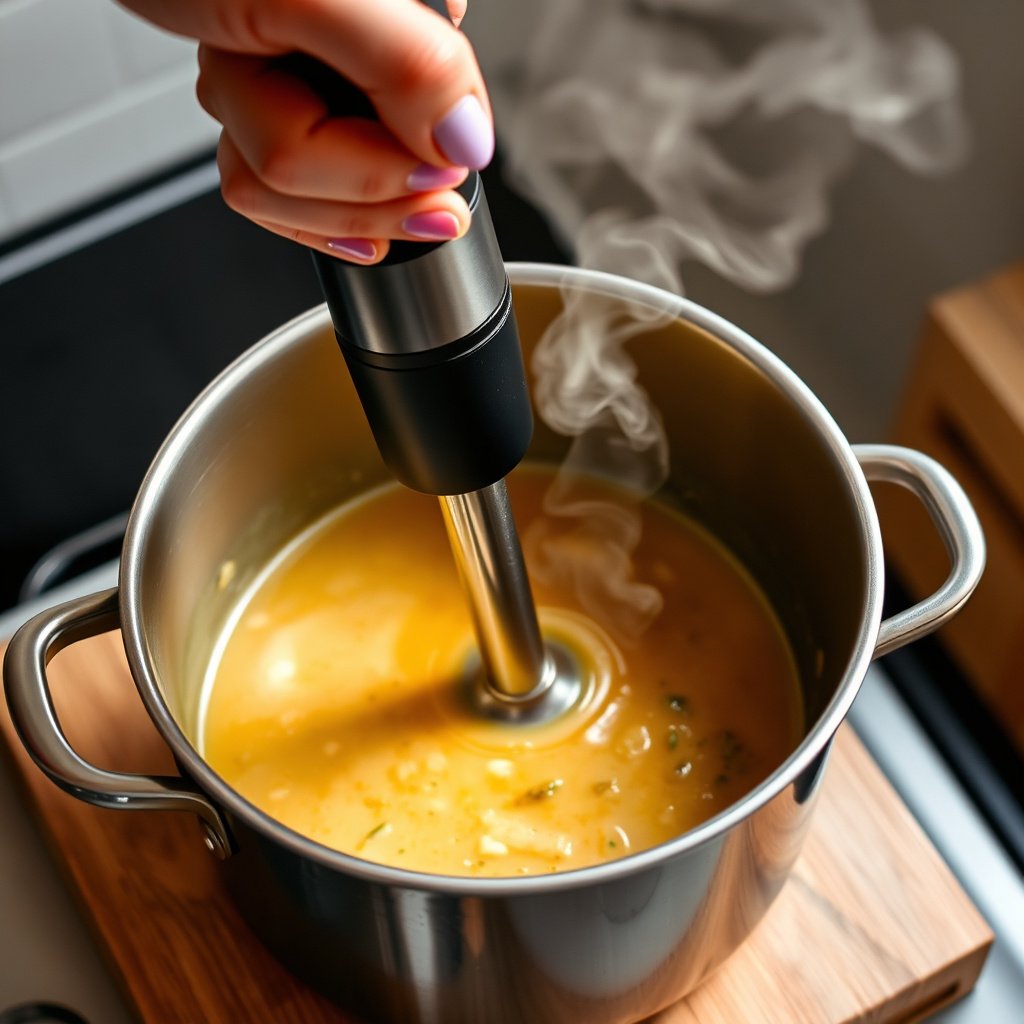
Insert the blade end fully into ingredients before switching the blender on to avoid splatter. Hold the blender with a firm grip and pulse in short bursts to control texture, especially when working with chunky or thick mixtures.
For continuous blending, keep the blender moving slowly through the container, preventing overheating in one spot, which could damage both the food and the appliance.
- Always submerge blade before turning on
- Use pulsing for chunky textures
- Move blender gently for smooth blends
- Avoid prolonged blending in one area
For more on this, see our related guide: How to Choose a Blender for Your Kitchen Needs.
Best Immersion Blender Tips for Different Foods
Soups and sauces blend best when warm but not boiling; high temperatures can cause splattering. For smoothies, layering ingredients from liquid to solids ensures smooth mixing. When handling thick batters or dips, pulse blending is often more effective.
Start blending at a low speed if your model offers settings, and increase speed gradually once the mixture begins to combine smoothly.
Cleaning and Maintaining Your Immersion Blender

Easy Cleaning Tips After Use
Detach the blending shaft from the motor handle before cleaning to protect the motor unit. Rinse the blade assembly immediately after use to prevent food from drying and becoming difficult to remove.
Most immersion blender shafts are dishwasher safe but always check the manufacturer's instructions. For stuck-on food, soak the shaft in warm soapy water before scrubbing gently.
- Unplug and detach before cleaning
- Rinse blade promptly
- Use dishwasher if safe
- Soak tough residue before scrubbing
Routine Maintenance for Longevity
Regularly inspect the blades for dullness or damage and replace parts as necessary. Keep the motor handle dry and store the blender in a dry place. Avoid immersing the motor part in water, as it can cause electrical failure.
Lubrication is generally not required, but read the manual for specific advice.
Troubleshooting Common Immersion Blender Issues
What to Do if Your Blender Won't Start
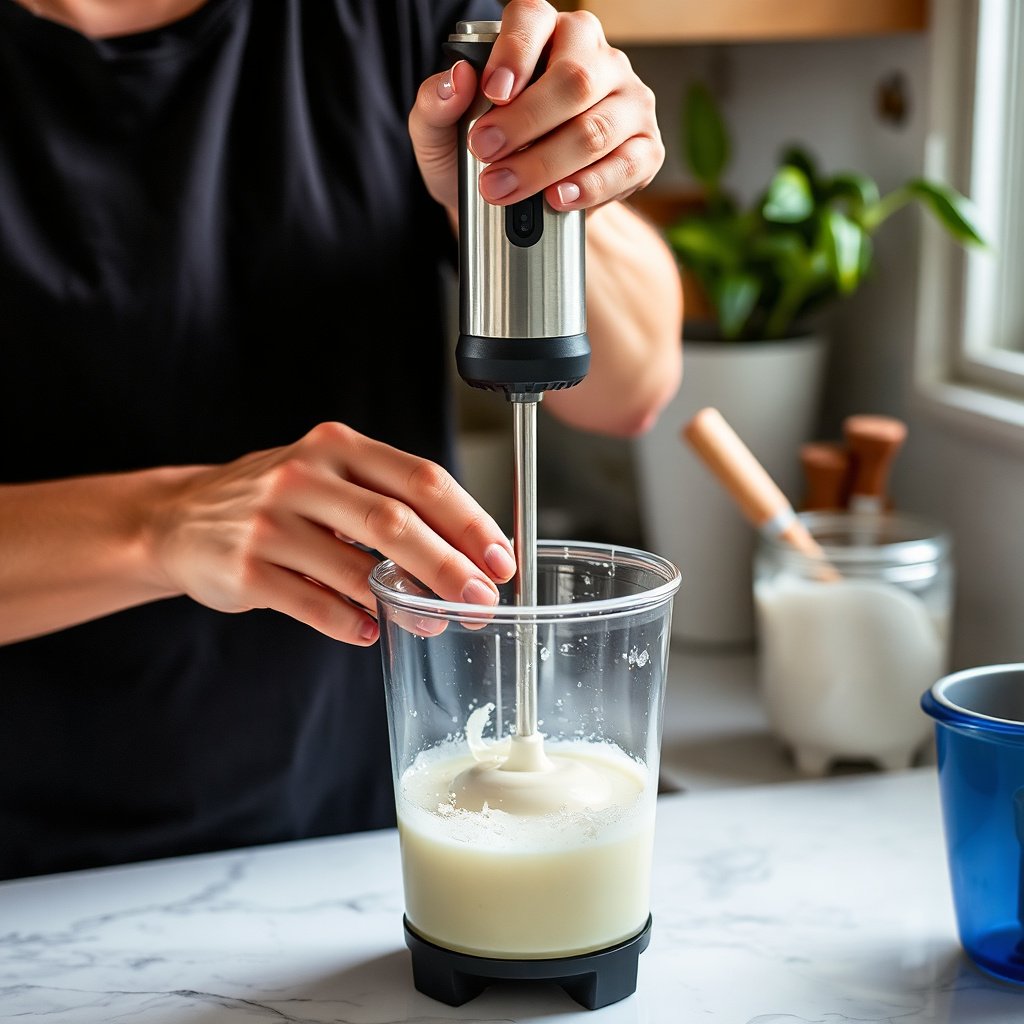
Check that the blender is properly plugged in and the power outlet is functioning. If your model has safety locks or attachments, make sure the blending shaft is securely connected and locked.
Some immersion blenders have thermal protection which triggers if overheated; let it cool down for 15-20 minutes before trying again.
For more on this, see our related guide: How to Make Biscuits and Gravy: A Complete Guide with Tips and Tricks.
Dealing with Inconsistent Blending Performance
If blending results are uneven or the blade struggles, your ingredients may be too thick or large chunks may be present. Try breaking food down into smaller pieces or add liquid to thin the mixture.
Also, check the blades for dullness or damage that can reduce effectiveness.
- Cut ingredients smaller
- Add liquid for thickness
- Inspect blades regularly
Comparing Immersion Blender Types and Features
Corded vs. Cordless Immersion Blenders
Corded immersion blenders offer continuous power without runtime limits, making them ideal for long blending tasks. However, their cord can limit mobility and require access to an outlet.
Cordless models provide freedom of movement and convenient use anywhere but have shorter battery life and may not handle prolonged heavy-duty blending.
- Corded: unlimited runtime, requires outlet
- Cordless: portable, limited battery life
For detailed technical information on the immersion blender's design and history, refer to this immersion blender article. immersion blender.
Feature Highlights to Consider
Look for variable speed settings to adjust blending power for different recipes. Detachable shafts ease cleaning, and accessory attachments add versatility. Ergonomic handles improve comfort during extended use.
Some models include splash guards and reinforced stainless steel blades for durability and better blending control.
- Variable speeds
- Detachable shafts
- Accessory attachments
- Splash guards
Immersion Blender Category Comparison
Below is a comparison of common immersion blender categories to help you match features with your blending needs.
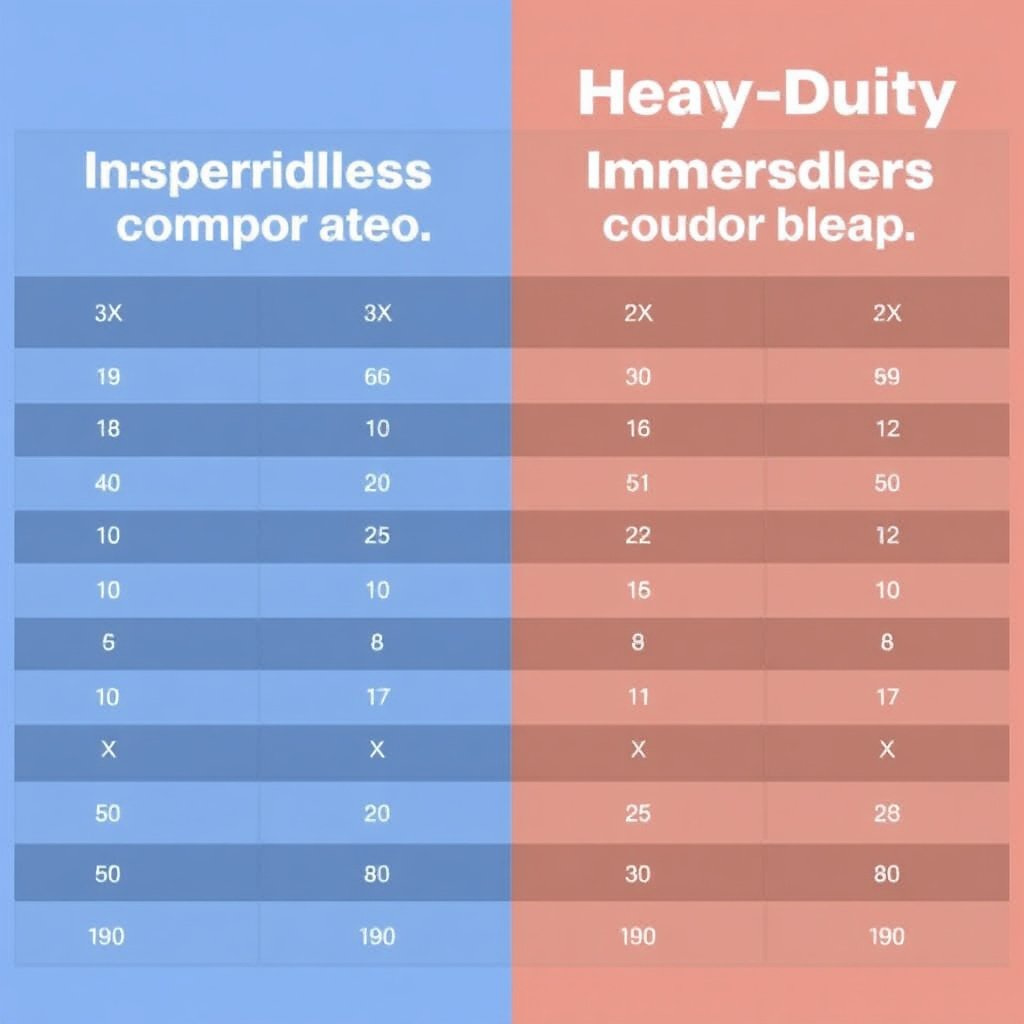
| Category | Power (Watts) | Cord Type | Speed Settings | Special Features |
|---|---|---|---|---|
| Basic Corded | 200-300 | Corded | Single or Variable | Lightweight, simple design |
| Heavy-Duty Corded | 400-600 | Corded | Variable | Reinforced blades, splash guard |
| Cordless | 150-250 | Cordless | Variable or single | Portable, battery-powered |
| Multifunctional Models | 300-500 | Corded or Cordless | Variable | Includes whisk, chopper attachments |
Frequently Asked Questions
Can I use an immersion blender on hot liquids?
Yes, immersion blenders are designed to blend hot soups and sauces directly in the pot, but avoid boiling liquids to prevent splattering and burns.
How do I prevent splattering while blending?
Always fully submerge the blade before turning on the blender and move it slowly through the mixture to minimize splashes.
Is it safe to put the immersion blender parts in the dishwasher?
Most detachable shafts are dishwasher safe, but always check your manufacturer's instructions to avoid damaging parts.
What types of foods can I blend with an immersion blender?
Immersion blenders work well with soups, smoothies, sauces, purees, and even light batters or dips.
How do I know when my immersion blender blades need replacing?
If the blades appear dull or bent, or blending becomes inefficient, it’s time to replace them to maintain performance.
Key Takeaways
- Always fully submerge the blade before starting to blend.
- Use appropriate container size and ingredient preparation for best results.
- Clean detachable parts promptly and follow care instructions.
- Choose between corded or cordless models based on your blending frequency and portability needs.
Conclusion
Knowing how to use an immersion blender properly eliminates mess and delivers smooth, well-blended results for a variety of dishes. The decision-making process centers on understanding your typical recipes and how features like power, speed, and attachments align with your kitchen habits. Safe handling and correct blending techniques will extend the life of your tool and improve cooking efficiency.
If you typically prepare pureed soups, sauces, or smoothies at home, a heavy-duty corded immersion blender with multiple speed settings may be the best fit for consistent power and control. For those who prefer convenience and portability, especially for small blending tasks or quick smoothies, a cordless model is preferable. Multifunctional immersion blenders with accessories offer extra versatility for whisking or chopping, ideal for more diverse kitchen needs.
Try starting with a basic corded model to gain confidence in using immersion blenders, then explore options with expanded features suitable to your cooking style. Always prioritize safety by ensuring the blades are fully submerged before turning the blender on. This simple practice makes your blending experience both efficient and enjoyable.