How to Dice an Onion Quickly and Safely: Step-by-Step Guide
The quickest way to dice an onion starts with proper preparation and technique. First, trim the ends of the onion, peel away the skin, then make precise cuts parallel and perpendicular to the root to create uniform pieces. This approach minimizes slipping and keeps your fingers safe.
Knowing how to dice an onion effectively matters because it affects cooking time, ingredient texture, and presentation. Proper dicing ensures even cooking and adds professional polish to your dishes. Plus, it reduces the chances of onion juice causing eye irritation.
In this guide, you’ll find detailed instructions on how to dice an onion, essential knife skills, safety tips, recommended knife types, and answers to common questions. Whether you’re a beginner or refining your kitchen skills, these insights will help.
Preparing the Onion for Dicing
Trimming and Peeling the Onion
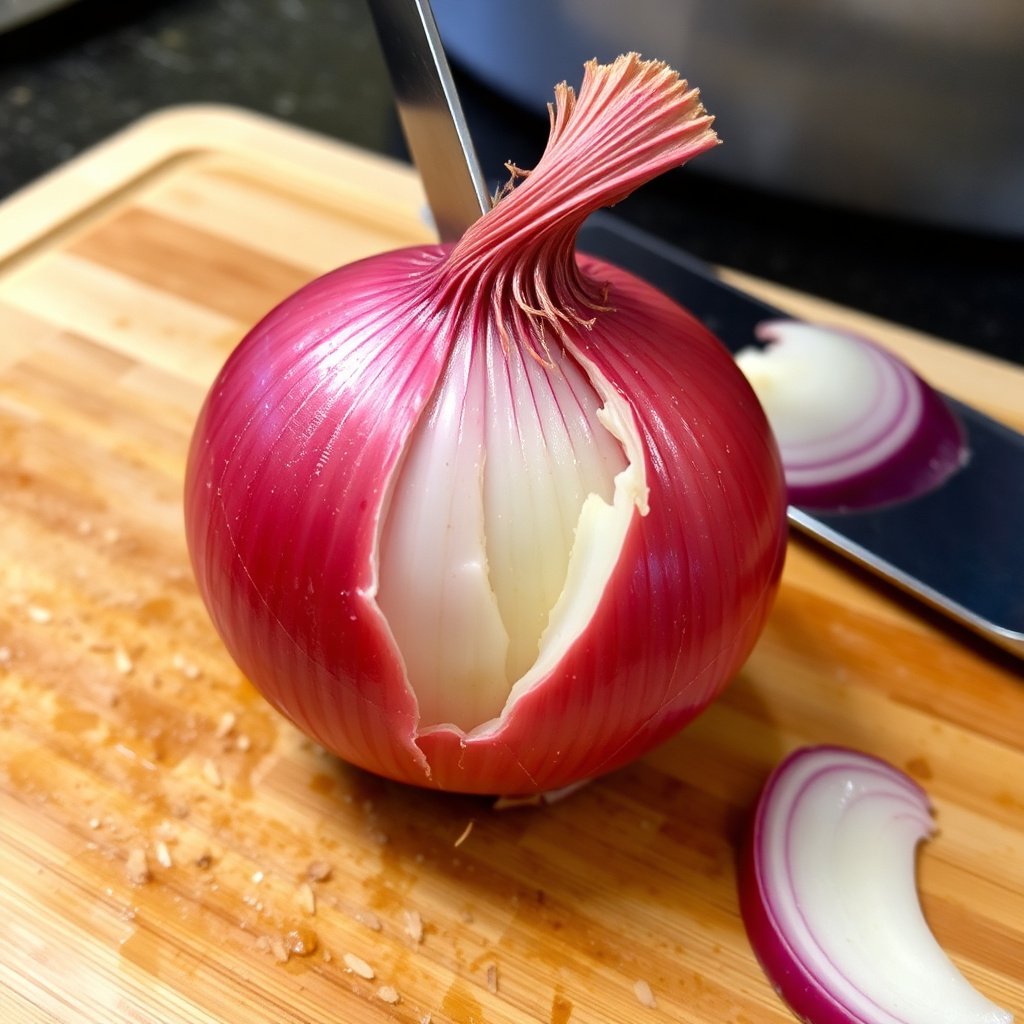
Start by cutting off the top of the onion, leaving the root end intact; this helps hold the onion layers together during dicing. Peel off the papery outer skin thoroughly to reveal the smooth layers beneath.
Removing any tough outer layers prevents uneven cuts and makes handling easier. Keeping the root end prevents the onion from falling apart, which is essential for uniform dice size and controlled chopping.
Stabilizing the Onion on the Cutting Board
Slice the onion in half lengthwise through the root end to create flat surfaces which provide stability. Place each half flat side down on the board to prevent rolling during further cutting.
Using a damp kitchen towel under the cutting board can prevent slipping, boosting safety and precision during the dicing process.
Knife Selection and Techniques for Dicing an Onion
Choosing the Right Knife
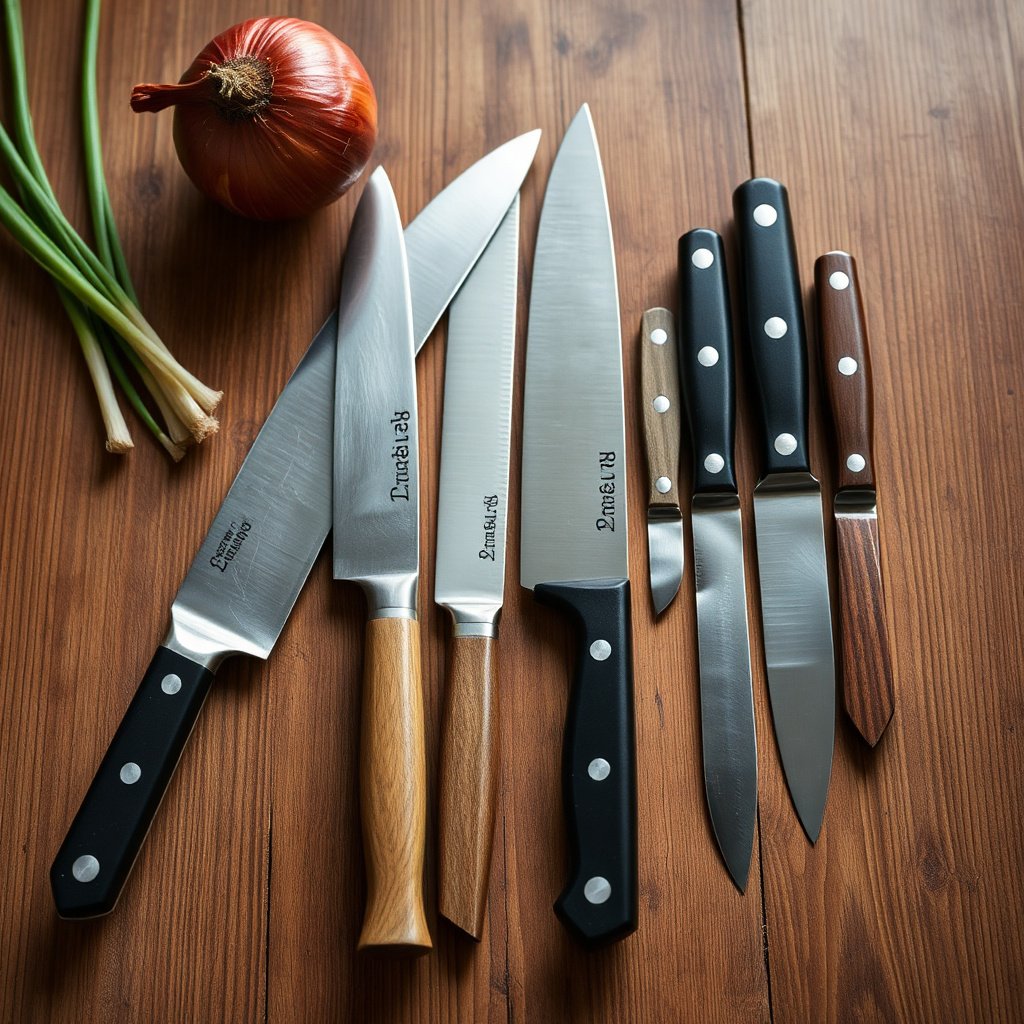
A sharp chef’s knife between 6 and 8 inches long is ideal for dicing onions. Its broad blade provides control and balance, while the sharp edge makes clean cuts that reduce tearing.
Avoid dull knives since they require more force and increase the risk of accidents and uneven dice. Regularly sharpening your knife improves both safety and effectiveness.
For more on this, see our related guide: How to Make Spaghetti and Meatballs with Easy Steps and Expert Tips.
Knife Handling Basics
Hold the knife handle firmly with your dominant hand and curl the fingertips of your other hand inward to grip the onion, keeping them out of the blade’s path. This claw grip prevents accidental cuts.
Use smooth, rocking motions with the knife, allowing the blade’s weight to do most of the work, which improves speed and precision while reducing hand fatigue.
Step-by-Step Guide to Dice an Onion
Making Horizontal and Vertical Cuts
After halving the onion and placing it flat side down, hold it firmly. Make several horizontal cuts parallel to the board toward the root but not cutting through it, spacing them depending on your desired dice size.
Next, make vertical cuts perpendicular to the root, again stopping short to maintain the onion’s structure. The vertical cuts should be evenly spaced for a consistent dice.
- Keep the root intact during cutting
- Space cuts evenly for uniform pieces
Creating the Final Dice
Finally, make downward cuts from the onion tip toward the board, perpendicular to the previous vertical cuts. The onion will naturally fall away in small diced pieces.
Move your fingers back as you progress to keep them safe. The root end can be discarded once the dicing is completed since it won’t be properly chopped.
- Use a steady downward chopping motion
- Discard the root after dicing
Safety Tips When Dicing an Onion
Protecting Your Fingers
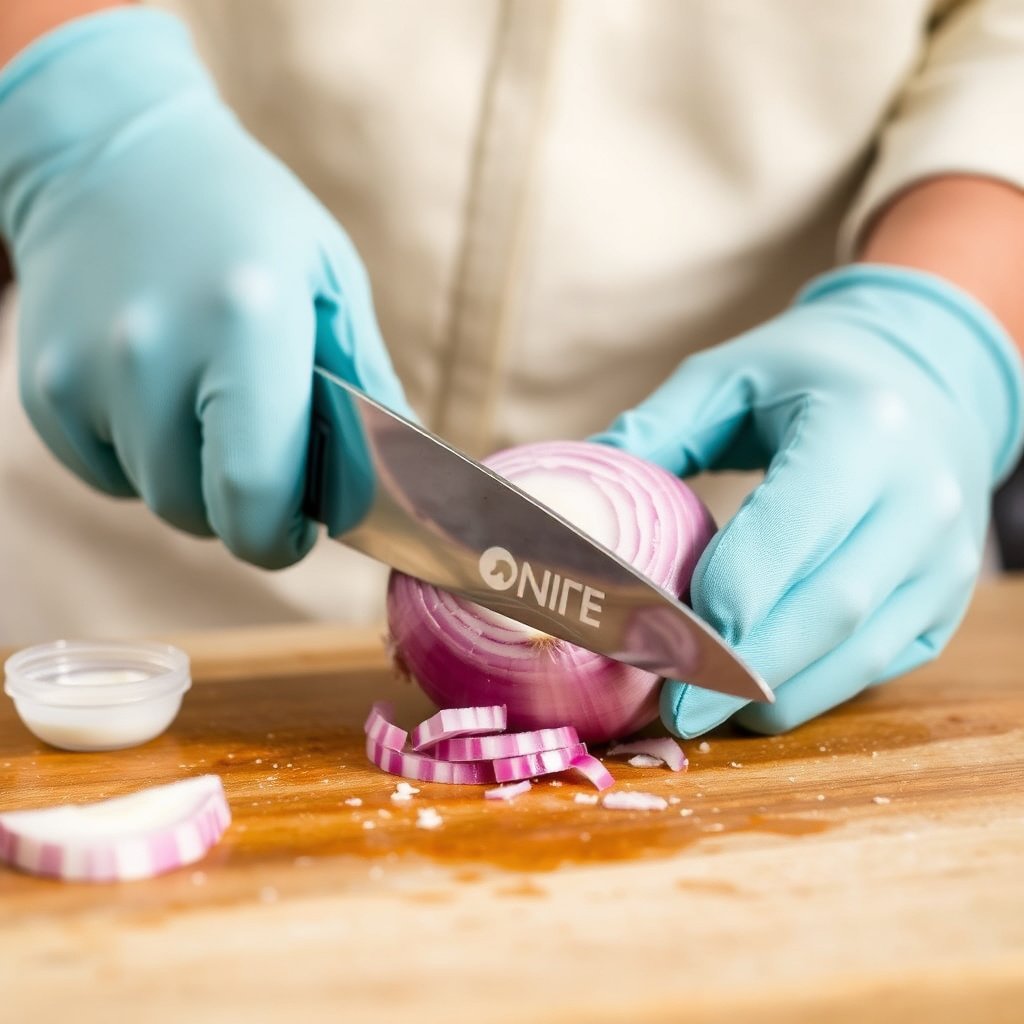
Always use the claw grip to curl your fingertips under, which keeps them out of the knife’s path. Focus on blade control and avoid rushing through the cuts.
If concerned about hand safety, consider wearing cut-resistant gloves; they provide extra protection without compromising dexterity.
- Curl fingertips inward (claw grip)
- Avoid distractions during cutting
For more on this, see our related guide: How to Make Crab Dip: A Complete Guide with Tips and Variations.
Minimizing Eye Irritation
Onions release sulfur compounds that irritate the eyes. To limit tearing, chill onions before cutting or slice near a running fan or open window to disperse fumes.
Using a sharp knife also helps reduce the amount of sulfur released, since clean cuts cause less damage to the onion cells.
- Chill onions before chopping
- Cut near a ventilation source
Additional Onion Chopping Techniques
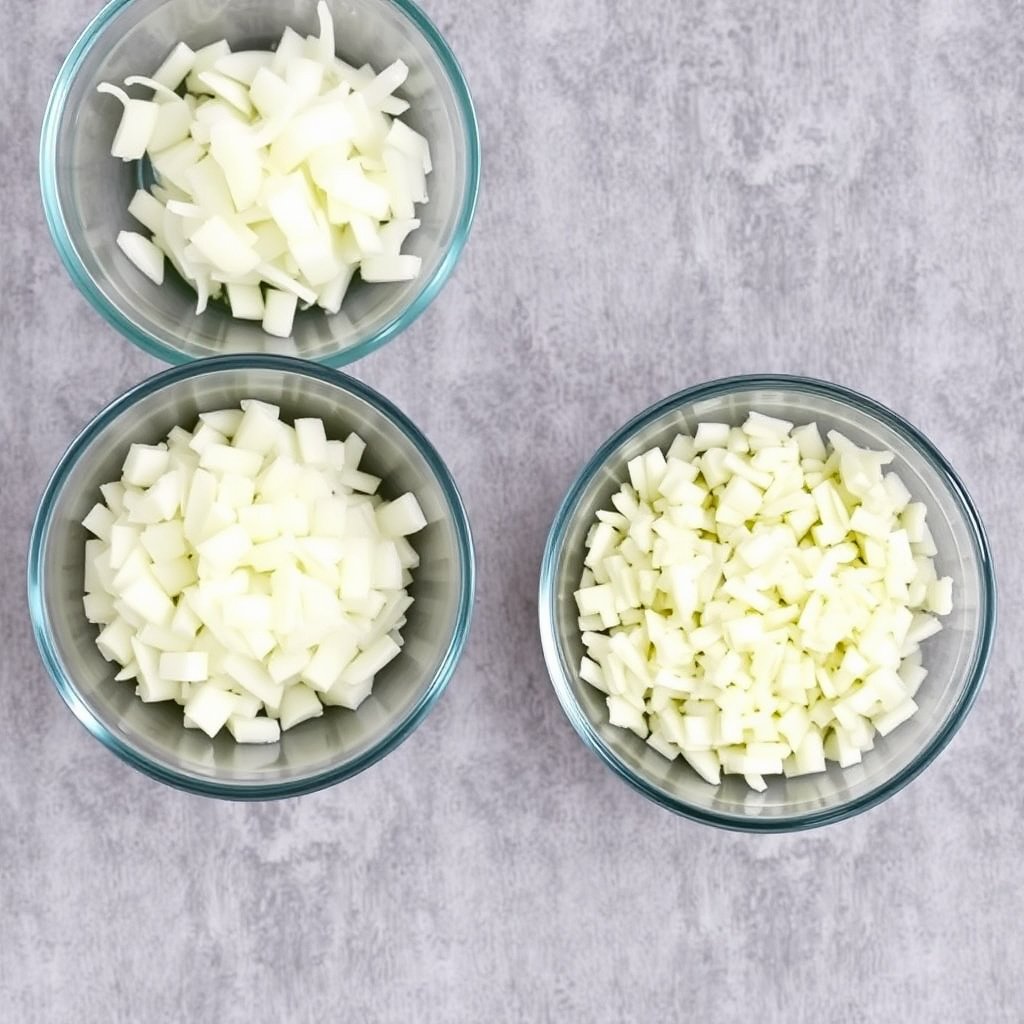
Mincing vs. Dicing an Onion
Mincing involves cutting the onion into very tiny pieces, smaller than a dice. This method suits recipes that require evenly distributed flavor without noticeable chunks.
Dicing results in larger, uniform cubes ideal for sauces, salsas, and sautés where distinct onion texture is preferred.
For more detailed information on cutting an onion and its culinary applications, the Wikipedia page on onions offers comprehensive insights. cutting an onion.
Julienne and Slicing Techniques
Julienne refers to cutting the onion into thin, matchstick-like strips, usually for stir-fries or salads. Slicing creates larger, curved strips good for caramelizing or grilling.
Both techniques require different knife angles and motions than dicing but share the same principles of stability and sharp blades.
Onion Cutting Methods Comparison
Here’s a comparison of popular onion cutting methods showing their typical uses and pros.
| Cutting Method | Typical Dice Size | Best For | Skill Level Required |
|---|---|---|---|
| Dicing | 1/4 to 1/2 inch cubes | Sautés, soups, chili | Beginner to Intermediate |
| Mincing | Less than 1/8 inch bits | Dressings, marinades | Intermediate |
| Julienne | Thin strips about 1/8 inch wide | Stir-fries, salads | Intermediate |
| Slicing | Wide strips or rings | Caramelizing, grilling | Beginner |
Frequently Asked Questions
How can I stop my eyes from watering when cutting onions?
Chilling the onion before cutting and using a sharp knife to make clean cuts can reduce the irritation from sulfur compounds. Cutting near ventilation or running water also helps disperse the fumes.
Is it better to dice onions with a dull or sharp knife?
A sharp knife is better because it requires less force, produces cleaner cuts, and reduces the release of irritating onion juices, making the process safer and more efficient.
What size should I dice onions for sauces versus salads?
For sauces, smaller dice around 1/4 inch is ideal to blend well, while salads often benefit from slightly larger pieces around 1/2 inch to retain texture and visual appeal.
Can I dice an onion without cutting off the root end?
Leaving the root intact while dicing is important. It holds the layers together, allowing for controlled cuts without the onion falling apart, making dicing easier and neater.
What knife style is best for dicing onions?
A chef’s knife with a broad, sharp blade between 6 to 8 inches is best because it offers balance, control, and ability to make precise cuts needed for uniform dicing.
Key Takeaways
- Start by trimming and peeling the onion while keeping the root intact for stability.
- Use a sharp chef’s knife and proper claw grip to dice safely and effectively.
- Make horizontal and vertical cuts before slicing downward to create uniform dice.
- Chill onions and cut near ventilation to reduce eye irritation from sulfur compounds.
Conclusion
Mastering how to dice an onion combines proper preparation, knife choice, and technique. Retaining the root end stabilizes the layers, ensuring uniform cuts that enhance cooking consistency. The claw grip and sharp knife contribute both precision and safety, while ventilation techniques help keep eyes comfortable. This methodical approach transforms a simple task into a repeatable skill that adds efficiency and confidence in the kitchen.
For everyday cooking, standard dicing with a sharp chef’s knife suits most dishes such as soups and sautés. When finer texture is required, mincing offers a more delicate distribution of onion flavor. Alternate approaches like julienne or slicing bring versatility for salads or caramelizing, complementing different recipes. Choosing the right knife and following step-by-step cuts assures neat onion pieces and reduces waste, making meal prep smoother and faster.
Next time you prep ingredients that call for onions, implement these methods to improve your technique. Begin with the proper cleaning, choose a reliable knife, and practice the horizontal, vertical, and final slicing motions. With repeated use, dicing onions will become second nature, giving you restaurant-style cuts and enhanced food presentation with minimal effort.