How to Cook a Pork Tenderloin Perfectly Every Time
Cooking a pork tenderloin so it’s tender, juicy, and full of flavor requires a few key steps but is surprisingly straightforward. Start by seasoning your pork well, sear it on all sides over high heat, and finish it in the oven or on the grill until it reaches an internal temperature of 145°F (63°C). Letting it rest before slicing locks in the juices, delivering a moist, delicious result every time.
Pork tenderloin is a lean cut that cooks quickly, making it easy to overcook and end up dry. Getting the timing and temperature right is crucial because the tenderloin’s mild flavor shines best when complemented but not overwhelmed by spices or sauces. When prepared properly, this cut rivals more expensive meats in taste and texture.
This guide will walk you through several effective methods for cooking pork tenderloin, including roasting, pan-searing, and grilling. Each section covers essential tips on preparation, seasoning, cooking times, and resting, helping you master this versatile protein no matter your preferred technique.
Preparing Pork Tenderloin for Cooking
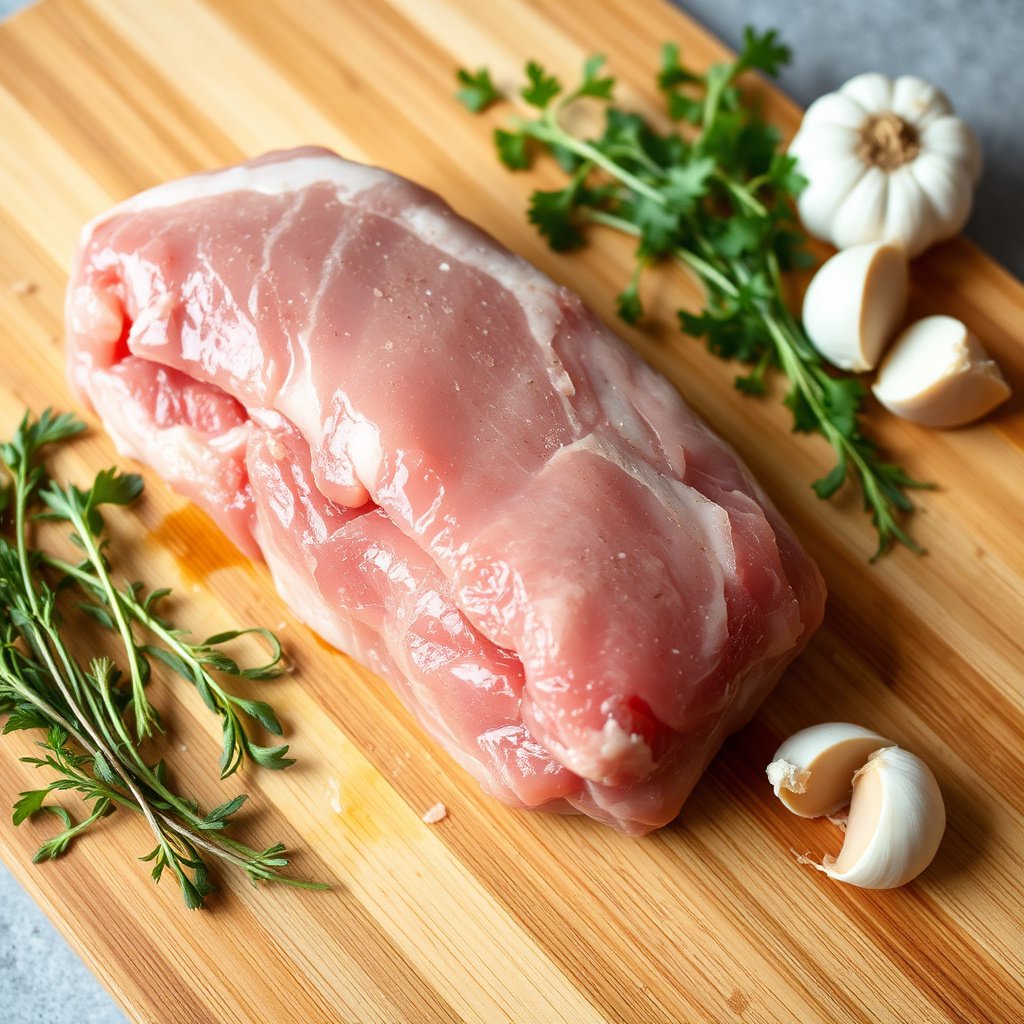
Trimming and Seasoning
Begin by trimming excess fat and silver skin from the pork tenderloin with a sharp knife. Removing the silvery membrane allows seasonings to penetrate better and prevents toughness during cooking.
Season the meat generously with salt and freshly ground pepper for a simple base. You can enhance flavor further by rubbing the pork with garlic powder, paprika, dried herbs such as thyme or rosemary, or even a marinade. Make sure to pat the meat dry before seasoning to help the rub adhere better.
- Trim silver skin carefully using a sharp paring knife
- Pat pork dry with paper towels
- Apply salt evenly for better flavor penetration
- Use fresh or dried herbs depending on preference
Brining for Added Juiciness
Brining pork tenderloin can boost its moisture retention during cooking. A simple brine combines water, salt, sugar, and spices, and the meat soaks in it for several hours or overnight.
Even a quick 30-60 minute brine can make a difference. After brining, rinse the pork thoroughly and pat it dry before seasoning it again to avoid oversalting.
- Use about 1/4 cup salt per quart of water
- Add sugar for balance, typically half the amount of salt
- Include aromatics like garlic, bay leaves, or peppercorns
Roasting Pork Tenderloin in the Oven

Searing Before Roasting
Searing pork tenderloin in a hot skillet before roasting creates a flavorful crust and locks in juices. Preheat a heavy oven-safe pan with a small amount of oil until shimmering, then brown the tenderloin on all sides over medium-high heat for 2-3 minutes per side.
This step also develops rich Maillard reaction flavors that enhance the overall taste. Once seared, move the pan directly to a preheated oven to finish cooking.
- Use a cast iron or stainless steel skillet
- Preheat pan until oil barely smokes
- Turn meat only after a crust forms to avoid sticking
Finishing the Roast
Transfer the seared tenderloin to a 400°F (204°C) oven and roast until the internal temperature reaches 145°F (63°C). This usually takes 15-20 minutes, depending on size.
Use a meat thermometer to avoid overcooking. Rest the meat tented loosely with foil for 5-10 minutes after roasting to let juices redistribute.
- Preheat oven to 400°F (204°C)
- Roast until internal temperature reaches 145°F
- Rest covered for 5-10 minutes before slicing
Pan-Seared Pork Tenderloin on the Stove

Choosing the Right Pan and Oil
A heavy-bottomed skillet such as cast iron or stainless steel is ideal for pan-searing pork tenderloin due to even heat distribution and excellent sear potential. Use an oil with a high smoke point like canola, vegetable, or grapeseed oil to prevent burning.
Start with a preheated pan over medium-high heat and add just enough oil to coat the surface. Avoid overcrowding the pan to maintain a consistent sear.
- Select cast iron or stainless steel skillet
- Use high smoke point oils
- Avoid crowding the pan
Cook Time and Temperature Control
Sear each side of the tenderloin for about 3-4 minutes until a caramelized crust forms. Then lower the heat to medium and continue cooking, turning frequently to prevent burning, until the center reaches 145°F (63°C).
Use an instant-read thermometer to monitor accuracy. Rest the meat for 5-10 minutes after cooking before slicing.
- Initial sear: 3-4 minutes per side
- Lower heat after searing to cook through
- Check internal temperature with thermometer
Grilling Pork Tenderloin Outdoors

Preparing the Grill and Pork
Preheat your gas or charcoal grill to medium-high heat and oil the grates to prevent sticking. Season the pork tenderloin well or marinate it beforehand for added flavor.
Remove excess moisture by patting the pork dry before placing it on the grill. This helps achieve better grill marks and minimizes flare-ups.
- Preheat grill to medium-high (about 400°F)
- Oil grates before cooking
- Pat pork dry thoroughly
Grilling Technique for Even Cooking
Place the tenderloin over direct heat initially to sear all sides for 3-4 minutes each. Then move it to indirect heat to finish cooking slowly, turning every few minutes until it reaches an internal temperature of 145°F (63°C).
Remove from grill and let rest. This indirect cooking method prevents burning while ensuring the lean meat cooks thoroughly and remains juicy.
- Sear over direct heat first
- Finish over indirect heat
- Use a meat thermometer for best results
Serving and Storing Cooked Pork Tenderloin

Slicing and Serving Tips
After resting, slice pork tenderloin crosswise into medallions about 1/2 inch thick to maximize tenderness. Serve immediately with complementary sides like roasted vegetables, mashed potatoes, or a simple pan sauce.
Pork tenderloin pairs well with mustard-based sauces, apple chutney, or a balsamic glaze for a balance of savory and sweet flavors.
- Let meat rest 5-10 minutes before slicing
- Cut against the grain for tenderness
- Serve with complementary sauces or sides
Proper Storage and Reheating
Store leftover pork tenderloin in an airtight container in the refrigerator for up to 3-4 days. To retain moisture when reheating, warm gently in a covered pan over low heat or in the microwave with a splash of broth.
Avoid overcooking during reheating to prevent drying out the meat.
- Use airtight container for storage
- Reheat gently with added moisture
- Consume leftovers within 3-4 days
Common Mistakes When Cooking Pork Tenderloin

Overcooking Leading to Dryness
Due to its low fat content, pork tenderloin can go from juicy to dry quickly if overcooked. Skipping a meat thermometer and relying on cooking times alone often results in overdone meat.
Aim for an internal temperature of 145°F (63°C) and remove from heat immediately, then rest before slicing to avoid moisture loss.
For official food safety recommendations when cooking pork tenderloin, consult the USDA's pork tenderloin cooking guidelines. Pork tenderloin cooking guidelines.
Insufficient Seasoning or Preparation
Underseasoning or failing to trim silver skin can lead to bland or tough pork. Likewise, neglecting to dry the meat before seasoning or searing reduces flavor development and proper browning.
Adequate seasoning and proper prep are key for a tender, flavorful outcome.
Pork Tenderloin Cooking Method Comparison
Here’s a look at popular pork tenderloin cooking methods and their main characteristics to help you pick the best one for your meal.
| Cooking Method | Cooking Time | Texture | Flavor Development | Ease of Preparation |
|---|---|---|---|---|
| Oven Roasting | 15-20 min | Tender and juicy | Rich crust from searing | Moderate |
| Pan-Searing | 12-15 min | Juicy with crisp edges | Strong Maillard flavor | Easy |
| Grilling | 15-25 min | Smoky, charred exterior | Smoky and caramelized | Requires grill setup |
| Brining + Roasting | Overnight brine + 15-20 min roasting | Extra moist and flavorful | Enhanced seasoning absorption | More time and prep |
Frequently Asked Questions
How do I know when pork tenderloin is fully cooked?
Use an instant-read meat thermometer to check the internal temperature. Pork tenderloin is safe and juicy at 145°F (63°C). Overcooking beyond this causes dryness.
Should I marinate pork tenderloin before cooking?
Marinating is optional but can add extra flavor and moisture. Acidic marinades with citrus or vinegar work well but limit marinating to 2-4 hours to avoid texture changes.
Can I cook pork tenderloin from frozen?
It’s best to thaw pork tenderloin fully before cooking for even results. Cooking from frozen can lead to uneven doneness and longer cooking times.
Is pork tenderloin the same as pork loin?
No, pork tenderloin is a smaller, leaner cut from the muscle along the spine. Pork loin is larger, less tender, and fattier, requiring different cooking methods.
How long should I rest pork tenderloin after cooking?
Rest pork tenderloin for 5-10 minutes tented loosely with foil. This allows juices to redistribute and prevents them from spilling out when sliced.
Key Takeaways
- Use a meat thermometer to ensure pork tenderloin reaches 145°F for safe, juicy meat
- Searing before roasting or grilling develops deep flavor and a crisp crust
- Brining enhances tenderness and moisture but requires extra prep time
- Resting after cooking helps retain juices and improves texture
Conclusion
Selecting how to cook a pork tenderloin depends largely on your time, equipment, and preferred flavor profiles. Keeping the internal temperature at 145°F is the best guarantee of tender, juicy results regardless of the method. Whether roasting in the oven, searing in a skillet, or grilling outdoors, proper seasoning and temperature control remain central. Understanding your preferred cooking style will guide your preparation and help you achieve satisfying results each time.
For weeknight dinners or quick preparations, pan-searing offers simplicity and a delicious crust with minimal fuss. Oven roasting combined with an initial sear creates a reliable, evenly cooked tenderloin suited for gatherings. If you want a smoky flavor and grill marks, grilling is excellent but requires attention to indirect heat techniques. For extra moist and flavorful pork, consider a brine overnight before roasting. These best pork tenderloin cooking methods give you flexibility to tailor your dish.
To start, pick the method that fits your schedule and access to tools, and remember to use a meat thermometer to monitor doneness precisely. Experimenting with simple seasonings or marinades can boost flavor while keeping the integrity of this lean cut. With these guidelines, you can confidently cook pork tenderloin that’s tender and flavorful, perfect for any occasion.