How to Hold a Chef Knife Correctly for Safety and Precision
Holding a chef knife correctly involves gripping the handle firmly with your dominant hand while placing your thumb and forefinger on opposite sides of the blade's base, just above the handle. This grip, known as the 'pinch grip,' offers superior control, balance, and precision when cutting.
A proper grip on your chef knife is essential because it reduces the risk of accidents and hand fatigue. It also lets you slice, dice, and chop more efficiently. Many beginners simply hold the handle like a regular knife, but adjusting your grip to the pinch technique can significantly enhance your cutting experience.
This article covers the fundamentals of how to hold a chef knife, focusing on grip styles, wrist positioning, common mistakes to avoid, and how the right technique improves cooking safety and efficiency. You'll also find comparisons of different grip methods and answers to common questions about chef knife handling.
Understanding the Pinch Grip
What is the Pinch Grip?
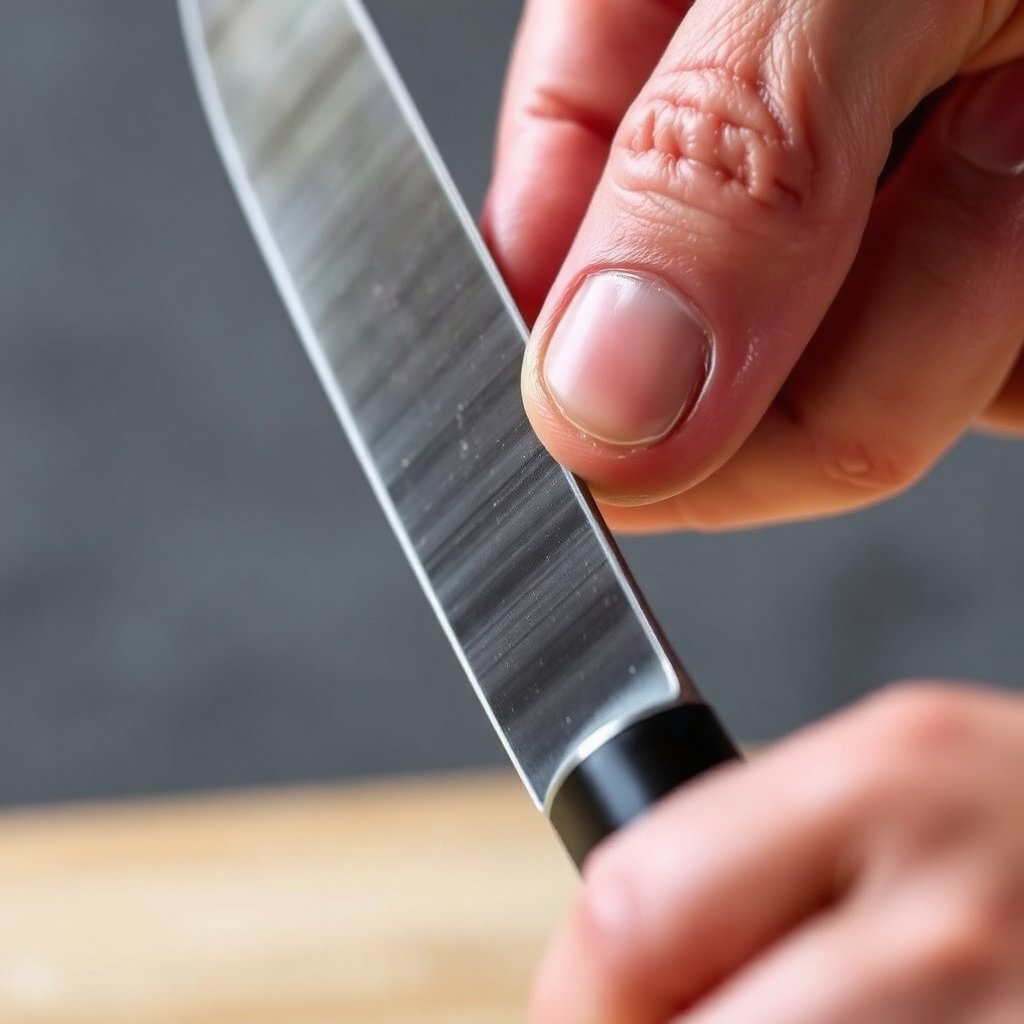
The pinch grip involves placing your thumb and forefinger on either side of the chef knife blade's base, just above the handle, while wrapping the rest of your fingers around the handle. This grip stabilizes the knife and gives you greater control during intricate cuts.
Unlike the traditional handle grip, the pinch grip shifts some of the knife's weight toward your fingers, improving maneuverability and reducing strain on your wrist during repetitive tasks.
Benefits of Using the Pinch Grip
The pinch grip enhances precision because it allows subtle, controlled movements rather than relying solely on arm strength. This makes chopping, slicing, and dicing safer and more efficient.
This grip also reduces hand fatigue on longer prep sessions and minimizes the chance that your hand will slip, thereby lowering the risk of cuts.
- Improved cutting accuracy
- Better knife balance and control
- Reduced wrist strain
- Enhanced safety and grip stability
Common Chef Knife Grip Techniques
Handle Grip
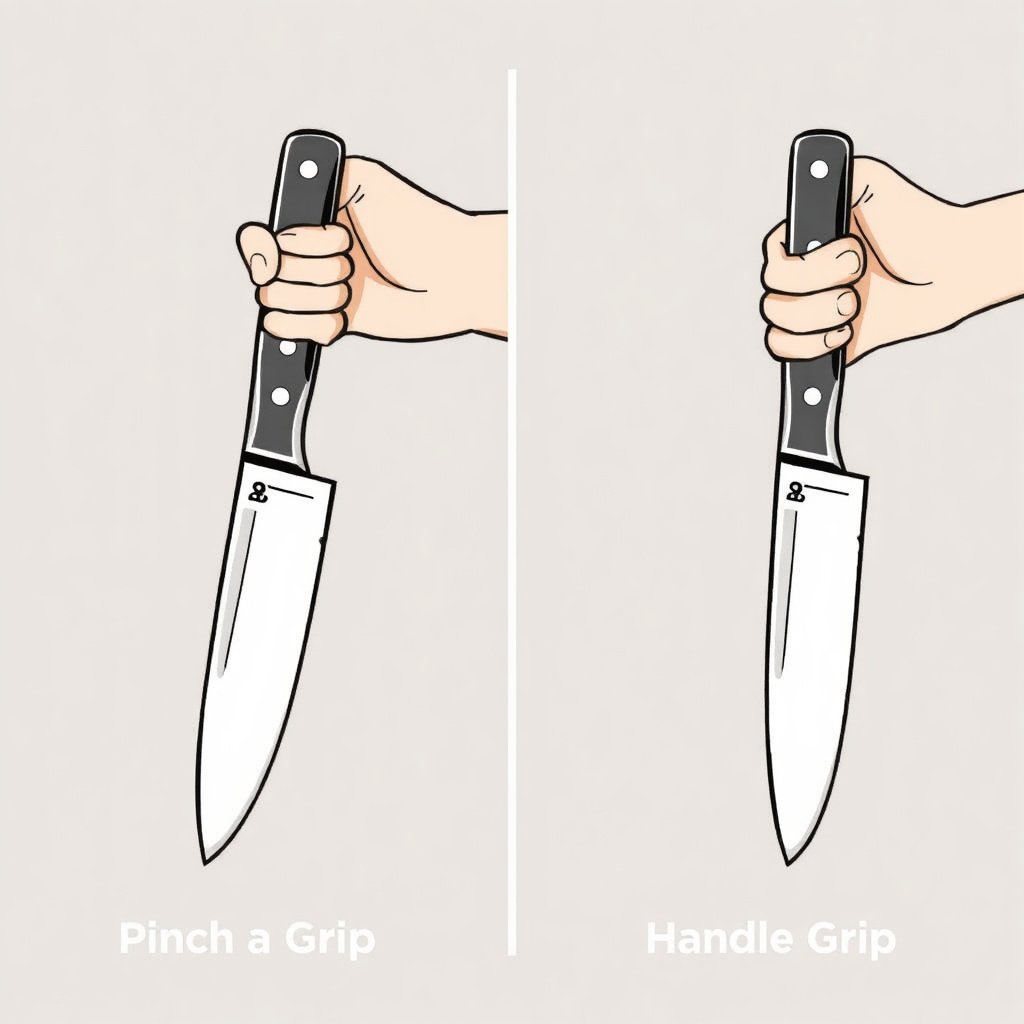
The handle grip is the most basic method, where all fingers wrap around the knife handle without touching the blade. While this is instinctive for many, it offers less control and can cause wrist strain during extended use.
This grip tends to rely on arm movement for cutting power, which can be less precise, increasing the chances of mistakes or injury when handling sharp knives.
- Simple and beginner-friendly
- Less precise cutting control
- Greater reliance on arm strength
Pinch Grip vs. Handle Grip
Compared to the handle grip, the pinch grip offers greater control and balance, especially useful for detailed tasks like julienning or fine dicing. Chefs favor the pinch grip for these reasons.
For beginners accustomed to the handle grip, transitioning to the pinch grip may feel awkward initially, but practice improves comfort and efficiency, reducing cutting mishaps.
Wrist and Arm Positioning When Holding a Chef Knife
Maintaining Proper Wrist Angle
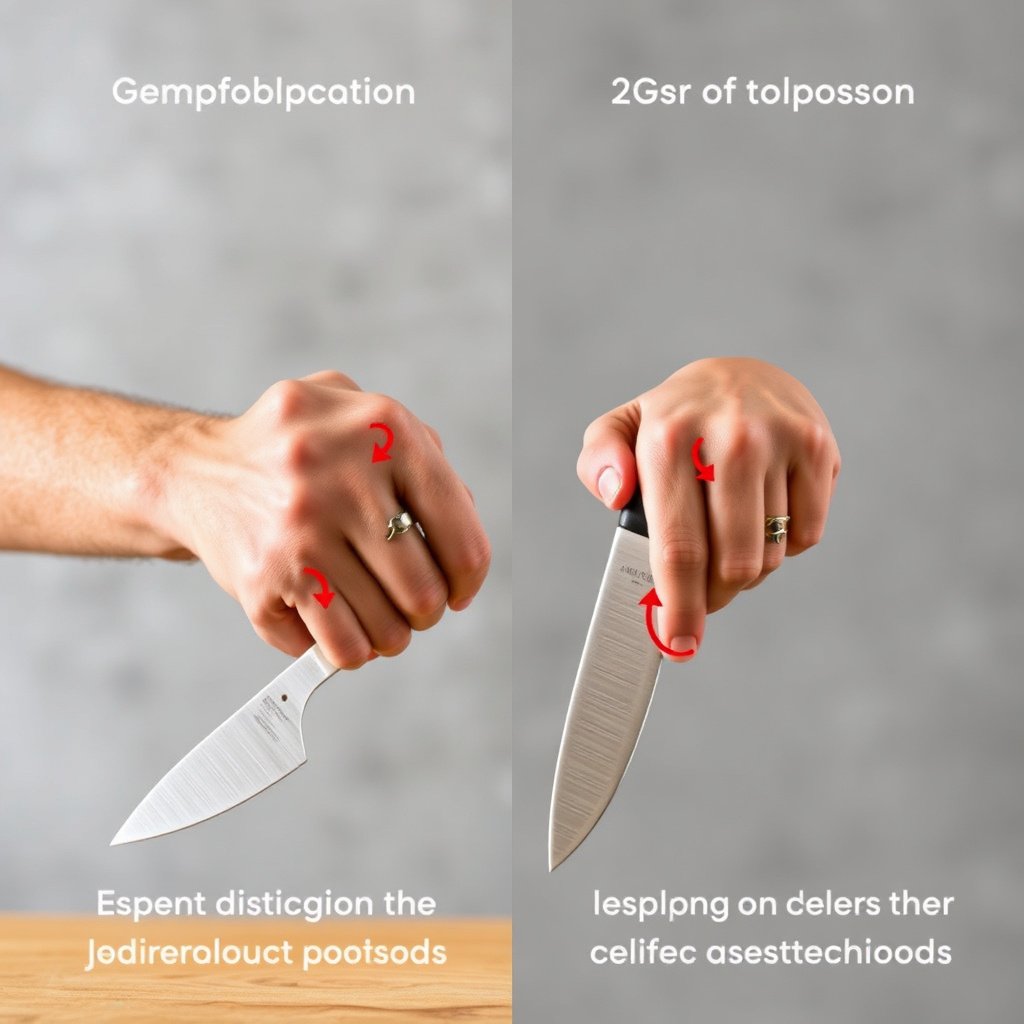
Keeping your wrist straight and relaxed is crucial when holding a chef knife. A bent or tense wrist can cause fatigue and impede precise cuts. Align your wrist with your forearm to allow smooth motion.
A natural, relaxed wrist angle helps absorb cutting shocks and maintains steady pressure while slicing through different food textures.
For more on this, see our related guide: How to Sharpen a Kitchen Knife: A Step-by-Step Guide.
Engaging Your Whole Arm
While your hand and wrist manage the blade, larger cuts benefit from involving the whole arm. Use shoulder and elbow movements rather than just wrist flicks for stability and power.
By combining the controlled pinch grip with fluid arm movement, you can cut safely and precisely, improving your overall kitchen efficiency.
- Reduces wrist strain
- Promotes better leverage
- Enhances cutting power and control
Common Mistakes to Avoid When Holding a Chef Knife
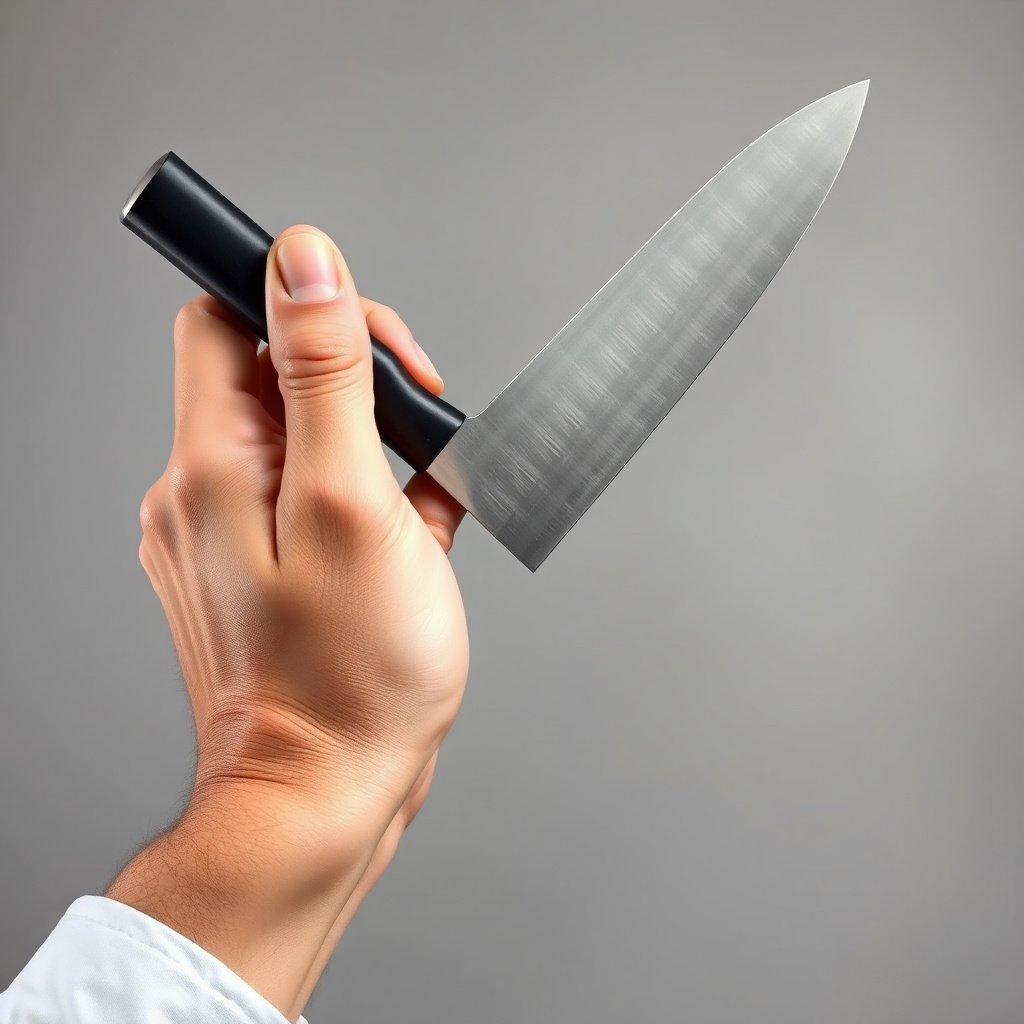
Holding the Knife Too Loosely
A loose grip may feel more comfortable initially but reduces control and increases risk of accidents. The knife can slip, causing injuries or uneven cuts.
Ensure your fingers hold the knife firmly but without excessive tension to maintain control and flexibility.
- Avoid slack grip
- Keep steady finger placement
Ignoring Finger Placement
Allowing fingers to extend onto the blade or holding the knife too far back on the handle lowers precision and increases injury risk.
Focus on placing your thumb and forefinger on the blade's base while securely wrapping other fingers on the handle for optimal balance.
How Proper Grip Affects Kitchen Safety and Efficiency
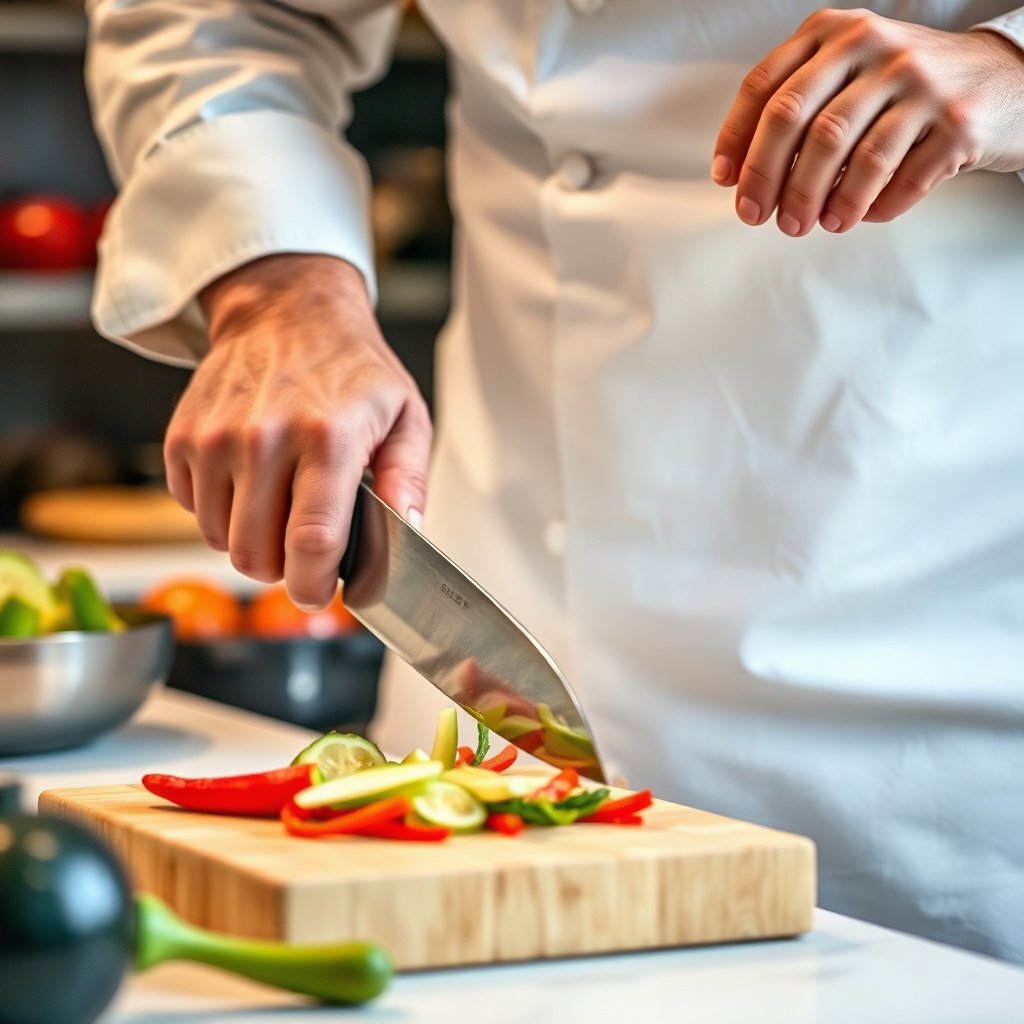
Reducing Injury Risks Through Better Control
A firm, precise grip allows safer cutting by preventing slips. When the knife feels balanced and responsive, you are less likely to make sudden errors that cause cuts or scrapes.
Using the pinch grip engages finger muscles effectively, giving you confidence and control, which is key to avoiding accidents.
For more on this, see our related guide: How to Cook Tuna Steak Perfectly: 8 Easy Ways with Tips and Timing.
Improving Cutting Speed and Consistency
With a proper grip, repetitive tasks like dicing onions or slicing meat become faster and more uniform. The knife responds fluidly to subtle hand movements, improving efficiency without sacrificing accuracy.
Experienced chefs rely on this grip technique to maintain consistent results, especially during high-volume cooking.
- Steady cutting rhythm
- Less hand fatigue over time
- More consistent slice thickness
Tips for Practicing and Perfecting Your Chef Knife Grip

Start Slow and Focus on Form
Begin by practicing your grip without cutting food. Hold the knife in front of a mirror to check finger position and wrist alignment.
Slowly perform slicing motions to get comfortable with the feel of the pinch grip and hand coordination.
- Use mirror checks
- Perform slow practice cuts
For more detailed information about the chef's knife and its proper handling, visit the Wikipedia article on chef's knife technique. chef's knife technique.
Gradually Increase Cutting Tasks
Once comfortable with the grip, move to cutting soft vegetables like cucumbers or tomatoes to build confidence.
Progressively try more challenging cutting tasks like chopping herbs or julienning carrots, focusing on maintaining your grip and wrist posture.
Chef Knife Grip Styles Compared
This table compares the common grip styles by control, comfort, and safety to help you decide which technique fits your cooking style.
| Grip Style | Control Level | Comfort | Safety | Best For |
|---|---|---|---|---|
| Pinch Grip | High | Medium | High | All-round precise cutting |
| Handle Grip | Medium | High | Medium | Beginners, light tasks |
| Sabre Grip | Low | High | Low | Quick rough cuts |
| Hammer Grip | Medium | Medium | Medium | Heavy chopping tasks |
Frequently Asked Questions
What is the safest way to hold a chef knife?
The safest method is the pinch grip, where your thumb and forefinger grasp the blade base, giving precise control and reducing the risk of slips and injuries.
Can beginners use the pinch grip?
Yes, beginners can learn the pinch grip with some practice; starting slow and focusing on finger placement helps make this technique comfortable and safe.
How does wrist position affect knife control?
A straight, relaxed wrist provides better control and reduces fatigue. A bent or tense wrist limits precision and increases the chance of accidents.
Is the handle grip less safe than the pinch grip?
While the handle grip is simpler, it offers less control and can increase injury risk during fine cutting tasks compared to the pinch grip.
Should I involve my arm when cutting with a chef knife?
Yes, using your arm along with your wrist and hand reduces strain and increases control, making cutting smoother and safer.
Key Takeaways
- Use the pinch grip for better control and safety when holding a chef knife.
- Keep wrists straight and involve your whole arm for smooth cutting motions.
- Avoid loose grips and incorrect finger placement to prevent injuries.
- Practice regularly starting slow to master chef knife grip techniques.
Conclusion
Selecting the right way to hold your chef knife significantly influences your kitchen safety, cutting efficiency, and comfort. The pinch grip emerges as the recommended technique due to its superior control and balance. Combining this grip with proper wrist alignment and arm movement reduces fatigue and the risk of injury, enabling you to handle your tasks more confidently and precisely.
For those new to knife skills, beginning with the handle grip may feel more natural, but transitioning to the pinch grip brings noticeable improvements in cutting accuracy and safety. This method suits all types of kitchen tasks, from delicate slicing to heavy chopping. Chefs who master the chef knife grip techniques often notice faster prep times and more consistent results, which are essential in a busy kitchen environment.
To get started, practice the pinch grip at home without cutting any food. Use slow, controlled motions and pay attention to your wrist and hand position. Over time, integrate this grip into actual food prep to build comfort and muscle memory. By committing to this foundational skill, you set the stage for safer, smoother, and more enjoyable cooking experiences.