How to Julienne Vegetables: A Step-by-Step Guide for Precise Cuts
Julienning vegetables means slicing them into thin, uniform strips about 1/8 inch wide and 2 inches long. This technique creates uniform pieces that cook evenly and provide a consistent texture and appearance in dishes like stir-fries, salads, and garnishes. Mastering how to julienne vegetables quickly elevates your knife skills and enhances presentation.
Vegetables julienned properly not only cook uniformly but also integrate seamlessly into a variety of recipes, improving both flavor distribution and visual appeal. Knowing this technique matters because uneven cuts can result in inconsistent cooking times and unbalanced textures, affecting the overall quality of your meals.
This article will walk you through the necessary tools, safety tips, and step-by-step methods to julienne vegetables perfectly. Additionally, we will explore which vegetables work best for julienning and share practical tips to improve your cutting speed and precision.
Essential Tools for How to Julienne Vegetables
Choosing the Right Knife
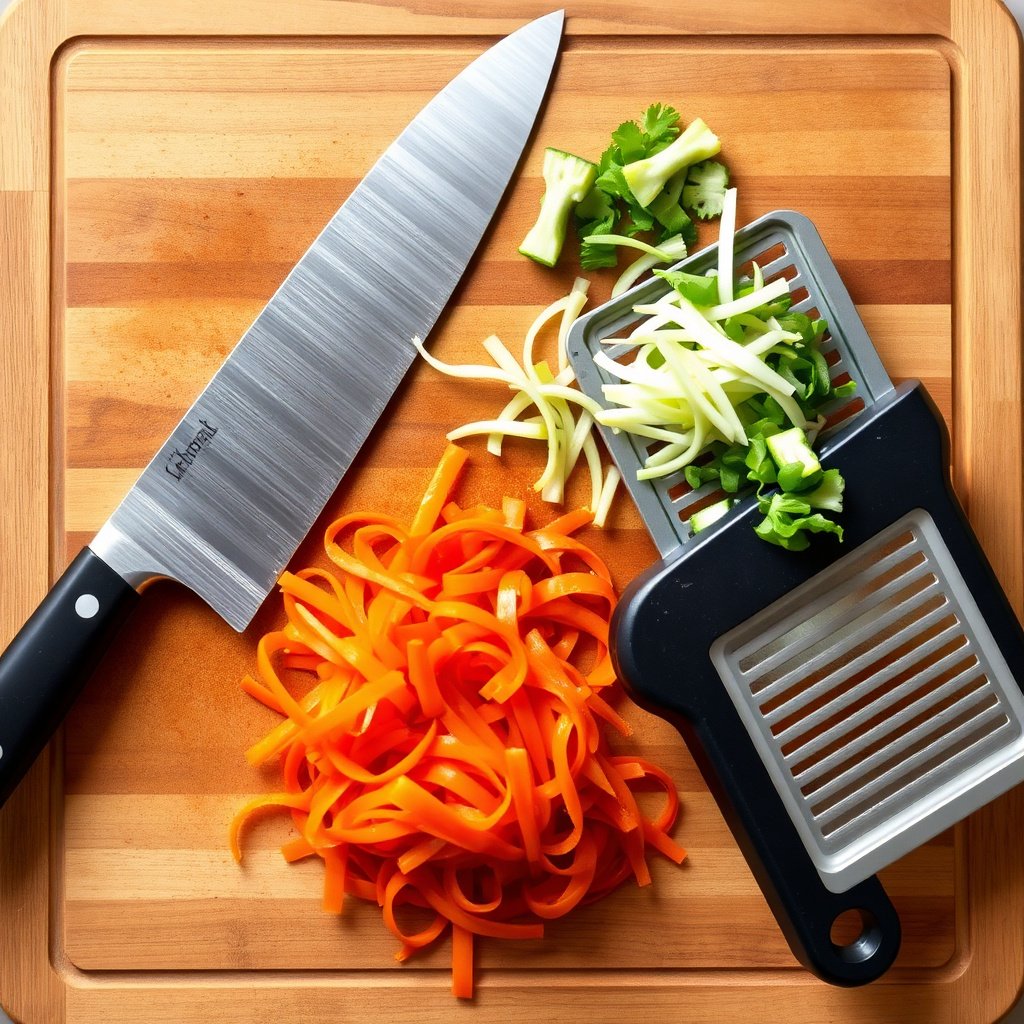
A sharp chef’s knife with a straight edge is the most versatile and commonly used tool for julienning vegetables. It allows precise control for thin, clean cuts. Select a blade length that fits comfortably in your hand and offers good balance for stability during slicing.
Though a serrated or paring knife can be used for softer vegetables, a chef’s knife generally provides the best results for uniform slices. The knife's sharpness is critical to avoid squashing the vegetable and to produce smooth edges.
Using a Mandoline Slicer
A mandoline slicer is a handy tool for consistent, fast julienning, especially useful when working with large quantities. Adjustable blades let you set the thickness and length of the vegetable strips quickly without much effort.
However, using a mandoline requires careful handling to avoid injury from its sharp blades. Always use the hand guard provided and work slowly until you get accustomed to the motion and pressure needed.
Preparing Vegetables for Julienne Cuts
Selecting Suitable Vegetables
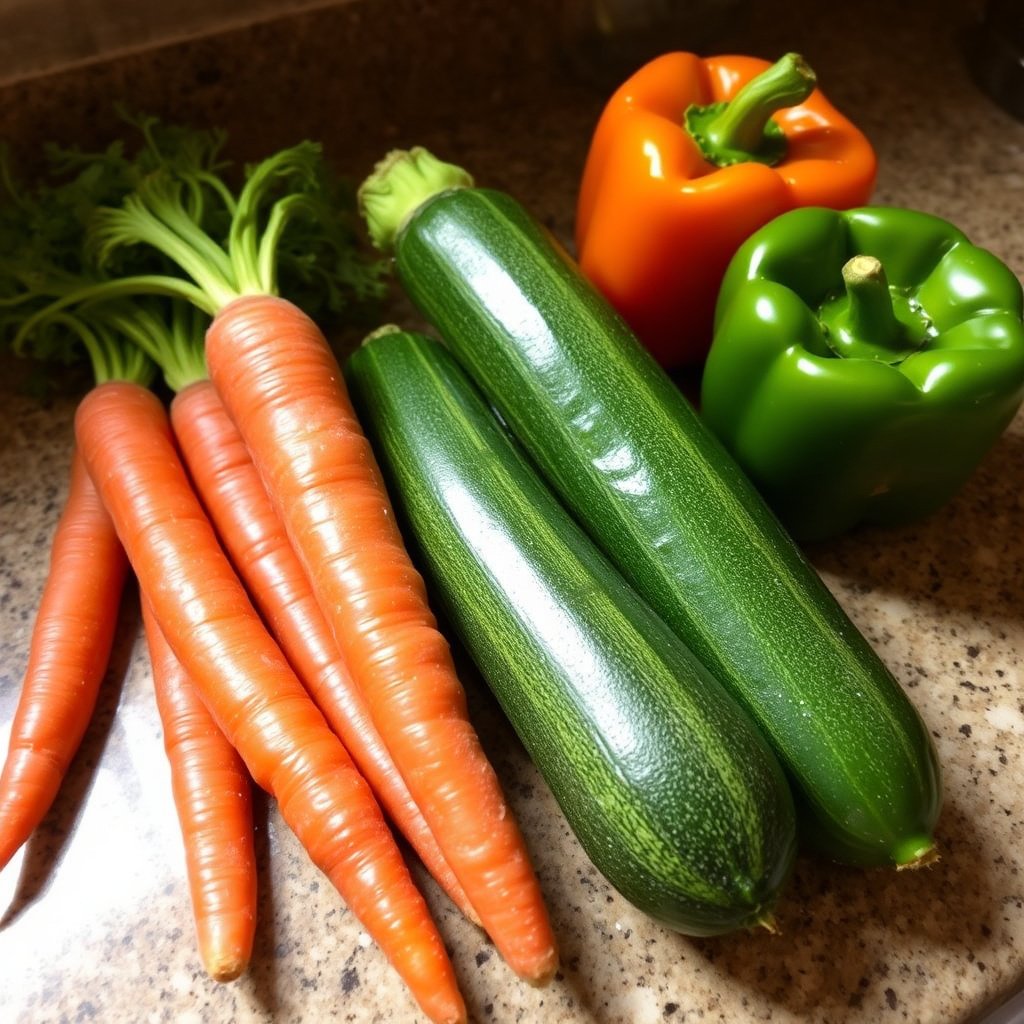
Vegetables with firm texture like carrots, zucchinis, cucumbers, and bell peppers are ideal for julienning. Softer vegetables such as ripe tomatoes or mushrooms are not suitable as they lack the structural integrity to hold thin strips.
Choosing fresh vegetables without blemishes or excessive moisture helps achieve clean cuts and prevents slipping during slicing. The vegetable’s shape also affects ease; long, straight vegetables are simpler to julienne.
Cleaning and Trimming
Wash vegetables thoroughly to remove dirt and pesticides before cutting. After washing, peel vegetables with tough skins like carrots and cucumbers unless the recipe calls for leaving the peel on.
Trim the ends and cut large vegetables into manageable lengths, approximately 2 to 3 inches, to fit your working space and maintain control during the julienne cuts.
Step-by-Step Technique for How to Julienne Vegetables
Basic Julienne Method
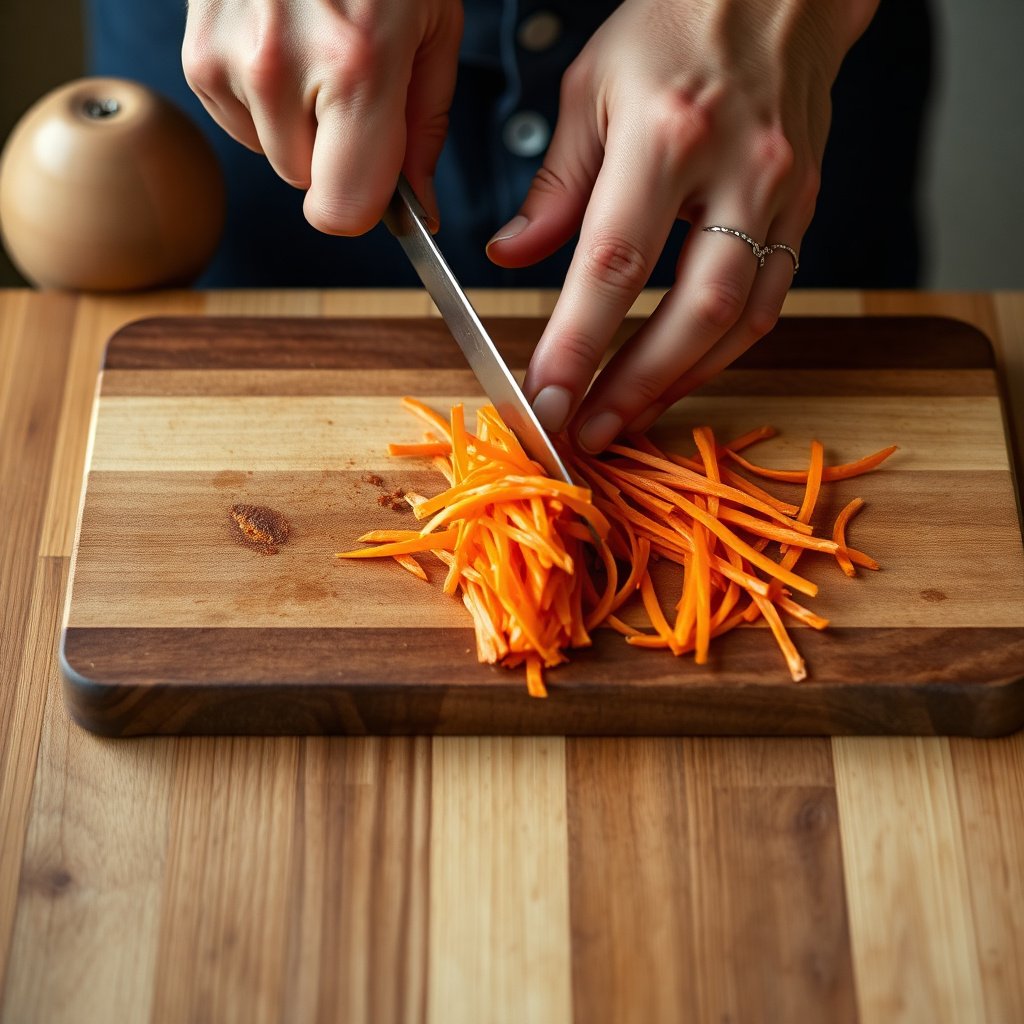
First, square off the vegetable by trimming any rounded edges to create a rectangular block. Then slice the block lengthwise into thin, flat sheets about 1/8 inch thick.
Stack a few sheets and cut lengthwise again into 1/8 inch wide strips to form uniform julienne pieces. Practice steady, even strokes with your knife to maintain consistent dimensions.
- Cut vegetable into uniform rectangular shapes
- Slice lengthwise into thin sheets
- Cut sheets into 1/8 inch wide strips
Julienning Using a Mandoline
Set the mandoline to the desired thickness, usually around 1/8 inch for julienne. Secure the vegetable with the hand guard, and slide it firmly and evenly down the blade, keeping fingers clear.
Collect the slices and if needed, cut them lengthwise to achieve the julienne length. This method significantly speeds up the process while maintaining consistency.
Safety Tips and Common Mistakes to Avoid
Maintaining Blade Control
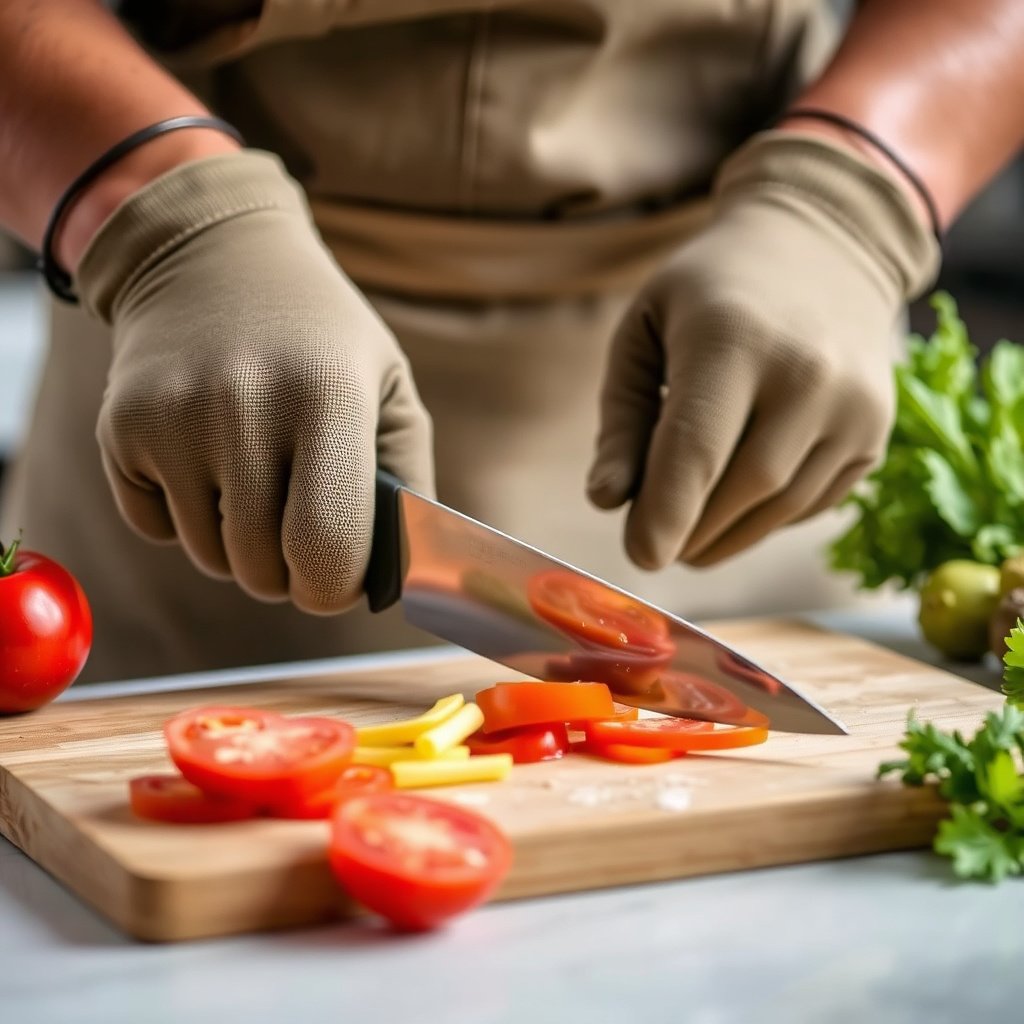
Keep your knife blade sharp to avoid slipping and uneven slicing. Hold the knife firmly and curl your fingertips inward on the holding hand to guide the vegetable safely.
Do not rush the process; deliberate, controlled movements will minimize risk and improve cut quality.
- Keep blade sharp
- Use claw grip with fingertips tucked
- Cut slowly and steadily
Avoiding Uneven Cuts
Uneven cuts can cause inconsistent cooking, leading to some pieces being over- or undercooked. Consistently practice squaring off vegetables to create regular shapes before slicing.
Measure your slices visually or with a guide if needed, and double-check thickness until you feel confident with your technique.
Choosing Vegetables and Recipes That Benefit from Julienne Cuts
Popular Vegetables to Julienne
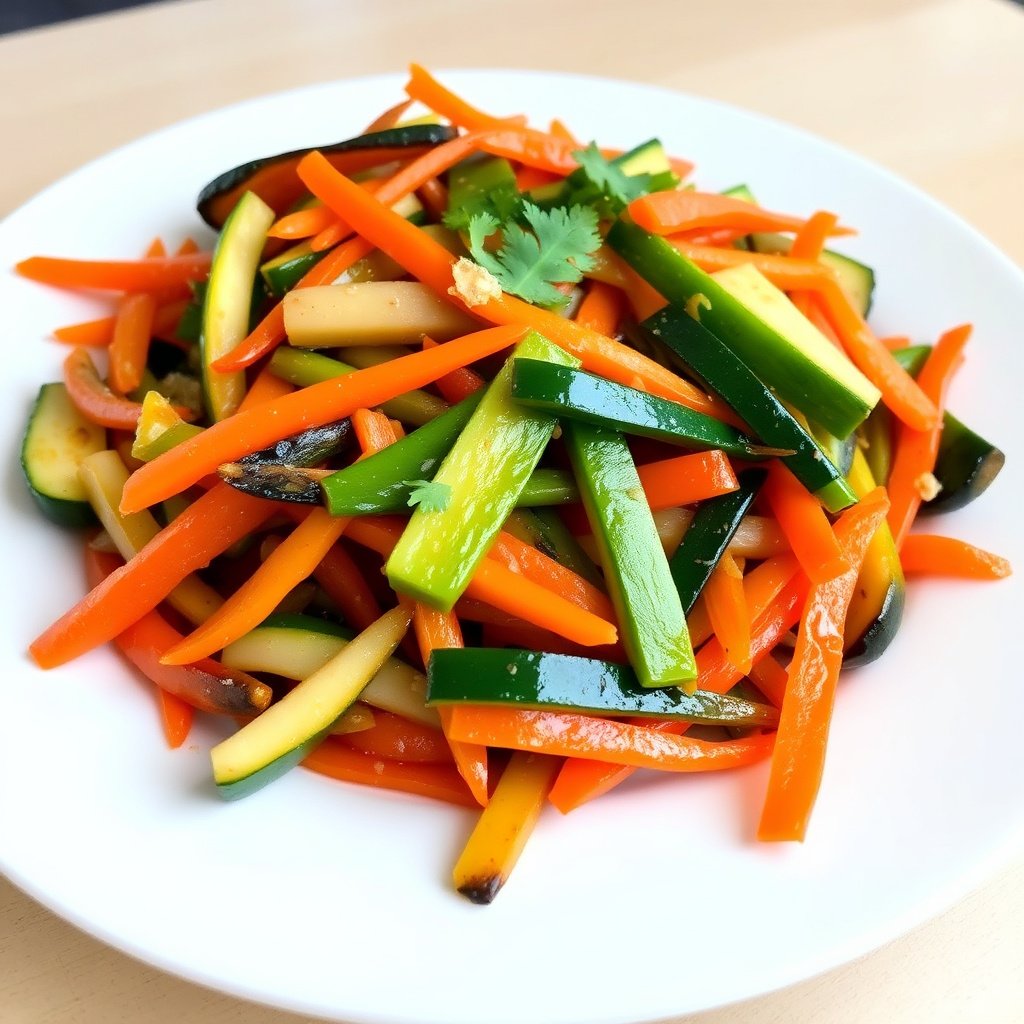
Carrots are the most commonly julienned vegetable thanks to their firmness and natural shape. Zucchini, cucumbers, bell peppers, and daikon radish are also excellent choices.
These vegetables maintain their texture well after cooking or raw and pair nicely in salads, stir-fries, and garnishes where uniform size improves the dish.
Dishes Enhanced by Julienne Vegetables
Asian stir-fries benefit greatly as the julienned vegetables cook quickly and mix evenly. Raw julienned vegetables can add crunch and color to fresh salads or cole slaw.
Julienne-cut vegetables also work beautifully as toppings for tacos or sandwiches, providing a fresh contrast in texture and appearance.
Improving Speed and Precision in Your Julienne Cuts
Practice and Repetition
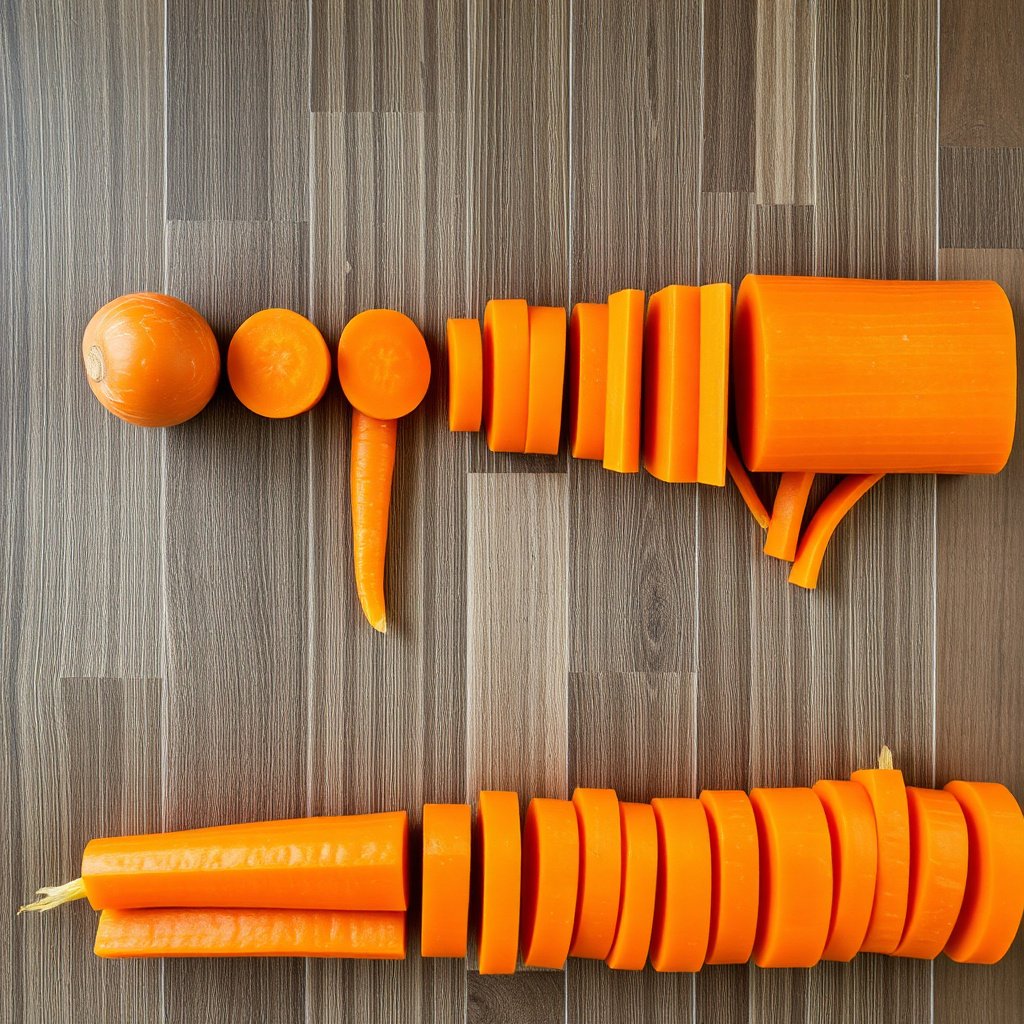
Precision and speed come from repeatedly practicing the knife motion and developing muscle memory. Start slowly focusing on consistency before working to increase your pace.
Set modest goals like uniform thickness rather than speed initially, as clean cuts reduce waste and improve cooking results.
For a detailed historical and technical overview, check out the Julienne technique on Wikipedia. Julienne technique on Wikipedia.
Tips for Efficient Cutting
Keep vegetables at a manageable size and use a sharp knife to minimize resistance. Position your cutting board at a proper height to keep wrist strain low and allow safer, more controlled cuts.
Organize your workspace efficiently and consider batch prepping vegetables for multiple dishes to improve overall kitchen workflow.
Julienne Vegetables Methods Comparison
The table below compares various tools and methods for julienning vegetables by speed, precision, and suitability for different vegetable types.
| Method | Speed | Precision | Best For | Safety |
|---|---|---|---|---|
| Chef’s Knife | Moderate | High | Firm Vegetables | Moderate |
| Mandoline Slicer | Fast | Very High | Firm to Medium Vegetables | Requires Caution |
| Vegetable Peeler (Julienne) | Slow | Low | Soft Vegetables for Garnish | Safe |
| Food Processor Attachment | Very Fast | Variable | Large Batches of Firm Vegetables | Safe with Proper Setup |
Frequently Asked Questions
What vegetables can be julienned?
Firm vegetables such as carrots, zucchinis, cucumbers, bell peppers, and daikon radishes are ideal for julienning due to their texture and shape which hold up well to thin slicing.
How thick should julienne vegetable strips be?
Julienne strips are typically about 1/8 inch (3 mm) wide and around 2 inches long, ensuring uniformity for even cooking and appealing presentation.
Can a mandoline slicer be used to julienne all vegetables?
Mandolines work best with firm or medium-firm vegetables. Soft or slippery vegetables may be difficult and unsafe to julienne on a mandoline without careful handling.
Is julienning vegetables time-consuming for beginners?
At first, julienning may feel slow, but with practice and proper tools, your speed and precision will improve significantly, making it a quick kitchen skill.
Why is a sharp knife important when julienning vegetables?
A sharp knife prevents squashing and slipping, allows cleaner cuts, and improves safety by reducing the need for excessive force, resulting in better quality julienne strips.
Key Takeaways
- Julienne involves cutting vegetables into uniform thin strips about 1/8 inch wide.
- Use a sharp chef’s knife or mandoline slicer for best results.
- Firm vegetables like carrots and zucchinis work best for this technique.
- Practice and safety are essential to improve speed and precision.
Conclusion
Mastering how to julienne vegetables combines understanding the right tools, selecting suitable vegetables, and practicing the cutting method to gain control and consistency. This skill not only enhances the appearance of dishes but also balances cooking times and textures for better culinary outcomes. Taking time to perfect your technique pays off in faster prep and improved presentation in home cooking.
For those aiming to quickly julienne large amounts, investing in a mandoline slicer offers unmatched speed and uniformity, especially with firm vegetables like carrots and peppers. Meanwhile, using a sharp chef’s knife provides excellent control and can handle a wider variety of vegetable shapes. Beginners should start by focusing on neat, consistent strips with a knife to build confidence before exploring equipment like mandolines.
Ultimately, adopting the julienne technique opens more possibilities in your cooking repertoire, from fresh salads to stir-fries and garnishes. Your next step can be to practice julienning with one or two favorite vegetables and gradually incorporate these strips into meals for an elevated look and texture.