How to Choose a Chef Knife: Essential Tips for Every Home Cook
Choosing a chef knife starts with understanding the blade size, handle comfort, and the type of steel used. A good chef knife should feel balanced and comfortable in your hand while providing enough sharpness and durability to handle a variety of kitchen tasks.
The right chef knife can make meal preparation quicker and more enjoyable, impacting everything from slicing vegetables to carving meat. Knowing what features to look out for prevents getting overwhelmed by the many options and helps find a tool that truly matches your cooking habits.
This article will explore the important factors in choosing a chef knife, including blade materials, handle design, different styles, maintenance tips, and budget varieties. By the end, you’ll have clear guidance to select the best chef knife for your home kitchen.
Understanding Blade Materials and Their Impact
Common Steel Types for Chef Knives
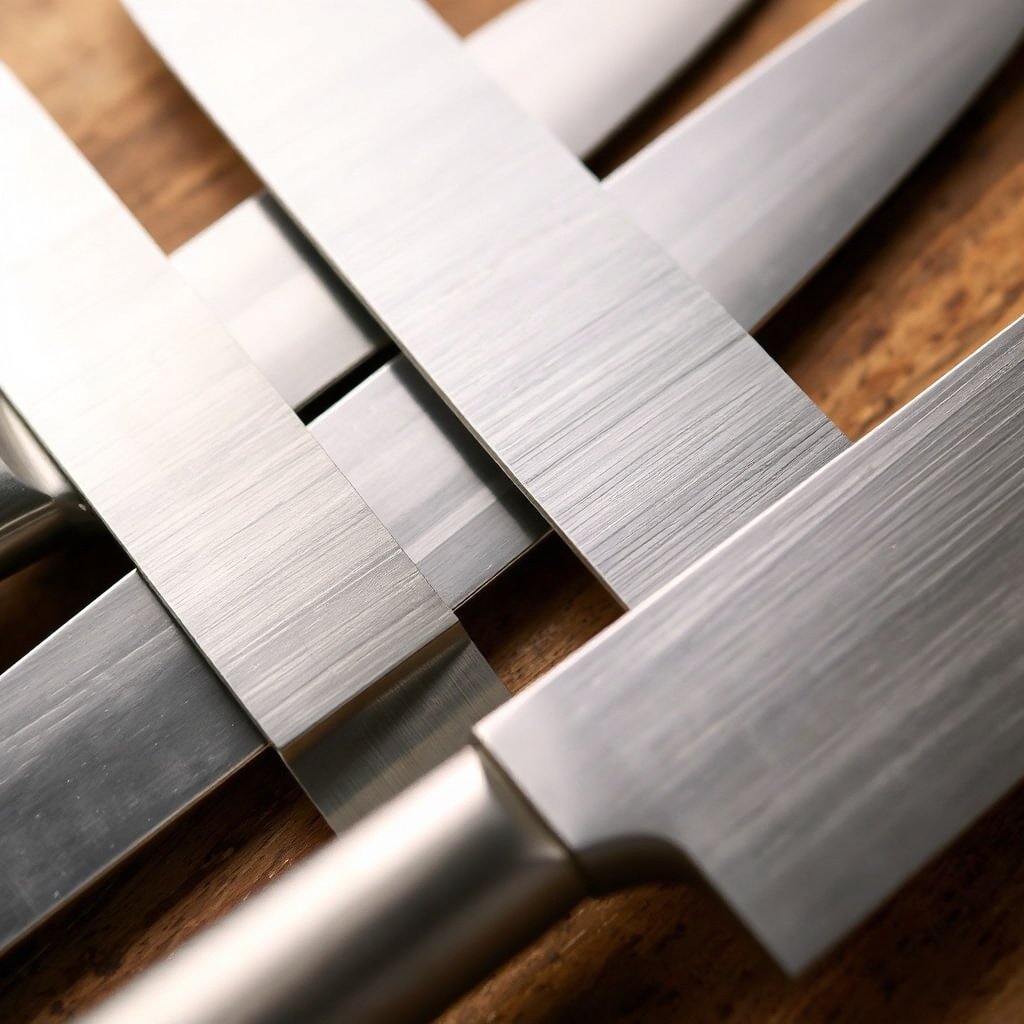
Chef knives are typically made from stainless steel, high-carbon steel, or a hybrid alloy. Stainless steel offers excellent rust resistance and easy maintenance, making it a popular choice for home cooks. High-carbon steel knives hold a sharper edge but require more care to prevent rust.
Each steel type affects the knife's edge retention, sharpening frequency, and weight. Stainless steel knives generally offer more durability, while high-carbon knives provide sharper cutting precision but may need regular honing.
- Stainless steel: corrosion resistant, less maintenance
- High-carbon steel: extremely sharp, prone to rust
- Alloy blends: balance between sharpness and durability
Blade Finishes and Their Functional Benefits
Blade finishes like forged, stamped, or coated surfaces influence the knife’s cutting performance. Forged knives are heavier and sturdier, offering better balance, while stamped blades are lighter and often more affordable. Coatings can reduce food sticking or increase corrosion resistance.
Choosing the right blade finish depends on your preferred cooking tasks and personal handling comfort. Forged knives typically provide superior control for precise cuts, making them favored by many culinary professionals.
- Forged blades: durable, balanced, often more expensive
- Stamped blades: lightweight, budget-friendly
- Coated blades: non-stick and rust-resistant options
Selecting the Ideal Blade Size

Popular Blade Lengths and Usage
Chef knives commonly come in blade sizes ranging from 6 to 12 inches. The 8-inch knife is the most versatile and widely used, balancing control and reach. Smaller blades offer precision for delicate tasks, while longer blades excel at cutting larger ingredients efficiently.
Choosing a blade length depends on your hand size, cutting style, and the types of food you prepare the most. A 6-inch blade suits cooks with smaller hands or those focusing on fine tasks, while a 10-inch blade is favored for large-batch meal prep.
- 6-inch: precise cuts, easy maneuverability
- 8-inch: all-purpose, best-selling size
- 10-12 inch: handles large items quickly
Balancing Blade Size with Handle Design
The overall feel of a chef knife depends on how the blade size complements the handle shape and material. A well-balanced knife feels neither tip-heavy nor handle-heavy, which reduces fatigue during extended use. Handle ergonomics also impact grip safety and comfort.
Trying out knives with different blade lengths and handle sizes can help identify a combination that feels secure and natural in your dominant hand, ensuring smoother cutting motions.
Handle Materials and Ergonomics
Common Handle Materials and Their Pros and Cons
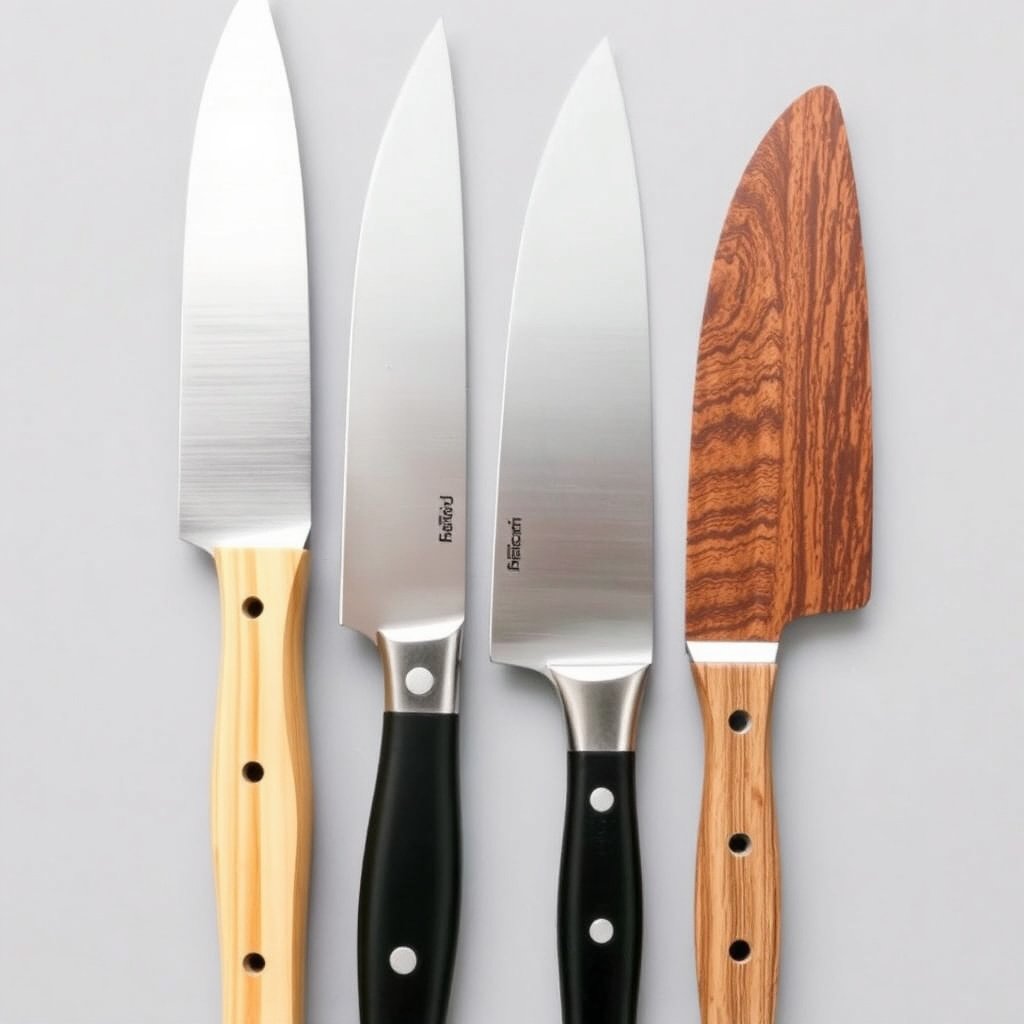
Chef knife handles come in various materials such as wood, plastic, composite, and metal. Wood handles offer a traditional appearance and good grip but require more care to avoid damage and bacteria buildup. Plastic and composite handles are low-maintenance and resistant to moisture but sometimes lack warmth in hand feel.
Metal handles are durable and hygienic but can become slippery when wet. Each material affects weight, balance, maintenance requirements, and comfort, so picking the right one depends on personal preference and kitchen workload.
- Wood: classic look, good grip, needs upkeep
- Plastic/Composite: water-resistant, easy cleaning
- Metal: strong, hygienic, potentially slippery
For more on this, see our related guide: How to Sharpen a Kitchen Knife: A Step-by-Step Guide.
Ergonomic Shapes for Comfortable Use
Handle shape plays a significant role in cutting efficiency and wrist comfort. Rounded or contoured handles fit naturally in the palm, allowing longer use without strain. Some handles feature finger grooves or textured surfaces to prevent slipping during wet or oily conditions.
Testing multiple handle shapes is recommended to find one that suits your grip style and minimizes hand fatigue, especially if you spend a lot of time preparing meals.
Different Knife Styles and Their Functions
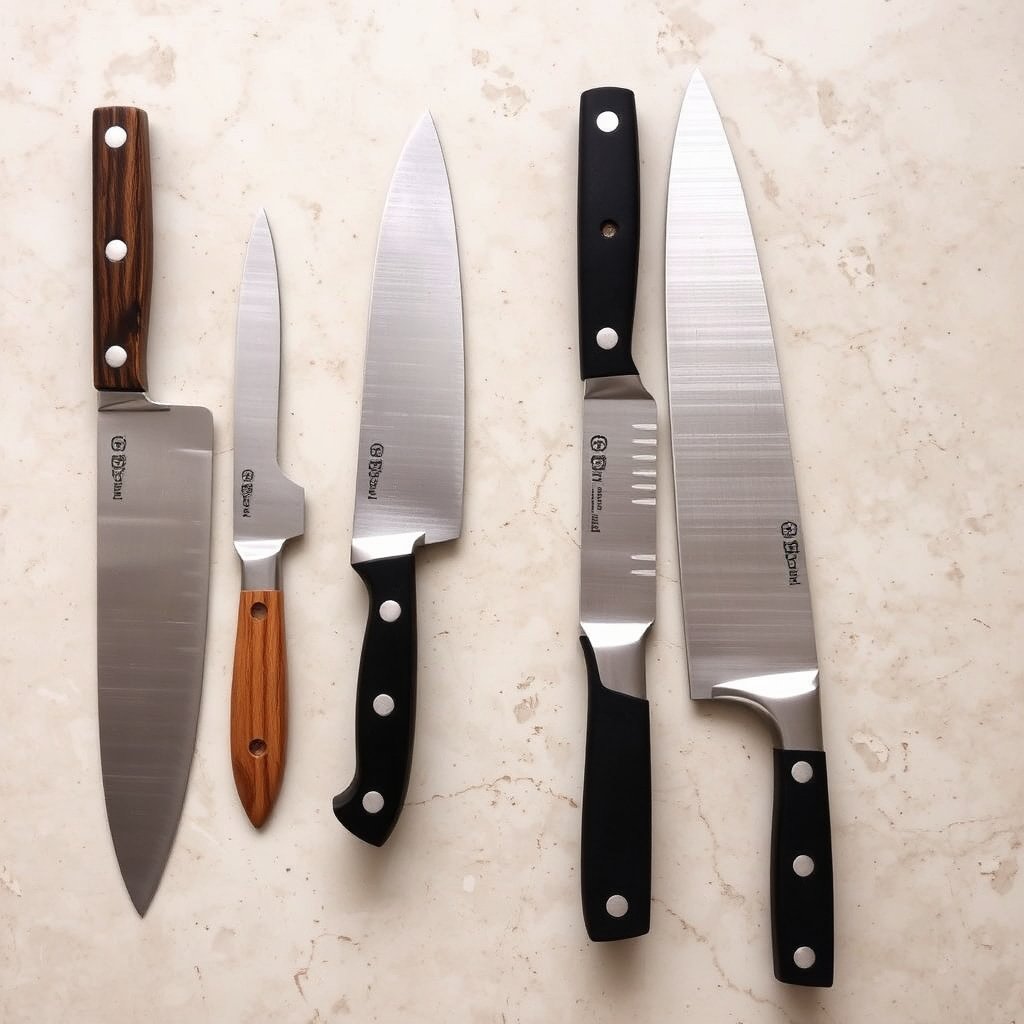
European vs. Japanese Chef Knives
European-style chef knives typically have a thicker, heavier blade suited for chopping and heavy-duty tasks. They generally possess a more rounded tip and wider blade for versatility. Japanese knives often have thinner, sharper blades with a pointed tip, designed for precision and slicing with minimal resistance.
Understanding these stylistic differences helps when selecting a chef knife tailored to your cooking technique. European knives offer durability, whereas Japanese knives provide sharpness and finesse.
Specialty Chefs’ Knives for Specific Tasks
Besides standard chef knives, specialized options like santoku, utility, and boning knives target unique tasks. Santoku knives blend slicing, dicing, and chopping with a flatter edge popular in Asian cuisine. Utility knives handle smaller cuts, while boning knives help separate meat from bone with flexible blades.
Including specialty knives in your kitchen can complement your chef knife and improve efficiency depending on your cooking preferences.
Care and Maintenance for Longevity
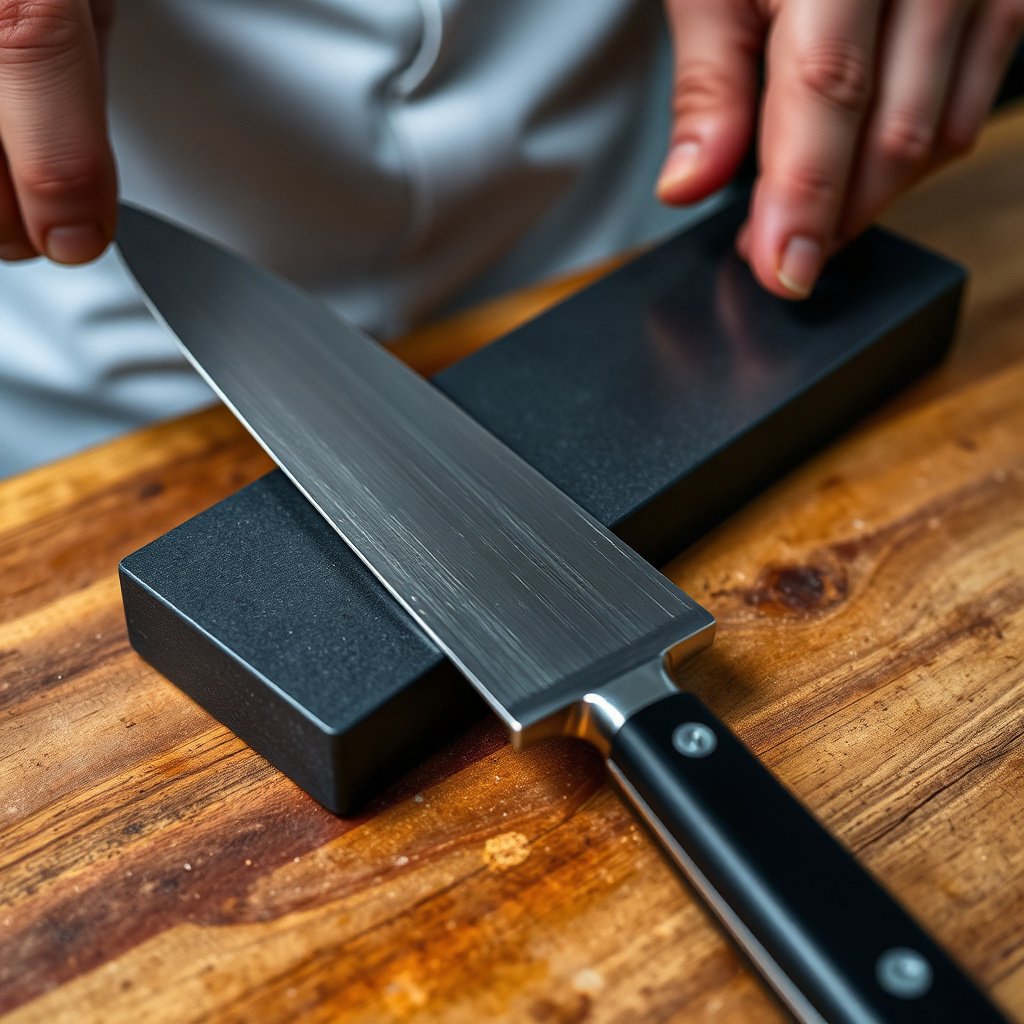
Sharpening and Honing Techniques
Maintaining the sharpness of a chef knife requires regular honing and occasional sharpening. Honing realigns the blade’s edge and should be done frequently using a honing steel. Sharpening removes metal from the blade to restore its cutting angle and is needed less often, depending on use.
Using the correct sharpening tools such as whetstones or electric sharpeners and following proper angle guidelines helps preserve the blade without damaging it.
- Hone weekly for edge alignment
- Sharpen every few months based on use
- Use proper angle (usually 15-20 degrees)
For more on this, see our related guide: How to Cook Tuna Steak Perfectly: 8 Easy Ways with Tips and Timing.
Cleaning and Storage Tips
Cleaning a chef knife by hand immediately after use helps prevent rust and damage. Avoid dishwashers as harsh detergents and heat can degrade blade and handle materials. Dry knives thoroughly before storing in a protective sheath or a knife block.
Proper storage also prevents blade dulling and accidental injury. Magnetic strips, knife rolls, or dedicated drawers are good options to keep your chef knife safe and accessible.
Budgeting and Choosing the Right Price Range
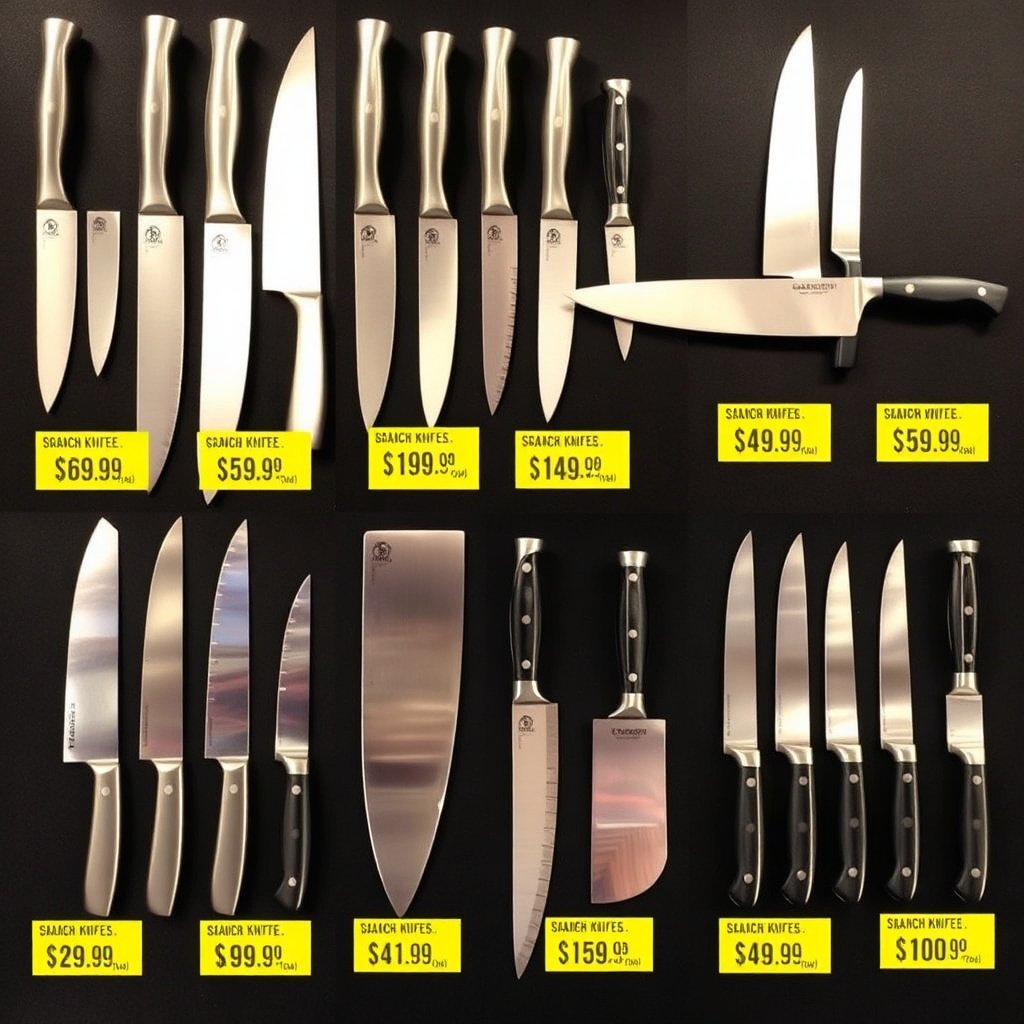
Entry-Level vs. Professional-Grade Knives
Entry-level chef knives typically cost under $50 and offer decent materials suitable for beginners. Professional-grade knives can cost several hundred dollars but provide superior materials, craftsmanship, and durability for frequent cook use.
Deciding between these depends on how often you cook and your willingness to invest in maintenance. Good budget knives now can serve occasional cooks well, while professionals find value in costlier options for precision and longevity.
For additional background on the history and varieties of chef knives, you can check the Chef's knife information on Wikipedia. Chef's knife information on Wikipedia.
Where to Buy and What to Avoid
Purchasing from reputable kitchenware stores or trusted online retailers guarantees product authenticity and warranty support. Beware of counterfeit or low-quality knives sold at suspiciously low prices, which may fail quickly or pose safety hazards.
Trying knives in-store to feel balance and handle comfort before buying is recommended. Additionally, reading reviews on the best chef knives for home cooks provides helpful insights about product performance and satisfaction.
Chef Knife Types and Use Case Comparison
This table compares key chef knife categories based on blade size, material, typical use, and price to help match knives to different needs.
| Category | Blade Length | Material | Best For | Price Range |
|---|---|---|---|---|
| Entry-Level Chef Knife | 6–8 inches | Stainless Steel | Basic chopping and slicing | $20–$50 |
| Professional Chef Knife | 8–10 inches | High-Carbon or Alloy Steel | Frequent use, precision cuts | $100–$300 |
| Japanese Chef Knife | 6–8 inches | High-Carbon Steel | Precision slicing and delicate cuts | $80–$250 |
| Santoku Knife | 5–7 inches | Stainless or High-Carbon Steel | General multitasking with slicing focus | $50–$150 |
| Specialty Utility Knife | 4–6 inches | Various Steel Types | Small or specific kitchen tasks | $30–$100 |
Frequently Asked Questions
What blade length is best for a beginner chef knife?
An 8-inch blade is generally ideal for beginners because it offers versatility for most kitchen tasks without being too large to handle comfortably.
How often should I sharpen my chef knife?
Sharpening frequency depends on usage, but a typical home cook should sharpen their chef knife every 3-6 months, with regular honing every few weeks.
Are Japanese chef knives better than European ones?
Japanese knives excel at precise, delicate cuts due to thinner, sharper blades, while European knives are better for heavier chopping tasks. The best choice depends on your cooking style.
Can I put my chef knife in the dishwasher?
It’s best to hand wash your chef knife immediately after use. Dishwashers can dull blades and damage handles because of harsh detergents and high heat.
What is the best handle material for a chef knife?
Handle preference varies, but many cooks prefer wood or textured composite handles for superior grip and comfort during prolonged use.
Key Takeaways
- Blade material and finish affect sharpness and maintenance needs.
- Selecting the right blade size depends on hand size and cooking style.
- Comfortable handle materials and ergonomic designs reduce fatigue.
- Regular maintenance extends the life and performance of your chef knife.
Conclusion
Choosing a chef knife involves balancing functionality, comfort, and care requirements to suit your cooking habits. Understanding blade materials, sizes, handle designs, and maintenance ensures you find a knife that performs well across a variety of kitchen tasks without causing hand fatigue or frequent resharpening.
For most home cooks, an 8-inch stainless steel or high-carbon chef knife with an ergonomic handle strikes the right balance between price and performance. More specialized knives like Japanese-style or santoku blades benefit cooks seeking precision or specific cutting methods. Entry-level options are suitable for casual use, while professional-grade knives meet higher demands with durable steel and balance.
To take the next step, try handling different knives in person to feel which fits your grip best and read reviews of the best chef knives for home cooks to narrow choices further. Investing a little time upfront to choose the right chef knife will pay off with smoother, safer, and more enjoyable meal preparation.