How to Use a Charcoal Grill: A Step-by-Step Guide for Perfect BBQs
Using a charcoal grill effectively starts with creating a steady, hot bed of coals for cooking. First, arrange your charcoal in a pile or chimney starter and light it until the coals are glowing red with a white ash coating. Spread the coals evenly or bank them for indirect heat, depending on your grilling needs, then place the grill grate and begin cooking your food over the desired heat zone.
Mastering this process lets you enjoy distinct smoky flavors and versatile cooking options that make charcoal grilling so popular. Getting the timing and temperature right means better control over how your meats and veggies cook, resulting in well-charred, juicy, and flavorful results. Charcoal also imparts aromas that gas or electric grills cannot replicate.
This article will guide you through the entire process of using a charcoal grill, including lighting techniques, managing heat zones, grilling best practices, cleaning tips, and maintaining your grill to keep it in good shape season after season.
Preparing Your Charcoal Grill for Cooking
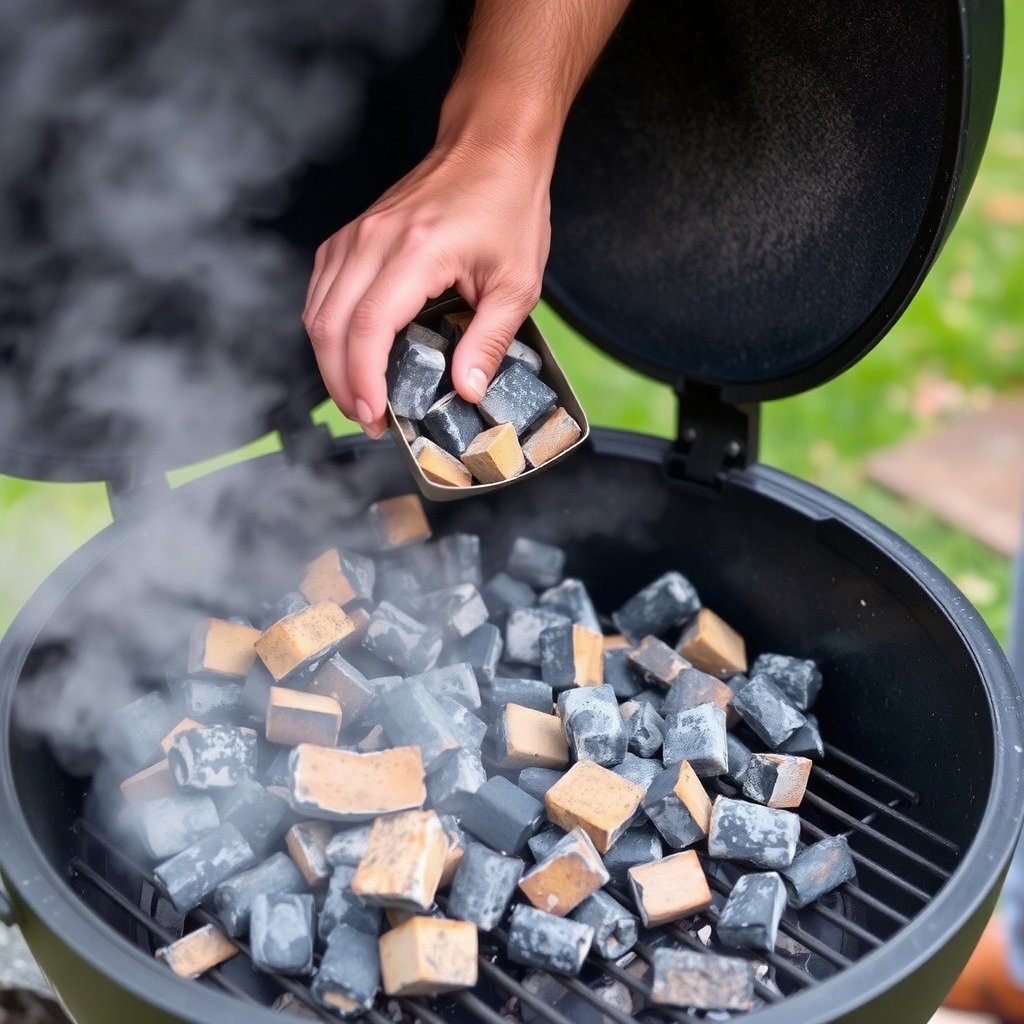
Choosing and Arranging Charcoal
Select quality lump charcoal for higher heat and less ash or briquettes for longer, steadier burns. Arrange the charcoal in a mound or pyramid inside the grill’s charcoal chamber to allow air flow for better ignition.
If you prefer quick lighting, use a chimney starter with newspaper or fire starters beneath it to get the coals burning evenly in 15-20 minutes.
- Lump charcoal burns hotter and cleaner
- Briquettes burn longer with steady heat
- Avoid using lighter fluid to prevent chemical taste
Lighting Methods and Safety Tips
The chimney starter method is safest and most effective; it relies on natural airflow to ignite coals evenly without chemicals. For lighting, fill the chimney with charcoal, place crumpled newspaper below, and light the paper.
Ensure the grill is on a stable, fireproof surface away from structures or flammable materials. Wear heat-resistant gloves and avoid wearing loose clothing when lighting the fire.
- Use approved fire starters or newspaper only
- Keep a water spray bottle handy for flare-ups
- Never leave a lit grill unattended
Creating and Managing Heat Zones on a Charcoal Grill
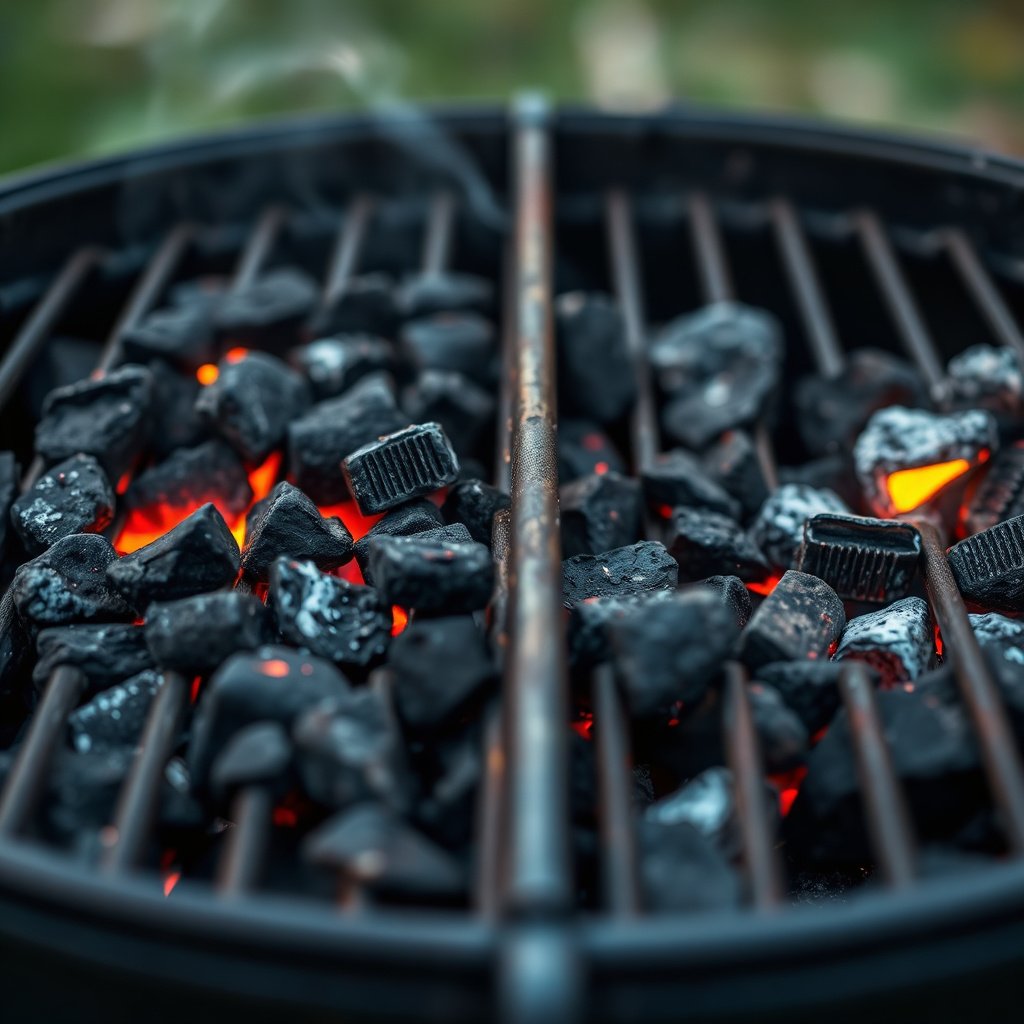
Setting Up Direct vs. Indirect Heat
Direct heat is when food is placed directly over burning coals for searing and fast cooking. To set this up, spread lit coals evenly under half or the entire grill grate depending on the item’s cooking time.
Indirect heat is created by banking coals on one side, leaving the other side free of coals. This setup is ideal for slower cooking or larger cuts that need gentle heat without burning.
- Direct heat for burgers, steaks, veggies
- Indirect heat for roasts, whole chickens
- Use both zones for multi-stage cooking
Controlling Temperature Through Airflow
Charcoal grill temperature depends largely on adjusting vents. Opening the bottom and top vents increases airflow, boosting the fire and heat.
Closing vents restricts oxygen flow, lowering the temperature and allowing more precise control over cooking speed and flare-ups.
- Open vents = hotter fire
- Closed vents = cooler fire
- Use a grill thermometer for accuracy
Best Practices for Grilling on a Charcoal Grill
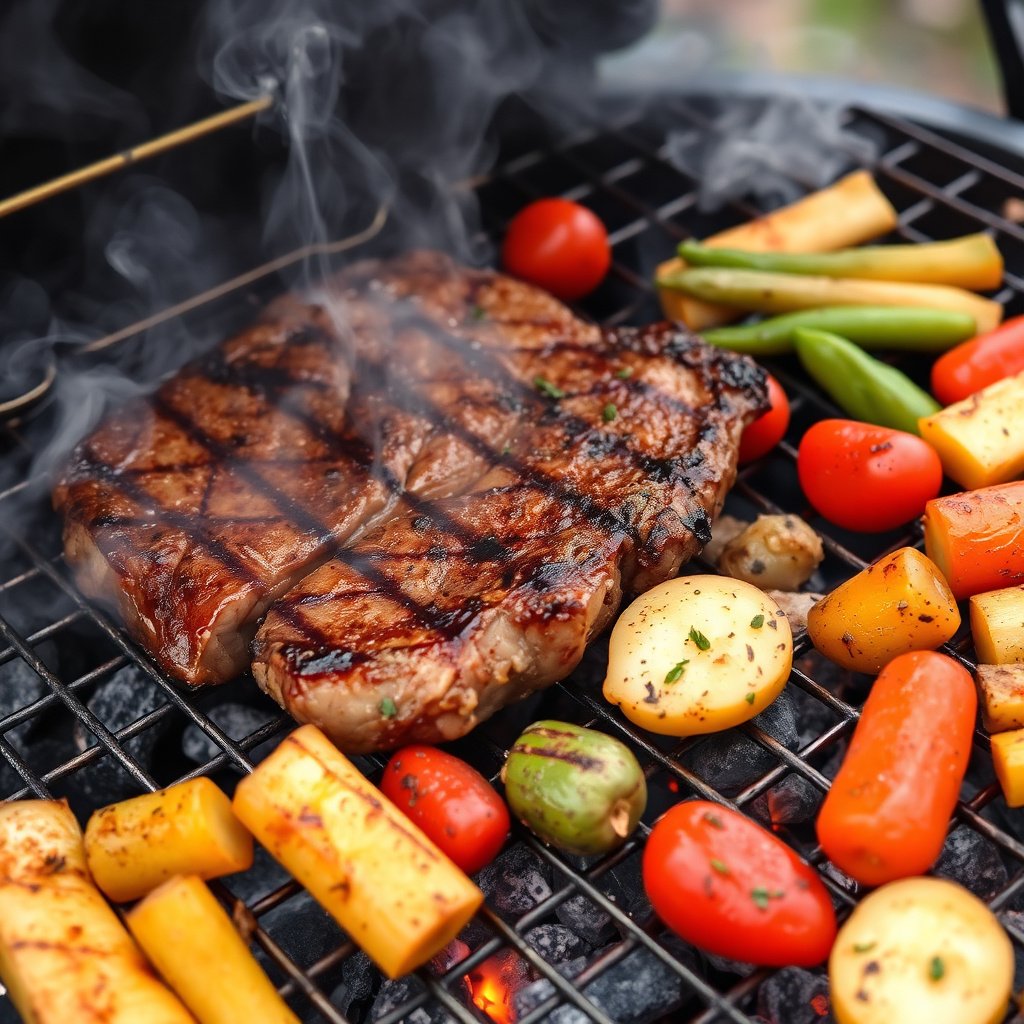
Preparing Food and Timing Your Grill
Season foods simply and preheat the grill grate before placing food to prevent sticking. Use oil on the grate or food surface to help.
Start cooking on direct heat for searing, then move to indirect heat for thorough cooking, especially with thicker cuts or poultry.
- Preheat grill for 15 minutes
- Use tongs instead of forks to turn food
- Rest meat after cooking for juiciness
For more on this, see our related guide: What Is a Flame Grilled Steak: Complete Guide with Expert Tips.
Handling Flare-Ups and Smoke
Fat dripping onto coals can cause sudden flare-ups; move food to indirect heat if flames get too high.
Use wood chips soaked in water or dry for enhanced smoke flavor, placed atop coals to generate aromatic smoke without choking flame.
- Keep a spray bottle handy for flare-ups
- Close lid to control smoke and heat
- Avoid excessive flare-ups to prevent burnt flavor
Cleaning and Charcoal Grill Maintenance
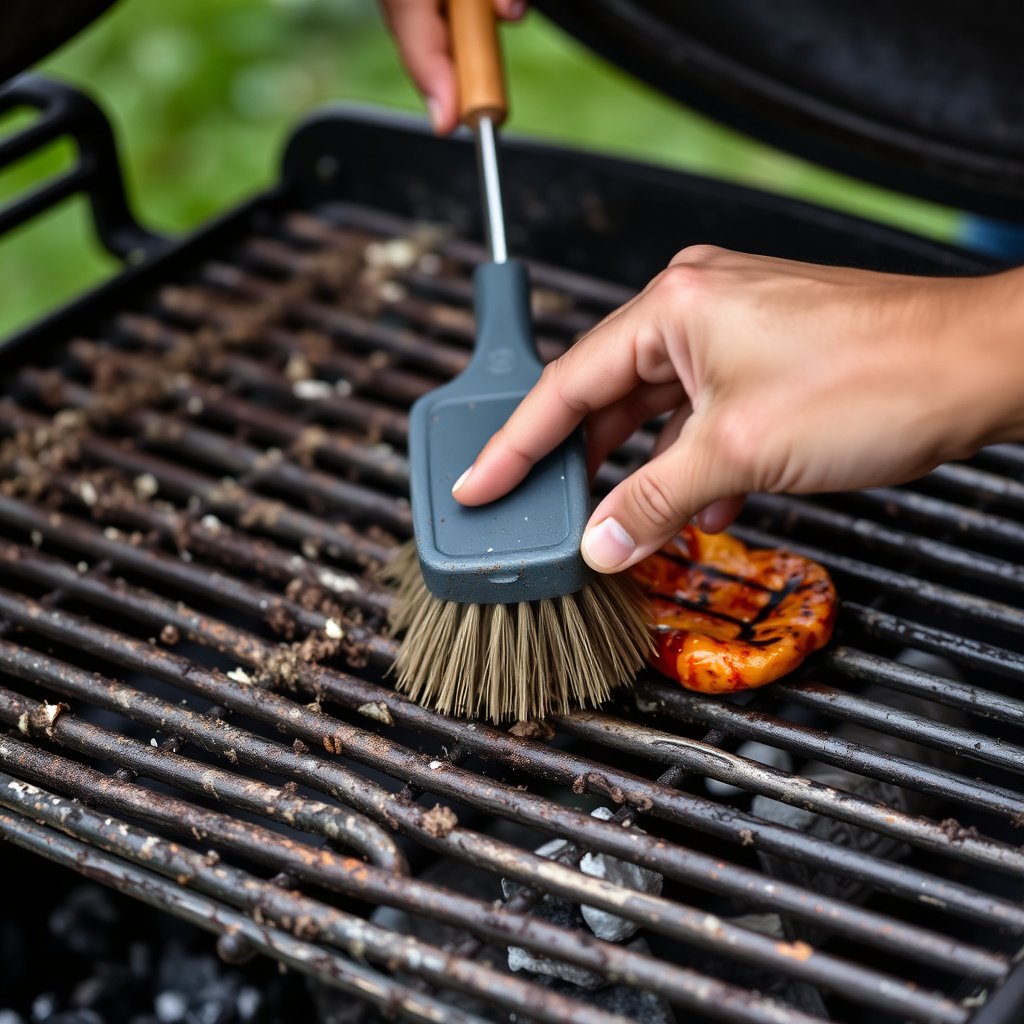
Cleaning the Grill Grate After Use
After cooking, while the grill is still warm, use a stiff wire brush to scrape away food particles and ash. This prevents buildup and rusting.
For deeper cleaning, remove grates periodically and wash with warm soapy water, drying thoroughly before reassembling.
- Clean grates after each use to prevent residue
- Avoid soap on grates if possible to retain seasoning
- Season cast iron grates periodically with oil
Maintaining Charcoal Grill Components
Empty ash catcher after every few uses to improve airflow. Inspect vents for rust or blockage and lubricate hinges if necessary.
Store the grill covered and in a dry place to prevent corrosion and extend its usable lifespan.
- Regularly remove ash for better airflow
- Check vents and replace worn parts promptly
- Cover grill when not in use to protect from weather
Troubleshooting Common Charcoal Grill Issues
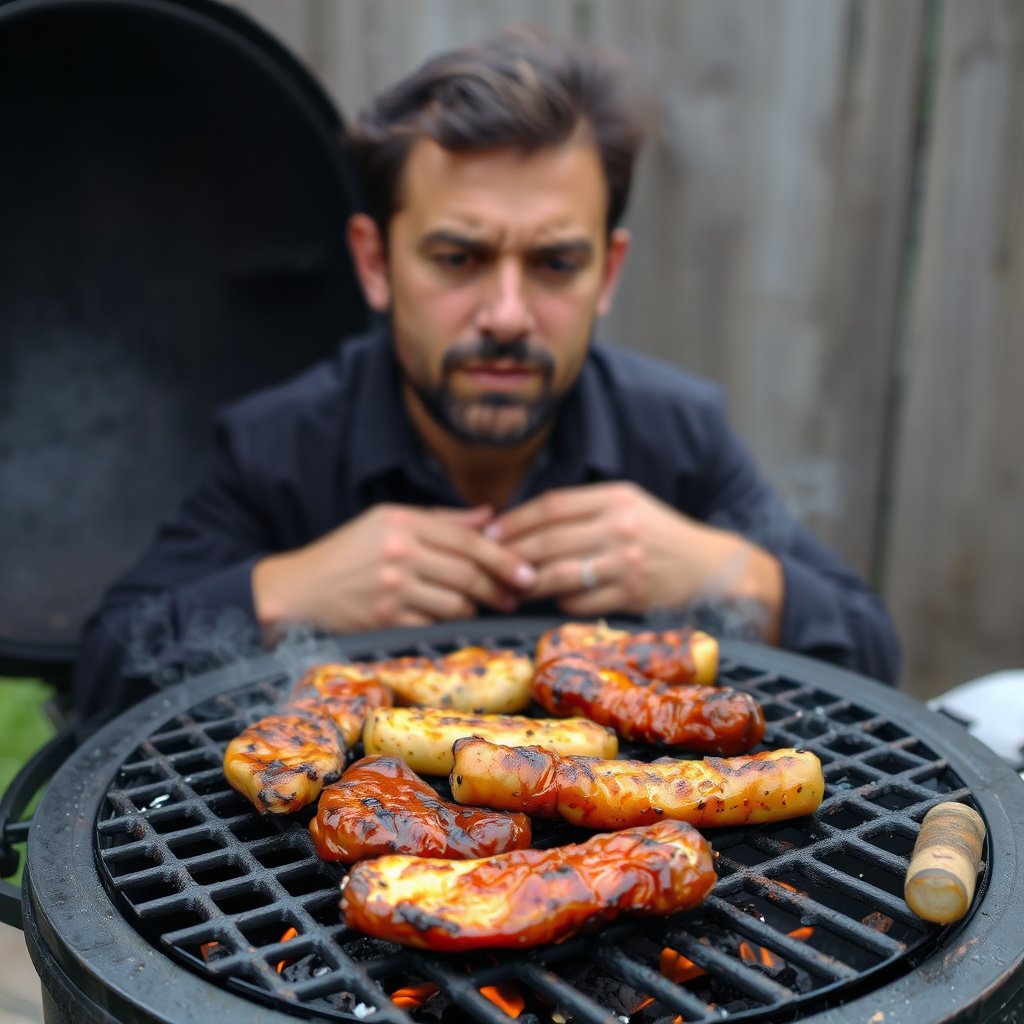
Fixing Temperature Fluctuations
Uneven heat or sudden drops often result from poor vent adjustment or damp charcoal. Experiment with vent positioning to stabilize temperatures before cooking.
Avoid opening the lid too often, which causes heat loss and extends cooking time.
- Check vents if heat fluctuates
- Use dry charcoal for steady burning
- Keep lid closed as much as possible
For more on this, see our related guide: How to Cook Chicken Breast on the Grill Perfectly: A Complete Guide.
Managing Excess Ash and Cloudy Smoke
Too much ash blocks airflow and affects heat; empty ash regularly. White smoke often means wet coals or green wood and affects flavor negatively.
Use dry charcoal and seasoned wood chips to avoid unwanted flavors and maintain clean smoke.
- Empty ash catcher frequently
- Use seasoned wood, avoid green or wet wood
- Store charcoal in dry, sealed container
Enhancing Flavor with Charcoal Grilling
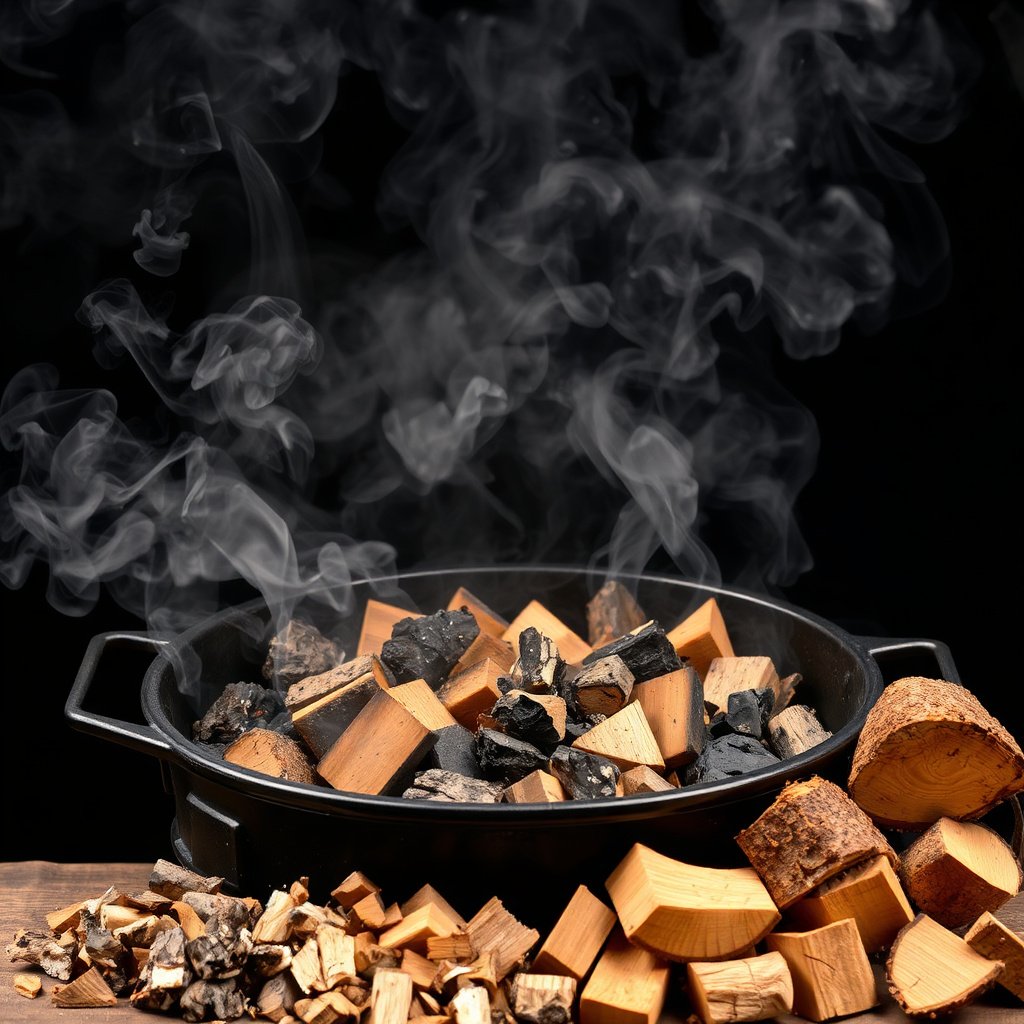
Using Wood Chips and Chunks for Smoke
Adding wood chips or chunks can introduce rich flavors like hickory, apple, or mesquite. Soak chips in water to slow burning and create steady smoke without flames.
Place wood directly on hot coals or in a smoker box for controlled flavor release during cooking.
- Soak wood chips for 30 minutes before use
- Select wood types based on food pairings
- Use moderately to avoid overpowering smoke
For a detailed background on charcoal grills and their history, see the charcoal grill article on Wikipedia. charcoal grill article on Wikipedia.
Marinades and Rubs Complementing Charcoal Taste
Charcoal grilling emphasizes smoky flavors well paired with savory dry rubs or acidic marinades. These enhance the meat’s natural taste while balancing intense char notes.
Apply marinades several hours before grilling and dry rubs just before cooking for best results.
- Use rubs with spices like paprika, cumin
- Marinate with vinegar, citrus, or soy sauces
- Pat food dry before applying rubs
Charcoal Grill Types and Fuel Comparison
Compare popular charcoal grill types and fuel options to find the one that fits your cooking style and convenience needs.
| Grill Type | Heat Control | Setup Time | Portability | Flavor Impact |
|---|---|---|---|---|
| Kettle Grill | Good via vent control | Moderate (15-20 min coals) | High – compact and portable | Classic charcoal smoky flavor |
| Barrel Grill | Excellent – large adjustable zones | Longer (20-30 min coals) | Low – bulky and heavy | Intense smoky flavor with wood chip use |
| Kamado Grill | Superior – ceramic insulation | Longer but steady | Moderate – heavier yet portable | Enhanced smokiness and moisture retention |
| Charcoal Chimney Starter | N/A – starter only | Fast (10-15 min coals) | High – small and easy to carry | None – just for lighting charcoal |
| Briquettes | Steady heat release | N/A | N/A | Neutral, minimal flavor |
| Lump Charcoal | Variable, hotter burns | N/A | N/A | Strong smoky flavor |
Frequently Asked Questions
How long does it take to light charcoal for grilling?
Using a chimney starter, it typically takes about 15 to 20 minutes for charcoal to become ready, glowing red with a layer of grayish ash. Avoid using lighter fluid for safer, cleaner ignition.
Can I recycle charcoal ash from my grill?
Yes, charcoal ash can be used as a soil amendment in gardens to add minerals and raise pH. Make sure the ash is fully cooled and contains no additives or chemicals.
Should I clean my charcoal grill after every use?
Cleaning the grill grate after each use helps prevent residue buildup and rust. Emptying ash regularly also improves airflow for better future cooks.
What's the difference between lump charcoal and briquettes?
Lump charcoal is made from natural wood chunks that burn hotter with less ash, while briquettes are compressed charcoal with additives for consistent burning and longer heat retention.
Is it safe to use wood chips directly on charcoal?
Yes, placing soaked wood chips directly on hot charcoal safely produces smoke for flavor. Avoid dry chips that can ignite quickly and cause flare-ups.
Key Takeaways
- Use a chimney starter for safe, chemical-free charcoal lighting
- Control heat zones by arranging coals and vents correctly
- Clean grill grates and remove ash regularly to maintain airflow
- Add wood chips carefully to enhance smoky flavor without flare-ups
Conclusion
Choosing how to use a charcoal grill well depends on understanding your fuel, knowing how to create and manage heat zones, and practicing safe lighting methods. Paying close attention to air vents and charcoal arrangement allows you to control your cooking environment, producing meals with perfectly balanced smoky flavor and texture. Taking time to clean and maintain the grill will support these outcomes by making your equipment run more consistently and last longer.
For quick cooks needing portability and straightforward heat control, a kettle grill paired with lump charcoal offers great performance and ease. If you desire slow cooking and smoking large cuts, a barrel or kamado grill combined with briquettes and wood chunks provides excellent temperature stability and flavor enhancement. Utilizing chimney starters keeps things safe and efficient regardless of the grill type. By adjusting these variables based on what you’re grilling, you’ll develop techniques that fit your preferences and schedule.
The next step is to choose a charcoal grill setup that fits your space and cooking goals, gather quality charcoal and accessories, and practice the lighting and heat control methods outlined here. Experiment with different wood chip flavors and cooking styles as you gain experience for richer, varied barbecue results. With patience and care, charcoal grilling can become an enjoyable ritual delivering delicious meals season after season.