How to Use a Gas Grill Safely and Effectively
Using a gas grill involves more than just turning on the knobs; it requires understanding ignition, temperature control, and safety measures. To start, always check for gas leaks, connect your propane tank securely, and ignite the grill following the manufacturer's instructions for a safe cooking experience.
Grilling on a gas grill offers consistent heat and convenience, making it a favorite for many outdoor cooks. Knowing how to use it properly not only enhances your culinary results but also prevents potential hazards, helping you enjoy tasty meals without worry.
This guide will walk you through the essential steps of setting up, lighting, cooking, and maintaining your gas grill, along with safety tips and troubleshooting advice. Whether you're preparing burgers, vegetables, or steaks, these insights will boost your grilling confidence.
Preparing and Setting Up Your Gas Grill

Connecting the Propane Tank
Before cooking, connect the propane tank firmly to the grill's gas valve. Make sure the valve is turned off on both the grill and tank. Use a wrench if needed to secure the connection, ensuring no leaks occur.
Once connected, perform a leak test by applying a mixture of soap and water around the connection points. If bubbles appear, tighten connections or replace faulty parts immediately.
- Always turn off valves before connecting
- Use soapy water to check for leaks
- Never skip the leak test
Cleaning the Grill Before Use
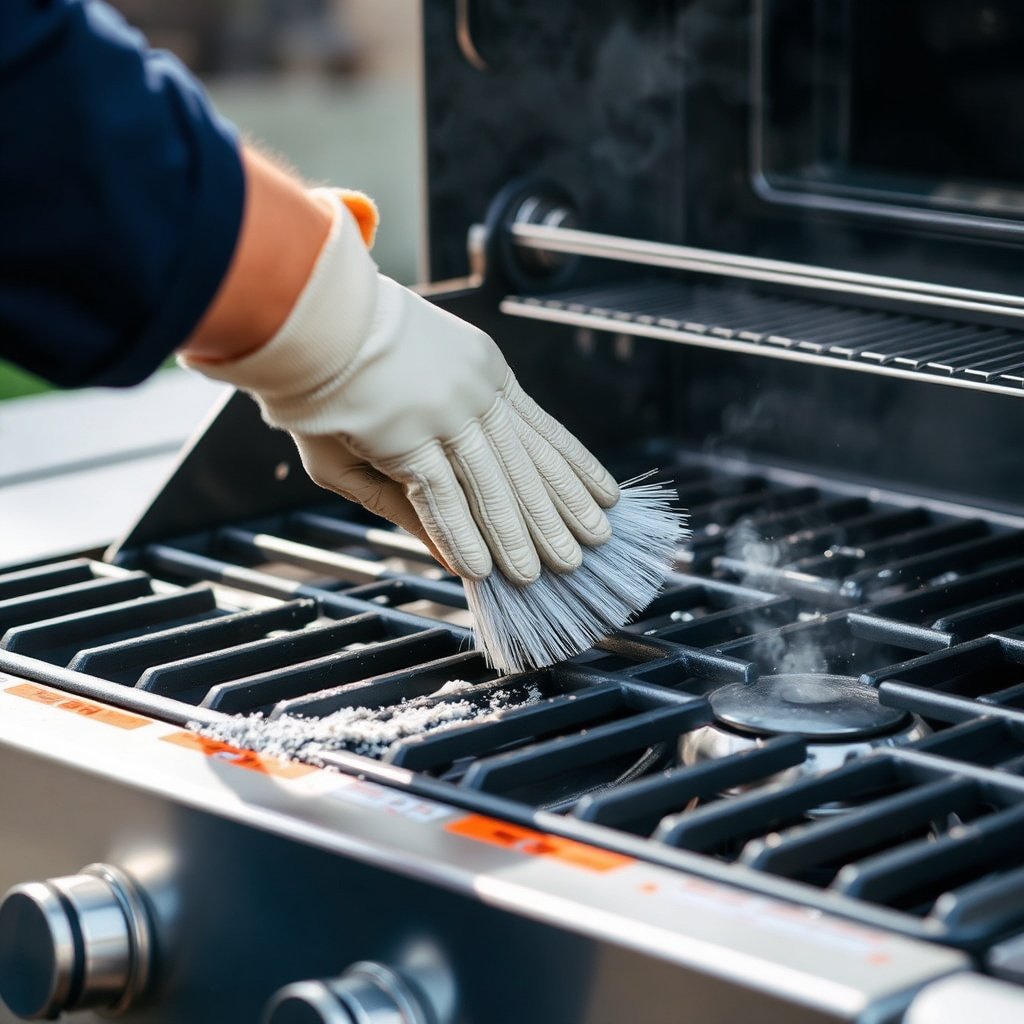
A clean grill ensures better flavor and prevents flare-ups. Use a stiff wire brush to scrape grease and residue off the grates before heating the grill.
Wipe down surfaces with a damp cloth and inspect burners for blockages. Remove any buildup to allow for even heat distribution during cooking.
- Brush grill grates thoroughly
- Inspect and clear burner holes
- Wipe exterior and interior surfaces
Igniting and Adjusting the Heat on Your Gas Grill
Lighting the Gas Grill Safely
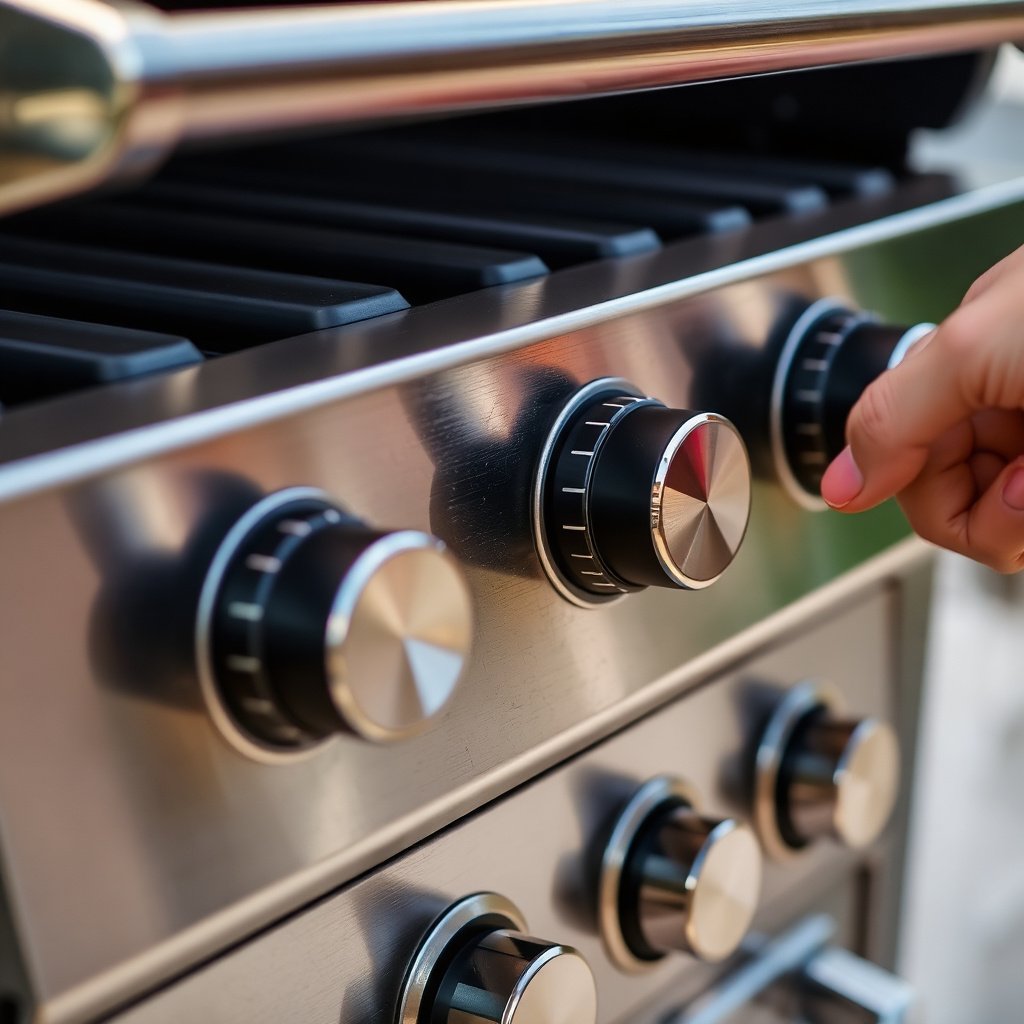
Open the grill lid before lighting to prevent gas buildup, which can cause flare-ups or explosions. Turn the burner knob to the 'light' position and either press the ignition button or use a long lighter.
If the grill does not ignite on the first try, switch the knob off and wait a few minutes to clear any accumulated gas before retrying.
- Always open the lid before ignition
- Use the built-in igniter or a long lighter
- Wait before attempting a second ignition
For more on this, see our related guide: What Is a Flame Grilled Steak: Complete Guide with Expert Tips.
Controlling Temperature on a Gas Grill
Adjust the flame levels using the control knobs to set the heat for different foods. High heat is good for searing, while low to medium heat suits slow cooking and delicate items.
Use the grill lid as a temperature regulator: closing it traps heat and lowers cooking times, while opening it allows for cooler cooking and easier monitoring.
- Turn knobs to increase or decrease flames
- Use the lid to maintain consistent heat
- Preheat the grill for 10-15 minutes before cooking
Cooking Techniques on a Gas Grill
Direct vs. Indirect Cooking Methods
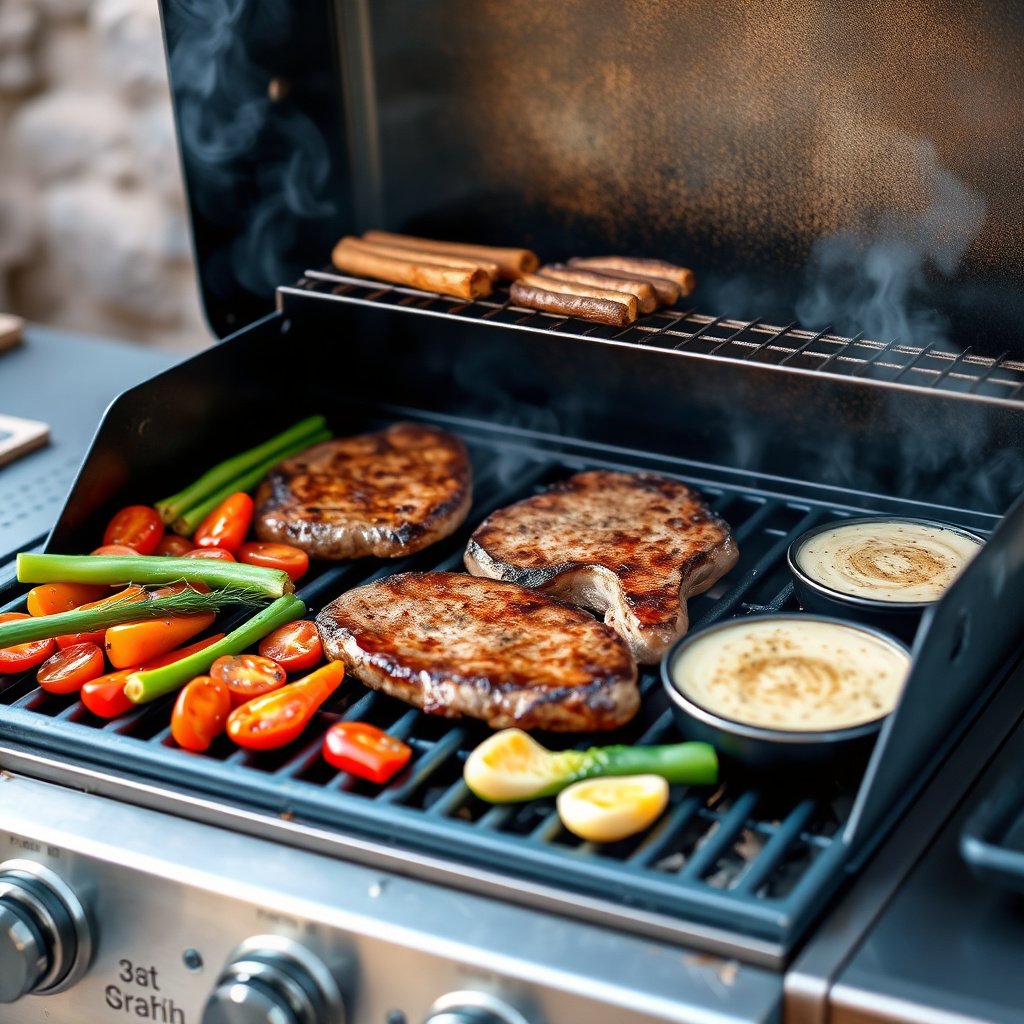
Direct cooking involves placing food directly over the flames for fast, high-temperature cooking, ideal for burgers and steaks. Indirect cooking places food away from the flame, perfect for roasting or slow-cooking larger items like whole chickens.
Knowing when to use each method improves your results and helps prevent burning or undercooking.
- Direct heat for quick searing
- Indirect heat for slow roasting
- Use drip pans to catch fat during indirect cooking
Using Grill Accessories
Accessories like grill baskets, thermometers, and rotisserie attachments expand your cooking options. A thermometer helps monitor internal food temperature, preventing overcooking or undercooking.
Using a basket or foil trays can keep smaller items from falling through grates and make cleanup easier.
- Use a meat thermometer for accuracy
- Employ grill baskets for vegetables
- Consider rotisserie for whole poultry
Safety and Maintenance for Gas Grills
Essential Safety Precautions
Always operate the grill in a well-ventilated outdoor area to avoid carbon monoxide buildup. Keep a fire extinguisher nearby and never leave the grill unattended while lit.
Check hoses and connections regularly for damage and replace parts as needed to prevent accidental gas leaks and fires.
- Grill outdoors only
- Keep a fire extinguisher handy
- Inspect for leaks before each use
For more on this, see our related guide: What Is the Difference Between a Porterhouse and a T Bone Steak? A Complete Guide.
Routine Cleaning and Storage
After each use, clean the grates to remove food residue and avoid grease fires. At season end, disconnect and store the propane tank in a cool, dry place away from heat sources.
Cover the grill to protect it from weather damage and perform deep cleanings periodically to extend its life.
- Clean grates after grilling
- Store propane tank safely
- Use a grill cover when not in use
Troubleshooting Common Gas Grill Issues
Ignition Problems and Solutions
If your grill does not ignite, check that the propane tank has fuel and all valves are open. Clean the igniter electrode to remove dirt or grease buildup.
Sometimes replacing the battery in the igniter or using a manual lighter resolves ignition failures.
- Check fuel supply first
- Clean ignition components
- Replace igniter battery if applicable
For more detailed insights on gas grill operation, refer to the comprehensive Gas grill usage and safety guidelines. Gas grill usage and safety guidelines.
Uneven Heating and Burner Maintenance
Uneven heat often results from clogged burner holes or grease buildup. Remove burners and clean them with a brush and a pipe cleaner if needed.
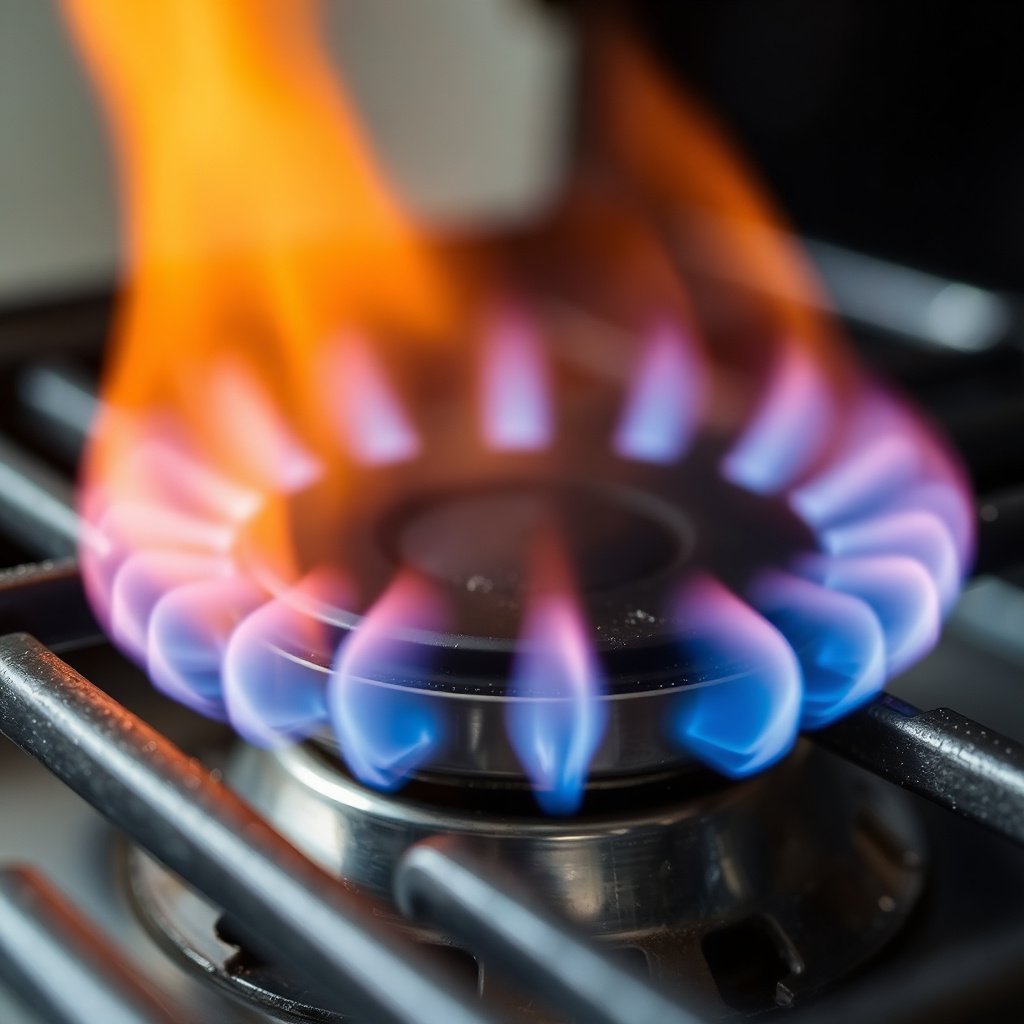
Make sure burners are seated properly and flames burn blue rather than yellow, which indicates incomplete combustion.
- Clean burner holes regularly
- Ensure burners fit correctly
- Look for blue flames as a sign of proper burning
Gas Grill Types Comparison
Here’s a comparison of common gas grill types to help you identify which style fits your cooking needs and budget.
| Category | Heat Output (BTU) | Portability | Price Range | Best For |
|---|---|---|---|---|
| Cart-Style Gas Grills | 20,000-45,000 | Low | $200-$800 | Backyard grilling, family meals |
| Portable Gas Grills | 8,000-15,000 | High | $100-$300 | Camping, tailgating |
| Built-In Gas Grills | 30,000-60,000 | N/A | $1,000-$5,000 | Outdoor kitchens, frequent grilling |
| Infrared Gas Grills | 30,000-55,000 | Medium | $400-$2,000 | High-heat searing, fast cooking |
| Smoker Gas Grills | 15,000-40,000 | Medium | $300-$1,500 | Smoking and slow cooking |
Frequently Asked Questions
Can I use a gas grill indoors?
No, gas grills produce carbon monoxide and should only be used outdoors in well-ventilated areas to avoid dangerous gas buildup.
How often should I clean my gas grill?
You should clean your grill grates after every use and perform a deep cleaning of burners and drip trays periodically for safety and performance.
Is propane or natural gas better for grilling?
Propane grills offer portability and convenience, while natural gas grills provide an endless fuel supply but require a fixed gas line installation.
What should I do if I smell gas while grilling?
Immediately turn off the grill and the propane tank. Check for leaks and connections, and never use the grill until the issue is fixed.
How long should I preheat my gas grill?
Preheating for 10 to 15 minutes ensures the grill reaches an even temperature suitable for cooking and helps prevent sticking.
Key Takeaways
- Always check for gas leaks and ensure secure connections before ignition
- Open the grill lid before lighting to avoid gas buildup and flare-ups
- Use direct heat for searing and indirect heat for slow cooking
- Regular cleaning and maintenance prolong grill lifespan and improve safety
Conclusion
Choosing how to use a gas grill effectively involves understanding its components, operation, and safety practices. Starting with secure propane connection and leak testing sets the foundation for a safe grilling session. With temperature control through precise burner adjustments and lid management, you can tailor cooking to different foods, enhancing flavor and texture. Maintaining a clean grill prevents hazards and ensures peak performance, while knowing basic troubleshooting helps fix common issues without delay. Carefully following these steps builds confidence in gas grilling and turns outdoor cooking into a rewarding activity.
When selecting or using your gas grill, consider your cooking style and space. Portable gas grills offer flexibility for travel and small spaces, ideal for quick meals. Cart-style grills provide versatile cooking areas suited to family gatherings. For grill enthusiasts wanting high heat quickly, infrared gas grills excel at searing steaks and vegetables. Built-in grills fit outdoor kitchens perfectly, while smoker gas grills broaden options for slow-cooked dishes. Apply best gas grill tips from this guide based on your category to gain the most satisfying results, whether cooking a simple burger or hosting a BBQ party.
Getting started with your gas grill is as simple as careful preparation and mindful operation. Before your next grill-out, double-check your setup, perform a quick cleaning, and preheat properly. Keep safety in mind by grilling outdoors away from flammable materials and monitoring gas connections periodically. Importantly, practice using your grill gradually with different foods and heat settings to learn its behavior. This hands-on experience combined with good habits will let you enjoy flavorful grilled meals confidently and safely every time.