How to Store Leftovers Safely and Freshly Every Time
Properly storing leftovers begins with cooling them quickly and placing them in airtight containers to preserve freshness and prevent bacterial growth. Avoid leaving cooked food out at room temperature for more than two hours, then refrigerate or freeze promptly.
Storing leftovers correctly matters because it helps maintain food quality and safety, reduces waste, and saves money. Without the right methods, food spoils quickly, leading to unpleasant odors, off flavors, and potential health risks.
This article covers essential methods to store leftovers, including selecting the right containers, labeling practices, refrigeration and freezing tips, and reheating guidelines to keep your meals delicious and safe to eat.
Choosing the Best Containers for Leftovers

Material Options: Glass vs Plastic
Glass containers are durable, non-toxic, and do not absorb odors or stains, making them ideal for storing a variety of leftovers. They are usually microwave and dishwasher safe, which adds to their versatility. However, they can be heavier and prone to breaking.
Plastic containers are lightweight and budget-friendly but may absorb food odors and stains over time. Look for BPA-free plastics, and ensure they are specifically labeled safe for food storage. They are less fragile but might warp when microwaved.
- Glass: durable, odor-resistant, microwave safe
- Plastic: lightweight, inexpensive, may absorb odors
Importance of Airtight Sealing
Airtight containers keep food fresh by preventing air and moisture from entering, which slows bacterial growth and preserves flavor. Containers with tight lids or silicone seals are preferred to maintain freshness.
Sealing leftovers properly also avoids cross-contamination in the fridge and reduces the risk of leaks and spills. Investing in reliable lids ensures your meals stay safe longer.
- Prevents odor transfer
- Reduces spoilage
- Avoids leaks and spills
Cooling and Refrigeration Practices

Cooling Leftovers Safely Before Refrigeration
Letting leftovers cool quickly to room temperature before refrigerating limits moisture buildup that encourages bacteria. Using shallow containers spreads food thinly, accelerating cooling.
Avoid placing large pots of hot food directly into the fridge; divide them into smaller portions so cold air circulates efficiently around the food.
- Use shallow containers
- Divide large portions
- Cool within two hours
Optimal Refrigerator Storage Tips
Keep the refrigerator temperature at or below 40°F (4°C) to slow bacterial growth. Store leftovers on shelves rather than fridge doors for consistent temperature control.
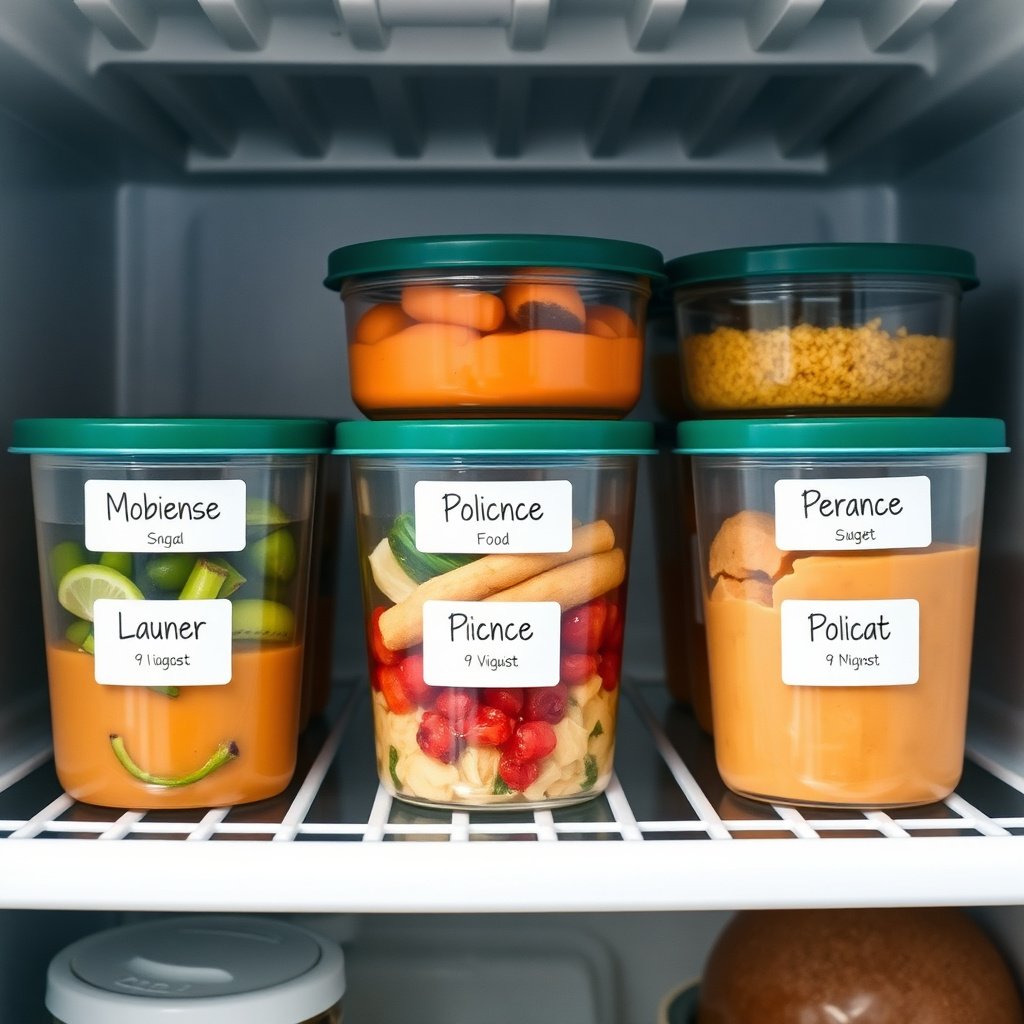
Place leftovers in clear, labeled containers with dates to keep track of freshness. Organize your fridge by type of food to avoid cross-contamination.
- Maintain 40°F or lower
- Avoid fridge door storage
- Label with dates
Freezing Leftovers for Long-Term Storage

Best Practices for Freezing Leftovers
Freeze leftovers in airtight, freezer-safe containers or heavy-duty freezer bags to prevent freezer burn and moisture loss. Remove as much air as possible before sealing.
Allow food to cool completely before freezing to avoid raising freezer temperature, which can affect other stored items.
- Use freezer-safe containers or bags
- Remove excess air
- Cool food thoroughly first
For more on this, see our related guide: How to Make Loaded Potato Skins: A Complete Guide with Tips & Variations.
Freezer Storage Duration and Tips
Label frozen leftovers with contents and date to track storage time. Most cooked dishes maintain quality for up to 3 months in the freezer.
Avoid refreezing thawed leftovers as this degrades texture and safety. Plan to consume frozen items within recommended times.
- Label clearly with date
- Consume within 3 months
- Avoid refreezing thawed food
Labeling and Organizing Your Leftovers
Effective Labeling Techniques
Write contents and storage date on masking tape or use reusable labels on containers. This helps in quick identification and prevents food waste by encouraging timely consumption.
Using dry-erase markers on glass surfaces or pre-printed labels can help keep track of leftovers, especially in shared household refrigerators.
- Use tape or reusable labels
- Include date and contents
- Employ dry-erase markers
Organizing for Easy Access
Group similar leftovers together and place newer items behind older ones to use them in the right order (FIFO – first in, first out). Reserve specific shelves or bins for leftovers to avoid clutter.
Clear containers improve visibility, making it easier to decide what to eat first and reducing overlooked food.
- Group similar foods
- Use FIFO system
- Choose clear containers
Reheating Leftovers Safely

Microwave Reheating Tips
Use microwave-safe containers without airtight lids to allow steam to escape and prevent pressure buildup. Stir leftovers intermittently for even heating and check temperature before eating.
Cover food with microwave-safe wrap or lids designed with vents to retain moisture while avoiding splatters.
- Avoid airtight lids
- Stir occasionally
- Use vented covers
For more on this, see our related guide: What Is a Shrimp Scampi? A Complete Guide with Tips and Variations.
Reheating on Stove and Oven
Reheat leftovers on medium heat ensuring food reaches 165°F (74°C) to destroy bacteria. Use lids to retain moisture but avoid overheating to prevent drying out or burning.
Oven reheating works well for casseroles or baked dishes, preheating to 350°F (175°C) and wrapping food in foil to preserve moisture.
- Heat to 165°F (74°C)
- Use lids to retain moisture
- Oven at 350°F for baked dishes
Common Mistakes to Avoid When Storing Leftovers

Avoiding Temperature Abuse
Leaving food out too long before refrigeration promotes bacterial growth and spoilage. Always refrigerate leftovers within two hours after cooking, or one hour if ambient temperature is above 90°F (32°C).
Never thaw leftovers at room temperature; use a fridge or cold water bath instead to maintain food safety.
- Refrigerate within two hours
- Avoid room temperature thawing
For detailed information on safe food storage guidelines, refer to the USDA’s official recommendations. safe food storage guidelines.
Preventing Cross-Contamination
Store raw foods separately from leftovers to avoid contamination. Clean containers thoroughly before reuse and avoid mixing fresh and leftover foods in the same container.
Use designated containers for leftovers only to minimize risk of foodborne illness.
- Separate raw foods from leftovers
- Clean containers before reuse
- Designate containers for leftovers
Comparing Leftover Storage Container Types
Here is a comparison of popular container types based on durability, cost, and ease of use for storing leftovers.
| Container Type | Durability | Cost | Odor Resistance | Microwave Safe | Freezer Safe |
|---|---|---|---|---|---|
| Glass | High | Moderate | Excellent | Yes | Yes |
| Plastic BPA-Free | Moderate | Low | Good | Yes | Varies |
| Silicone Bags | High | Moderate | Excellent | Yes | Yes |
| Aluminum Foil | Low | Very Low | Poor | No | Yes |
| Vacuum Seal Bags | High | Moderate | Excellent | No | Yes |
Frequently Asked Questions
How long do leftovers last in the refrigerator?
Most leftovers remain safe to eat for 3 to 4 days when stored properly in the refrigerator at or below 40°F (4°C).
Can I store hot food directly in the fridge?
It's best to let hot food cool down to room temperature within two hours before refrigerating to prevent raising the fridge temperature and risking spoilage.
Is it safe to freeze leftovers multiple times?
Refreezing thawed leftovers is not recommended as it can degrade food quality and increase the risk of bacterial growth.
What’s the best way to reheat leftovers?
Reheat leftovers thoroughly to at least 165°F (74°C), using microwave-safe containers or stovetop/oven methods that evenly distribute heat.
Should I label leftovers with dates?
Yes, labeling leftovers with content and date helps track freshness and encourages consuming food before spoilage.
Key Takeaways
- Cool leftovers promptly and store in airtight containers to maintain safety and freshness.
- Use clear, labeled containers to organize and keep track of leftover food.
- Freeze leftovers in appropriate containers for longer storage and quality preservation.
- Reheat leftovers thoroughly and safely to prevent foodborne illness.
Conclusion
Deciding how to store leftovers involves balancing food safety, ease of access, and preservation of taste. Focus on rapid cooling, airtight storage, and proper labeling to minimize spoilage. Choosing containers that suit your needs, whether durable glass or flexible silicone, plays a vital role. The method of refrigeration or freezing also affects how long your leftovers stay fresh and safe.
For everyday use, glass containers offer durability and convenience for both refrigeration and reheating, especially if you frequently microwave your leftovers. Silicone bags work well for freezing because they reduce space and prevent freezer burn. For shorter-term fridge storage, plastic containers with tight seals are cost-effective but require caution to avoid odors. Being mindful of refrigeration temperatures and following first-in, first-out principles keeps your fridge organized and meals enjoyable.
Start by evaluating your typical leftover types and how you prefer to reheat meals. Acquire a mix of container types that fit your habits, label each item clearly with dates, and store promptly after cooling. This approach not only keeps food safe but also reduces waste and saves money over time. By mastering the art of leftover storage, you can confidently enjoy your meals again without worry.