How to Use a Vacuum Sealer: A Step-by-Step Guide for Fresh Food Storage
Using a vacuum sealer is straightforward and offers a great way to keep food fresh longer by removing air and sealing it tightly. Start by preparing your food and placing it inside a specially designed vacuum bag. Load the open end of the bag into the vacuum sealer’s sealing chamber and close the lid firmly. Activate the vacuum and sealing process, which will remove the air and then heat-seal the bag shut.
Vacuum sealing matters because oxygen exposure accelerates spoilage, causing foods to lose quality and freshness quicker. By removing air, vacuum sealers inhibit bacterial growth, freezer burn, and dehydration in stored foods. This extends storage life for meats, vegetables, and leftovers, making it a favorite among home cooks and those who batch cook or buy in bulk.
This article will cover the types of vacuum sealers available, how to use one step-by-step, maintenance tips to keep your device in good working order, and key features to look for if you’re shopping for the best vacuum sealers for home use.
Understanding Vacuum Sealers and Their Types

Countertop Vacuum Sealers Explained
Countertop vacuum sealers are the most common type used at home. These devices are electric and use a vacuum pump to extract air from specially designed bags. They typically have a sealing strip that heats to create an airtight seal after the air is removed.
These units can handle a variety of bag sizes and often have settings tailored to different food types. This versatility makes them suitable for sealing everything from dry snacks to marinated meats for freezer storage.
Handheld and Chamber Vacuum Sealers
Handheld vacuum sealers are compact and portable, suited for quick sealing of small quantities or soft containers. They are battery operated and usually compatible only with special zip-lock style bags.
Chamber vacuum sealers are larger and often used in commercial settings. They work by removing air from an entire chamber containing the bag, providing more uniform sealing ideal for liquids or delicate items. These are less common for home use due to size and cost.
Step-by-Step Guide: How to Use a Vacuum Sealer

Preparing Food and Bags
Start by selecting fresh, dry food and drying any moist surfaces to avoid sealing moisture that might inhibit proper sealing. Use high-quality vacuum bags designed for your vacuum sealer model and cut bags to the appropriate length if necessary.
Leave enough space at the open end of the bag for the vacuum sealer to grip and extract air effectively, generally about 3 to 4 inches. Avoid overfilling to prevent damaging the seal or causing bag punctures.
- Choose correct bag size
- Dry food surfaces before sealing
- Allow enough open end for sealing
Operating the Vacuum Sealer
Place the open end of the bag inside the vacuum chamber or sealing area, ensuring it lies flat without wrinkles. Close the lid and lock it if the model has a locking mechanism.
Start the vacuum and sealing cycle according to your machine’s instructions. Wait until the vacuum process finishes fully and the heat seal is complete before removing the bag. Inspect the seal to ensure airtight closure.
- Insert bag flat into sealer
- Close and lock lid securely
- Activate vacuum and seal
- Check seal after completion
Maintaining and Troubleshooting Vacuum Sealers
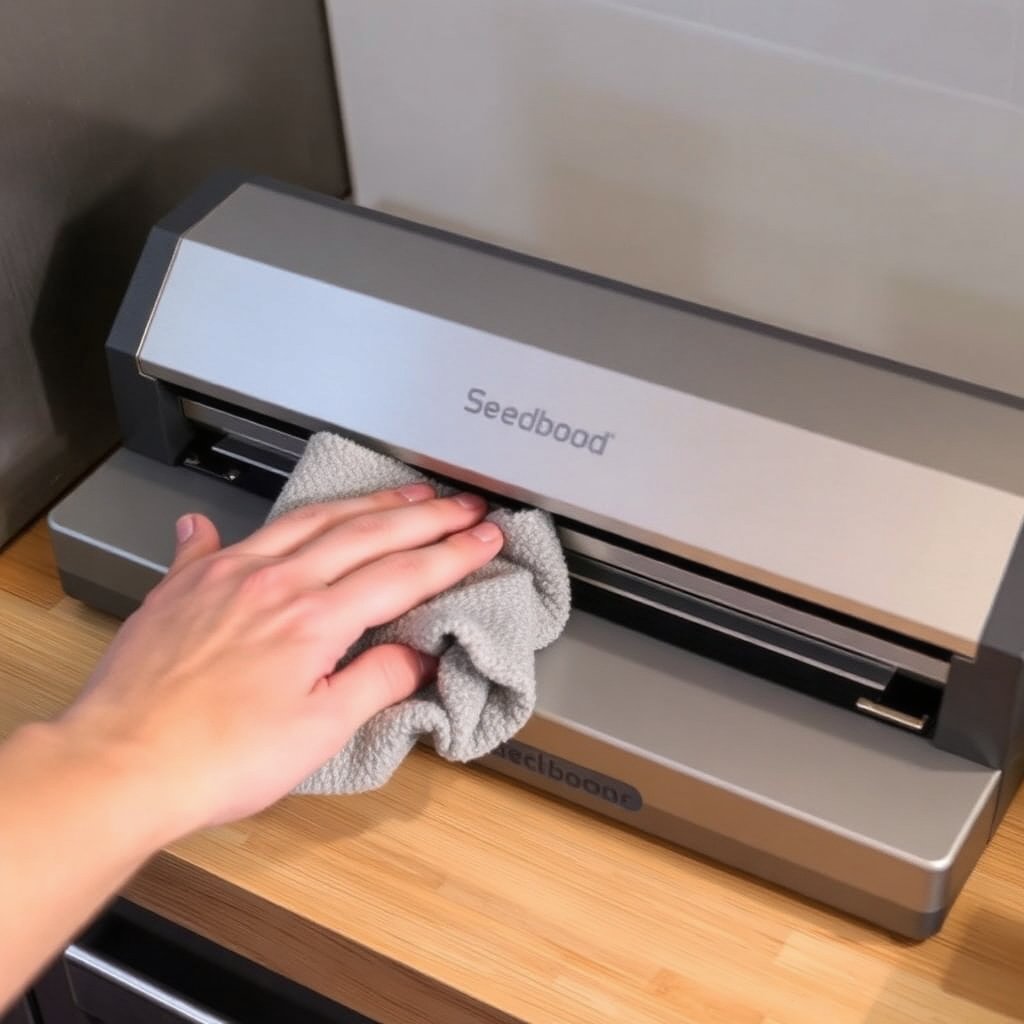
Regular Cleaning and Care
After each use, wipe down the sealing strip and vacuum chamber with a damp cloth to remove any food residue that can prevent a tight seal or cause odors. Avoid abrasive cleaners which can damage the sealing element.
Check the gasket regularly for cracks or wear and replace it as needed to maintain suction. Keep air vents clear and dust-free to ensure your vacuum sealer runs efficiently.
- Wipe sealing strip after use
- Inspect and replace gaskets
- Keep vents clean and dust-free
For more on this, see our related guide: What Is the Difference Between Ribeye and Sirloin: A Complete Guide.
Troubleshooting Common Problems
If the sealer fails to remove air properly, first verify the bag placement and check for holes or wrinkles. Ensure the gasket is intact and creating a proper vacuum seal.
A weak or incomplete seal often indicates a dirty sealing strip or moisture on the bag’s sealing surface. Cleaning and drying these areas can resolve most issues.
Choosing the Best Vacuum Sealer for Your Needs
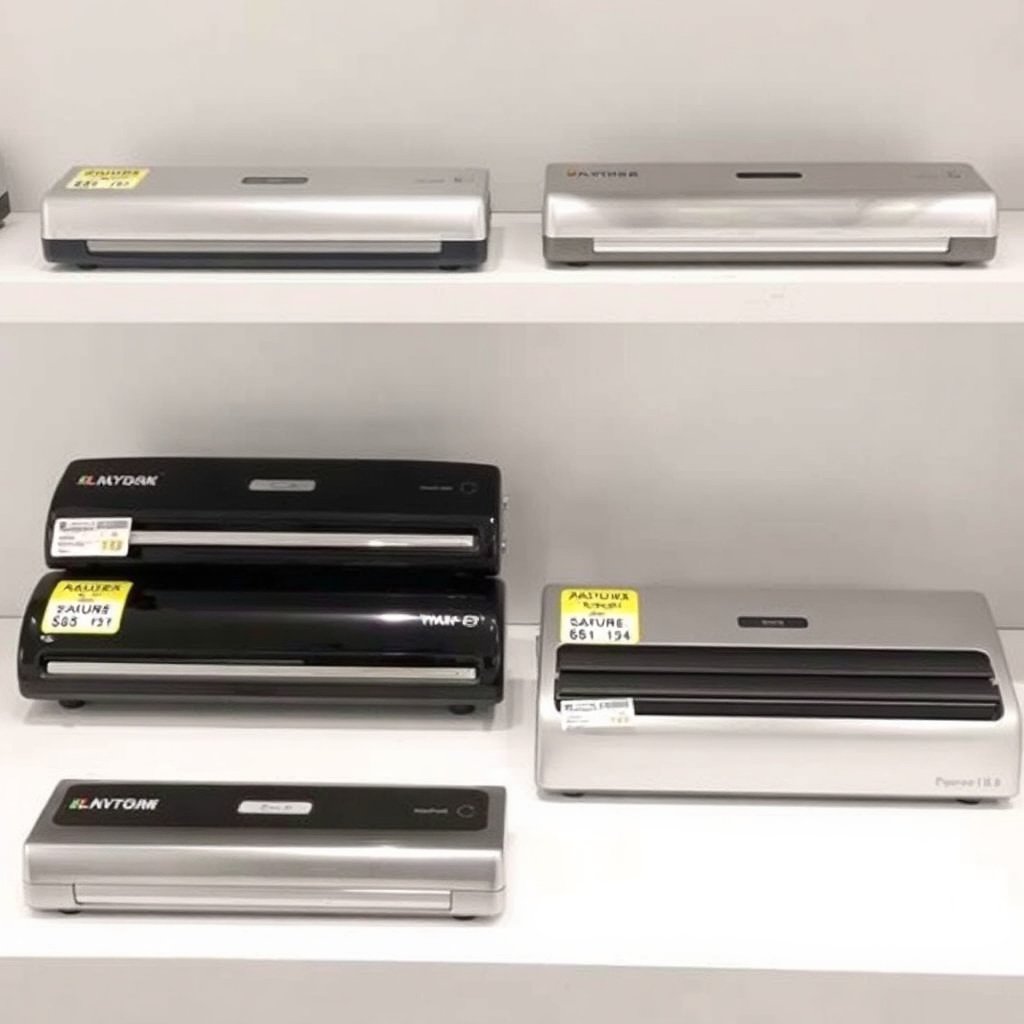
Factors to Consider When Buying
Consider the types of food you plan to seal most often and how frequently you’ll use the machine. Features to prioritize include adjustable vacuum strength, sealing modes for dry and moist foods, and bag compatibility.
Size and storage space also matter; countertop models vary widely in footprint. Models with additional accessories such as jar sealers or roll cutters can add convenience and value.
- Vacuum strength control
- Sealing modes for different food types
- Bag compatibility and accessories
Top Picks for Home Use
The reliable performance of mid-range countertop vacuum sealers makes them ideal for household use. Brands supporting multiple modes and including accessory kits tend to perform well across various sealing needs.
For occasional sealing or travel, lightweight handheld models provide portability at the cost of some power. Larger chamber machines best suit those who freeze liquids or bulk items regularly.
Storage and Safety Tips for Vacuum-Sealed Foods

Optimum Storage Conditions
Vacuum-sealed foods should be stored in appropriate environments depending on type — typically refrigerated or frozen. Keep sealed packages flat and avoid puncturing or crushing bags to preserve the airtight barrier.
Label packages clearly with contents and date to track freshness. Use vacuum sealing primarily to extend shelf life but still consume foods within recommended time frames.
- Store sealed food flat and undamaged
- Label with contents and date
- Use within recommended storage periods
For more on this, see our related guide: How to Make Bacon at Home: Safe, Simple Steps with Best Cooking Methods.
Safety Guidelines for Vacuum-Sealed Foods
Some bacteria can survive in low-oxygen conditions inside vacuum bags, so adhere to food safety standards by promptly refrigerating perishable items and cooking foods thoroughly after removal from storage.
Avoid sealing spoiled or contaminated foods. Vacuum sealing is not a substitute for proper hygiene and safe food handling throughout preparation and storage.
Advanced Vacuum Sealing Techniques
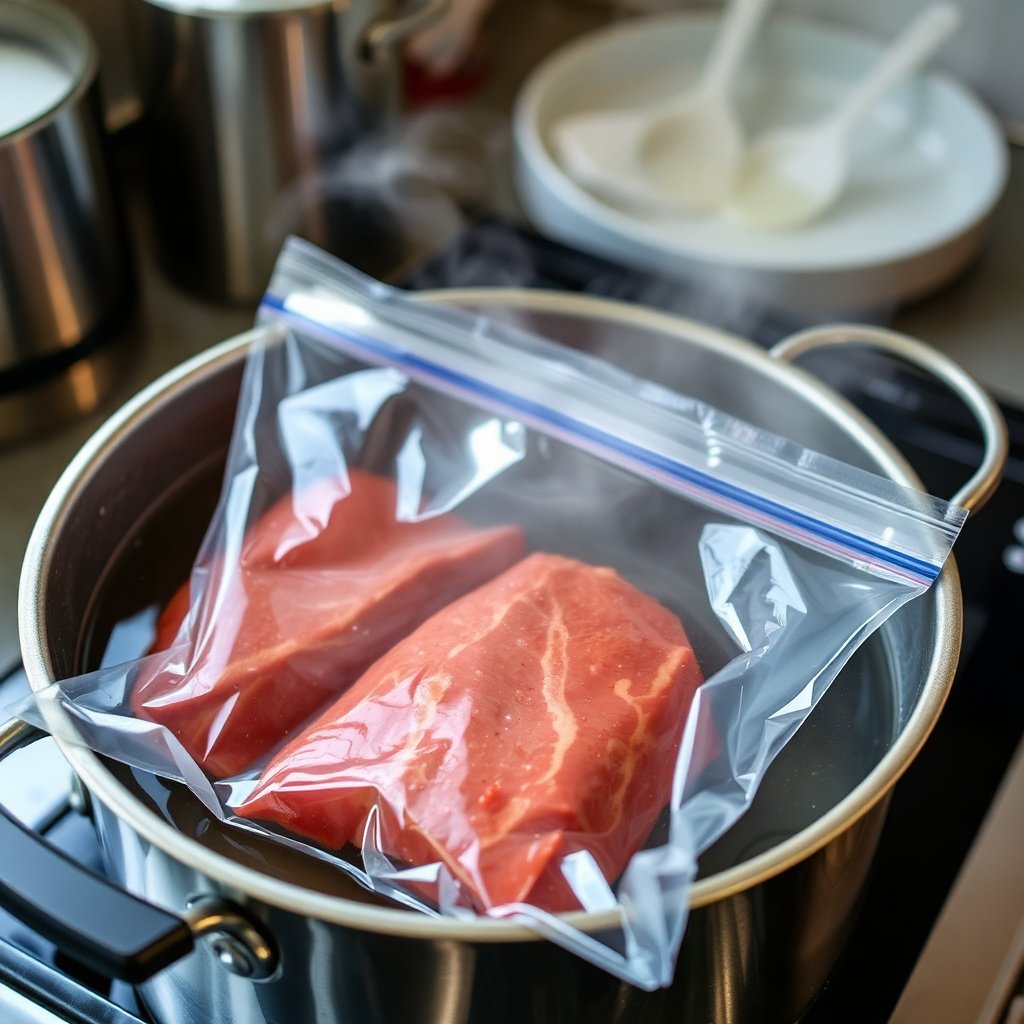
Vacuum Sealing for Sous Vide Cooking
Vacuum sealing is essential for sous vide, locking in flavors without water entering the bags during precise cooking in a water bath. Use bags rated for sous vide to withstand heat and ensure no air pockets remain.
Properly sealed bags prevent floating during cooking, which could cause uneven heat distribution and compromise food quality.
- Use sous vide-approved vacuum bags
- Remove all air to avoid floating
- Seal tightly to lock in flavor
To better understand the science and common uses of vacuum sealing, you can explore more about vacuum packaging from an authoritative resource. Vacuum packaging.
Bulk Packaging and Portion Control
Vacuum sealers allow dividing bulk purchases into smaller portions for convenience and freshness. Pre-portion meats, vegetables, or snacks to freeze and defrost as needed without waste.
Consider using multi-chamber sealers or higher capacity machines to handle large quantities more efficiently if you frequently package in bulk.
- Divide bulk items into portions
- Use suitable machine for volume
- Label and date packages carefully
Vacuum Sealer Category Comparison
Here’s a comparison of popular vacuum sealer categories based on key characteristics like cost, portability, and food compatibility.
| Category | Price Range | Portability | Best For | Limitations |
|---|---|---|---|---|
| Countertop Electric | $50-$250 | Low | General home sealing, versatile food types | Larger footprint, requires power outlet |
| Handheld Sealers | $20-$60 | High | Small quick jobs, travel, soft containers | Limited bag options, less powerful suction |
| Chamber Sealers | $300-$1000+ | Low | Commercial volume, liquids, delicate items | Expensive, bulky, less common at home |
| Manual Sealers (Impulse) | $30-$100 | Medium | Basic sealing without vacuum | No air removal, less effective preservation |
Frequently Asked Questions
Can I vacuum seal liquids?
Vacuum sealing liquids can be tricky because the liquid may get sucked into the machine. Using a chamber vacuum sealer is best since it seals bags within a vacuumed chamber, preventing spills.
How long does vacuum-sealed food last?
Vacuum sealing can extend food shelf life by two to five times compared to traditional storage. The exact time varies by food type and storage temperature.
Can I reuse vacuum seal bags?
Most vacuum seal bags are designed for single use because seals may weaken after opening. Some reusable bags exist, but confirm manufacturer guidelines before reuse.
Is vacuum sealing safe for all types of foods?
Vacuum sealing works well for most foods, but care is needed with perishable items; proper refrigeration and hygiene must be maintained to prevent bacteria growth.
Do vacuum sealers work with regular zip-lock bags?
Regular zip-lock bags are not designed for vacuum sealing and may not provide an airtight seal. Use bags specifically made for vacuum sealers for best results.
Key Takeaways
- Vacuum sealing removes air to prolong food freshness and prevent spoilage.
- Choose a vacuum sealer type based on your sealing volume and food types.
- Proper preparation and bag placement are vital for an effective seal.
- Regular maintenance keeps your vacuum sealer performing well.
Conclusion
How to use a vacuum sealer well revolves around understanding your particular model and food needs, preparing items correctly, and following steps carefully for sealing, storage, and maintenance. This approach maximizes freshness and prevents common issues like incomplete seals or machine wear. The main keyword highlights that even beginners can develop reliable vacuum sealing habits quickly with clear guidance.
For those deciding which vacuum sealer to invest in, countertop electric models often strike the best balance for home use, handling a variety of dry and moist foods with consistent suction and sealing options. Handheld vacuum sealers fit for lightweight tasks or travel, while chamber sealers are preferable for heavier volumes or liquids. Each category corresponds to differing budgets and needs, making the secondary keyword 'best vacuum sealers for home use' a practical search reference.
Starting with the right bag size and clean, dry food surface sets a solid foundation for vacuum sealing success. Once sealed, proper refrigeration or freezing preserves quality for significantly longer periods. Next steps include selecting a vacuum sealer model suited to your household and practicing with small batches to gain confidence before sealing larger quantities.