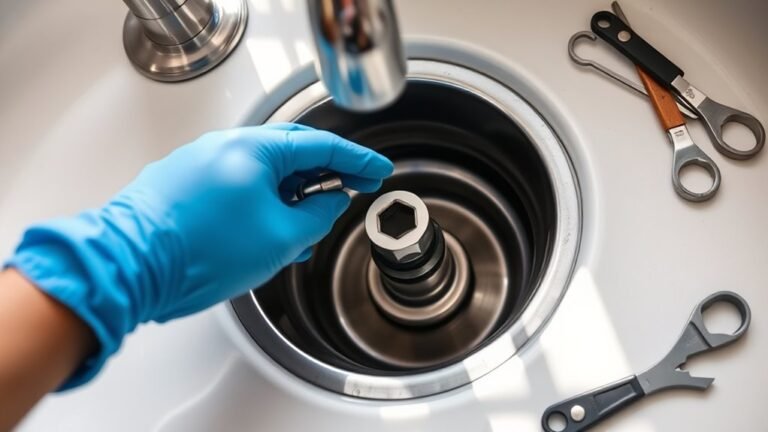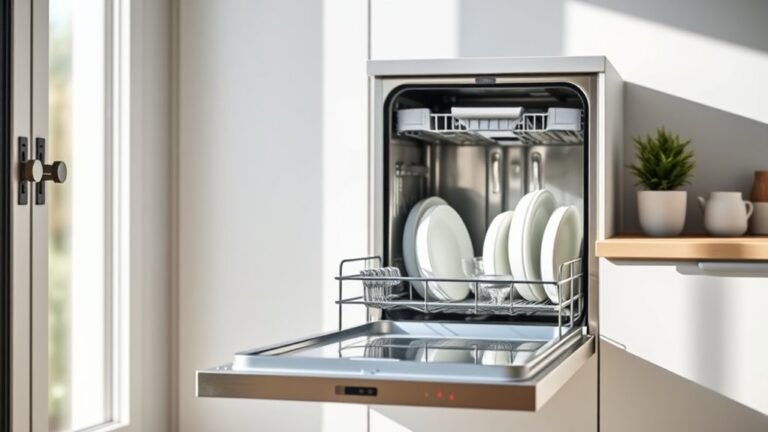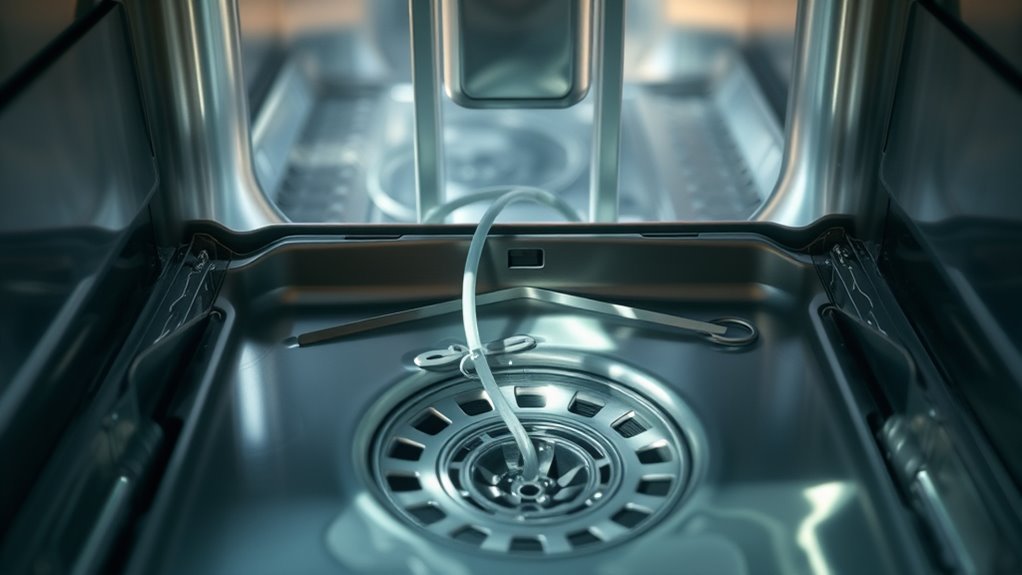
Why Is My Dishwasher Not Draining? The Complete Answer
Are you tired of your dishwasher not draining and leaving you with standing water? You’re not alone—many people struggle with this frustrating problem.
A dishwasher that won’t drain can disrupt your entire kitchen routine and cause unwanted messes.
Your dishwasher isn’t draining because something is blocking the water flow or the pump isn’t working right. It could be a clogged filter, a kinked or blocked drain hose, a faulty drain pump, or even a plumbing issue like a blocked garbage disposal.
Electrical problems can also stop the drain cycle from starting.
Regularly cleaning filters, inspecting hoses, and checking connections can help.
Keep going to find out how to fix these issues and prevent future problems.
Key Takeaways
- A clogged or kinked drain hose can block water flow, which means your dishwasher might not drain properly.
- A faulty or jammed drain pump could be preventing water from being expelled during the drain cycle.
- Blocked filters or trapped food debris inside the dishwasher can also hinder effective drainage.
- Electrical issues or damaged wiring might stop the drain pump from activating altogether.
- Sink clogs, disposal jams, or improper drain hose alignment can cause backflow and lead to drainage problems.
How Does Your Dishwasher Drain Water Normally?
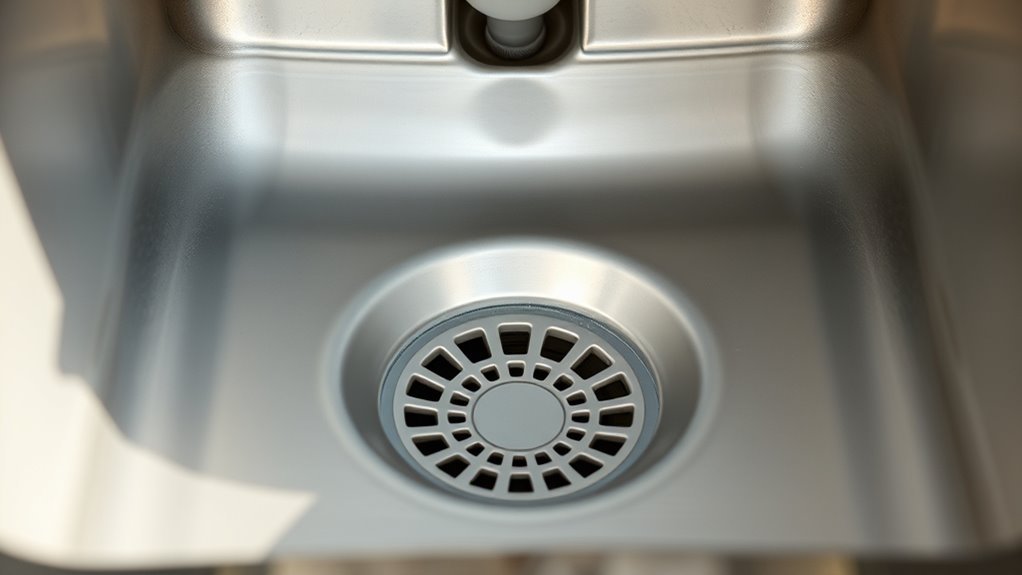
Your dishwasher drains water through a simple but effective process. During the drain cycle, it activates a pump that pushes the used water out through a drain hose.
This pump ensures a steady flow of water, removing debris and leftover food particles from the tub. Once the pump starts, it forces the water down the drain and into your home’s plumbing system.
The dishwasher’s design prevents water from flowing backward, so you don’t have to worry about dirty water coming back into the appliance. The drain cycle usually begins after the wash and rinse cycles are finished.
It clears out all the water before the drying phase starts. By keeping the water flowing smoothly, your dishwasher helps keep your dishes clean and ready to use.
Understanding how this process works can help you spot any drainage issues early on and make troubleshooting easier.
Common Causes of Dishwasher Drain Problems
Although dishwashers usually drain well, a few common issues can cause water to back up or drain slowly. One usual problem is a clogged or kinked drain hose, which blocks water flow and needs checking during troubleshooting.
Another common cause is a faulty or jammed drain pump. If the pump isn’t working right, it won’t push water out, so regular maintenance is important to keep it functioning smoothly. Also, a blocked air gap or garbage disposal connection can interfere with drainage and leave water in the dishwasher.
Sometimes, electrical issues or a malfunctioning timer prevent the drain cycle from starting. To fix these problems, focus on inspecting the hose, pump, and connections. By identifying and fixing these common causes, you can restore proper drainage and avoid standing water at the end of your cycle.
How to Check and Clean a Clogged Dishwasher Filter
Anyone can easily check and clean a clogged dishwasher filter to improve drainage and performance. Regular filter cleaning is an essential maintenance tip that helps prevent food particles from blocking water flow.
Regularly cleaning your dishwasher filter prevents clogs and keeps water flowing smoothly for better performance.
Follow these simple steps to clean your dishwasher filter effectively:
- Locate and remove the filter, usually at the bottom of the dishwasher.
- Rinse the filter under warm running water to wash away trapped debris.
- Use a soft brush or old toothbrush to gently scrub away stubborn residue.
- Reinstall the filter securely before running your next cycle.
Why a Blocked Drain Hose Stops Your Dishwasher From Draining
When water can’t flow freely through the drain hose, your dishwasher won’t drain properly. The drain hose carries wastewater from your dishwasher to the sink drain or garbage disposal. If it’s blocked by food debris, grease buildup, or small objects, water gets trapped inside the dishwasher.
This blockage causes water to pool at the bottom, leaving your dishes wet and preventing the dishwasher from completing its cycle. To fix this, start by inspecting the drain hose for kinks or visible clogs.
Carefully disconnect it, then flush it out with water or use a flexible brush to clear any obstructions. For stubborn blockages, try using a plumbing snake or a vinegar and baking soda mix to break down buildup. Keeping the drain hose clean helps ensure smooth water flow and prevents future draining issues, which can also extend your dishwasher’s lifespan.
What Happens When Your Drain Pump Fails
If your dishwasher’s drain pump fails, it won’t be able to push water out during the draining cycle. This leaves standing water inside the machine. Drain pump types vary—some use a centrifugal design, others rely on a gear mechanism—but when any type fails, the result is the same: water stays put. Recognizing signs early helps prevent further damage.
Here’s what you might notice:
- Water pooling at the bottom after the cycle ends.
- Unusual noises coming from the pump area.
- A burning smell signaling motor strain.
- Dishwasher cycles stalling or not finishing properly.
These signs often mean the pump’s impeller is jammed or the motor has burned out. When you see these symptoms, it’s a good idea to check the drain pump before assuming other parts are to blame. Acting quickly can save you from more costly repairs.
Testing and Fixing Dishwasher Drain Electrical Issues
If you’re having trouble with your dishwasher drain’s electrical system, the first thing you want to do is check the power supply connections. Make sure everything’s plugged in securely and there are no loose wires. Sometimes, a simple connection issue can cause the drain not to work properly.
Next up, take a look at the wiring on the drain pump itself. Look for any signs of damage, like frayed wires or burnt spots. Also, ensure all the connections are tight—loose wires can cause all sorts of electrical problems.
Finally, it’s a good idea to test the electrical continuity of the drain pump and related components. This way, you can confirm whether they’re functioning correctly or if they might need replacing. If everything checks out but the problem persists, you might want to consider consulting a professional for a more in-depth diagnosis.
Checking Power Supply Connections
Because electrical issues often cause dishwasher drain problems, checking the power supply connections is an essential first step. You want to make sure your dishwasher gets steady power, which depends on secure connections.
Start by unplugging the dishwasher or switching off its circuit breaker to avoid shocks. Then, inspect the power cord for any visible damage or loose connections.
Next, check the terminal block inside the dishwasher where the power supply connects and tighten any loose wires. Finally, confirm the outlet or hardwired connection is delivering proper voltage using a multimeter.
Inspecting Drain Pump Wiring
Three key steps help you inspect the drain pump wiring effectively: locating the pump, checking for loose or damaged wires, and testing electrical continuity. Start by unplugging your dishwasher and removing the access panel to find the drain pump.
Use wiring inspection techniques to carefully examine each wire connected to the pump. Look for frayed insulation, corrosion, or loose connections that could interrupt power flow.
During drain pump troubleshooting, pay close attention to connectors and terminals, ensuring everything is secure. If you spot any damaged wires, replace or repair them before proceeding.
Proper wiring inspection is essential to avoid electrical failures that prevent draining. Once you’ve completed this step, you’ll be ready to move on to testing electrical continuity for a thorough diagnosis.
Testing Electrical Continuity
After making sure the drain pump wiring is intact and secure, the next step is to test its electrical continuity. This helps you confirm if the electrical parts are working properly without any breaks in the circuit.
Here’s how you do it: first, disconnect the dishwasher from power to avoid shocks. Then, carefully remove the drain pump from the dishwasher.
Set your multimeter to the continuity or ohms setting. Touch the probes to the pump’s terminals; if you hear a beep or see low resistance, that means the circuit has good continuity.
If there’s no signal, it indicates the pump’s electrical components are faulty and need to be replaced. This simple test can save you time and ensure your dishwasher drains properly.
How Sink Plumbing and Garbage Disposal Can Block Dishwasher Drainage
If your dishwasher isn’t draining properly, the problem might be in your sink plumbing or garbage disposal. Clogs in the sink or jams in the disposal often block water flow, making your dishwasher back up.
Plumbing issues like poor drain alignment or installation mistakes can also cause restrictions. Food debris trapped in the disposal or pipes only worsen the problem, especially if your appliance is older and parts are worn out.
Check these common causes to find the issue:
| Cause | Description | Impact on Dishwasher |
|---|---|---|
| Sink Clogs | Build-up in pipes | Slows drainage |
| Disposal Jams | Blocked grinding mechanism | Stops water flow |
| Drain Alignment | Incorrect pipe connection | Causes backflow |
Fixing these issues can restore proper drainage and help your dishwasher run smoothly.
When to Replace Parts vs. Call a Professional for Drain Issues
Addressing sink clogs or garbage disposal jams can often fix dishwasher drainage problems, but sometimes the issue is deeper. You need to decide whether to replace parts yourself or call a professional. Consider these factors:
- Parts Lifespan – If the pump or drain valve is worn beyond its expected lifespan, replacing it is usually necessary.
- DIY Skills – Simple parts like filters or hoses can be swapped out if you’re comfortable with basic repairs.
- Tools & Time – Complex components might need special tools or take a lot of time, so professional help might be better.
- Professional Costs – Think about the cost of parts plus labor versus your budget. Sometimes paying a pro avoids costly mistakes.
If the problem sticks after basic fixes or if you suspect electrical issues, calling a professional is safer and more efficient. Making the right call saves you time, money, and frustration.
Simple Maintenance Tips to Keep Your Dishwasher Draining Smoothly
To keep your dishwasher draining smoothly, perform regular maintenance to prevent buildup and blockages. Start by inspecting the drain area regularly to spot debris or food particles that could cause clogs. Removing these early can save you from bigger drainage problems later.
Make sure to include dishwasher cleaning in your routine by running a cycle with a cleaner or vinegar once a month. This helps dissolve grease and mineral deposits that can restrict water flow. Don’t forget to check and clean the filter thoroughly, as a clogged filter often causes drainage issues.
Inspect the drain hose for kinks or damage to ensure water flows freely. Also, wipe down the door seals and spray arms to prevent grime buildup that could indirectly affect drainage. Staying consistent with these simple steps will keep your dishwasher running efficiently and avoid frustrating drainage problems.
How to Prevent Dishwasher Drain Problems in the Future
To keep your dishwasher draining smoothly, it’s a good idea to stick to regular maintenance and develop some simple habits. For example, cleaning out the filters and checking the hoses now and then can really make a difference. These small steps help prevent clogs and keep water flowing as it should.
Also, try not to overload your dishwasher. When you pack it too full, it can block the drain and cause problems. So, giving your dishwasher some space helps ensure it drains efficiently every time. Just a few easy habits can go a long way in avoiding drain issues down the line.
Regular Maintenance Tips
Although dishwasher drain problems can be frustrating, regular maintenance can keep your appliance running smoothly and prevent most issues from happening. To avoid future drainage headaches, follow these simple steps:
- Perform dishwasher cleaning monthly to remove grease and food buildup that can clog drains.
- Check and clean the filter regularly. Clogged filters restrict water flow and cause drainage problems.
- Inspect and clear the drain hose to make sure it’s free of debris or kinks that block water exit.
- Run hot water in the sink before starting your dishwasher. This helps flush out the drain line.
Proper Usage Habits
Keeping up with regular maintenance goes a long way, but how you use your dishwasher daily also plays a big role in preventing drain problems. First, practice proper dishwasher loading by avoiding overcrowding, which can block water flow and cause drainage issues. Place larger items strategically to guarantee water reaches all surfaces and drains freely.
Also, scrape off heavy food debris before loading to reduce clogs. Using rinse aid consistently helps dishes dry faster and prevents residue buildup that might clog the filter or drain. Make sure to run your dishwasher only when it’s full to optimize performance and avoid short cycles that strain the drainage system.
Frequently Asked Questions
Can Using the Wrong Dishwasher Detergent Cause Drainage Issues?
Yes, using the wrong detergent types can cause drainage issues in your dishwasher. Some detergents create excessive suds, which can clog the drain or pump and block proper water flow.
To fix this, you’ll want to switch to a detergent specifically designed for dishwashers. Following recommended drainage solutions like cleaning filters and checking hoses also helps keep your dishwasher running smoothly and draining correctly.
Don’t ignore your detergent choices—they really do matter.
Does Overloading the Dishwasher Affect Its Ability to Drain?
Overloading your dishwasher is like packing too many clothes into a suitcase. It just won’t close properly. Yes, it directly affects its ability to drain by blocking water flow and straining the pump.
For effective dishwasher maintenance tips, avoid cramming dishes and follow common drainage solutions like cleaning filters regularly. Keeping the load balanced guarantees your dishwasher drains smoothly and lasts longer, saving you time and hassle down the road.
How Does Water Temperature Impact Dishwasher Draining Performance?
Water temperature plays a key role in your dishwasher’s draining performance. If the water’s too cold, grease and food particles may not dissolve properly, causing clogs.
During drainage troubleshooting, check that your water heater is set between 120-140°F for ideal cleaning and draining. Regular maintenance tips include running hot water before starting the dishwasher and cleaning filters to prevent buildup.
These simple steps help ensure smooth drainage every cycle.
Can Hard Water Buildup Lead to Dishwasher Drain Problems?
Yes, hard water buildup can definitely cause dishwasher drain problems. Over time, minerals in hard water leave deposits that build up inside your dishwasher’s drain and pipes.
This buildup often leads to clogs, which prevent water from flowing properly. To avoid this, make sure to regularly clean your dishwasher’s filter and run a vinegar cycle as part of your maintenance routine.
Staying on top of this helps keep your dishwasher draining smoothly.
Are Certain Dishwasher Brands More Prone to Drainage Issues?
Yes, some dishwasher brands are more prone to drainage issues because of brand reliability and design flaws. When you pick a less reliable brand, you might run into frequent clogs or pump failures.
Design problems like poorly placed filters or narrow drain hoses can also cause drainage troubles. To avoid this, it’s a good idea to research brand reliability and read user reviews.
Looking for models known for efficient drainage can help you make a better choice. Taking these steps can save you time and frustration down the line.
Conclusion
If your dishwasher isn’t draining, don’t worry. It’s often something you can fix yourself, like clearing a clogged filter or hose.
You might think it’s too complicated or costly, but simple maintenance can prevent these issues from happening. Just take a little time to check the common causes first.
If the problem keeps happening, calling a professional is the best move. This way, you won’t risk making things worse.
Regular care and troubleshooting can save you headaches and money in the long run, especially when dealing with drainage problems in your dishwasher.