Refrigerator Water Filter Replacement Guide: What to Know Before You Buy
If you’re like many people, keeping your refrigerator water fresh and tasty can feel like a constant challenge. You’re not alone—many struggle with maintaining clean, good-tasting water from their fridge.
Luckily, choosing the right water filter can make all the difference.
You should replace your refrigerator water filter every six to twelve months or when you notice changes in taste, smell, or water flow. Choose between cartridge or inline filters, ensuring the material matches your water needs and fits your fridge model perfectly.
Buy filters from trusted sources for authenticity.
Proper installation and regular maintenance keep your water fresh and your system running smoothly.
Keep exploring to uncover troubleshooting tips and ways to maximize your filter’s lifespan.
Key Takeaways
- Replace your refrigerator water filters every 6 to 12 months, or whenever you notice changes in taste, smell, or water flow.
- You can choose between cartridge and inline filters, depending on how long they last and your installation preferences.
- Pick a filter material like activated carbon, ceramic, or polyester based on the contaminants you want to remove.
- Make sure the filter is compatible with your fridge model by checking the manual or the manufacturer’s recommendations.
- Buy filters from trusted sources like the manufacturer’s website or reputable retailers to ensure they’re authentic.
When to Replace Your Refrigerator Water Filter
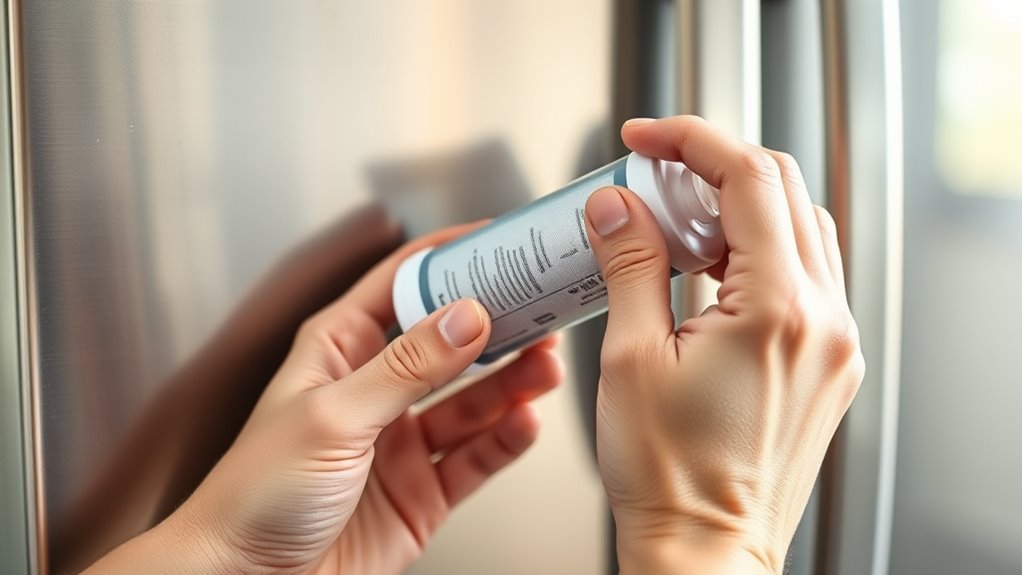
How do you know when it’s time to replace your refrigerator water filter? You should keep track of the filter lifespan, which usually lasts between six months and a year, depending on how much you use it and the water quality.
Ignoring this can lead to lower water flow and less effective filtration. Signs that it’s time to change the filter include a noticeable change in water taste or smell, slower water dispensing, or the fridge’s indicator light signaling a replacement.
Lower water flow or strange taste signals it’s time to replace your refrigerator water filter.
If you see cloudiness or particles in your water, don’t wait—it’s a clear sign the filter isn’t working properly. Also, if your ice starts tasting off, that’s another clue it’s time for a change.
Staying on top of these signs helps keep your water clean and safe. You can mark your calendar or set a reminder on your phone to replace the filter on time, so you never have to guess.
Types of Refrigerator Water Filters
There are a few common types of refrigerator water filters out there, and each one uses different materials to get rid of impurities. Getting to know the differences can really help you pick the right filter for your water quality and your fridge model. Before you make a purchase, just double-check that the filter is compatible with your fridge to avoid any installation headaches.
Common Filter Types
Although refrigerator water filters come in different designs, most fall into a few common types you’ll see when it’s time to replace them. The two main types are cartridge filters and inline filters.
Cartridge filters are the most common; they fit directly into the fridge and are easy to swap out. Inline filters connect to your water line and usually last longer but require a bit more effort to install.
Understanding how long your filter lasts is important—most need changing every six months to keep your water fresh and clean.
To make your filter last longer, follow simple maintenance tips like cleaning it regularly and avoiding hard water buildup.
Knowing these common filter types helps you pick the right replacement quickly. This way, your fridge keeps providing clean, fresh water without any hassle.
Filter Material Differences
Anyone choosing a refrigerator water filter should know the key differences in filter materials because they directly affect water quality and filter lifespan. Most filters use activated carbon, which is great at removing chlorine, odors, and some contaminants.
You’ll also find filters with pleated polyester or spun polypropylene. These materials are durable and do a good job trapping sediment efficiently.
Ceramic filters are less common but offer excellent durability. They can filter out bacteria and fine particles effectively.
When selecting a filter, think about which impurities you want to remove and how long the filter will last with regular use.
Understanding these material differences helps you pick a filter that guarantees clean, great-tasting water while also maximizing its durability and performance.
Compatibility Considerations
When choosing a refrigerator water filter, it’s important to ensure it’s compatible with your specific fridge model. Double-checking the right filter brand and installation details helps keep your water quality high and prevents leaks.
Start by looking at your fridge’s manual or label to find the compatible filter models. This way, you avoid any mismatches that could cause problems later.
Make sure the filter brand matches what your refrigerator recommends. Some brands only work with certain filters, so verifying this prevents compatibility issues.
Finally, confirm that the filter’s design fits into your fridge’s filter slot and installation mechanism. This ensures a secure, leak-free fit and smooth installation.
How to Check Compatibility With Your Fridge
To find the right water filter for your fridge, the first step is to check out your fridge’s model number. It’s usually found inside the door or on the side of the unit. Once you’ve got that, you can match it with the correct filter type that’s made specifically for your model.
Doing this helps you avoid any compatibility issues and makes sure your water stays clean and fresh. It’s a simple step that can save you a lot of hassle later on!
Model Number Verification
How do you make certain your new refrigerator water filter fits perfectly? Start with accurate model identification. Check your fridge’s manual or look inside for the sticker with the model number.
Next, compare the filter specs on the replacement filter packaging or website with what your fridge requires. This helps ensure you’re choosing the right filter for your model.
Finally, confirm compatibility by making sure the new filter’s model number matches or is listed as compatible with your fridge.
Here’s a quick checklist:
- Locate your fridge model number through the manual or label.
- Review the replacement filter’s model ID and specifications.
- Match the filter’s model number with your fridge’s approved list to ensure a proper fit.
This simple process helps you avoid buying the wrong filter and keeps your fridge running smoothly.
Filter Type Matching
Although identifying your fridge model is essential, matching the filter type ensures your replacement works correctly and fits securely. Start by checking your owner’s manual or the current filter for a part number or type code.
Many manufacturers use specific filter models compatible only with certain fridge lines. Confirming this helps you get the right filter, which maintains the proper lifespan and keeps your water quality high.
When shopping, compare the replacement’s specifications with your original filter to avoid issues. Also, pay attention to installation tips—some filters need twisting, snapping, or pushing into place.
Following these steps prevents leaks and makes sure you get a proper seal. Taking the time to match the filter type saves you from returns and keeps your fridge running smoothly.
How Often to Replace Your Refrigerator Water Filter
Changing your refrigerator water filter every six months helps keep your water tasting fresh and ensures your appliance runs smoothly. The lifespan of the filter can vary based on how much water you use and its quality, but sticking to this schedule prevents buildup and contamination.
Here are some tips to stay on top of filter maintenance:
- Keep an eye on water flow and taste. If the water slows down or tastes off before six months, it’s a good idea to replace the filter sooner.
- Check the filter indicator. Many refrigerators have alerts that remind you when it’s time for a change.
- Set a reminder or mark your calendar. Regularly replacing the filter helps avoid lapses that could affect your water quality.
Where to Buy Refrigerator Water Filters
Keeping your refrigerator water filter fresh means you’ll eventually need to find a reliable place to buy a replacement. You can turn to online retailers, which offer a wide variety of filter brands and often provide discount options. Local stores are another convenient choice, letting you get your filter immediately without waiting for shipping.
When choosing where to buy, consider the balance between price, availability, and authenticity to guarantee you get a genuine filter that fits your fridge. Here’s a quick comparison to help you decide:
| Place | Pros | Cons |
|---|---|---|
| Online Retailers | Wide selection, discount options | Shipping time |
| Local Stores | Immediate pickup, expert advice | Limited brands, pricier |
| Manufacturer Websites | Guaranteed authenticity | Fewer discount options |
| Big Box Retailers | Competitive prices | May lack specialty brands |
| Wholesale Clubs | Bulk buying discounts | Membership required |
Choose the option that best fits your needs and budget.
How to Replace Your Refrigerator Water Filter
First up, you want to find where the water filter is in your fridge. It’s usually inside the fridge itself or sometimes at the bottom at the base. Once you’ve found it, take a moment to get ready for the swap.
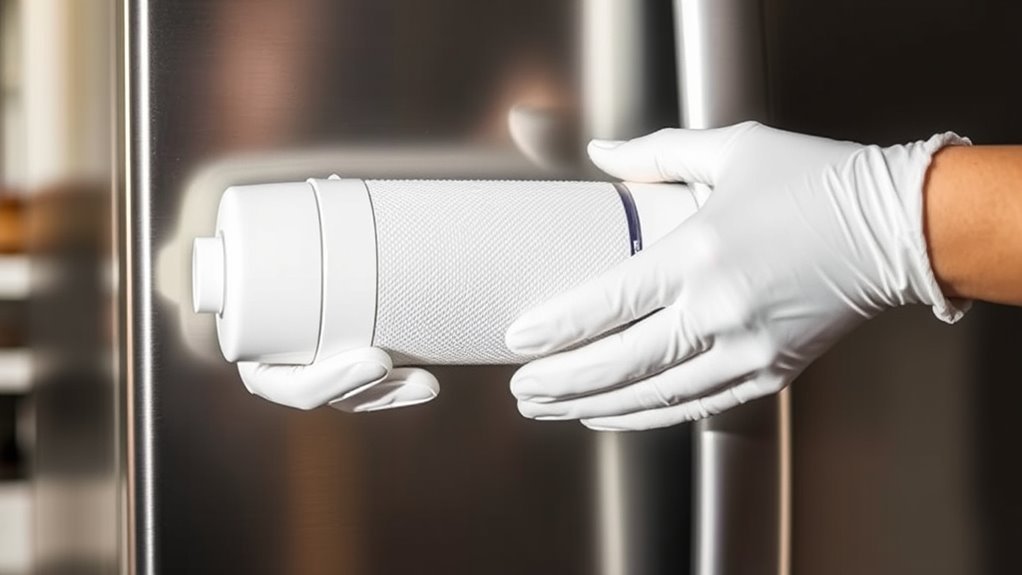
Next, you’ll need to remove the old filter. This can be a bit different depending on your model — some require twisting it out, while others might just pull straight out. Just be gentle so you don’t damage anything.
Finally, it’s time to put in the new filter. Make sure it lines up correctly, then secure it in place. And that’s pretty much it — you’re all set with fresh, clean water!
Locate The Filter
Finding your refrigerator’s water filter is the essential first step before you can replace it. Knowing the filter location and how to access it easily saves you time and frustration.
Most refrigerators have the filter in one of these common spots:
- Inside the fridge, near the top right or left corner.
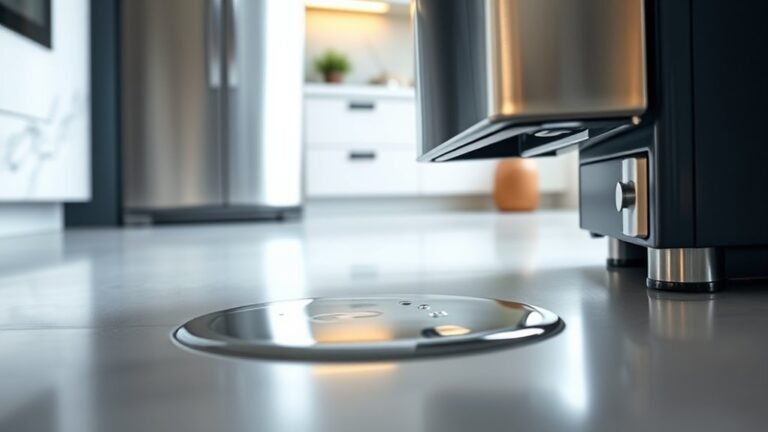
- At the base, behind a kick plate or grille.
- Inside the fridge ceiling, near the light or control panel.
Check your owner’s manual or look for a small cover or slot indicating the filter access. Some models have push-in or twist-off filters, so identifying the exact location helps you prepare to remove the old one.
Taking a moment to locate the filter guarantees a smooth replacement process.
Remove Old Filter
Start by turning off your refrigerator’s water supply to prevent leaks during the filter removal. Next, locate the filter—usually inside the fridge or at the base—and get ready to remove it.
Use proper filter removal techniques: press the release button or twist the filter counterclockwise, depending on your model. Avoid pulling it out forcefully, as that can damage the filter housing.
If the filter feels stuck, gently wiggle it instead of applying excessive force. Keep a towel handy to catch any dripping water.
Once you’ve removed the filter, inspect the slot for debris. Taking these careful steps ensures a smooth removal process and prevents damage, leaks, or complications.
Install New Filter
Once you’ve removed the old filter and checked the slot, you can install the new one by aligning it properly and pushing it into place until it clicks or twists securely.
To avoid common installation mistakes, follow these filter installation tips:
- Make sure the filter is the correct model for your refrigerator to guarantee a proper fit.
- Avoid forcing the filter in; if it doesn’t fit easily, double-check the alignment and orientation.
- After installation, run water through the dispenser for a few minutes to clear any air or loose carbon particles.
These steps help you avoid leaks and make sure your water tastes fresh and clean. Proper installation keeps your refrigerator running smoothly and your water safe.
Troubleshooting Refrigerator Water Filter Issues
Water filters can sometimes cause unexpected problems, but you don’t have to deal with them alone. If you notice leaks, low pressure, strange tastes, or cloudy water, start by checking the filter’s lifespan and whether it’s time for a replacement.
Installation issues and filter compatibility are common causes of these problems. Make sure you’ve installed the right model correctly. Regular maintenance like flushing the new filter and cleaning the housing can prevent many issues.
Here’s a quick troubleshooting guide to help you:
| Issue | Possible Cause |
|---|---|
| Filter leaks | Improper installation |
| Low water pressure | Clogged or incompatible filter |
| Unusual taste/cloudy water | Expired filter or poor maintenance |
Fixing these should improve your water quality and flow. If problems keep happening, check your fridge’s manual or contact support for help.
Understanding Refrigerator Water Filter Certifications
Although choosing the right refrigerator water filter might seem straightforward, understanding the certifications behind these filters can help you make a safer and smarter choice. Certification standards ensure the filter meets specific requirements for contaminant reduction and overall performance.
When evaluating filters, pay attention to these key certifications:
- NSF/ANSI 42. This certifies the filter’s ability to reduce chlorine, taste, and odor, which improves water quality without compromising safety.
- NSF/ANSI 53. Focuses on health-related contaminants like lead, cysts, and mercury, guaranteeing the filter effectively protects your family.
- NSF/ANSI 401. Covers emerging contaminants such as pharmaceuticals and chemicals, reflecting advanced filter performance.
How a New Filter Improves Water Taste
Choosing a certified filter not only guarantees the removal of contaminants but also greatly enhances the taste of your drinking water. When you install a new filter, it effectively reduces chlorine, sediment, and other impurities that cause unpleasant flavors and odors.
This leads to a noticeable taste improvement, making your water more refreshing and enjoyable. Improving water quality isn’t just about removing harmful substances; it also balances minerals that give water a cleaner, crisper taste.
As a result, beverages like coffee and tea brewed with filtered water taste better too. Over time, filters can get clogged, which lessens their ability to keep the water tasting great and can even affect your health.
Tips for Maintaining Your Refrigerator Water Filter System
Keeping your refrigerator water filter system in top shape means staying on top of regular maintenance tasks. To get the best performance and extend your filter’s life, consider these essential filter maintenance tips.
- Monitor Filter Lifespan Factors: Keep an eye on water quality, how often you use it, and what the manufacturer recommends. These factors directly influence when you should replace your filter.
- Schedule Timely Replacements: Don’t wait for a drop in water flow or a change in taste. Replace the filter every 6 months or as advised to keep filtration at its best and avoid contaminants.
- Clean the Filter Housing: Periodically wipe down the filter compartment to prevent dirt and mold buildup, which can affect water quality and system efficiency.
Frequently Asked Questions
Can I Use a Generic Filter Instead of the Brand-Specific One?
You can use a generic filter instead of the brand-specific one, but you need to check filter compatibility carefully.
Generic filters often cost less, which helps with your budget, but they might not fit perfectly or filter as well. Using a non-compatible filter can cause leaks or poor water quality.
What Are the Environmental Impacts of Disposing Used Water Filters?
Throwing your used water filters in the trash is like gifting Mother Earth a plastic headache. These filters, packed with plastic and trapped contaminants, can linger in landfills forever.
But if you choose filter recycling, you’ll score big environmental benefits—reducing waste and conserving resources.
How Does Water Pressure Affect Refrigerator Water Filter Performance?
Water pressure directly impacts your refrigerator water filter performance by influencing filter efficiency. If the water pressure’s too low, your filter may not work effectively, reducing water flow and causing poor filtration.
On the other hand, excessively high pressure can strain the filter, leading to leaks or damage. To keep your filter running smoothly and guarantee clean water, maintain the recommended water pressure specified by your refrigerator’s manufacturer.
Are There Health Risks Associated With Not Replacing the Filter Timely?
Yes, you face health risks if you don’t replace your refrigerator’s water filter on time. Overused filters can harbor bacteria and contaminants, which then get into your drinking water.
Proper filter maintenance guarantees the water stays clean and safe. Skipping timely replacements compromises water quality, increasing your exposure to harmful substances.
Can Refrigerator Water Filters Remove Bacteria and Viruses?
You should know that most refrigerator water filters aren’t designed to remove bacteria and viruses completely. Their main job is to target chlorine, sediment, and some other contaminants to improve taste and smell.
While they help reduce particulates and some contaminants, they don’t guarantee protection against harmful microbes. For full bacteria and virus removal, you’d need specialized filters or treatment systems beyond standard refrigerator water filters.
Conclusion
Replacing your refrigerator water filter isn’t just a chore. It’s like giving your fridge a fresh new breath of life.
Knowing when and what to replace helps ensure every drop tastes crisp and clean, like a mountain spring flowing through your glass.
Keep your filter system humming smoothly, and you’ll enjoy pure, invigorating water without any hassle.
Don’t wait—let your fridge’s filter be the guardian of your hydration, always ready to serve.
Remember, a well-maintained water filter keeps your water tasting great and your fridge running efficiently.