How to Thaw Meat Safely: Essential Methods and Tips for Food Safety
Thawing meat safely is critical to preventing foodborne illness and preserving the quality of your ingredients. The safest way to thaw meat is by using controlled methods like refrigeration, cold water submersion, or microwave thawing. Avoiding room temperature thawing reduces the risk of harmful bacteria multiplying.
Knowing how to thaw meat safely protects your health and helps maintain the meat's texture and flavor when cooked. Improper thawing can lead to bacterial growth on the surface while the inside remains frozen, increasing contamination risks.
This article will cover several safe thawing techniques, explain the science behind cold storage and bacteria growth, highlight common mistakes, and compare methods so you can confidently prepare your meat without compromising safety.
Understanding Why Safe Meat Thawing Matters

Bacteria Growth and Food Safety Risks
When meat is thawed at unsafe temperatures, especially above 40°F (4.4°C), bacteria can grow rapidly, increasing the risk of foodborne illness. Pathogens like Salmonella and E. coli thrive in the so-called 'danger zone' between 40°F and 140°F.
Even if the inside of the meat is still frozen, surface bacteria can multiply, meaning cooking may not destroy all harmful microorganisms if the meat was improperly thawed.
Impact of Thawing Methods on Meat Quality
The thawing process affects the texture and flavor of meat. Thawing at room temperature causes uneven thawing which can degrade quality. In contrast, slower methods like refrigeration allow even, gradual thawing that preserves moisture and texture.
Poor thawing can result in dry spots, loss of juiciness, and even partial cooking in microwave thawing if not managed carefully, so selecting the right method matters for both safety and taste.
Refrigerator Thawing: The Safest Method

How to Thaw Meat in the Refrigerator
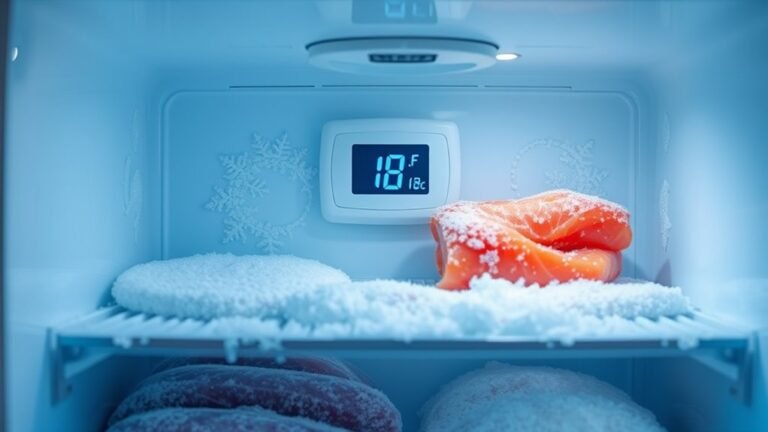
Place frozen meat on a plate or tray on the bottom shelf of the refrigerator to catch any drippings and prevent cross-contamination. Keep the refrigerator at 40°F (4.4°C) or below.
Thawing time varies based on meat thickness—for example, a 1-pound steak takes about 24 hours. Larger cuts may require several days. Plan ahead to allow sufficient time for full thaw.
- Keep meat in its original packaging or place in a sealed container
- Avoid stacking frozen meat to allow cold air circulation
- Allow at least 24 hours per 5 pounds of meat
Advantages and Considerations of Refrigerator Thawing
Refrigerator thawing offers the safest and most reliable results, keeping meat at a constant safe temperature and preventing bacterial growth.
This method requires planning ahead but allows meat to be safely stored for an extra 1-2 days in the refrigerator, making it ideal for scheduling meals without rushing.
Cold Water Thawing: Quick Yet Safe

Proper Steps for Cold Water Thawing
Seal the meat tightly in watertight packaging to prevent water contamination and leaching of meat juices. Submerge in a container with cold tap water, changing the water every 30 minutes to maintain safe temperatures.
This method can thaw smaller cuts in 1-3 hours depending on thickness, making it a faster alternative than refrigeration but requiring more attention.
- Use leak-proof packaging or plastic bags
- Change water every 30 minutes
- Cook immediately after thawing
For more on this, see our related guide: How to Make Spaghetti and Meatballs with Easy Steps and Expert Tips.
Safety Tips and Limitations
Cold water thawing must be done with vigilance to avoid the temperature rising above 70°F (21°C), as that allows bacterial growth. It is not recommended for large roasts or whole poultry due to time and safety concerns.
Meat should be cooked immediately after thawing because bacterial risks increase once thawed using this faster method.
Microwave Thawing: Fast But Tricky

How to Use a Microwave to Defrost Meat Safely
Use the defrost function or set microwave power to 30-50% to gradually thaw the meat. Rotate and check the meat often to prevent partial cooking of edges.
Smaller pieces like ground beef or chicken breasts thaw quickly, often within minutes, but uneven heating is common and requires immediate cooking after thawing.
- Remove packaging and place meat on microwave-safe dish
- Pause and turn meat every few minutes during defrost cycle
- Cook immediately to avoid bacterial growth
When Microwave Thawing Is Appropriate
Microwave thawing suits last-minute meal preparation or small portions needing rapid thaw. It comes with a higher risk of partially cooking or uneven thawing, so it demands close monitoring.
This method should not be used for large roasts or whole poultry, as it risks texture degradation and inconsistent safety.
Avoiding Unsafe Thawing Practices
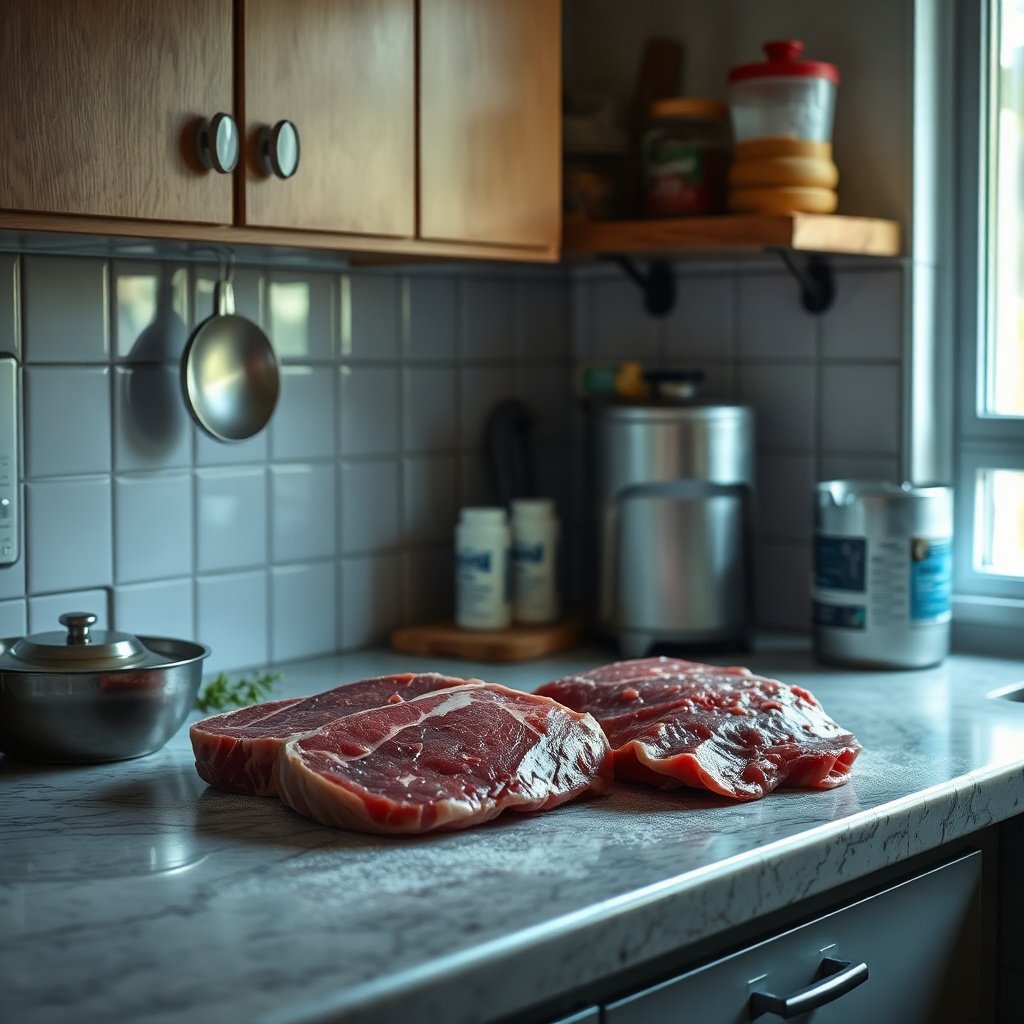
Why Room Temperature Thawing Is Unsafe
Thawing meat on the counter or in warm water significantly increases the risk of bacterial growth on the surface while the inside remains frozen, making it dangerous for consumption.
Leaving meat at room temperature for more than two hours, or one hour if temperatures exceed 90°F (32°C), facilitates rapid bacterial proliferation that cooking alone may not fully neutralize.
For more on this, see our related guide: How to Thaw Frozen Shrimp Fast and Safe: 8 Proven Methods That Work.
Recognizing Unsafe Thawing Habits to Avoid
Some common unsafe practices include thawing meat in hot water, leaving it on kitchen surfaces overnight, or using incorrect microwave settings without monitoring.
Avoid these habits to protect your health, and follow safe methods described here for peace of mind and better food quality.
Using Leftover Thawed Meat Safely

Storage Guidelines Post-Thawing
If meat has been thawed in the refrigerator, it can safely remain refrigerated for 1-2 days before cooking or refreezing. Meat thawed by cold water or microwave should be cooked immediately and not refrozen raw to avoid quality loss.
Proper storage in airtight containers or sealed packaging keeps thawed meat fresh and prevents cross-contamination in the fridge.
- Refreeze only if thawed in refrigerator
- Store cooked leftovers within 2 hours
- Use airtight containers or freezer bags
For official advice on safe meat thawing methods, consult the Safe Thawing Guidelines from USDA. Safe Thawing Guidelines from USDA.
Cooking Considerations for Thawed Meat
Cook meat to the recommended internal temperatures to destroy any bacteria present. Thawed meat often cooks faster, so monitor cooking times closely to prevent overcooking or dryness.
Use a meat thermometer for accuracy, especially for poultry (165°F) and ground meats (160°F). Proper cooking complements safe thawing for food safety.
Comparison of Meat Thawing Methods
Here is a quick overview comparing the common methods used to thaw meat safely and their practical pros and cons.
| Thawing Method | Average Thaw Time | Safety Level | Convenience | Impact on Meat Quality |
|---|---|---|---|---|
| Refrigerator Thawing | 12-48 hours (depending on size) | Highest | Low (requires planning) | Best preservation of texture and flavor |
| Cold Water Thawing | 1-3 hours | Moderate (if water changed regularly) | Moderate | Good if done correctly, minor texture changes |
| Microwave Thawing | Minutes | Moderate (requires supervision) | High | Quality may degrade due to uneven thawing |
| Room Temperature Thawing | Varies | Low (not recommended) | High but risky | Poor, with higher bacterial risks |
Frequently Asked Questions
Can I thaw meat in hot water to speed up the process?
No, thawing meat in hot water is unsafe as it raises the surface temperature into the bacterial danger zone, increasing the risk of foodborne illness.
Is it safe to refreeze meat after thawing?
Meat thawed in the refrigerator can be safely refrozen without cooking, but meat thawed by other methods should be cooked before refreezing to maintain safety and quality.
How long does thawed meat last in the refrigerator?
Meat thawed in the refrigerator typically lasts 1-2 days before cooking. After this, the risk of spoilage and bacterial growth increases.
Can I cook meat without thawing it first?
Yes, you can cook meat from frozen, though cooking time will be about 50% longer. This is safe but may affect the texture depending on the cut.
What is the best way to defrost meat for immediate cooking?
Cold water thawing is the best way to defrost meat quickly before immediate cooking, provided you use leak-proof packaging and change the water every 30 minutes.
Key Takeaways
- Refrigerator thawing is the safest and preserves meat quality best.
- Cold water thawing offers a quicker option but requires frequent water changes and immediate cooking.
- Microwave thawing should be monitored carefully and used for small portions.
- Avoid thawing meat at room temperature to prevent bacterial growth.
Conclusion
Choosing how to thaw meat safely revolves around minimizing bacterial risks and preserving the meat’s texture and flavor. Refrigerator thawing remains the gold standard due to consistent safe temperatures and improved quality retention. Depending on your schedule, cold water thawing and microwave thawing provide alternatives that balance speed with safety, but each requires specific care to prevent food safety issues.
If you have the time, plan meals around refrigerator thawing, especially for larger cuts like roasts or whole poultry. For quicker needs, cold water thawing works well for smaller cuts, while microwave thawing suits last-minute thawing but calls for immediate cooking. Avoid risky practices like thawing on the counter or in hot water to protect yourself and your family from foodborne illnesses.
To finalize your meat preparation safely, pick the thawing method matching your timing and portion size, always adhere to temperature guidelines, and cook thawed meat promptly to the recommended internal temperature. Using these practical steps, you can confidently handle frozen meat while keeping safety and quality front and center.