How Long Does Cooked Chicken Last in the Fridge? A Safe Storage Guide
Cooked chicken can safely last in the fridge for three to four days when stored properly in an airtight container. This timeframe helps prevent bacterial growth and keeps the chicken safe to eat. It's important to refrigerate cooked chicken within two hours of cooking to minimize health risks.
Knowing how long cooked chicken lasts matters not just for food safety but also for reducing waste and planning meals effectively. Storing it safely at the right temperature slows spoilage and avoids unpleasant odors or texture changes. This means you can enjoy leftovers without worry.
This article will cover practical tips for storing cooked chicken, signs it has gone bad, and factors that affect its shelf life in the fridge. Additionally, we will explore best practices for reheating poultry and some guidelines for freezing cooked chicken if you want to extend its usability.
Understanding Cooked Chicken Shelf Life in the Fridge
Typical Refrigerator Storage Duration
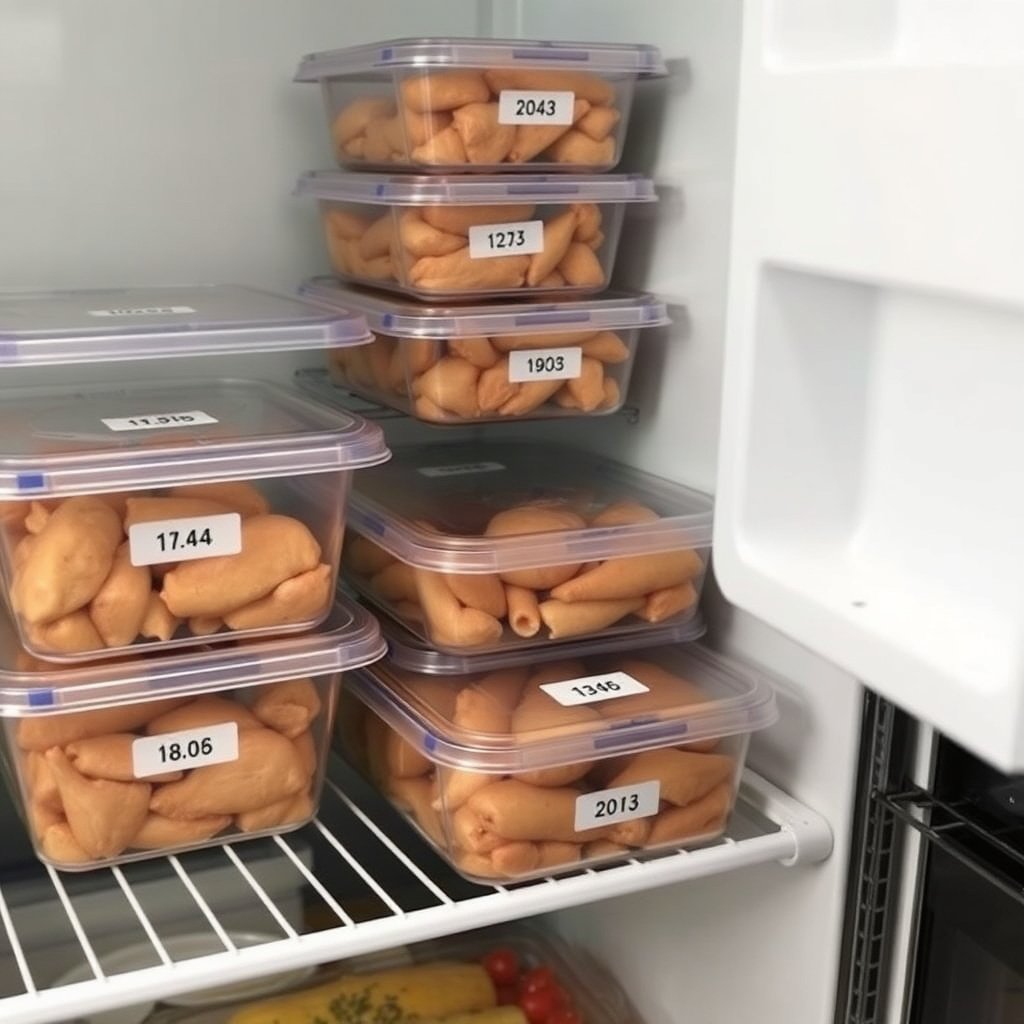
Cooked chicken generally remains safe to eat for three to four days when stored in the refrigerator at or below 40°F (4°C). Beyond that, the risk of bacterial growth such as listeria or salmonella increases, raising food safety concerns.
It's easy to forget that even if chicken looks and smells fine after several days, harmful bacteria may still be present. Always rely on the recommended time frame rather than appearance to ensure safety.
Impact of Initial Cooking and Cooling
How chicken is cooked and how quickly it's cooled can affect fridge storage duration. Proper cooking to an internal temperature of 165°F (74°C) kills harmful bacteria initially, while timely refrigeration prevents new bacterial growth.
Allowing chicken to cool at room temperature for more than two hours before refrigeration promotes bacterial proliferation. Hence, promptly refrigerating leftovers in shallow containers is a better practice.
- Cook chicken to 165°F internal temperature
- Cool leftovers within 2 hours
- Use shallow containers for faster cooling
Safe Storage Practices for Cooked Chicken
Best Way to Store Cooked Chicken
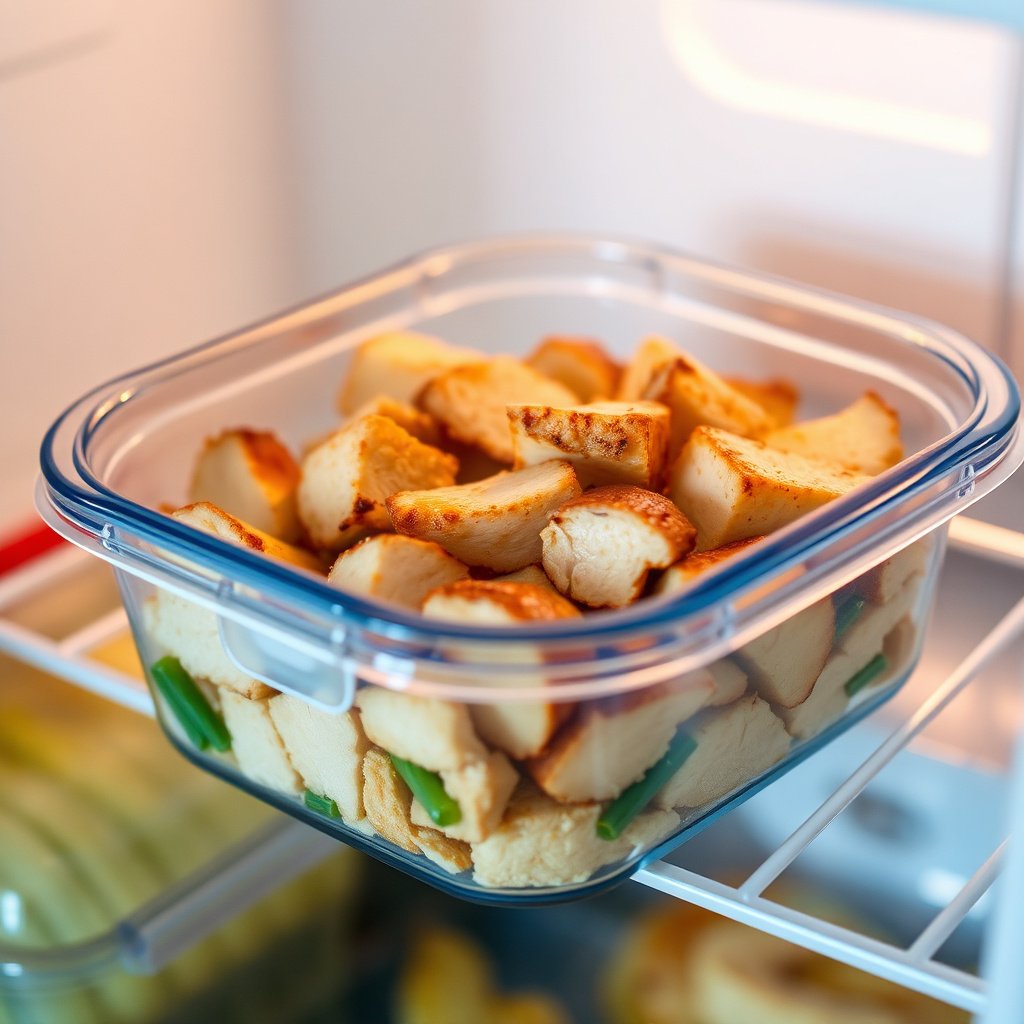
Storing cooked chicken in airtight containers or tightly sealed bags reduces exposure to air and bacteria in the fridge. Label containers with the date the chicken was cooked to monitor freshness accurately.
Avoid stacking large portions in one container as this slows cooling and may shorten the safe storage duration. Instead, portion chicken into smaller containers before refrigerating.
- Use airtight containers
- Label with cooking date
- Divide into small portions before storing
For more on this, see our related guide: How to Cook Chicken Breast on the Grill Perfectly: A Complete Guide.
Effect of Fridge Temperature and Placement
Maintaining a consistent refrigerator temperature at or below 40°F is critical for extending the shelf life of cooked chicken. Opening the fridge frequently or placing chicken near the door can expose it to warmer air and reduce safety.
Store cooked chicken on a middle or lower shelf where temperatures are steadier, rather than on the door or upper shelves.
- Keep fridge temperature ≤ 40°F
- Avoid storing chicken on fridge door
- Place chicken on middle or lower shelves
Identifying Spoiled Cooked Chicken
Visual and Textural Signs
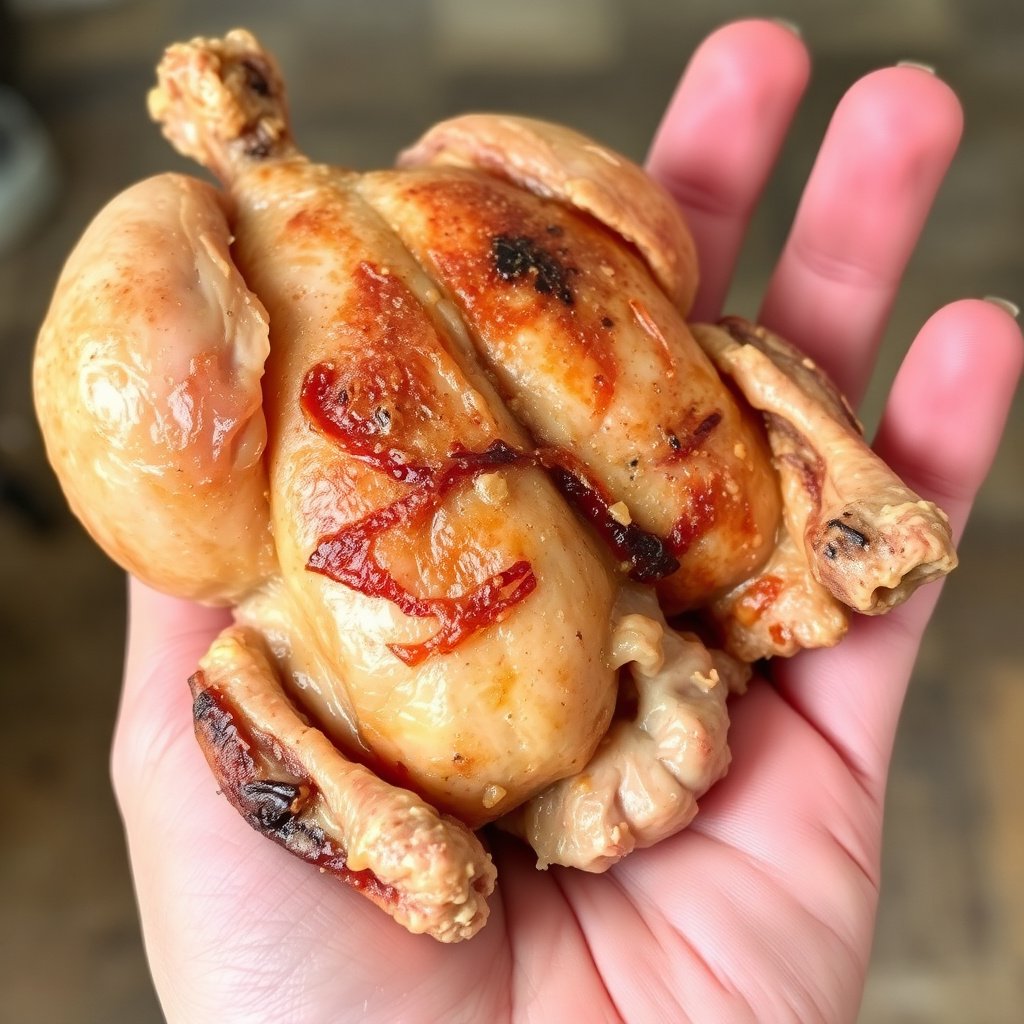
Spoiled cooked chicken often shows discoloration such as a grayish hue or dark spots. Additionally, a slimy or sticky texture is a common sign that bacteria have started breaking down the meat.
If any visible mold appears, discard the chicken immediately without tasting or smelling further.
Odor as a Clue
An off or sour smell coming from cooked chicken usually signals spoilage from bacterial activity. Fresh cooked chicken has a mild aroma without strong odors.
Trust your nose; any unpleasant or unusual odor means it’s best to avoid eating the chicken.
Reheating Cooked Chicken Safely
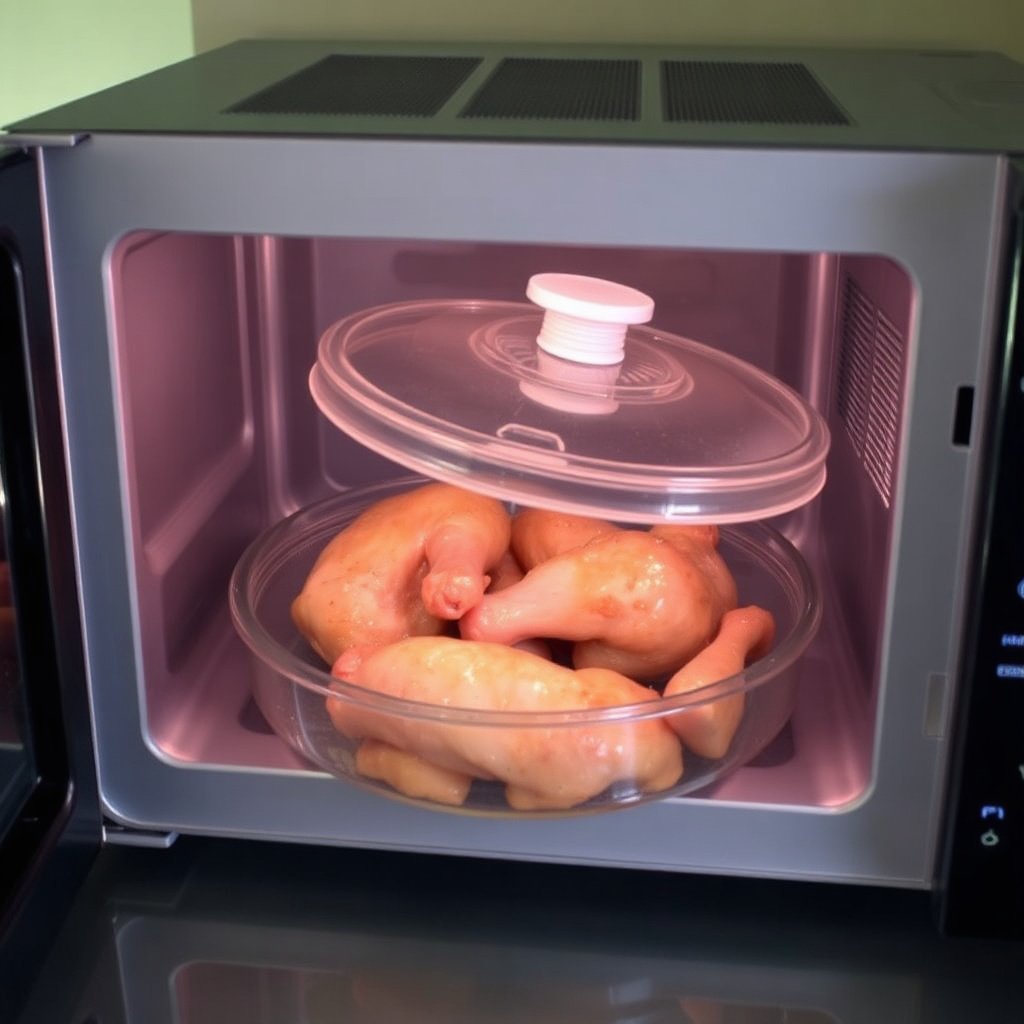
Proper Reheating Temperatures
Cooked chicken should be reheated to an internal temperature of 165°F (74°C) to ensure any potential bacteria are eliminated. Use a food thermometer to check the temperature, especially for thick pieces.
Avoid reheating chicken multiple times as repeated heating and cooling cycles increase food safety risks.
For more on this, see our related guide: How to Cook Chicken so It Stays Moist: 8 Proven Ways for Juicy Results.
Reheating Methods
Microwaving, oven baking, and stovetop heating are common methods for reheating cooked chicken. Covering the chicken during reheating helps retain moisture and heat evenly.
Stir or flip chicken pieces mid-heating for uniform temperature distribution and to prevent cold spots.
- Microwave covered chicken
- Use oven baking for even heating
- Flip pieces halfway through heating
Freezing Cooked Chicken for Longer Storage
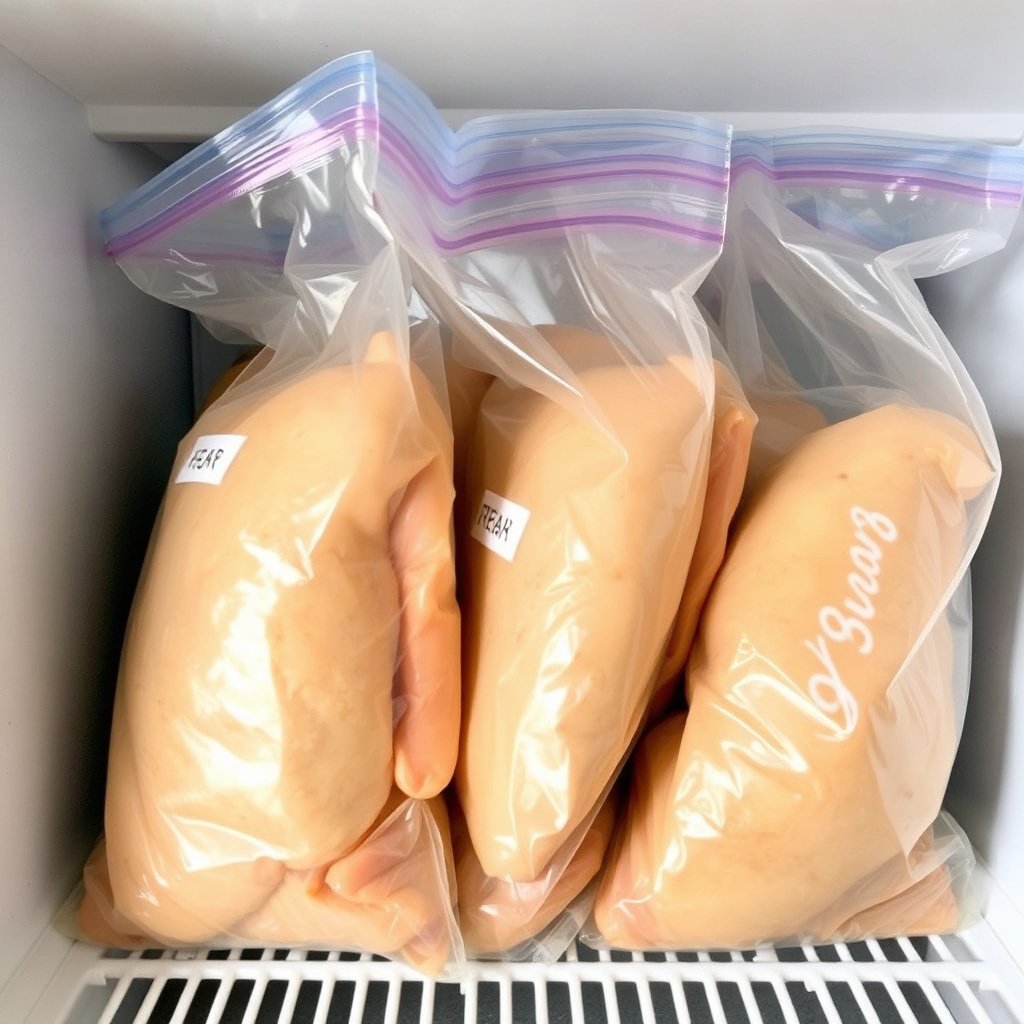
Freezing Guidelines
Freezing cooked chicken extends its storage life from days to months, typically up to four months while maintaining best quality. Use airtight freezer bags or containers to avoid freezer burn.
Label packages with freezing dates to track how long they have been stored and use older packages first.
- Freeze within 3-4 days of cooking
- Use airtight freezer bags or containers
- Label with freezing date
For official guidance on safe cooked chicken storage and handling, the USDA Food Safety and Inspection Service offers detailed recommendations. USDA Food Safety and Inspection Service.
Safe Thawing Methods
Thaw frozen cooked chicken in the refrigerator overnight to keep it within safe temperature zones. Avoid thawing at room temperature, which speeds bacterial growth.
If you need faster thawing, use the microwave’s defrost setting and reheat immediately afterward.
- Thaw in refrigerator overnight
- Avoid room temperature thawing
- Use microwave defrost if short on time
Cooked Chicken Storage Options Comparison
Here’s a comparison of how different storage methods affect the shelf life and quality of cooked chicken.
| Storage Method | Typical Shelf Life | Quality Impact | Safety Notes |
|---|---|---|---|
| Refrigeration (≤40°F) | 3-4 days | Maintains texture and flavor if sealed | Must refrigerate within 2 hours of cooking |
| Freezing (-0°F or below) | Up to 4 months | May cause slight texture changes | Thaw safely to avoid bacteria |
| Room Temperature | Less than 2 hours | Degrades quickly, unsafe beyond 2 hours | High risk of bacterial growth |
| Vacuum Sealing & Refrigeration | Up to 7 days | Better freshness retention | Sealing is critical |
| Vacuum Sealing & Freezing | 6-12 months | Preserves quality best | Proper thawing necessary |
Frequently Asked Questions
Can I eat cooked chicken after 5 days in the fridge?
It’s not recommended to eat cooked chicken stored longer than 4 days in the fridge as bacterial growth becomes unsafe beyond this period.
How should I store cooked chicken to last longer?
Storing cooked chicken in airtight containers and refrigerating promptly within 2 hours helps extend its fridge life to 3-4 days.
Is it safe to reheat cooked chicken multiple times?
Reheating cooked chicken multiple times is risky as repeated cooling and heating create opportunities for bacterial growth.
Can freezing cooked chicken kill bacteria?
Freezing slows bacterial growth but does not kill all bacteria. Proper reheating after thawing is necessary to ensure safety.
What does spoiled cooked chicken smell like?
Spoiled cooked chicken usually emits a sour, rancid, or unpleasant foul odor distinct from its normal mild cooked aroma.
Key Takeaways
- Cooked chicken lasts 3-4 days in the fridge when stored properly
- Use airtight containers and refrigerate within 2 hours of cooking
- Spoiled chicken shows off smells, discoloration, and slimy texture
- Freezing extends storage life up to 4 months with safe thawing
Conclusion
Determining how long cooked chicken lasts in the fridge requires considering cooking temperature, cooling speed, and storage method. Careful attention to proper refrigeration within two hours after cooking and airtight packaging offers the best safety margin while preserving taste and texture. Monitoring fridge temperature below 40°F can prevent premature spoilage and bacterial growth, allowing you to enjoy leftovers safely.
If you find yourself frequently storing cooked chicken for multiple days, portioning it into smaller containers and labeling with dates simplifies freshness tracking. For extended storage beyond four days, freezing cooked chicken is an excellent alternative, maintaining quality for months. When reheating, ensure an internal temperature of 165°F is reached to eliminate residual bacteria and prevent foodborne illnesses. Avoid reheating multiple times to reduce risks.
Ultimately, trusting sensory signs like smell and texture alongside adhering to recommended storage timelines protects your health. Start by refrigerating cooked chicken promptly in sealed containers, use leftover portions within the 3-4 day window, or freeze extra servings when needed. Keeping cooked chicken fresh and safe is straightforward with these practical steps, letting you relish your meals without concern.