How to Clean a Dishwasher for Best Performance and Longevity
Cleaning a dishwasher regularly is essential to keep it functioning well and free from bad odors. To clean your dishwasher, remove and wash the filter, wipe the interior, and run a cleaning cycle using vinegar or a dishwasher cleaner. This routine removes food debris, mineral buildup, and grease that impair performance.
Over time, leftover food particles, soap scum, and hard water deposits accumulate inside the dishwasher, which can cause unpleasant smells and reduce its efficiency. Keeping your dishwasher clean not only helps your dishes come out spotless but also extends the appliance's lifespan, saving you money and hassle.
This article will explain step-by-step how to clean a dishwasher, including cleaning removable parts like filters and spray arms, running cleaning cycles, troubleshooting common issues like odors and clogs, and tips for routine maintenance. Following these guidelines will keep your dishwasher working smoothly.
Removing and Cleaning Dishwasher Filters
Locating and Removing the Filter
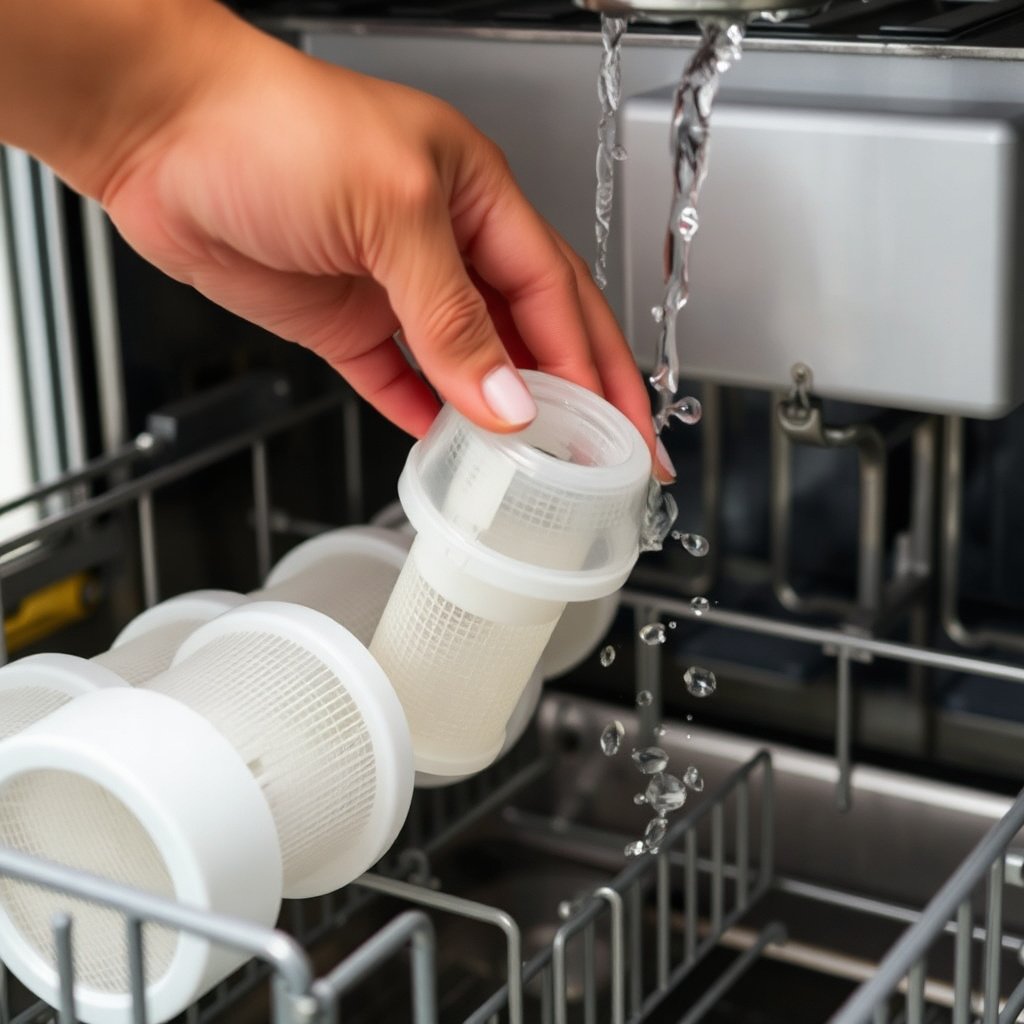
Most dishwashers have a cylindrical filter located at the bottom rack area. To access it, open the dishwasher door and remove the bottom rack for clearer access. Turn or pull out the filter assembly carefully, following your model's instructions to avoid damage.
Regular filter cleaning prevents food particles from clogging the drainage system and helps maintain water circulation. If the filter is heavily clogged, water may not drain correctly, leaving residue on dishes.
Cleaning and Reinstalling the Filter
Rinse the filter under warm running water and use a soft brush or sponge to gently scrub away trapped debris. Avoid harsh brushes that could damage the filter surface. Soaking the filter in a mixture of warm water and mild detergent for 10–15 minutes can loosen stubborn buildup.
Once clean, rinse thoroughly and reinstall the filter securely in its original position. A properly seated filter ensures effective cleaning cycles and prevents fine debris from recirculating inside the dishwasher.
Cleaning the Dishwasher Interior
Wiping Down Surfaces
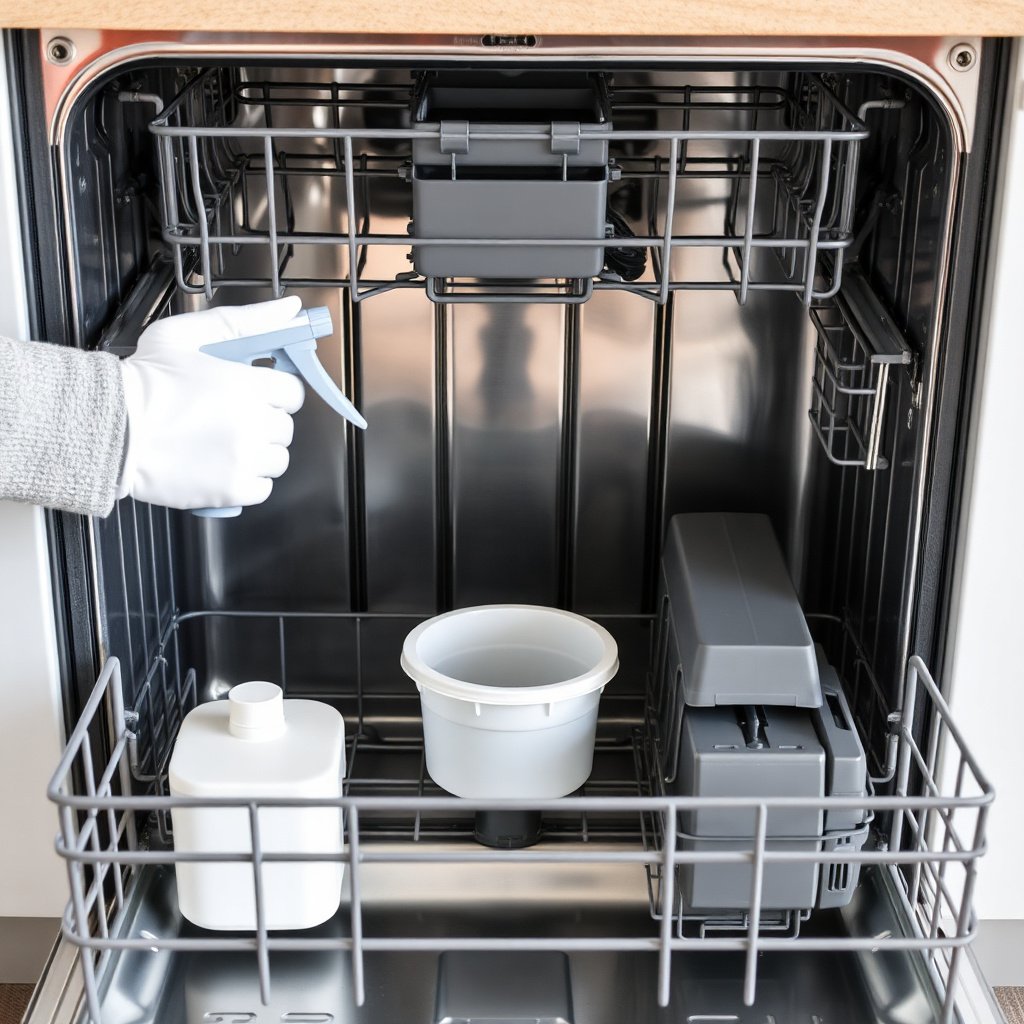
Using a damp cloth and mild detergent, wipe down the door edges, gasket seals, and the interior walls of the dishwasher. These areas often trap grime and leftover food particles that cause odors. Pay special attention to the door gasket, where mold growth can occur.
Avoid using abrasive cleaners or steel wool, which may scratch stainless steel interiors. For plastic interiors, a mixture of water and white vinegar effectively removes hard water stains without damage.
Cleaning Spray Arms and Nozzles
Spray arms distribute water to clean dishes, but they can become clogged with mineral deposits or debris. Remove the spray arms if possible and inspect the holes for blockages. Use a toothpick or small brush to clear any clogged nozzles carefully.
After cleaning, rinse the spray arms under warm water and reinstall them firmly. This keeps water spraying efficiently, improving cleaning performance and preventing cycle delays.
Running a Cleaning Cycle with Vinegar or Dishwasher Cleaner
Using White Vinegar
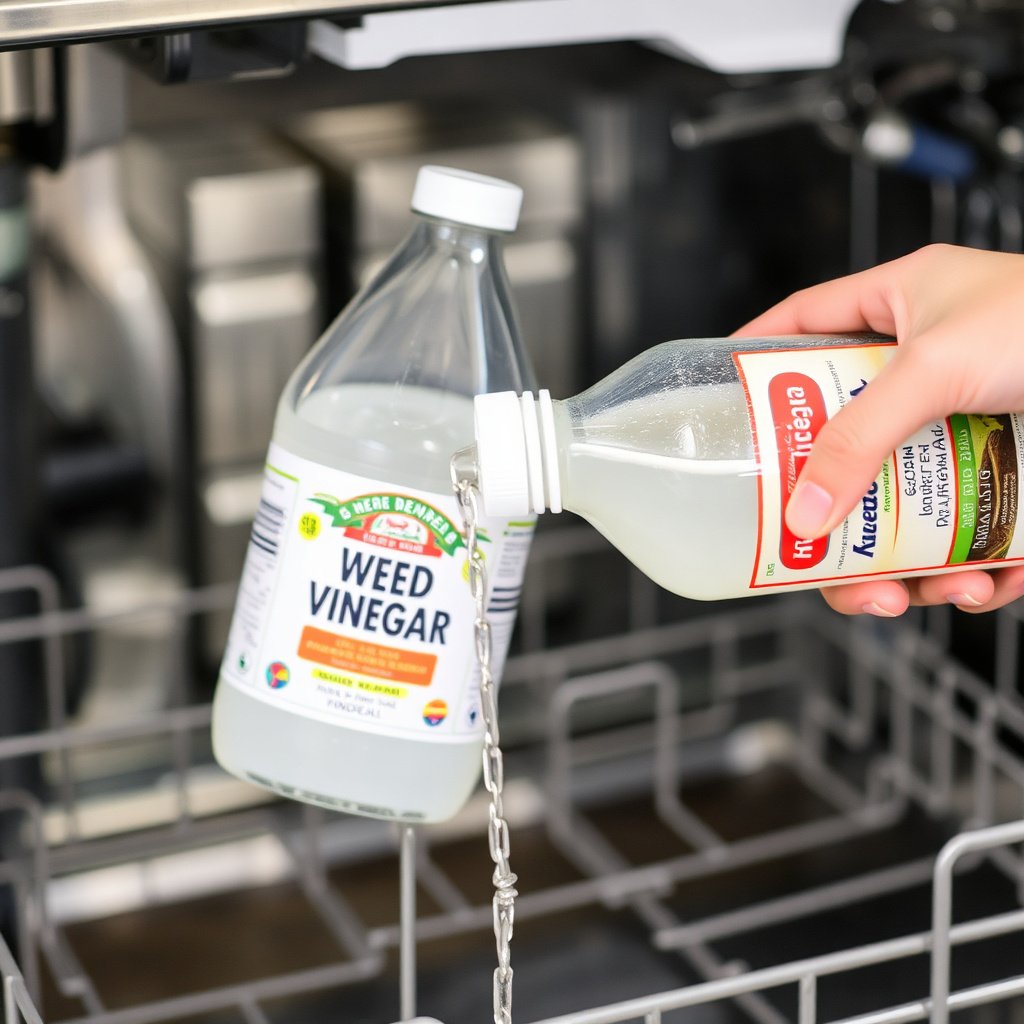
Place a cup filled with white vinegar on the top rack of your empty dishwasher and run a hot water cycle. The vinegar acts as a natural descaler, breaking down mineral deposits and eliminating odors. Avoid mixing vinegar with bleach or other chemicals.
This method is effective on most dishwashers and safe for regular monthly maintenance, leaving the interior fresh and residue-free.
For more on this, see our related guide: How to Choose the Most Reliable Brand Dishwasher for Long-Term Use.
Dishwasher Cleaning Products
Commercial dishwasher cleaners target grease, limescale, and buildup more aggressively. Follow the manufacturer's instructions carefully when using such products. Most require running an empty cycle with the cleaner placed in the detergent compartment.
Using these specialized cleaners periodically can tackle tougher stains and ensure the dishwasher runs efficiently over the long term.
Dealing with Odors and Mold
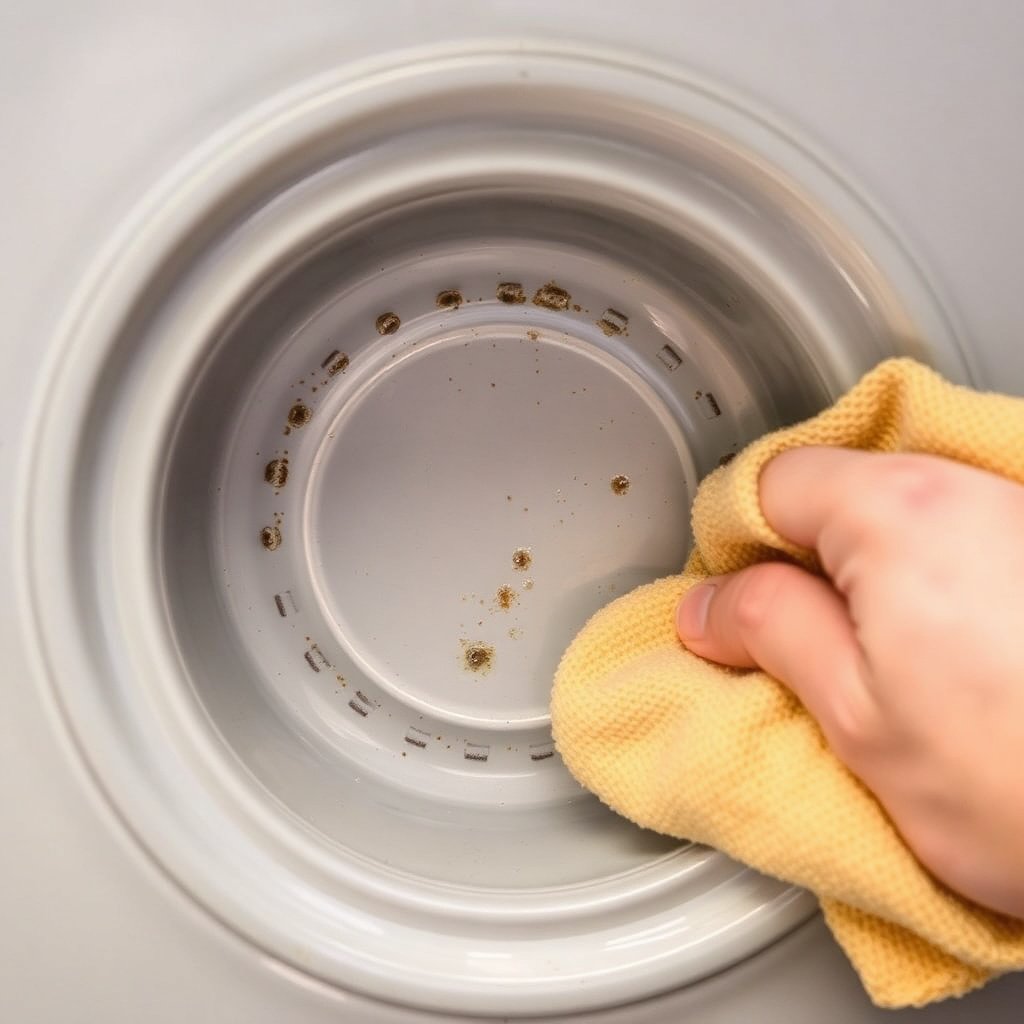
Eliminating Lingering Odors
Odors usually result from trapped food debris or stale water. Clean the filter and run a vinegar cycle as mentioned earlier. For persistent smells, sprinkle baking soda along the bottom of the dishwasher and run a short hot water cycle to neutralize odors.
Make sure to air-dry the dishwasher door partially open after use to prevent moisture buildup, which contributes to odors.
- Clean and rinse the filter regularly
- Run periodic vinegar or baking soda cycles
- Leave door slightly open to dry after use
Removing Mold and Mildew
Check the door gasket and seals for mold patches. Wipe with a solution of equal parts water and vinegar or a mild bleach solution if mold is visible. Use a soft cloth or toothbrush to reach crevices.
Regular cleaning of these areas, keeping the dishwasher dry between uses, and running cleaning cycles prevent mold buildup over time.
Routine Maintenance Tips for a Cleaner Dishwasher
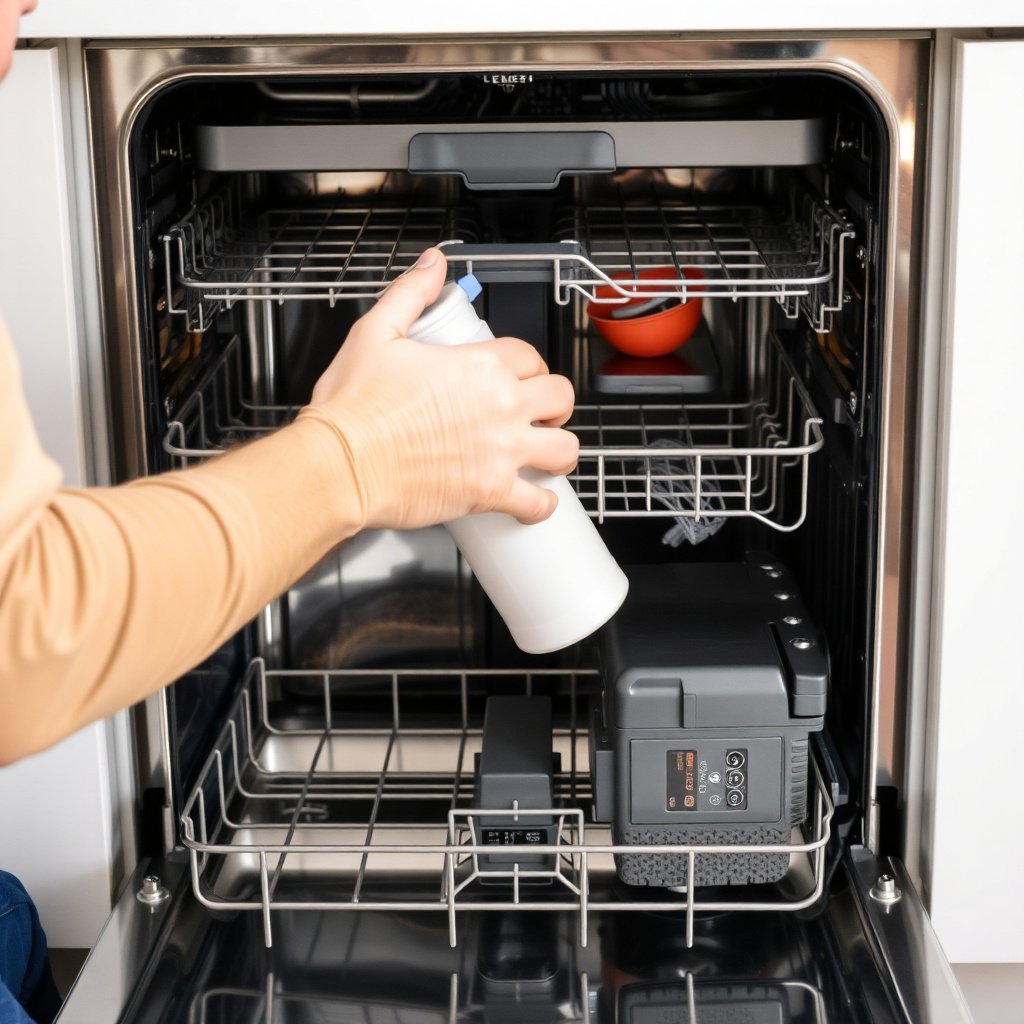
Regular Filter and Interior Cleaning
Set a schedule to clean your dishwasher filter every one to two weeks, especially if you use your dishwasher daily. Wipe the interior surfaces monthly to remove soap scum and residues. These small habits prevent accumulation of debris and maintain cleaning power.
Consistent upkeep avoids bigger cleaning jobs and mitigates unexpected malfunctions.
- Clean filter biweekly
- Wipe interior once a month
For more on this, see our related guide: How to Choose the Right LG Dishwasher Power Cord for Your Kitchen.
Using the Right Detergents and Rinse Aids
Choosing detergents designed for your water type (hard or soft) and using rinse aids reduces mineral spotting and residue buildup. Follow dosage instructions carefully to avoid detergent buildup, which can clog parts and cause unpleasant smells.
Correct soap use complements the best dishwasher cleaning methods and sustains efficient performance.
- Select detergents for your water hardness
- Use rinse aids to prevent spotting
Addressing Common Dishwasher Problems
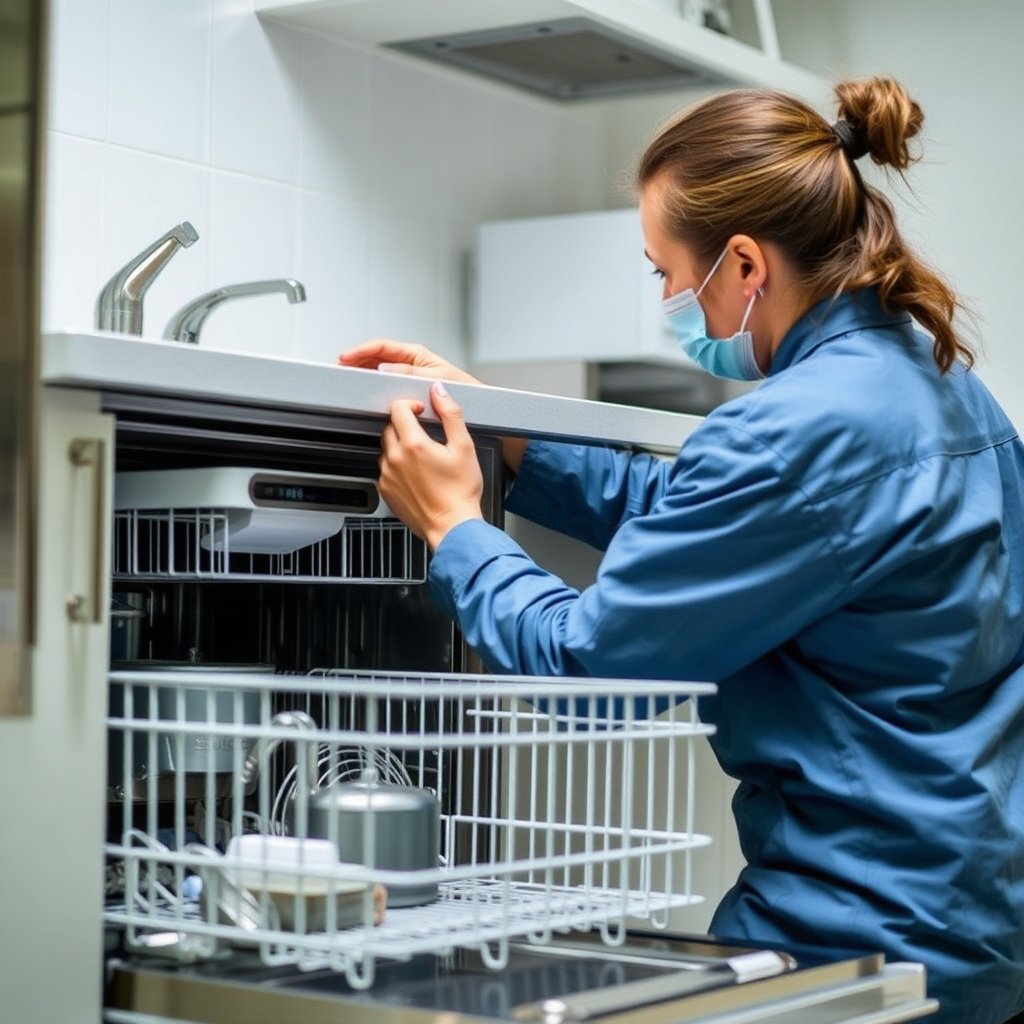
Fixing Slow Drainage and Clogs
Slow drainage may indicate a clogged filter, drain hose, or air gap. Begin by cleaning the filter and checking the drain hose for kinks or blockages. If clogged, carefully clear debris or replace the hose if damaged.
Regular cleaning helps avoid these issues, but repairs may be necessary if problems persist.
For detailed technical information and maintenance tips, refer to these dishwasher maintenance guidelines. dishwasher maintenance guidelines.
When to Call a Professional
If cleaning and basic troubleshooting don't resolve odors, leaks, or mechanical failures, a professional service technician can diagnose underlying issues. Complex problems with pumps, seals, or electronics often require expert repair.
Timely professional help protects your appliance investment and prevents worsening damage.
Dishwasher Cleaning Methods Comparison
Here’s a comparison of popular dishwasher cleaning methods to help you choose the best approach for your needs.
| Method | Effectiveness | Cost | Frequency Recommended |
|---|---|---|---|
| White Vinegar Cycle | High for mineral buildup and odors | Low (inexpensive) | Monthly |
| Commercial Dishwasher Cleaner | Very high for tough buildup | Medium to high | Every 2-3 months |
| Baking Soda Cycle | Moderate for odors | Low | Monthly or as needed |
| Manual Filter & Spray Arm Cleaning | Very high for debris removal | Low | Weekly to biweekly |
| Bleach Solution Wipe (for mold) | High for mold/mildew | Low | Occasional as needed |
Frequently Asked Questions
How often should I clean my dishwasher?
Cleaning the dishwasher filter every one to two weeks and running a vinegar or cleaner cycle monthly keeps your dishwasher performing well and free from odors or buildup.
Can I use bleach to clean my dishwasher?
Using dilute bleach to wipe moldy gaskets is safe, but avoid mixing bleach with vinegar or dishwasher detergent inside the machine, as this can create harmful fumes.
What causes my dishwasher to smell bad?
Bad odors often come from trapped food particles, standing water, or mold growth in filters, seals, or the bottom drain area. Regular cleaning prevents these smells.
Is vinegar safe for all dishwashers?
Vinegar is generally safe for stainless steel and plastic interiors but should be used alone during cleaning cycles because mixing it with bleach or other chemicals can be harmful.
Why is my dishwasher not draining properly?
Clogged filters, blocked drain hoses, or debris in the drain line can cause slow or no drainage. Cleaning these parts usually resolves the issue.
Key Takeaways
- Regular cleaning of filters and spray arms prevents clogging and improves cleaning.
- Running vinegar or commercial cleaner cycles removes mineral buildup and odors.
- Wiping seals and door gaskets helps avoid mold and unpleasant smells.
- Proper detergent use complements cleaning routines for best dishwasher performance.
Conclusion
Effectively cleaning a dishwasher combines mechanical cleaning of removable parts like filters and spray arms with chemical cleaning cycles using vinegar or specialized cleaners. Regular attention prevents food debris and mineral buildup that reduce performance and create odors. By establishing a routine maintenance schedule, you safeguard the appliance’s efficiency and extend its operational life, saving on repairs and replacements.
For those seeking simple upkeep, manual filter cleaning plus monthly vinegar cycles are excellent. If facing stubborn buildup or odors, adding commercial dishwasher cleaning products every few months delivers stronger results. Handling mold or mildew requires occasional wiping of door seals and gaskets with vinegar or safe bleach solutions. Tackling common symptoms early prevents escalation and ensures spotless dishes from every cycle.
Begin by identifying your dishwasher’s specific cleaning needs based on usage and water hardness. Start with manual filter cleaning and interior wiping, then add routine vinegar cycles. If issues persist or mechanical problems arise such as drainage or spray arm blockages, consider professional inspection. Taking these practical steps will keep your dishwasher running reliably, saving time and delivering clean dishes consistently.