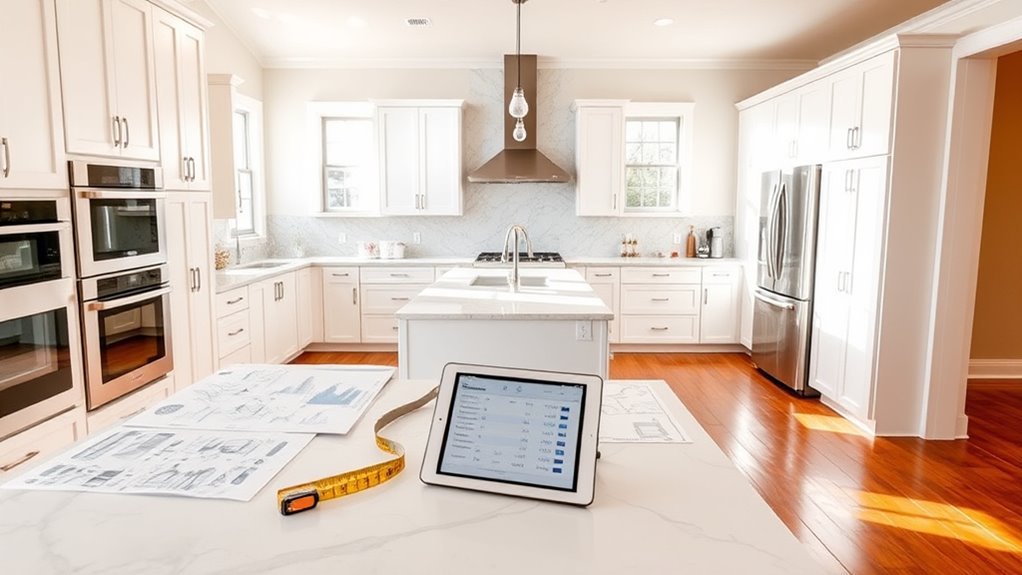
How Much to Remodel Kitchen? The Complete Answer
Thinking about remodeling your kitchen but feeling overwhelmed by the costs? You’re not alone—many homeowners struggle with figuring out how much a kitchen renovation will actually cost.
It’s a big project, and knowing what to expect can be tricky. Remodeling your kitchen can cost anywhere from a few thousand dollars for basic updates like paint and hardware to tens of thousands for full overhauls with high-end materials and smart appliances.
Your budget will depend largely on layout changes, material quality, and labor costs in your area.
Plan for hidden expenses by setting aside a contingency fund, and get multiple detailed quotes to avoid surprises.
Keep going to uncover how to save smartly and finance your project.
Key Takeaways
- Basic kitchen remodels usually cost a few thousand dollars, but adding high-end features or doing a full overhaul can really increase the price.
- The main factors impacting costs are changing the layout, the quality of materials, and current design trends.
- It’s a good idea to set aside a contingency fund of 10-20% for unexpected expenses and keep track of all costs throughout the project.
- Labor and material prices can vary a lot, so getting multiple detailed quotes helps you budget accurately and ensures good quality.
- You can consider financing options like Home Equity Loans, HELOCs, Personal Loans, and FHA 203(k) loans to help cover the remodeling costs.
Kitchen Remodel Costs: What to Expect

Wondering how much a kitchen remodel will set you back? Costs can vary a lot depending on what you decide to do.
A basic update like paint, hardware, and small layout tweaks might only cost a few thousand dollars.
If you’re interested in the latest design trends—think open shelving, smart appliances, or quartz countertops—you should expect to spend more to include those features.
Key Factors That Influence Kitchen Remodel Prices
Although kitchen remodel costs can vary a lot, several key factors directly influence the final price. Knowing these can help you plan your budget better.
Kitchen Layout: Changing the layout—like moving plumbing or electrical fixtures—can really drive up costs. Sticking with your current layout usually saves you money.
Materials and Finishes: The cabinets, countertops, and flooring you choose will affect the price. High-end materials cost more but can boost your kitchen’s value over time.
Design Trends: Adding the latest trends, such as smart appliances or open shelving, might increase costs. But they can also make your kitchen more stylish and functional.
Labor and Permits: The cost of skilled labor and permits depends on your location and project complexity. These factors can significantly impact your total budget.
Comparing Costs: Minor Updates vs. Full Overhauls
When deciding how much to spend on your kitchen remodel, you’ll see that minor updates and full overhauls come with very different price tags. Minor updates, like swapping out hardware, repainting cabinets, or upgrading light fixtures, usually need a smaller budget and take less time.
These changes focus on refreshing your kitchen’s look based on your style preferences without major construction. On the other hand, full overhauls involve extensive design choices—new cabinetry, flooring, appliances, and layout adjustments—leading to higher costs and longer timelines.
While full overhauls require more upfront investment, they often provide a bigger return by increasing your home’s value and functionality. Your priorities as a homeowner—whether you want a quick facelift or a complete transformation—will guide your decision.
Understanding these differences helps you balance your budget, style, and timeline so your remodel lines up with what matters most to you.
Budgeting Tips to Avoid Unexpected Expenses
Because kitchen remodels often uncover hidden issues, it’s smart to build a contingency fund into your budget to cover unexpected expenses. Setting aside about 10-20% helps you handle surprises without stress.
To keep your project on track, follow these budgeting tips:
- Create a detailed budget upfront, including labor, permits, and small costs.
- Use expense tracking tools or apps to keep an eye on every purchase and payment in real time.
- Stay in regular contact with your contractor to catch potential changes or issues early.
- Prioritize repairs or upgrades that might reveal further problems so you can address them upfront.
Material and Appliance Costs in Kitchen Remodels
Since materials and appliances make up a large part of your kitchen remodel budget, understanding their costs helps you make smarter choices. You’ll see that appliance brands can vary a lot in price, so balancing reliability with your budget is key.
Premium brands often come with advanced features and longer warranties, but mid-range options can still be great quality at a lower cost. Material quality also greatly impacts your expenses.
For example, quartz countertops typically cost more than laminate but offer better durability and looks. Similarly, solid wood cabinets may be pricier than MDF but tend to last longer and look more upscale.
Labor Costs and Hiring Pros for Your Kitchen Remodel
Although materials and appliances make up a big part of your kitchen remodel budget, labor costs can add up quickly and significantly impact your overall expenses. Knowing about labor rates and hiring tips can help you manage this important part effectively.
Here’s what you should keep in mind:
- Know the labor rates: Check local rates for contractors, electricians, and plumbers so you won’t be caught off guard.
- Get multiple quotes: Comparing estimates ensures you get fair prices and quality work.
- Check credentials: Make sure your pros are licensed, insured, and have good references to hire trustworthy people.
- Clarify the scope: Be specific about project details to avoid costly change orders later on.
How to Save Money on Your Kitchen Remodel Without Cutting Corners
Looking to save some cash on your kitchen remodel without sacrificing style? One way to do that is by picking smart materials — things that look fantastic but don’t break the bank. Sometimes, it’s all about finding that perfect balance between quality and affordability.
And don’t forget, deciding whether to roll up your sleeves and do it yourself or hire a pro can make a big difference in your budget. Doing some projects on your own can save you a lot, but it’s important to know which jobs you’re comfortable tackling and which ones are better left to the experts. Let’s take a closer look at how you can make these choices work for you.
Smart Material Choices
When planning your kitchen remodel, choosing the right materials can make a big difference in both cost and quality. You don’t have to sacrifice style or sustainability to stay on budget. Here are smart material choices to evaluate:
- Opt for eco-friendly options like bamboo flooring or recycled glass countertops to reduce environmental impact without raising costs.
- Choose durable laminates with innovative designs that mimic expensive materials but cost less and last longer.
- Select mid-range quartz countertops; they offer great durability and style at a reasonable price compared to granite or marble.
- Pick solid wood cabinets with veneer finishes to achieve a high-end look without the hefty price tag.
These choices help you save money while ensuring your kitchen looks modern and lasts for years.
DIY vs Professional
Deciding whether to tackle your kitchen remodel yourself or hire a professional can really impact your budget and how successful the project is.
DIY has its perks like saving money and having full control over the design. But you need to think about the time it will take and whether you have the skills for the job.
If your project is small and you have basic skills, DIY could be a good choice. But hiring a professional ensures quality and that tricky tasks are handled efficiently.
Professionals can save you money in the long run by avoiding costly mistakes. When weighing costs, consider not just the upfront expenses but also your time and how durable the results will be.
Thinking about all these factors will help you choose the best approach for your kitchen remodel without sacrificing quality.
Hidden Costs to Watch for in Kitchen Remodeling
Although kitchen remodeling budgets often cover visible expenses like cabinets and appliances, hidden costs can quickly add up and catch you off guard. You need to be aware of these common hidden expenses to keep your project on track and within budget.
Hidden kitchen remodel costs can surprise you; stay informed to keep your project on budget and on track.
- Permitting costs. Securing permits is necessary, but unexpected fees can vary by location.
- Utility upgrades. Older homes often need electrical or plumbing updates, which can add to your expenses.
- Disposal fees. Removing debris and old materials isn’t free—haulage and landfill charges can add up.
- Contractor markups and project delays. Some contractors add markups on materials, and delays can increase labor costs.
Additionally, design changes during remodeling often lead to extra charges. By anticipating these hidden expenses, you can avoid surprises and better manage your kitchen remodel’s financial side.
How to Get Accurate Quotes and Pick the Right Contractor
Getting accurate quotes is really about doing a bit of homework. Try to gather estimates from several contractors so you can compare what they’re offering. Pay close attention to what each quote includes—sometimes cheaper isn’t better if it’s missing important work.
Also, don’t forget to verify their credentials. It’s a good idea to look at their past projects or ask for references. Seeing their previous work can give you peace of mind that they’re experienced and reliable.
Taking these simple steps can make a big difference in finding the right contractor for your kitchen remodel and making sure everything goes smoothly.
Comparing Contractor Estimates
When you compare contractor estimates, you’ll get a clearer picture of the true cost and scope of your kitchen remodel. Start by requesting a detailed breakdown from each contractor so you can see the costs for materials, labor, and the timeline.
Next, evaluate how well the contractor communicates. Are they prompt and clear when answering your questions? Good communication can make the whole process smoother.
Third, make sure the estimates cover the same scope. This way, you’re comparing apples to apples and avoiding surprises. Check for any hidden fees or exclusions that could impact your budget.
Verifying Credentials and Experience
Before you commit to a contractor, verify their credentials and experience to ensure you get accurate quotes and quality work. Start by checking their licensing, insurance, and relevant certifications—these prove they meet industry standards.
Don’t hesitate to ask for references or examples of previous projects to confirm their expertise. Conduct experience verification by contacting past clients or reviewing online ratings; this helps you understand their reliability and craftsmanship.
Also, confirm how long they’ve been in business, as seasoned contractors often handle unexpected issues more efficiently. Taking these steps not only helps you avoid costly mistakes but also ensures you pick a qualified and trustworthy contractor.
This leads to a smoother kitchen remodel and a fair, accurate estimate.
Financing Your Kitchen Remodel: Options and Advice
Although remodeling your kitchen can boost your home’s value and make it more functional, it often requires a big financial commitment. To manage costs effectively, exploring kitchen financing options is key.
You have several renovation loan types to consider, each with its own advantages. Here are four common ways to finance your remodel:
- Home Equity Loan: Borrow against your home’s value for a lump sum, usually with a fixed interest rate.
- Home Equity Line of Credit (HELOC): Access funds as needed, paying interest only on what you use.
- Personal Loan: Quick approval and no collateral required, but interest rates might be higher.
- FHA 203(k) Loan: A government-backed loan that covers both purchase and renovation costs.
Think about your credit, budget, and timeline when choosing the right option. Picking the right financing will help you complete your kitchen remodel without stressing your finances.
Frequently Asked Questions
How Long Does a Typical Kitchen Remodel Take to Complete?
You can expect a typical kitchen remodel to take about 6 to 12 weeks, depending on your kitchen timeline and the complexity of remodeling phases.
You’ll move through planning, demolition, installation, and finishing touches. Each phase requires time for contractors, inspections, and material deliveries.
Staying organized and communicating clearly helps keep your kitchen timeline on track, so you won’t face unnecessary delays during your remodeling phases.
What Are the Latest Kitchen Design Trends for 2024?
You know what they say: “The early bird catches the worm.” If you want to stay ahead, consider open concept kitchens—they make your space feel bigger and more inviting, perfect for get-togethers.
Don’t forget to upgrade with smart appliances; they make cooking and cleaning so much easier while also saving energy.
Mixing natural materials with sleek, minimalist designs is also trending. So, try combining style with functionality to keep your kitchen fresh and modern in 2024.
How Can I Make My Kitchen More Eco-Friendly During Remodeling?
You can make your kitchen more eco-friendly by choosing sustainable materials like bamboo or recycled wood for cabinets and countertops.
Installing energy-efficient appliances helps cut down on electricity use and lowers your carbon footprint. Don’t forget to use low-VOC paints and LED lighting to improve indoor air quality and save energy.
Also, consider water-saving fixtures to reduce water waste. These steps make your remodel greener and more budget-friendly over time.
What Permits Are Required for a Kitchen Remodel?
Regarding kitchen permits, you’ve got to cross your t’s and dot your i’s. You’ll usually need permits for electrical, plumbing, and structural changes during your kitchen remodel.
Local remodeling rules vary, so it’s a good idea to check with your city’s building department before you start.
Getting the right kitchen permits keeps your project legal and safe. It also helps prevent costly delays or fines.
Don’t skip this step. It’s the backbone of a smooth and successful remodel.
How Do I Choose the Best Kitchen Layout for My Space?
To choose the best kitchen layout for your space, focus on optimizing workflow by arranging the sink, stove, and refrigerator in a convenient triangle.
Think about your cooking habits and how you move between tasks to make everything smoother.
Measure your space carefully to ensure cabinets and appliances fit without feeling crowded.
Prioritize space by including enough storage and plenty of countertop areas.
And don’t forget to leave clear pathways so your kitchen stays functional and comfortable.
Conclusion
If you think kitchen remodels are just about swapping a few cabinets, think again—your wallet might scream louder than your blender! But don’t panic. With smart budgeting, savvy shopping, and the right contractor, you can turn your dream kitchen into reality without selling a kidney.
Remember, every dollar counts, so plan carefully, watch for hidden costs, and save where it matters. Your perfect kitchen makeover is just a decision away. When it comes to remodeling your kitchen, understanding the costs involved can make all the difference.