How to Clean a Stovetop: Effective Methods for Sparkling Results
Cleaning a stovetop effectively starts by identifying the type of stovetop you have—gas, electric coil, or smooth glass—then using appropriate tools and cleaners for each. Immediate cleanup of spills prevents buildup, but for tougher stains, a combination of scrubbing, soaking, and specific cleaners is necessary to restore shine and functionality.
A clean stovetop is essential not only for aesthetic reasons but also for safety and hygiene in your kitchen. Food grease and burnt residues can affect cooking performance and even cause unpleasant odors or smoke. Knowing the right cleaning techniques tailored to your stovetop’s material ensures you avoid damage while achieving a thorough clean.
This guide breaks down how to clean various stovetop types, explores the best cleaning agents and tools, and shares step-by-step instructions for removing stubborn stains and maintaining your stovetop’s appearance with minimal effort.
Understanding Different Stovetop Types
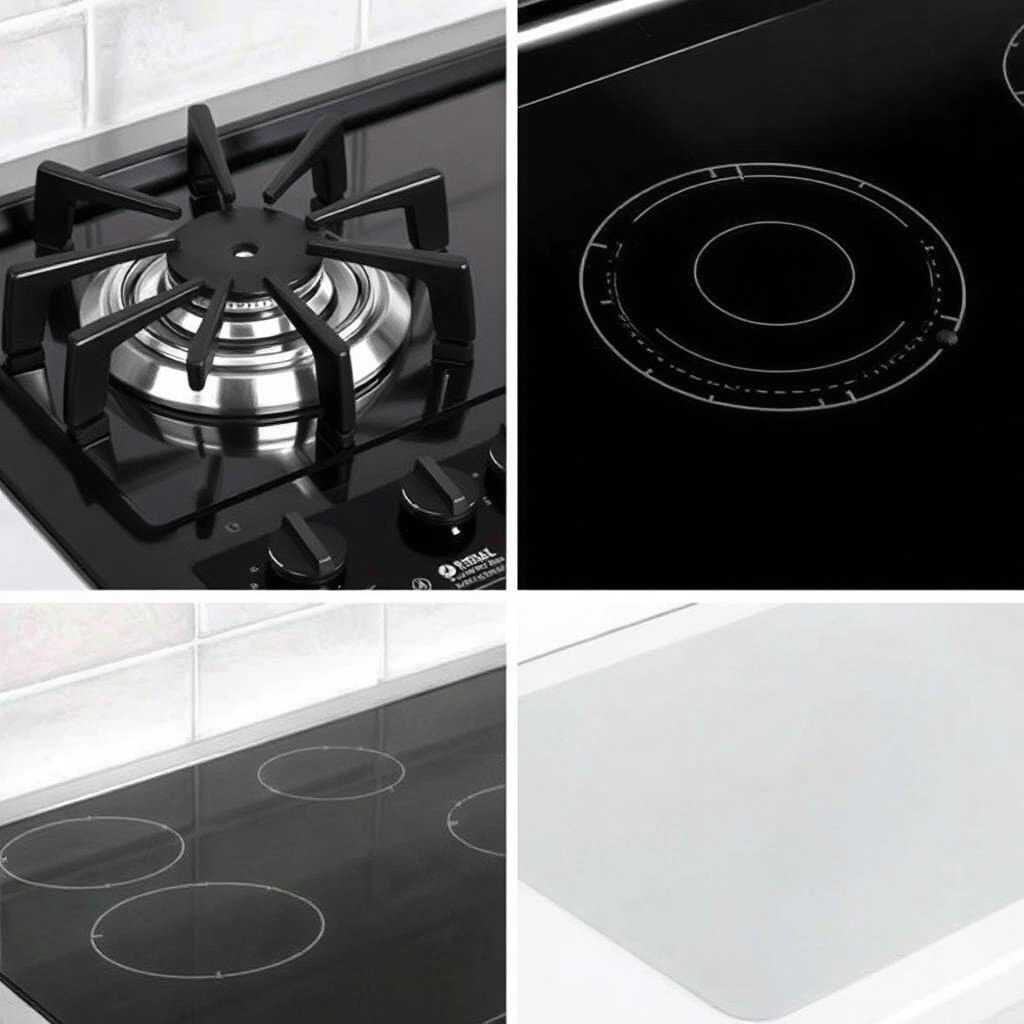
Gas Stovetops
Gas stovetops feature removable burner grates and caps, which can be cleaned separately for thorough degreasing. The exposed burners and drip pans often accumulate food spills and grease, requiring targeted scrubbing and sometimes soaking to loosen caked-on grime.
Because of open flames, choosing non-flammable cleaners and ensuring all parts are dry before reassembly is key to safe operation. Regular maintenance of burner ports is also necessary to maintain even heating.
- Removable grates ease cleaning
- Avoid harsh chemicals that can corrode metal
- Ensure burner ports are not clogged
Electric Coil Stovetops
Electric coil stovetops have raised heating elements and removable drip pans beneath. Cleaning requires removing the coils carefully, wiping down the drip pans, and cleaning the area beneath the coils without saturating electrical components.
Due to the coils’ vulnerability to water and harsh chemicals, mild detergents and gentle scrubbing are recommended. It’s important to dry components thoroughly before reinserting them to prevent electrical hazards.
- Remove coils gently before cleaning
- Use mild detergent on drip pans
- Avoid wetting electrical parts
How to Clean a Stovetop Efficiently
Daily Quick Cleaning
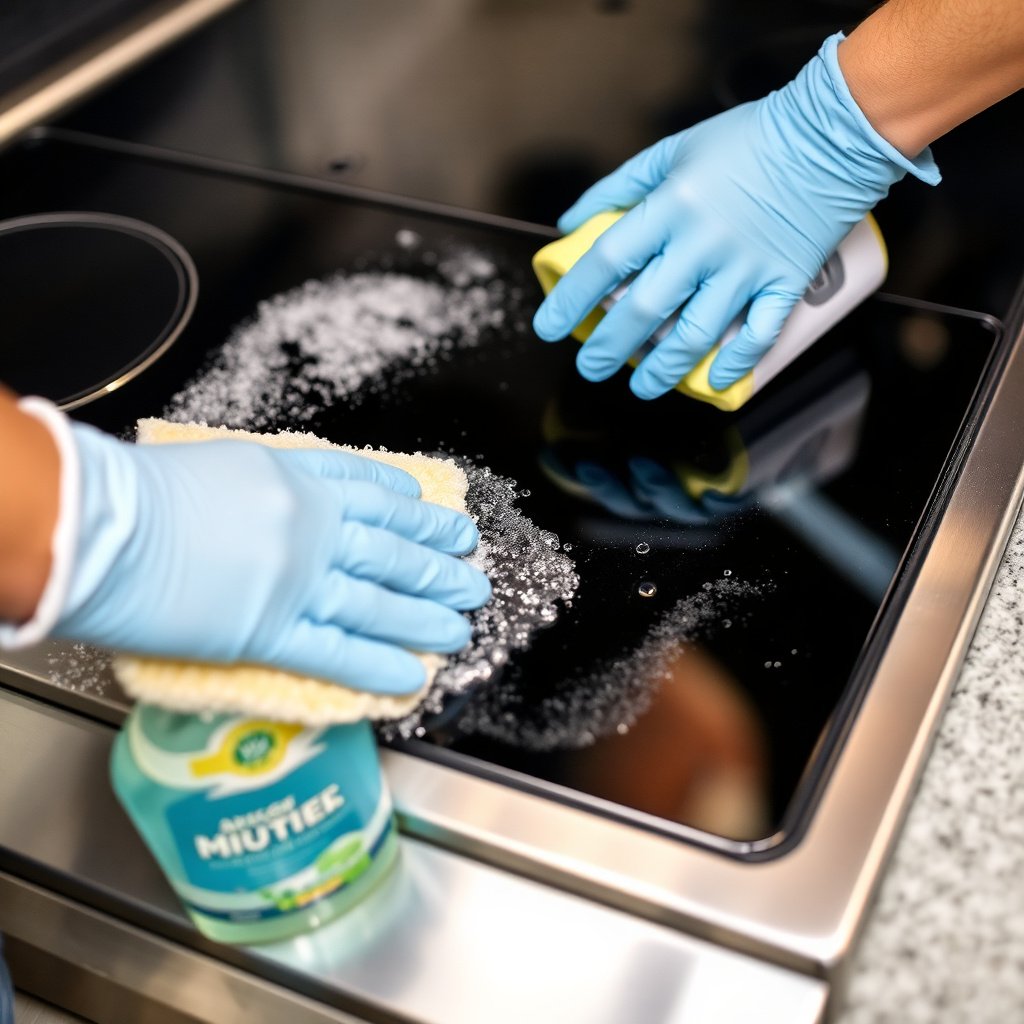
Wipe down your stovetop after every use while it is still warm (not hot) to prevent buildup. Use a damp cloth or sponge with a mild dish detergent to remove fresh spills and prevent stains from setting.
For glass and ceramic stovetops, avoid abrasive scrubbers; instead, use a soft cloth to keep surfaces scratch-free. Quick cleaning helps prolong the lifespan of your stovetop and simplifies deeper cleaning sessions.
- Use mild detergent solution
- Wipe while surface is slightly warm
- Avoid abrasive materials on glass surfaces
Dealing with Grease and Stubborn Stains
To tackle tough grease, spray a degreaser or a mixture of vinegar and baking soda onto the affected area and let it sit for 10-15 minutes. Scrub with a nonabrasive sponge or brush to lift residues without damaging the stovetop finish.
For burnt-on food, soak removable parts like burner grates or drip pans in hot soapy water or a vinegar solution to loosen debris, then scrub with a brush or nylon scrubber before rinsing and drying.
- Apply degreaser or vinegar-baking soda mix
- Soak removable parts in hot soapy water
- Use nonabrasive scrubbers for scrubbing
Recommended Tools and Cleaning Products
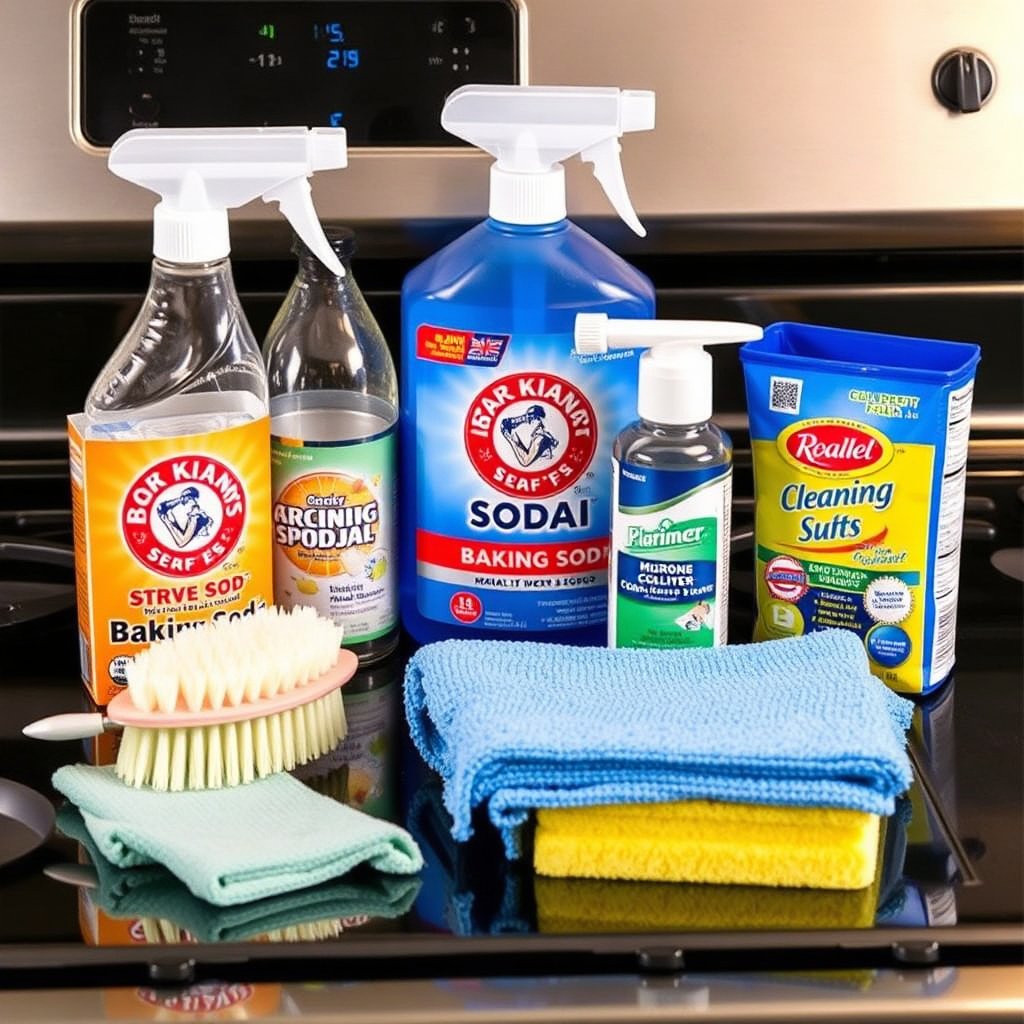
Essential Cleaning Tools
Key tools for cleaning a stovetop include microfiber cloths for wiping, soft-bristled brushes and nylon scrubbers for loosening grime, and plastic scrapers for removing stubborn burnt residues without scratching surfaces.
Using dedicated cleaning tools designed for kitchen use safeguards your stovetop’s materials and enhances cleaning effectiveness without excessive effort or damage.
- Microfiber cloths
- Soft-bristled brushes
- Nylon or plastic scrapers
- Nonabrasive sponges
For more on this, see our related guide: How to Clean Kitchen Appliances: A Step-by-Step Guide.
Best Stovetop Cleaning Products
Selecting the best stovetop cleaning products depends on your stove material. Glass and ceramic surfaces benefit from specialized cream cleaners or sprays with gentle polishing agents, while gas and electric coil stoves can handle stronger degreasers and multi-surface sprays.
Natural options like baking soda and vinegar are excellent for non-toxic cleaning and are widely used as inexpensive alternatives for everyday maintenance and stain removal.
- Cream ceramic stovetop cleaners
- Commercial degreasers for metals
- Baking soda and vinegar mixtures
- Mild dish detergents
Maintaining Your Stovetop for Longevity
Regular Cleaning Schedule
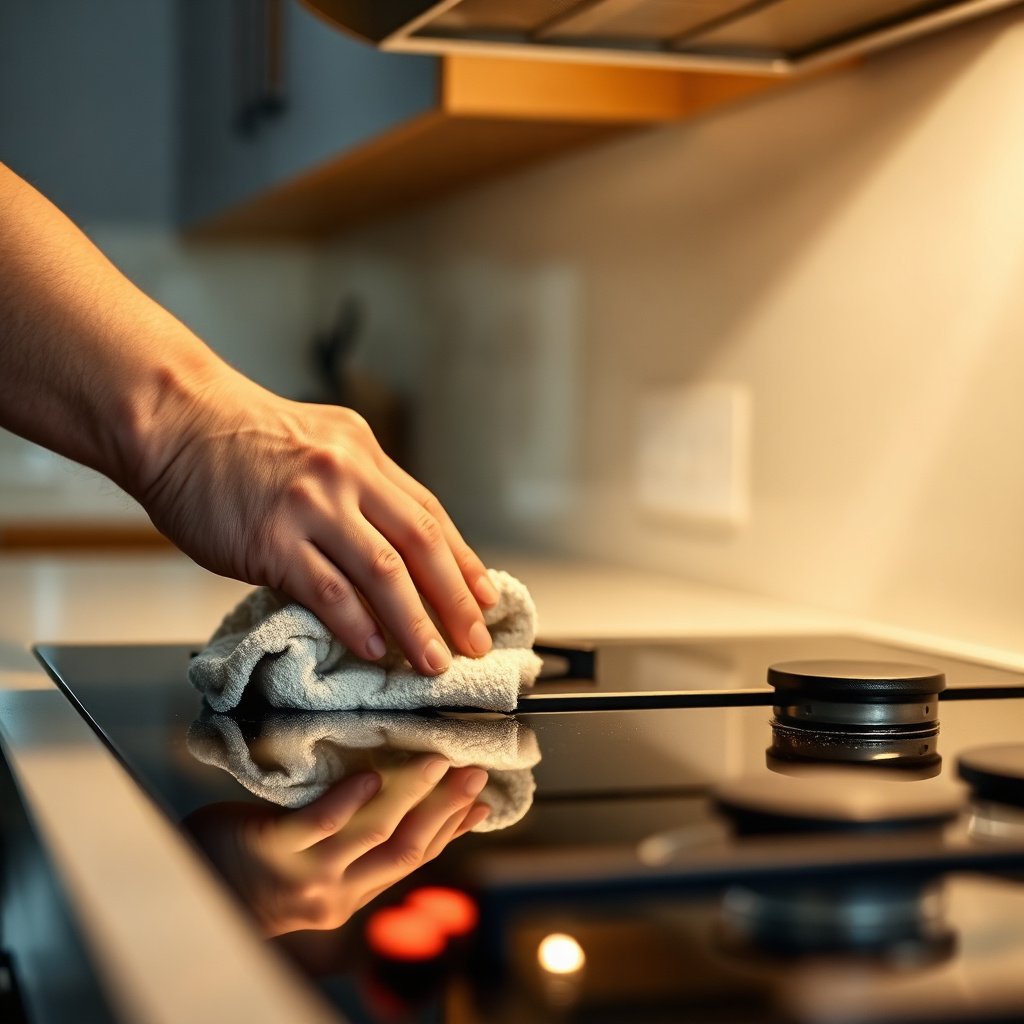
Establishing a consistent cleaning routine helps prevent grime buildup and simplifies each cleaning session. Aim to wipe spills immediately after use and conduct a more thorough clean weekly, depending on cooking frequency.
Routine upkeep preserves the appearance, prevents odors, and maintains the optimal functionality of burners and heating elements over time.
- Wipe daily after cooking
- Deep clean weekly
- Inspect burners and components monthly
Avoiding Damage During Cleaning
Avoid harsh abrasive pads and steel wool, especially on glass or ceramic stovetops, as they can cause scratches and dullness. Always use cleaners recommended for your stovetop type and rinse thoroughly to prevent chemical residues.
Be cautious with excess water near electrical components in electric coil stoves and ensure all parts are dry before turning the stove back on.
- Use manufacturer-approved cleaning products
- Never use steel wool on glass surfaces
- Dry parts completely before use
Special Considerations for Glass and Ceramic Stovetops
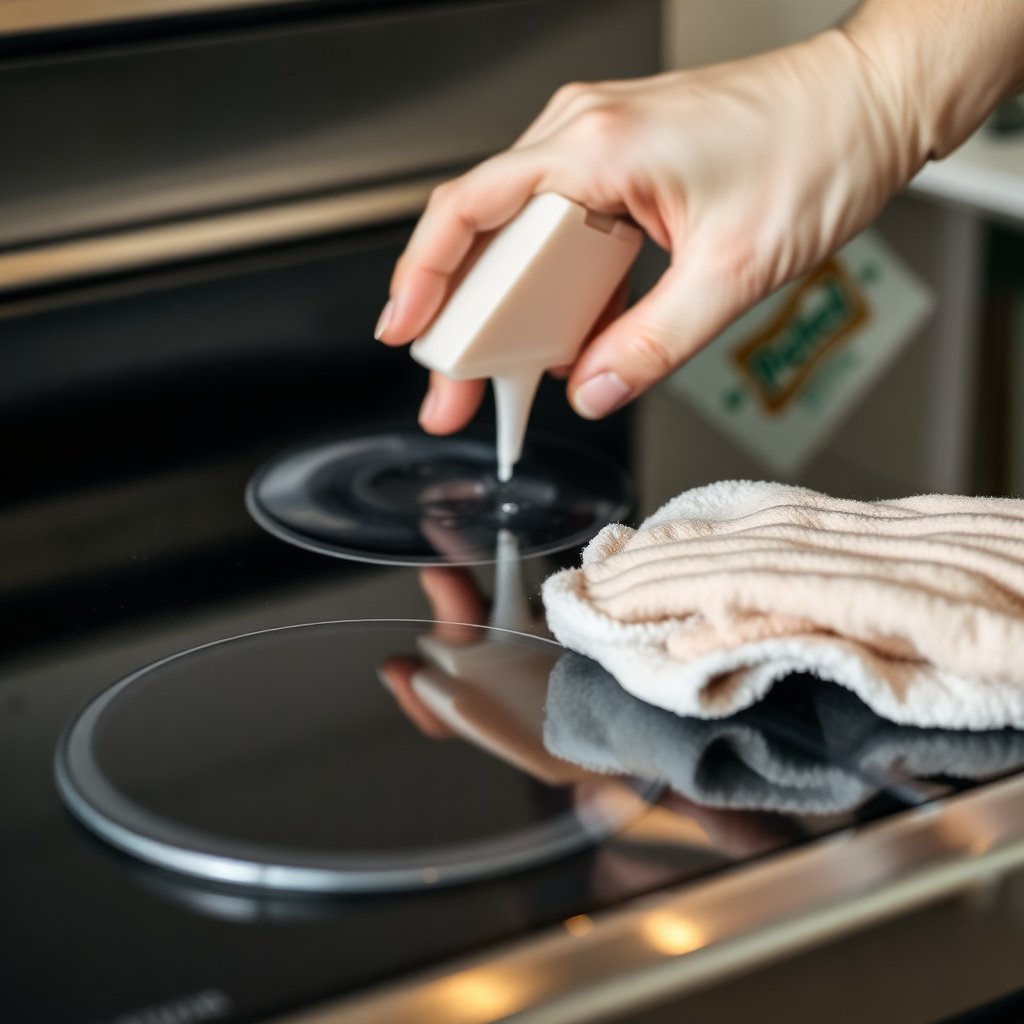
Removing Scratches and Stains
Minor scratches on glass and ceramic stovetops can sometimes be minimized by using specific polishing creams designed to gently buff the surface. For stains, specialized ceramic cooktop cleaners dissolve residue without abrasive scrubbing.
Avoid harsh scraping tools and always test new products on a small area first. Regular polishing not only cleans but also enhances the stove’s shine.
- Use glass stove polishing creams
- Avoid metal scrapers
- Test products on a small hidden spot
For more on this, see our related guide: How to Clean Kitchen: A Step-by-Step Guide.
Preventing Future Damage
Prevent scratches and stains by avoiding dragging heavy pots over the surface, immediately wiping up acidic spills like tomato sauce, and using cookware with smooth bottoms.
Also, consider protective stovetop covers when the stove is not in use to shield it from dust and accidental scratches.
- Use smooth-bottomed cookware
- Clean spills quickly, especially acidic ones
- Use stovetop protective covers
Cleaning Safety Tips
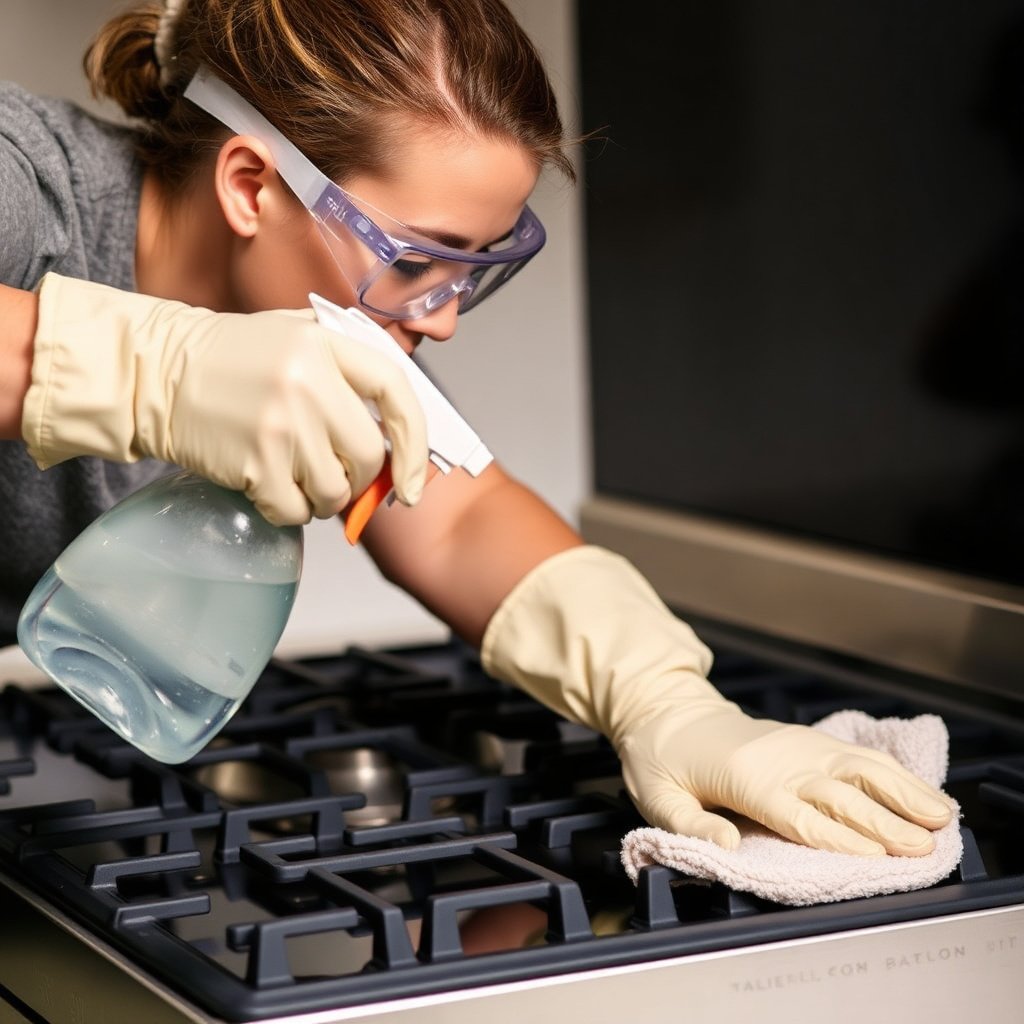
Handling Cleaning Chemicals Safely
Always wear gloves to protect your skin from irritants in cleaning products. Use cleaners in a well-ventilated area to avoid inhaling fumes, and never mix different chemicals to prevent dangerous reactions.
Follow product instructions carefully and store all supplies away from children and pets.
- Wear gloves during cleaning
- Ensure proper ventilation
- Do not mix cleaning chemicals
For official advice on maintaining kitchen appliances safely, the stovetop cleaning guidelines on EPA provide valuable insights. stovetop cleaning guidelines on EPA.
Avoiding Electrical Hazards
Turn off electric stovetops and unplug if possible before cleaning to minimize risk of shocks. Avoid excessive water use around electrical components and confirm all parts are dry before reassembly and use.
Maintain your stovetop’s wiring and elements in good condition by cleaning gently and inspecting regularly.
- Disconnect power before cleaning electric coils
- Use minimal water near electrical parts
- Dry all components thoroughly
Comparison of Stovetop Cleaning Methods
This table compares popular cleaning approaches for different stovetop types, highlighting pros, cons, and ideal use cases.
| Cleaning Method | Best For | Pros | Cons |
|---|---|---|---|
| Dish Soap and Warm Water | All stovetops | Gentle, inexpensive, widely available | Less effective on heavy grease and burnt residues |
| Baking Soda and Vinegar | Gas and Electric coil stoves | Natural, non-toxic, good for grease | May require scrubbing, not recommended for glass/ceramic |
| Commercial Degreaser | Gas stoves and coils | Powerful grease removal | Harsh chemicals, can cause skin irritation |
| Ceramic Stove Cleaner Cream | Glass and ceramic stovetops | Gentle polish, removes stains, prevents scratches | More expensive, specialized use only |
| Soaking Removable Parts | Gas burner grates and drip pans | Loosens burnt residues for easy removal | Requires extra time for soaking and drying |
Frequently Asked Questions
How often should I clean my stovetop to keep it in good condition?
Ideally, wipe your stovetop daily after use to prevent buildup. A more thorough cleaning should be done weekly to address stubborn stains and maintain optimal performance.
Can I use abrasive pads on a glass stovetop?
No, abrasive pads can scratch and damage glass stovetops. Use soft cloths and specialized ceramic cleaners instead to keep the surface smooth and shiny.
Are natural cleaners like baking soda effective on stovetops?
Yes, baking soda combined with vinegar is effective at removing grease and light burnt-on food on gas and electric coil stovetops but should be used cautiously on glass surfaces.
What should I do if food spills into gas burner ports?
Turn off the stove and allow it to cool, then carefully use a toothpick or needle to gently clear the ports. Avoid poking too hard to prevent damage.
Is it safe to spray cleaning products directly onto the stovetop?
Spray cleaners onto a cloth first rather than directly on the stovetop to prevent liquid from seeping into electrical parts or underneath components.
Key Takeaways
- Identify your stovetop type to choose the safest and most effective cleaning methods.
- Clean spills quickly and establish a routine for easier maintenance.
- Use the right tools and cleaners to remove grease without damaging surfaces.
- Be mindful of safety when handling chemicals and electrical components.
Conclusion
Selecting the right method for how to clean a stovetop means balancing effectiveness with the stovetop’s material and avoiding damage. Immediate wipe-downs prevent buildup, while periodic deep cleaning tackles tougher grease and burnt-on residues. Understanding your stovetop's specific needs ensures you maintain an efficient, hygienic cooking area without risking surface damage.
Gas stovetops benefit from soaking removable parts like grates and drip pans and using degreasers safely, whereas electric coil stoves require gentle handling of electrical elements and mild detergents. Smooth glass or ceramic tops demand specialized cleaners and soft cloths to avoid scratches. Incorporating natural products like baking soda and vinegar can be a helpful addition for certain stovetop types, particularly for regular light cleaning.
For anyone wondering what to do after reading this guide, start by assessing your stovetop type and gathering appropriate cleaning tools. Make a habit of quick daily cleanups, reserve deeper cleans for weekly sessions, and always prioritize safety when using chemicals or handling electrical parts. With these steps, your stovetop will remain spotless and function reliably for years to come.