How to Clean a Range Hood Filter Effectively and Safely
Cleaning a range hood filter is straightforward: remove the filter, soak it in a hot water and degreasing detergent mixture, scrub away residue gently, rinse thoroughly, and let it dry before reinstalling. This method removes the grease and grime that accumulate during cooking, keeping your kitchen air cleaner and your hood functioning well.
Regularly cleaning the filter matters because a clogged filter reduces ventilation efficiency and can cause unpleasant smells or even pose a fire risk. Grease buildup can also strain the fan motor, leading to costly repairs or replacements over time, so maintenance keeps your system both safe and effective.
This article will guide you through different types of range hood filters, offer detailed cleaning techniques, explore quick DIY tips and special tools, and provide advice on replacement frequency. By the end, you'll know how to maintain your filter for optimal kitchen air quality.
Understanding Range Hood Filters and Their Importance

Types of Range Hood Filters
Range hood filters come mainly in three types: mesh, baffle, and charcoal. Mesh filters are made from interwoven metal strips and trap grease effectively but require frequent cleaning. Baffle filters use angled panels that make grease drip down and collect, offering easier maintenance. Charcoal filters are typically used with ductless hoods to absorb odors but aren't washable.
Knowing your filter type helps decide the best cleaning method. Mesh and baffle filters can be cleaned regularly to maintain performance, while charcoal filters usually need replacement instead of cleaning. Check your hood's manual to identify the filter type before starting.
Why Clean Your Range Hood Filter?
Cleaning the filter prevents grease and particles from blocking airflow, which enhances ventilation and removes odors efficiently. A clean filter also reduces the risk of fire hazards caused by fat accumulation near electrical components.
Beyond safety, maintaining the filter extends the range hood's lifespan and reduces unpleasant kitchen smells. It also helps keep the whole cooking environment healthier by minimizing airborne grease deposits.
Step-by-Step Guide to Clean a Range Hood Filter
Removing and Preparing the Filter
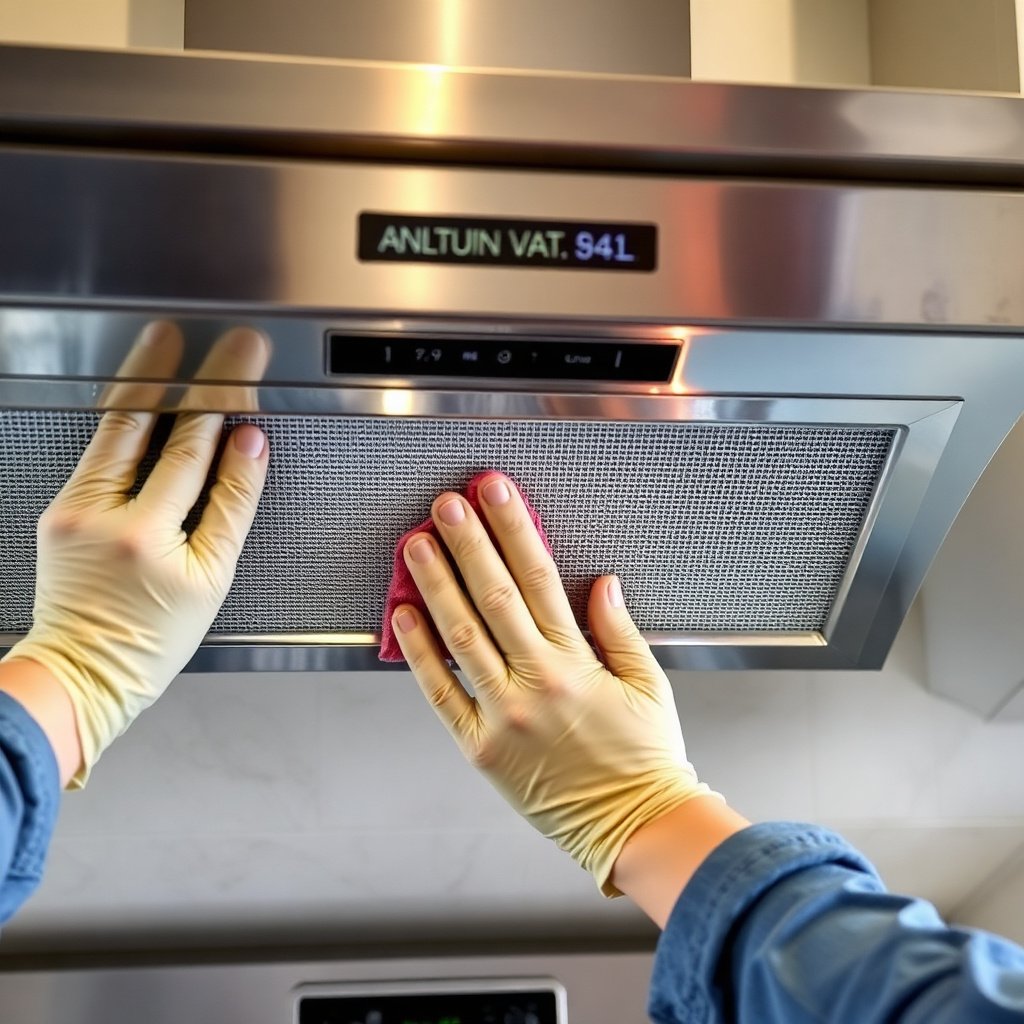
Turn off the hood and locate how the filter detaches—this often involves unlatching or sliding the filter out. Handle it gently to avoid bending or damaging the metal. Once removed, inspect the filter to assess how greasy it is, which will guide your cleaning approach.
Before soaking, remove loose debris with a brush or cloth. If your filter is mesh or baffle, prepare a mixture of hot water and a degreasing dish soap or baking soda for soaking. Charcoal filters are not soak-cleanable and must be replaced.
- Turn off power to the range hood
- Unlock or slide out the filter carefully
- Shake off loose debris
- Prepare soak solution with hot water and dish soap
Soaking and Scrubbing for Deep Cleaning
Immerse the filter in the hot, soapy water for 15 to 30 minutes to soften accumulated grease. Use a non-abrasive brush or sponge to scrub away remaining grime gently. For stubborn grease, sprinkle baking soda directly on the filter before scrubbing to enhance grease removal.
After scrubbing, rinse the filter thoroughly with hot water to remove all residues. Shake off excess water and allow the filter to air dry completely before reinstalling to avoid trapping moisture inside the hood.
- Soak filter for 15-30 minutes
- Use a soft brush and baking soda if needed
- Rinse thoroughly with hot water
- Air dry completely before reinstalling
Quick Cleaning Tips for Range Hood Filters

Regular Maintenance Between Deep Cleans
Wiping down the filter with a degreasing spray or warm soapy water weekly helps prevent heavy buildup. This keeps the filter in better shape and reduces the effort needed for thorough cleaning later.
Using a kitchen degreaser or white vinegar spray can break down light grease layers quickly. Let sprays sit a few minutes before wiping to improve effectiveness.
- Wipe with warm soapy water weekly
- Use vinegar or degreaser sprays
- Dry filter thoroughly after wipe
For more on this, see our related guide: What Is an Over the Range Microwave Oven and How Does It Work?.
Using the Dishwasher for Cleaning
Some metal mesh filters are dishwasher safe. Check manufacturer guidelines before washing. Place the filter on the top rack and use a heavy-duty cycle for grease removal, but avoid dishwasher use for baffle or charcoal filters to prevent damage.
After dishwasher cleaning, inspect the filter to ensure grease is removed completely. Residues might require manual scrubbing even after the cycle.
- Verify filter dishwasher compatibility
- Use top rack on heavy cycle
- Manually scrub after if needed
Handling Specialized Filter Types and Materials

Cleaning Baffle Filters Effectively
Baffle filters, containing angled metal slats, allow grease to drip to collection trays. They often clean well with hot soapy water and a sponge, but removing the trays for washing separately ensures thorough grease removal.
Avoid harsh scouring pads that can damage the filter's finish. After cleaning, dry the trays and filters completely to prevent rust formation.
- Remove and clean grease trays separately
- Use gentle sponges or brushes
- Dry fully to avoid rust
Dealing with Charcoal Filters Safely
Charcoal filters absorb odors but do not capture grease effectively. They are made with activated carbon and generally cannot be cleaned. Replace them as recommended by the manufacturer—typically every 3 to 6 months depending on usage.
Improper cleaning attempts like washing charcoal filters will damage their odor-absorbing ability and can lead to unpleasant smells or mold buildup.
Maintaining Your Range Hood Filter for Long-Term Performance
Signs Your Filter Needs Replacement
If cleaning no longer restores proper airflow or the filter shows physical damage, warping, or discoloration, it’s time to replace it. Persistent odors despite regular cleaning also indicate filter breakdown.
Follow your range hood’s manual for replacement intervals; most metal filters last several years if cleaned regularly, but charcoal filters require frequent swaps.
- Reduced airflow after cleaning
- Visible damage or warping
- Unremovable odors
For more on this, see our related guide: Over the Range Microwave Venting Options: Choosing the Right Setup for Your Kitchen.
Storing and Handling Filters Correctly
When filters are removed for extended periods, store in a dry, dust-free space to avoid contamination or damage. Handle with clean hands or gloves to prevent grease from transferring and accelerating build-up.
Proper handling preserves the integrity of the filter and keeps cleaning intervals longer, saving time and money.
- Store filters dry and dust-free
- Use gloves when handling
- Avoid bending or dropping filters
Tools and Products Recommended for Filter Cleaning

Choosing the Right Brushes and Sponges
Soft-bristle brushes or non-abrasive sponges work best on metal mesh and baffle filters. They remove grease without damaging the metal finish or creating scratches that can trap grime.
Avoid wire brushes or harsh scouring pads; these can degrade filter surfaces and accelerate wear and tear.
- Soft-bristle brushes
- Non-abrasive sponges
- Avoid metal and harsh pads
For more comprehensive details on range hood filters and their function, visit this reliable information page. range hood filters information.
Selecting Effective Cleaning Agents
Dish soaps designed to cut grease are effective and safe for most filters. Baking soda adds scrubbing power without scratching. White vinegar and commercial kitchen degreasers can help dissolve tougher buildup when used carefully.
Avoid bleach or acidic cleaners that can corrode metal or damage filter components, especially with repeated use.
- Mild dish soap
- Baking soda
- White vinegar or kitchen degreasers
- Avoid bleach or corrosive agents
Range Hood Filter Cleaning Methods Comparison
This table compares common cleaning methods for range hood filters regarding effectiveness, suitability, and care requirements.
| Cleaning Method | Filter Type Compatibility | Effectiveness | Ease of Use | Frequency Recommended |
|---|---|---|---|---|
| Soaking in Hot Soapy Water | Mesh, Baffle | High – removes most grease | Moderate – requires soaking and scrubbing | Monthly or as needed |
| Dishwasher Cleaning | Mesh only | Moderate – good for light grease | Easy – place and run cycle | Every 1-2 months |
| Degreaser Spray and Wiping | All washable types | Moderate – good for quick maintenance | Very Easy – no soaking | Weekly or biweekly |
| Replacing Charcoal Filters | Charcoal filters only | N/A – no cleaning possible | Easy – swap new filter | Every 3-6 months |
| Baking Soda Scrubbing | Mesh, Baffle | High – boosts grease removal | Moderate – manual scrubbing needed | Monthly during deep clean |
Frequently Asked Questions
How often should I clean my range hood filter?
For optimal performance, clean mesh and baffle filters every 1 to 3 months, depending on cooking frequency. Charcoal filters should be replaced every 3 to 6 months as cleaning is not effective.
Can I put all range hood filters in the dishwasher?
Only metal mesh filters are usually dishwasher safe. Avoid washing baffle or charcoal filters in dishwashers as this can damage them.
What if my range hood filter has stubborn grease stains?
Use a mixture of baking soda and hot water to scrub the filter or apply a degreasing spray and let it sit before scrubbing for better results.
Is it safe to use bleach or strong chemicals to clean filters?
Bleach and strong chemicals can corrode metal parts and degrade filter materials. Stick to mild detergents, baking soda, or vinegar for cleaning.
How do I know when to replace my range hood filter?
Replace your filter if it’s warped, damaged, has persistent odors after cleaning, or if airflow decreases despite maintenance, especially for charcoal filters which cannot be cleaned.
Key Takeaways
- Regular cleaning of mesh and baffle filters improves ventilation and safety.
- Charcoal filters must be replaced since they cannot be cleaned effectively.
- Use gentle brushes, baking soda, and mild detergents for best results.
- Dishwasher cleaning is only suitable for some metal mesh filters.
Conclusion
A smart approach to cleaning range hood filters balances regular maintenance with proper techniques tailored to your filter type. Removing, soaking, scrubbing with suitable cleaners, and thoroughly drying filters ensures your kitchen’s air remains fresh and the hood operates efficiently. Understanding when filters need replacement prevents decreased airflow and possible kitchen hazards.
For those with mesh or baffle filters, regular monthly cleaning using hot soapy water combined with baking soda scrubbing offers great results. Dishwashers can save time for metal mesh filters but aren’t suitable for others. Charcoal filters, designed for odor absorption rather than grease trapping, require scheduled replacement every few months.
Begin by identifying your filter type, then choose the cleaning method that fits your routine and tools. Staying consistent with care avoids grease buildup and prolongs your range hood’s life. If maintaining filters feels overwhelming, consider setting reminders or investing in easy-to-clean baffle filters for simpler upkeep.