How to Make Iced Coffee: Easy Steps for Refreshing Homemade Brew
To make iced coffee, start by brewing your favorite coffee stronger than usual, typically double the coffee grounds. Once brewed, allow it to cool or chill in the refrigerator. Pour the cooled coffee over a glass filled with ice, and add milk, cream, or sweeteners if desired. This basic method creates a refreshing and enjoyable iced coffee.
Iced coffee’s popularity has surged as more people seek cold, flavored alternatives to hot coffee, especially during warm weather. Brewing a concentrated coffee helps balance out the dilution that occurs when ice melts. Making iced coffee at home lets you customize strength, sweetness, and creaminess according to your taste.
This article will cover various techniques for making iced coffee, including cold brew vs. hot brew methods, choosing the right coffee beans and grind size, flavor additions, equipment needed, and tips for storing leftovers. By the end, you’ll know exactly how to make iced coffee tailored to your preference.
Brewing Methods for Iced Coffee

Cold Brew Coffee Method
Cold brew coffee involves steeping coarsely ground coffee beans in cold water for 12 to 24 hours. This slow extraction reduces acidity and yields a smoother, naturally sweet flavor profile perfect for iced coffee.
You’ll need a large jar or cold brew maker, coarsely ground beans, and filtered water. After steeping, filter the grounds out with a mesh sieve or filter bag. Cold brew concentrate can be stored refrigerated for up to two weeks.
- Steep 1 cup coffee grounds in 4 cups cold water
- Let sit 12-24 hours in fridge
- Filter grounds before serving
Hot Brew Coffee Method
Using hot brewed coffee is a faster way to make iced coffee. Brew coffee as usual but with double the coffee grounds to keep the flavor strong when ice melts and dilutes it.
After brewing, allow the coffee to cool to room temperature or chill in the fridge. Pour over ice and add any desired milk or sweeteners. This method works well for quick iced coffee without specialized equipment.
- Use double coffee grounds for stronger brew
- Cool coffee before pouring over ice
- Add milk or flavorings as preferred
Choosing Coffee Beans and Grind Size
Best Beans for Iced Coffee
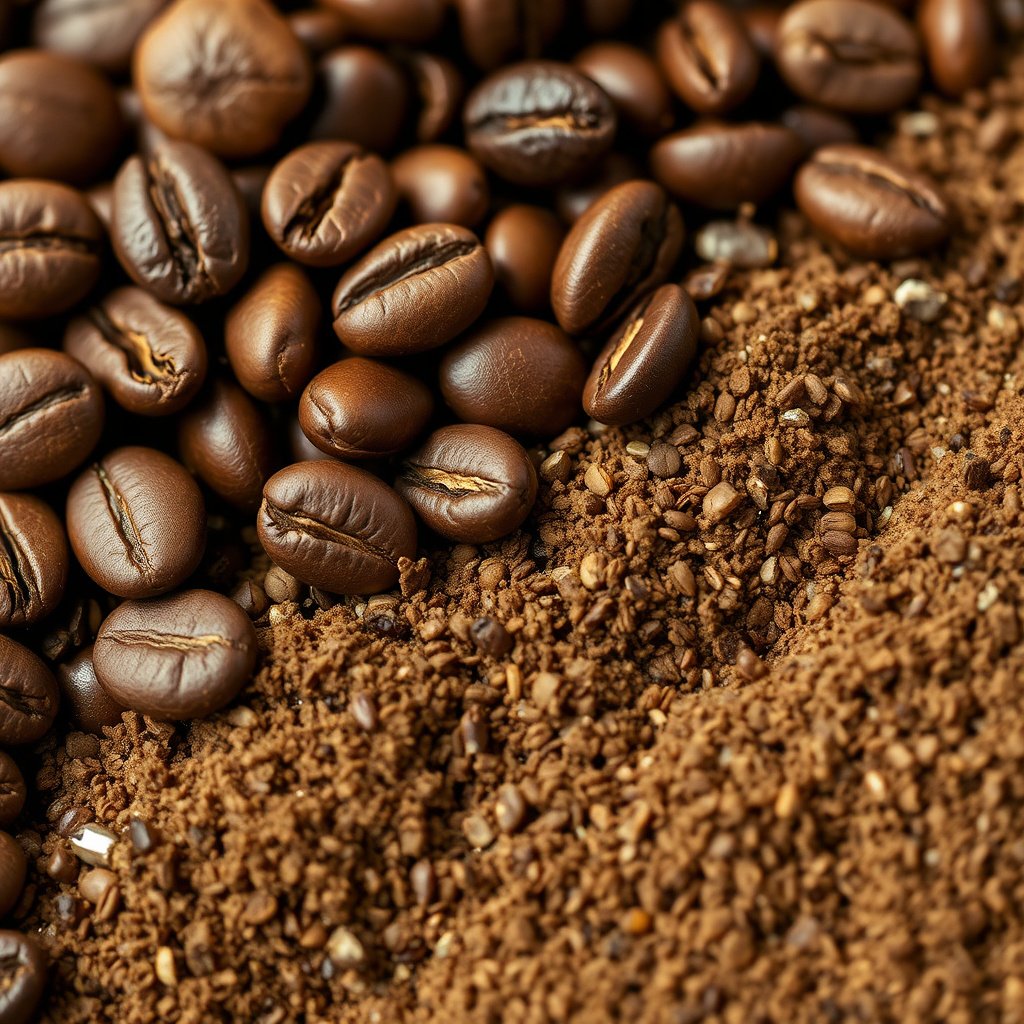
Medium to dark roasted coffee beans generally work best for iced coffee, as they offer a richer flavor that stands up well when chilled and diluted by ice.
Look for beans with chocolatey, nutty, or caramel notes that complement the cold brew’s smoothness. Avoid very light roasts which may taste overly acidic or sour when iced.
- Choose medium or dark roast
- Opt for beans with rich flavor profiles
- Avoid overly acidic light roasts
For more on this, see our related guide: How to Make Chocolate Lava Cake: Simple Steps for Perfect Gooey Center.
Grind Size Considerations
Grind size affects extraction and clarity of your iced coffee. For cold brew, use a very coarse grind to prevent over-extraction and bitterness during the long steep.
For hot brewed iced coffee, a medium grind similar to drip coffee is suitable. Avoid very fine grounds as they can create unwanted sediment or excessive bitterness.
- Cold brew: coarse grind
- Hot brew: medium grind
- Avoid fine grounds for iced coffee
Flavor Additions and Sweeteners

Natural Flavor Enhancers
Vanilla extract, cinnamon sticks, or a pinch of cocoa powder can add subtle warmth and complexity to your iced coffee without overpowering the beans’ natural flavor.
Infuse these ingredients directly into the cold brew jar or add vanilla syrup after brewing. Fresh herbs like mint also make refreshing additions.
- Vanilla extract or syrup
- Cinnamon or cocoa powder infusion
- Mint leaves for freshness
Sweeteners and Creamers
Simple syrup, honey, or agave nectar dissolve well in cold coffee, unlike granulated sugar, which may remain grainy. Experiment with dairy or plant-based creamers—almond, oat, or coconut milks offer unique flavors.
Adjust sweetener and cream amounts based on personal preference to balance bitterness and achieve desired creaminess.
- Use liquid sweeteners for better mixing
- Try dairy or plant-based creamers
- Adjust amounts to taste
Equipment Needed for Making Iced Coffee
Basic Tools for Hot Brew Iced Coffee
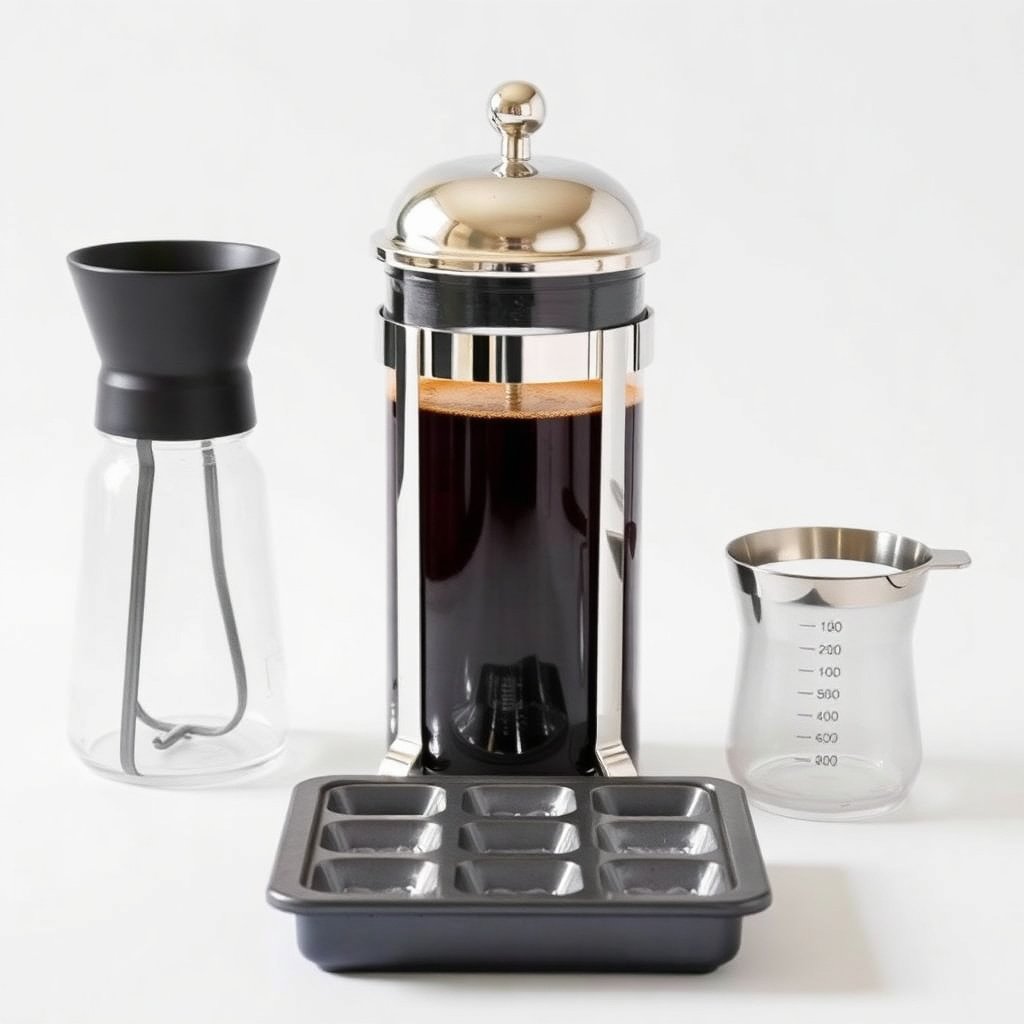
A standard drip coffee maker or pour-over setup works well for the hot brew iced coffee method. You’ll also need a container to cool the coffee and an ice tray for large, slow-melting ice cubes.
Using insulated glasses can keep iced coffee cool longer. A milk frother can be useful if adding frothed cream or milk.
- Drip coffee maker or pour-over
- Ice trays for large cubes
- Insulated glasses and milk frother (optional)
For more on this, see our related guide: Fridge With Nugget Ice Maker: a Complete Buying Guide.
Equipment for Cold Brew Coffee
Cold brew makers simplify steeping with built-in filters, reducing sediment and the need for additional filtration steps. If unavailable, a mason jar and fine mesh sieve or nut milk bag can be used.
Refrigeration space is important since steeping takes hours. Consider bottles or pitchers with lids for neat storage of cold brew concentrate.
- Cold brew maker or mason jar with filter
- Fine mesh sieve or nut milk bag
- Storage bottles or pitchers
Storing and Serving Iced Coffee

Refrigeration and Refrigerated Storage
Store brewed coffee in airtight containers in the refrigerator to prevent it from absorbing odors or losing freshness. Cold brew concentrate keeps well for up to two weeks, while hot brewed coffee should be consumed within 2-3 days.
Keep ice in sealed trays or bags to avoid freezer odors impacting taste when served.
- Store coffee in airtight containers
- Cold brew lasts up to 2 weeks
- Use odor-free ice storage
For a detailed history and additional brewing methods, refer to the comprehensive cold brew coffee article. cold brew coffee.
Serving Suggestions and Presentation
Serve iced coffee with large ice cubes or coffee ice cubes to reduce dilution. Garnish with a cinnamon stick, a splash of cream, or a twist of citrus peel for added aroma.
Glassware can enhance the experience: tall glasses showcase layers while mugs keep drinks cooler longer.
- Use large or coffee ice cubes
- Add garnishes like cinnamon or citrus
- Select glassware for best presentation
Iced Coffee Brewing Methods Comparison
Here’s how cold brew and hot brew iced coffee methods compare across key factors to help you pick your favorite approach.
| Method | Brew Time | Flavor Profile | Equipment Needed | Shelf Life |
|---|---|---|---|---|
| Cold Brew | 12-24 hours | Smooth, low acidity | Cold brew maker or jar with filter | Up to 2 weeks refrigerated |
| Hot Brew | 5-10 minutes | Bright, more acidic | Standard coffee maker or pour-over | 2-3 days refrigerated |
| Japanese Iced Coffee | 5-7 minutes | Bright and aromatic | Pour-over with ice in carafe | Same day consumption preferred |
Frequently Asked Questions
What is the difference between cold brew and iced coffee?
Cold brew is made by steeping coffee grounds in cold water for many hours, yielding a smooth, less acidic concentrate. Iced coffee usually refers to hot brewed coffee cooled and poured over ice, which has a brighter, more acidic taste.
How can I make iced coffee without it getting watered down?
To avoid watered-down iced coffee, brew it stronger than usual, use coffee ice cubes made from leftover coffee, and chill the coffee before serving to reduce the melting rate of ice.
Can I use any coffee beans to make iced coffee?
While any coffee beans can technically be used, medium to dark roasts with chocolate or nutty notes tend to produce the best iced coffee flavors due to their richer, smoother profiles.
How long can I store iced coffee safely?
Cold brew concentrate can be stored safely in the refrigerator for up to two weeks, while hot brewed iced coffee should be consumed within 2-3 days for the best taste.
What are some easy flavor additions for iced coffee?
Common flavor additions include vanilla extract or syrup, cinnamon sticks, cocoa powder, and plant-based creamers like oat or almond milk for enhanced taste without fuss.
Key Takeaways
- Brew coffee stronger to maintain flavor when iced
- Cold brew provides smoothness, hot brew offers brighter taste
- Medium to dark roasts work best for iced coffee
- Use liquid sweeteners and flavored creamers for easy customization
Conclusion
Choosing how to make iced coffee largely depends on how much time you have and your flavor preferences. Cold brew requires patience but yields a mellow, less acidic drink that stays fresh longer. Hot brewed coffee iced quickly is faster and highlights vibrant coffee notes but can taste diluted if ice melts too fast. Understanding your taste and available tools will guide your preferred method, allowing you to enjoy delicious iced coffee made exactly how you like it.
If you prefer a smoother, sweeter iced coffee you can prepare in advance, cold brew is an excellent choice. On the other hand, if you want a quick, refreshing cup with bright, lively flavors, using hot brewed coffee with double coffee grounds to keep it bold works well. Experiment with different beans and flavor additions like vanilla or cinnamon to personalize your perfect iced coffee brew.
To start making iced coffee, pick a brewing process that suits your schedule—cold brew for planned indulgence or hot brew for spur-of-the-moment refreshment. Gather your favorite beans and experiment with grind size and flavorings. With a bit of practice, you’ll soon craft iced coffee drinks worthy of any café visit. For more on coffee preparation and history, see the next reference.