How to Make a Martini: A Step-by-Step Guide to the Classic Cocktail
Making a martini starts with a simple combination of gin and dry vermouth, chilled and garnished, yielding a crisp, elegant cocktail. To make a classic martini, fill a mixing glass with ice, pour in two ounces of gin and half an ounce of dry vermouth, stir until cold, then strain into a chilled glass and garnish with an olive or lemon twist.
The martini’s appeal lies in its minimalist nature; a few ingredients carefully combined create a perfectly balanced drink. Whether you prefer it shaken or stirred, with gin or vodka, the basic technique remains the foundation for countless variations enjoyed worldwide.
This guide will cover the essential ingredients, tools, mixing methods, garnish options, and tips for customizing your martini. Whether you're a beginner or refining your bartending skills, you’ll learn how to craft a martini suited to your taste.
Understanding the Ingredients in a Martini
Choosing the Right Gin or Vodka
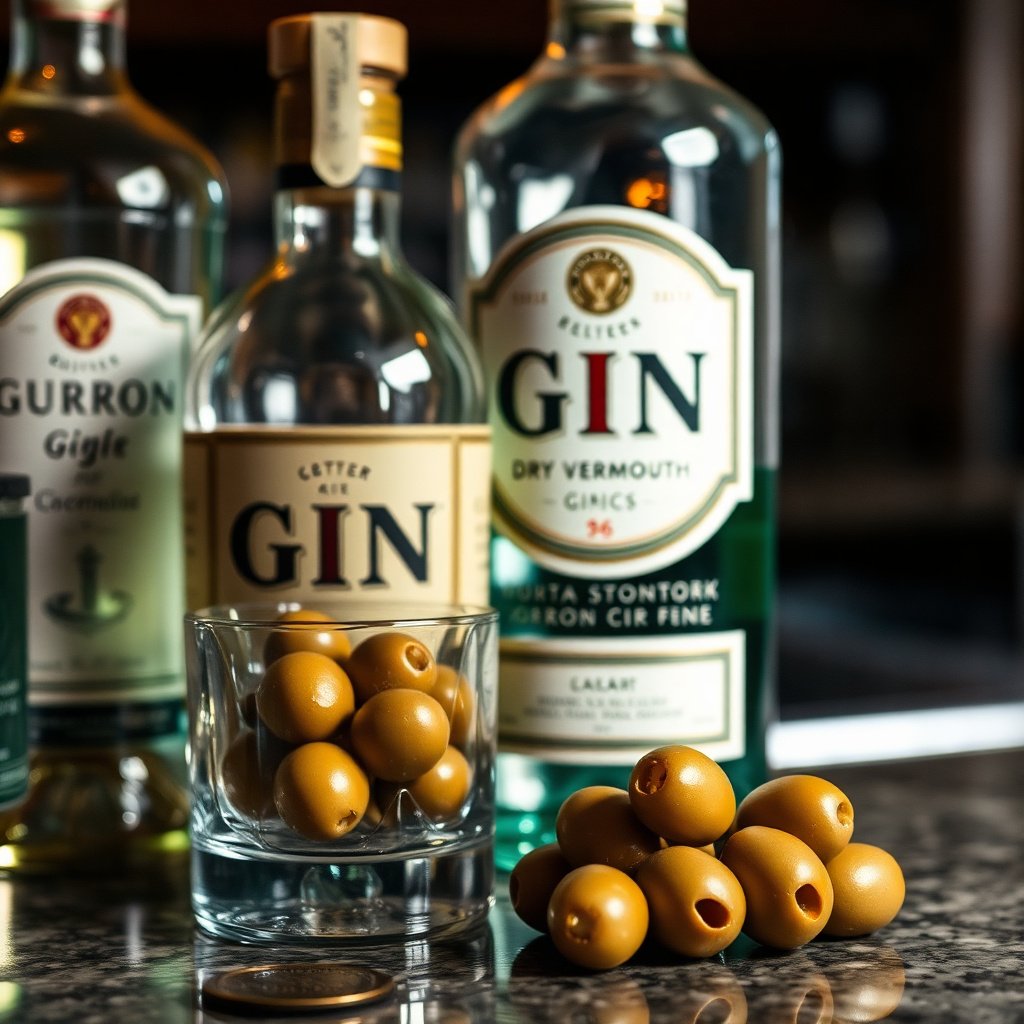
Traditional martinis use gin, prized for its botanical flavors that add complexity to the drink. London dry gin is a popular choice due to its crisp, juniper-forward profile. Vodka martinis have become common as a smoother alternative without juniper notes.
When selecting a spirit, consider its flavor intensity and how it complements or contrasts with vermouth. Higher-quality gins and vodkas provide a cleaner taste and better overall cocktail experience.
- London dry gin is classic for martinis
- Vodka offers a smoother, neutral flavor
- Experiment with flavored gins for variation
The Role of Dry Vermouth
Dry vermouth adds subtle herbal and floral notes that balance the spirit’s strength. The proportion of vermouth to gin greatly influences the martini’s taste; traditionally it's a small amount to keep the cocktail spirit-forward.
Choosing a quality vermouth is important because it can quickly overpower or underwhelm the drink if not balanced properly. Popular brands like Noilly Prat or Dolin are favored for their light, refined character.
- Use dry vermouth, not sweet, for classic martinis
- Adjust vermouth quantity to taste—from a dash to a splash
- Store vermouth refrigerated to maintain freshness
Essential Tools for Making a Martini

Using the Mixing Glass and Stirrer
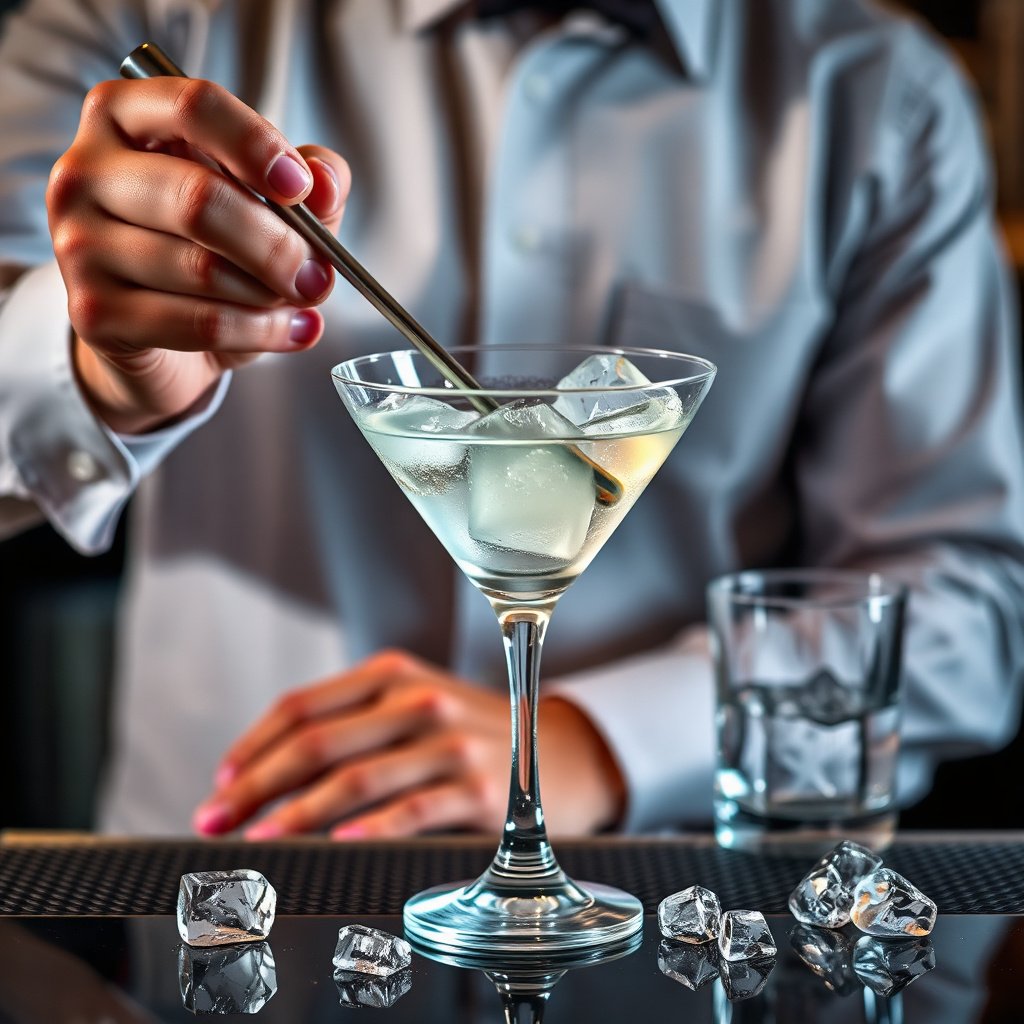
A mixing glass filled with ice is standard for stirring the martini, which chills and dilutes the drink smoothly without shaking. Stirring preserves clarity and a silky texture, preferred by many martini enthusiasts.
Using a long-handled bar spoon, stir gently for about 30 seconds until the outside of the glass feels frosty. This method keeps the martini clear, unlike shaking, which creates tiny air bubbles and a cloudy appearance.
- Use a large mixing glass for ease
- Stir rather than shake for a classic martini
- Chill glassware beforehand for best serving temperature
Strainers and Glassware Options
A Hawthorne or julep strainer ensures ice and solids stay out of the served martini. The choice affects presentation and drinking experience, with a fine mesh strainer suited for the smoothest result.
Martini glasses are iconic with their wide, conical bowl and long stem, designed to keep hands off the bowl, preserving cold temperature. Chilling the glass before pouring enhances the experience.
- Use a fine-mesh strainer for clear pours
- Serve in classic V-shaped martini glasses
- Chill glassware in freezer for at least 15 minutes
Mixing Methods for a Martini
Stirring vs. Shaking the Martini
Stirring is traditional for a martini, producing a clear, silky cocktail with minimal dilution. It’s favored by those who prefer a purer expression of the spirit and vermouth.
Shaking creates a colder drink with a slight frothiness and more dilution, popularized by James Bond’s “shaken, not stirred” preference. Shaking is typically reserved for vodka martinis or citrus variations.
- Stir for clarity and smooth texture
- Shake for a colder, more diluted martini
- Shaking adds tiny bubbles and cloudiness
For more on this, see our related guide: How to Order a Drink at a Bar: A Complete Guide for Beginners.
Adjusting Chill and Dilution
The ideal martini balances chill and dilution to temper strong alcohol flavors without watering down the drink. Using plenty of fresh ice and stirring long enough achieves this balance.
Some bartenders recommend adding a splash of cold water or chilling spirits beforehand to control the final temperature more precisely.
- Use fresh, large ice cubes for slower dilution
- Stir for at least 30 seconds for optimal chill
- Avoid overly diluted martinis which lose flavor
Garnish Techniques and Variations for Your Martini
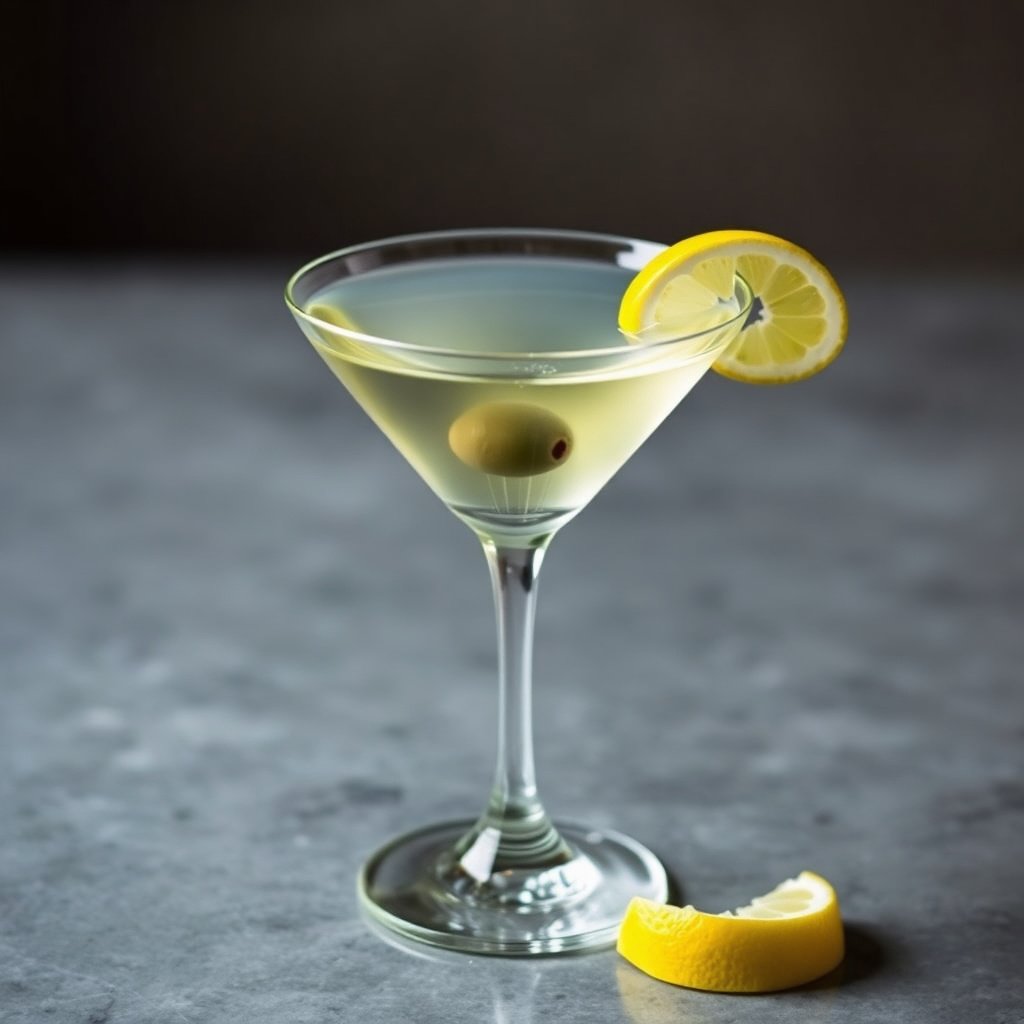
Olive vs. Lemon Twist Garnishes
The olive is the most traditional martini garnish, imparting a slight briny flavor that complements the botanicals in gin. One or two olives on a skewer add a savory contrast to the dry cocktail.
A lemon twist introduces fresh citrus oils onto the surface, brightening the aroma and adding subtle zestiness without changing the cocktail’s clarity. It’s a popular garnish for those who want a lighter profile.
- Olives add savory, salty notes
- Lemon twists add aromatic citrus brightness
- Choose garnish based on your preferred flavor balance
Creative Garnishes and Martini Styles
Experiment with cocktail onions for a Gibson martini, or try orange peel for a slightly sweeter citrus hint. Fresh herbs like rosemary or basil can bring unique aromas.
Changing garnishes lets you tailor a classic martini to your tastes or to complement specific spirits. Garnishing should enhance the drink without overwhelming the simple mix of gin and vermouth.
- Gibson uses a cocktail onion as garnish
- Add fresh herbs for aromatic variation
- Orange peel adds sweeter citrus notes
Popular Martini Variations and Recipes

The Classic Gin Martini Recipe
The baseline martini consists of two ounces of gin, half an ounce of dry vermouth, stirred with ice and strained into a chilled glass. Garnish with a single green olive or lemon twist. This drink emphasizes clean, botanical flavors.
Adjust vermouth proportions according to taste, from very dry (a rinse or dash) to a wet martini with nearly equal parts. Experiment with adding a few drops of orange bitters for complexity.
- 2 oz gin
- 0.5 oz dry vermouth
- Garnish with olive or lemon twist
For more on this, see our related guide: How to Order a Cocktail at a Bar: A Complete Guide for Beginners.
Vodka Martini and Other Twists
Vodka martinis replace gin with vodka for a smoother, less botanical flavor. Preparation mirrors the classic method, shaken or stirred based on preference.
Other popular twists include the Dirty Martini (adding olive brine), the Vesper (gin, vodka, and Lillet Blanc), and flavored martinis featuring infusions like cucumber or chocolate to diversify the experience.
- Vodka replaces gin for a neutral base
- Dirty Martini includes olive brine
- Try flavored or infused spirits for variety
Troubleshooting Common Martini Mistakes

Preventing Over-Dilution and Warmth
Using melting ice or stirring too long causes over-dilution, making the martini watery and bland. Use large, fresh ice cubes and stir just until chilled to keep balance.
Serve immediately in a pre-chilled glass to maintain temperature. Allowing the martini to sit causes it to lose crispness and flavor.
- Use fresh, large ice cubes
- Stir just until the glass is frosty
- Serve straight away in chilled glassware
For an in-depth history and variations on the martini, check out the Martini Wikipedia article. Martini Wikipedia article.
Balancing Vermouth Levels and Garnishes
Martinis often fail when vermouth is too heavy or absent; finding your preferred vermouth ratio is key. Start with a small amount and adjust gradually.
Garnishes should complement rather than clash. Avoid strong-flavored olives or overbearing peels unless intentionally chosen for the flavor profile.
- Adjust vermouth to personal taste
- Choose garnishes that enhance flavors
- Avoid overpowering the base spirits
Martini Styles Category Comparison
This table compares popular martini styles based on base spirit, vermouth ratio, garnish, and preparation method to help guide your choice.
| Martini Style | Base Spirit | Vermouth Ratio | Garnish | Preparation |
|---|---|---|---|---|
| Classic Gin Martini | Gin | 2:0.5 oz | Olive or Lemon Twist | Stirred |
| Vodka Martini | Vodka | 2:0.5 oz | Lemon Twist | Shaken or Stirred |
| Dirty Martini | Gin or Vodka | 2:0.5 oz + Olive Brine | Olives | Stirred |
| Vesper Martini | Gin + Vodka | 3:1 oz (Lillet Blanc) | Lemon Peel | Shaken |
| Gibson Martini | Gin | 2:0.5 oz | Cocktail Onion | Stirred |
Frequently Asked Questions
What is the difference between shaking and stirring a martini?
Stirring chills and dilutes the martini gently, preserving clarity and smooth texture. Shaking quickly chills the drink but creates a frothy, slightly cloudy appearance with more dilution.
Can I use vodka instead of gin in a martini?
Yes, vodka can replace gin for a smoother, less botanical flavor. The mixing technique remains the same, and vodka martinis are a popular variation.
How much vermouth should I use in a martini?
Classic martinis use about a quarter ounce to half an ounce of dry vermouth per two ounces of gin or vodka. Adjust the amount based on your preference for dryness or wetness.
What garnishes work best for martinis?
Traditional garnishes include green olives and lemon twists. Other options like cocktail onions for Gibsons or orange peels add unique flavors without overwhelming the drink.
Should the martini glass be chilled before serving?
Yes, chilling the martini glass helps maintain the cocktail's cold temperature longer, enhancing flavor and drinking experience.
Key Takeaways
- Classic martinis combine gin or vodka with dry vermouth, stirred or shaken with ice.
- Chilling glassware and using fresh ice are vital to a well-balanced martini.
- Olive and lemon twist garnishes each add distinct flavor profiles.
- Adjust vermouth amount and mixing method to suit personal taste.
Conclusion
Crafting a martini is a precise yet flexible process centered on balancing spirit, vermouth, chill, and garnish. The main decision pivots on choosing gin or vodka, followed by how much vermouth to add and whether to stir or shake. Attention to ice quality, glass temperature, and garnishing style further shapes each cocktail’s character. By understanding these elements, you can tailor your martini to your palate confidently and enjoy this timeless drink’s full spectrum.
For those who appreciate a traditional, botanical punch, a classic gin martini stirred with a dash of dry vermouth and garnished with olives remains a dependable choice. Vodka martinis offer a smoother, cleaner profile suitable for those preferring a more subdued flavor. If you want experimentation, consider variations like the Dirty martini with olive brine or the sophisticated Vesper with both gin and vodka. Each variation highlights how minor tweaks create distinct drinking experiences.
Starting with the core ingredients and simple techniques presented, practice your martini-making skills by adjusting vermouth ratios and deciding on stirring versus shaking. Pair your efforts with appropriate garnishes and chilled glassware for the best results. Whether enjoying alone or serving guests, a carefully made martini is a rewarding cocktail worth mastering. Pour, garnish, and savor your personalized classic with confidence.