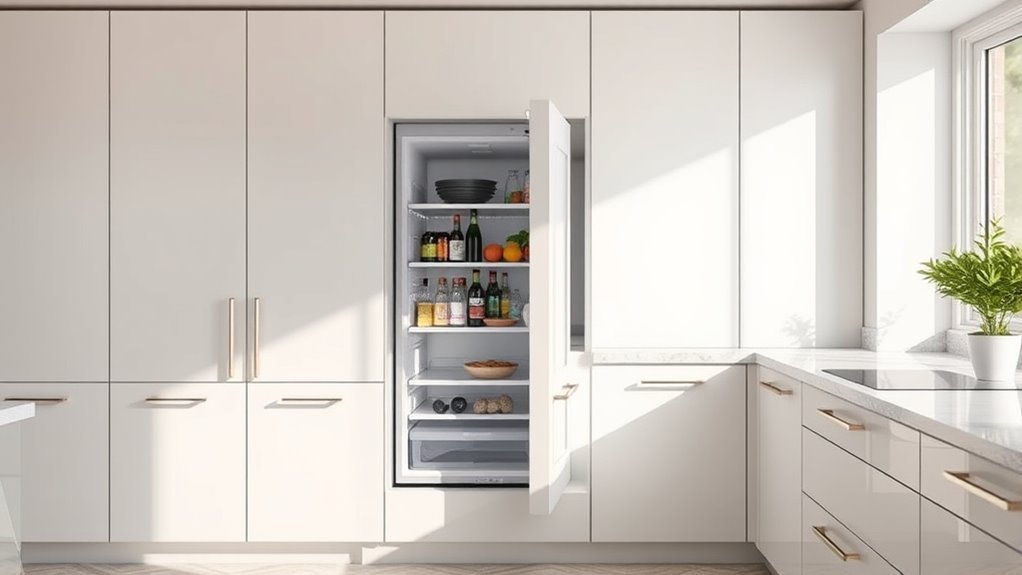
Built in Cabinet Fridge: A Complete Buying Guide
Are you tired of bulky, mismatched refrigerators that stick out like an afterthought in your sleek kitchen? You’re not alone—many people struggle to find a fridge that blends seamlessly with their cabinetry while still offering top-notch features.
If you want a sleek, space-saving fridge that fits seamlessly into your kitchen cabinetry, a built-in cabinet fridge is ideal. You’ll choose between panel-ready models, which let you customize fronts easily, or integrated ones for a flush look.
Focus on features like precise temperature control, quiet operation, and energy efficiency. Proper measuring and ventilation are key for installation, and budgeting ahead helps avoid surprises.
Keep exploring to find everything you need for your perfect fridge setup.
Key Takeaways
- Built-in cabinet fridges fit seamlessly into cabinetry, saving space and giving your kitchen a sleek look with panel-ready or integrated options.
- Look for features like precise temperature control, adjustable shelves, quiet operation, and energy efficiency with dual evaporators and Energy Star certification.
- Carefully measure width, height, depth, and ventilation gaps, paying attention to front, rear, top, or side venting requirements for proper installation.
- Make sure you have dedicated grounded electrical outlets and plumbing for ice makers. Professional installation is recommended for safety and optimal performance.
- Choose from top brands like Sub-Zero, Bosch, and Miele, balancing your budget, design style, energy efficiency, and installation needs.
What Is a Built-in Cabinet Fridge and Why Choose One?
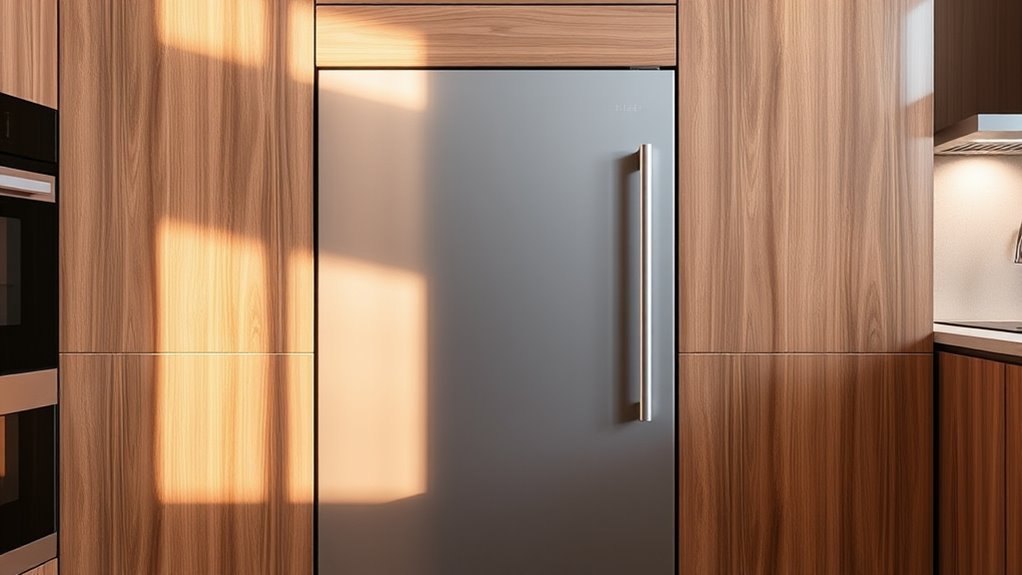
A built-in cabinet fridge is a compact fridge made to fit seamlessly into your cabinetry, giving your kitchen a sleek, integrated look. Choosing this type of fridge helps you improve your kitchen’s design by keeping everything looking clean and uniform.
It also helps you save space. These fridges fit snugly into your cabinets, freeing up valuable floor space and making your kitchen layout more flexible. Whether your kitchen is small or you want to make the most of every inch, a built-in cabinet fridge is a great option.
Plus, it’s perfect for creating dedicated spots for beverages or snacks without taking up extra room in your main fridge. Overall, this fridge type combines style and practicality, making it a smart choice for modern kitchens that want to look good and work well.
Comparing Styles: Panel-Ready vs. Integrated Fridges
When choosing between panel-ready and integrated fridges, think about how each style impacts your kitchen’s look and installation.
Panel-ready fridges let you add custom panels to match your cabinets, giving you more flexibility to personalize the exterior.
Integrated fridges are built into the cabinetry, creating a sleek, flush appearance with minimal gaps for a seamless look.
Both hide the fridge, but they differ in how flexible they are and how complex the installation process can be.
| Feature | Panel-Ready Fridge | Integrated Fridge |
|---|---|---|
| Exterior Design | Custom panels to match cabinetry | Factory-finished, smooth front |
| Installation | Needs panels attached to the door | Built directly into the cabinetry |
| Visual Integration | Blends with cabinets, may have slight gaps | Flush with cabinets, no gaps |
| Flexibility | Easier to update or change panels | Less flexible once installed |
| Cost | Moderate, since panels add to the price | Usually higher upfront cost |
Your choice depends on whether you want more customization or a seamless built-in look.
Key Features to Look For in Built-in Cabinet Fridges
Although built-in cabinet fridges come in various styles, some features are must-haves to make sure they meet your needs. First, look for precise temperature control. This helps keep your food fresh longer by maintaining consistent cooling levels. You want a fridge that’s easy to adjust for different items, like veggies or dairy.
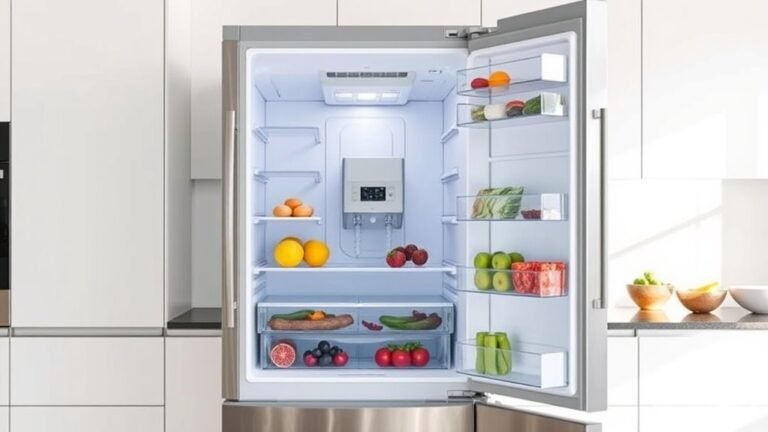
Next, think about storage capacity. Make sure the fridge has enough space for your usual grocery haul without feeling crowded. Adjustable shelves and door bins can help you customize the interior for bulky or oddly shaped items. Also, check if it has specialized compartments for fruits, vegetables, or deli products.
Other important features include quiet operation to keep your kitchen peaceful and sturdy build quality for durability. Focusing on these features will help you find a built-in cabinet fridge that fits seamlessly and simplifies your daily food storage.
Energy Efficiency and Cooling Performance in Built-in Cabinet Fridges
Since built-in cabinet fridges run constantly, it’s important to choose models with good energy efficiency to keep your electricity bills in check. Look for those with low energy consumption ratings, often marked with Energy Star certification.
These fridges use advanced cooling technology that keeps temperatures steady without overworking the compressor. This helps save power and keeps your food fresh at the same time.
Advanced cooling tech maintains steady temperatures, reducing compressor strain to save energy and preserve freshness.
Modern cooling features like dual evaporators and better insulation improve performance by evenly spreading cold air and cutting down on moisture buildup. That means your fridge cools faster and uses less energy.
You should also consider models with adjustable thermostats so you can fine-tune the temperature based on your needs. This helps further optimize energy use and keeps things running smoothly.
How to Measure Your Space for a Perfect Fit
Measuring your space accurately is the first step to ensure your built-in cabinet fridge fits perfectly. Start by noting the exact dimensions—width, height, and depth—where the fridge will go. Use a reliable tape measure and double-check each measurement to avoid mistakes.
Make sure to account for ventilation gaps as per the fitting guidelines. Built-in fridges need proper airflow to work efficiently.
Next, measure any baseboards or moldings that might affect installation. Check if the cabinet opening is square because an uneven space can cause fitting issues.
Also, consider door clearance and how the fridge door will open within your kitchen layout. Following these guidelines helps you pick a fridge that isn’t too tight or leaving an awkward gap.
Taking your time with these measurements saves you from costly returns or modifications later. It gives you confidence that your built-in cabinet fridge will fit seamlessly into your kitchen.
How to Match Your Built-in Cabinet Fridge With Kitchen Cabinets
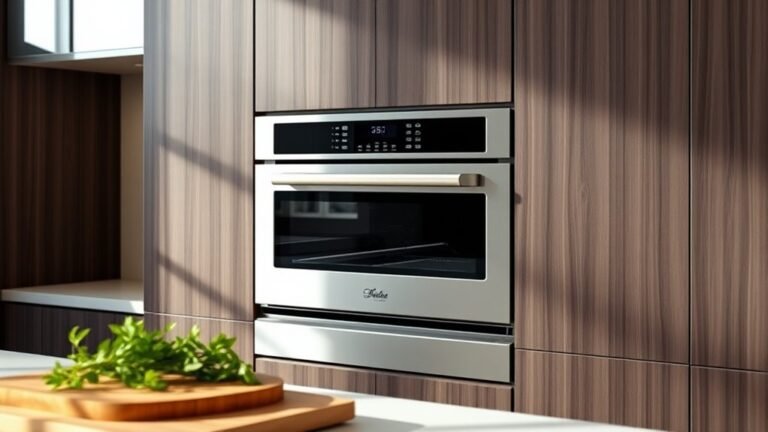
Once you’ve found the perfect spot for your built-in cabinet fridge, it’s time to think about how it will blend with your kitchen cabinets. Achieving design harmony is essential, so start by choosing finishes that match your cabinetry. Whether you go for wood panels or a sleek stainless steel front, make sure the fridge’s surface aligns with your cabinet textures and colors for a seamless look.
You can also consider custom panels that mimic your cabinet doors, making the fridge almost invisible. Pay attention to hardware too—matching handles or knobs help keep your style cohesive. Keep scale and proportions in mind; your fridge should complement your cabinets without overpowering or getting lost among them.
Installation Basics for Built-in Cabinet Fridges
Before you start installing your built-in cabinet fridge, it’s really important to measure the space carefully. You want to make sure it fits just right without any awkward gaps or tight squeezes. Taking the time to get those measurements right can save you a lot of hassle later on.
Next up, don’t forget about the ventilation. Your fridge needs proper airflow to run smoothly and stay efficient. Usually, this means leaving enough space around the fridge as recommended by the manufacturer. It’s a small step that makes a big difference in keeping everything running nicely.
And finally, check your electrical and plumbing setups before you begin. Making sure everything is in place and working properly will help you avoid any surprises or delays during installation. A little prep work now can make the whole process much smoother.
Measuring Space Accurately
Because built-in cabinet fridges need a precise fit, you’ll want to carefully measure the available space to confirm a seamless installation. Start by creating a dimensions checklist that includes height, width, and depth of the cabinet opening.
Don’t forget to account for any uneven surfaces or trim that might affect the fridge’s placement. Use a tape measure to take accurate space calculations, double-checking each measurement to avoid costly mistakes.
Keep in mind that the fridge’s exterior dimensions must match the cabinet opening closely but also leave a bit of room for ease of installation. Following a detailed dimensions checklist confirms your built-in fridge fits perfectly, preventing gaps or forcing adjustments during installation.
Accurate measurements save time and hassle down the line.
Ventilation Requirements Explained
Proper ventilation is key to keeping your built-in cabinet fridge running smoothly and preventing it from overheating. Good airflow helps extend its lifespan and makes sure it works at its best.
You need to leave enough space around the fridge so heat can escape and fresh air can get in. Here’s a quick rundown of common ventilation types and what they require:
| Ventilation Type | Space Needed (inches) | Air Circulation Method |
|---|---|---|
| Front Venting | 2-3 | Air flows from the front grille |
| Rear Venting | 2-4 | Air circulates behind the fridge |
| Top Venting | 1-2 | Heat escapes from the top |
| Side Venting | 1-2 | Air moves through side panels |
| Combination | 2-3 | Air flows through multiple vents |
Making sure your fridge has proper ventilation keeps it cool, efficient, and working well for a long time.
Electrical and Plumbing Setup
When you install a built-in cabinet fridge, making sure the electrical and plumbing connections are correct is key for safe and smooth operation.
Start with the electrical part: your fridge needs a dedicated outlet with the right voltage and amperage, usually 120V and a grounded circuit. Avoid using extension cords to prevent hazards.
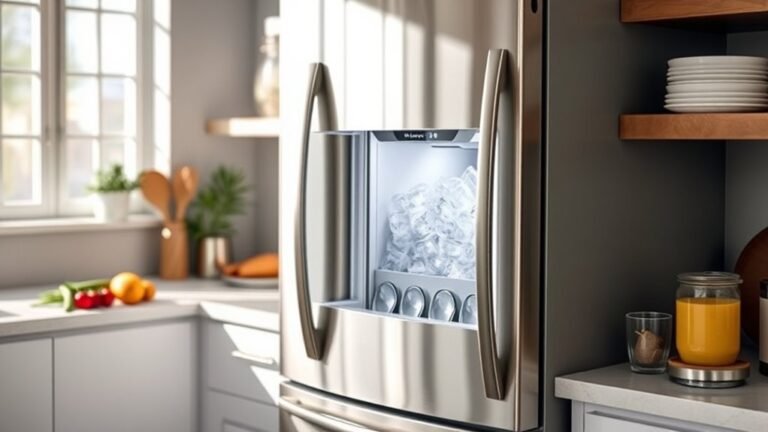
Then, if your fridge has features like ice makers or water dispensers, you’ll need a nearby cold water supply line and proper drainage to avoid leaks.
Ensure all connections are secure and meet local building codes.
It’s a good idea to consult a professional electrician and plumber—they can save you time and ensure everything is up to standard.
Proper setup reduces risks and helps your built-in fridge run smoothly for years.
Budgeting Tips for Buying a Built-in Cabinet Fridge
Although built-in cabinet fridges can be a big investment, setting a clear budget helps you focus on models that fit your needs without overspending. Start by researching ways to save money, like shopping during sales or choosing slightly older models, which often give you great value.
Don’t forget to include installation costs, since built-in units usually need professional setup. Explore financing options if the upfront price feels high. Many stores offer flexible payment plans that make your purchase easier to handle.
Think long-term too. Picking energy-efficient models can save you money on electricity bills over time. Focus on the features you really need to avoid paying for extras that won’t add much to your lifestyle. By combining these tips with smart budgeting and financing, you’ll find a built-in cabinet fridge that fits both your kitchen and your budget.
Top Brands and Models Worth Considering
When you’re looking into built-in fridges, it’s a good idea to check out the top brands out there. Seeing which ones fit your needs best can really make a difference. Comparing some of the popular models helps you get a feel for the key features and cool innovations they offer. Let’s take a closer look at what makes these options stand out from the crowd.
Leading Built-In Fridge Brands
Since choosing the right built-in fridge can greatly impact your kitchen’s functionality and style, it helps to know which brands lead the market. Brands like Sub-Zero, Bosch, and Miele consistently top the list due to their strong reputation and reliable performance.
Customer reviews often highlight their durability, energy efficiency, and seamless cabinetry integration. If you’re after innovation and quality, these brands won’t disappoint.
Other notable names include Thermador and KitchenAid, which also get positive feedback for design and user-friendly features. By sticking to trusted brands with good reviews, you can confidently pick a built-in fridge that fits your needs and enhances your kitchen’s look without sacrificing functionality.
Popular Models Comparison
When comparing popular built-in fridge models, it’s important to focus on features that matter most to you, like capacity, energy efficiency, and design compatibility.
You’ll want to consider how the design fits your kitchen style and whether installation might be a challenge. Here are some top models worth checking out:
- Bosch Benchmark Series: Sleek look, strong energy ratings, but it requires precise installation.
- Sub-Zero BI-36U: Known for durability and seamless integration, though it’s on the pricier side.
- Miele K 7734 Ui: Offers a modern appearance with customizable options, but installation can be complex.
- Fisher & Paykel CI36R: Compact with a smart layout, making it ideal for tight spaces and easier to set up.
Choosing the right model means balancing style, size, and potential installation hurdles to ensure it fits your space perfectly.
Features and Innovations
Although built-in cabinet fridges share a common purpose, their features and innovations vary widely, giving you plenty of options to match your needs. Top brands now integrate smart technology, allowing you to control temperature settings remotely via apps and receive alerts when the door’s left open.
This not only offers convenience but also helps maintain ideal food freshness. Customizable shelving is another standout feature, letting you adjust interior layouts to fit larger items or create more organized storage.
Some models include humidity-controlled drawers and energy-efficient LED lighting, enhancing usability and reducing power consumption. When choosing, look for these innovations to guarantee your built-in fridge fits your lifestyle and kitchen design perfectly.
Brands like Bosch, Sub-Zero, and Miele consistently offer these advanced features.
Maintenance Tips for Built-in Cabinet Fridges
Proper maintenance keeps your built-in cabinet fridge running efficiently and extends its lifespan. To keep it in top shape, stick to regular cleaning routines and be ready with troubleshooting tips for common issues.
Clean the interior and exterior surfaces monthly using mild soap and water. This helps prevent odors and mold from building up.
Check and clean the condenser coils every six months. This simple step can really improve the fridge’s cooling efficiency.
Inspect door seals regularly to make sure they’re airtight. If you notice cracks or gaps, it’s time to replace them.
Keep an eye on temperature settings and listen for unusual noises. If problems come up, consult the troubleshooting tips in your manual.
Frequently Asked Questions
Can Built-In Cabinet Fridges Be Used Outdoors?
You generally can’t use built-in cabinet fridges outdoors because they lack outdoor durability. These fridges aren’t designed to handle weather exposure like rain, heat, or cold, which can damage their components.
If you want an outdoor fridge, you’ll need to consider installation factors like proper ventilation and weatherproofing. Choosing a fridge specifically made for outdoor use ensures it performs well and lasts longer in those conditions.
Are Built-In Fridges Noisier Than Freestanding Ones?
You might think built-in fridges are noisier, but surprisingly, they often aren’t. Since they sit within cabinetry, the surrounding wood helps insulate sound, making them quieter than freestanding models.
That said, some built-ins can hum more if ventilation is tight. So, it’s a good idea to check noise ratings and ensure proper installation.
Do Built-In Fridges Require Special Plumbing Connections?
No, built-in fridges don’t usually need special plumbing connections unless they have features like ice makers or water dispensers. You should check the specific requirements for those models.
Installation often focuses more on ventilation and fitting the cabinet precisely rather than plumbing. If your fridge has water lines, plan for proper connections during setup to prevent leaks and ensure everything works smoothly.
Can I Convert a Regular Fridge Into a Built-In Cabinet Fridge?
Think of converting a regular fridge into a built-in like turning a bike into a motorcycle. It’s doable but takes some serious tweaks. You can do DIY modifications like adding trim kits or ventilation panels, but you’ll need solid installation tips to guarantee airflow and a good fit.
Without these adjustments, your fridge might overheat or look awkward. So, if you’re handy and patient, it’s possible. But buying a purpose-built unit usually saves headaches and ensures everything works properly.
What Warranty Options Are Available for Built-In Cabinet Fridges?
You’ll typically find built-in cabinet fridges come with a standard warranty of one to two years, covering parts and labor. Many manufacturers also offer extended coverage options that you can purchase to protect your fridge beyond the initial period.
It’s a good idea to check what’s included in the warranty—some extended plans cover compressor repairs or even accidental damage. Reviewing these options can help you avoid unexpected costs and keep your fridge running smoothly for longer.
Conclusion
So, you’re ready to dive into the exciting world of built-in cabinet fridges. Who doesn’t love the idea of a sleek, integrated kitchen look?
It’s not just about keeping your snacks cool; it’s about making your fridge blend seamlessly with your cabinets so even your leftovers feel fancy.
Remember, a perfect fit means fewer “oops” moments and more “wow” moments.
Happy fridge hunting—may your snacks stay cool and your patience stay cool too.
And when it comes to choosing the right built-in cabinet fridge, always keep in mind how it will fit into your space for a flawless look.