How to Rim a Glass with Salt Like a Pro for Perfect Cocktails
To rim a glass with salt, start by moistening the rim with a liquid like lime juice or water, then dip the glass into a plate of salt, pressing gently to ensure an even coating. This creates the classic salted rim that enhances drinks like margaritas and bloody marys.
A salted rim adds a burst of flavor and a pleasant contrast to the sweetness or sourness in cocktails. The right technique helps prevent the salt from clumping or falling off, making your drink look and taste professionally crafted. Using the proper salt texture can also influence both appearance and taste.
This article explains the best techniques for rimming a glass with salt, including preparation, salt selection, alternative liquids, and cleaning tips to maintain the perfect rim. Whether you’re a home bartender or preparing for a party, these practical steps will improve your cocktail presentation.
Preparing the Glass for a Salt Rim
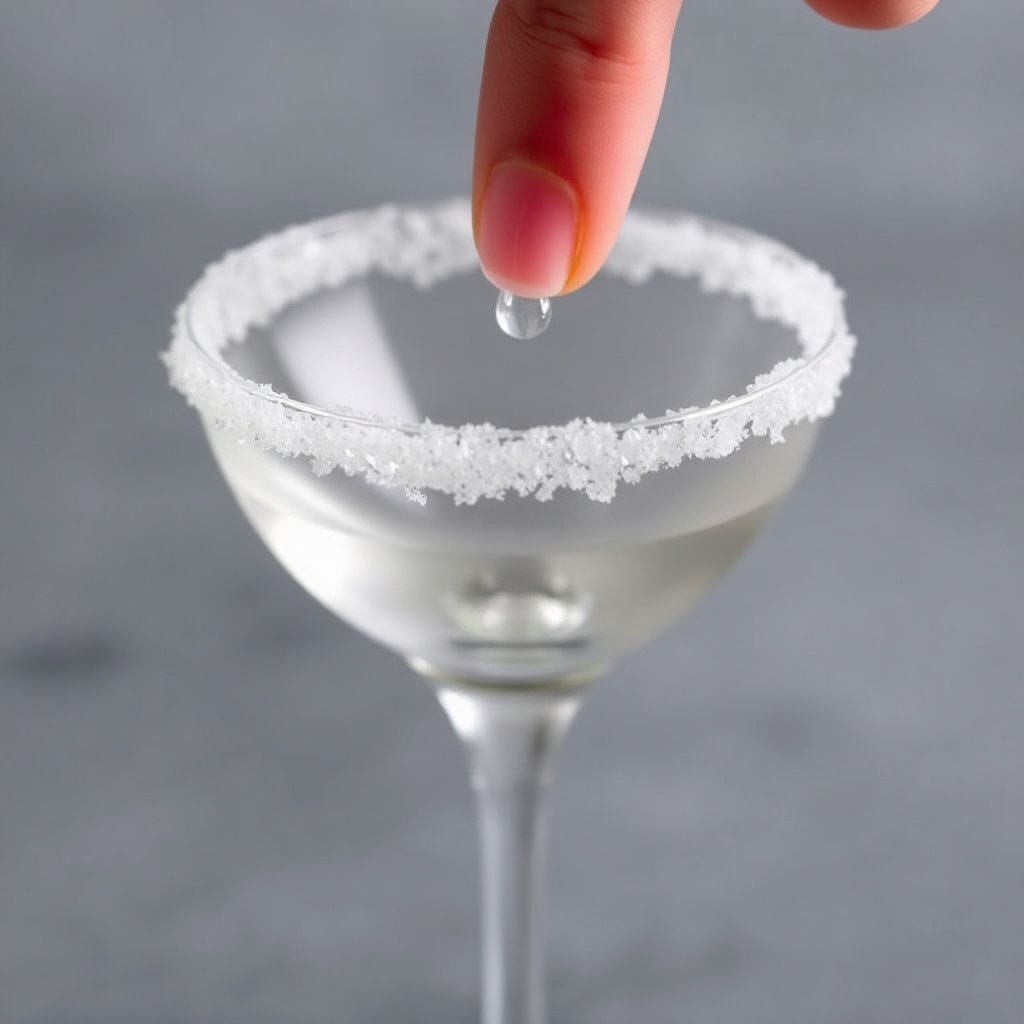
Cleaning and Drying the Glass
Before applying salt, it’s essential to start with a completely clean and dry glass. Wash the glass in warm water and mild soap, rinse thoroughly, then dry it with a lint-free cloth to avoid any residues or moisture that can interfere with the salt sticking evenly.
Any oils, fingerprints, or leftover detergents on the glass surface can prevent the salt from adhering correctly. Thorough cleaning of the rim ensures the liquid used for wetting the edge sticks well, leading to a clean, even salted ring.
Choosing the Right Glass Type
While most cocktail glasses can be rimmed with salt, glasses with a wider rim, such as margarita glasses or short rocks glasses, provide a better surface area for the salt to stick.
Thinner rims can be a bit trickier to salt evenly and require gentle handling during the application process to avoid cracking or chipping the glass edge.
Selecting the Salt for Rimming Glasses
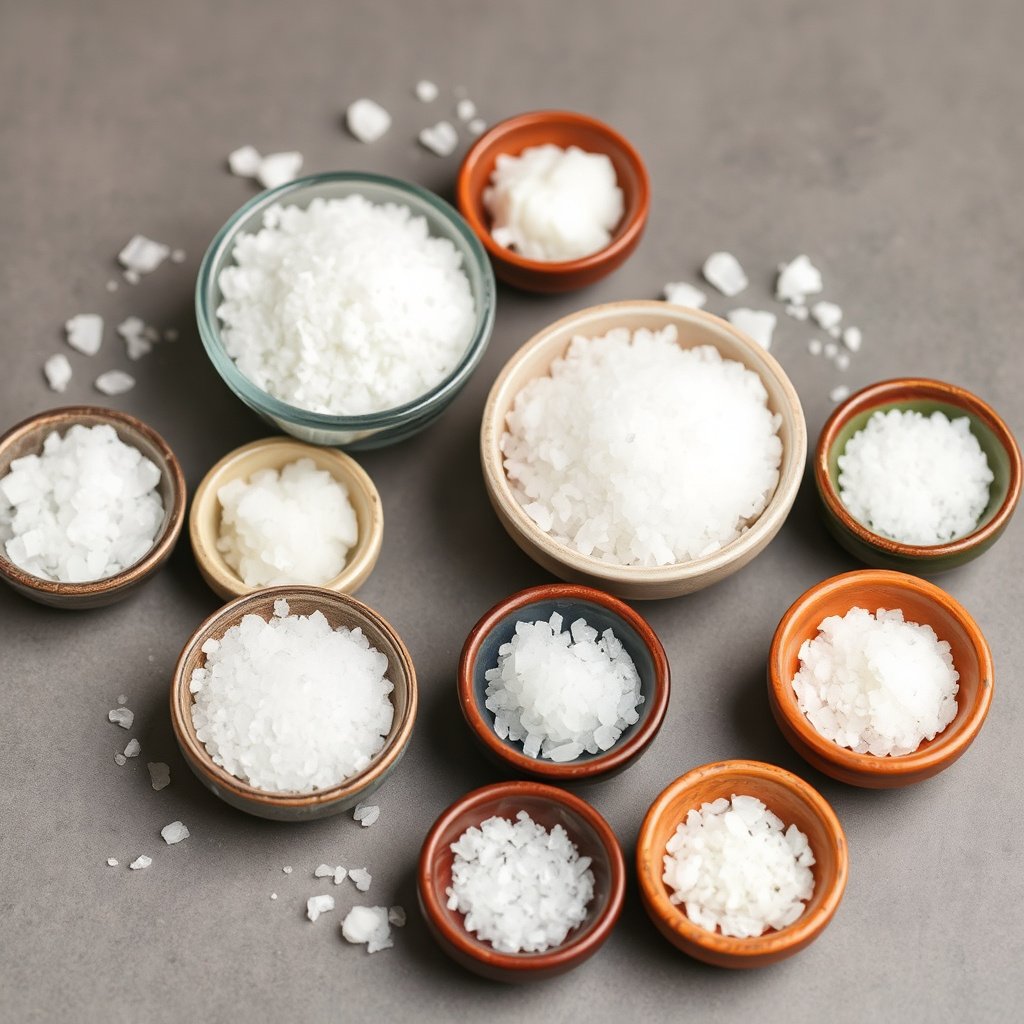
Coarse vs. Fine Salt
Coarse salts like kosher or sea salt are preferred for rimming because their larger grains cling well to the wet rim and provide a pleasant crunch when sipping. Fine table salt may dissolve too quickly or appear less attractive when used on the rim.
The texture and size of the salt grains can affect how much salt adheres and how it interacts with the cocktail’s flavor, so choosing based on the drink and personal taste matters.
- Coarse salt offers texture and visual appeal
- Fine salt dissolves faster but may be too subtle
- Flavored or colored salts add unique twists
Flavored and Colored Salt Options
Some bartenders use specialty salts infused with flavors like chili, lime, or smoked varieties to complement specific cocktails. Colored salts can also add a decorative element to the glass rim, enhancing presentation for themed drinks or parties.
Using flavored salt requires balancing so that it enhances rather than overpowers the drink, and it should adhere as well as traditional salts.
Moistening the Rim Properly

Best Liquids for Rimming a Salted Glass
Common liquids used to wet the rim before salting include lime juice, lemon juice, and simple syrup mixed with lime. Lime juice works especially well for margaritas, providing both moisture and complementary flavor.
Water can be used but offers no flavor and may cause the salt to slide off more easily. Experimenting with citrus or juice blends allows customization of taste and rim adhesion.
- Lime juice for tartness and grip
- Lemon juice for milder flavor
- Orange juice or syrup for sweetness
For more on this, see our related guide: How to Make Shrimp Alfredo: Complete Steps and Tips for Perfect Creamy Pasta.
Techniques to Evenly Moisten the Rim
An effective method is to rub a lime wedge around the rim, leaving just enough moisture without dripping. Alternatively, dipping only the rim edge briefly into a shallow dish of liquid works well for consistent coverage.
Avoid over-wetting the rim, as this can cause salt clumps or uneven patches. A thin, even layer provides the best surface for salt adherence and an attractive finish.
Applying Salt to the Glass Rim
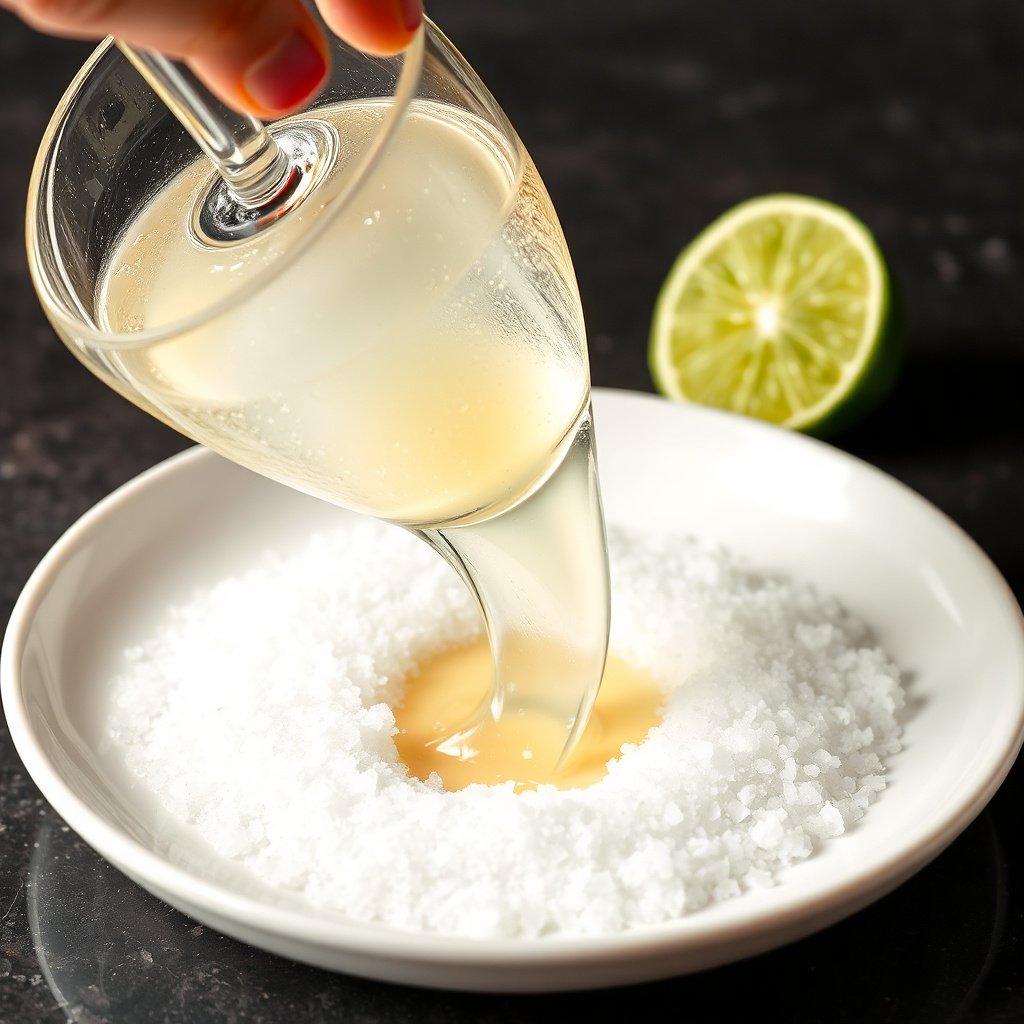
Dipping vs. Sprinkling Salt Application Methods
Dipping the rim directly into a plate of salt is the most common method and typically produces an even coating. The glass is gently pressed into the salt, then lifted straight up to avoid smudging.
Alternatively, sprinkling salt over a wet rim with fingers or a small spoon allows more control, useful for delicate glasses or for decorative patterns, although it may take more time.
- Dipping is fast and consistent
- Sprinkling offers precision and creativity
Tips to Avoid Salt Clumping and Falling Off
After salting, let the glass sit upside down for a moment to let excess salt fall off and the rim dry slightly. This helps secure the salt in place.
If salt clumps or looks patchy, gently tap the glass against a surface or shake off extra grains before filling it with the drink.
- Allow rim to dry for better adhesion
- Use pressure evenly during dipping
Alternative Rimming Ingredients Beyond Salt

Using Sugar and Flavored Sugars for Rims
Sugar is a popular alternative for rimming sweet or dessert cocktails like mojitos or lemon drops. Granulated sugar, sanding sugar, or mixes flavored with spices suit these styles well.
Choosing the right sugar grain size influences both appearance and how it dissolves in the cocktail, affecting mouthfeel.
- Granulated sugar for standard sweetness
- Sanding sugar for sparkle
- Cinnamon sugar for warmth
For more on this, see our related guide: How to Order a Drink at a Bar: A Complete Guide for Beginners.
Creative Rims with Spices and Herbs
For unique cocktails, rims can incorporate spices like chili powder, smoked paprika, or crushed herbs. These selections add complexity and can balance or intensify flavors in savory or spicy drinks.
Careful blending and moderation are necessary so the rim complements without overpowering the cocktail itself.
Cleaning and Maintaining Rimmed Glasses

Cleaning Glasses After Use
Rimmed glasses should be cleaned immediately after use to prevent salt or sugar buildup that can be difficult to remove later. Rinse with warm water and wash gently to preserve any glass etching or decoration.
Avoid scrubbing the salt rim area too harshly before use as it is delicate, but ensure all residues are properly washed away to avoid taste carryover.
For more details on cocktail glassware techniques, you can explore the dedicated Wikipedia page to better understand glass types and proper handling. Cocktail glassware techniques.
Avoiding Rim Damage for Future Use
Repeated salting and washing can wear down glass rims or cause chipping. Using glasses with sturdy rims and handling them carefully during the rimming process helps them last longer.
Storing glassware properly to prevent contact with hard surfaces is also advisable for preserving their appearance and function.
Comparison of Salt Types for Rimming Glasses
Here's a breakdown of commonly used salts to consider when rimming your glass, showing their texture, flavor impact, and best uses.
| Salt Type | Grain Size | Flavor Profile | Best Use |
|---|---|---|---|
| Kosher Salt | Coarse | Mild, clean | Classic salted rims, margaritas |
| Sea Salt | Coarse to Fine | Mineral-rich, stronger | Savory cocktails, unique flavors |
| Table Salt | Fine | Sharp, salty | Less common for rims, dissolves fast |
| Flavored Salt | Varies | Varied with additions | Specialty cocktails, thematic drinks |
| Smoked Salt | Coarse | Smoky, earthy | Complementing dark spirits, complex cocktails |
Frequently Asked Questions
Can I use any type of salt for rimming glasses?
While any salt can technically be used, coarse salts like kosher and sea salt are preferred for their texture and flavor. Fine table salt may dissolve too quickly and not provide the desired crunch or appearance.
What liquid should I use to moisten the glass rim?
Citrus juices such as lime or lemon juice are popular because they add flavor and help the salt stick well. Water can work but doesn’t add taste and may not hold salt as firmly.
How do I prevent salt from falling off the rim during drinking?
Make sure the glass rim is cleaned beforehand, moistened evenly but not excessively, and allow the salt to set momentarily before pouring the drink. Gently tapping off excess salt also helps.
Can I use sugar instead of salt for rimming glasses?
Yes, sugar is great for sweet cocktails. Granulated or sanding sugar works well, and flavored or colored sugars provide creative options for desserts or festive drinks.
Is it difficult to clean salted rim glasses?
Not if cleaned promptly after use. Warm water rinsing and gentle washing remove salt residues without harming the glass. Avoid letting salt dry on the glass to simplify cleaning.
Key Takeaways
- Moisten the glass rim evenly with lime juice or a similar liquid before applying salt.
- Coarse salts like kosher or sea salt deliver the best texture and flavor for rimming glasses.
- Avoid over-wetting the rim to prevent salt clumps or uneven coating.
- Clean and dry glasses thoroughly before rimming for a professional finish.
Conclusion
Selecting the best way to rim a glass with salt combines both technique and an understanding of the ingredients. Starting with a clean, dry glass and carefully moistening the rim ensures the salt adheres evenly. The choice of salt — whether traditional coarse kosher salt, mineral-rich sea salt, or specialty flavored varieties — shapes both the visual appeal and the taste balance of your cocktail. Mastering these fundamentals empowers you to enhance your drinks’ presentation and flavor, bringing a bar-quality experience to home or event settings.
For intuitive ease and classic results, kosher salt dipped onto rims moistened with fresh lime juice provides compatibility with many cocktails like margaritas and bloody marys. Those interested in creative takes might explore flavored or smoked salts to complement particular spirits. Sugar rims also open doors to sweeter, dessert-style beverages. Each method offers opportunities to pair rim flavor with the drink’s brightness, sweetness, or savoriness, highlighting the importance of one’s cocktail preferences when deciding how to rim a glass.
Try practicing different rimming liquids and salts according to your favorite recipes, adjusting proportions to match your taste. Whether hosting guests or enjoying a casual evening, a well-rimmed glass turns a simple drink into a memorable experience. Keep your glassware well-maintained and experiment with variations to find the perfect rim style for your cocktails.