Best Chest Freezer: Top Picks and Buying Tips
Finding the perfect chest freezer can feel overwhelming with so many options out there. Many people struggle to choose one that fits their space, budget, and storage needs. You’re not alone—navigating features and sizes can be tricky.
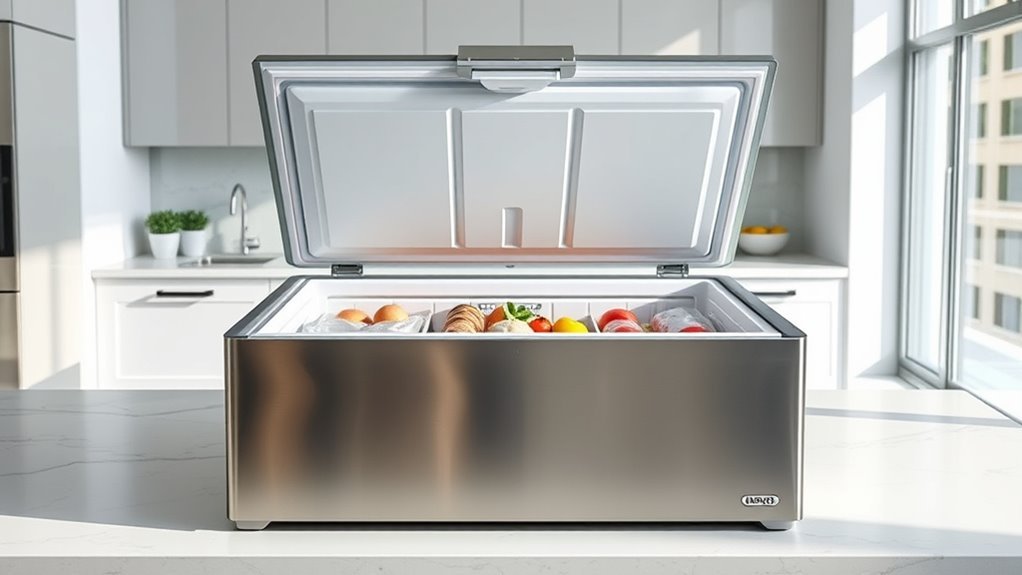
Choosing the best chest freezer means balancing size, energy efficiency, and features like adjustable temperature controls and easy defrosting. Measure your space and pick a size that fits your family’s needs, usually 5 to 20+ cubic feet.
Look for models with good insulation and Energy Star ratings to save on bills. Durable construction and handy baskets keep things organized.
You’ll find options for every budget and storage goal, plus tips to extend your freezer’s life.
Comparing chest vs. upright styles can also help you decide which fits your lifestyle best.
Key Takeaways
- Choose a chest freezer size based on your family’s needs and available space. Usually, 5 to 20+ cubic feet offers good storage options.
- Look for energy-efficient models with reliable, adjustable temperature controls. Make sure they’re well-insulated and built to last.
- Features like removable baskets, quick-freeze options, interior lighting, and easy defrosting can make your life easier.
- Keep your freezer in top shape by defrosting it regularly, cleaning the coils twice a year, and checking the door seal for a tight fit to save energy.
- Compare prices, warranties, and energy rebates from online and local stores. This helps you find the best deals and value.
Why a Chest Freezer Saves You Money and Space
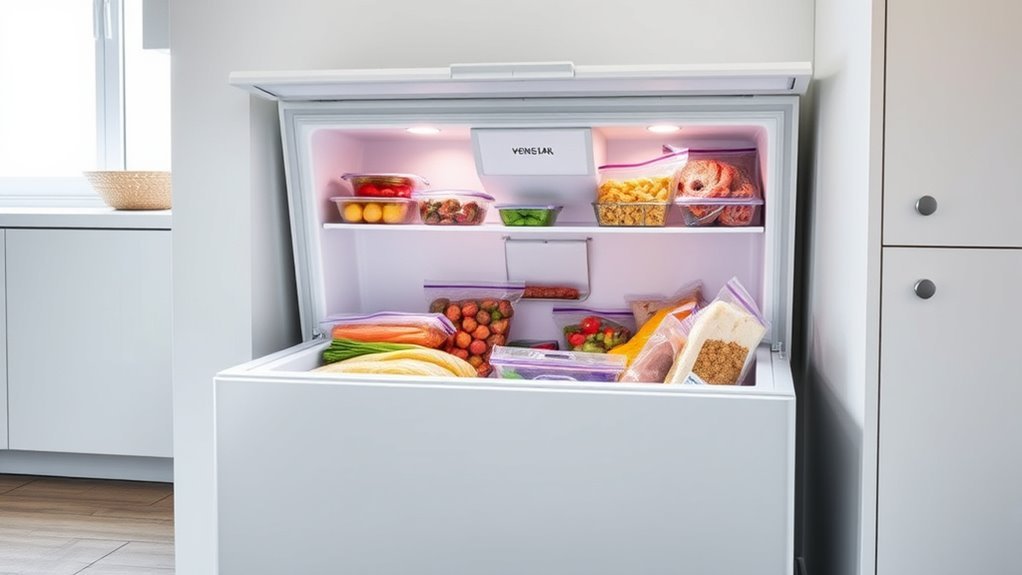
Although chest freezers take up some floor space, they actually save you more room in the long run by providing extra storage for bulk purchases. When you buy in bulk, you take advantage of lower prices, leading to significant cost savings over time.
Instead of making frequent trips to the store, you can stock up on your favorite items, reducing impulse buys and last-minute shopping runs. A chest freezer keeps your food fresh longer, minimizing waste and stretching your grocery budget further.
Plus, its design maximizes storage efficiency, letting you organize larger quantities without cramming your fridge. You’ll appreciate the convenience of having meals and ingredients ready when you need them.
Choosing the Right Size Chest Freezer
First things first, grab a tape measure and check out the spot where you want to put your chest freezer. You want to make sure it’ll fit comfortably — nobody wants a cramped freezer!
Then, think about how much food you usually keep on hand. If you tend to buy in bulk or like to stock up, you might want a slightly bigger size. It’s also a smart idea to plan ahead — if you think your food storage needs might grow, choosing a larger freezer now can save you from upgrading too soon later on.
Assess Available Space
Before choosing a chest freezer, measure the space where you want to put it. Knowing the exact dimensions helps you avoid getting a unit that’s either too big or too small.
Make sure to leave extra room around the freezer for ventilation and door clearance. Think about your storage layout—will it fit comfortably in your kitchen, garage, or basement without blocking walkways or outlets?
Also, check how the lid opens and make sure there’s enough space to open it fully. Taking these steps ensures your new freezer fits perfectly, works well, and doesn’t cause any inconvenience or cramped conditions.
Estimate Storage Needs
Once you’ve figured out where the chest freezer will fit, focus on how much storage space you actually need. Estimating your storage needs depends a lot on your family size and your grocery shopping habits. Using these estimates can help you avoid buying a freezer that’s either too small or too big.
Smaller families may only need 5 to 7 cubic feet, which is enough for basic meal prep. Larger families or those who buy in bulk will want somewhere between 7 and 12 cubic feet. Very large families or those storing lots of bulk items might need 12 to 20 or more cubic feet.
This table shows how storage needs increase with family size and can guide your choice.
Consider Future Expansion
Although it’s important to match your chest freezer size to your current needs, planning for future expansion guarantees you won’t outgrow it too quickly. Think about how your household or storage demands might change—buying in bulk, growing family size, or meal prepping more often. These future needs should influence the size you choose today.
When weighing expansion considerations, factor in available space and budget but lean toward a slightly larger model if possible. This approach saves you from upgrading too soon and offers flexibility. Remember, it’s easier to have extra storage than to scramble when your freezer fills up.
Must-Have Features in the Best Chest Freezers
When choosing the best chest freezer, you’ll want features that improve convenience, efficiency, and storage capacity. Start by looking for energy efficiency to keep your electricity bills low while maintaining ideal freezing conditions.
Prioritize convenience, efficiency, and storage capacity when selecting the best chest freezer for your needs.
A freezer with adjustable temperature control lets you set the perfect environment for different types of food, ensuring freshness and safety. You’ll also appreciate a well-insulated design that helps maintain consistent temperatures and reduces frost buildup.
Consider models with removable baskets or dividers to organize items easily and maximize space. A durable seal on the lid prevents cold air from escaping, boosting efficiency.
Moreover, look for a freezer with a quick-freeze function to preserve food quality when you add large amounts. Finally, an interior light can make it easier to find items without leaving the lid open longer than necessary.
These must-have features help you get the most out of your chest freezer every day.
How to Save Energy With Your Chest Freezer
Beyond choosing a chest freezer with energy-saving features, you can take simple steps to reduce its power consumption daily. Start by selecting energy-efficient models with high Energy Star ratings, as they use less electricity without sacrificing performance.
Proper temperature management is key. Set your freezer between 0°F and 5°F to keep food safe and minimize energy use. Avoid setting it colder than necessary, which wastes power.
Keep the lid closed as much as possible to prevent cold air from escaping and warm air from entering. Periodically defrost your freezer to prevent ice buildup, which makes the compressor work harder.
Position your freezer away from heat sources like direct sunlight or ovens, since extra heat makes it consume more energy. Finally, check that the door gasket seals tightly to maintain consistent temperatures.
Following these tips helps you save energy, lower bills, and extend your freezer’s lifespan without sacrificing storage capacity.
Top Chest Freezers for Large Families and Bulk Storage
If you need plenty of storage space for your growing family or bulk groceries, choosing the right chest freezer is a must. Chest freezers made for large families offer lots of capacity and smart organization options, making meal prep and bulk shopping easier.
Look for models with features like adjustable baskets and quick-freeze settings to keep your food fresh longer. These options help you maximize space and preserve your groceries better.
Here’s a quick look at some top chest freezers ideal for big families:
| Model | Capacity (cu. ft.) | Key Feature | Price Range |
|---|---|---|---|
| Arctic King 7.0 | 7.0 | Energy-efficient LED | $400-$500 |
| Midea 9.0 | 9.0 | Adjustable dividers | $600-$700 |
| GE 15.0 | 15.0 | Fast freeze option | $900-$1,100 |
| Frigidaire 20.0 | 20.0 | Temperature alarm | $1,200-$1,400 |
Pick a model that fits your storage needs and budget to make family meal prep easier and get the most out of bulk buying.
Compact Chest Freezers Perfect for Small Spaces
Large chest freezers offer plenty of space for families and bulk storage, but not everyone has the room to accommodate them. If you’re tight on space, a compact design chest freezer is your best bet.
These smaller units fit easily into apartments, dorm rooms, or kitchens with limited floor area. They give you efficient storage solutions without sacrificing functionality.
You’ll find models that maximize interior space with smart organization features like removable baskets and adjustable shelves. This helps keep your frozen goods neat and accessible.
Plus, their compact design often means lower energy consumption, saving you money over time. Whether you need an extra freezer for meal prep or want to stock up on essentials, these models provide convenience without overwhelming your space.
When shopping, look for units that balance size with capacity. This ensures you get the storage you need without cluttering your home.
Affordable Chest Freezers That Deliver Quality
Although you might be on a budget, you don’t have to compromise on quality when choosing a chest freezer. Many budget brands now offer models packed with quality features that guarantee efficient freezing and durability without breaking the bank.
When shopping, focus on these essentials to get the best value:
- Reliable temperature control for consistent freezing
- Energy-efficient designs to save on electricity bills
- Durable construction with rust-resistant coatings
- Ample storage space without a bulky footprint
- Easy-to-use manual or digital defrost options
How to Maintain and Clean Your Chest Freezer
To keep your chest freezer running smoothly and last longer, regular maintenance and cleaning are key. First, unplug the freezer and take out all the contents.
Use a soft cloth with warm water and a gentle detergent to wipe down the inside, focusing on corners and seals where dirt and ice tend to collect. Avoid harsh chemicals that could damage the surfaces.
Defrost your freezer whenever you notice ice buildup exceeding a quarter inch. This helps prevent strain on the compressor and keeps your freezer working efficiently.
Check the door gasket regularly to make sure it seals tightly. If you see cracks or damage, it’s time to replace it. Clean the condenser coils at least twice a year to keep dust and debris away, preventing overheating.
Finally, keep the area around your freezer clear so air can circulate properly. Following these simple tips will help your chest freezer stay in good shape for years to come.
Chest vs. Upright Freezers: Which One Suits Your Needs?
Thinking about getting a freezer? Well, it all comes down to whether a chest or an upright freezer is the right fit for you. First things first, consider how much space you have available. Chest freezers tend to be larger and spread out, so they’re great if you’ve got room to spare. Upright freezers, on the other hand, are more compact and easier to fit into smaller spaces.
Next up is energy efficiency. Both types can be good, but generally speaking, chest freezers are a bit more energy-friendly because they keep the cold in more effectively. That said, it’s worth checking out the energy ratings of specific models before making a decision.
And don’t forget about convenience! Upright freezers usually make it easier to see and access your items without digging through piles. Chest freezers might require you to bend down or dig around a bit more, but they often offer more storage space for larger items. So, think about what’s more important for you—easy access or maximizing space.
Space Efficiency Comparison
Deciding between a chest and an upright freezer often comes down to how you plan to use your available space. When evaluating storage layouts and freezer placement, you want to optimize every inch.
Chest freezers generally offer more usable space per cubic foot, making them ideal if you need bulk storage. Upright freezers, on the other hand, fit better in tighter spots and provide easier access thanks to shelves and compartments.
Here’s what to evaluate:
- Chest freezers maximize floor space with a wide, deep design
- Upright freezers take up less floor area but require more height
- Chest freezers work well in basements or garages with open floor plans
- Upright models suit narrow kitchens or tight utility rooms
- Storage layouts inside uprights make organizing smaller items easier
Choose based on your room’s layout and how you prioritize freezer placement.
Energy Consumption Differences
Although chest and upright freezers both keep your food frozen, they differ quite a bit in energy use. When you compare their energy ratings, chest freezers usually perform better.
Their design helps reduce cold air loss because warm air rises, so when you open a chest freezer, less cold air escapes. This makes them more energy-efficient overall.
Upright freezers are more convenient but tend to use more power because cold air escapes quickly each time you open the door. If you’re looking to save on electricity bills, it’s important to check their energy ratings.
Picking a chest freezer with a high energy rating can help lower your long-term costs and reduce your environmental impact. So, if saving energy is a priority, a chest freezer might be the smarter choice.
Accessibility And Organization
How easily can you access and organize your frozen goods? When choosing between chest and upright freezers, think about how accessibility features and storage options fit your lifestyle. Chest freezers give you more space but often require bending down. Upright models make it easier to reach items with shelves.
To keep your freezer organized, try these tips and layout ideas:
- Use clear bins to separate different food categories
- Label items with dates so you can find things quickly
- Keep frequently used items near the top or front
- Use dividers or baskets to prevent clutter
- Rotate stock regularly so nothing gets forgotten
Where to Find the Best Deals on Chest Freezers
When you’re ready to buy a chest freezer, knowing where to look can save you a lot of money. Start by exploring online retailers, where seasonal sales and clearance events often offer big discounts.
Exploring online retailers first can uncover seasonal sales and clearance deals that save you money on chest freezers.
Don’t forget to check local appliance stores too. They might have in-store deals or open-box specials. Use price comparison tools to find the best offers, and read customer reviews to ensure you’re getting a reliable model.
Pay attention to warranty options and delivery services, which add value and convenience. Some sellers also offer financing plans that let you spread out payments without stress.
In addition, look into energy rebates available in your area to cut costs further. Combining these strategies helps you get the best deal without sacrificing quality or service.
Frequently Asked Questions
Can Chest Freezers Be Used for Non-Food Storage?
Yes, you can definitely use chest freezers for non-food storage. They’re great for saving items that need to stay cold and stable.
You can store things like vaccines, flowers, or certain chemicals that need a consistent temperature. Just make sure the items won’t be damaged by freezing.
Chest freezers aren’t just for food — they’re versatile and can handle various non-food storage needs.
Do Chest Freezers Require Special Installation?
No, chest freezers don’t require special installation. You just need a flat, well-ventilated space near a grounded electrical outlet.
Make sure the area allows for proper airflow to keep energy efficiency high and prevent overheating. Keep it away from direct sunlight or heat sources to help maintain a consistent temperature.
Plug it in, set the thermostat, and you’re all set!
How Noisy Are Chest Freezers During Operation?
Chest freezers hum like a quiet lullaby. Overall, their noise levels are pretty low and usually won’t disturb your home’s peace.
You might notice a soft buzz when the compressor kicks in, but it’s generally subtle.
If you’re sensitive to sounds, you can try soundproofing options like placing mats underneath or enclosing the freezer in a ventilated cabinet.
These small tweaks can help keep the noise down to a whisper, so your freezer doesn’t steal the spotlight.
Are Chest Freezers Safe for Storing Medical Supplies?
Yes, chest freezers can be safe for storing medical supplies if they meet certain safety standards.
Make sure the freezer keeps a consistent temperature suitable for your supplies and has reliable alarms for any temperature changes.
It’s also important to check if it follows medical-grade refrigeration guidelines.
Choosing a chest freezer designed or certified for medical use helps protect your supplies and keeps them in good condition.
Can Chest Freezers Be Moved Easily Once Filled?
You can move a chest freezer once it’s filled, but it’s not easy. The weight distribution gets uneven, making it heavy and awkward to lift.
To make things easier and reduce strain, try organizing items so heavier things sit at the bottom and lighter ones on top.
Using a dolly or asking for help can also prevent injuries. Proper space management inside helps keep it balanced and safer to move when needed.
Conclusion
Choosing the chest freezer that fits your family’s needs can save space, cut costs, and make storage easier. Picking the right size, spotting standout features, and being mindful of energy efficiency are key to finding a great model.
Whether you’re storing for a small household or a large family, maintaining your chest freezer helps it perform at its best.
Take your time to find the best deals and make a confident choice—your perfect, practical, and budget-friendly chest freezer is waiting.