How to Make Clear Ice Cubes: A Step-by-Step Guide for Crystal-Clear Results
Making clear ice cubes is straightforward once you understand the basic principles behind crystal-clear frozen water. The key is to control the freezing process so impurities and air bubbles don’t get trapped inside the ice. By using directional freezing and purified water, anyone can create beautiful, transparent ice cubes.
Clear ice matters because it melts slower and looks more sophisticated in cocktails and beverages, enhancing both presentation and flavor experience. Cloudy ice, caused by trapped air and minerals, not only looks unappealing but also dilutes drinks too quickly. Learning how to make clear ice cubes transforms everyday cocktails into a polished, bar-quality treat.
This guide will cover the science behind clear ice formation, the best household methods including directional freezing, water selection, and specialized tools you can use. You’ll also find tips on freezing techniques, storage, and how to troubleshoot common problems for consistently clear ice cubes.
Understanding the Science Behind Clear Ice Cubes
Why Ice Turns Cloudy
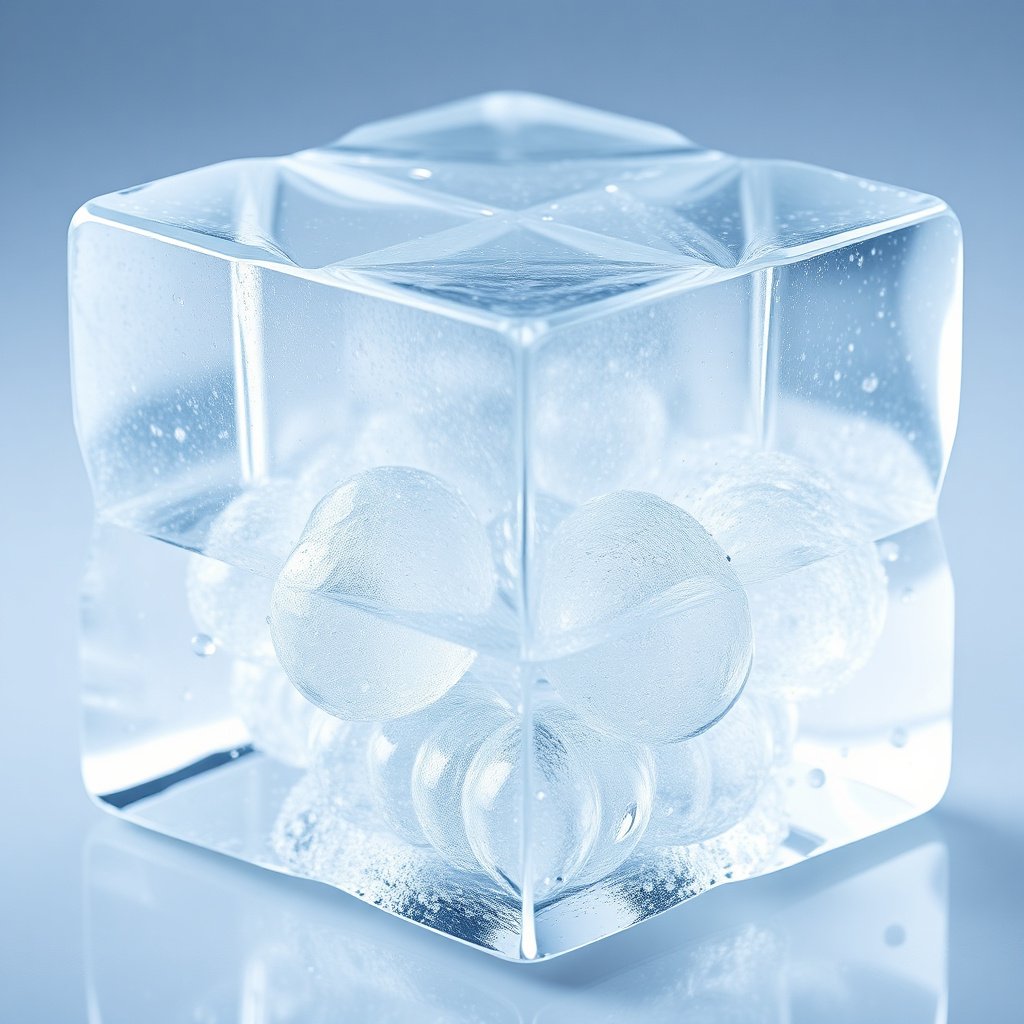
Most ice cubes turn cloudy due to trapped air and impurities in the water that become encapsulated as it freezes rapidly. When freezing happens unevenly, air is pushed into the center rather than escaping, causing haziness.
Minerals and particles dissolved in tap water also affect clarity, creating white patches. Cloudiness occurs because the freezing front advances from all directions instead of a single direction, causing sudden ice formation inside the cube.
The Role of Freezing Directionality
Directional freezing means controlling ice to form from one side only, usually top-down, forcing air and impurities to be pushed away from the freezing front. This method produces a clear layer while trapping bubbles at the unfrozen water area.
Professional ice makers use machines that freeze water slowly in layers, isolating cloudiness at the bottom which can then be cut off. Replicating directional freezing at home involves insulating parts of the container to encourage one-way freezing.
Choosing the Right Water for Clear Ice
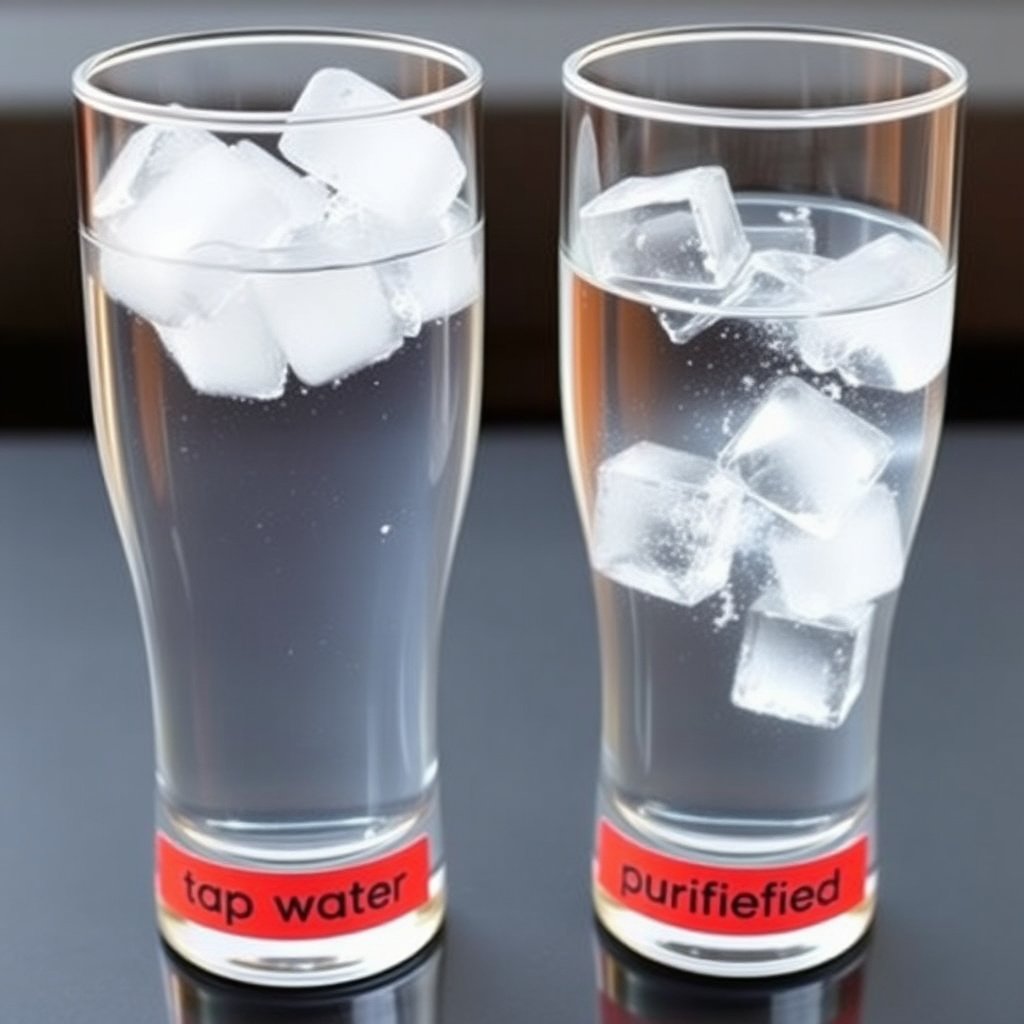
Why Purified or Distilled Water Works Best
Filtered, purified, or distilled water contains fewer minerals and impurities compared to tap water, which increases the chance of droplets freezing clear. Using such water reduces cloudiness caused by dissolved solids.
Though boiling tap water before freezing can help remove gases, it does not eliminate minerals, so distilled or reverse osmosis water still yields the clearest ice cubes with less cloudiness.
- Distilled water has minimal dissolved solids
- Purified water reduces cloudiness significantly
- Boiling helps release trapped gases but not minerals
How Water Temperature Affects Ice Clarity
Starting with warm or room-temperature water can aid the slow freezing process required for clear ice. Some enthusiasts use boiled, cooled water to minimize dissolved air content before freezing.
Slow freezing from warmer starting temperatures allows gases to escape and crystals to form more uniformly, which supports the production of clear, solid ice rather than fractured or cloudy cubes.
Practical Methods to Make Clear Ice Cubes at Home
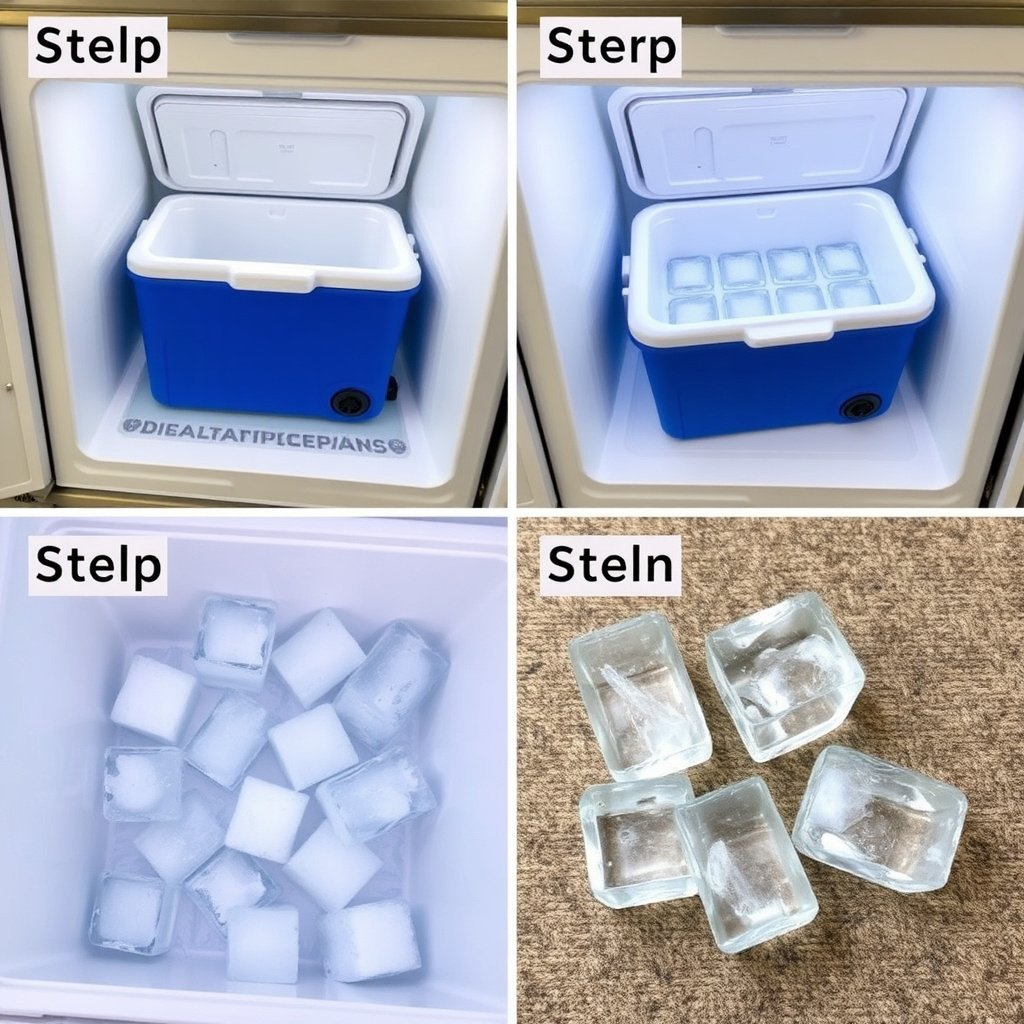
Using a Cooler for Directional Freezing
One popular and effective DIY method is to use a small insulated cooler without a lid placed inside your freezer. The insulation slows freezing from the sides and bottom, causing water to freeze slowly from top to bottom.
Air, minerals, and impurities are pushed to the bottom unfrozen layer, which you can later chip off, leaving a large block of clear ice suitable for cutting into cubes or large chunks for drinks.
- Use purified water for best clarity
- Remove cooler before fully frozen to cut off cloudy bottom
- Break large clear block into cubes or shapes
For more on this, see our related guide: How to Choose Refrigerators That Make Nugget Ice for Your Kitchen.
Silicone Molds and Temperature Control
Special silicone molds designed for clear ice can help shape large, slow-freezing blocks. These molds sometimes come with covers or insulation to further support directional freezing principles.
Freezing at lower freezer temperatures can speed the process but may trap air. Setting a freezer to a warmer setting and allowing extra freeze time often produces clearer ice cubes with fewer cracks.
Tools and Gadgets to Simplify Clear Ice Making
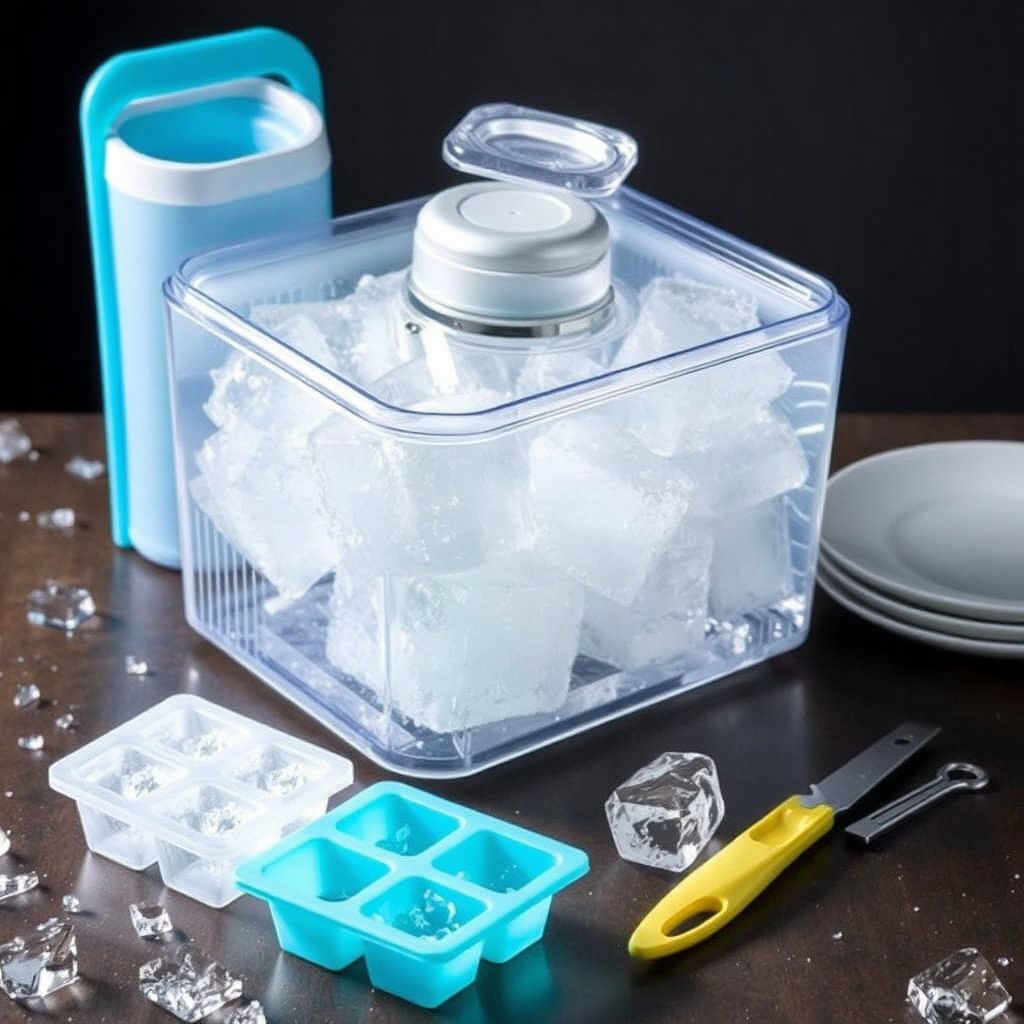
Clear Ice Makers and Kits
There are compact machines designed specifically for clear ice, which automate directional freezing with built-in insulation and temperature regulation. Though an investment, these machines deliver consistently clear ice with minimal effort.
Some kits include molds, trays, and chisels for shaping and handling large clear ice blocks, combining convenience and precision for enthusiasts focused on presentation.
- Machines provide hassle-free clear ice
- Kits offer basic tools for DIY sculpting
- Ideal for regular cocktail use or entertaining
Using Ice Picks and Chisels Safely
Once you’ve created a block of clear ice, shaping it into cubes or spheres often requires ice picks or chisels. Using these tools carefully prevents shards or cracks that ruin clarity and aesthetic.
Safety matters: wearing gloves and working on a sturdy surface reduces risk. Fine-tuning cube size and shape lets you customize how ice interacts with your drink, improving melt rate and chill.
Storing and Serving Clear Ice Cubes for Best Results

Preventing Cloudiness and Odors in Storage
Once made, clear ice cubes should be stored in airtight bags or containers to prevent absorption of freezer odors and moisture which cause surface clouding over time.
Placing a damp paper towel in the storage container can help maintain humidity levels to avoid frost buildup that detracts from clarity and texture.
For more on this, see our related guide: How to Make Bread Pudding Perfectly: Complete Steps and Tips.
Best Practices for Serving Clear Ice
Serve clear ice cubes in crystal-clear glassware to highlight transparency. Larger cubes or spheres chill slowly without excessive dilution, ideal for spirits like whiskey or cocktails where flavor concentration matters.
Avoid stacking cubes in containers or shaking vigorously before serving to maintain the pristine surface and visual appeal of your clear ice.
- Use large cubes or spheres for slower melting
- Choose clear glass to showcase ice
- Handle cubes gently to keep clarity intact
Troubleshooting Common Issues with Clear Ice Cubes
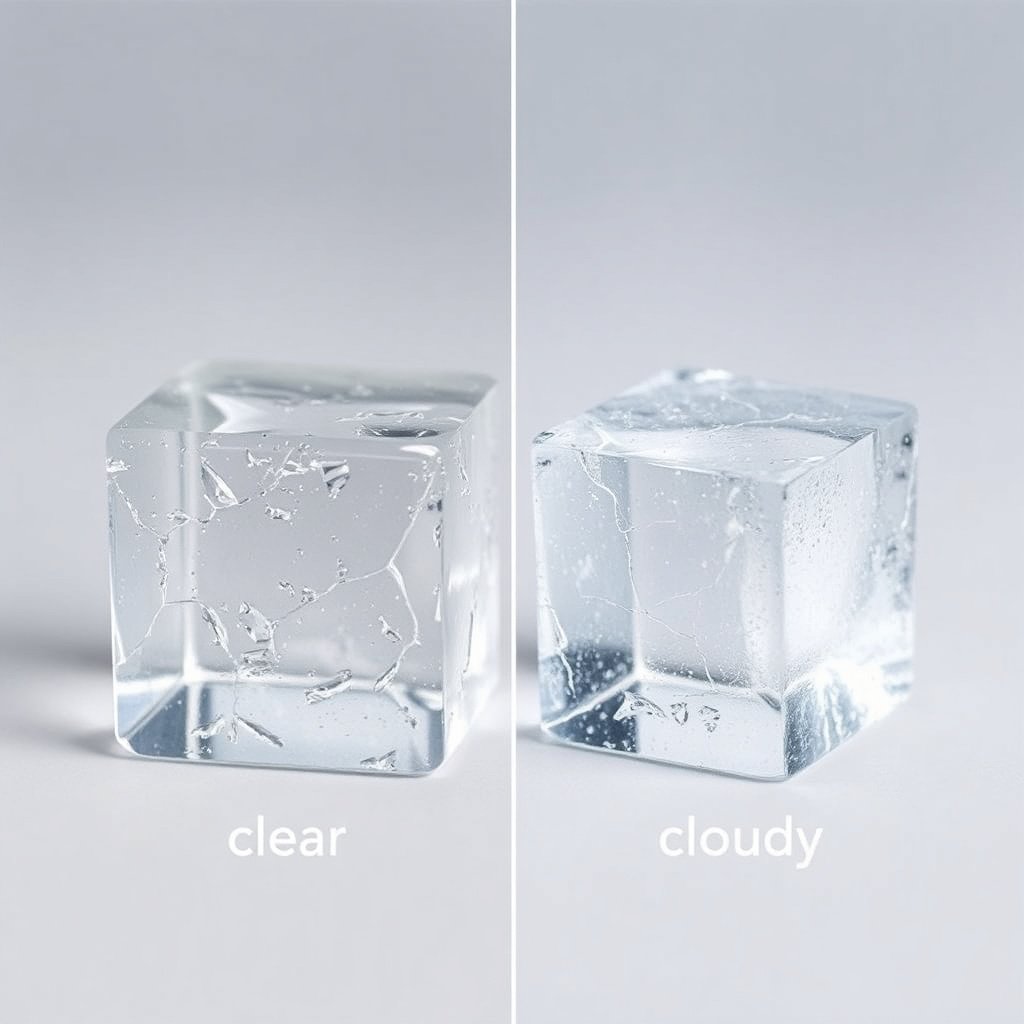
Fixing Air Bubbles and Cloudy Layers
If small bubbles form inside, letting water sit out to degas before freezing or boiling water twice can reduce trapped air. Using directional freezing via a cooler helps push bubbles away from the major ice layers.
Avoid shaking or stirring water before freezing, which introduces air. If cloudiness appears at the bottom, try cutting it off once frozen for a clearer ice block.
For more detailed scientific insights into the factors affecting ice clarity, see the ice optical properties on Wikipedia. Ice clarity explanation on Wikipedia.
Dealing with Cracks and Breakage
Ice cracks from rapid temperature changes or getting frozen too fast. Slowing the freezing speed by insulating or using warmer freezer settings reduces stress in the ice crystals.
Careful handling with tools and gradual warming before shaping also prevents cracking and preserves transparency when cutting or chiseling clear ice.
Clear Ice Making Methods Comparison
Here’s a comparison of popular clear ice-making methods including their speed, clarity results, and required effort.
| Method | Freezing Time | Clarity Quality | Ease of Use | Cost |
|---|---|---|---|---|
| Directional Freezing with Cooler | 12-24 hours | Very Clear | Moderate | Low |
| Water Boiling & Freezing | 6-12 hours | Moderate | Easy | Low |
| Commercial Clear Ice Maker | 4-6 hours | Extremely Clear | Very Easy | High |
| Special Silicone Molds | 8-16 hours | Clear | Easy | Moderate |
| Tap Water Freezing (No Prep) | 3-6 hours | Cloudy | Very Easy | Free |
Frequently Asked Questions
Can I make clear ice cubes using regular tap water?
Regular tap water tends to produce cloudy ice due to minerals and impurities. Using distilled, purified water or boiling tap water helps improve clarity but may not eliminate cloudiness entirely.
How long does it take to make clear ice cubes using the cooler method?
Using a cooler for directional freezing generally takes about 12 to 24 hours, depending on size and freezer temperature, to produce a clear ice block with cloudy parts pushed to the bottom.
Why is clear ice better for cocktails?
Clear ice melts slower than cloudy ice because it is denser and free of trapped air, which helps preserve cocktail flavor without diluting the drink quickly.
Can I reuse clear ice cubes once they start melting?
Reusing melted ice is not recommended because the water absorbs impurities and loses purity. It’s better to make fresh clear ice cubes to maintain quality and taste.
Do I need any special tools for making clear ice at home?
While not required, silicone molds, ice chisels, and directional freezing containers make producing and handling clear ice easier and more precise, especially for shaping.
Key Takeaways
- Directional freezing with an insulated cooler is the most effective DIY method for clear ice cubes.
- Using purified or distilled water greatly improves ice clarity compared to tap water.
- Slow freezing encourages air and impurities to be pushed out, resulting in clearer ice.
- Proper storage and careful handling preserve ice clarity and prevent cracks.
Conclusion
Choosing how to make clear ice cubes involves balancing time, equipment, and water purity to suit your needs. Understanding the science of directional freezing—where ice forms top-down pushing impurities downward—can dramatically improve clarity. This method, combined with purified water, reliably creates ice cubes free from bubbles and cloudiness. While some processes take longer, they all rely on controlling freezing speed and water quality to prevent trapped air.
For occasional use, the insulated cooler method using distilled water is a low-cost, effective approach requiring minimal tools and yielding very clear ice. Enthusiasts who want precision and speed might invest in commercial clear ice makers, which automate temperature and freezing direction. Alternatively, silicone molds offer an easier shape solution while the essential principle of slow, directional freezing remains key. Each technique suits different commitment levels and budgets according to your clarity goals.
Once you’ve mastered freezing clear ice, maintain clarity by proper storage in sealed containers and gentle handling with ice chisels or picks if shaping. This elevates your drinks visually and tastily, impressing guests or enhancing your own enjoyment. Starting this simple culinary craft today turns ordinary ice into a refined, visual centerpiece for cocktails or spirits.