How Long Does Wine Last After Opening: Shelf Life and Storage Tips
How long does wine last after opening? Most wines will stay fresh and enjoyable for about 3 to 7 days after you open them, depending on the type of wine and how you store it. Lighter white and rosé wines typically last around 3 to 5 days, while fuller-bodied reds can last up to a week if properly sealed and refrigerated. Sparkling wines, because of their carbonation, usually lose their fizz within 1 to 3 days.
This duration matters because wine undergoes oxidation when exposed to air, causing flavor and aroma changes that may lead to spoilage. Drinking wine too long after opening can result in unpleasant tastes that diminish the experience. Knowing how to handle an opened bottle helps you reduce waste and enjoy your wine at its best.
In this article, we'll explore the factors that influence wine's shelf life after opening, how to store opened wine properly, signs it’s no longer safe to drink, and practical recommendations for different wine types. You'll also find comparisons of preservation methods and answers to common questions.
Understanding How Long Does Wine Last After Opening

The Role of Oxidation in Wine Spoilage
Oxidation happens when wine comes into contact with air, causing chemical changes that affect taste and aroma. Exposure to oxygen breaks down compounds in the wine, leading to a flattened, sour, or vinegar-like flavor over time.
The rate at which oxidation spoils wine depends on the wine's structure; higher tannin and acidity levels slow down oxidation, helping some red wines last longer than more delicate whites or sparkling wines.
Variations in Shelf Life by Wine Type
Red wines, with more tannins and body, often remain drinkable for up to 7 days after opening, especially if stored in a cool, dark place or refrigerated. White and rosé wines tend to be lighter and have less tannin, lasting 3 to 5 days before noticeable changes occur.
Sparkling wines lose carbonation quickly and generally should be consumed within 1 to 3 days post-opening. Sweet dessert wines sometimes last longer due to higher sugar content acting as a preservative.
- Red wine: 5-7 days
- White/rosé: 3-5 days
- Sparkling: 1-3 days
- Dessert wines: up to 7 days or more
Best Way to Store Opened Wine to Maximize Freshness
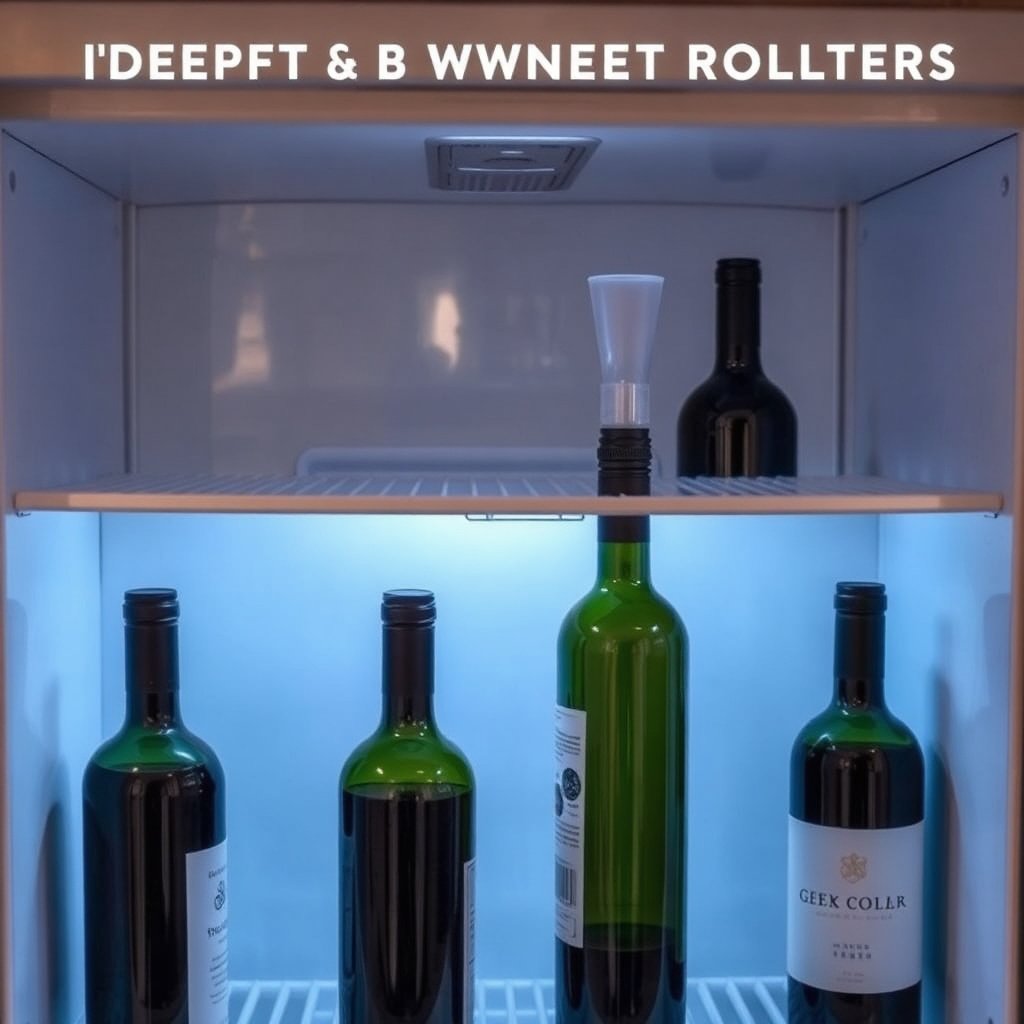
Using Proper Closures and Refrigeration
Recorking the bottle tightly and storing wine in the refrigerator slows oxidation. Cooler temperatures inhibit spoilage agents and preserve flavor compounds longer than room temperature storage.
For red wines typically served at room temperature, chilling them after opening helps extend life. Let the wine warm slightly before drinking for best taste.
- Use the original cork or a reusable stopper
- Keep bottles upright to reduce air surface area
- Store opened wine in the fridge when possible
Wine Preservation Tools and Technologies
Vacuum pumps remove air from the bottle, slowing oxidation and extending freshness by a couple of days. Inert gas sprays replace air inside the bottle with nitrogen or argon to preserve delicate flavors longer.
Specialized wine dispensers or dedicated wine refrigerators offer controlled environments, balancing temperature and humidity to maintain opened wine quality over several days or weeks.
- Vacuum sealers can add 1-3 days of freshness
- Inert gas sprays help maintain aroma and flavor
- Wine fridges provide ideal storage conditions
Signs that Opened Wine Has Gone Bad

Visual and Taste Indicators of Spoilage
Spoiled wine often appears cloudy, dull, or brownish instead of bright and clear. For reds, a ketchup-like aroma or vinegar scent signals oxidation. Whites that smell musty or like wet cardboard are also past their prime.
Taste changes include sourness, flatness, or a bitter quality. If wine tastes unpleasant or off, it’s best not to consume it.
- Cloudy or discolored appearance
- Off smells like vinegar or mustiness
- Bitter, sour, or flat taste
For more on this, see our related guide: How Much Does It Cost to Host a Rehearsal Dinner? A Complete Budget Guide.
When to Discard Opened Wine
If wine has been open for over a week, especially without refrigeration, it is likely no longer enjoyable. Sparkling wines rarely last beyond a couple of days once opened.
Any signs of mold growth around the cork or inside the bottle are a clear reason to throw the wine out immediately.
How Different Storage Conditions Affect Wine Longevity
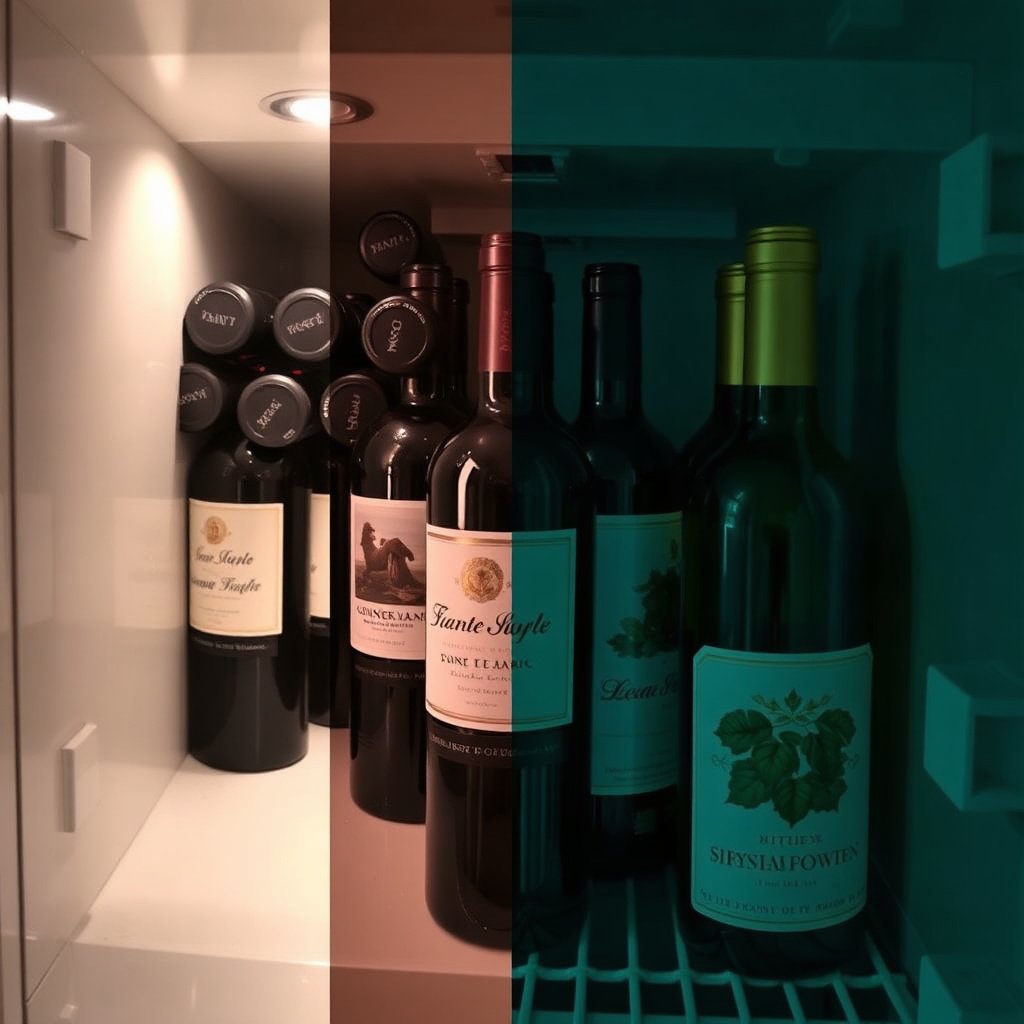
Impact of Temperature on Opened Wine
Temperature has a direct impact on wine's chemical stability. Warm environments accelerate oxidation and bacterial growth, shortening shelf life.
Refrigeration slows the chemical processes that degrade wine, helping it stay fresh longer even after opening.
- Keep wine below 55°F (13°C) if possible after opening
- Avoid heat sources like sunlight or stove tops
Light Exposure and Its Effects
Ultraviolet light breaks down wine compounds, causing premature aging and off-flavors. This effect is worse with clear or green glass bottles.
Storing opened bottles in a dark place, or wrapping them in foil or a cloth, helps maintain their integrity.
Common Myths About How Long Does Wine Last After Opening
Myth: Wine Goes Bad Immediately After Opening
Some believe wine turns undrinkable right after opening, but oxidation takes time to impact flavor significantly. Proper storage can keep wine acceptable for days.
Understanding how oxidation affects wine helps distinguish myths from reality about opened wine longevity.
For more on this, see our related guide: How Much Does It Cost to Host a Party at a Restaurant? A Complete Cost Breakdown.
Myth: Adding Sugar or Salt Preserves Wine
Adding sugar or salt to wine doesn’t extend its shelf life and can ruin the flavor balance. Wine preservation depends mostly on minimizing exposure to oxygen and temperature control.
Using recommended tools and methods is a better approach to keep opened wine fresh.
Tips for Enjoying Opened Wine Before It Spoils
Plan Portions and Use Leftovers Creatively
Open just the amount you expect to drink, or use smaller bottles to prevent waste. Use leftover wine for cooking sauces, marinades, or sangrias to avoid spoilage.
Creative repurposing ensures you enjoy wine without letting it go bad.
- Measure servings before opening
- Cook with leftover wine
- Make wine-based drinks
For additional insights on storing and preserving wine, consult this detailed overview on wine preservation and storage guidelines. Wine preservation and storage guidelines.
Serve at Correct Temperatures to Enhance Experience
Serving wine at the right temperature enhances its flavors and can mask slight changes from early oxidation. Whites are best chilled, reds slightly below room temperature.
This encourages finishing opened bottles before quality declines.
Wine Types and Their Average Shelf Life After Opening
Below is a comparison of common wine categories and how long they typically last once opened, helping you select the best choice for your drinking habits.
| Wine Type | Typical Shelf Life After Opening | Flavor Stability | Storage Recommendations |
|---|---|---|---|
| Red Wine | 5-7 days | High tannins help slow oxidation | Recork tightly, refrigerate after opening |
| White Wine | 3-5 days | More delicate, oxidizes quicker | Seal well and keep refrigerated |
| Rosé Wine | 3-5 days | Similar to white but often less acidic | Refrigerate in an upright position |
| Sparkling Wine | 1-3 days | Carbonation lost quickly | Use special sparkling stoppers, refrigerate |
| Dessert Wine | Up to 7 days | High sugar preserves freshness longer | Refrigerate, seal tightly |
Frequently Asked Questions
Can I leave an opened bottle of wine out overnight?
Leaving an opened bottle at room temperature overnight accelerates oxidation and spoilage, especially for white and sparkling wines. It’s best to recork and refrigerate wines after opening to prolong freshness.
Does recorking a wine bottle really help?
Yes, recorking the bottle reduces air exposure and slows oxidation. Using the original cork or a reusable stopper tightly fits the bottle opening and helps maintain quality.
How can I tell if my wine is still good after opening?
Look for changes in color, such as browning or cloudiness, and detect off smells like vinegar or mustiness. If the taste is sour or flat, the wine is past its prime.
Does refrigeration change the taste of red wine?
Refrigerating red wine slows spoilage but may dull flavors if served cold. Allow refrigeration-stored reds to warm slightly before drinking for better taste.
Can I freeze opened wine to keep it longer?
Freezing wine isn’t recommended as it alters texture and flavor. Instead, use preservation tools or refrigerate to extend life by days.
Key Takeaways
- Opened wine lasts from 1 to 7 days depending on type and storage.
- Proper sealing and refrigeration significantly slow spoilage.
- Sparkling wines lose carbonation fastest, lasting only a few days.
- Watch for visual and taste signs before drinking leftover wine.
Conclusion
Estimating how long does wine last after opening varies by type, exposure, and storage. Recognizing oxidation effects and the typical shelf life for reds, whites, sparkling, and dessert wines supports better consumption decisions. Managing opened bottles carefully reduces waste and preserves enjoyable flavors during the limited window of freshness.
Choosing the best way to store opened wine depends on your typical drinking habits. Red wines with higher tannins handle refrigeration and recorking well, extending enjoyment up to a week. White and rosé wines require more prompt consumption within several days, stored cold and sealed tightly. Sparkling wines need special stoppers to keep bubbles or quick finishing within a day or two. Employing preservation tools like vacuum pumps or inert gas sprays can add a few extra days when needed.
To maximize your opened wine experience, always tighten closures immediately, chill your bottle promptly, and consume leftovers creatively when possible. Monitor sensory changes as your best guide—if it smells off or tastes sour, it's time to discard. This practical approach merges knowledge and care, ensuring every drop remains delightful while waste stays minimal.