How to Store Opened Wine to Preserve Flavor and Freshness
When you open a bottle of wine but don’t finish it, storing it correctly is key to preserving its flavor and freshness. The main challenge is preventing oxidation, which can quickly degrade taste and aroma. To store opened wine, reseal the bottle tightly, ideally with its original cork or a vacuum stopper, and keep it in a cool, dark place—often the refrigerator works best regardless of the wine type.
Proper storage of opened wine matters because exposure to oxygen starts chemical reactions that alter the wine’s delicate balance. Left exposed or at room temperature, wines can sour or lose their complexity in a day or two. Even small measures like transferring wine to a smaller container to reduce air contact can prolong its life.
This guide will explore the best ways to store opened wine, including different approaches depending on whether it’s red, white, or sparkling. It will explain useful equipment like vacuum pumps and inert gas sprays, and provide tips on recognizing when opened wine has passed its prime.
Understanding Oxidation and Wine Storage Basics
How Oxidation Affects Opened Wine
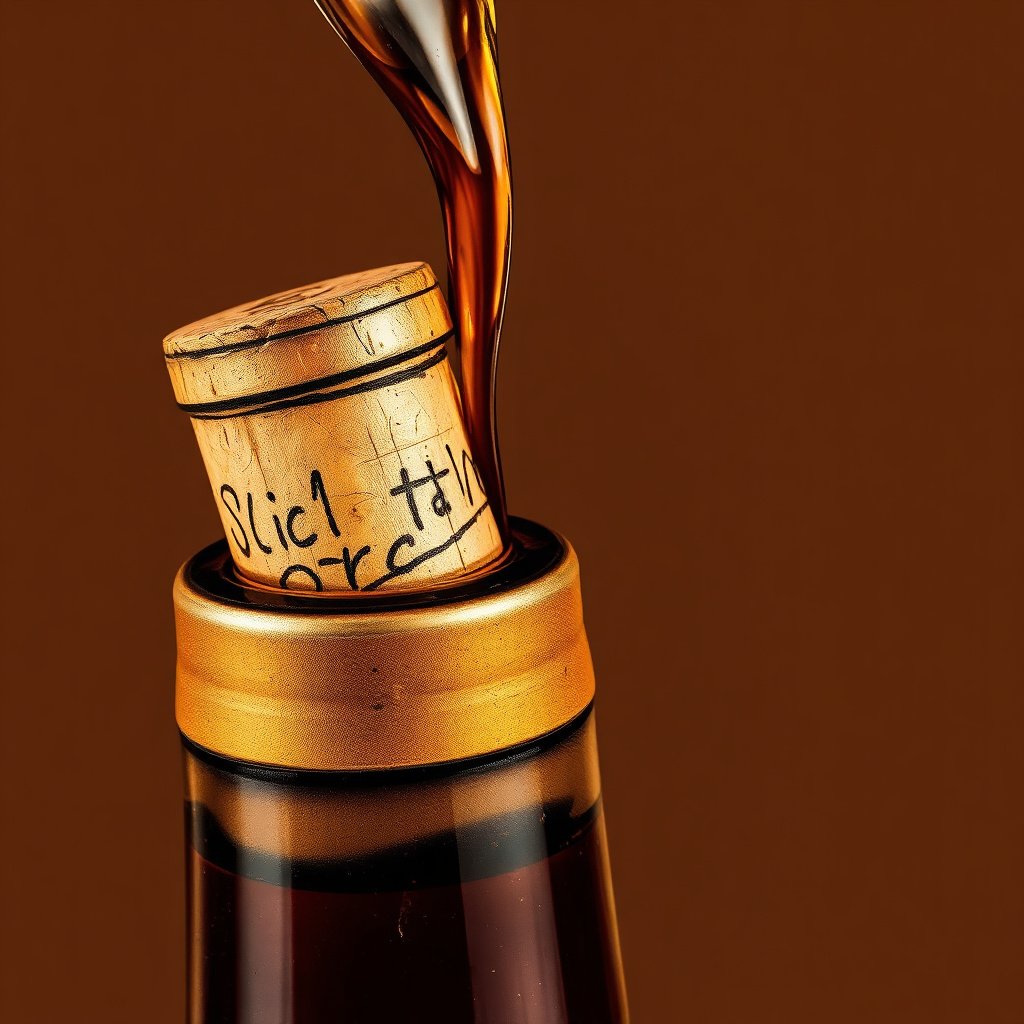
Oxidation happens when wine is exposed to air, breaking down its compounds and changing flavors from fresh and fruity to flat or sour. This process accelerates once a bottle is opened, with red wines generally lasting 3-5 days and whites about 3 days under proper storage.
Different wine types respond differently to air exposure; for example, robust reds tolerate oxidation better, while delicate whites and rosés lose freshness faster. Understanding oxidation helps determine storage choices, like sealing methods and temperature control.
Essential Wine Storage Conditions
Besides limiting oxygen exposure, temperature plays a crucial role. Cooler temperatures slow oxidation and microbial growth. While most opened wines benefit from refrigeration, some full-bodied reds may prefer slightly warmer temperatures around 55°F (13°C).
Light and vibration can also negatively impact opened wine, breaking down compounds and unsettling sediments. Storing opened wine in a dark, stable environment reduces these risks.
Resealing Methods for Opened Wine
Using Traditional Corks and Plastic Stoppers
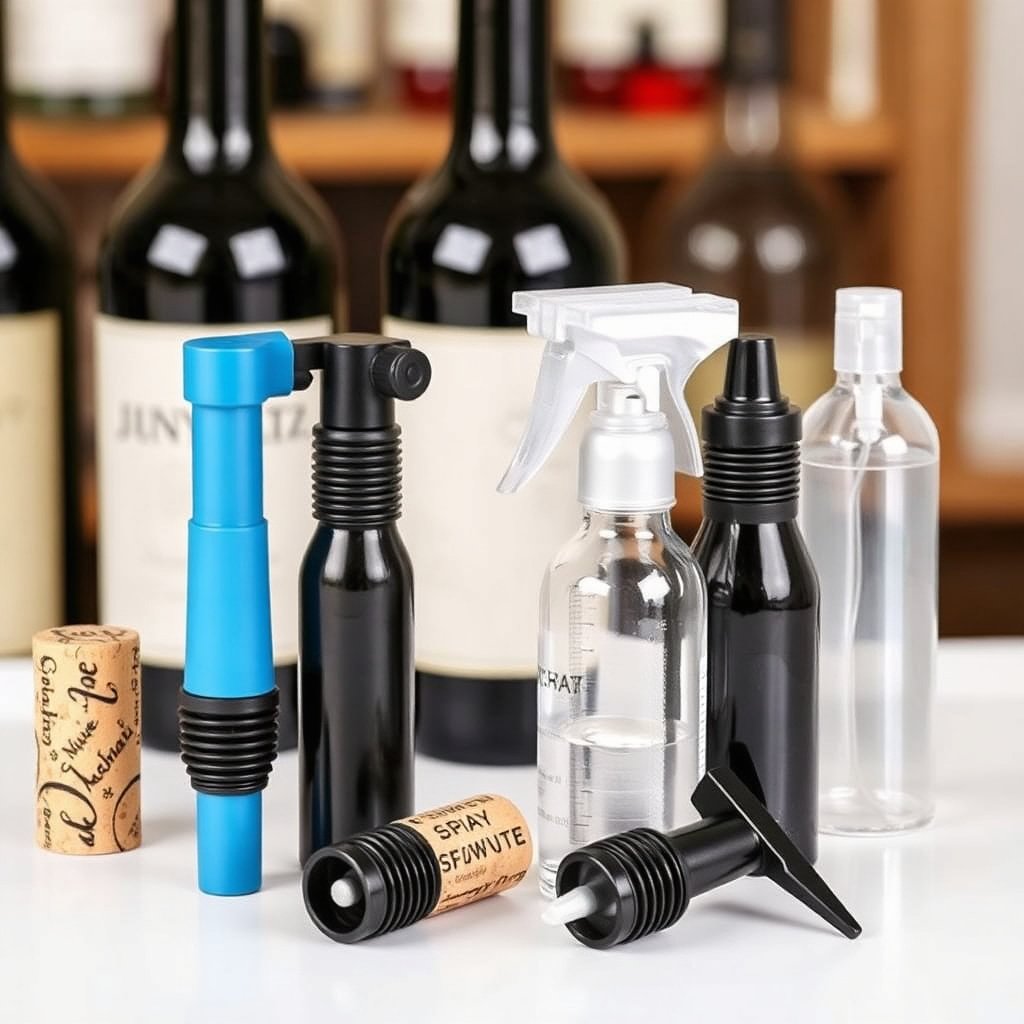
The easiest resealing method is reinserting the original cork or using a plastic wine stopper. While convenient, corks often don’t create an airtight seal, allowing slow oxygen infiltration. Plastic stoppers can fit tightly but vary widely in effectiveness.
This method suits short-term storage (within 1-2 days) and is best when the bottle remains upright to minimize surface area in contact with air.
- Reinsert cork firmly the same way it was removed
- Choose a stopper that fits snugly to avoid leaks
Vacuum Pumps and Inert Gas Sprays
Vacuum pumps remove air from the bottle, creating a partial vacuum that slows oxidation effectively. These tools can extend opened wine life by up to a week depending on wine type. Regular use requires purchasing a compatible stopper.
Inert gas sprays, composed mainly of argon or nitrogen, blanket the wine surface with non-reactive gas, preventing air contact. This method is simple and quick but needs repeated application for extended preservation.
- Vacuum pump use involves sealing the bottle with a special stopper and pumping out air
- Inert gas sprays require spraying directly into the bottle neck before resealing
Storage Tips for Different Wine Types
Storing Opened Red Wines
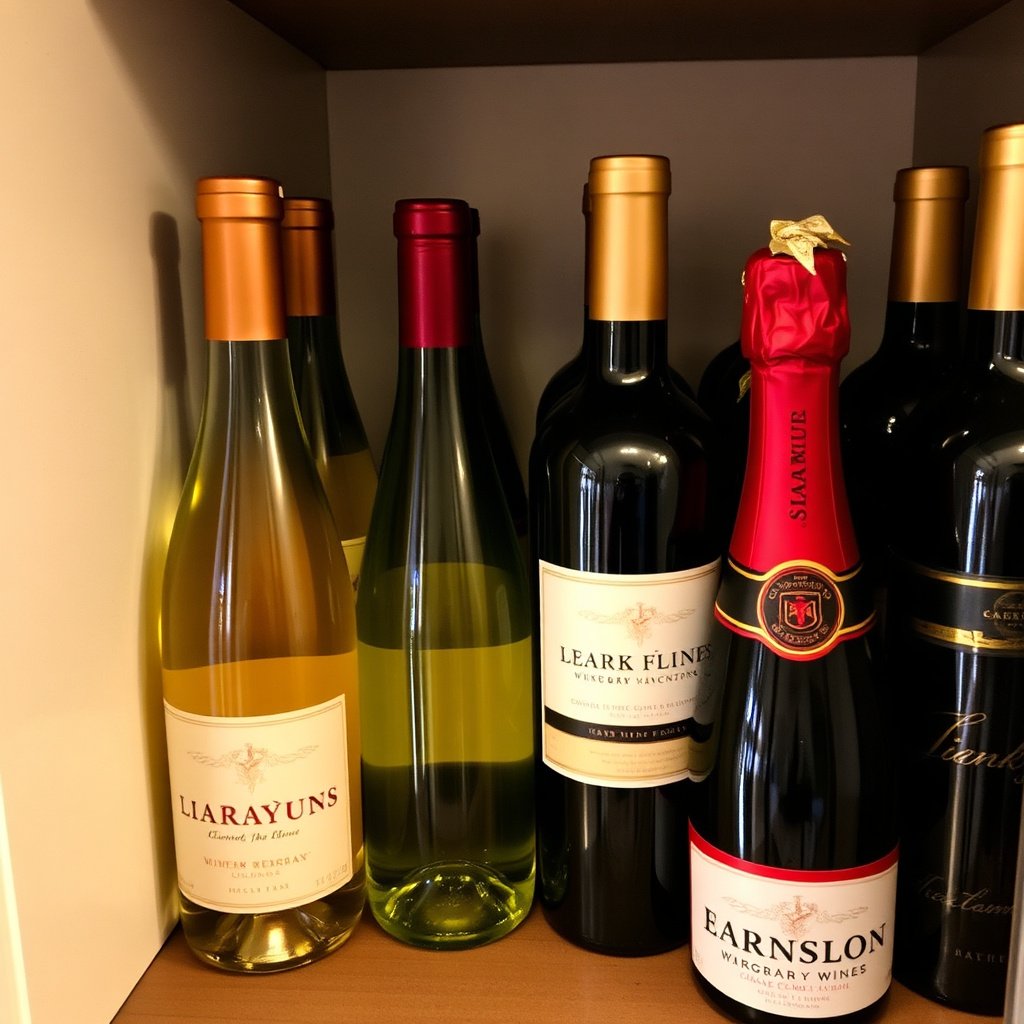
Red wines tend to last longer once opened, often 3-5 days if stored properly. After resealing, keep the bottle upright in a cool, dark place such as a wine fridge or regular fridge if space is limited.
Avoid exposing red wines to high temperatures or direct sunlight, which accelerate spoilage. For heavier reds, slightly warmer storage temperatures between 55-65°F (13-18°C) can help retain optimal flavors.
For more on this, see our related guide: What Is a Seafood Boil? A Complete Guide with Recipes, Tips & Variations.
Preserving Opened White and Rosé Wines
White and rosé wines deteriorate faster than reds due to their lighter structure. Refrigeration at 40-50°F (4-10°C) immediately after opening is recommended to maintain crispness and aromatics.
Using vacuum pumps or inert gas sprays works especially well with these wines because it helps lock in freshness. These wines generally last 3 days when stored optimally.
Handling Sparkling Wines After Opening
Challenges of Storing Sparkling Wines
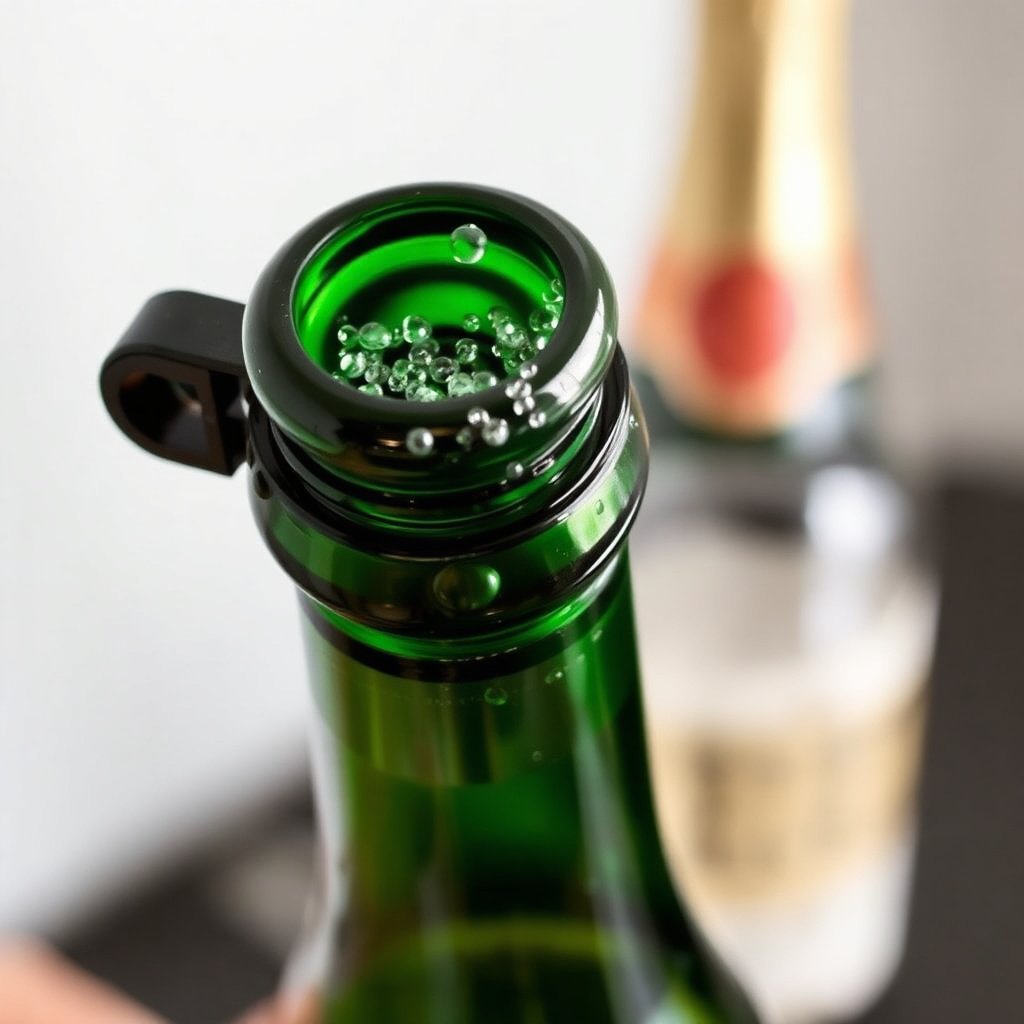
Sparkling wines lose carbonation quickly once opened, making preservation more difficult than still wines. Oxygen exposure and gas escape cause bubbles to dissipate, affecting mouthfeel and flavor.
Standard corks or plastic stoppers rarely maintain fizz more than a few hours, so timely resealing with specialized tools is key.
Best Practices for Maintaining Fizz
Use a sparkling wine stopper designed to clamp onto the bottle neck and hold pressure inside. These stoppers preserve carbonation much better than regular corks.
Store sparkling wine bottles upright in the refrigerator immediately after opening, and consume within 1-3 days for best quality.
- Secure sparkling stopper tightly after pouring
- Keep bottle cold and upright
Signs Your Opened Wine Has Gone Bad
Visual and Olfactory Indicators
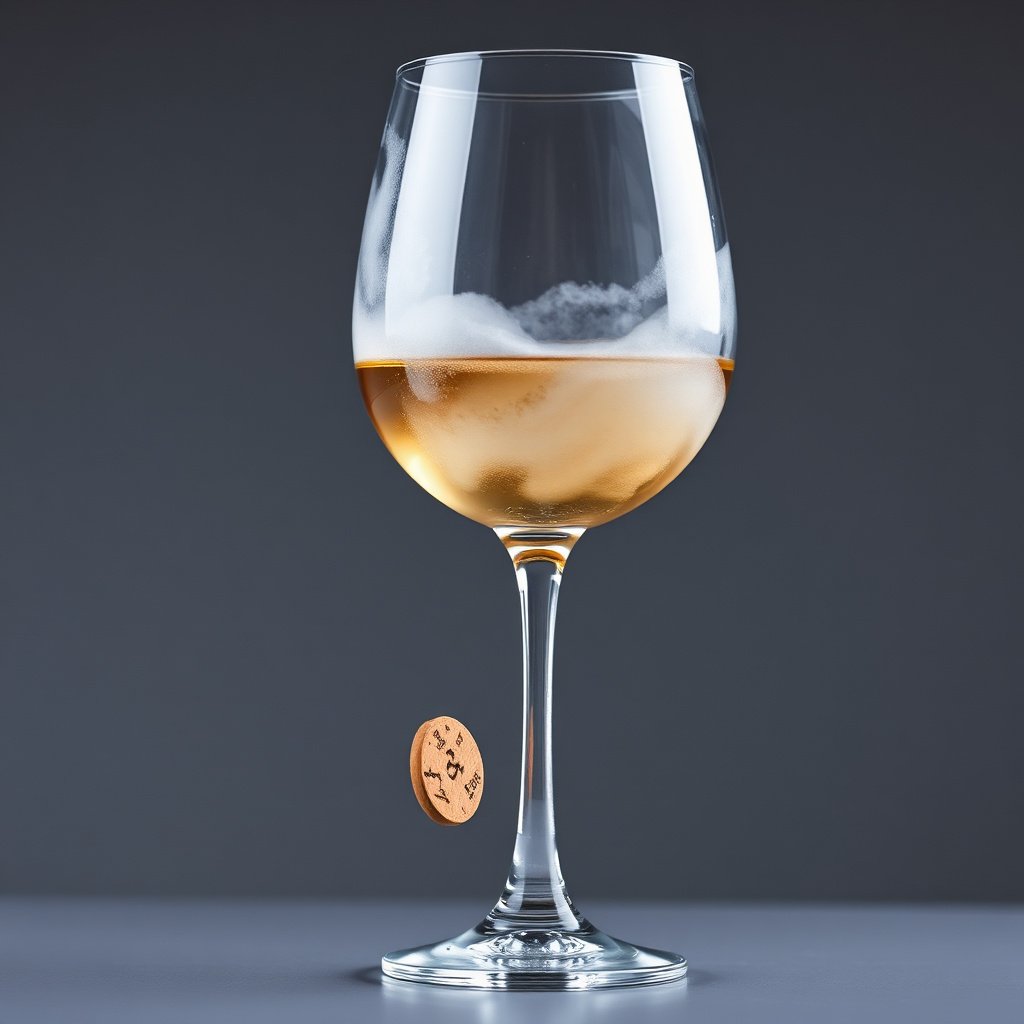
Cloudiness, discoloration to brownish hues, or an oily film on wine surface can indicate spoilage. A sharp vinegar-like or musty odor also signals that the wine has oxidized or contaminated.
Sometimes flavor changes precede visible signs; wine tasting sour or flat indicates it’s time to discard.
For more on this, see our related guide: How Much Beer per Person for a Party: A Complete Planning Guide.
Taste and Texture Changes
Spoiled wine loses fruitiness and gains harsh, sour, or bitter flavors. Sparkling wines that taste flat or overly acidic have lost carbonation and quality.
If an opened wine tastes unpleasant or causes irritation, it should be discarded to avoid discomfort.
Additional Tips and Equipment for Wine Storage

Investing in Wine Fridges and Preservation Systems
Wine refrigerators provide stable, ideal temperatures and protect opened bottles from light and vibration. They’re especially useful for enthusiasts who frequently drink but don’t finish bottles quickly.
Advanced preservation systems combine cooling with vacuum or gas preservation technology and automatic sealing, maximizing open bottle lifespan.
For more detailed information on wine preservation techniques, this Wikipedia article provides an excellent overview. wine preservation techniques.
Storage Positions and Other Practical Tips
Always store opened wine bottles upright to minimize oxygen surface area. Labeling bottles with opening dates helps track freshness.
Avoid transferring wine to another container unless it’s fully clean and airtight; however, transferring to a smaller bottle reduces air exposure.
- Store bottles upright
- Label with opening date
- Avoid dirty containers
Opened Wine Storage Methods Comparison
This table compares popular techniques used to store opened wine, highlighting effectiveness and typical storage duration.
| Method | Effectiveness at Preserving Flavor | Typical Duration | Ideal For |
|---|---|---|---|
| Reinserting Original Cork | Low to moderate | 1-2 days | Quick short-term storage |
| Plastic Wine Stopper | Moderate | 1-3 days | Convenient household use |
| Vacuum Pump | High | Up to 1 week | All wine types |
| Inert Gas Spray | High | 3-5 days with repeated use | Whites and rosés |
| Sparkling Wine Stopper | Very high for carbonation | 1-3 days | Champagne and sparkling wines |
Frequently Asked Questions
How long does opened wine last in the fridge?
Opened wine typically lasts 3-5 days in the fridge when sealed properly. Red wines may keep slightly longer at cool room temperatures.
Can I store opened wine without a cork?
While possible, not resealing a bottle exposes wine to rapid oxidation, causing flavors to degrade within hours, so it’s best to use a stopper.
Does freezing opened wine preserve it?
Freezing wine can alter its taste and texture negatively, so it’s not recommended as a preservation method for opened bottles.
Is it better to transfer leftover wine to a smaller bottle?
Transferring wine to a smaller airtight container reduces oxygen exposure and can extend freshness by a day or two.
Can sparkling wine stay fizzy after opening?
With a proper sparkling wine stopper and refrigeration, bubbles can be preserved up to 3 days; without it, fizz dissipates quickly.
Key Takeaways
- Oxygen exposure is the main threat to opened wine freshness
- Keep opened wine sealed tightly and store in a cool, dark place
- Use vacuum pumps or inert gas sprays for longer preservation
- Sparkling wines require special stoppers to retain carbonation
Conclusion
Storing opened wine effectively comes down to preventing oxidation by sealing the bottle well and maintaining favorable environmental conditions. Understanding how different wines react to oxygen and temperature helps tailor storage approaches, preserving the original flavors and aromas as long as possible. Whether you have a robust red, delicate white, or sparkling bottle, using the right technique can extend your enjoyment beyond just a few sips post-opening.
For everyday practical use, reinserting the cork or using a plastic stopper with refrigeration suffices if you plan to finish your wine within a couple of days. However, when you want to savor a bottle over several days or even a week, investing in a vacuum pump or inert gas preservation method delivers noticeably better results. Sparkling wines will always need specialized pressure-lock stoppers and refrigeration to maintain their bubbles.
Ultimately, the best next step is to select preservation tools based on your wine-drinking habits and preferences. Start with simple methods for casual occasions and consider advanced storage solutions or wine fridges if you often leave bottles open. Tracking the age of your opened bottles and noting changes in aroma and taste will help you identify when the wine is best enjoyed or when to discard it.