How to Store Wine Properly for Maximum Flavor and Longevity
To store wine properly, keep it in a cool, dark, and humid environment with minimal temperature fluctuations. Ideally, wine should be stored horizontally to keep the cork moist and airtight, preventing oxidation. Different wine types may require slight variations in storage conditions, but consistent cool temperatures around 50-59°F (10-15°C) and humidity levels between 60-70% are key.
Proper wine storage matters because wine is sensitive to light, heat, and air, all of which can quickly degrade its flavor and aroma. Storing wine incorrectly can lead to premature aging, spoilage, or loss of character, making it essential for collectors and casual drinkers alike to provide the right environment. Even inexpensive bottles will benefit from following good storage practices.
This article will explain how to create and maintain the best wine storage conditions, explore storage methods from home setups to professional cellars, discuss how to store different types of wine, and cover practical tips for ensuring your wine stays at its best whether drinking soon or aging for years.
Creating Ideal Wine Storage Conditions

Temperature Control for Wine Storage
Wine requires a stable temperature to preserve its delicate balance of flavors. Fluctuations can cause the liquid to expand and contract, potentially pushing out the cork or letting in unwanted air. The recommended temperature range for storing wine is typically 50-59°F (10-15°C).
Temperatures above 70°F (21°C) accelerate aging and spoil wine, while freezing temperatures can ruin the bottle or cork. Often, wine refrigerators or dedicated wine cellars offer the best way to keep temperature consistent year-round.
- Ideal range: 50-59°F (10-15°C)
- Avoid rapid temperature changes
- No exposure to heat sources or sunlight
Humidity and Light Exposure
Maintaining 60-70% humidity keeps corks from drying out, which would otherwise allow air into the bottle, oxidizing the wine. Low humidity leads to shrinking corks, while extremely high humidity encourages mold growth on labels and corks.
Protect wine from UV light because sunlight can degrade certain wine compounds, leading to 'lightstruck' flavors — a taste flaw often described as wet cardboard. A dark storage space or UV-filtering glass doors helps prevent light damage.
- Humidity: 60-70% for cork health
- Keep away from direct sunlight
- Use UV-proof enclosures if possible
Best Wine Storage Methods
Using Wine Refrigerators
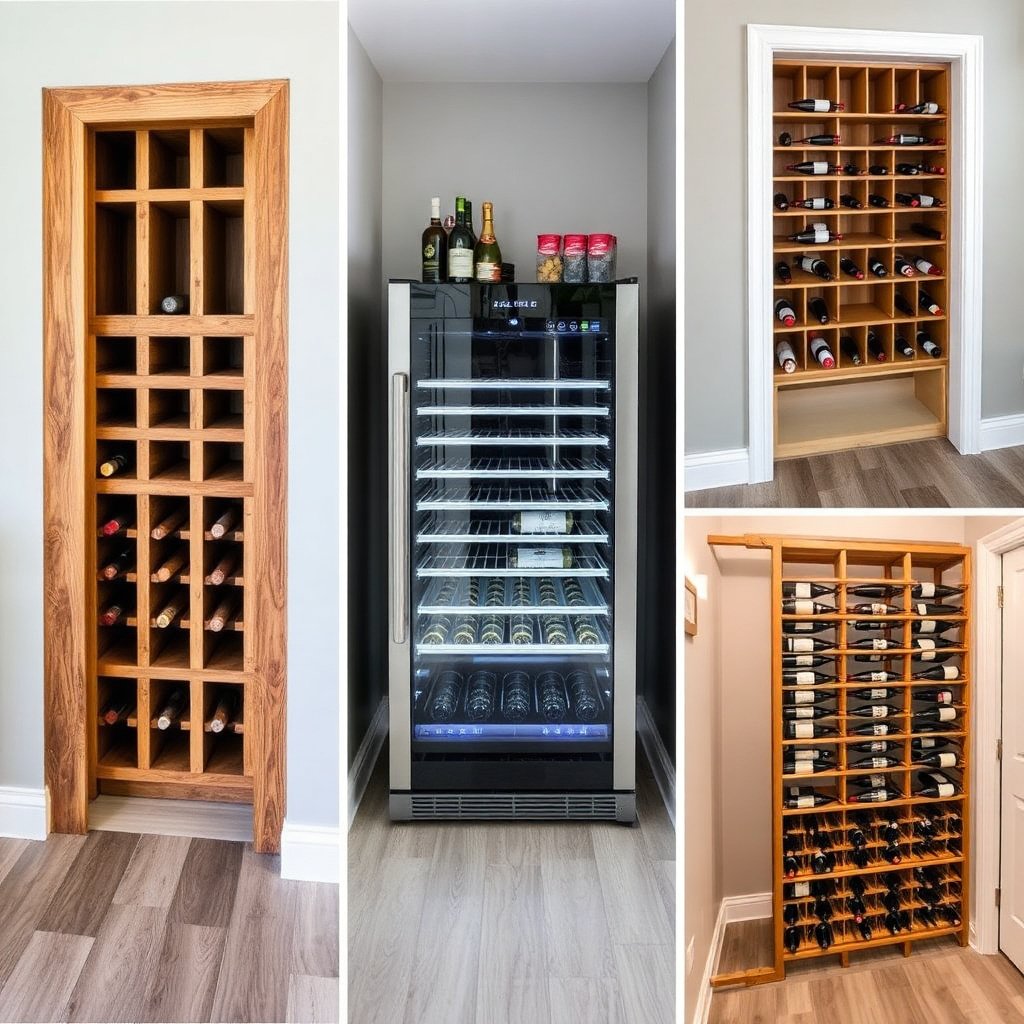
Wine refrigerators are specifically designed to maintain steady temperatures and humidity. They come in various sizes and cooling technologies, with thermoelectric models offering quiet, vibration-free operation.
These units are ideal for those without space for a cellar, providing flexibility for storing both red and white wines at their optimal temperatures without risk of exposure to heat or light.
- Thermoelectric cooling recommended
- Separate temperature zones for reds and whites available
- Suitable for homes and small collections
For more on this, see our related guide: What Is the Best Wine with Seafood: A Complete Guide for Perfect Pairings.
Traditional Wine Cellars and Racks
A traditional wine cellar maintains a naturally cool and dark environment, often underground or in basements. Shelving should allow bottles to rest horizontally to keep corks moist and minimize sediment disturbance.
Freestanding wine racks or custom cabinetry work well for smaller collections if conditions (temperature, humidity, light) are controlled. Wooden racks are popular but should not be placed near heat sources or drafts.
- Horizontal bottle placement is key
- Basements typically have suitable ambient conditions
- Avoid storing near appliances or vents
Storing Different Types of Wine Correctly
Storage for Red and White Wines
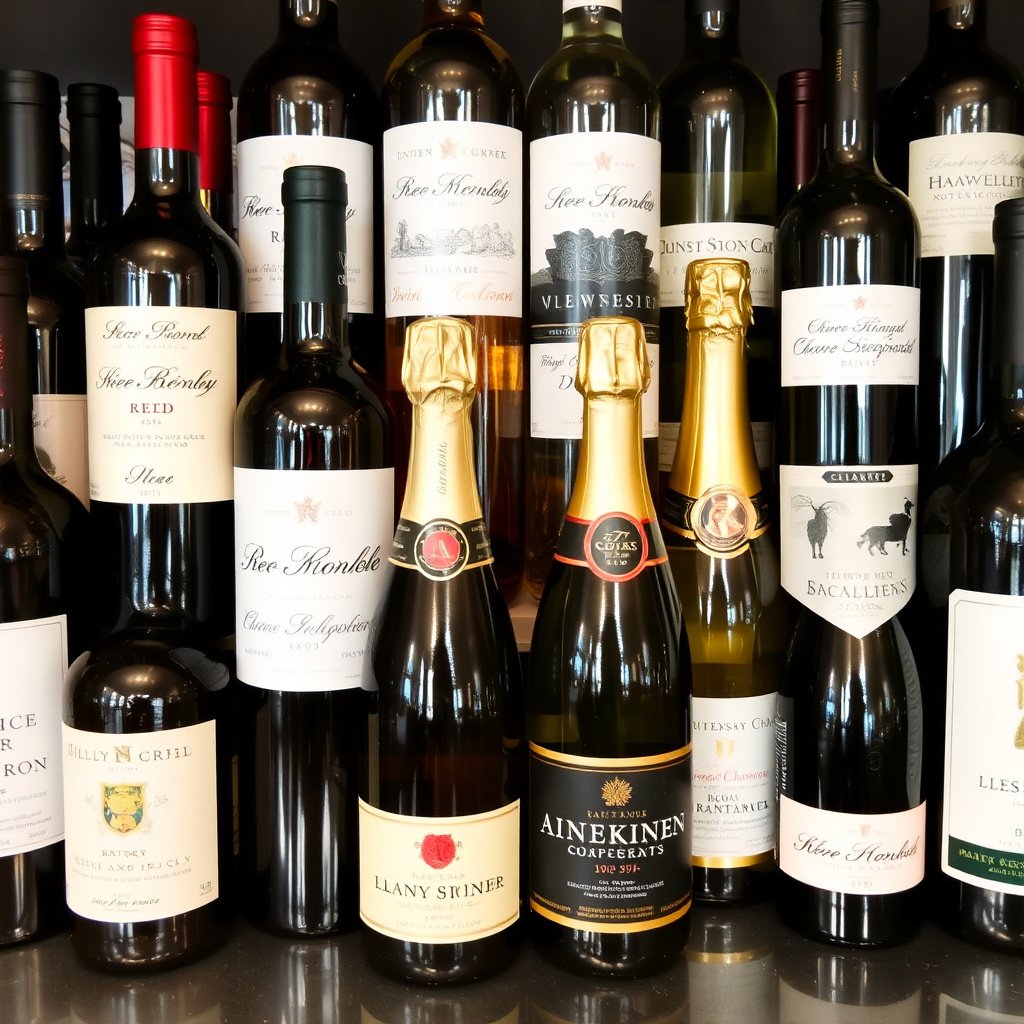
Red wines typically benefit from storage at around 55°F (13°C). When served, reds are often brought closer to room temperature, but their storage requires cool, stable conditions to preserve tannins and flavor complexity.
White wines prefer slightly cooler storage at about 50°F (10°C) to maintain their crispness and prevent premature aging of fruit flavors. Sparkling wines need consistent temperatures and are best stored horizontally.
- Reds: ~55°F (13°C), Whites: ~50°F (10°C)
- Avoid temperature swings to preserve flavor
- Store sparkling wines similarly to whites
Storage Tips for Sparkling and Dessert Wines
Sparkling wines like Champagne require high humidity and cool temperatures to maintain carbonation and flavor. Their corks are often different and require care to avoid drying out.
Dessert and fortified wines such as Port or Sherry generally last longer after opening but still benefit from cool, dark storage. Some may be stored upright if cork types differ, but humidity control remains important.
- Maintain high humidity for cork integrity
- Keep away from light and temperature extremes
- Store sparkling wines horizontally for stable corks
Handling and Organizing Stored Wine
Proper Bottle Handling Practices
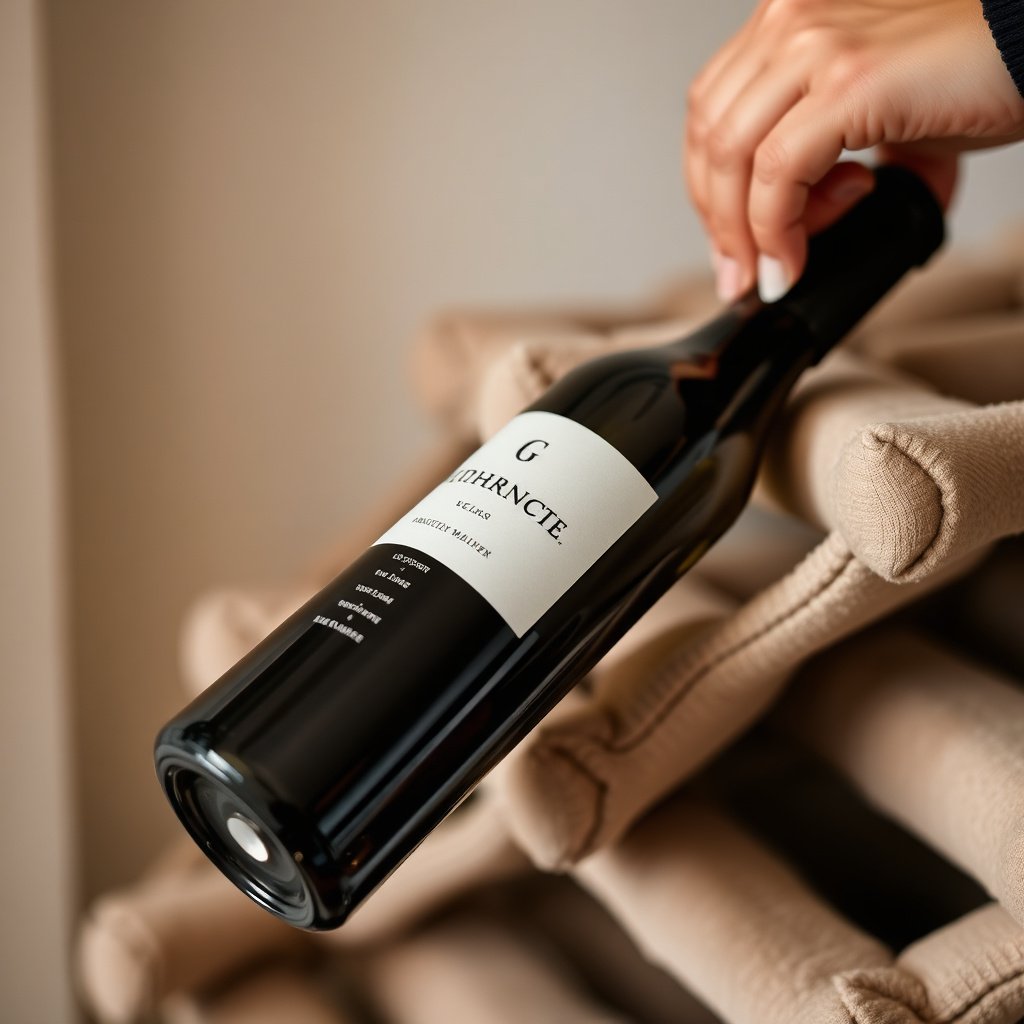
Handle wine bottles carefully to protect sediment and avoid disturbing aging processes. Avoid shaking bottles, especially older reds, since movement resuspends sediment, affecting clarity and taste.
Always store bottles on their sides unless designed otherwise, and open older bottles slowly. Gentle handling helps maintain integrity through the storage period.
- Keep bottles horizontal
- Avoid shaking or jarring
- Open older wines carefully
For more on this, see our related guide: How to Pair Wine with Steak: Complete Guide with Expert Tips & Tables.
Organizing Your Wine Collection
Organizing wines by vintage, grape variety, or intended drinking window allows easy access and tracking. Label racks or use inventory software for larger collections.
Rotate stock so older bottles are consumed first to prevent spoilage or overaging. Clear visibility and accessibility also reduce the risk of accidental damage.
- Group by type and age
- Use readable labeling
- Practice first-in, first-out rotation
Common Wine Storage Mistakes to Avoid

Exposure to Heat and Light
Storing wine near radiators, ovens, or in direct sunlight causes rapid deterioration. Heat ages wine prematurely, and UV light breaks down its chemical compounds, leading to unpleasant flavors.
Many home storage setups overlook these hazards, especially if wine is left on kitchen counters or glass-fronted cabinets exposed to daylong light.
- Never place bottles near heat sources
- Avoid sunny locations
- Use dark or UV-resistant storage areas
For more detailed information on wine storage fundamentals, refer to the wine storage article on Wikipedia. wine storage fundamentals on Wikipedia.
Improper Bottle Positioning and Environment
Storing bottles upright for long periods dries corks and risks oxidation, ruining wine. Extremely dry or overly humid environments either desiccate corks or cause mold problems, damaging labels and cork quality.
Good environmental control and bottle orientation prevent these issues, helping wine maintain peak condition during storage.
- Store bottles on their sides
- Keep humidity around 60-70%
- Ensure proper ventilation
Wine Storage Methods Comparison
This table compares the main wine storage options based on temperature control, humidity, capacity, and cost.
| Storage Method | Temperature Control | Humidity Control | Capacity | Cost |
|---|---|---|---|---|
| Wine Refrigerator | Excellent – Adjustable | Good – Built-in | Small to Medium (10-100 bottles) | Moderate to High |
| Traditional Cellar | Variable – Depends on location | Variable – Basements often ideal | Large (Hundreds to thousands) | High – Construction and maintenance |
| Wine Rack at Room Temperature | Poor – No control | Poor – No control | Small to Medium | Low |
| Cool Closet or Basement | Good if shaded and insulated | Moderate if humid environment | Medium | Low to Moderate |
| Thermoelectric Cooler | Good but limited to small volumes | Minimal | Small (Under 50 bottles) | Moderate |
Frequently Asked Questions
Can I store wine in a regular refrigerator?
Regular refrigerators are too cold and too dry for long-term wine storage, potentially drying out corks and aging wine prematurely. They work for short-term storage but a dedicated wine refrigerator is better for longer periods.
How long can wine be stored without a wine cellar?
Without proper cellar conditions, most wines are best consumed within 1-2 years. Some sturdy reds and fortified wines can last longer in a cool, dark room, but long-term aging usually requires controlled environments.
Should wine bottles be stored standing up or lying down?
Wine bottles with corks should be stored horizontally to keep the cork moist and airtight. Sparkling wines and some dessert wines with special corks can sometimes be stored upright, but horizontal is generally safest.
Is it okay to store wine in a warm kitchen?
Storing wine in a warm kitchen leads to fluctuating temperatures that spoil wine quickly. Heat speeds up aging and damages flavor, so kitchens are not recommended for wine storage.
What is the best humidity level for storing wine?
The ideal humidity for wine storage is between 60-70% to keep corks moist without encouraging mold. Too dry causes corks to shrink; too wet can damage labels and racks.
Key Takeaways
- Store wine around 50-59°F with stable temperature control
- Keep humidity between 60-70% to maintain cork integrity
- Protect wine from direct sunlight and UV exposure
- Store bottles horizontally to keep corks moist and airtight
Conclusion
Choosing how to store wine properly hinges on controlling several variables—temperature, humidity, light, and bottle position. Understanding these factors helps preserve the wine's intended flavor profile and prevents premature deterioration. Whether for casual consumption or long-term aging, establishing a stable environment based on those principles is essential to protect your investment and enjoyment.
For casual drinkers or small collections, wine refrigerators offer precise control and ease of use, allowing you to keep reds and whites at their ideal temperatures and humidity levels. More serious collectors benefit from traditional wine cellars or insulated cool basements that maintain natural conditions supportive of aging. Regardless of method, avoid common pitfalls like heat exposure, excessive dryness, or upright bottle storage.
After reviewing your options, the next step is evaluating your space and budget to implement a suitable storage method that fits your needs. Start by identifying a cool, dark, and humid spot or investing in a wine refrigerator for convenience. Monitoring temperature and humidity regularly ensures your wine remains in a good state until you're ready to enjoy a glass or gift it down the line.