How to Decant Wine Like a Pro: Step-by-Step Guide for Best Flavor
Decanting wine involves pouring it from the bottle into another container, typically a decanter, to separate the wine from sediment and allow it to breathe. Proper decanting notably improves the clarity and flavor profile, especially for aged reds and robust young wines.
Wine decanting matters because it softens tannins and releases volatile aromas that bottled wine can suppress. Without decanting, many wines might taste tight or overly astringent right after opening, missing their full character.
This article will explain how to decant wine step-by-step, what types of wines benefit most from decanting, tools to use, common mistakes to avoid, and tips on maximizing aeration. Whether you’re serving a cherished Bordeaux or trying wine aeration techniques for the first time, you’ll find useful advice here.
Understanding the Purpose of Wine Decanting

Why Some Wines Need Decanting More Than Others
Younger red wines with high tannin content benefit greatly from decanting because exposure to oxygen softens their structure. Conversely, old wines often have sediment buildup that decanting helps separate from the liquid before serving to avoid bitterness or gritty texture.
White wines and sparkling wines generally don’t require decanting unless they’re full-bodied or have been aged similarly to reds. Understanding which wines improve with decanting helps you decide when to apply this technique effectively.
How Oxygen Interacts With Wine Flavors
When wine touches oxygen, it triggers chemical reactions that release aromas and mellow harsh tannins. This increased aeration can transform a closed wine, revealing layers of fruit, floral, and earthy notes that initially stayed hidden.
However, too much oxygen exposure can cause wine to lose freshness and become flat. Decanting balances aeration to highlight flavors without degrading the wine’s character.
Selecting the Right Decanter and Tools
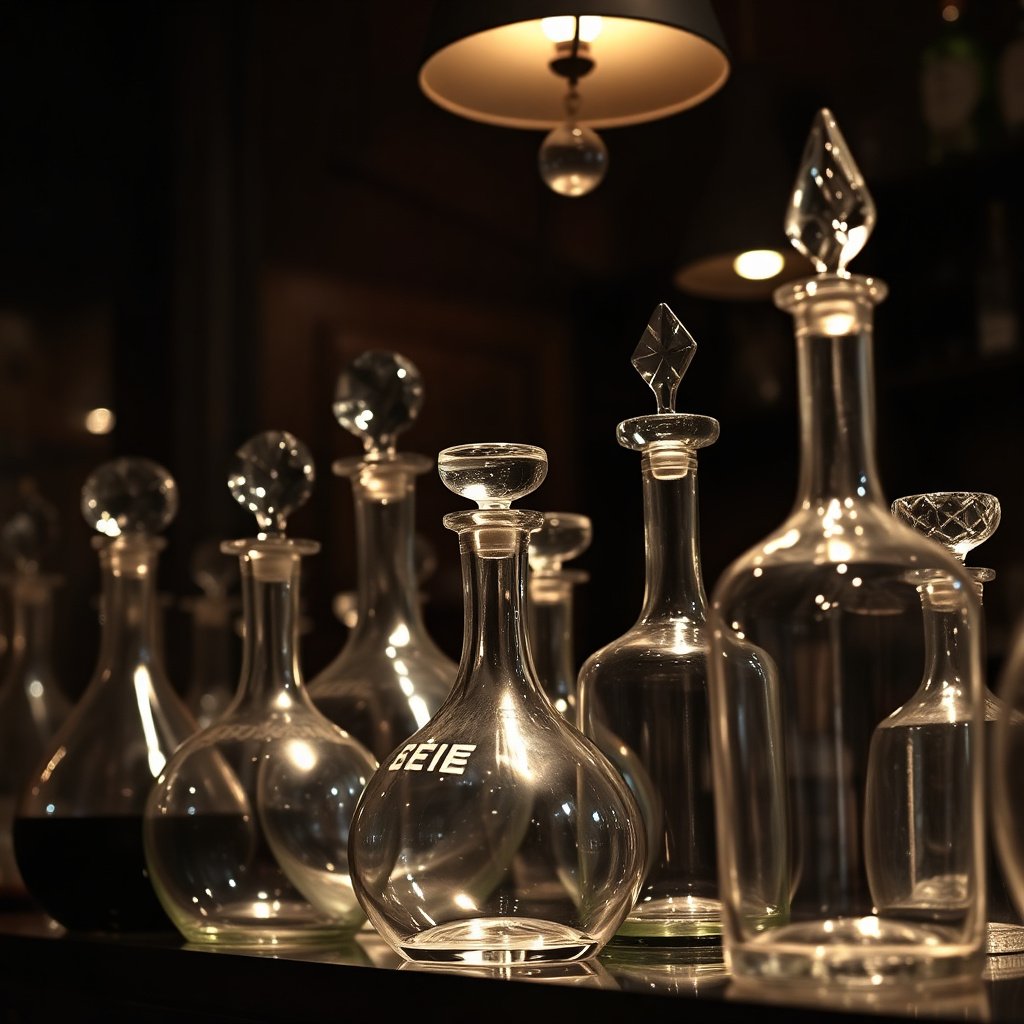
Types of Decanters for Different Wines
Decanters come in shapes designed to maximize surface area of the wine exposed to air. Wide-bellied decanters allow rapid aeration ideal for young, tannic reds. Narrow-necked decanters provide controlled slow oxygen contact suitable for older, delicate bottles.
Material matters too; crystal offers clear visibility and elegance, while glass is easier to clean and often less expensive. Choose a decanter that suits your style and the wine types you drink most.
- Wide-bellied decanter for fast aeration
- Thin-neck decanter for gradual breathing
- Crystal for clarity and traditional appeal
- Glass for durability and ease of care
Additional Tools: Funnels, Lights, and Stoppers
A decanting funnel speeds up pouring and often includes a strainer to catch sediment. A simple torch or flashlight can help you see sediment through the bottle while pouring, preventing undesirable bits from entering the decanter.
Using a stopper after decanting preserves freshness if the bottle won’t be finished quickly. These small accessories can enhance the decanting process and results.
- Decanting funnel with strainer
- Sediment detection light
- Decanter stopper to preserve wine
Step-by-Step Guide on How to Decant Wine

Preparing and Pouring the Wine
Begin by standing the bottle upright for at least a day to allow sediment to settle at the bottom. Remove the foil and cork carefully, wiping the bottle neck clean to remove any residue. Hold the bottle steady and begin pouring the wine slowly into the decanter.
Use a light or torch underneath the neck to monitor sediment as you near the bottom of the bottle. Stop pouring before sediment can enter the decanter to keep the wine clear and smooth.
- Stand bottle upright 24 hours before decanting
- Remove foil and clean neck
- Use light to watch for sediment
- Pour gently and stop before sediment flows
For more on this, see our related guide: What Is the Best Wine with Pasta? A Complete Guide to Perfect Pairings.
Timing and Serving the Decanted Wine
Allow wine to breathe in the decanter typically between 30 minutes and 2 hours depending on type. Young tannic reds may need longer aeration, while older wines require less time to prevent fading. Taste periodically to find your preferred balance.
Serve the wine at its ideal temperature for the variety, and decant only the amount you plan to consume soon after to maintain freshness and flavor integrity.
- Aerate young reds for 1-2 hours
- Older wines need 30-60 minutes
- Taste periodically to judge readiness
- Serve at appropriate temperature
Common Mistakes to Avoid When Decanting Wine
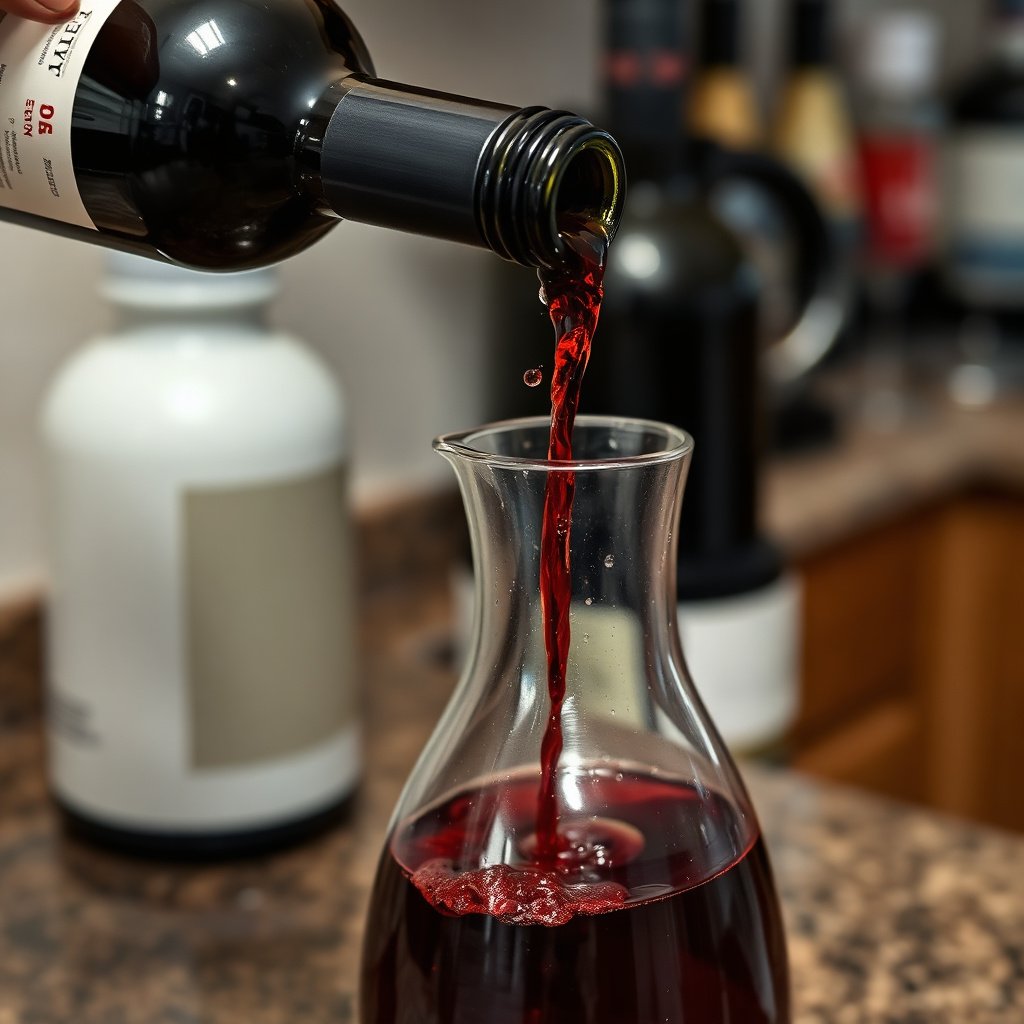
Pouring Too Quickly or Indiscriminately
Pouring the wine too fast can stir up sediment and introduce excessive oxygen too suddenly, flattening aroma complexity. Slow, steady pouring is vital for a clean extraction and controlled aeration.
Many beginners pour straight into glasses without decanting, missing out on the benefits wine aeration techniques offer for developing nuanced flavors.
Decanting Wines That Don’t Benefit From It
Light-bodied whites, sparkling wines, and many older bottles can lose freshness or fizz through decanting. Knowing your wine’s style prevents mistakes and protects your bottle from unnecessary exposure.
Decanting every wine is not a rule but a choice based on taste goals. Experiment with different approaches but avoid doing it out of habit with anything.
Tips on Enhancing Wine Flavor Through Decanting
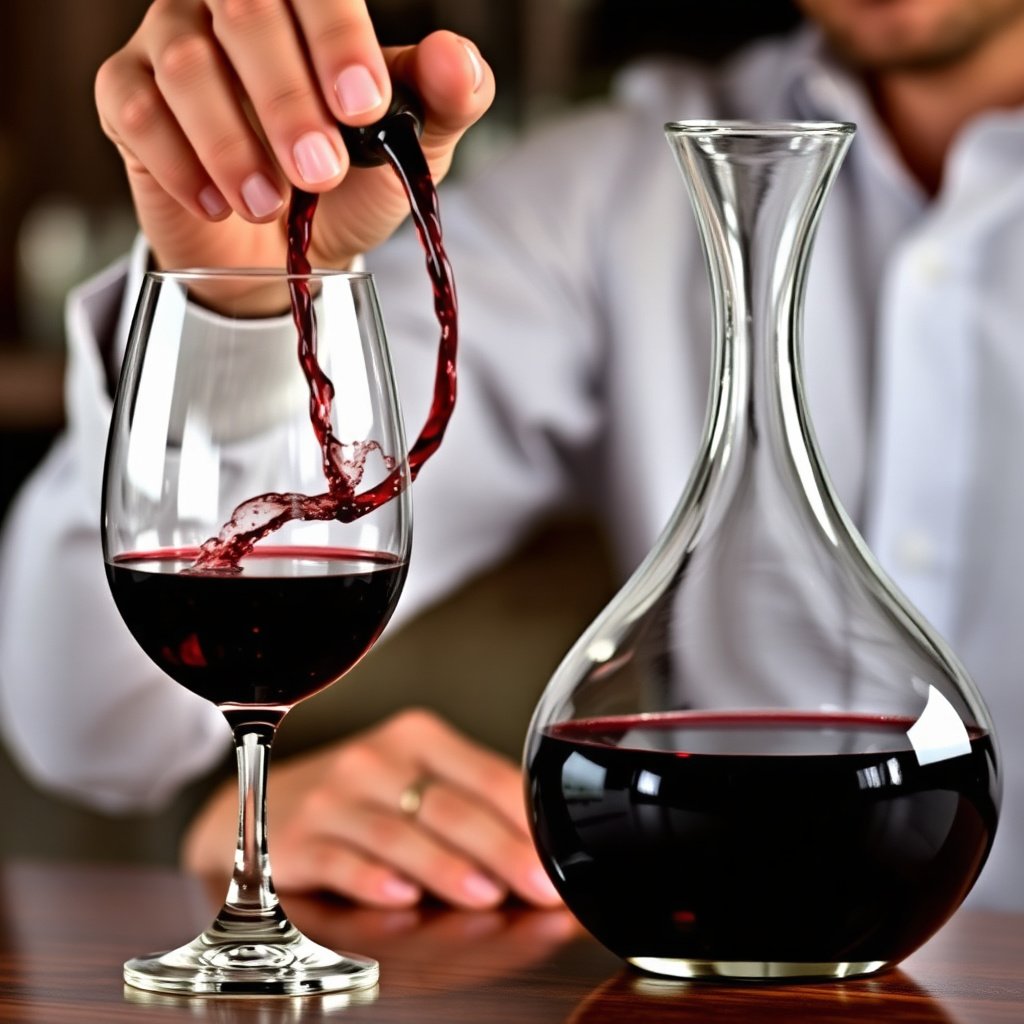
Using Wine Aeration Techniques Alongside Decanting
Some enthusiasts use aerators that attach to the bottle neck or decanter spout, speeding oxygen infusion and producing similar effects to traditional decanting in minutes. These tools complement decanting for quick service.
Combining gentle decanting with controlled aeration can help you enjoy young reds’ robust profiles faster while preserving delicate aromas.
- Bottle neck aerators for fast oxygenation
- Spout aerators to enhance decanting effects
- Combine techniques carefully to avoid overexposure
For more on this, see our related guide: How to Pair Wine with Steak: Complete Guide with Expert Tips & Tables.
Controlling Temperature After Decanting
Temperature impacts how aromas and flavors present after decanting. Ensure decanted wine stays at an optimal serving temperature—cooler for reds around 60-65°F, chilled for whites. Too warm can sharpen alcohol, too cold dulls flavor.
Using a decanter with a wide base also helps maintain a stable temperature due to more surface contact with cool air or table surfaces.
Storing and Cleaning Decanters for Best Performance
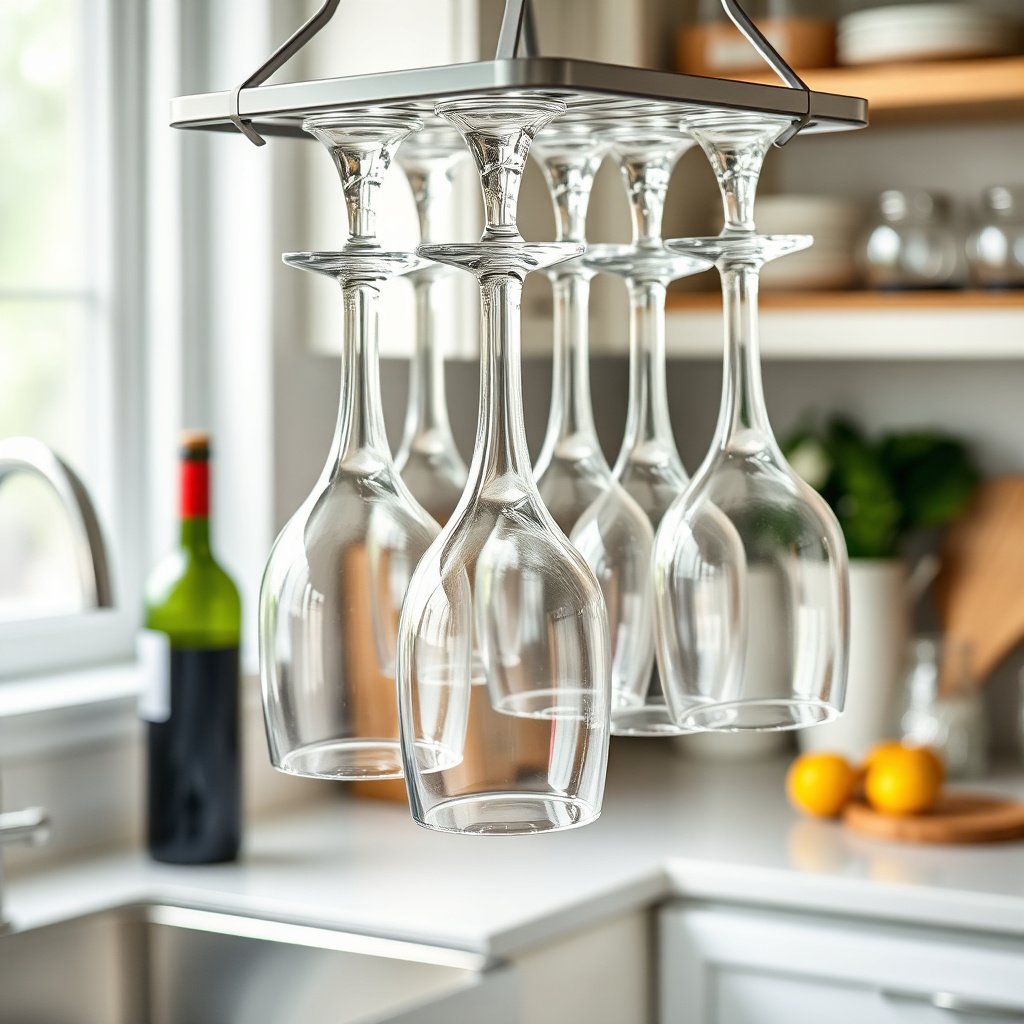
Proper Cleaning Methods to Avoid Residue
Residue or leftover tannins can cling to the inside of a decanter, impacting future wines’ flavor. Using warm water and decanter cleaning beads or specialized brushes helps thoroughly clean hard-to-reach areas.
Avoid soap or strong detergents as they may leave scents or tastes. Rinse multiple times and air dry fully before storing.
- Rinse with warm water immediately after use
- Use cleaning beads or soft brushes
- Avoid soap that leaves residue or odor
- Air dry upside down to prevent moisture buildup
For a detailed overview of decanter history and techniques, see Wine decanting basics at Wikipedia. Wine decanting basics at Wikipedia.
Storing Decanters Safely Between Uses
Store decanters upright in a secure place to avoid chips or cracks. If space is limited, cushioned storage boxes or cloth bags protect delicate glass without trapping moisture.
Proper storage keeps your decanter ready for immediate use, ensuring years of consistent performance.
- Keep upright on stable shelves
- Use protective cloth bags or boxes
- Avoid humid environments to prevent mold
Comparison of Popular Wine Decanter Styles
This table helps you compare common decanter styles by shape, aeration speed, best wine types, and ease of cleaning.
| Style | Shape | Aeration Speed | Best for Wine Types | Ease of Cleaning |
|---|---|---|---|---|
| Wide-bellied | Broad base with narrow neck | Fast (30-60 minutes) | Young reds, robust wines | Moderate |
| Swan-neck | Elegant curved neck | Moderate (1-2 hours) | Aged reds, reds with sediment | Difficult |
| Flask-shaped | Flat and round base | Fast | Hearty reds, some whites | Easy |
| Carafe | Simple, straight-sided | Slow to moderate | Whites and light reds | Easy |
| Crystal | Varies, often elaborate | Varies | Presentation focus | Varies |
Frequently Asked Questions
Can all wines be decanted?
Not all wines require decanting. Young, tannic reds and some aged reds benefit most. Light-bodied whites, sparkling wines, and very old wines often don’t improve or may even deteriorate if decanted.
How long should I decant wine before serving?
Decanting time depends on wine type: young reds may need 1-2 hours, older wines 30-60 minutes. Taste periodically to avoid overexposure and to suit your preference.
Is it necessary to use a decanter funnel?
A decanter funnel is helpful but not mandatory. It allows controlled pouring and may have a strainer for sediment. Beginners find it useful to reduce spillage and sediment transfer.
Does decanting affect wine temperature?
Yes, decanting can slightly warm wine due to exposure. Use a decanter shape that maintains temperature or chill the decanter beforehand to keep wines at their ideal serving temperatures.
How can I clean my decanter without damaging it?
Clean with warm water, avoid soap, and use decanter cleaning beads or brushes made for delicate glass. Rinse thoroughly and air dry upside down to prevent moisture buildup.
Key Takeaways
- Decanting separates sediment and enhances wine flavors through controlled oxygen exposure.
- Choose decanters suited to your wine type, balancing aeration speed and wine delicacy.
- Pour slowly and watch for sediment using proper tools to avoid bitterness.
- Clean and store decanters carefully to preserve wine quality and decanter lifespan.
Conclusion
Successfully deciding how to decant wine hinges on understanding the wine’s characteristics and how oxygen exposure unlocks its potential. Whether handling a young, tannic red or a mature vintage, matching the decanting method and timing to the wine’s style leads to a fuller, more enjoyable experience. The goal is to enhance flavor complexity and aroma while preventing sediment or oxidation damage.
If you frequently enjoy bold reds, investing in a wide-bellied decanter combined with light aeration techniques will benefit your tasting sessions. For delicate older wines with possible sediment, a swan-neck decanter and careful, slow pouring work best. White wines generally require little to no decanting but may profit from minimal aeration in a simple carafe. Tailoring your approach helps you savor each bottle’s unique qualities.
To put these ideas into practice, try decanting a bottle based on this guide and timing it with your meal preparation or social gathering. Observe the changes in taste and aroma over time and note what works best for you. With regular use, decanting becomes an intuitive part of enjoying wine, offering richer experiences and conversations each time you pour.