What Is the Best Restaurant for a First Date? Expert Tips and Proven Strategies
The best restaurant for a first date offers a comfortable atmosphere, thoughtful menu options, and a location that’s convenient for both parties. Choose a place where you can easily converse without distractions, and that respects your date’s preferences and dietary needs.
This advice suits anyone planning their first face-to-face meeting with someone new and aims to create a relaxed, enjoyable dining experience. Expect insights on picking the right ambiance, cuisine, price range, and how to confirm your choice ensures a smooth and memorable outing.
Key Takeaways
- Pick a restaurant with moderate noise levels to encourage easy conversation.
- Confirm your date’s dietary restrictions before choosing the menu.
- Balance ambiance between lively and intimate for a welcoming mood.
- Select a cuisine that offers variety to suit differing tastes.
- Plan to spend between $30 and $60 per person, adjusting for your local market.
- Choose a location that’s convenient for both, reducing travel stress.
What Makes a Restaurant the Best Choice for a First Date?
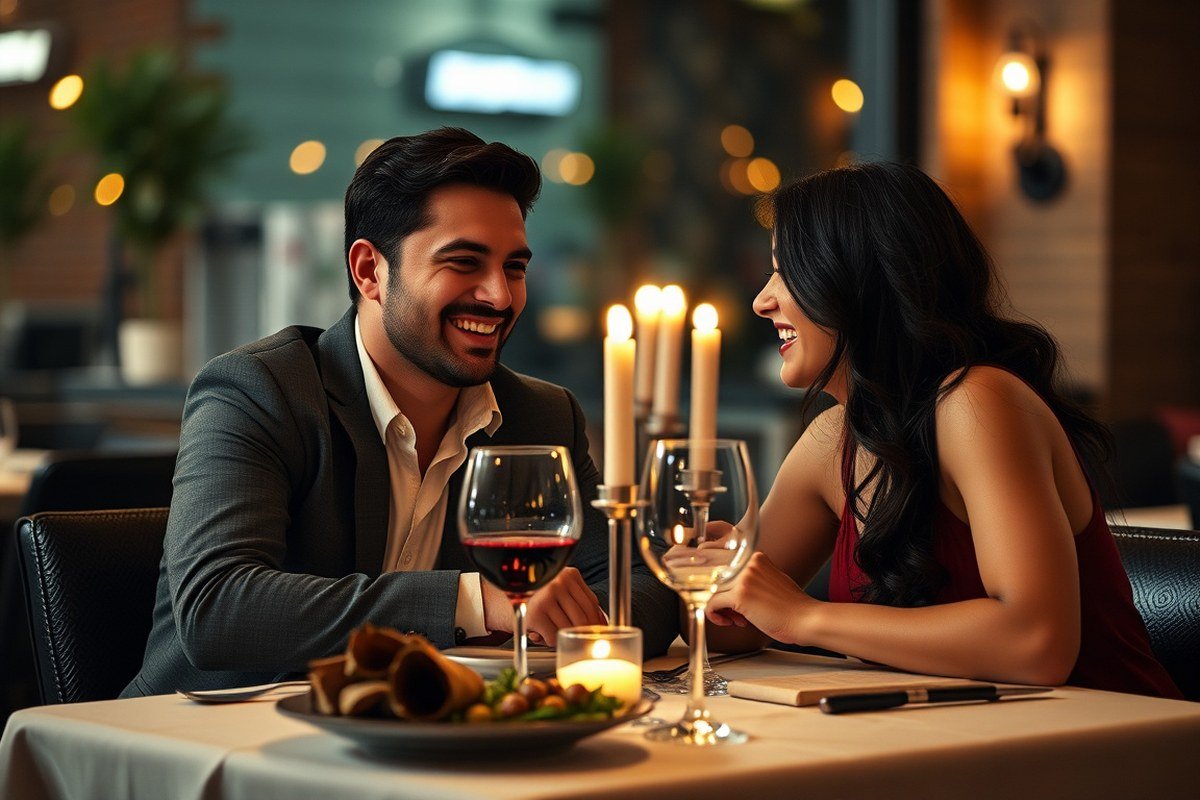
The best restaurant for a first date combines an inviting atmosphere with practical features that make both you and your date feel comfortable and engaged. Key characteristics include moderate noise levels to allow easy conversation, good lighting that sets the right mood without feeling harsh or too dim, and seating arrangements like small tables that encourage intimacy without pressure. Choosing a place with a warm, easy chic vibe can create a relaxed ambiance, helping the date flow naturally. Avoid venues that are either too casual or excessively formal, as these extremes may distract from genuine connection.
The venue you pick directly influences your first date’s success by setting the tone and easing interaction. A spot that feels overly loud or crowded can make it hard to hear each other, leading to frustration or missed cues. Conversely, a space that is too quiet or sterile might feel uncomfortable or awkward. Familiarity matters too; choosing a location accessible to both parties shows consideration, while a moderate price point reduces stress and allows you to focus on getting to know each other. An ideal restaurant doesn’t demand an extravagant budget but provides quality and a welcoming environment.
- Moderate noise level for easy conversation (below 70 decibels)
- Warm, adjustable lighting that softens the space without darkness
- Small, well-spaced tables to encourage a private feel
- Moderately priced menu options to avoid financial pressure
- Accessible location convenient for both parties
- Easy chic or inviting décor without being pretentious
- Flexibility in seating (able to seat in quieter areas upon request)
To pick the perfect first date restaurant, use a simple decision rule checklist: Confirm seating allows for close, uninterrupted conversation; call ahead to request a table in a quieter section; verify menus offer shared or small plates if you want a lower-pressure way of dining; and ensure prices fit your budget. Preparing by asking about peak hours can help avoid overly crowded times. These steps improve the chances that your chosen venue supports connection rather than creating distractions.
In some cases, the best first date spot might be something unconventional but fitting your shared interests, like a wine bar with tasting portions or a café known for its cozy environment. Such venues gently reduce the pressure of a full meal while encouraging interaction. However, avoid places that force a time limit unless it suits your plan for a shorter outing. Spending about two to two and a half hours dining typically strikes a good balance between building rapport and preventing fatigue.
How to Consider Your Date’s Preferences and Dietary Needs

Choosing a restaurant with your date’s preferences and dietary needs in mind shows genuine consideration and can help the evening run smoothly. Finding out about their likes, dislikes, and any restrictions early lets you pick a venue where they’ll feel comfortable and enjoy the meal without stress.
Subtle Ways to Discover Food Preferences
Ask about dietary needs in a casual, non-interrogative way to keep the surprise element intact. Instead of directly questioning their restrictions, mention you’re thinking of trying a new place and ask about their favorite cuisines or dishes. For example, say, “I’m exploring some restaurant options and want to make sure you’ll like the food. Do you have any must-try or must-avoid foods?” This opens the door for them to share restrictions or preferences without feeling the plan is spoiled.
You can also weave the question into broader conversations about food culture or dining experiences. Another approach is to share your own preferences first, inviting reciprocal sharing. Texting or chatting a few days ahead works well to avoid pressure and lets you gauge their comfort level with different types of food or dining styles.
Common Dietary Restrictions to Keep in Mind
Many people follow diets influenced by health, religion, or personal choices. Typical restrictions include vegetarianism, veganism, gluten intolerance, lactose intolerance, and allergies to nuts, shellfish, or dairy. Alcohol preferences can also impact the choice, whether your date abstains, limits consumption, or prefers specific drinks.
Understanding these factors ensures you don’t accidentally pick a spot with limited options or unsafe ingredients. It’s useful to ask directly about any allergies or intolerances, as these can be serious. In addition to health-related restrictions, consider cultural and religious practices, such as kosher or halal requirements, which may affect restaurant suitability.
Gathering Information Without Pressure
Create a comfortable chat environment where sharing food preferences is part of getting to know each other. Avoid making it sound like a checklist and instead treat it as part of a mutual exchange. For example, you might say, “I want to make sure our dinner deserves a second date. Can you help me out with your food likes or any no-go ingredients?” This light tone reduces awkwardness.
You can also indirectly acquire this info by suggesting a type of meal and observing their response or asking for recommendations. Using follow-up questions like, “Are you into spicy food?” or “Do you have a favorite restaurant that gets it right?” helps refine your options. This approach takes little time but makes the date more thoughtful.
Adapting Your Choice Based on Preferences
Select a restaurant with diverse menu options that align with your date’s disclosed preferences. For instance, if they mention gluten sensitivity and veganism, look for places known for gluten-free and plant-based meals. Many modern restaurants clearly mark these on their menus. Consider calling ahead or checking online menus to verify suitable dishes before booking.
Flexibility matters when preferences are unclear or multiple restrictions exist. Restaurants offering customizable plates or small plates can work well, as your date can choose what fits best. Choosing a venue with good atmosphere plus variety helps avoid awkward moments where your date might feel limited or uncomfortable.
When Info Is Unavailable or Minimal
In some cases, you may not have an opportunity to learn much beforehand. In these situations, prioritize places known for accommodating dietary needs and with staff trained to handle allergies or restrictions safely. Casual spots or farm-to-table restaurants often have adaptable menus.
If you’re unsure about alcohol preferences, selecting a place with a good range of nonalcoholic options is considerate. Pay attention during early parts of the date; if your date seems hesitant, you can always switch locations or order simpler dishes. Being ready to adapt reflects well and keeps the evening positive.
Asking about food preferences in a friendly chat ensures you both enjoy the experience without spoiling the surprise of where you’re going.
Balancing Ambiance and Atmosphere for the Perfect Mood
The atmosphere at a restaurant sets the tone for your first date and shapes how comfortable and connected you both feel. A setting that encourages easy conversation without pressure is ideal. Avoid places that are too loud, overly formal, or dimly lit to the point of creating tension. You want an environment where the noise level allows you to clearly hear each other and where the mood feels natural, not forced.
Ambiance influences not just comfort but also the flow of conversations. For example, a busy, bustling venue often overwhelms with noise and distractions, making it hard to engage meaningfully. On the other hand, a dimly lit, romantic spot might feel too intense before you both really get to know each other. A casual cafe or dessert spot with soft music and moderate lighting can strike a great balance by keeping things relaxed yet intimate.
Below is a comparison of various ambiance types and when each might be the best match. This will help you decide the kind of first date experience you want to create and match it with a venue that suits both your personalities and your comfort levels.
| Ambiance Type | Ideal Date Scenario | Pros | Cons |
|---|---|---|---|
| Casual Café | Relaxed, low-pressure first meeting | Comfortable, moderate noise, fosters conversation | May feel too informal for some tastes |
| Quiet Dessert Café | Evening date focused on intimate conversation | Soft music, dim lighting helps connection | Can feel too serious or slow-paced |
| Busy Restaurant | Energetic, lively date with a casual vibe | Fun atmosphere, distracts nerves | Hard to hear each other, conversation suffers |
| Fancy, Formal Restaurant | Special occasion or impressing a date | Classy, shows thoughtfulness | Can create pressure or intimidation |
| Trivia or Game Venue | Unconventional, playful first date | Encourages teamwork, reduces awkwardness | Less focus on personal conversation |
Choosing the right atmosphere means considering how well you can both talk and get to know each other. A casual café lets you linger over coffee or a meal without feeling rushed or watched, which often helps to relax nerves. Quiet dessert spots offer a cozy environment for deepening conversations if you both enjoy meaningful dialogue. On the other hand, loud places may introduce unnecessary stress, making it tough to form a genuine connection.
Planning a first date also means deciding how much formality fits your style and your date’s comfort. Overly fancy spots might send the wrong message by appearing like you’re trying too hard or raising the stakes too high, which can increase anxiety. Keeping control over the environment by choosing an ambiance that matches your personalities and conversation goals is a solid approach.
Choosing the Right Cuisine to Appeal to Both Diners
Choosing the right cuisine for a first date is key to creating a comfortable atmosphere where conversation flows easily. Generally, cuisines with familiar, less fussy dishes offer the best chance to avoid awkward moments. Think Italian or American classics like pasta, grilled chicken, or salads, foods that are widely liked and easy to eat without excessive mess.
Cuisines that require hands-on eating or complicated utensils can create unnecessary stress. Messy options like buffalo wings, ribs, or foods that drip and spill often cause distractions and can leave you and your date feeling self-conscious. Sushi is an exception in this category because, according to surveyed singles, first dates involving sushi nearly doubled the chances of getting a second date. That success likely depends on both people being comfortable with raw fish and chopsticks. Choose safer options like dishes that you can eat using a fork and knife when you’re unsure.
Some cuisines carry a higher risk of disliked ingredients or unfamiliar flavors, increasing the chance of discomfort. Spicy Indian or Ethiopian food might be memorable but can lead to unpredictable reactions, especially if you don’t know your date’s tolerance or preferences. The goal is to have a meal that complements your conversation, not overpower it or create a “food challenge.”
- Best: Italian (pasta, risotto), American (grilled meats, burgers, salads)
- Good: Sushi (if both comfortable with raw fish and chopsticks)
- Riskier: BBQ or wings (messy fingers, sauces)
- Avoid: Very spicy cuisines or foods with strong odors (Indian, Ethiopian)
- Avoid: Foods requiring complex utensils or hands-on eating (fondue, ribs)
The right cuisine also depends on how well you know your date. Meeting for the first time calls for simple, well-known dishes that help keep attention on getting to know one another. For more familiar dates, you can be adventurous and try new cuisines that reflect shared interests or past experiences. Letting your date know the cuisine style in advance sets clear expectations and keeps both of you comfortable.
Choosing the right cuisine costs little beyond some basic research and thoughtfulness. It involves balancing taste comfort with a setting where you can relax, chat, and make a positive impression without worrying about spilled sauce or unfamiliar ingredients. Prioritizing easy-to-eat, popular dishes helps you avoid awkward moments and puts the spotlight where it belongs, on your connection.
Price Point Strategies: How Much to Spend on a First Date
Setting a realistic budget for a first date restaurant means balancing impressiveness with comfort. Spending between $30 and $60 per person is generally a safe bet and offers a good range of quality and atmosphere without going overboard. Adjust this depending on where you live and your financial situation; urban areas often have higher prices, making $60 closer to a basic meal than a luxury one. Choosing a restaurant in a location convenient for both of you usually reduces stress and travel costs, which keeps the overall experience enjoyable.
Deciding on your budget upfront also helps manage expectations, especially if you mention the price range when suggesting the restaurant. This transparency encourages honesty and prevents awkward moments over the bill. Focus on places that create a relaxed mood where both of you can talk easily, not only on expensive venues. The goal is to connect, not to impress with price alone.
| Price Range per Person | Typical Experience Level | Location Impact |
|---|---|---|
| $15 – $30 | Casual, cozy spots; good for a quick bite or first meeting | More common in smaller towns, outskirts, or casual urban eateries |
| $30 – $60 | Mid-range restaurants with nice atmosphere and quality food | Standard in most cities; affordable for most incomes |
| $60 and up | Upscale dining, often with a romantic or unique setting | Typical for metropolitan areas and specialty cuisine spots |
Planning how much to spend also depends on the type of date you want. A quick and easy meal under $30 per person works well if you’d prefer a relaxed, no-pressure interaction. Spending closer to $60 or more may be better for settings that involve something special like a unique cuisine or impressive ambiance. Just remember that going for the highest price doesn’t guarantee a better connection.
Be upfront about the expected price range when you suggest the restaurant to avoid surprises and keep the focus on getting to know each other.
Location and Convenience: Why Accessibility Matters
Picking a restaurant that’s easy to get to lowers stress and helps your first date flow smoothly. A location roughly halfway between both of you works best, cutting travel times and making it fair. This shared midpoint usually encourages punctuality and comfort since neither person feels like they’re shouldering all the travel.
Transportation choices shape how relaxed you both will feel. Ample parking close to the restaurant reduces concerns if you’re driving. If public transit is the plan, check for direct bus or train routes with short walks. Walking or biking options might add charm but only if the route is safe and convenient, especially after dark. Relying on rideshares has benefits but factor in surge pricing and uncertain wait times, which might create unwanted anxiety. Here’s a simple checklist to evaluate restaurant accessibility before locking in your spot:
- Distance approximately equal from both parties’ meeting spots
- Availability of secure and close parking spaces
- Public transportation stops within a 5-minute walk
- Safe and well-lit walking routes for evening arrival or departure
- Option for rideshare pick-up and drop-off without hassle
- Clear signage and easy-to-find entrance
- Accessibility features like ramps or elevators if needed
Checking these details typically takes just 10 to 15 minutes online or by calling the restaurant. Some places list transit options and parking info on their websites or social media pages. That small upfront investment saves minutes or hours fumbling on the date itself. Good accessibility tends to reflect thoughtful management, which often correlates with a better overall dining experience.
Locations with poor access might delay your plans and distract from the date’s focus, the connection. For example, an expensive restaurant with limited parking or multiple transit transfers could cause friction before the meal starts. Conversely, a spot with convenient transit encourages a relaxed mindset, allowing you both to concentrate on conversation and your surroundings. Taking time to confirm these practical details will help your first date be something you both enjoy, instead of a logistical headache.
How to Research and Verify the Best Restaurant Choice
You can find the best restaurant for a first date by carefully researching online reviews, studying menus and photos, and getting recommendations from people you trust. This combination helps you pick a place with good food, a suitable atmosphere, and no surprises.
Finding Reliable Online Reviews
Online reviews give you direct insight into what others experienced at a restaurant. Focus on platforms with verified customer feedback like Google Reviews, Yelp, and TripAdvisor. Check recent reviews and look for patterns rather than isolated comments. Consistent praise about quality or repeated complaints about slow service are more telling than a single good or bad review.
Also, filter reviews for keywords related to first date experiences such as “romantic,” “quiet,” and “friendly service.” Pay attention to how restaurants respond to negative reviews, showing how they handle problems. Avoid places with many unresolved issues or fake-looking reviews that use generic or overly enthusiastic language.
Checking Restaurant Menus and Ambiance Photos
Menus reveal more than food options, they show price range, variety, and how well the restaurant caters to dietary preferences. Visit the restaurant’s official website or popular listing sites to view current menus. Check whether dishes seem appealing and consider how long it might take to prepare them, as a long wait can affect the flow of conversation.
Photos or videos of the interior help you assess the ambiance, important for creating a good mood on your date. Look for lighting, seating privacy, noise level, and overall décor. For example, dim lighting and small tables may encourage intimacy, while bright, noisy environments might make conversation harder. Avoid places with outdated or poor-quality photos, which may not represent the current atmosphere.
Asking Trusted Friends for Recommendations
Friends who know your tastes and dating style can offer valuable suggestions. They might recommend restaurants they visited on successful dates or that are well-suited for a relaxed conversation. Describe what kind of vibe and cuisine you want so their suggestions are targeted and relevant.
To verify their advice, combine recommendations with your own online research. This provides a fuller picture and helps spot any limitations friends might overlook, like parking difficulties or unexpected meal pricing.
- Search for restaurants near you on Google, Yelp, and TripAdvisor focusing on those with high ratings and many reviews.
- Read at least 10 recent reviews, noting common compliments or complaints, especially about food quality, service, and atmosphere.
- Visit each restaurant’s official website to check updated menus, prices, and reservation options.
- View interior photos or videos on listing sites or social media to evaluate ambiance and seating arrangements.
- List the restaurants that meet your criteria for food, atmosphere, and price.
- Ask 2 or 3 trusted friends for their experiences and recommendations related to your shortlisted options.
- Compare your findings based on food quality, atmosphere, convenience, and friend feedback.
- Choose the restaurant that consistently scores best across all factors and matches your date’s preferences.
The Reservation Process: When and How to Book Your Spot
Reserve your table at least one to three weeks ahead to secure a great spot for your first date. Making special seating requests can improve your experience, such as asking for a quieter corner or a table away from the kitchen. Clear communication with the restaurant and your date can reduce surprises and set a confident tone for the evening.
Timing Your Reservation
Booking your table well in advance prevents long waits that could kill the mood. Popular restaurants often open reservations 21 days ahead, and spots fill up quickly, especially on weekends or special occasions. A late morning brunch or a weekday dinner usually offers more availability and a relaxed atmosphere.
Plan your reservation for a time when the restaurant is less crowded if you want a quieter setting. Early evening, around 5:30 to 6:30 p.m., is often ideal before the dinner rush. For holidays or big events like New Year’s Eve, expect to book even earlier and clarify any special seating or timing details with the staff.
Making Special Seating Requests
Requesting a specific table shows thoughtfulness and can improve comfort. Ask for a booth or a table in a quiet section to avoid distracting noise. If you know your date prefers a spot with natural light or a view, mention it.
Notes or instructions when booking, such as “quiet corner for a first date,” help the staff prepare. Be sure to mention any accessibility needs or a preference for seating away from restrooms and high-traffic areas. Confirming your request when you arrive also helps ensure the best experience.
Confirming and Communicating Plans
Confirm your reservation a day or two before the date to prevent any last-minute issues. Sending a polite call or message to the restaurant can double-check the reservation and seating requests are noted. Communicate the plan clearly with your date, including time, place, and any dress code or special details.
Use clear and confident language to assure your date is comfortable and informed. For example, say, “I booked us a table at 7 p.m. At [Restaurant Name], in a cozy corner spot. Looking forward to a great evening.”
- Choose the restaurant based on atmosphere, cuisine, and availability.
- Check the reservation window, noting that popular places open bookings 21 days ahead.
- Call or use an online system to book, specifying any seating preferences like a quiet table or booth.
- Request special accommodations such as accessibility needs or allergy information.
- Confirm the reservation one or two days before the date by phone or online.
- Inform your date clearly of the time, place, and any special instructions.
- Arrive a few minutes early to handle any seating adjustments smoothly.
Booking too late risks a long wait or less ideal seating, which can unsettle a first date’s mood.
Reservation Call Template: “Hello, I’d like to make a reservation for two on [date] at [time]. We’re celebrating a first date, so if possible, could we have a quiet table away from the kitchen and restrooms? Please note any special seating is appreciated. Thank you.”
Reservation Confirmation Message: “Hi, this is [Your Name]. I have a reservation for two at [time] on [date]. I wanted to confirm the booking and the request for a quiet corner table for a first date. Thank you.”
Should You Reveal the Restaurant to Your Date Beforehand?
Sharing the restaurant choice with your date before the meeting generally helps set expectations and reduces the risk of awkward surprises. Knowing the location in advance lets your date plan their outfit, arrange transportation, and mentally prepare for the type of cuisine and price range. This upfront communication can ease nerves and create a feeling of respect, key factors when meeting someone new. However, not revealing the location can add a layer of excitement and spontaneity, sparking curiosity and conversation. This approach works better if you already know each other a little or if the restaurant choice is a fun surprise rather than something potentially stressful.
The decision to reveal the restaurant beforehand often depends on how comfortable you feel about your date’s preferences and your relationship stage. When you’re sure the restaurant fits their tastes and dietary needs, sharing the details helps build trust. When unsure, giving hints instead of full details lets your date bring up any concerns early. For example, you could say, “I’ve picked a cozy Italian place that’s known for gluten-free options. Is that cool with you?” This kind of message avoids surprises while keeping the tone light and positive.
To build anticipation without applying pressure, try sending a simple, upbeat text on the day of the date, such as, “Looking forward to tonight! Can’t wait to show you this spot I found.” This sets a casual and enthusiastic tone without making the restaurant the main focus. When sharing the exact location, keep the message clear and welcoming: “Hey, I booked us a table at [Restaurant Name] around 7 PM.” It’s a quiet place with great reviews! Hope that works for you.” This template confirms details clearly and warmly.
When not to reveal the restaurant beforehand includes situations where the choice might cause stress, such as a very pricey or extremely casual place your date might not expect. Surprises can backfire if your date has dietary restrictions or strong preferences you weren’t able to check. In these cases, transparency avoids making your date uncomfortable or putting them on the spot. When you want some mystery, mention the cuisine or neighborhood but not the exact spot, like “I’ve got a little surprise in the downtown area for us.”” This balances intrigue with respect for their comfort level.
Successful results from sharing the restaurant ahead include smoother logistics, more relaxed conversations, and a greater chance your date feels valued and considered. Running into issues often happens when one person assumes the other is comfortable without verifying, leading to avoidable disappointment. Texting 24 to 36 hours before the date gives enough time for adjustments if needed, without dragging out the anticipation.
Preparing for and Handling Potential Restaurant Failures
Sometimes, despite all your planning, the restaurant might be more crowded or noisy than expected. Suggest moving to a quieter spot inside the restaurant or outside if there’s a nearby patio or sidewalk seating when the noise level feels too high. Lower noise levels help you both focus on the conversation and avoid feeling frustrated. Consider politely asking the host for an alternative table or calling ahead next time to request a calm corner or less busy time slot if no quieter area is available.
Handling poor food or service on a first date is tricky but manageable. Rather than letting it spoil the evening, approach the situation calmly and with polite problem solving. For example, if the food arrives cold or isn’t what you ordered, notify the server discreetly and ask nicely for a replacement or fix. When service is slow, a gentle check-in with the server without showing irritation can often speed things up. Avoid complaining loudly or blaming your date; keep the tone light to maintain a positive atmosphere. Pre-date contingency planning helps prevent these problems from turning into disasters. Use a simple checklist to prepare:
- Research peak hours to avoid busy dining times.
- Confirm a reservation or consider making one to secure a good table.
- Check the restaurant’s layout to find potential quiet spots.
- Have a backup restaurant or cafe nearby in case you need to relocate.
- Bring your phone charged and ready in case you need to call for assistance.
- Pack a small breath mint or gum to stay fresh if rescheduling or waiting is necessary.
When a problem arises, try this polite script: “Excuse me, I think there might have been a mix-up with our order. Would it be possible to have [dish] prepared fresh? We really appreciate your help.” If deciding the experience isn’t salvageable, gently suggest switching venues with a phrase like, “Maybe we could grab dessert or coffee somewhere else? I know a quiet place nearby.” Your graceful handling shows maturity and keeps the date comfortable despite challenges.
Being prepared and calm during unexpected situations reduces stress for both you and your date. It also demonstrates your ability to stay composed, a quality many people appreciate early on. Crowded environments and service hiccups can happen anywhere, but your response will shape the overall impression the night leaves.
Beyond Dinner: Unique First Date Restaurant Alternatives
Choosing a non-traditional dining spot can set a relaxed and memorable tone for your first date. Places like wine bars or food halls offer a casual environment that encourages easy conversation without the pressure of a formal dinner. These venues typically have a varied menu and a flexible seating arrangement, letting you move around or share small plates, which can help keep things light and playful.
Brunch spots provide a great alternative to the classic evening dinner. Daylight adds a natural freshness to the date, and daytime hours give you a chance to extend the outing into other activities like a walk or visiting a nearby park. Weather plays a role here: brunch works best on mild or sunny days. For cooler or rainy weather, a cozy wine bar with warm lighting and comfort food offers an inviting atmosphere that puts both of you at ease.
Exploring alternatives beyond dinner takes some planning. Scout several venues in your area that match the vibe you want. A variety of choices means you can adapt based on the time of day, weather, or your date’s preferences. Casual spots usually fall into one of these categories:
- Coffee shops for a low-pressure casual meet-up that’s ideal for early dates or quick encounters.
- Wine bars that provide an intimate setting with a relaxed ambiance perfect for conversation.
- Food halls offering diverse cuisines and a lively atmosphere, great for adventurous diners.
- Brunch cafes combining a light meal with daytime energy to keep the mood upbeat.
- Dessert bars or bakeries for ending on a sweet note without committing to a full meal.
- Art and wine studios that mix creativity with socializing and lower first-date nerves.
The vibe created by casual dining is often more approachable, helping to ease nerves both for you and your date. Sharing small plates or sampling different flavors together can become a natural icebreaker. However, casual venues may also come with louder environments or less privacy, which can make deeper conversation challenging. Selecting a quieter corner or less busy times can improve your experience.
Reserve ahead, especially at popular brunch spots or wine bars, since availability can change quickly and you want to avoid awkward wait times.
Ultimately, choosing a restaurant alternative depends on your schedule, the weather, and what feels comfortable for both you and your date. Running through these options beforehand allows you to be flexible without scrambling last minute. The goal is to create a setting that feels genuine and enjoyable, helping you both connect naturally without the pressure of a traditional dinner setting.
Step-by-Step Action Plan for Choosing the Best Restaurant for Your First Date
Use this plan to pick a spot that suits both you and your date, balancing comfort, taste, and atmosphere.
- One week before: Ask your date subtly about dietary preferences or restrictions to ensure the restaurant fits their needs. You’ll know it worked if you get clear, helpful information to guide your choice.
- Six days before: Research restaurants online focusing on ambiance, reviews, and cuisine variety. Choose at least three options that meet your criteria and share one or two with a trusted friend for feedback.
- Five days before: Check the location and accessibility of your top choice; make sure it’s easy for both of you to reach without stress. Confirm this by mapping travel times or parking availability.
- Four days before: Review the price point of your chosen restaurants so it aligns with your budget. Pick a place where the menu prices feel comfortable and fair for a first date.
- Three days before: Make a reservation, ideally for a time when the restaurant is less crowded to promote a relaxed conversation atmosphere. Confirmation from the restaurant gives you confidence.
- Two days before: Decide whether to reveal the restaurant to your date based on your style; choose open communication or a surprise accordingly.
- The day of the date: Prepare for potential issues by having a backup plan like a nearby cafe or alternative dining spot.
- After the date: Reflect on the experience and note what worked well or what to avoid next time to keep refining your choice.
Frequently Asked Questions
What Type of Lighting Is Best for a First Date Restaurant?
Soft, warm lighting is best because it creates a comfortable atmosphere without being too dim or harsh. It helps you see each other clearly while maintaining a relaxed mood.
Is It Better to Choose a Restaurant with a Private Dining Option?
Private dining can be good if you want more privacy and less noise, but it may feel too formal. Consider your date’s personality and the vibe you want.
How Important Is Restaurant Noise Level on a First Date?
Noise level is very important; a quieter restaurant allows for better conversation and connection without shouting. Look for places known for moderate to low noise.
Should You Consider the Wait Time at Restaurants When Booking a First Date?
Yes, avoid restaurants with long wait times, as they can cause frustration and cut into your date time. Reserving ahead can help prevent delays.
Are Casual Dress Code Restaurants Suitable for First Dates?
Casual dress code can be great for a relaxed and comfortable first date atmosphere. It can reduce pressure and help both feel at ease.
Does the Availability of Vegetarian Options Affect Choosing a First Date Restaurant?
Offering vegetarian options shows consideration and inclusivity, especially if you don’t know your date’s diet. It expands the chances everyone can enjoy the meal.
The Bottom Line
Picking the best restaurant for your first date comes down to blending thoughtful planning with flexibility. You want a place where both of you can enjoy the meal and conversation without distractions. Start by narrowing your choices based on what you know about your date, then lock down your reservation confidently. Taking this careful but straightforward approach increases the chance of a successful first date experience.