How to Froth Milk Perfectly for Coffee and Espresso Drinks
Frothing milk involves introducing air into warm milk to create a creamy, velvety foam that enhances coffee and espresso-based drinks like lattes and cappuccinos. You can froth milk using devices such as steam wands, handheld frothers, French presses, or simply by shaking heated milk vigorously in a jar. Achieving the right texture requires some technique, including controlling temperature and choosing milk with suitable fat content.
Frothed milk adds body and smoothness to beverages, balancing the strong flavors of coffee or espresso with its lightness and creaminess. Whether you're brewing at home or in a café, mastering milk frothing improves the taste experience and opens up possibilities for latte art. The process also helps heat the milk evenly without scalding, preserving its natural sweetness.
This article explores various proven techniques for how to froth milk effectively, the types of milk that work best, equipment options including stovetop and electric tools, tips for ideal textures, and troubleshooting common issues to help you get café-quality foam every time.
Understanding Milk Frothing Basics
The Science Behind Milk Froth
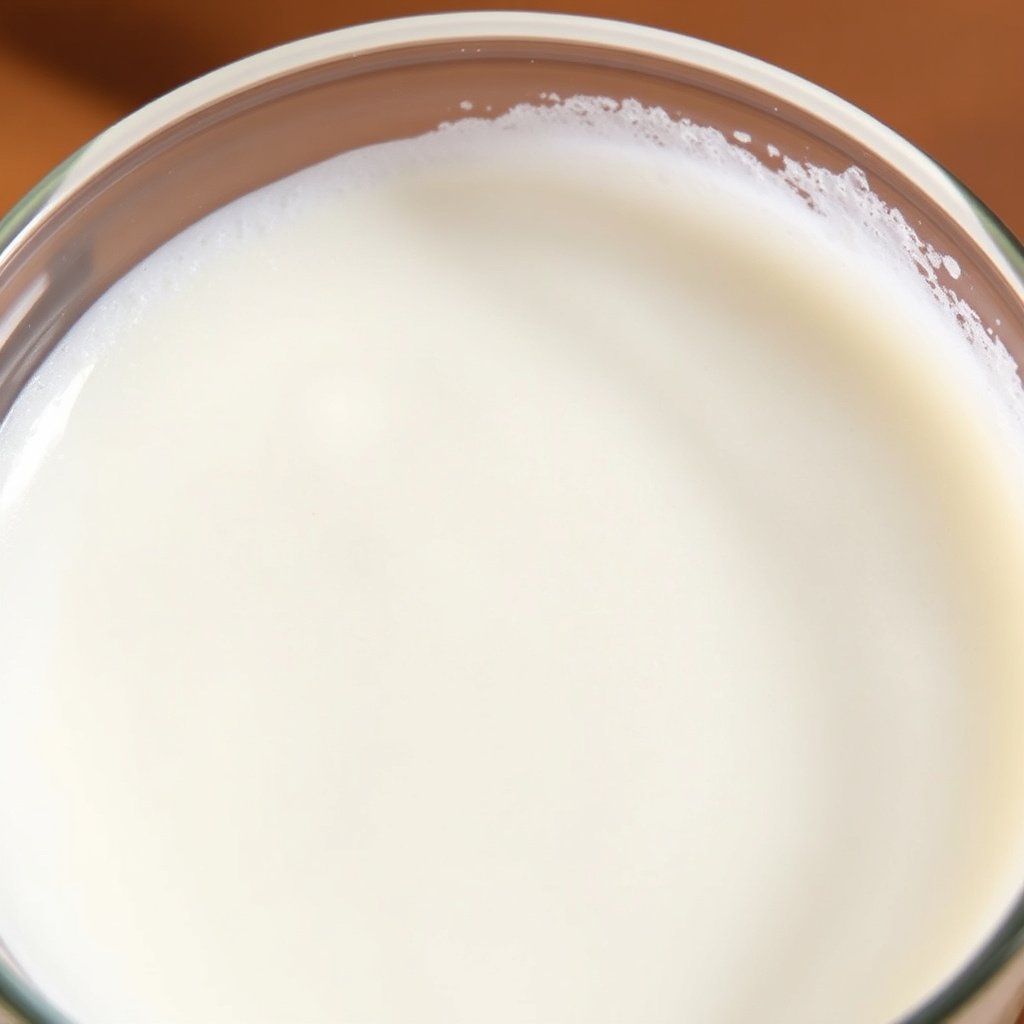
Frothing transforms liquid milk into a foam of tiny air bubbles stabilized by proteins and fats. When air is incorporated gently while heating, milk's casein proteins create a fine mesh that traps air and forms microfoam. The fat content affects creaminess and dryness of the foam, with whole milk delivering richer froth and skim milk producing lighter, airier bubbles.
Temperature is critical; milk heats best between 140°F and 155°F (60°C to 68°C) for optimal froth quality and sweetness. Overheating can scald proteins, breaking down foam structure and resulting in large bubbles or a watery texture.
Choosing the Best Milk for Frothing
Whole milk with 3.25% fat generally creates rich, stable foam ideal for lattes and cappuccinos. Its fat helps produce creamy texture, though it can weigh down the froth slightly. Lower-fat options like 2% or skim milk create lighter, frothier foam with bigger bubbles but less creaminess.
Non-dairy milks vary widely: oat milk and soy milk tend to froth well due to their protein and carbohydrate content, while almond and coconut milk often produce less stable froth. Specialized barista blends of plant milk with stabilizers can improve texture.
- Whole milk: creamy and rich
- Skim milk: airy but less creamy
- Oat milk: good non-dairy option
- Barista blends: optimized for frothing
Manual Frothing Techniques at Home
Using a French Press to Froth Milk
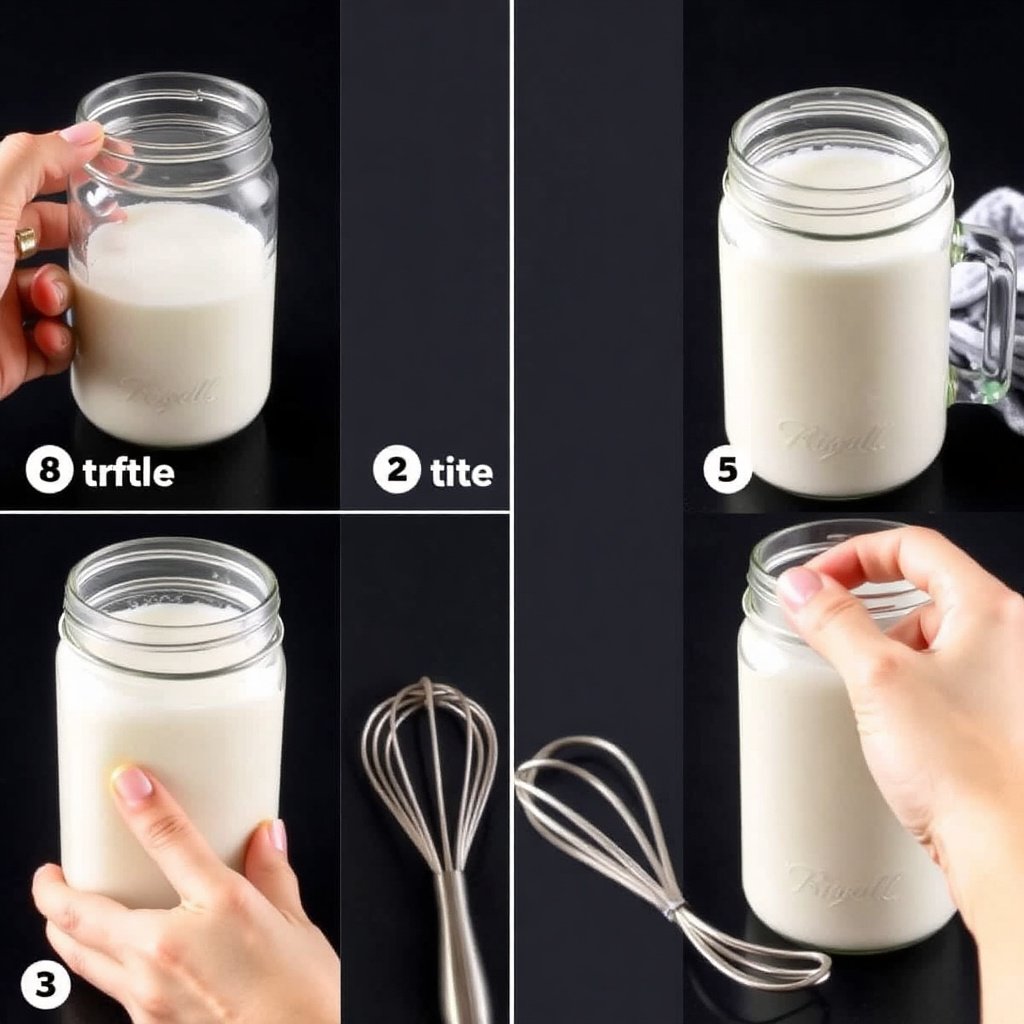
A French press can double as a milk frother by pumping its plunger vigorously after heating the milk. Heating milk to about 140°F is important before placing it in the press. Then, move the plunger up and down rapidly for 20 to 30 seconds to incorporate air and create foam.
This method produces creamy foam with medium-sized bubbles and requires minimal equipment. It's effective for small quantities and ideal for coffee enthusiasts who have a French press already.
Jar Shaking Method for Frothing
Heat milk gently on the stove or microwave until warm but not boiling, then pour it into a heat-safe jar with a tight lid. Shake vigorously for 30 to 60 seconds to introduce air bubbles, which form foam on top.
This is a simple, no-special-equipment method producing lighter, airy froth. Let the foam settle for a few seconds before using, and be cautious not to shake too long to avoid breaking down the foam.
Electric Milk Frothing Devices
Handheld Electric Milk Frothers
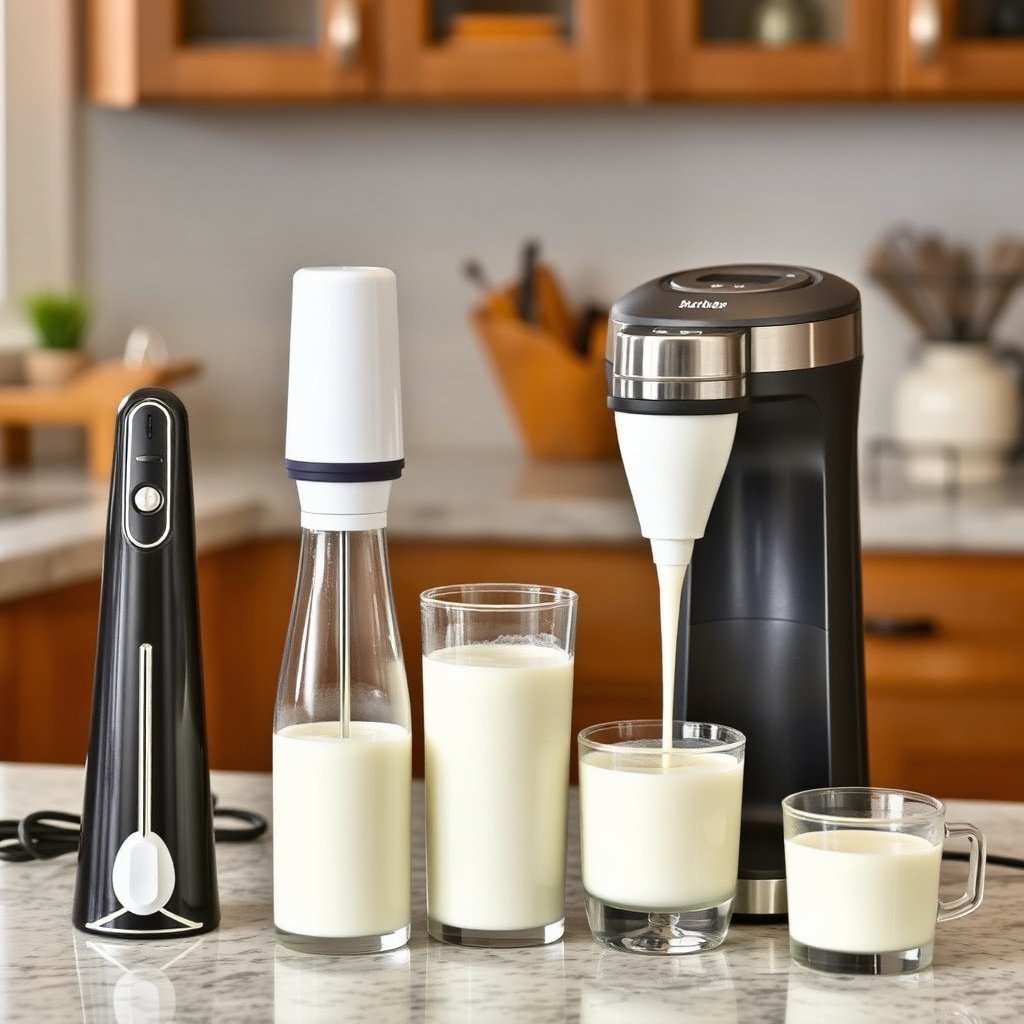
Electric handheld frothers use a small whisk powered by batteries or USB to quickly aerate milk. After heating the milk separately, submerge the whisk head and turn it on to create froth in under a minute.
They are affordable, portable, and easy to clean but typically froth smaller volumes. Perfect for quick cappuccinos or lattes when steaming wands aren’t available.
- Fast frothing
- Compact and portable
- Battery or USB powered
- Best for single servings
For more on this, see our related guide: How to Make Omelette with Perfect Results: A Complete Guide for Beginners.
Standalone Automatic Electric Frothers
These countertop machines heat and froth milk automatically with options for hot or cold froth. They usually have non-stick interiors and can froth larger volumes. Many models allow selecting foam density and temperature settings, providing convenience and consistent results for daily coffee routines.
They require more investment but offer professional-level foam quality and speed ideal for enthusiasts or small offices.
- Heating and frothing combo
- Adjustable settings
- Easy to use with one button
- Larger volume capacity
Using Steam Wands for Milk Frothing
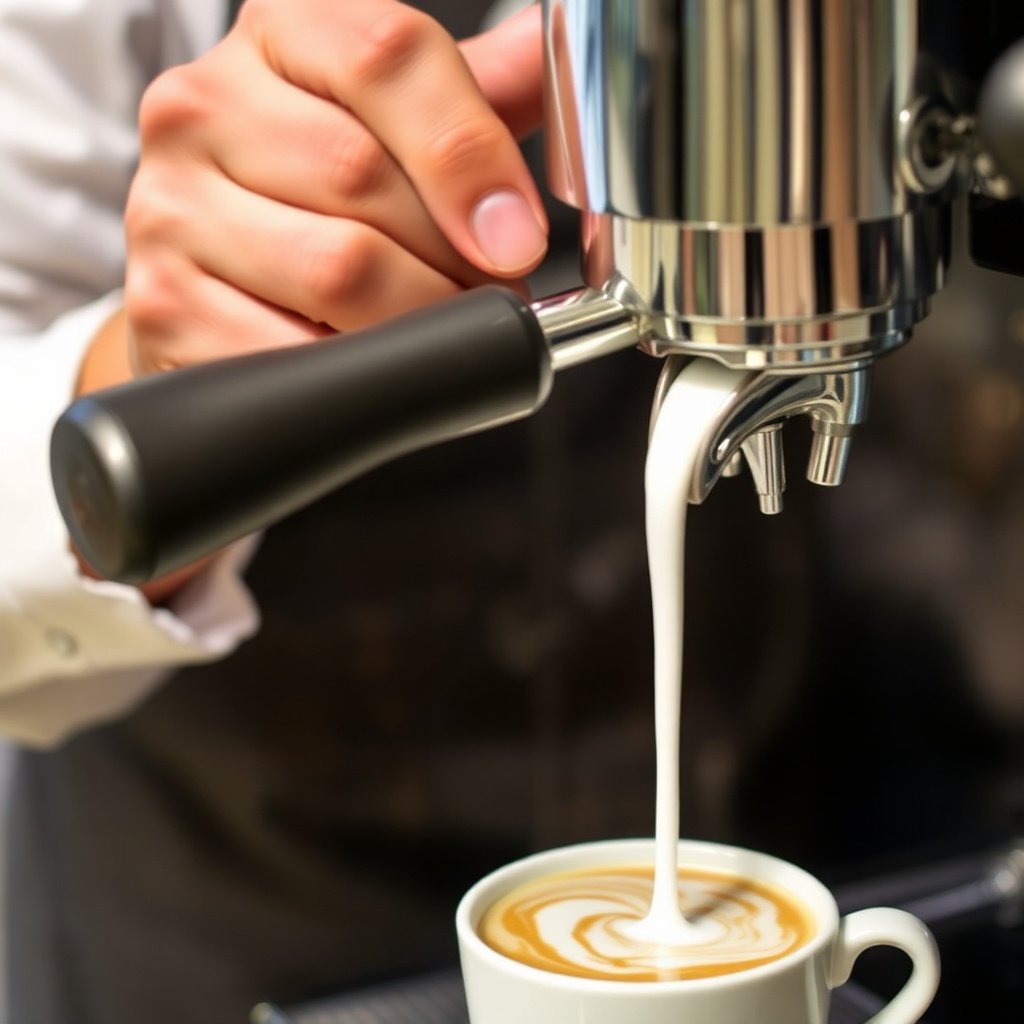
Proper Steam Wand Technique
Position the steam wand tip just below the surface of milk in a pitcher to introduce air gradually. As the milk expands, lower the pitcher to keep the tip near the surface, then submerge deeper to heat evenly without excess froth.
A good steam wand technique creates fine microfoam essential for latte art and rich texture. Practice timing the air introduction and swirling motion to avoid large bubbles.
- Start with cold milk
- Position the wand correctly
- Introduce air slowly at first
- Swirl milk to create microfoam
Common Problems and Fixes
If froth is too bubbly or dry, reduce air intake by submerging the wand deeper sooner. If milk overheats and tastes burnt, lower steaming time and avoid reaching past 160°F.
Noisy steam or spluttering often means the wand tip needs cleaning or descaling. Regular maintenance protects your machine’s performance and keeps frothing quality high.
- Adjust wand depth for foam density
- Monitor milk temperature carefully
- Clean steam tip regularly
- Avoid over steaming milk
Frothing Tips for Different Coffee Drinks

Froth Texture for Cappuccinos vs. Lattes
Cappuccinos traditionally have thick, dense foam about a third of the drink volume, creating a fluffy, airy texture that sits atop coffee. Frothing for cappuccinos involves incorporating more air and less liquid milk.
Lattes prefer smoother, thinner microfoam blended evenly with milk. The foam layer is thinner and creamier, focusing on a velvety mouthfeel rather than stiff peaks.
For more on this, see our related guide: How to Make Scrambled Eggs Perfectly: 8 Expert Tips That Work.
Creating Foam for Espresso Macchiatos and Flat Whites
Espresso macchiatos use just a dollop of foam to alter the espresso’s sharpness lightly, so froth should be minimal and dense. Flat whites demand fine microfoam spread consistently with a thin milk layer for a glossy surface.
Adjusting the frothing technique and milk volume helps craft signature textures suited for each style, ensuring each drink’s character is preserved.
Troubleshooting Milk Frothing Issues
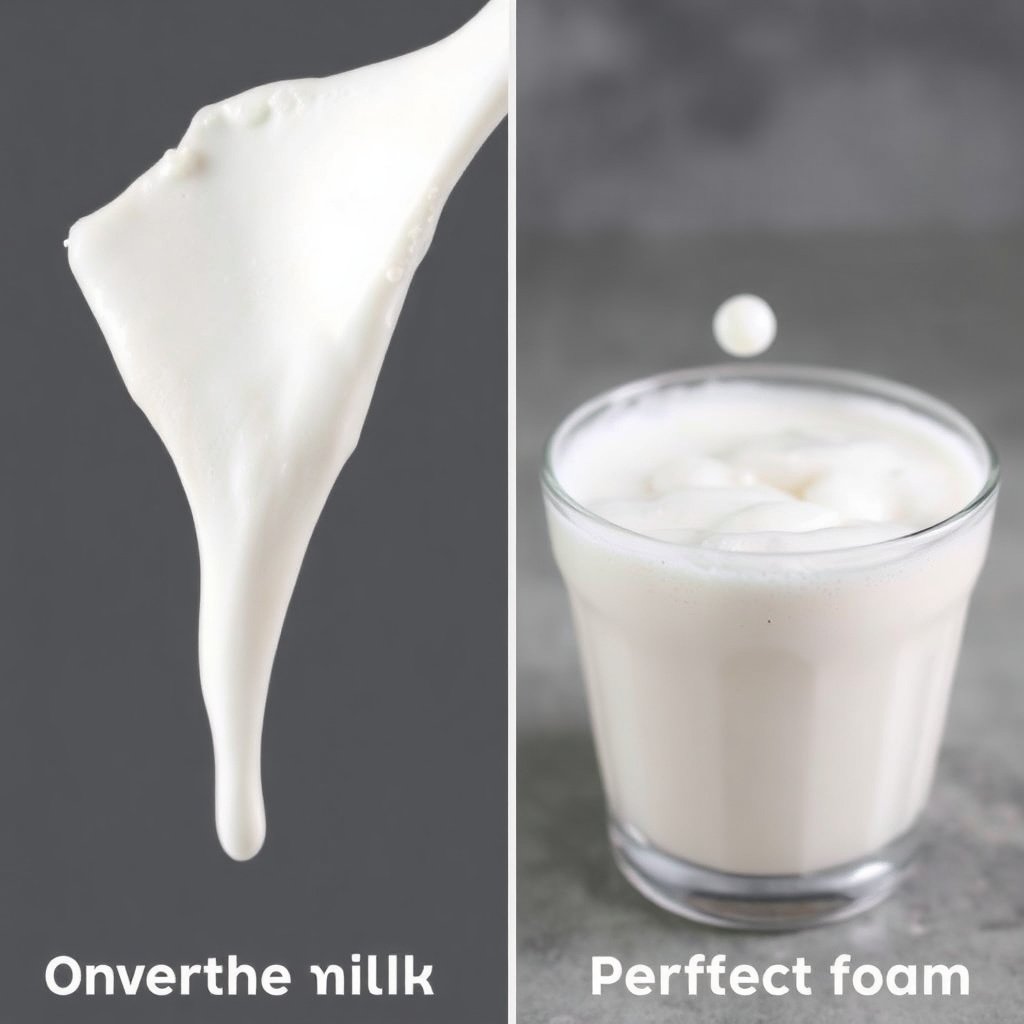
Why Froth Falls Flat or Has Big Bubbles
Froth collapsing quickly usually results from over-aerating or overheating milk, causing protein breakdown and drainage of air bubbles. Larger bubbles occur when the wand speed or shaking introduces too much air too fast without proper mixing.
Selecting the right milk and controlling temperature and aeration speed improves foam stability and minimizes bubbles.
For a detailed explanation of the milk frothing process including its science, see the milk frothing techniques overview on Wikipedia. Milk frothing techniques overview on Wikipedia.
Milk Doesn’t Froth at All
Milk that won't froth often lacks sufficient protein or is too cold or too hot. Non-dairy milks vary in frothing ability; barista blends with added stabilizers handle best. Using cold fresh milk and ensuring the frothing device is clean and functioning also helps.
Experimenting with brands and temperature, plus regular equipment maintenance, can overcome frothing challenges.
Milk Frothing Methods Compared
Here’s a comparison of popular milk frothing methods to help you decide which suits your needs and setup best.
| Method | Equipment Needed | Froth Quality | Ease of Use | Price Range |
|---|---|---|---|---|
| Steam Wand | Espresso Machine with steam wand | Professional rich microfoam | Steep learning curve | High (machine cost) |
| Electric Automatic Frother | Countertop frother | Consistent foam, adjustable | Very easy | Moderate to High |
| Handheld Electric Frother | Battery/USB frother | Good for small amounts | Very easy | Low |
| French Press | French press | Creamy foam, medium quality | Moderate skill | Low (if you have French press) |
| Jar Shaking | Glass jar with lid | Light, airy foam | Very easy | Free (uses household items) |
Frequently Asked Questions
What type of milk froths best for cappuccinos?
Whole milk froths best for cappuccinos because its higher fat content creates creamy and stable foam, giving the characteristic thick and airy texture.
Can I froth plant-based milk like almond or oat milk?
Yes, oat and soy milks generally froth well, especially barista blends designed for foam stability. Almond milk froths less consistently and produces lighter foam.
How hot should milk be when frothing?
Milk should ideally be heated between 140°F and 155°F (60°C to 68°C) during frothing. Higher temperatures risk scalding, which damages foam texture and flavor.
Is it possible to froth milk without special equipment?
Absolutely, you can froth milk at home without machines by shaking warm milk in a jar or using a French press to pump air in manually.
Why does my froth have large bubbles instead of smooth foam?
Large bubbles usually mean too much air is introduced too quickly or the milk temperature was off. Slower aeration and correct temperature create finer, smoother foam.
Key Takeaways
- Frothing involves heating and incorporating air into milk for creamy foam.
- Whole milk produces rich foam, while some plant milks also froth well.
- Multiple manual and electric methods can froth milk effectively.
- Proper temperature and technique prevent common frothing issues.
Conclusion
Mastering how to froth milk comes down to understanding milk properties, the frothing process, and the right equipment or technique for your situation. Whether you choose to use a steam wand on an espresso machine or a simple jar-shaking method, controlling milk temperature and introducing air steadily results in better foam quality. Consistent practice with these factors leads to foam that enhances your coffee drinks beautifully, mimicking café-style texture and mouthfeel.
For coffee lovers who want professional-quality froth, investing in a steam wand or an automatic electric frother pays off by delivering fine microfoam perfect for latte art and balanced drinks. Meanwhile, those seeking budget-friendly or minimalist options can rely on handheld frothers, French presses, or manual methods with heated milk to create satisfying foam. Choosing the best milk, typically whole or specialized barista blends in the case of plant alternatives, also makes a visible difference in texture and flavor.
To start improving your milk frothing skills today, pick a method that fits your existing tools and daily routine, then focus on maintaining milk temperature within 140°F-155°F and incorporating air gently but thoroughly. Experiment with different milks and frothing durations to find your perfect foam. This approach boosts the quality of your home-brewed espresso and coffee beverages, making every cup more enjoyable.