How to Make Scrambled Eggs Perfectly: 8 Expert Tips That Work
To make scrambled eggs perfectly, whisk your eggs until frothy, cook them gently over low heat, and stir slowly until large, fluffy curds form. Avoid rushing the process by using high heat, and let the eggs rest briefly before serving to lock in creaminess. This method gives you soft, creamy eggs every time with simple tools and straightforward steps.
This guide is for home cooks who want to improve their scrambled eggs with reliable techniques and practical tips. You’ll learn the best way to whisk, cook, season, and handle your eggs for a breakfast that’s tasty and tender without fuss or special equipment.
Key Takeaways
- Whisk eggs for about 2 minutes until light and frothy to incorporate air for fluffier texture.
- Cook scrambled eggs over low heat to prevent toughness and achieve a creamy consistency.
- Use a silicone spatula to gently stir the eggs, forming large, soft curds instead of small, dry pieces.
- Add butter to a warm pan, then pour eggs in the center as butter bubbles to distribute fat evenly.
- Season eggs with about 1% salt by weight, roughly 1.5g for three large eggs, for best flavor balance.
- Let scrambled eggs rest for 1 minute off the heat to finish cooking and retain moisture.
1. Step-by-Step Method to Make Scrambled Eggs
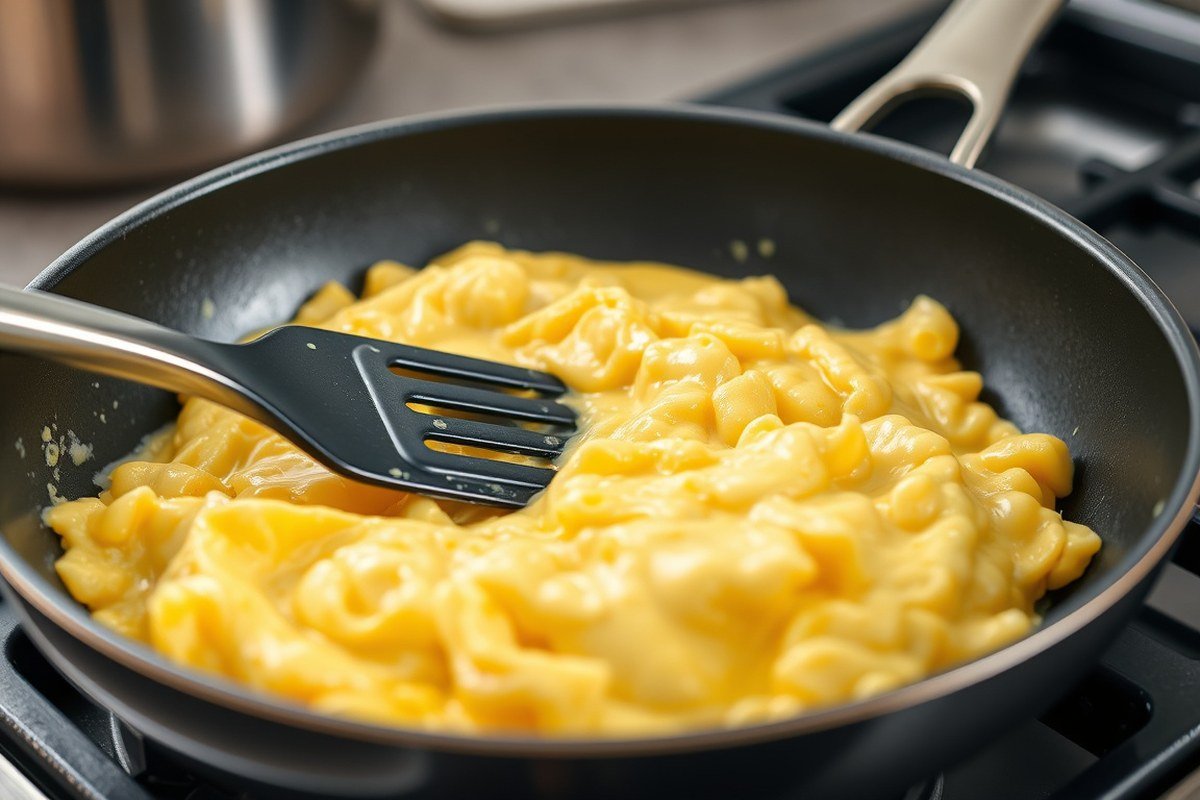
Perfect scrambled eggs start with careful timing and temperature control. Your goal is to cook the eggs slowly over medium heat to form soft, creamy curds. High heat makes eggs cook too fast, causing dryness, while too low heat can stall cooking. The process involves gently stirring the eggs as they set, ensuring a fluffy texture without overcooking. Using a nonstick pan and a silicone spatula helps create even curds and prevents sticking.
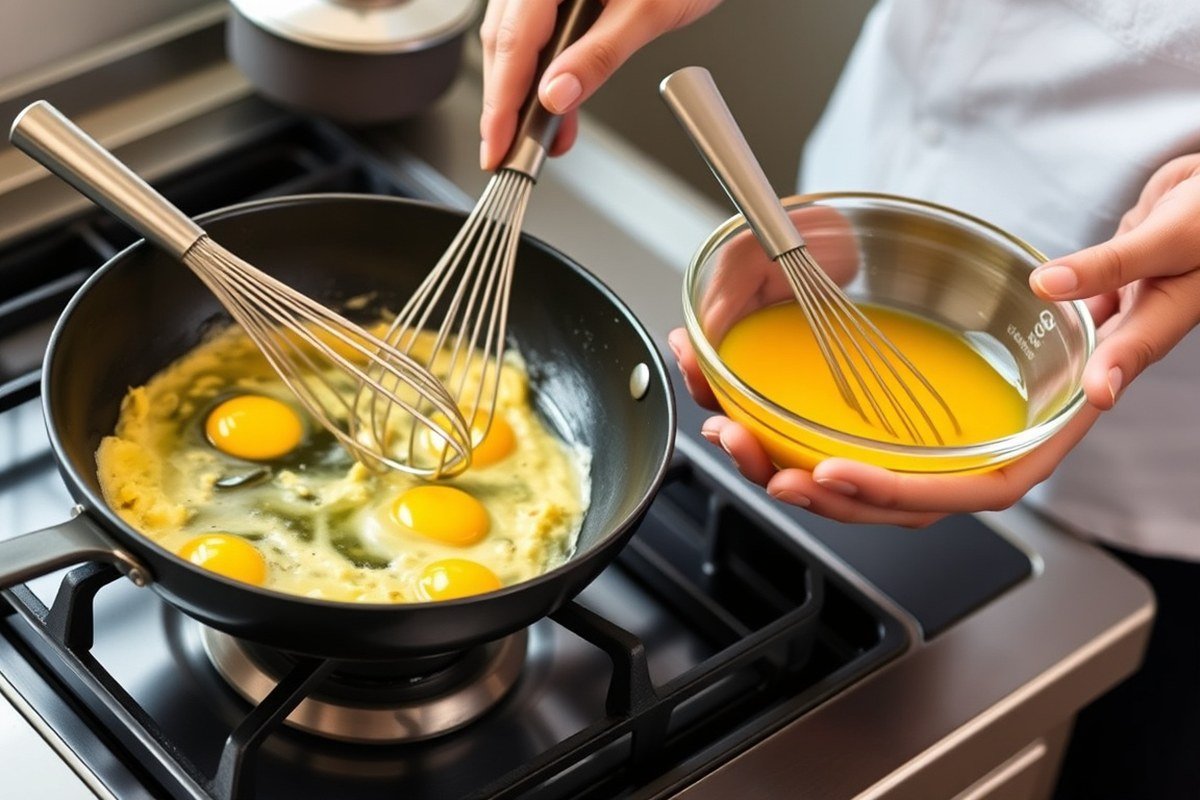
- Crack and beat the eggs: Crack 2 to 3 eggs into a bowl. Beat them thoroughly with a fork or whisk until the yolks and whites are fully blended and the mixture looks slightly frothy. This mix ensures consistent cooking and fluffiness.
- Heat the pan and add fat: Place a nonstick skillet over medium heat. Add about 1 tablespoon of butter or oil and let it melt completely, but avoid letting it brown or foam heavily. This helps evenly distribute heat and prevents sticking.
- Pour eggs into the pan: Pour the beaten eggs into the warm pan right after the butter melts. Let the eggs sit undisturbed for a few seconds until you see the edges start to set.
- Stir gently and continuously: Using a silicone spatula, gently push the eggs from the edges toward the center in slow, deliberate folds. Keep stirring softly but consistently to break the eggs into large curds, about 2 to 3 minutes. Avoid high heat to prevent overcooking.
- Watch for the glossy stage: Once the eggs look mostly set but still glossy and slightly runny, turn off the heat. The residual warmth will finish cooking them without drying them out. Don’t wait for the eggs to look dry or fully firm in the pan.
- Season and serve immediately: Add salt and pepper at this point or fold in extras like herbs or cheese. Scrambled eggs cool and lose their creamy texture quickly, so plate them right away for the best experience.
This approach takes around 3 to 5 minutes total from pan heat to plated eggs. Cooking at medium heat encourages the proteins to slowly firm up and entangle, holding moisture inside the curds for soft eggs rather than tough ones. You’ll see the eggs transition from a liquid to fluffy curds without overcooking or dryness. Avoid turning the heat to high, which creates small dry curds and rushes the process.
2. Choosing the Right Pan and Tools for Scrambled Eggs
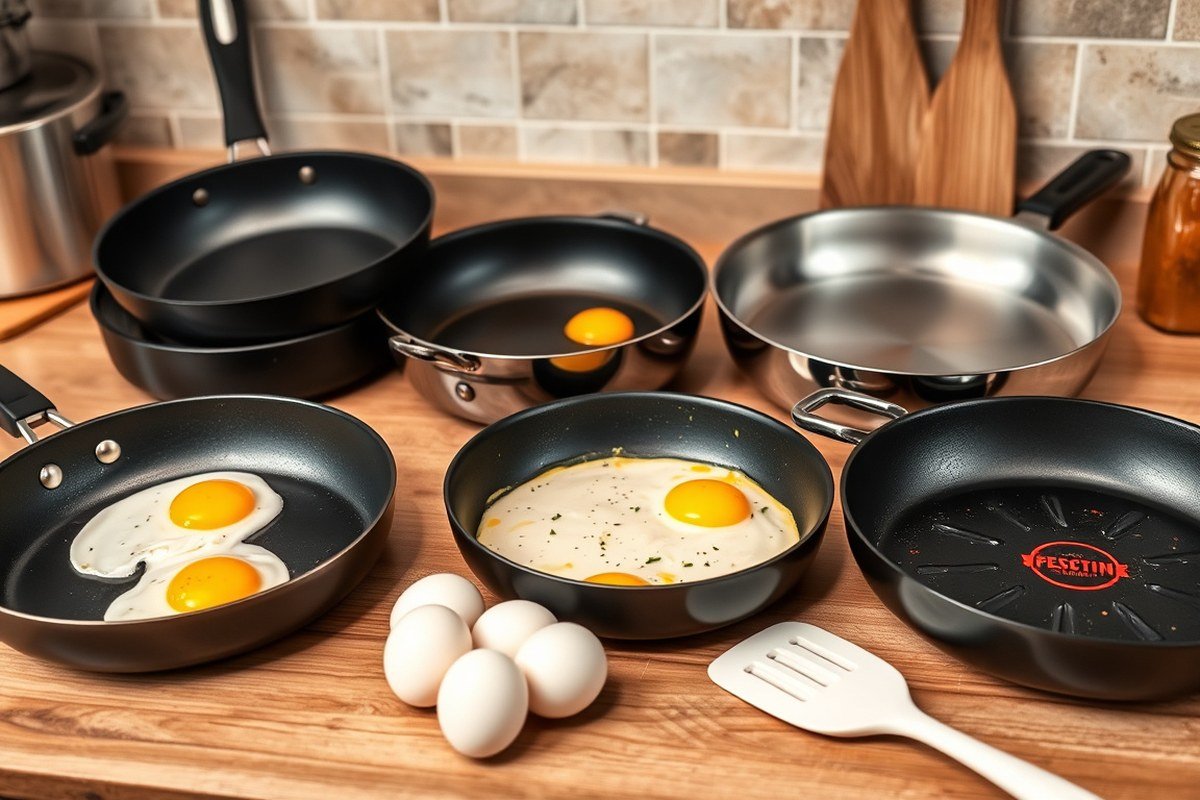
The best pans for scrambled eggs are nonstick skillets and well-seasoned stainless steel pans. Nonstick pans make cooking and cleanup simple, requiring little fat and reducing the chance of eggs sticking. However, stainless steel pans offer a different flavor and texture when used correctly, though they demand more attention to heat and fat amounts.
Using stainless steel pans successfully means heating the pan well before adding fat. Heat the pan over medium heat for about 1 to 2 minutes until it’s hot but not smoking. Then add a small amount of butter or oil, about one tablespoon per 3 large eggs. Let the butter bubble and spread it across the pan; pour the eggs into the middle, pushing the butter outward. This fat barrier helps prevent sticking and creates a silky texture.
For any pan, a flexible silicone spatula works best to gently stir the eggs as they cook. This tool prevents scratching the surface and allows you to fold rather than scrape the eggs, producing softer curds. Keep the heat low to medium-low with stainless steel pans to avoid overcooking or developing an undesirable crust.
| Pan Type | Fat Needed | Heat Level | Best Tool | Approximate Cost |
|---|---|---|---|---|
| Nonstick Skillet | Very little (about 1 tsp) | Low to medium | Silicone spatula | $20, $50 |
| Stainless Steel Pan | Moderate (1 tbsp per 3 eggs) | Medium (heat 1, 2 mins before fat) | Silicone spatula | $30, $70 |
Nonstick pans typically require less fat, which can be helpful if you want lower-calorie eggs. Stainless steel pans may take a bit more practice to master since eggs can stick if the pan isn’t properly heated or you use too little fat. A well-heated pan and fat will give you eggs that are rich without developing a crusty layer. Using multiple pans speeds up making scrambled eggs for groups, but consistent pan temperature and stirring technique remain key.
Silicone spatulas prevent scratching and help fold eggs gently, producing soft curds and avoiding tearing or sticking during cooking.
3. How to Achieve the Perfect Scrambled Egg Texture
Controlling the texture of scrambled eggs comes down to managing heat, cooking time, and stirring. For soft, creamy eggs with large, tender curds, cook the eggs gently over low heat. This “low and slow” method helps prevent overcooking and produces a custardy texture that many find ideal. Use a nonstick pan set to low or very low heat, whisk your eggs thoroughly before pouring, then stir slowly and continuously. The key is patience, cooking the eggs for about 7 to 10 minutes allows the curds to form gradually and stay moist without turning rubbery.
To achieve a fluffier scramble with light, airy curds, increase the heat to medium or medium-high and cook the eggs more quickly. Keep stirring constantly but briskly so the eggs cook through in about 3 to 5 minutes. This method also tends to create small, soft curds with slightly crisp edges, common in diner-style scrambles. You will see the eggs firm up more rapidly, so removing them from heat just before they look fully set prevents dryness.
Adding small amounts of dairy can influence texture as well, but some choices have drawbacks. Whole milk or cream can add richness, but avoid too much since it can thin the proteins and make eggs watery or rubbery. A better approach to creamy eggs is to fold in small cubes of cream cheese or cottage cheese just before cooking. These add luscious moisture and richness without diluting flavor.
For those willing to experiment, adding a cornstarch slurry (about one teaspoon cornstarch mixed with a tablespoon of water per 4 eggs) produces especially creamy and tender scrambled eggs. This technique modifies the egg proteins to hold moisture better, resulting in a silky texture with soft, slightly thickened curds. Cook gently to maintain this effect.
Egg freshness also impacts texture greatly. Older eggs with thinning whites can yield runny scrambled eggs that fail to hold together well, while fresh eggs produce firm but tender curds.
Serving preference determines the final texture you should aim for. If you want eggs that are just-set and moist with large, pillow-like curds, cook them at low heat with slow stirring. For fluffy eggs with a firm texture and slightly crisp edges, cook quickly over higher heat with rapid stirring. Creaminess can be boosted by adding dairy like cream cheese or using the cornstarch method, especially on lower heat. Avoid adding large amounts of milk, which commonly causes undesirable watery or rubbery eggs.
4. What to Add or Avoid: Liquids, Fats, and Seasonings
Add a little liquid, fat, and seasoning to scrambled eggs to change their texture and flavor, but keep amounts moderate. The choice of milk, cream, water, butter, or oil, plus when and how much salt and pepper you add, affects taste and cooking results. Use simple amounts and add seasoning early or late depending on the effect you want.
Effect of Milk, Cream, and Water
Adding a small amount of liquid can improve scrambled eggs by making them creamier or fluffier. A tablespoon (15 ml) of water per 3 large eggs helps trap steam during cooking and creates a lighter, airier texture without dulling the egg’s natural flavor. Heavy cream or whole milk adds richness but also dilutes the egg flavor and can make the eggs slightly loose or watery.
To add liquid, mix 3 eggs with 1 tablespoon of water, milk, or cream in a bowl and whisk until fully combined. Avoid adding more than 1 tablespoon per 3 eggs, or the eggs risk becoming watery and less bright in color. Water is best if you want fluffy eggs without changing the flavor, while cream or milk works if you prefer a richer taste and creamier mouthfeel.
Using Butter vs Oil
Butter brings a rich, creamy flavor and helps brown the eggs slightly, improving taste. One to two tablespoons of softened butter per 6 eggs creates a smooth base for cooking. Olive oil or a neutral oil is a good alternative if you want less dairy fat or prefer a lighter flavor. Oil also prevents sticking without adding the distinct flavor of butter.
Heat the fat in the pan over low to medium heat before adding the eggs. Using too much fat can make eggs greasy, and too little may cause sticking and uneven cooking. Butter is usually preferred for flavor, but oil is suitable when cooking over higher heat or if you want a neutral taste.
Seasoning Tips and Timing
Salt improve eggs’ natural flavor but timing matters. Adding salt to the beaten eggs before cooking seasons them evenly. Use about ¼ to ½ teaspoon of kosher salt per 3 eggs. Pepper can be added both before cooking for distribution and after for a fresh kick. Avoid over-salting, as eggs’ mild flavor can be overwhelmed.
Some cooks add salt just before or during cooking to keep the eggs tender. However, adding it to the eggs before cooking slightly breaks down their structure, which can make scramble softer but less fluffy.
- Use 1 tablespoon water, milk, or cream per 3 eggs for texture changes
- Whisk liquid and salt (¼ to ½ tsp per 3 eggs) into eggs before cooking
- Use 1 to 2 tablespoons butter or oil for every 6 eggs in the pan
- Add pepper before or after cooking for balanced flavor
- Heat fat gently to avoid burning and achieve smooth eggs
- Avoid excessive liquid to prevent watery eggs
Seasoning with extras like sugar, chicken bouillon powder, or white pepper is optional but should be minimal to keep the egg flavor central. Fresh herbs or cheese are better added after cooking to maintain their brightness. Sticking to a few basic additions keeps scrambled eggs simple, flavorful, and satisfying.
5. Cooking Time and Temperature Guidelines for Best Results
Scrambled eggs take about 3 to 5 minutes to cook on low to medium heat to reach a soft and moist texture. Cooking them slowly allows the eggs to set gently and prevents drying out. Use low heat so the eggs cook evenly without browning, stirring every 30 to 60 seconds to break up curds and keep the texture creamy. When the eggs almost set but still glisten slightly, remove the pan from heat to let residual warmth finish cooking them. This gentle approach typically takes around 4 to 5 minutes total.
High heat will cook eggs much faster but risks tough, rubbery texture and browning, which alters flavor negatively. You can use medium heat to speed things up slightly, expect about 2 to 3 minutes, but avoid temperatures above medium, which start to brown the eggs and dry them out. Browned scrambled eggs lose their soft, silky quality and can taste burnt. Cooking eggs over a flame as low as a candle has even been recommended to achieve the creamiest texture because it keeps the heat steady and gentle.
Adding small knobs of butter partway through cooking or right after removing the pan from heat melts into the eggs, enriching their texture and flavor as they finish cooking. This step is especially helpful when cooking slowly, as it keeps eggs moist and creamy. If you want fluffier scrambled eggs, cooking with some liquid, such as water, over low heat adds steam that lightens the curds without risking dryness.
Cooking in intervals of about 30 to 60 seconds between stirring allows you to control doneness precisely. Stop cooking when the eggs still have a slight shine and look soft; they will firm up as they cool. For example, set a timer for 30 seconds, stir, then repeat until the eggs appear softly set but not dry. This method gives you full control over the texture, whether you prefer slightly runny or fully firm scrambled eggs.
Keep heat low and stir often to avoid brown spots and dry edges, ensuring your eggs stay soft and moist.
6. Common Scrambled Egg Mistakes and How to Fix Them
Rubbery or dry scrambled eggs usually result from overcooking or using high heat, which strips away moisture and toughens the proteins. Eggs should be cooked gently over low to medium heat to keep them tender and creamy. Stir them frequently but gently to form soft curds without letting them stick or brown. Cooking time typically matches the few minutes it takes to toast a slice of bread, ensuring the eggs reach about 160°F internally, hot enough to be safe and set but still moist.
Undercooked eggs often appear glossy or runny and can signal they need just a bit more time. Watch for when the curds form but retain some softness and glossy patches, this means the eggs will carry residual heat and finish cooking off the pan. The texture should be soft yet fully set without any liquid pooling, which also indicates food safety.
A common mistake is adding too much dairy like milk or cream, which can make eggs watery or cause them to coagulate unevenly. Instead, try stirring in a tablespoon of water before cooking. This creates steam inside the eggs, resulting in larger, lighter curds and fluffier eggs. Some add 1 to 2 tablespoons of mayonnaise to 4 eggs for a richer, creamier texture, but this is optional and changes the flavor profile.
- Use moderate heat to avoid rubberiness caused by high-temperature overcooking.
- Remove eggs from the heat while still slightly shiny to prevent drying as they finish cooking in the pan.
- Skip heavy dairy additions; add a tablespoon of water to create steam and tender curds.
- Stir gently but frequently to form soft, uniform curds without overbreaking them.
- Cook only until eggs reach about 160°F internally for proper texture and safety.
- If eggs look watery after cooking, increase heat slightly and cook a little longer, stirring.
Watching closely and adjusting cooking technique as you go takes practice but pays off in creamy, tender scrambled eggs every time. Avoid rushing by cooking too fast or too long, and your eggs will stay moist with a pleasing texture instead of turning rubbery or dry. Slightly undercooking eggs and letting residual heat finish them ensures silky results, making your quick weekday breakfasts much more enjoyable.
7. Adding Flavor and Variety: Cheese, Herbs, and Vegetables
Adding cheese, herbs, and vegetables can boost scrambled eggs’ flavor and nutrition. The key is to add them at the right time during cooking or right after, so their texture and taste complement the eggs. Knowing which ingredients to use and how to prepare them helps you avoid watery eggs or uneven cooking.
Best Cheeses for Scrambled Eggs
Soft cheeses like cheddar, Swiss, mozzarella, and goat cheese work best with scrambled eggs because they melt smoothly without becoming oily or gritty. Add shredded or crumbled cheese just as the eggs start to set but before fully cooked. This way, the residual heat gently melts the cheese without overheating it. If you add cheese too early, it may separate and release fat, causing oiliness. Adding cheese after cooking lets the heat from the eggs melt it gently and retain its creamy texture. About 1/4 to 1/3 cup of cheese per 3 to 4 eggs gives noticeable flavor without overwhelming the eggs’ natural taste. Choose cheeses based on your preferred intensity, sharp cheddar offers a punch, while mozzarella delivers milder richness.
Herbs and Spices to Try
Fresh herbs add brightness and complexity when sprinkled over hot scrambled eggs at the end of cooking. Tender herbs such as chives, tarragon, and dill retain their aroma and delicate texture better than hardy herbs when used this way. After removing the pan from heat, let eggs stand for about 1 minute, then gently fold in 1 to 2 tablespoons of finely chopped fresh herbs. This brief rest lets the eggs warm the herbs without wilting or cooking out their flavor. Dried herbs and spices, like black pepper, paprika, or onion powder, can be added earlier with the eggs or mixed in before cooking. Fresh herbs cost a few dollars for a small bunch at most grocery stores but go a long way in improving taste and presentation.
Vegetables That Cook Well with Eggs
Vegetables with low water content, such as bell peppers, spinach, mushrooms, and tomatoes, integrate nicely into scrambled eggs. To avoid watery scrambled eggs, sauté vegetables first in the pan until their moisture evaporates, usually 2 to 3 minutes over medium heat, before adding beaten eggs. This step prevents excess water from seeping into the eggs, which can cause weeping and affect texture. Cut veggies into small, uniform pieces to ensure even cooking with the eggs. Add quick-cooking greens like spinach near the end of cooking to keep some of their fresh texture. Generally, use about 1/4 to 1/2 cup of cooked vegetables per 3 to 4 eggs depending on your taste. Prepping vegetables this way adds nutrients and flavor with minimal extra effort or cost, especially if you use leftovers or frozen options.
8. Alternative Cooking Methods: Microwave and Meal Prep Tips
You can quickly make scrambled eggs in the microwave and also prepare them ahead for meal prep. Using the microwave saves time, and proper storage keeps eggs fresh without drying out. Reheating with moisture helps maintain their creamy texture.
Microwave Scrambled Eggs Instructions
Microwaving scrambled eggs is a fast and convenient alternative to stove-top cooking. Adding a small amount of water helps keep the eggs fluffy without diluting the flavor. Avoid using nut milk since it doesn’t improve the texture and might affect taste.
- Beat 2 to 3 eggs in a microwave-safe bowl or mug until fully blended.
- Add about 1 tablespoon of water and a pinch of salt; mix again to combine.
- Microwave on high power for 30 seconds.
- Stir the eggs gently to break up any cooked edges.
- Microwave in 15-second intervals, stirring after each, until eggs are softly set but not dry, this usually takes 1 to 2 more minutes total.
- Fold in cooked vegetables or cheese at the halfway point if desired.
- Let the eggs rest for about 30 seconds before serving to finish cooking from residual heat.
Microwaving in short bursts and stirring often prevents overcooking and keeps scrambled eggs tender rather than rubbery.
Storing and Reheating Tips
Cooked scrambled eggs can be stored in airtight containers in the refrigerator for up to 4 days. Cooling them quickly to room temperature before refrigerating prevents bacterial growth. When reheating, adding a small splash of water or milk helps keep eggs moist and avoids dryness.
Reheat eggs gently in the microwave at 50 to 70 percent power in 20 to 30-second increments, stirring between each. This method warms the eggs without overheating, which causes toughness or rubberiness.
Do not reheat scrambled eggs at full microwave power; they will cook unevenly and dry out quickly.
Meal Prep Portioning and Safety
Divide scrambled eggs into individual containers for easy grab-and-go meals. Portion sizes of 2 to 3 eggs per container work well for breakfast servings. Label each container with the date to track freshness.
Keep scrambled eggs refrigerated below 40°F (4°C). Avoid leaving them at room temperature for more than 2 hours to prevent foodborne illness. When taking eggs on the go, store them in an insulated lunchbox with ice packs if unrefrigerated for short periods.
Step-by-Step Action Plan for Perfect Scrambled Eggs
Follow these steps to make scrambled eggs with great texture and flavor on your very first try.
- Before you start: Gather your ingredients and tools, use fresh eggs, a non-stick pan, a silicone spatula, and a whisk or fork. Check your pan heats evenly by warming it for 1 minute on medium-low.
- Mixing: Crack 2-3 eggs into a bowl, add a pinch of salt and a tablespoon of milk or cream if desired, then whisk until yolks and whites are fully blended and slightly frothy.
- Preheat: Heat your pan over low to medium-low heat and add 1 tablespoon of butter or oil. Once melted and slightly bubbling without browning, you’re ready to cook.
- Cooking: Pour the egg mixture into the pan and let it sit undisturbed for 15 seconds, then gently stir with your spatula every 10 seconds to form soft curds. Cooking should take about 2-3 minutes.
- Finishing touch: Remove the eggs from the heat just before they look fully set to avoid overcooking. The residual heat will finish the cooking and keep eggs creamy.
- Serving: Add cheese, herbs, or cooked vegetables immediately after cooking for best flavor. Taste and season with additional salt or pepper as needed.
Frequently Asked Questions
How to Cook Scrambled Eggs Step by Step?
Beat the eggs, heat butter in a pan, pour in eggs, and stir gently over low heat until fluffy curds form, about 3 minutes. Stirring gently and cooking slowly helps keep the eggs creamy and soft.
Do I Add Milk to Scrambled Eggs?
You can add milk or cream, but it often dilutes flavor and makes the eggs flat-tasting. Cooking eggs without milk keeps their taste richer and texture firmer.
How to Make a Simple Scrambled Egg?
Beat eggs, heat butter in a nonstick pan, add eggs, and stir gently until just set. This method produces quick and fluffy scrambled eggs without extra ingredients.
How Do You Make an Egg Scramble?
Pour beaten eggs into a heated pan with butter, stir constantly over low heat until fully cooked with curds forming. Low heat and gentle stirring create soft curds and creamy eggs.
Should I Season Scrambled Eggs Before or After Cooking?
Season your eggs after cooking rather than before to avoid toughening the texture. Adding salt too early can break down proteins and make eggs watery.
Can I Use Alternative Fats Like Olive Oil for Scrambling Eggs?
Yes, olive oil works but may slightly change flavor and texture. Butter is preferred for richness, but oils add variety and are fine for cooking scrambled eggs.
Before You Go
Mastering scrambled eggs takes practice, but following these precise techniques gets you close to restaurant-quality results quickly. Start cooking today using the low heat, gentle stirring method to get creamy eggs, and experiment with small tweaks like adding herbs or cheese to match your taste. Your next step is to prepare a simple batch and adjust cooking time based on your preference for softer or firmer eggs.