How to Pour Beer Perfectly: A Step-by-Step Guide
Pouring beer correctly involves holding the glass at a 45-degree angle, aiming the beer toward the side, and gradually straightening the glass to create a proper head of foam about one to two fingers thick. This technique ensures that the beer releases its aroma and flavor while minimizing excessive foam and potential loss of carbonation.
How beer is poured matters because it greatly affects the taste, aroma, and visual appeal of your drink. An improper pour can lead to flat beer or an overwhelming amount of foam that diminishes the overall experience. By understanding the mechanics behind pouring, you preserve the beer’s character and allow it to reach its full potential in your glass.
This article will walk you through the step-by-step technique for pouring beer flawlessly, explain the science behind foam and carbonation, explore different glassware choices, and compare pouring methods for various beer styles. Whether you're serving at home or in a social setting, these guidelines will help you pour the best beer every time.
Understanding the Basics of How to Pour Beer
Why the Angle Matters
Holding the glass at about a 45-degree angle reduces excessive agitation, allowing the beer to flow smoothly down the side. This prevents too much foam from forming instantly and helps keep carbonation in the beer.
The angle directs the beer against the side rather than straight down into the bottom, which controls foam buildup and preserves the beer's natural carbonation bubbles.
Creating the Ideal Head
As the glass fills to about three-quarters full, slowly tilt it upright. Pour gently into the middle of the glass to form a foam head approximately one to two inches thick, which enhances aroma release and creates a pleasing presentation.
This foam head traps the volatile compounds responsible for the beer’s smell, enriching the drinking experience while also protecting flavor by maintaining carbonation.
- Start with a clean glass free of oils
- Pour steadily, avoiding splashing
- Monitor foam thickness for style consistency
The Science Behind Foam and Carbonation in Beer
How Foam Enhances Flavor
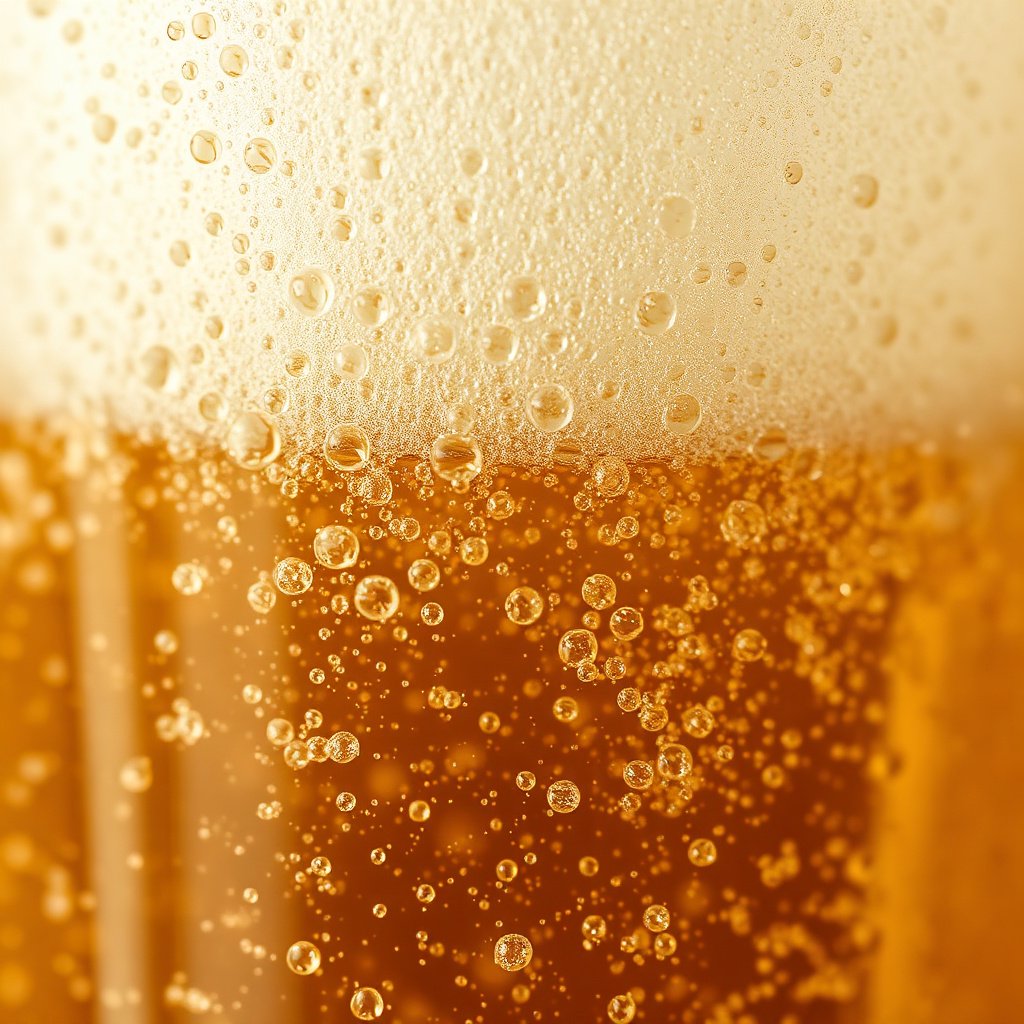
Foam, made of tiny bubbles stabilized by proteins, acts as an aroma carrier. The head releases aromatic compounds trapped in the beer which elevate the sensory profile.
Different beer styles require varying head thicknesses to balance the flavors and aromas effectively.
Balancing Carbonation
Proper pouring techniques maintain carbonation by reducing the agitation that releases excess carbon dioxide too quickly. This keeps beer effervescent and crisp.
Too much foam often indicates over-agitation or improper pouring speed, causing the beer to lose bubbles prematurely and become flat.
Choosing the Right Glassware for Your Beer
Glass Shapes That Complement Beer Styles
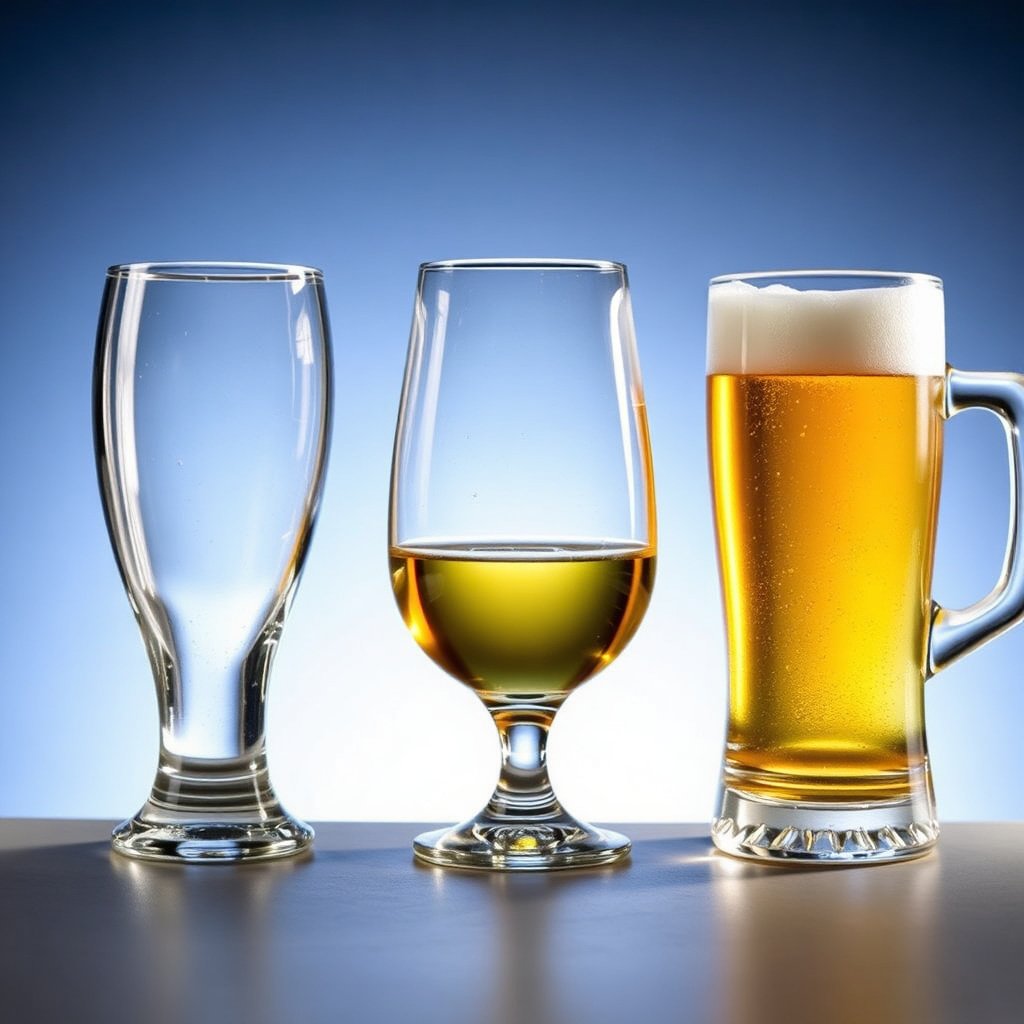
Pilsners work well with tall, narrow glasses to highlight carbonation, while wide-mouthed tulip glasses focus aromas for Belgian ales. Selecting a glass that matches your beer style enhances flavor perception.
Each glass shape affects consumption temperature and aroma concentration, so using appropriate glassware makes a noticeable difference.
- Use snifters for strong ales and stouts
- Pint glasses suit most lagers and ales
- Steins are traditional for German beers
For more on this, see our related guide: How Much Beer per Person for a Party: A Complete Planning Guide.
Cleaning and Preparing Glassware
Residual oils or detergent films on glasses reduce foam retention and can ruin beer flavor. Rinse glasses with cold water right before pouring to improve head quality.
Avoid using hot water or soap residues and store glasses upside down for drying to prevent dust accumulation.
- Rinse with cold water before pouring
- Avoid greasy or scented detergents
- Use dedicated beer glasses when possible
Step-by-Step Guide on How to Pour Beer
Pouring from a Bottle or Can
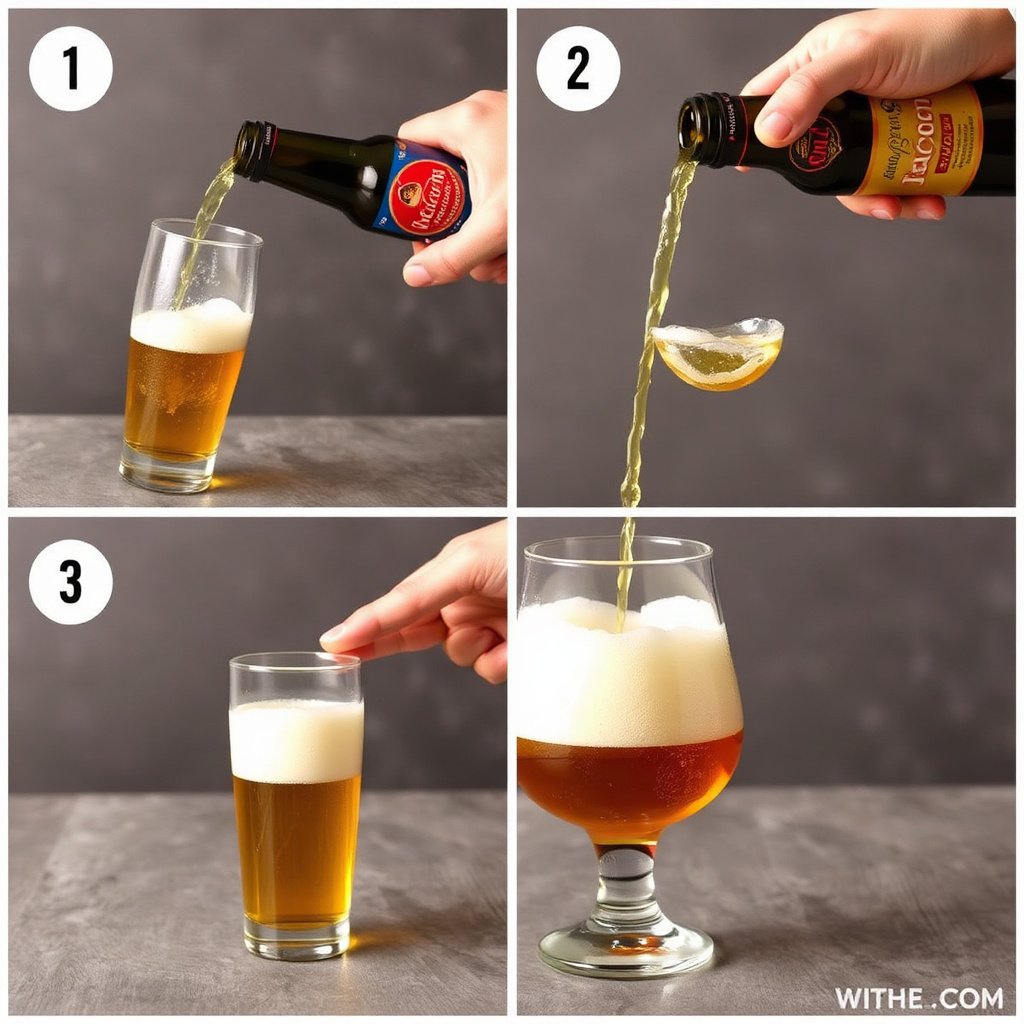
Start by chilling the beer to the recommended serving temperature. Open gently to avoid agitation. Hold the glass at 45 degrees, pour the beer slowly down the side, and straighten the glass as it fills.
Finish with creating a foam head about 1-2 inches high by pouring into the middle of the glass. Avoid pouring all the beer directly into the foam to preserve carbonation.
- Chill beer between 38-55°F depending on style
- Open bottle or can gently
- Hold glass at 45-degree angle
- Tilt upright for foam head
Pouring from a Tap or Keg
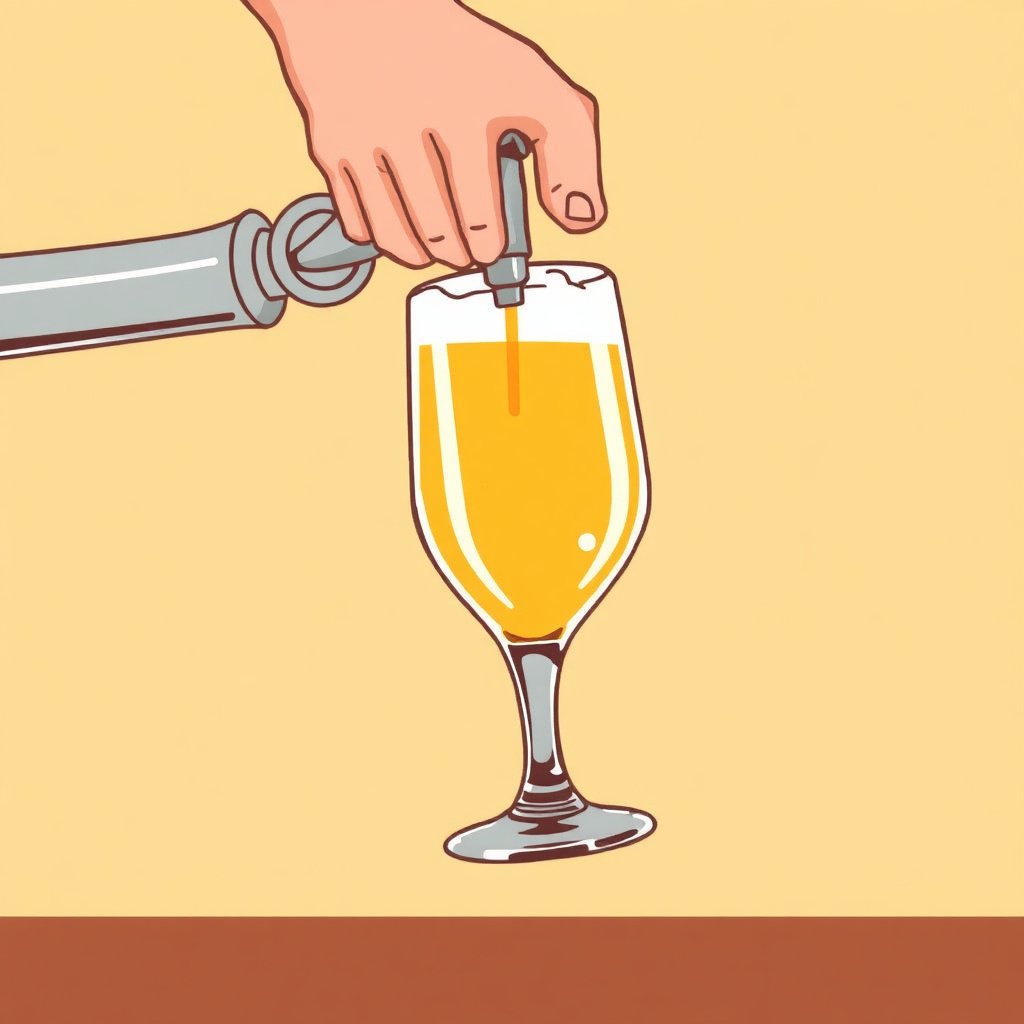
Ensure the tap is clean and beer lines are properly maintained. Place the glass under the tap at 45 degrees, open the faucet fully to avoid turbulence, and slowly fill the glass.
Straighten the glass near the end and adjust speed to control foam formation. Proper keg pouring replicates the ideal glass pour technique with real-time flow control.
- Flush lines regularly
- Open tap fully for smooth flow
- Avoid partial openings
- Pour at 45 degrees, then upright
Different Pouring Techniques for Beer Styles
Pouring Stouts and Dark Ales
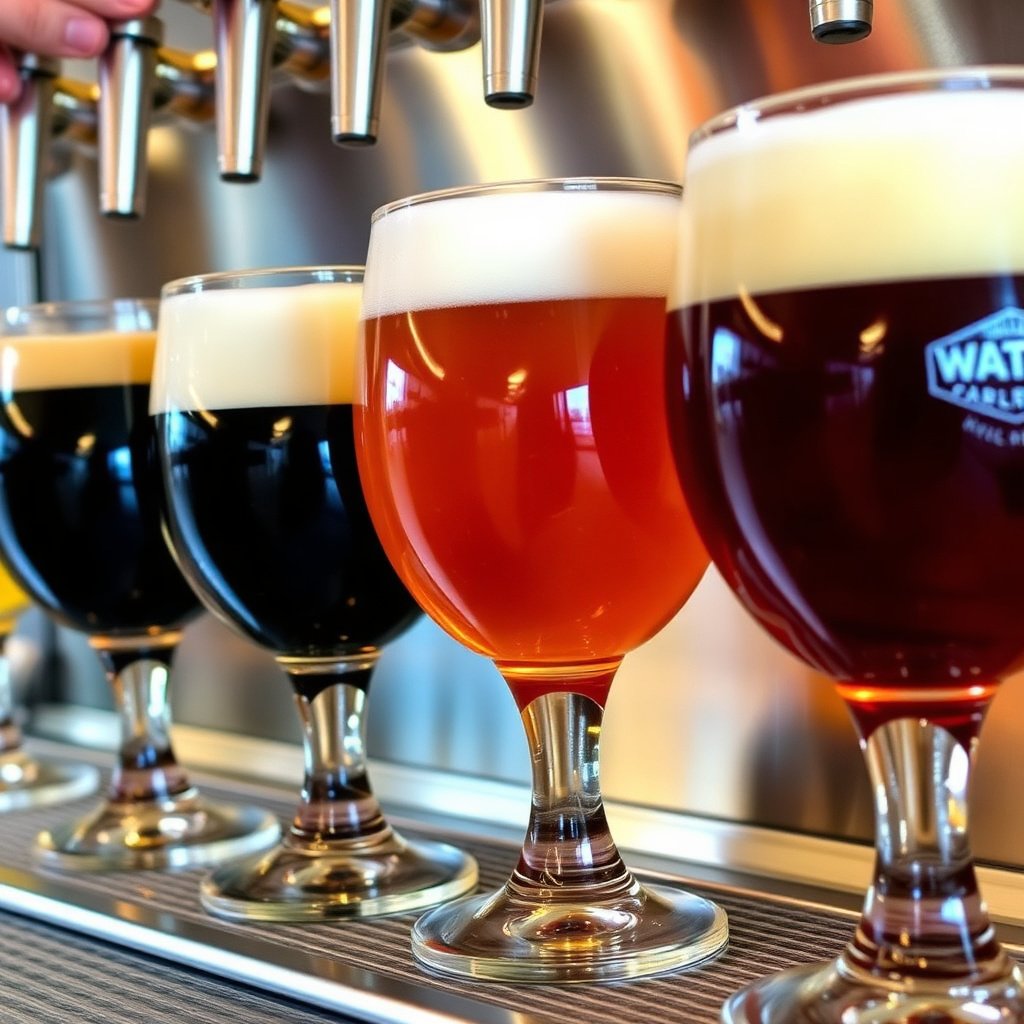
Stouts benefit from a slower pour that gently builds a thick, creamy head. The foam enhances the roasted flavors and smooth mouthfeel distinctive to these beers.
Using a tulip or pint glass helps concentrate aromas and maintain the ideal serving temperature.
For more on this, see our related guide: What Is the Best Craft Beer? Top Picks and Expert Selection Guide.
Pouring Light Lagers and Pilsners
These beers require a faster pour to preserve carbonation but still form a moderate head that enhances crispness. Their clean flavor profiles are best appreciated with minimal foam disruption.
Tall, narrow glassware is preferred for preserving freshness and emphasizing bubbles.
Common Mistakes to Avoid When Pouring Beer
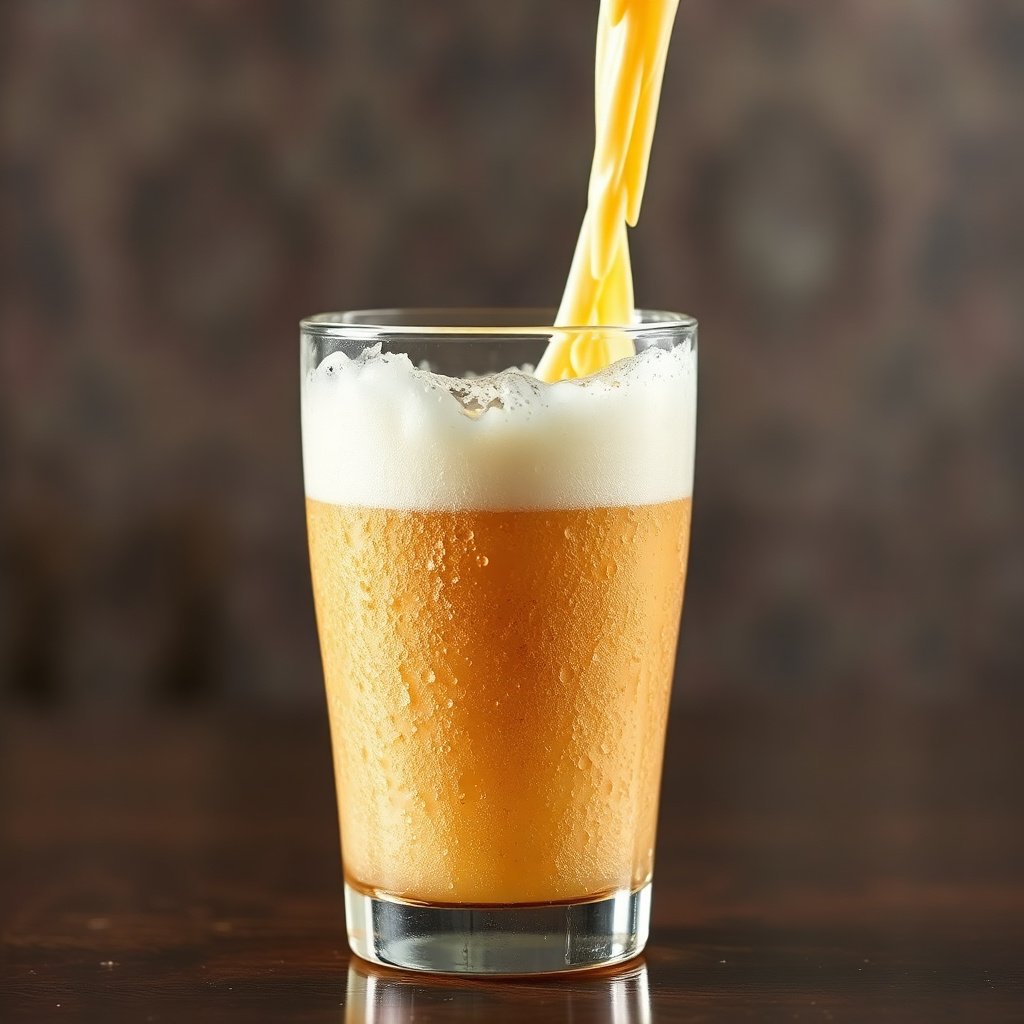
Pouring Too Quickly
Pouring beer too fast causes excess foam that overflows and wastes beer. It also forces carbonation out prematurely, flattening the beer and dulling its flavor.
Slowing down lets you control head formation, creating an appealing look and preserving more liquid.
For more on how pouring impacts beer quality, you can explore beer pouring techniques on Wikipedia. beer pouring techniques on Wikipedia.
Using Dirty or Warm Glasses
Dirty glasses leave oils or residues that break down foam and distort taste. Warm glasses warm the beer quickly, affecting aroma and carbonation negatively.
Always use a clean, cold glass to maximize the best way to serve beer and improve your pour quality.
Comparison of Beer Pouring Methods
Here’s a breakdown of different pouring methods highlighting their pros and cons to help you choose the best approach for your setting.
| Pouring Method | Best For | Typical Foam Quality | Ease of Use |
|---|---|---|---|
| Bottle or Can Pour | Home and casual settings | Moderate foam control | Easy |
| Draft Line Pour | Bars and events | High foam control with practice | Moderate – requires skill |
| Tap with Controlled Flow | Professional/service industry | Consistent, ideal foam | Requires training |
| Self-Pour Systems | Beer festivals | Variable foam depending on user | User-dependent, simple |
Frequently Asked Questions
Why should I tilt the glass when pouring beer?
Tilting the glass reduces turbulence, preventing excessive foam and helping retain carbonation for a crisp, fresh taste.
What is the ideal thickness of a beer head?
A foam head about one to two inches thick is ideal for releasing aromas and preserving carbonation across most beer types.
Does the type of glass affect how beer should be poured?
Yes, different glasses shape aroma and carbonation retention, so pouring technique should adjust for glass shape to optimize flavor and appearance.
How do I avoid too much foam when pouring beer?
Pour slowly at a 45-degree angle and straighten the glass near the end to control foam volume and avoid overflow.
Can pouring beer wrong affect its taste?
Improper pouring can cause loss of carbonation and aroma, resulting in flatter, less flavorful beer.
Key Takeaways
- Tilt the glass at 45 degrees to minimize foam during initial pouring
- Straighten the glass near the end to create a perfect foam head
- Use clean, cold glassware suited to the beer style
- Pouring speed and method influence flavor and carbonation retention
Conclusion
Deciding how to pour beer comes down to balancing foam control with aroma release. Mastering the main technique of tilting the glass and gradually straightening it while maintaining steady pouring speeds preserves carbonation and highlights the beer’s flavor. Understanding how glassware, beer style, and pouring environment interact enables you to serve the drink at its best in any circumstance.
For everyday home use, pouring from a bottle or can into a chilled pint or tulip glass at the right angle creates satisfying results with minimal effort. Draft beers require more technique but reward with superior taste and visual appeal when poured with a well-maintained tap and proper flow control. Adjusting approaches depending on the beer—like slower pours for stouts or quicker fills for lagers—helps emphasize each style’s characteristics.
The best way to serve beer is to practice the foundational pouring method consistently, choose glassware suited to your beer, and pay attention to cleanliness and temperature. Equipped with these practical tips, you can improve your pouring skills and enjoy every pour more fully, whether relaxing at home or entertaining guests.