How to Tap a Keg: A Step-by-Step Guide for Perfect Pouring
Tapping a keg is straightforward once you understand the process and the right tools. To tap a keg, begin by chilling it properly, then securely attach the tap or coupler to the keg valve, ensuring a tight seal. Finally, open the tap to release the beer, adjusting pressure as needed for a smooth pour without excess foam.
Knowing how to tap a keg matters especially when hosting parties or events where draft beer adds a professional touch. Correct tapping prevents waste, keeps the beer fresh, and ensures each serving tastes as intended. Many beginners struggle because keg systems vary, but the principles remain consistent if you follow the proper technique.
This article covers all you need to know about how to tap a keg, including types of keg taps, preparation steps, pressure settings, troubleshooting common problems, and maintenance tips. Whether you’re using homebrew or commercial kegs, you’ll gain confidence to pour draft beer like a pro.
Understanding Keg Tap Types
Common Types of Keg Couplers
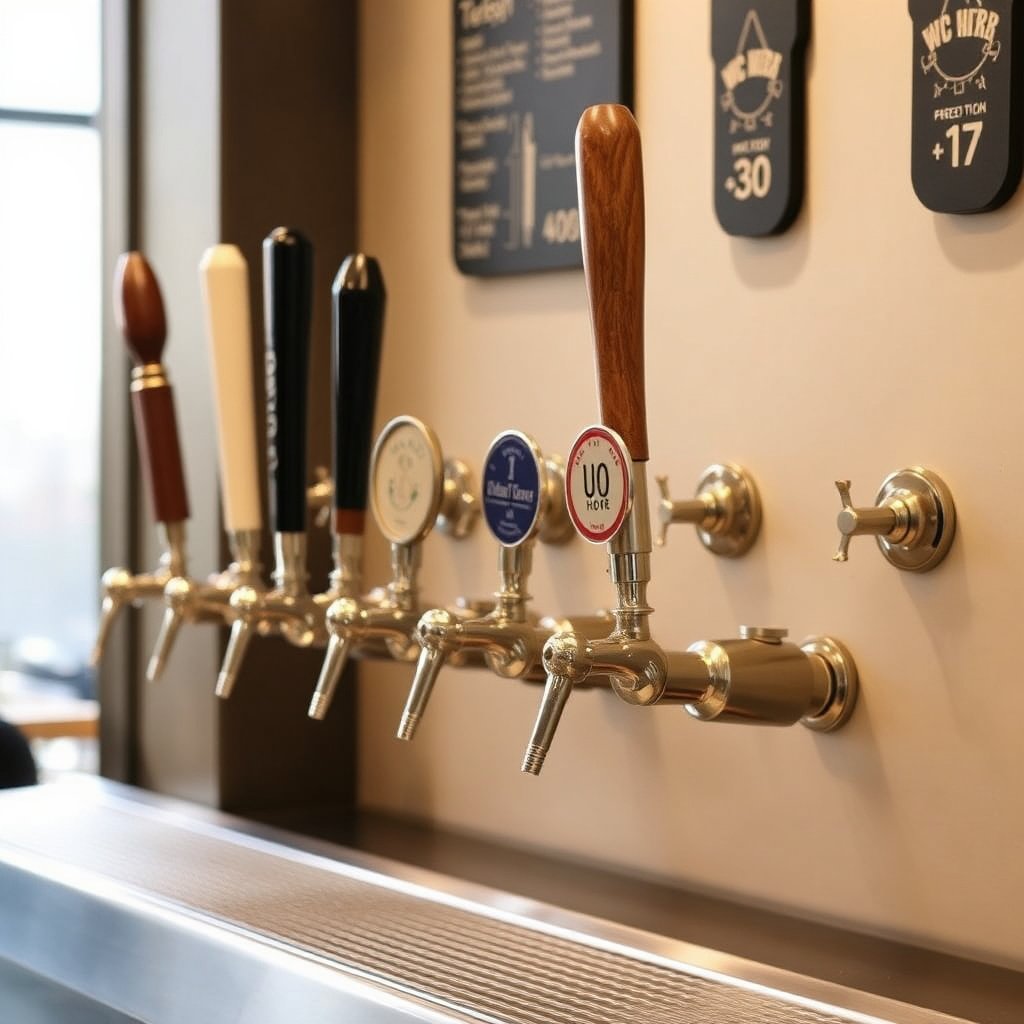
Keg couplers fit onto the keg valve and allow beer to flow out. They come in various types such as D, S, U, A, and G, each matching specific keg brands and beer styles. Knowing your keg’s coupler type is crucial for selecting the right tap equipment.
For example, American-style kegs typically use D-type couplers, while some European brands require S-type. Using the wrong coupler can damage the keg valve or prevent beer flow, so identifying the right type simplifies tapping.
Manual vs. Automatic Taps
Manual taps require you to pull a handle to dispense beer, offering straightforward control over flow. Automatic taps engage the valve as soon as the coupler is attached, which can speed up pouring but may require extra pressure regulation.
Choosing between manual and automatic depends on your setup and personal preference. Manual taps often suit small gatherings, while automatic taps fit commercial or high-volume environments where convenience and speed matter.
Preparing the Keg and Equipment
Chilling the Keg Properly
Before tapping, ensure the keg is chilled between 36°F and 38°F. A warm keg produces excess foam, while a cold one helps maintain carbonation and a clean pour. Refrigerate the keg for at least 24 hours before opening.
If refrigeration isn’t available, place the keg in an ice bath for several hours. Avoid freezing temperatures, which can cause the beer to freeze, damaging the keg and altering taste.
Cleaning and Sanitizing the Tap Components
Sanitize all tap and coupler parts before attaching to avoid contamination and off-flavors. Use a brewery-approved cleaner and rinse thoroughly. Even slight residue or bacteria can spoil your beer or clog the tap.
Regular cleaning also extends the lifespan of your equipment and maintains the quality of beer over time, important especially when using the best keg tap systems to serve draft beverages.
How to Tap a Keg Correctly
Attaching the Coupler to the Keg
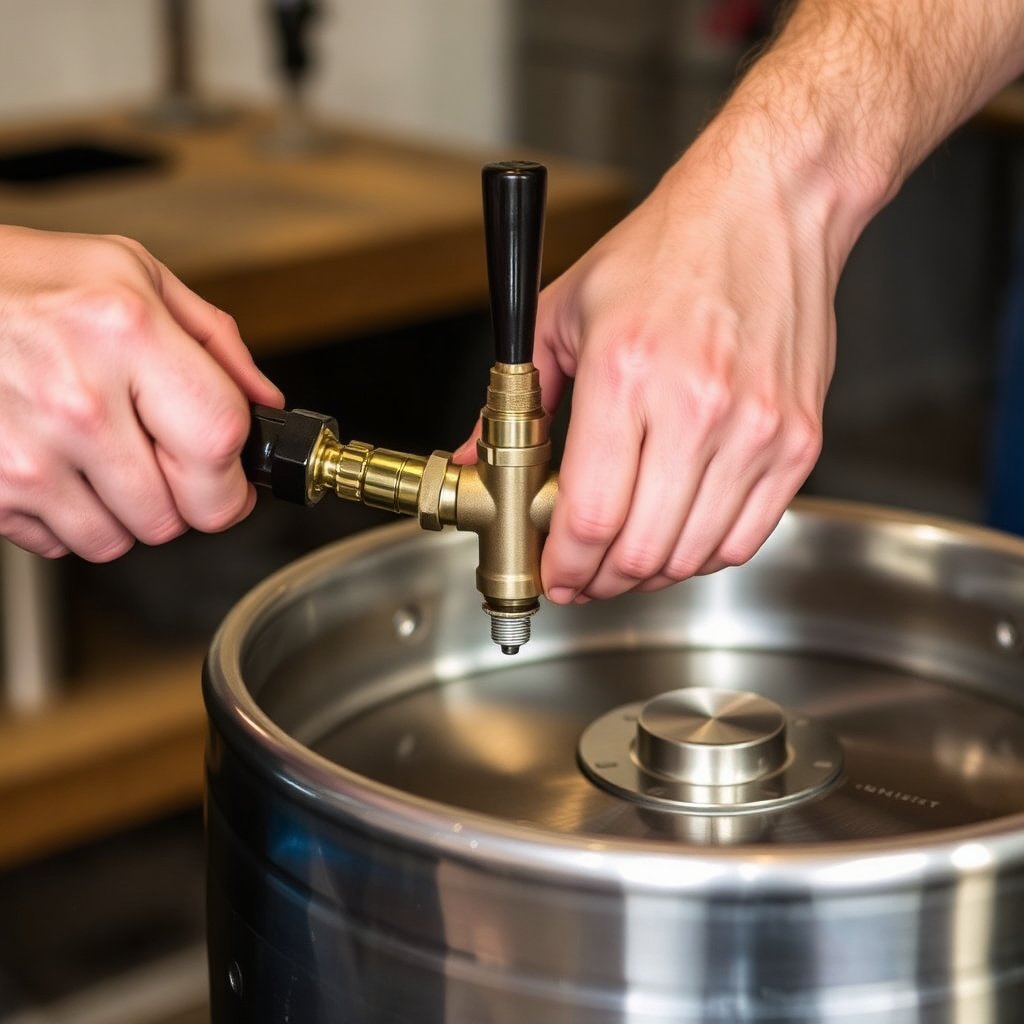
Start by placing the coupler onto the keg valve aligned properly to its fitting. Push down firmly and twist clockwise until it locks securely. This connection creates the seal needed for beer to flow through the tap system.
Once attached, pull the handle out and then push it down to engage the valve. This opens the pathway allowing beer to be dispensed. If you notice resistance or leaks, check all seals and connections before proceeding.
For more on this, see our related guide: How Much Beer per Person for a Party: A Complete Planning Guide.
Adjusting Gas Pressure for the Best Pour
Using CO2 tanks, regulate pressure between 10 to 14 PSI depending on the beer style and temperature. Too much pressure forces excess foam, while too little causes flat beer and slow pour.
Attach the gas line to the keg’s gas inlet and open the valve gradually. Monitor the pressure gauge and adjust as needed to maintain consistent flow and carbonation. Proper pressure preserves taste and serving experience.
- Typical lager pressure: 12 PSI
- Ale pressure range: 10-12 PSI
- Keep pressure steady for long pours
Troubleshooting Common Issues
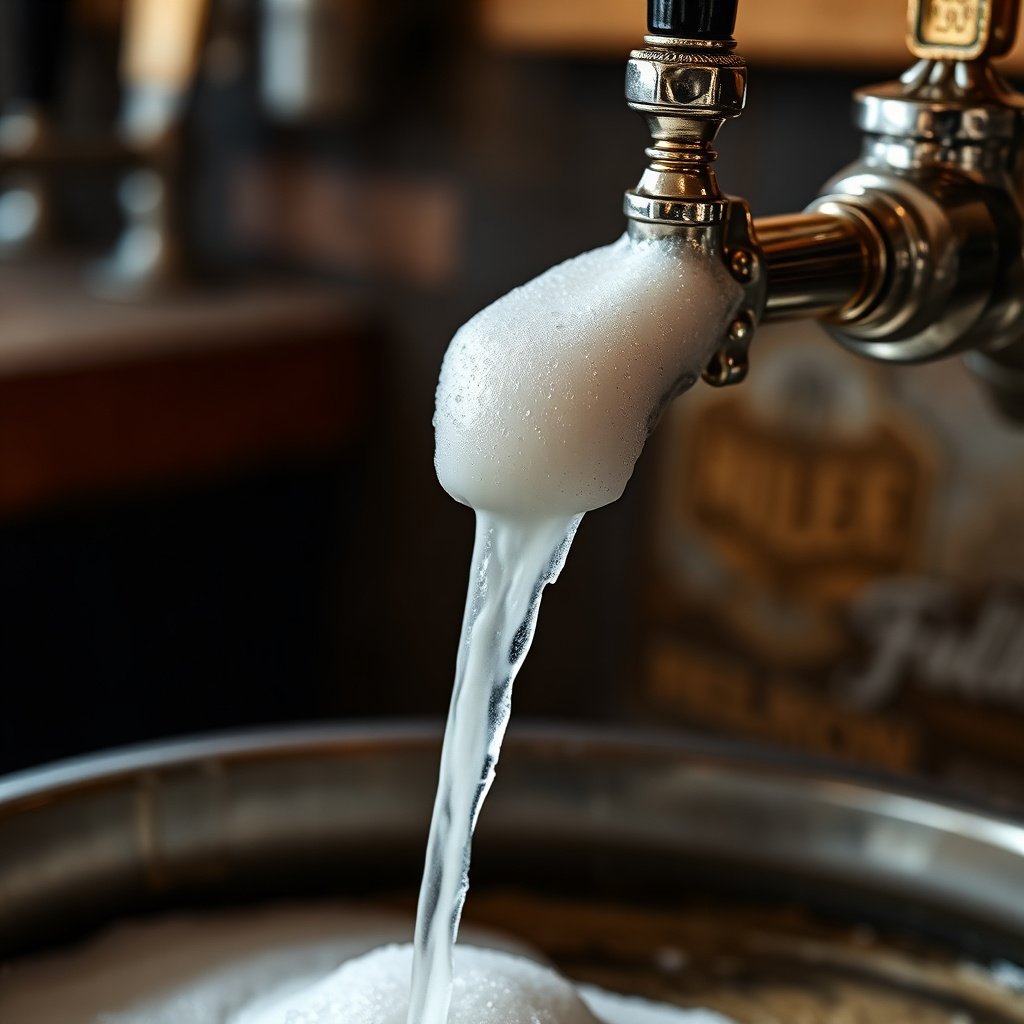
Resolving Excess Foam
Excess foam usually results from incorrect temperature, high pressure, or dirty equipment. First, check if the keg is chilled properly and the pressure isn’t too high.
Also clean tap lines and faucets regularly to eliminate sticky residues that trap gas bubbles. Adjust your gas pressure slightly lower if foam persists and ensure the coupler is secured tightly.
Dealing with No or Slow Beer Flow
If beer isn’t flowing or is slow, the keg may be empty or the coupler isn’t fully engaged. Double-check the tap handle position and reconnect if necessary.
Blockages or kinks in beer lines also restrict flow. Inspect all tubing and clean or replace faulty parts to restore smooth pouring.
Maintaining Your Keg Tap System
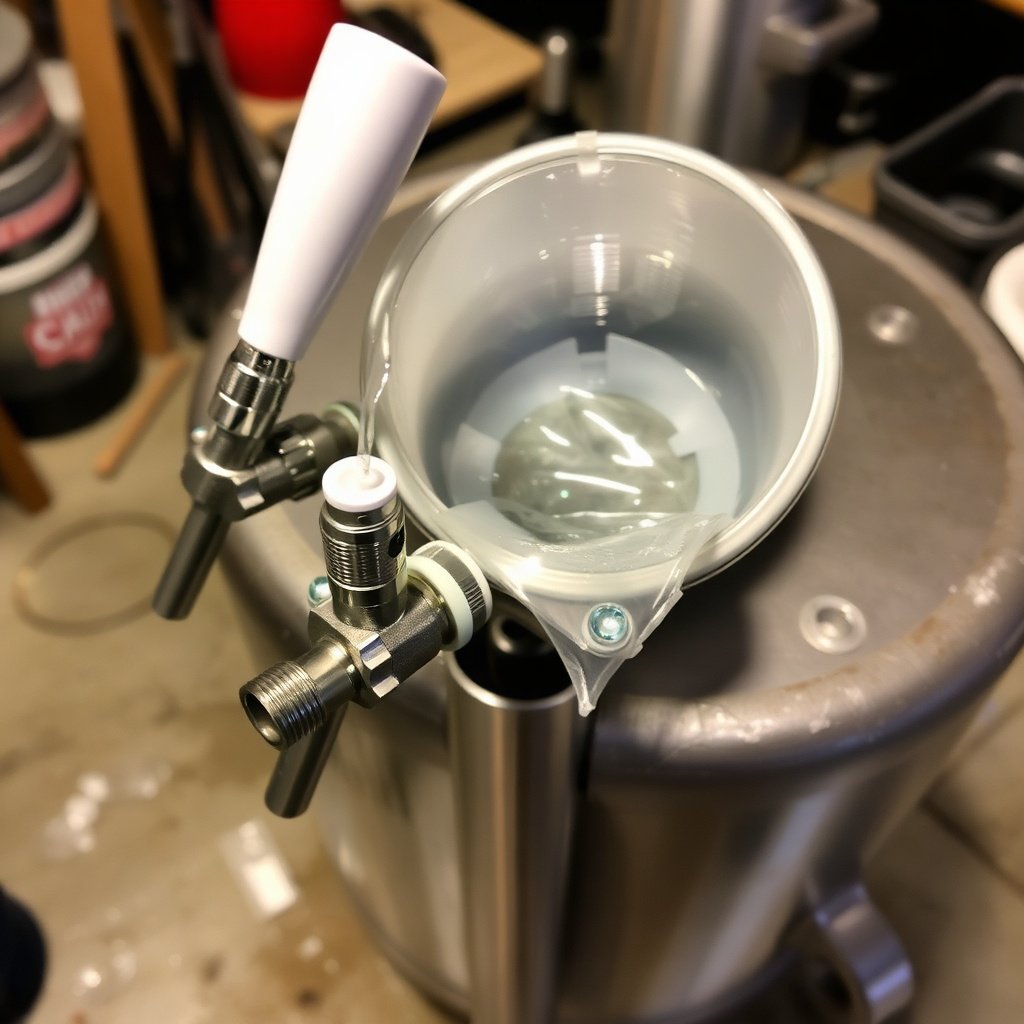
Regular Cleaning Practices
Regular cleaning after each keg use prevents buildup of yeast, mold, and bacteria that spoil beer. Flush the system with warm water, followed by a cleaning solution formulated for draft lines.
Disassemble taps and couplers periodically to clean small components thoroughly. Proper maintenance ensures hygiene, taste quality, and equipment durability.
For more on this, see our related guide: How to Pick a Beer at a Bar: 8 Smart Steps for Confident Choices.
Storage Tips for Multiple Keg Taps
When storing taps between uses, detach couplers and dry all parts completely to avoid corrosion and mold growth. Store in a clean, dry place away from direct sunlight or humidity.
Label your equipment if managing multiple taps so setups remain organized and ready for your next event without delays.
Using the Best Keg Tap Systems for Efficiency
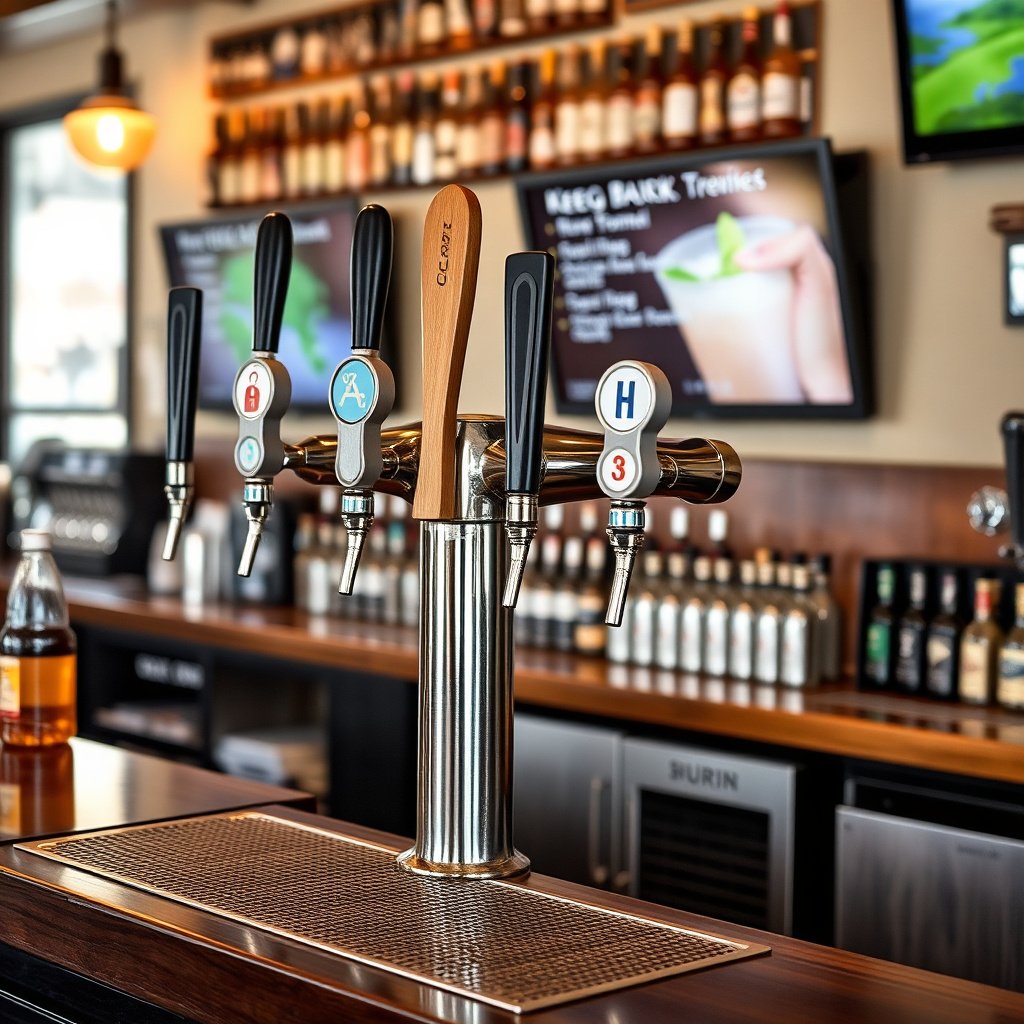
Features of High-Quality Keg Taps
The best keg tap systems offer durable materials like stainless steel, easy-to-clean designs, and reliable seals to prevent leaks. Smooth handle operation and precise pressure controls contribute to a seamless pouring experience.
Advanced systems may include quick disconnects and adjustable regulators for customization to different keg styles and beer types. Investing in quality equipment reduces maintenance hassles.
For a detailed overview of keg coupler types and their uses, refer to this keg coupler types information. keg coupler types information.
Comparing Popular Brands
Brands such as Perlick, Micro Matic, and Taprite are popular among enthusiasts for their dependable keg taps and couplers. Each offers variation in price, durability, and features catering to home users or commercial bars.
Select a brand known for customer support and easy part replacements. The best keg tap systems balance cost and usability for smooth pouring and long-term satisfaction.
Keg Tap Types Category Comparison
Here’s a comparison of common keg coupler types highlighting compatibility, ease of use, and typical applications.
| Coupler Type | Compatibility | Ease of Use | Best For |
|---|---|---|---|
| D-Type | Most American domestic beers | Easy to attach and secure | General home and bar use |
| S-Type | Certain European and imported beers | Requires correct alignment | European brands and imports |
| U-Type | Some UK and European beers | Less common, moderate difficulty | Specialty import kegs |
| A-Type | Some craft and Belgian brands | Simple locking mechanism | Craft beer specialty kegs |
| G-Type | Specific British beers | Less common, specialized use | Select British beer kegs |
Frequently Asked Questions
What pressure should I use when tapping a keg?
Use CO2 pressure between 10 to 14 PSI depending on beer style and temperature. Lower pressure suits ales; lagers often need around 12 PSI for proper carbonation and flow.
How long should I chill a keg before tapping?
Chill the keg at 36–38°F for at least 24 hours to reduce foam and maintain carbonation, or use an ice bath for several hours if refrigeration isn’t available.
Can I use any keg tap on any keg?
No. Keg taps come in varying coupler types that match specific keg valves. Using the wrong tap can cause leaks or damage. Identify the coupler type before purchasing a tap.
Why is my keg beer foaming excessively?
Excess foam usually results from warm temperature, too high gas pressure, or dirty lines. Ensure the keg is cold, adjust pressure settings, and clean equipment regularly.
How do I clean my keg tap system?
Flush lines and taps with warm water followed by brewery-approved cleaning solutions after each keg. Disassemble couplers regularly to clean all parts thoroughly.
Key Takeaways
- Identify the correct keg coupler for your keg model before tapping.
- Chill kegs properly to minimize foam and maintain beer quality.
- Use CO2 pressure between 10-14 PSI for consistent and smooth pours.
- Clean and sanitize keg taps regularly to prevent off-flavors.
Conclusion
Understanding how to tap a keg effectively depends on recognizing the precise tools and steps involved. Selecting the right keg coupler ensures compatibility and protects your equipment, while proper chilling and pressure settings maintain beer freshness and pouring quality. By following a careful process, you avoid common issues like excessive foam or slow flow and can serve draft beer professionally.
If you host parties or run a bar, investing in the best keg tap systems with sturdy materials and reliable seals pays off. For most home users, a D-type manual coupler paired with basic CO2 regulation suffices, while commercial setups benefit from automatic taps and advanced pressure control. Regular maintenance, including thorough cleaning and proper storage, extends the lifespan of your system and enhances taste integrity.
To begin tapping your keg successfully, first confirm the coupler type, chill your keg to draft temperature, and assemble your equipment according to the manufacturer’s instructions. Adjust gas pressure carefully during pouring and maintain your system after use. With these practices, you will consistently enjoy fresh, well-served draft beer and impress your guests every time.