What Is an IPA? Understanding India Pale Ale Explained
An IPA, or India Pale Ale, is a distinct style of beer characterized by its strong hop bitterness and aromatic qualities. It originated in England during the 18th century as a beer brewed with extra hops to preserve it for long sea voyages to India. Today, IPAs are among the most popular craft beer styles due to their bold flavors and variety.
Understanding what an IPA is matters because it represents a significant chapter in beer history and brewing innovation. Its unique blend of malt sweetness and hop bitterness has inspired countless variations, influencing the craft beer movement worldwide.
This article will cover the history of IPAs, the brewing process, flavor profiles, substyles, how to choose the right IPA for your taste, and where IPAs fit within the larger category of craft beer styles.
History of IPAs and Their Evolution
Origins of the India Pale Ale
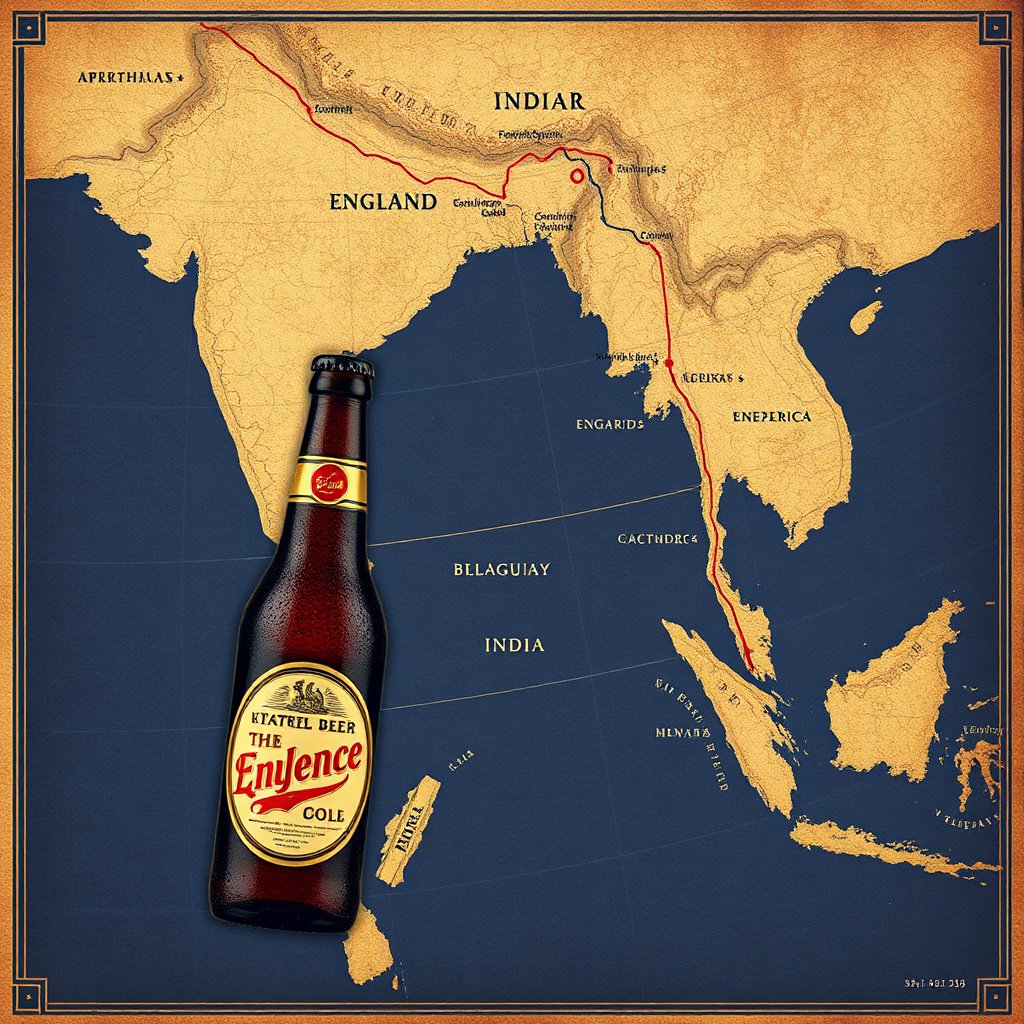
The IPA was first developed in the late 1700s by British brewers who increased the hop content of pale ales to survive the long sea voyage to India. The additional hops acted as a natural preservative, allowing the beer to reach distant colonies without spoiling.
This adaptation resulted in a beer with a stronger hop bitterness and higher alcohol content than typical pale ales of the time, creating a distinct style that gained popularity both in England and abroad.
Modern IPA Trends
Today, the IPA style has exploded into numerous variations, ranging from traditional English IPAs that balance malt and hops to American IPAs that showcase intense hop flavors and aromas. These modern versions push the boundaries with experimental hop varieties and brewing methods.
The global rise of craft beer has helped popularize IPAs, making them a staple offering in most breweries and beer bars and inspiring a dedicated following.
Brewing Process of an IPA
Role of Hops in IPA Brewing
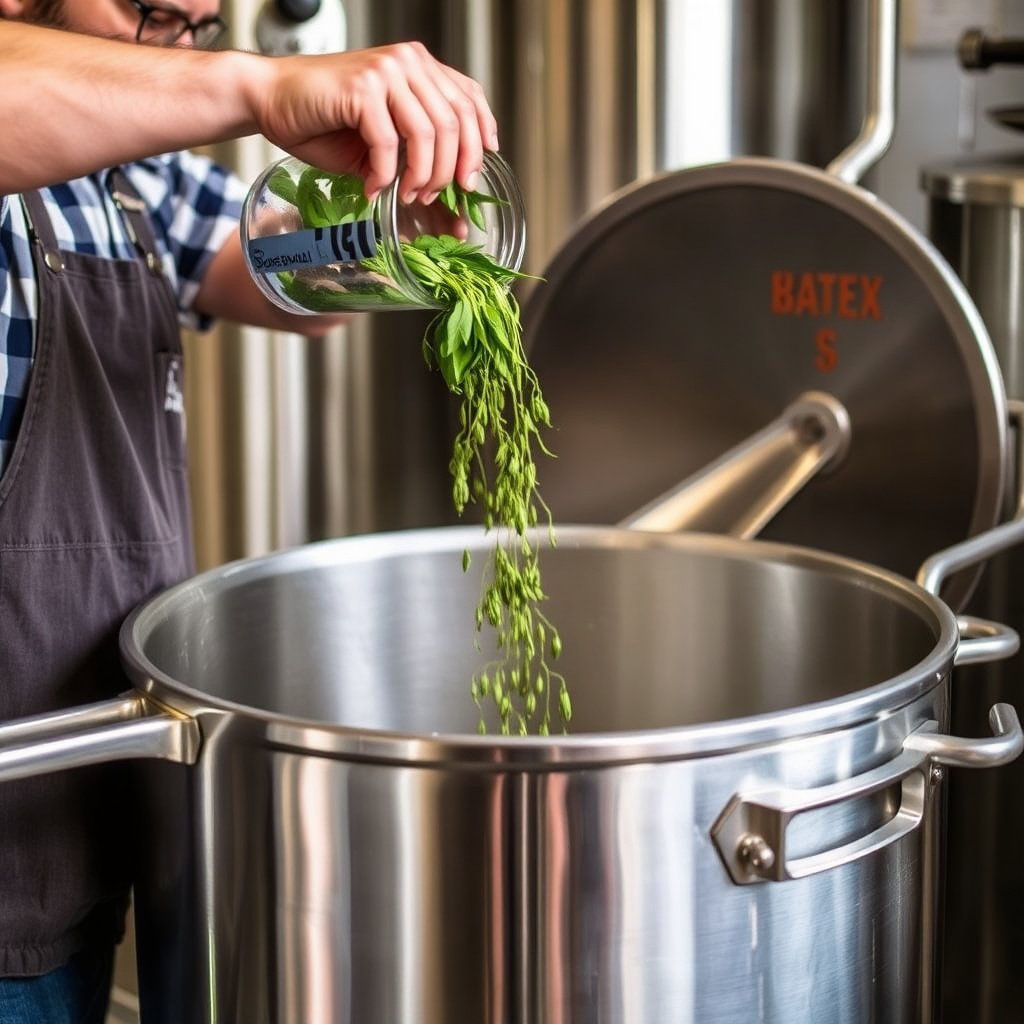
Hops are central to the IPA brewing process, imparting bitterness, aroma, and flavor. Brewers use large quantities of hops, often adding them at various stages including boiling, whirlpool, and dry hopping to maximize their effects.
Different hop varieties contribute citrus, pine, floral, herbal, or tropical fruit notes. The choice and timing of hop additions directly influence the IPA's character and intensity.
- Bittering hops added early in boil
- Flavor hops added mid-boil
- Aroma hops added late or post-fermentation (dry hopping)
Fermentation and Malt Base
The malt bill in an IPA is usually moderate to balance the hop bitterness, providing a backbone of sweetness and body. Pale malts are common, sometimes complemented by specialty grains for color and subtle flavor.
Yeast strains vary but typically ferment cleanly to let hops shine. The fermentation temperature and duration are managed carefully to avoid off-flavors.
Flavor Profile and Aroma Characteristics

Hop Bitterness and Aromas
IPAs are defined by their noticeable bitterness from hops, which can range from moderate to intense. The timing and type of hops used deliver distinctive aromas like grapefruit, pine resin, tropical fruits, or floral notes.
Aroma plays an integral role in the IPA experience, with many drinkers attracted to the vibrant, fresh scents that complement the taste.
For more on this, see our related guide: Where Are KitchenAid Refrigerators Manufactured? A Detailed Manufacturing Location Guide.
Malt Sweetness and Balance
Behind the assertive hop presence, a solid malt backbone provides balance and subtle sweetness to prevent excessive harshness. Malts can add biscuit, caramel, or toasty notes depending on the recipe.
Balancing bitterness with malt sweetness is key to crafting an enjoyable IPA that appeals beyond just hop enthusiasts.
IPA Substyles and Their Differences
English vs. American IPAs
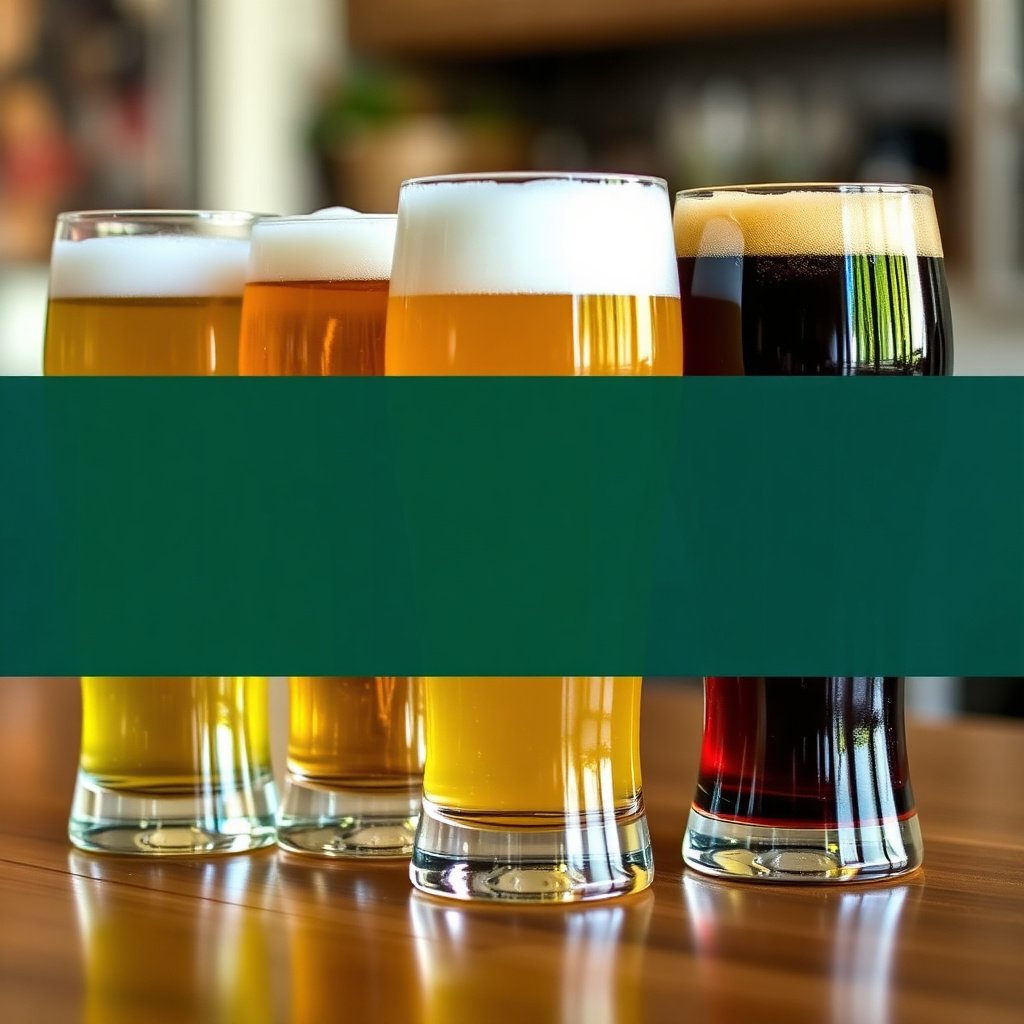
English IPAs tend to be more balanced and malt-forward, with earthy, floral hop aromas from British hop varieties. They often have moderate bitterness and a medium body.
American IPAs emphasize prominent hop flavors and aromas, with aggressive bitterness and fruit-forward hop character drawn from American hop cultivars. They usually have a lighter malt profile and brighter finish.
Other Popular IPA Variations
Variants include Double or Imperial IPAs that have higher alcohol content and amplified hop bitterness, New England IPAs known for their juicy, hazy appearance and soft mouthfeel, and Session IPAs that offer lighter alcohol but retain hop character.
These substyles cater to different palates and occasions, broadening the appeal of IPA styles.
Choosing the Right IPA for Your Taste
Matching IPA Intensity to Preference
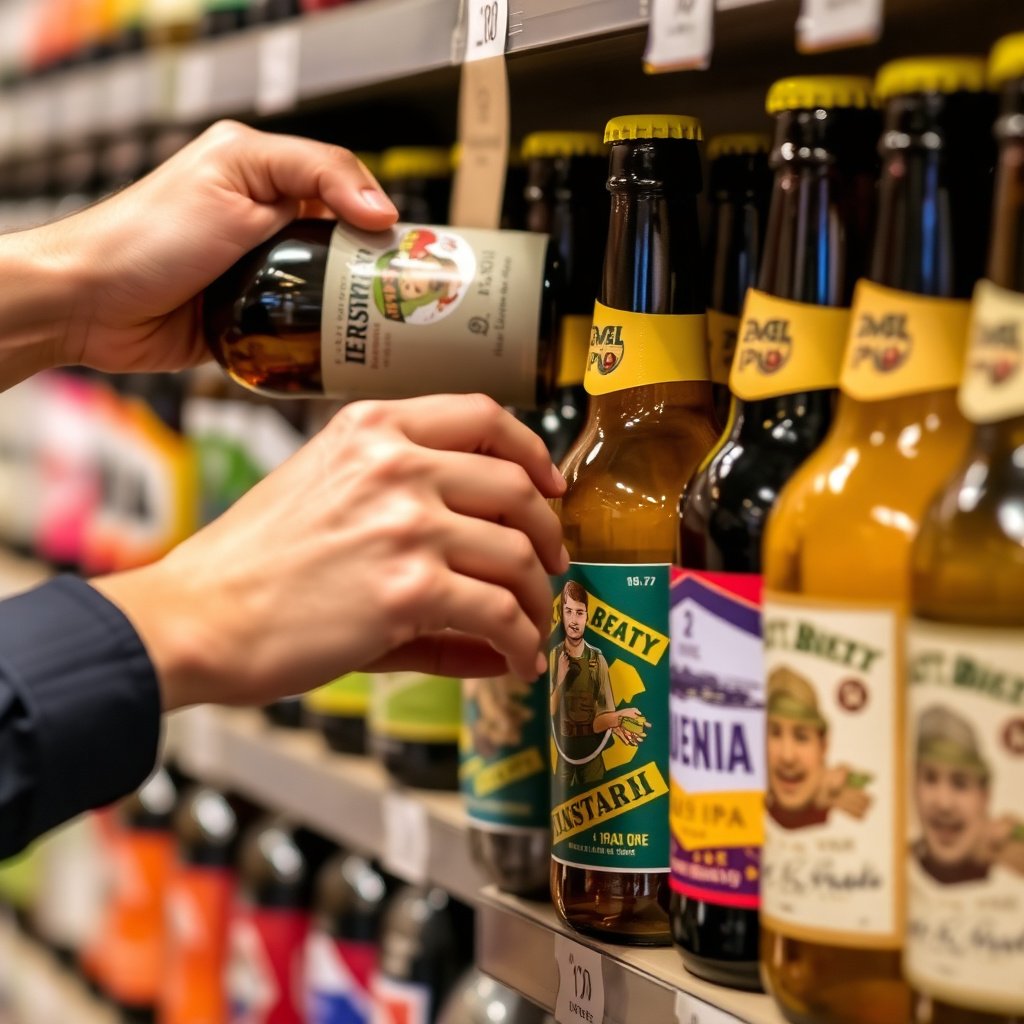
Knowing how bitter and strong you want your beer helps you pick an IPA suited to your taste. Beginners might prefer Session or English IPAs with mild bitterness, while hop enthusiasts often seek out double IPAs or bold American versions.
Consider the balance between malt sweetness and hop bitterness to find what matches your palate, whether you like crisp and refreshing or rich and complex.
For more on this, see our related guide: Discover the Smallest Microwave on the Market for Compact Spaces.
Food Pairings with Different IPA Styles
IPAs offer versatility with food due to their hop bitterness and aromatic qualities. For example, American IPAs with citrus notes work well with spicy dishes and burgers, while maltier English IPAs complement roasted meats and cheese.
Experimenting with pairings can highlight different flavor facets and enhance both beer and food experiences.
- Spicy foods pair well with juicy New England IPAs
- Grilled meats match malty English IPAs
- Seafood pairs nicely with lighter Session IPAs
IPA in the Context of Craft Beer Styles

How IPA Compares to Other Beers
Compared to lagers, IPAs are generally hoppier and more aromatic, with more complex flavors and higher alcohol content. Unlike stouts or porters, which focus on roasted malt flavors, IPAs highlight hops with bitterness and freshness.
This contrast places IPAs at the forefront of the popular craft beer styles, appealing to those seeking pronounced hop character.
For a detailed history and more in-depth information about India Pale Ale, the India Pale Ale Wikipedia page is an excellent resource. India Pale Ale Wikipedia page.
Role of IPAs in Craft Beer Popularity
IPAs are often credited as the driving force behind the craft beer boom, igniting consumer interest with their bold and innovative hop profiles. Breweries commonly feature IPAs as their flagship beer due to widespread demand.
As IPA variations continue emerging, their evolution keeps the craft beer scene dynamic and exciting for drinkers and brewers alike.
IPA Substyle Comparison
Below is a comparison of popular IPA substyles highlighting their bitterness, alcohol content, and flavor focus.
| Substyle | Bitterness (IBU) | Alcohol by Volume (ABV) | Flavor Characteristics |
|---|---|---|---|
| English IPA | 40-60 IBU | 5-7% | Balanced malt and hop, earthy and floral notes |
| American IPA | 50-70 IBU | 5.5-7.5% | Citrus and pine-forward hops, higher bitterness |
| Double/Imperial IPA | 70-100+ IBU | 7.5-10%+ | Intensely hoppy and strong alcohol |
| New England IPA | 40-60 IBU | 6-7.5% | Juicy, hazy, low bitterness, tropical fruit aroma |
| Session IPA | 30-45 IBU | 3-5% | Light body and alcohol, moderate hop flavor |
Frequently Asked Questions
What does IPA stand for in beer?
IPA stands for India Pale Ale, a beer style that features a higher hop content originally to preserve the beer during shipment to India.
How bitter is an IPA compared to other beers?
IPAs are generally more bitter than most other beer styles, with bitterness levels ranging typically from 40 to over 100 IBU, depending on the substyle.
Can IPAs be less bitter or lower in alcohol?
Yes, Session IPAs are designed to have lower alcohol content and milder bitterness, providing a more approachable IPA experience.
Why are some IPAs hazy or cloudy?
New England IPAs are intentionally hazy due to specific yeast strains and dry hopping techniques, which create a juicy flavor and softer mouthfeel.
What foods pair well with IPA beers?
Spicy foods, grilled meats, and strong cheeses complement the bitterness and hop aromas in various IPA styles, enhancing the overall taste experience.
Key Takeaways
- An IPA is a hop-forward beer style originating from 18th-century England.
- Modern IPAs vary widely in bitterness, aroma, and alcohol strength.
- Choosing an IPA depends on your taste preference for bitterness and malt balance.
- IPA styles range from traditional English to hazy New England and powerful Imperial versions.
Conclusion
Understanding what an IPA is helps frame its significance within the beer world by appreciating its origin, brewing process, and distinct flavor characteristics. This hop-centric style revolutionized beer by combining preservation needs with flavorful innovation, leading to a broad spectrum of substyles that suit many palates and occasions.
For someone exploring IPAs, starting with a classic English or American IPA provides insight into the foundational differences in hop and malt balance. If you prefer bolder flavors, a Double or Imperial IPA might be fitting. For a smoother, juicy experience, a New England IPA offers a unique twist, while Session IPAs provide lighter options without sacrificing character.
If you're intrigued to experience this diversity, seek out local craft breweries or specialty beer shops that offer a variety of IPAs. Sampling multiple styles offers the best way to refine your preference among this dynamic and enduring beer category.