How to Make Calzone: A Step-by-Step Homemade Calzone Recipe
Making calzone at home involves preparing a simple dough, using flavorful fillings like cheese, meats, and vegetables, and baking it until golden. Calzones are folded pizzas, sealed and baked to hold a melty, savory filling inside a crispy crust.
This dish is a flexible way to enjoy pizza ingredients in a portable, pocket-like form. Crafting calzones yourself means you control every component — from the dough texture to sauce richness and stuffing choices — resulting in a personalized Italian hand pie.
This guide covers necessary ingredients, dough preparation, filling ideas, assembly tips, baking instructions, and some variations. It will help you create classic and customized calzones that impress family and friends.
Preparing the Calzone Dough

Ingredients for Dough
Calzone dough uses basic pizza dough ingredients: flour, yeast, water, salt, and olive oil. Use high-protein bread flour for better texture, while all-purpose flour gives a softer crust.
Warm water activates the yeast. The right salt balance aids flavor without inhibiting yeast fermentation. Olive oil adds softness and a subtle aroma to the dough.
- 2 ¼ tsp active dry yeast
- 1 ½ cups warm water (105°F–110°F)
- 3 ½ cups bread flour
- 1 ½ tsp salt
- 2 tbsp olive oil
Mixing and Kneading
Start by dissolving yeast in warm water and letting it activate until bubbly. Combine flour and salt in a bowl, then gradually add yeast mixture and olive oil, stirring to form a rough dough.
Knead the dough on a floured surface for 8 to 10 minutes until it becomes smooth and elastic. Proper kneading develops gluten, which gives the crust its chewy texture. Let the dough rise covered in a warm spot until doubled in size.
Choosing and Preparing Fillings for Your Calzone
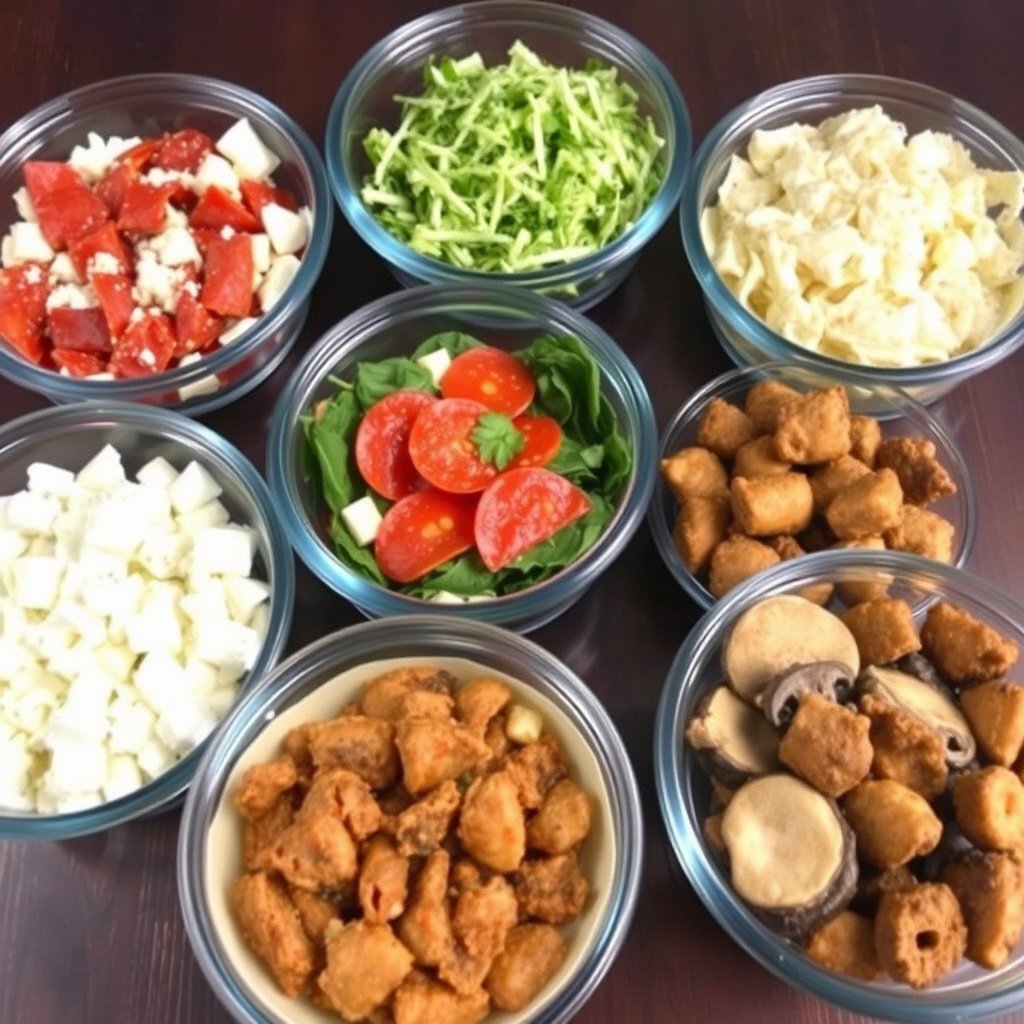
Classic Cheese and Meat Options
Traditional calzones feature cheeses like mozzarella and ricotta, creating a rich, creamy core. Pepperoni, Italian sausage, or ham add savory meatiness.
Pre-cook meats and drain excess grease to prevent soggy dough. Use low-moisture mozzarella and strain ricotta before assembling to avoid watery filling.
- Shredded mozzarella
- Ricotta cheese
- Cooked pepperoni or sausage
- Grated Parmesan
Vegetable and Sauce Variations
Popular vegetable fillings include sautéed spinach, mushrooms, roasted bell peppers, and onions. Cook vegetables beforehand to reduce moisture content, which helps the dough stay crisp.
Instead of spreading sauce inside, some recipes add it as a dip or drizzle on top after baking. If including sauce inside, use a thick marinara to minimize sogginess.
- Sautéed spinach
- Mushrooms
- Marinara sauce (optional)
- Roasted red peppers
Assembling and Shaping Your Calzone

Filling the Dough
Once the dough has risen, divide it into portions and roll each into a circular shape about 10–12 inches in diameter. Add fillings to one half, leaving an edge free for sealing.
Avoid overfilling. Use a moderate amount of cheese and toppings to prevent leakage. Sprinkle dry herbs or season fillings lightly with salt and pepper before folding.
Sealing and Venting
Fold the dough over to create a half-moon shape and press edges together, using your fingers or a fork to seal completely. Proper sealing keeps the filling inside during baking.
Cut small slits on top of the calzone to allow steam to escape, which helps the dough bake evenly and prevents bursting.
- Pinch edges firmly
- Crimp edges with a fork
- Cut 2-3 small slits for ventilation
Baking Your Calzone for Perfect Crust and Filling
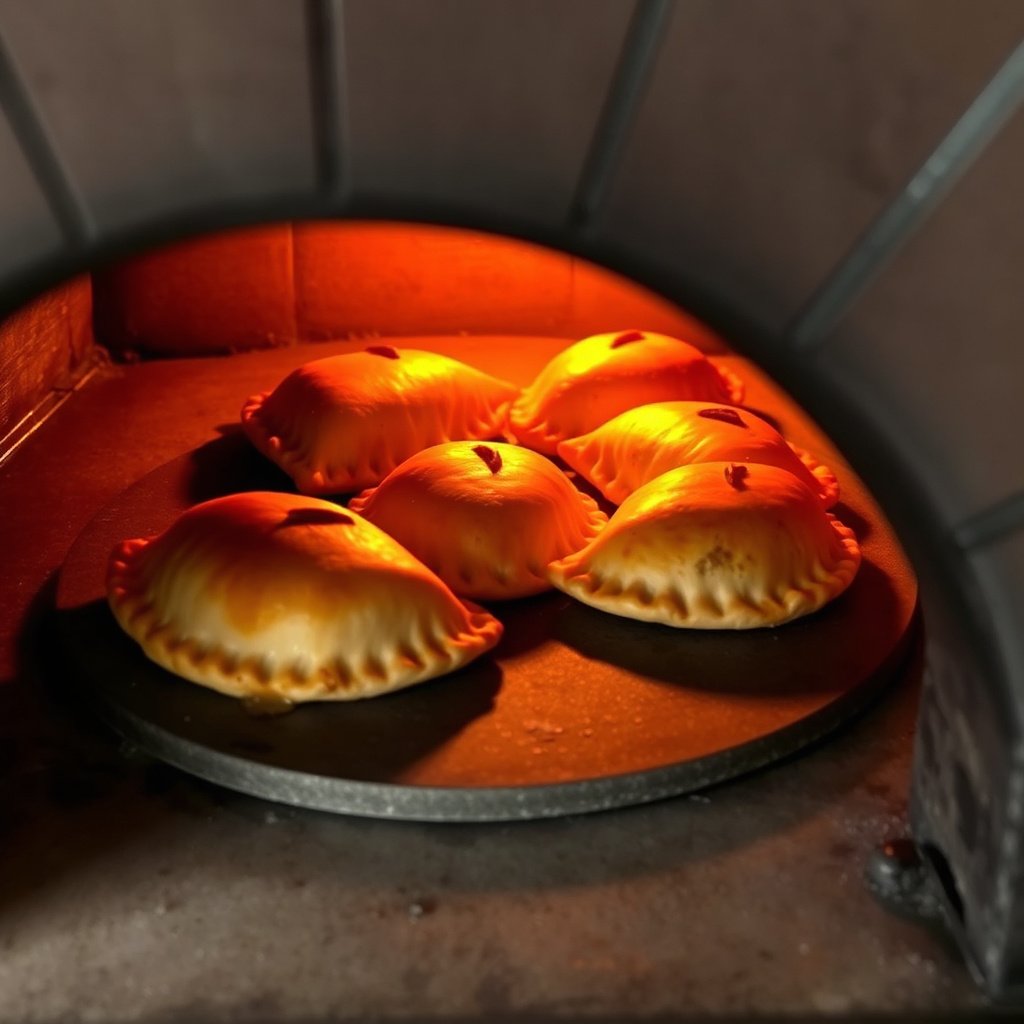
Oven Temperature and Time
Bake calzones in a preheated oven at 450°F (230°C) for 12 to 15 minutes, until the crust is crisp and golden brown. High heat is essential to achieve a crunchy exterior and fully cooked filling.
Place calzones on a pizza stone or baking sheet lined with parchment paper to prevent sticking and encourage even heat distribution.
- Preheat oven to 450°F
- Bake for 12-15 minutes
- Use pizza stone or parchment paper
Finishing Touches and Serving
Once baked, let calzones cool for 5 minutes before cutting to allow the filling to set and avoid burning. Optionally brush crust with garlic butter or drizzle with olive oil for extra flavor.
Serve calzones hot with marinara or your favorite dipping sauce on the side for a satisfying Italian-inspired meal.
- Cool before slicing
- Brush crust with garlic butter
- Serve with marinara dipping sauce
Variations and Tips for Custom Calzones

Creative Filling Combinations
Try unconventional fillings like barbecue chicken, buffalo sauce with blue cheese, or roasted vegetables with pesto to give your calzones a twist. Mixing various cheeses also enhances texture and flavor.
Add fresh herbs like basil or oregano inside for aromatic layers, or sprinkle red pepper flakes for heat.
For more historical background and variations, see the detailed Calzone entry on Wikipedia. Calzone on Wikipedia.
Freezing and Reheating Calzones
Calzones freeze well either before or after baking. To freeze raw calzones, wrap tightly and bake from frozen, adding a few extra minutes to baking time.
Reheat baked calzones in a hot oven or air fryer to refresh the crust’s crispness while warming the filling thoroughly.
- Freeze raw or baked
- Reheat in oven or air fryer
- Add extra baking time if frozen
Homemade Calzone Dough Types Comparison
This table compares different dough types you can use for making homemade calzone, covering texture, preparation time, and ideal uses.
| Dough Type | Texture | Preparation Time | Best For |
|---|---|---|---|
| Traditional Bread Flour Dough | Chewy and elastic | 1-2 hours including rise | Classic calzones with sturdy crust |
| All-Purpose Flour Dough | Softer and tender | 1-2 hours including rise | Quick, tender calzones |
| Whole Wheat Dough | Hearty and dense | Longer rise 2+ hours | Healthier calzones with nuttier flavor |
| Gluten-Free Dough | Crumbly to firm | Varies, usually quick | Gluten-intolerant friendly calzones |
Frequently Asked Questions
Can I use store-bought pizza dough for calzones?
Yes, store-bought pizza dough works well for calzones and can save preparation time. Just roll it out and fill as usual, keeping in mind that the dough texture might be slightly different from homemade.
How do I prevent calzones from getting soggy?
Prevent sogginess by using low-moisture cheese and cooking or draining fillings to reduce excess liquid. Avoid adding too much sauce inside; instead, serve sauce as a dip.
Can I freeze calzones before baking?
Absolutely. Wrap raw calzones tightly and freeze them. When ready, bake from frozen, increasing baking time by a few minutes to ensure thorough cooking.
What is the best way to reheat leftover calzones?
Reheat leftover calzones in a conventional oven or air fryer at about 350°F (175°C) for 10–15 minutes to restore crust crispness and warm the fillings evenly.
Is calzone different from a turnover or empanada?
While similar as folded stuffed doughs, calzones typically use pizza dough and Italian-inspired fillings, and they bake at high heat. Turnovers or empanadas may use different doughs and fillings linked to other cuisines.
Key Takeaways
- Calzone dough requires proper kneading and rising for chewy texture.
- Use drained, low-moisture fillings to prevent soggy crust.
- Seal and vent calzones carefully to avoid leaks and bursting.
- Baking at high heat creates golden, crispy crust with melty filling.
Conclusion
Learning how to make calzone at home means balancing dough quality, filling moisture, and baking technique. The dough is the foundation — kneading creates elasticity, and a proper rise develops flavor and texture. Meanwhile, choosing and preparing fillings to reduce excess water keeps the crust crisp and prevents soggy pockets. Finally, careful assembly and baking at a high temperature create a satisfying calzone with a golden, crunchy crust and perfectly melted, flavorful filling inside. This methodical approach leads to delicious homemade calzones every time.
Each cook’s preferences vary, and this guide welcomes many variations. For those seeking a classic Italian experience, the traditional bread flour dough paired with mozzarella, ricotta, and cured meats delivers authenticity and richness. Vegetarians might enjoy combinations of sautéed spinach, mushrooms, and roasted peppers with robust cheeses. Whole wheat or gluten-free dough options accommodate dietary needs without sacrificing enjoyment. Try different fillings or experiment with sauces on the side to find your ideal homemade calzone recipe.
Start by making your dough and planning your fillings. Roll out dough circles and fill with thoughtfully prepared ingredients, sealing edges carefully. Bake at 450°F until golden and aromatic. Serve with dipping sauces for a restaurant-style meal at home. Whether it’s a casual family dinner or a special culinary project, mastering how to make calzone demonstrates rewarding control over an Italian classic’s flavors and textures.