How to Keep Food Warm for a Party: Practical Tips and Best Methods
Keeping food warm for a party requires using techniques that maintain safe temperatures without compromising taste or texture. Common methods include insulated containers, warming trays, slow cookers, and chafing dishes. These can evenly preserve heat and reduce the need for reheating during your event.
This matters because food left at improper temperatures can quickly lose appeal or become unsafe to eat, especially during long gatherings. Efficient warming methods also help guests enjoy their meal at an appetizing temperature, improving the party experience.
In this article, we'll explore various ways to keep food warm for a party, including electrical and non-electrical options, tips for serving, and safety measures. Additionally, we'll compare popular food warming tools and address common questions hosts often have.
Essential Techniques to Keep Food Warm for a Party
Using Chafing Dishes and Sterno Cans
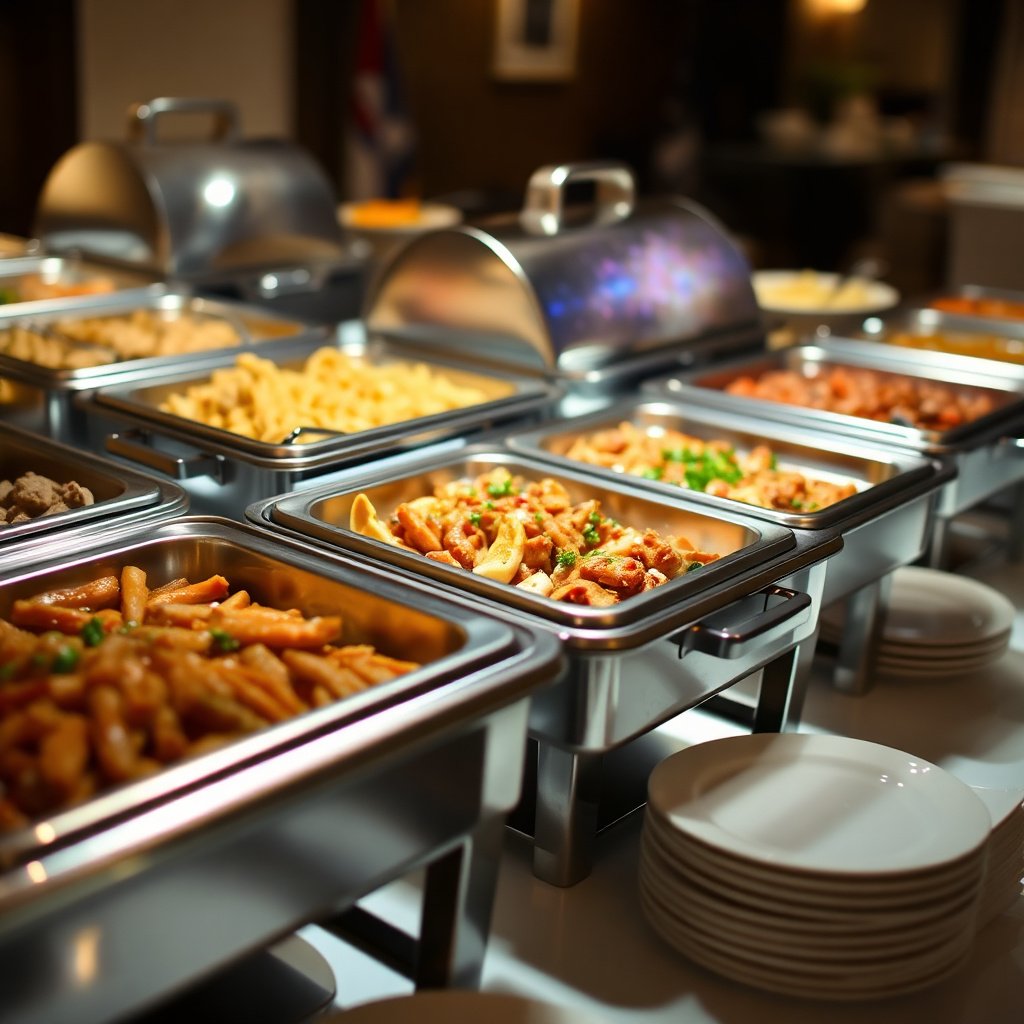
Chafing dishes hold large quantities of food warm using water heated by Sterno fuel cans underneath. This method spreads heat evenly and allows serving over extended periods without drying out dishes. It's ideal for buffet-style parties where continuous warming is needed.
Setting up requires a water pan filled with hot water, placing the food pan above, and lighting Sterno cans beneath for consistent warmth. Recipes with sauces or steam-based dishes retain moisture best in chafing dishes.
- Place water pan securely to avoid spills
- Use sturdy frames for safety
- Monitor fuel levels regularly
- Avoid overheating to prevent burning
Slow Cookers and Crockpots for Continuous Warming
Slow cookers offer electrical warming with temperature control, ideal for dishes like soups, stews, and dips. They keep food at serving temperature safely over many hours, often with minimal supervision.
Portable slow cookers are convenient for parties, allowing transferring hot food directly from the kitchen without losing heat. They reduce the need for reheating and maintain moisture in most recipes.
- Choose appropriate size for portions
- Stir occasionally for even heat distribution
- Keep lid on to retain warmth
- Use ‘warm’ setting for holding temperature
Non-Electrical Solutions for Food Warming
Insulated Food Carriers and Thermal Bags
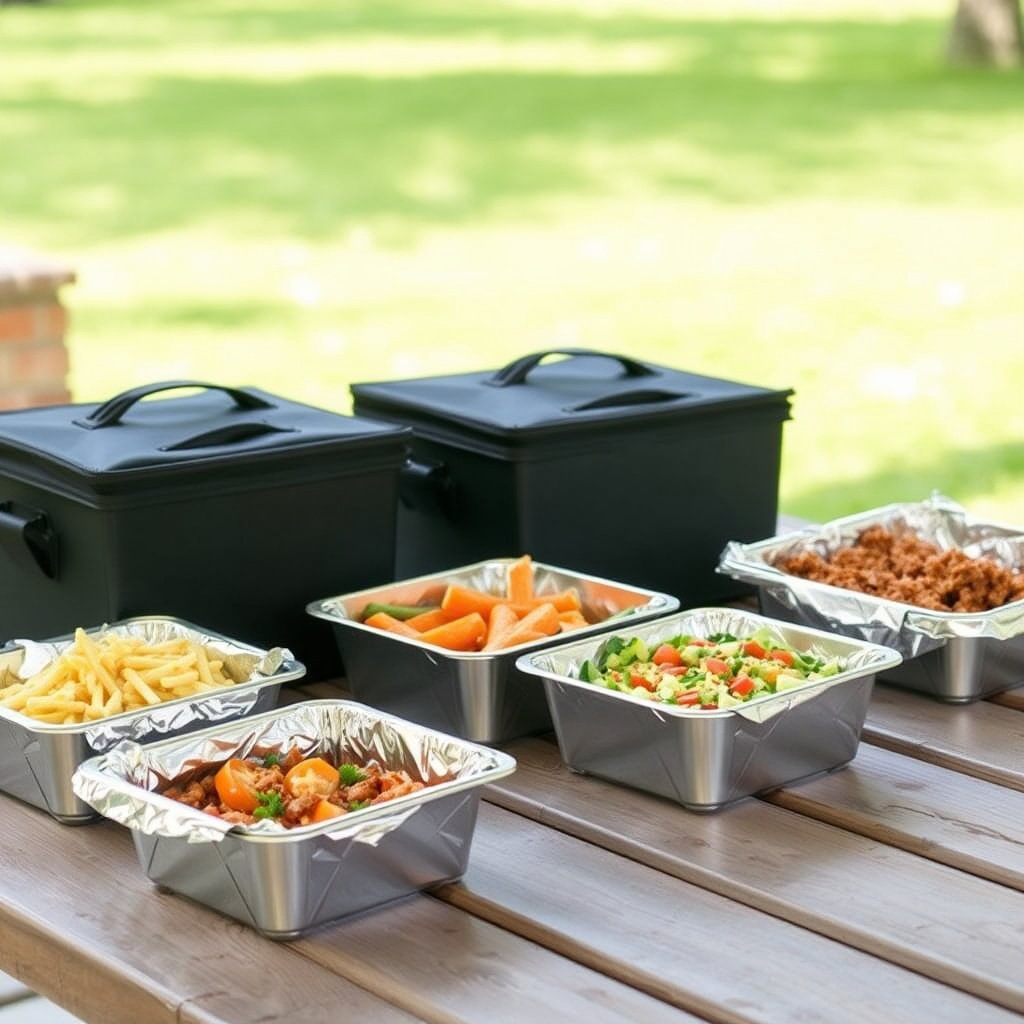
Thermal insulated carriers are excellent for transporting and holding food warm without electricity. Designed with heat-trapping materials, they retain temperature for several hours, making them perfect for outdoor parties or potlucks.
To maximize heat retention, preheat the carrier with hot water, use tight-sealing lids, and wrap containers in towels or foil for added insulation.
- Preheat carrier before use
- Use airtight containers
- Pack foods tightly to reduce air gaps
- Limit opening to preserve warmth
Foil Wraps and Hot Water Bottles as DIY Methods
For budget-conscious hosting, wrapping dishes tightly in aluminum foil helps trap heat. Accompanying the wrapped food with hot water bottles or heated bricks inside insulated boxes can extend food warmth naturally.
These makeshift techniques require attention to food safety and frequent checks but can be effective short-term solutions when other equipment isn’t available.
- Use heavy-duty aluminum foil
- Avoid direct contact with heat sources
- Check temperatures regularly
- Keep wrapped foods covered
Tips for Serving and Presentation While Keeping Food Warm
Arranging Buffet Stations for Heat Retention
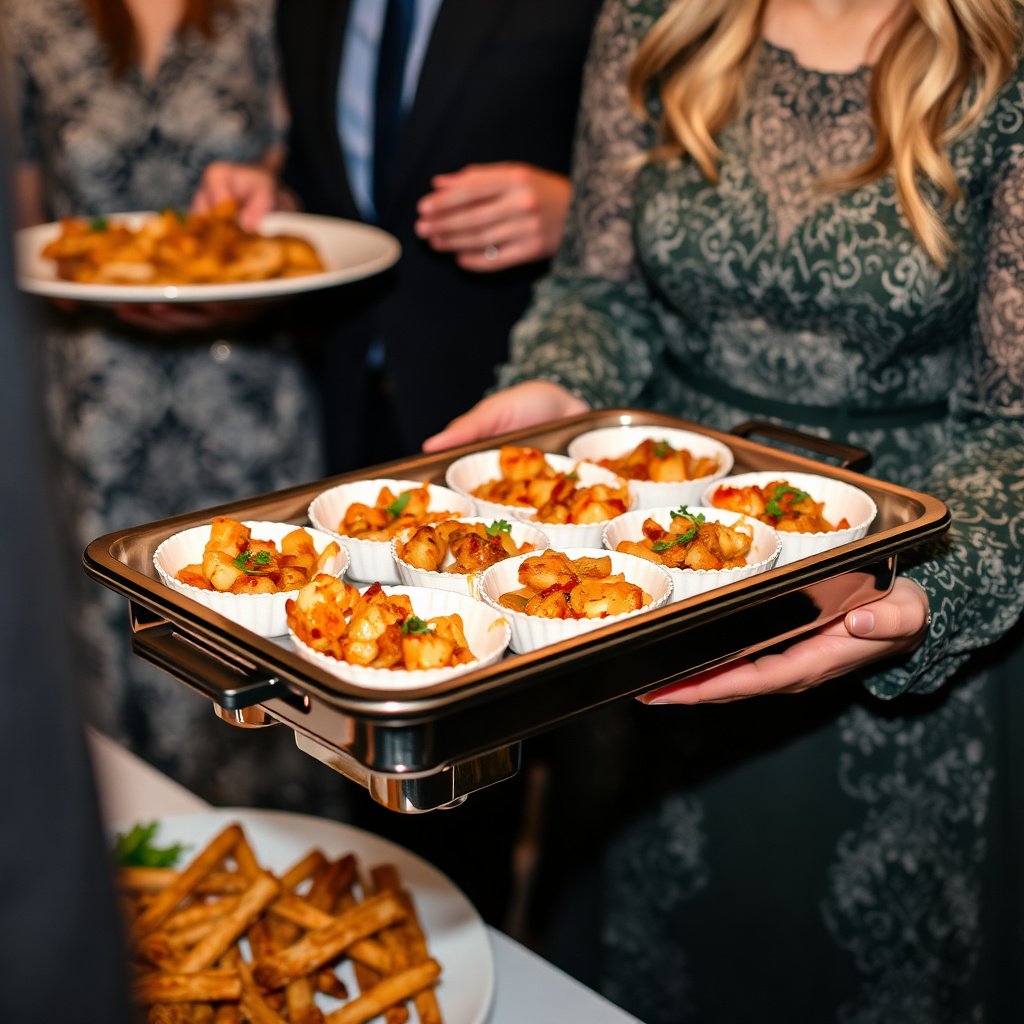
Place warmer dishes at the center or in clusters to minimize heat loss. Position insulated or heated serving trays under dishes to sustain temperature. Keeping lids partially closed whenever possible reduces heat escape while allowing guest access.
Insulating serving tables with thermal mats or heavy cloth beneath dishes can improve overall warmth by preventing chilling from table surfaces.
- Group warm dishes closely
- Limit exposure to drafts
- Use lids and covers
- Use heat-retentive mats under trays
For more on this, see our related guide: How Much Beer per Person for a Party: A Complete Planning Guide.
Serving Smaller Portions and Replenishing Often
Serving smaller amounts at a time ensures food stays warmer on plates and reduces time exposed to room temperature on the buffet. Replenishing from a heated back kitchen or warming containers helps maintain freshness and warmth continuously.
This strategy also minimizes waste by preventing uneaten, cooled food from sitting out during the event.
- Pre-portion servings
- Use warming trays for replenishments
- Keep reserves in insulation
- Monitor food temperature when serving
Food Safety Considerations When Keeping Food Warm
Maintaining Safe Holding Temperatures
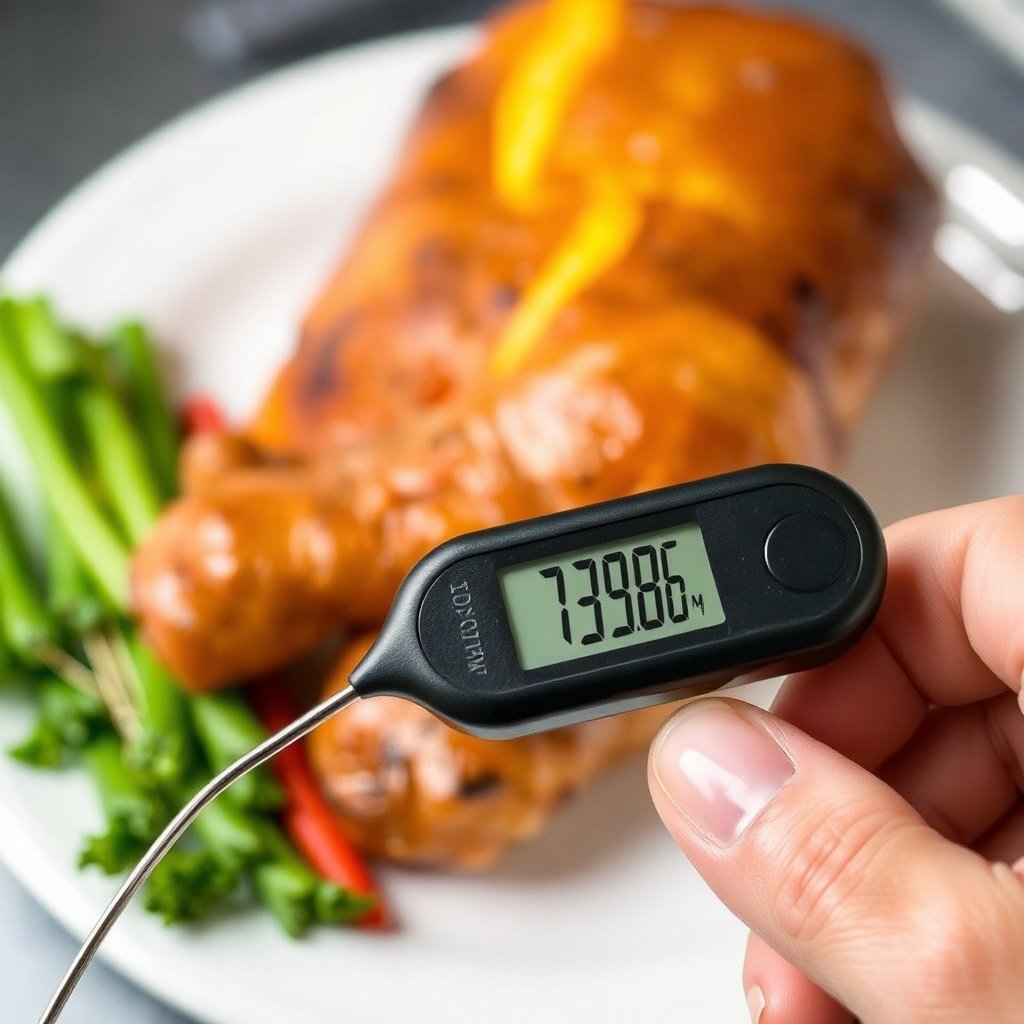
Keeping food at a safe temperature above 140°F (60°C) is crucial to avoid bacterial growth. Use food thermometers to check temperatures periodically, especially when food remains out for extended periods during a party.
Avoid leaving perishable items in the danger zone between 40°F and 140°F for more than two hours to prevent contamination risks.
- Use calibrated food thermometers
- Check temperatures every 30-60 minutes
- Discard food left too long at unsafe temperatures
- Keep hot foods above 140°F
Proper Cooling and Reheating Alternatives
If you need to cool food for storage mid-party, do so quickly in shallow containers before refrigerating. When reheating, bring dishes to at least 165°F (74°C) to kill pathogens, then transfer back to warming equipment promptly.
Reheat only what is needed and avoid repeated heating-cooling cycles which degrade quality and safety.
- Use shallow pans for cooling
- Reheat leftovers thoroughly
- Avoid reheating multiple times
- Cool and reheat in safe time frames
Comparing Popular Food Warming Devices
Electric Warming Devices Overview
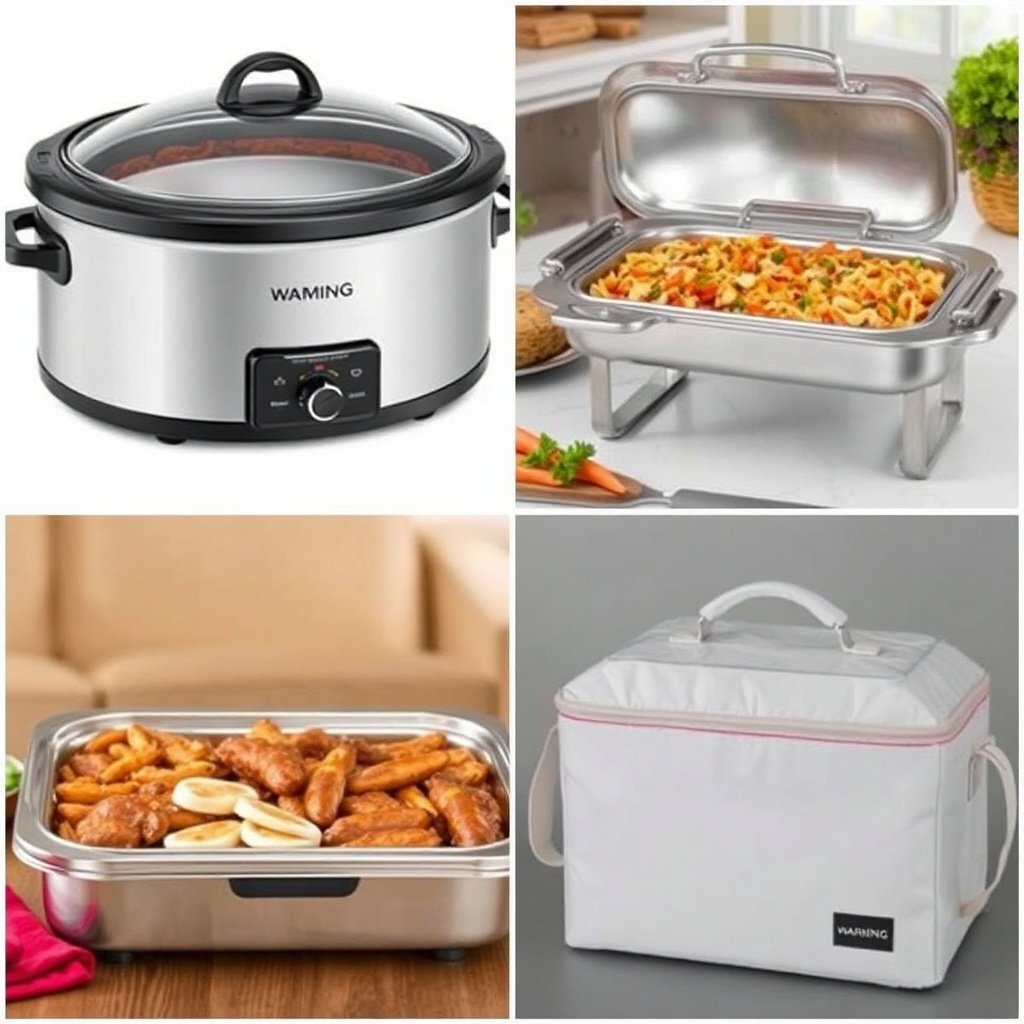
Electric warming trays and slow cookers provide direct, consistent heat that can be adjusted for different food types. They are easy to use indoors with access to power outlets and offer steady temperature control.
Slow cookers excel at dishes requiring longer cooking or warming times, while warming trays suit fast serving of hot foods that don’t require moisture retention.
- Temperature control settings
- Requires electrical outlet
- Suitable for stew, soup, casseroles
- Quick heating capabilities
For more on this, see our related guide: How Many People Should You Invite to a Party? A Complete Guide That Works.
Non-Electric Warming Methods Pros and Cons
Chafing dishes and insulated carriers work well in locations without power and provide flexibility for outdoor or pop-up parties. While chafing dishes sustain steam and moisture, carrying fuel safely is an extra consideration.
Insulated carriers prioritize portability but can lose warmth over prolonged events unless supplemented with hot packs or frequent rotation.
- No power needed
- Good for outdoor use
- Requires fuel or preheating
- Best for short to medium duration
Choosing the Best Food Warming Methods for Your Party
Factors to Consider When Selecting Equipment
Consider your party’s size, location, electrical access, food type, and duration when choosing food warming methods. Larger gatherings with buffet style benefit from chafing dishes and warming trays, whereas intimate dinners may use slow cookers or insulated carriers.
Also weigh the convenience of setup, safety for your guests, and cleanup requirements to pick what fits your hosting needs best.
- Number of guests
- Available power sources
- Type of dishes served
- Event duration and setting
For detailed advice on food temperature safety, consult the USDA's Food Safety Guidelines. Food Safety Guidelines.
Combining Methods for Optimal Results
Using multiple warming strategies simultaneously, such as slow cookers for stews and warming trays for appetizers, ensures all dishes are served at their best temperature and texture.
Complement electrical devices with insulated carriers for transport or backup heat retention, giving flexibility and reliability throughout your party.
- Mix electric and non-electric options
- Use insulation with heating units
- Plan staging and replenishment
- Match tools to dish requirements
Food Warming Methods Category Comparison
This comparison outlines key features of popular food warming tools to help you decide what fits your party needs best.
| Method | Power Source | Capacity Range | Ideal Food Types | Ease of Use |
|---|---|---|---|---|
| Chafing Dish | Fuel cans (Sterno) | Large (up to 8-12 quarts) | Moist dishes, casseroles, appetizers | Moderate setup and monitoring required |
| Slow Cooker | Electric | Medium (3-8 quarts) | Soups, stews, dips | Simple plug-in, set & forget |
| Warming Tray | Electric | Small to Medium | Platters, breads, finger foods | Easy; just plug in and place food |
| Insulated Carrier | None | Varies by model | General hot foods, transport | Very portable, no electricity needed |
| Foil & Hot Packs DIY | None | Small batches | Any food wrapped tightly | Low cost, manual effort |
Frequently Asked Questions
How long can I safely keep food warm during a party?
Food should be kept above 140°F and not left out for more than two hours to prevent bacterial growth. Using reliable warming methods can extend safe serving times but always monitor temperatures regularly.
Can I use a slow cooker just to keep food warm instead of cooking?
Yes, slow cookers have a ‘warm’ setting specifically designed to keep cooked food at serving temperature without further cooking.
Are insulated food carriers effective for long parties outdoors?
Insulated carriers can keep food warm for a few hours outdoors, especially if preheated and combined with hot packs, but they might require replenishment or additional heating for longer events.
What’s the best way to reheat food after cooling it down at a party?
Reheat food to at least 165°F promptly before serving, ideally using a microwave, oven, or stovetop, then transfer it back to a warming device to maintain temperature.
Is it safe to keep food warm using hot water bottles or bricks?
This DIY method can work briefly but requires careful monitoring to keep food at safe temperatures and avoid burns or contamination. It's best as a short-term solution with caution.
Key Takeaways
- Maintain food temperatures above 140°F to keep dishes safe and appetizing.
- Use chafing dishes or slow cookers for reliable warming over long parties.
- Insulated carriers and foil wraps help transport and hold food heat without power.
- Serve food in smaller portions and replenish often for better warmth control.
Conclusion
Successfully keeping food warm for a party involves a thoughtful mix of equipment choice, food type, and serving strategy. The main goal is to maintain taste, texture, and food safety by using warming methods that hold temperatures reliably above 140°F, whether through electrical appliances or traditional non-electrical devices. Monitoring temperature regularly is indispensable to avoid foodborne illness and enhance guest satisfaction.
For larger, buffet-style gatherings, chafing dishes paired with Sterno cans or warming trays provide broad, continuous heat distribution that preserves moisture and prevents drying out. Smaller events or dishes like soups and dips benefit from slow cookers’ gentle, steady warmth. When power access is limited or transportation is involved, insulated carriers and thermal bags protect heat effectively. Combining these approaches tailored to your menu and venue sets you up for hassle-free food service.
As a final step, try investing in a reliable food thermometer to track temperatures and develop routines for replenishment and portion control during your party. Planning for multiple warming methods might add complexity but offers flexibility and optimal results across various foods. With preparation and care, your guests will enjoy warm, delicious meals that elevate your event’s experience.