How to Manage Restaurant Inventory Efficiently for Profit and Waste Reduction
Managing restaurant inventory effectively means keeping accurate track of ingredients and supplies to minimize waste, control food costs, and maintain smooth kitchen operations. It involves organizing stock, monitoring usage patterns, and ordering the right amounts at the right time to avoid shortages or excesses.
Inventory management is critical in the restaurant business because food spoilage and theft can quickly erode profit margins. Properly tracking items reduces waste and ensures the kitchen is stocked for menu demands without overspending. Additionally, precise inventory data helps managers negotiate better with suppliers and optimize menu pricing.
This article will outline key methods for managing restaurant inventory, including categorizing stock, using inventory management systems, conducting regular counts, and implementing best practices that streamline operations and save money.
Organizing Restaurant Inventory for Accurate Tracking
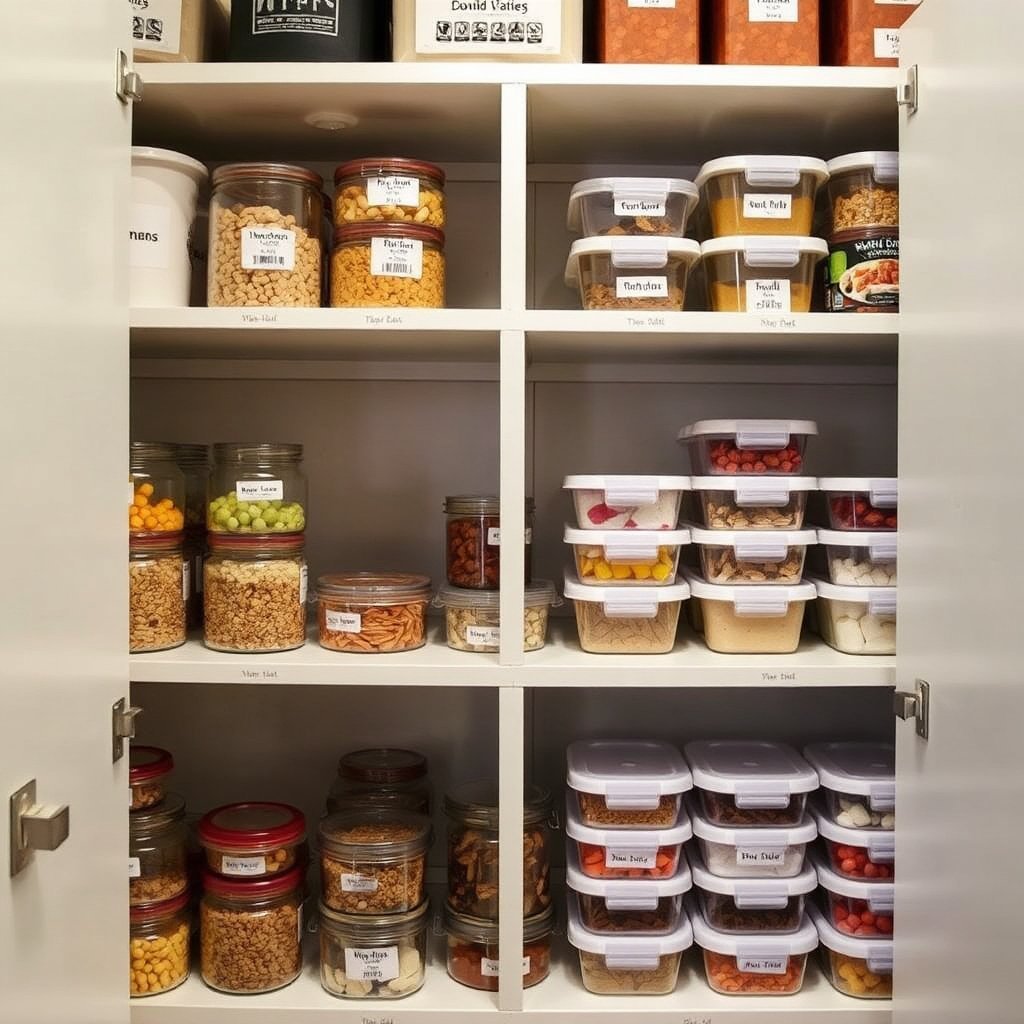
Setting Up Inventory Categories
Divide your inventory into clear categories such as perishables, dry goods, beverages, and non-food supplies to simplify counting and ordering. Each group has different storage requirements and turnover rates, so categorization helps prioritize attention.
Label shelves and storage areas accordingly, which prevents mix-ups during retrieval and inventory checks. Categorizing also helps identify which items deplete fastest and which might expire sooner, enabling better planning.
- Perishables: meats, dairy, fresh produce
- Dry goods: grains, spices, canned goods
- Beverages: alcoholic and non-alcoholic drinks
- Non-food: cleaning supplies, napkins, utensils
Implementing Standardized Storage Methods
Store items in uniform containers where possible to make quantity estimation easier. FIFO (First In, First Out) storage rotation ensures older stock gets used before newer deliveries arrive, reducing spoilage.
Keep temperature-sensitive ingredients in appropriate refrigeration or freezing units with clear temperature monitoring to maintain freshness and comply with health regulations.
- Use transparent containers for easy identification
- Label all items with arrival dates
- Maintain consistent temperature logs
- Regularly clean storage areas
Using Technology to Streamline Inventory Management

Benefits of Restaurant Inventory Software
Inventory software automates tracking by logging purchases, monitoring stock levels, and alerting managers to reorder points. This reduces human error and frees staff from manual tallying.
Many systems integrate with point-of-sale (POS) data to adjust inventory in real time as dishes are sold, providing accurate insights to guide ordering decisions and cost control.
- Automates reorder notifications
- Tracks usage trends over time
- Integrates with POS systems
- Generates cost and waste reports
Choosing the Right Software for Your Restaurant
Select software that fits your restaurant size and inventory complexity. Smaller operations might prefer simple apps focusing on basic tracking, while larger kitchens benefit from comprehensive platforms offering supplier management and analytics.
User-friendly interfaces and mobile access help ensure staff adopt the system consistently. Check for features like barcode scanning and multi-location support if needed.
- User interface simplicity
- Scalability and features
- Mobile and cloud access
- Integration with existing systems
Conducting Regular Inventory Counts and Audits

Routine Physical Inventory Checks
Perform scheduled counts—daily, weekly, or monthly depending on volume—to reconcile actual stock with recorded amounts. Discrepancies can indicate theft, waste, or errors.
Use checklists and counting sheets to standardize the process and reduce mistakes, ensuring all items are accounted for each time.
- Choose consistent counting intervals
- Assign responsible personnel
- Document discrepancies clearly
- Reconcile with POS and purchasing records
For more on this, see our related guide: How Much Does a Restaurant Meal Cost a Complete Guide with Pricing Insights and Cost Control.
Auditing for Loss Prevention and Accuracy
Occasional audits by managers or external parties help verify inventory integrity and uncover issues like unrecorded usage or pilferage.
Compare inventory records against sales data and purchase orders to identify unusual patterns. Taking action based on audit results improves overall control.
- Schedule surprise audits quarterly
- Analyze variance causes
- Train staff on proper procedures
- Implement corrective measures promptly
Forecasting and Ordering for Balanced Inventory

Using Sales Data to Predict Demand
Analyze past sales patterns to estimate ingredient needs accurately. Adjust ordering based on seasonality, special events, and menu changes to avoid overstocking or shortages.
Align portion sizes and recipes with inventory to improve consistency and control food cost.
- Track busiest days and seasons
- Adjust orders for promotions
- Update par levels monthly
- Monitor menu item popularity
Establishing Effective Par Levels
Set minimum stock levels (par levels) for each item, representing the optimal amount to keep on hand. Order quantities to replenish stock up to par, preventing both stockouts and excess.
Reassess par levels regularly to reflect changes in demand or supplier delivery times.
- Determine average daily usage
- Factor in lead times for delivery
- Adjust for perishability risks
- Review par levels quarterly
Training Staff for Consistent Inventory Practices
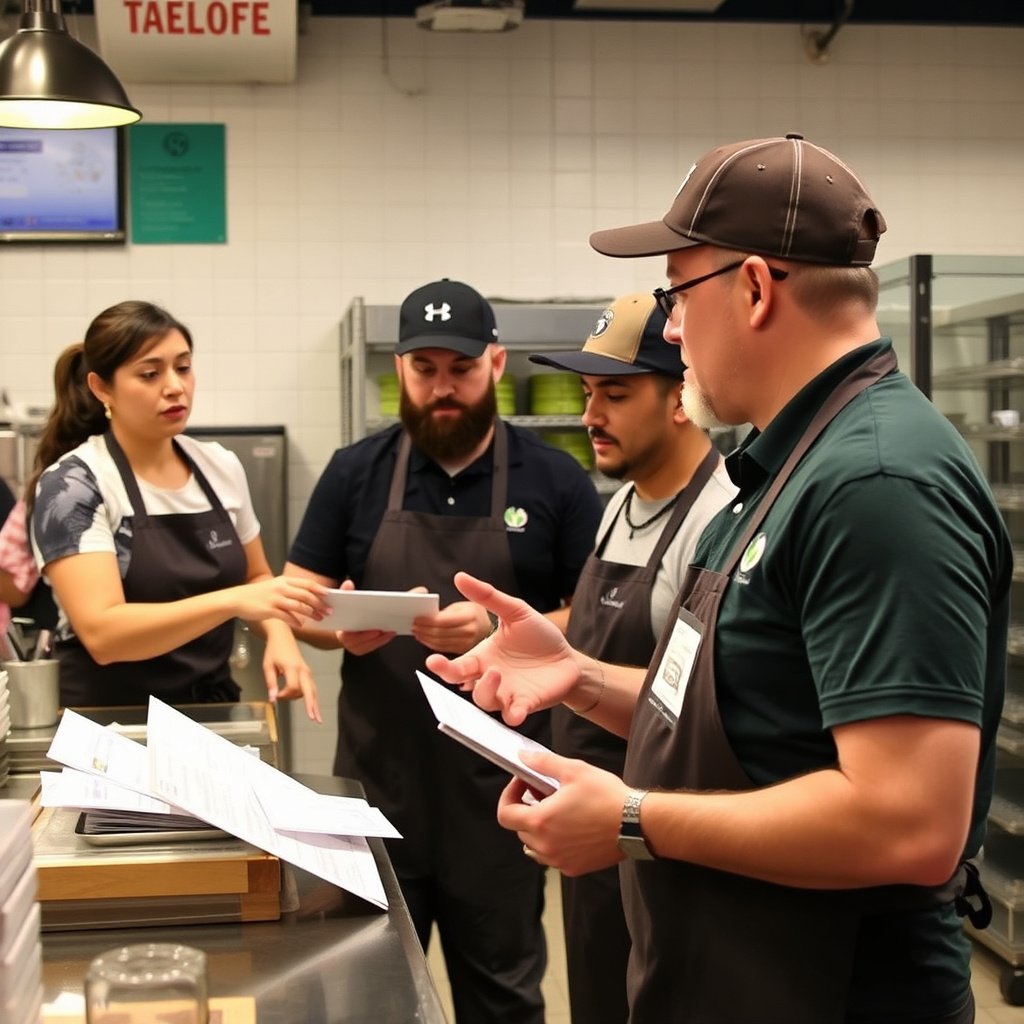
Establishing Clear Procedures
Develop and document step-by-step inventory protocols including receiving, storing, counting, and reporting. This clarity reduces errors and improves accountability.
Ensure all employees understand the importance of accurate inventory management and their role in maintaining it.
- Create accessible manuals or checklists
- Assign responsibilities clearly
- Hold regular refresher meetings
- Encourage reporting of issues promptly
For more on this, see our related guide: What Is the Best Dessert at a Restaurant.
Using Incentives and Feedback
Reward staff for accurate inventory handling and suggest improvements. Positive feedback encourages diligent adherence to protocols, while constructive reviews help correct mistakes.
Employee involvement in inventory monitoring can reduce shrinkage and enhance team ownership of restaurant success.
- Implement recognition programs
- Offer bonuses tied to waste reduction
- Conduct performance reviews based on inventory accuracy
- Solicit staff ideas for process improvements
Handling Perishable and Specialty Ingredients
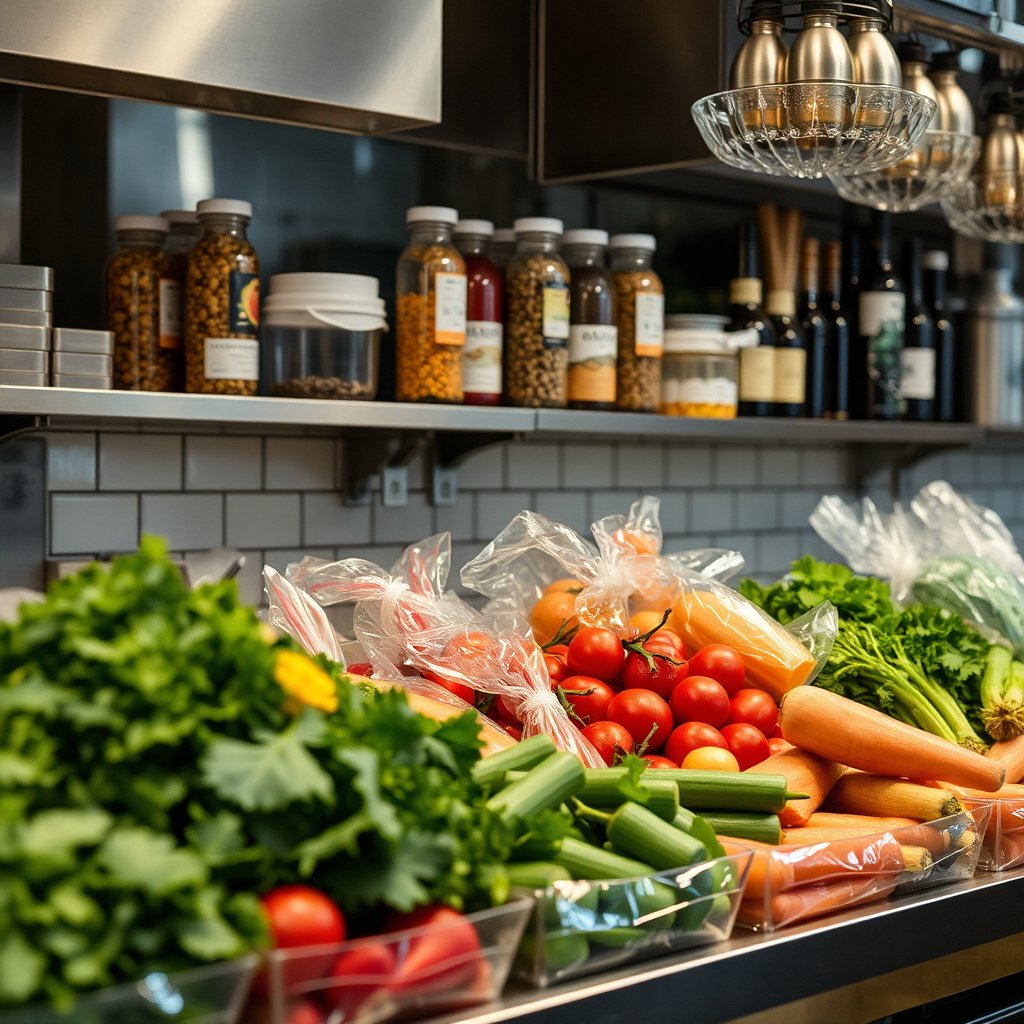
Managing Shelf Life and Storage Conditions
Track expiration dates meticulously and use labeling to prioritize usage. Store perishable items at recommended temperatures and humidity levels to maximize freshness and safety.
Avoid over-ordering perishables by syncing purchases closely with demand forecasts.
- Label received goods with date stamps
- Use refrigeration temperature logs
- Rotate stock according to FIFO
- Discard spoiled items promptly
To deepen your understanding, explore this comprehensive overview of inventory management in the foodservice industry. inventory management in the foodservice industry.
Special Handling for Unique Ingredients
Some specialty products require distinct storage methods or supplier relationships. Maintain communication with vendors to schedule timely deliveries and address quality concerns quickly.
Train kitchen staff on best practices for handling delicate or rare ingredients to avoid damage and waste.
- Use climate-controlled storage if needed
- Prepare specialty goods just before use
- Keep detailed usage records for tracking
- Coordinate with vendors on supply schedules
Restaurant Inventory Management Categories Comparison
Here is a detailed comparison of different restaurant inventory management approaches to help select the best fit for your operation.
| Category | Cost | Ease of Use | Accuracy | Best For |
|---|---|---|---|---|
| Manual Spreadsheet Tracking | Low | Moderate | Low | Small restaurants with simple inventory |
| Basic Inventory Software | Moderate | High | Moderate | Medium-sized restaurants starting automation |
| Integrated POS & Inventory Systems | High | High | High | Large or multi-location restaurants |
| Outsourced Inventory Services | Variable | Moderate | High | Restaurants with limited staff or complex needs |
| Hybrid Paper & Digital System | Low to Moderate | Moderate | Moderate | Businesses transitioning to software |
Frequently Asked Questions
How often should restaurant inventory be counted?
Physical inventory counts should be done regularly—commonly weekly or monthly—to keep records accurate. High-volume perishables may require daily checks, while less frequently used items can be audited less often.
What are common causes of inventory discrepancies?
Discrepancies often arise from theft, over-portioning, spoilage, data entry errors, or unsynchronized point-of-sale and inventory systems, emphasizing the need for thorough tracking practices.
Can inventory management software integrate with my existing POS system?
Many inventory software solutions offer integration with popular POS systems, enabling real-time updates and streamlined operations, but it is important to verify compatibility before purchasing.
What is FIFO and why is it important in restaurants?
FIFO, or First In, First Out, is a method that uses older stock before newer inventory to reduce spoilage and waste by managing ingredient freshness effectively.
How does forecasting improve inventory management?
Forecasting uses past sales data and trends to predict future demand, helping restaurants order appropriate quantities to reduce both shortages and excess stock.
Key Takeaways
- Organize inventory with clear categories and storage protocols.
- Leverage restaurant inventory software to reduce errors and save time.
- Regular physical counts and audits maintain accuracy and prevent losses.
- Use sales data for forecasting and setting practical inventory par levels.
Conclusion
Managing restaurant inventory is a balance of organization, data tracking, and staff collaboration. Successful restaurants capture detailed inventory information regularly, use that data to guide purchasing and storage, and keep all team members aligned on protocols. A systematic approach reduces waste, improves cost management, and supports operational efficiency. It is vital to combine physical counts with technology tools in order to maintain control over stock levels and ingredient freshness.
For smaller establishments, simpler methods such as categorized stock organization paired with periodic manual counts may suffice. Medium and larger restaurants benefit from adopting robust restaurant inventory software that integrates with POS systems to provide realtime insights and reorder alerts. Additionally, forecasting demand based on sales trends and adjusting par levels accordingly ensures inventory matches actual menu needs, which is especially important for perishable and specialty ingredients.
Ultimately, taking the first step means evaluating your current inventory processes and identifying weak points. Consider trialing software solutions that fit your operation size and budget and commit to training staff consistently on best practices. By doing so, you can create a sustainable inventory system that protects your profit margins and keeps your kitchen running smoothly.