How to Calculate Food Cost: A Detailed Guide for Restaurants and Home Cooks
Calculating food cost involves totaling the cost of ingredients used to prepare a dish or menu over a set period and comparing it to the revenue generated from sales. This calculation helps businesses and home cooks understand profitability and manage expenses effectively. To start, list all ingredient prices and the amounts used, then sum these to find the total food cost.
Knowing your food cost is essential because it directly impacts pricing, budgeting, and profit margins. For restaurants, food cost controls whether the business is sustainable, while home cooks can manage grocery budgets better. Without accurate calculation, it's easy to overspend or underprice dishes, hurting financial health.
This article explains various methods to calculate food cost, including basic formulas and practical examples. It covers ingredient cost analysis, food cost percentage, methods for tracking costs in a commercial setting, and tips for reducing food costs while maintaining quality.
Understanding the Basics of Food Cost Calculation
What Constitutes Food Cost?
Food cost refers to the total expense of all ingredients used to produce a meal or menu item. This includes raw materials like vegetables, meat, spices, and any consumables necessary for preparation. Understanding this helps determine the financial input per dish.
In commercial settings, food cost often also includes waste and spoilage. Accurate accounting of these factors results in a realistic reflection of ingredient expenses involved in producing a menu item.
Basic Formula for Calculating Food Cost
The fundamental food cost formula is: Food Cost = (Beginning Inventory + Purchases) – Ending Inventory. This method works well for restaurants tracking food expenses over a period.
To find food cost percentage, divide total food cost by total food sales, then multiply by 100. This percentage indicates operational efficiency and pricing effectiveness.
- Food Cost = (Beginning Inventory + Purchases) – Ending Inventory
- Food Cost Percentage = (Food Cost ÷ Food Sales) × 100
Detailed Steps for Calculating Food Cost in Restaurants
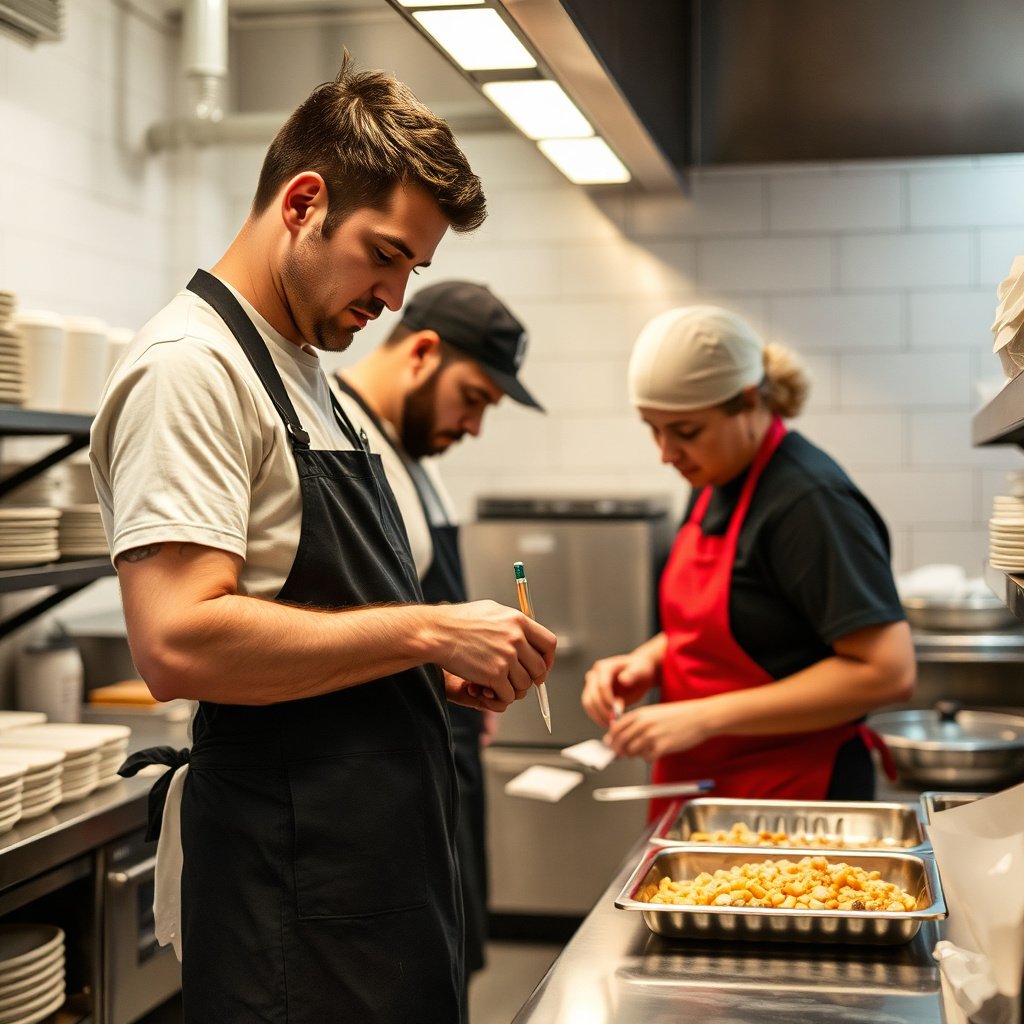
Tracking Inventory and Purchases
Start by conducting a detailed inventory check before and after a set period (usually a week). Record quantities and prices for all food items to establish accurate starting and ending inventory values.
Next, track all purchases made within this period. Accurate invoices and supplier records are crucial to avoid miscalculations affecting the total food cost.
- Inventory check before period
- Inventory check after period
- Track supplier invoices and purchase receipts
Calculating Food Cost Percentage for Menu Pricing
By comparing your total food cost with total revenue generated from food sales, you obtain the food cost percentage. This metric guides appropriate menu pricing to maintain profitability without deterring customers.
Restaurants often aim for a food cost percentage between 28% and 35%, though this varies by cuisine type and dining experience level.
- Calculate total food cost
- Calculate total food sales
- Derive food cost percentage
Calculating Food Cost for Home Cooking or Small Businesses
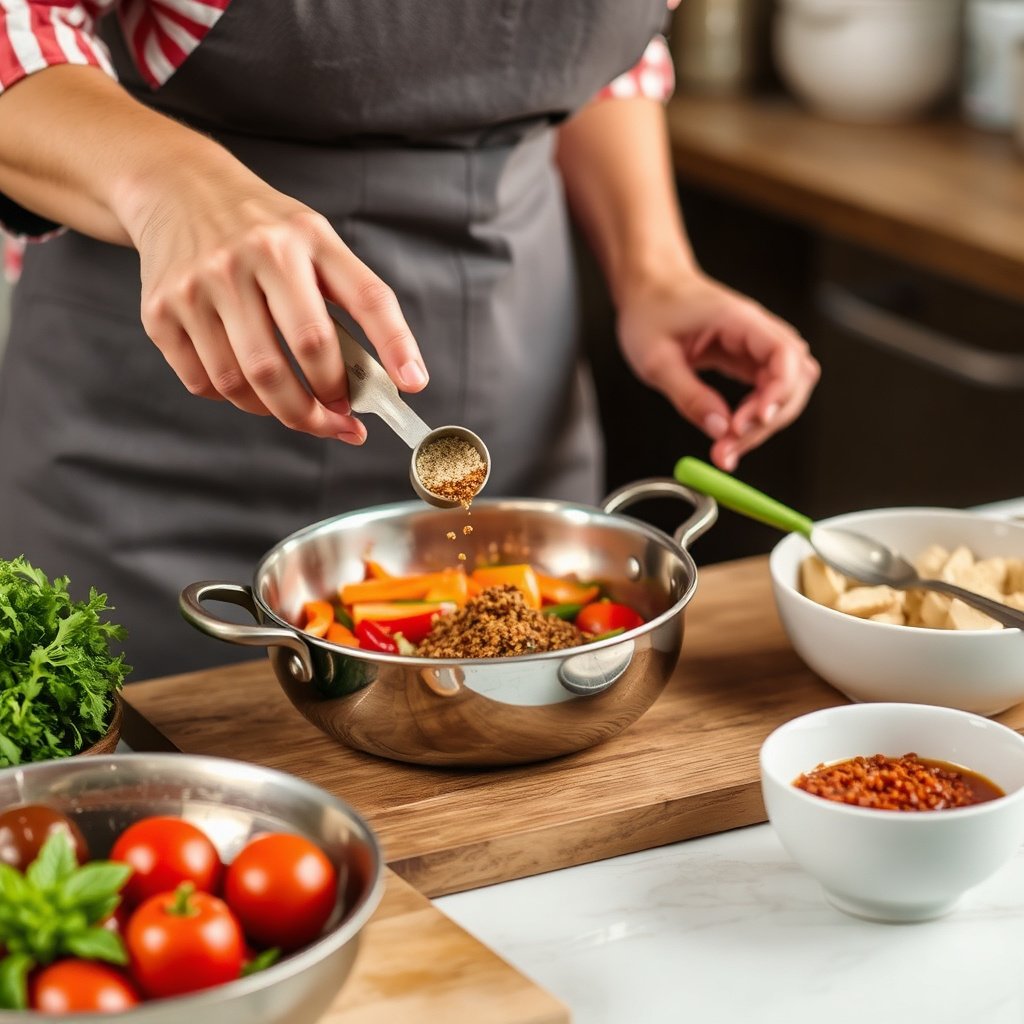
Itemizing Ingredient Costs
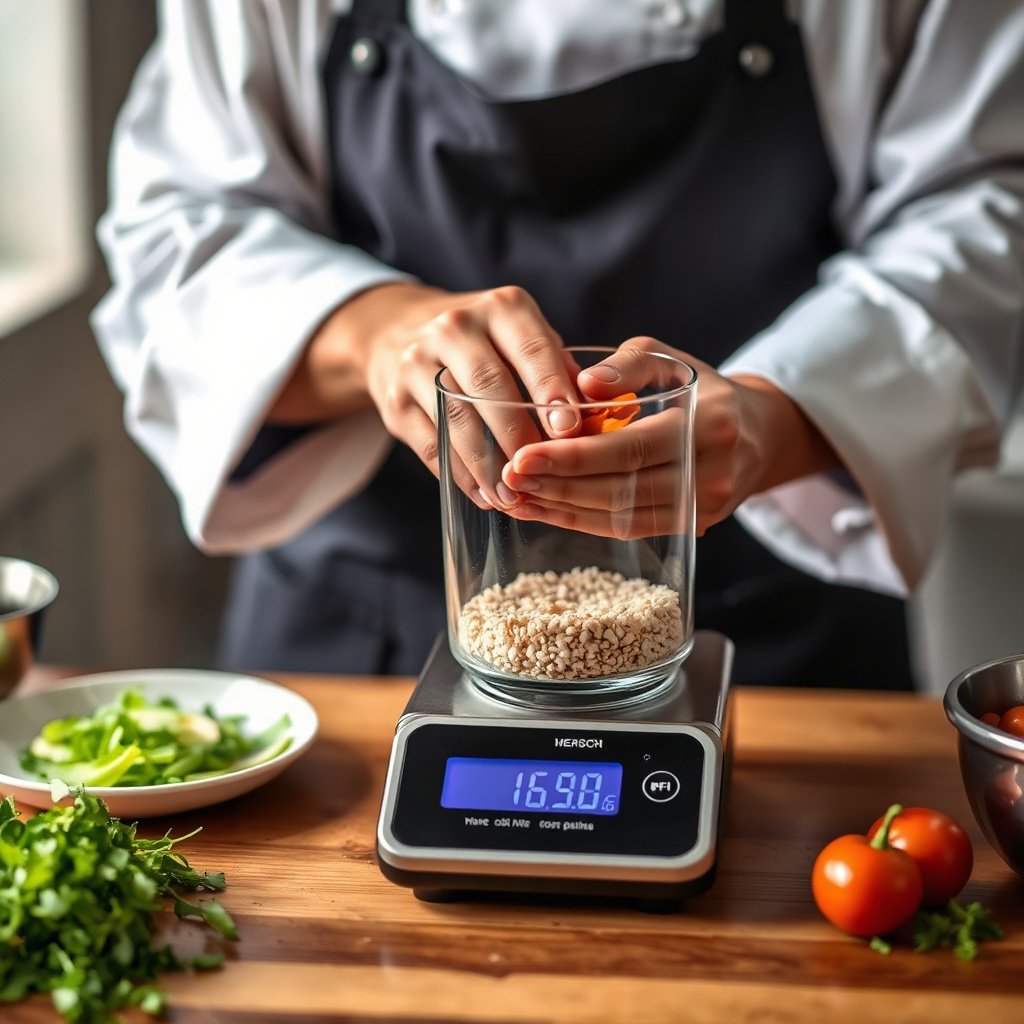
For home cooks, calculating food cost involves noting the price and quantity of each ingredient used in a recipe. Dividing the cost by the portion size used yields the ingredient cost for the dish.
This approach helps track grocery spending and estimate meal costs to compare against eating out or plan budgets efficiently.
For more on this, see our related guide: How Much Does It Cost to Host a Funeral Luncheon? A Complete Cost Guide.
Using Food Cost Percentage to Manage Budgets
Home cooks can apply food cost percentage to their meal planning by comparing the ingredient cost to the meal's perceived value or portion size. This helps optimize grocery shopping and minimize waste.
Tracking this percentage over time reveals spending trends and potential savings opportunities.
Tools and Software for Food Cost Calculation
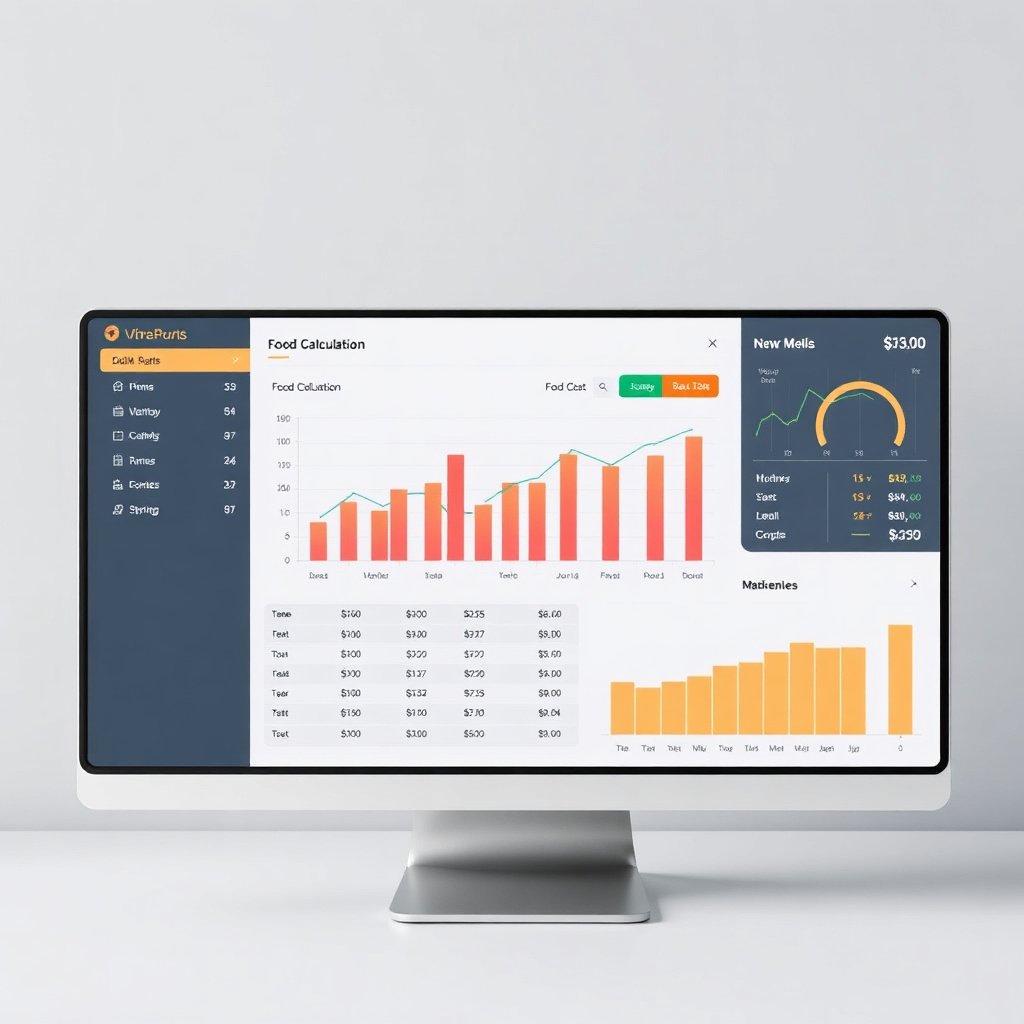
Popular Food Costing Software
Several software solutions automate food cost calculation, inventory tracking, and pricing recommendations. Examples include CostGuard, FoodCost Pro, and MarketMan, which provide real-time inventory management and detailed reports.
These tools reduce human error and save time by integrating supplier prices and sales data, simplifying complex manual calculations.
- CostGuard
- FoodCost Pro
- MarketMan
Using Spreadsheets for Food Costing
Many small businesses and home cooks use spreadsheet templates for manual food cost tracking. Setting up formulas for ingredient costs and sales data allows easy calculations and adjustments.
Spreadsheets offer flexibility but require careful data entry and consistent updates to maintain accuracy.
Strategies to Reduce Food Cost Without Sacrificing Quality

Optimizing Ingredient Usage and Reducing Waste
Controlling portion sizes and reorganizing kitchen processes can reduce food waste substantially. Using whole ingredients creatively also maximizes resource utilization.
Implement practices like batch cooking and proper storage to extend ingredient shelf life and minimize spoilage.
- Control portion sizes
- Creative reuse of leftovers
- Batch cooking
- Proper storage techniques
For more on this, see our related guide: How Much Does It Cost to Rent a Banquet Hall? A Complete Cost Breakdown.
Smart Purchasing and Supplier Negotiations
Buying in bulk, sourcing seasonal produce, and negotiating prices with suppliers can lower food costs effectively. Establishing strong relationships often earns distributor discounts or flexible payment options.
Evaluating multiple suppliers regularly ensures competitive pricing and quality balance.
- Bulk purchasing
- Seasonal sourcing
- Supplier discounts and negotiations
Common Mistakes in Food Cost Calculation and How to Avoid Them

Ignoring Waste and Spoilage
Not accounting for food waste, over-portioning, or spoilage can lead to underestimating true food costs. Including these factors produces a more accurate picture of expenses and profitability.
Regular monitoring and accurate data entry prevent this common oversight in restaurant accounting.
For a comprehensive explanation of food cost and related concepts, see the Food Cost Definition on Wikipedia. Food Cost Definition on Wikipedia.
Inconsistent Unit Measurement
Using different units (like pounds and kilograms) inconsistently causes calculation errors. Standardizing measurements and double-checking conversions is vital for coherent food cost data.
Always convert ingredient quantities into the same unit system before adding costs.
Comparison of Food Cost Calculation Methods
Here is a comparison of common food cost calculation methods used in various food service settings, highlighting their advantages and typical applications.
| Method | Best Use Case | Complexity | Accuracy | Tools Required |
|---|---|---|---|---|
| Basic Formula (Inventory + Purchases – Ending) | Restaurants with inventory control | Medium | High | Inventory tracking system |
| Recipe Costing (Ingredient by Ingredient) | Small businesses and home cooks | Low | Medium | Spreadsheet or manual calculation |
| Software Automation | Large-scale food operations | Low | Very High | Specialized software |
| Food Cost Percentage Calculation | Pricing strategy across all businesses | Low | Medium | Sales and cost data |
| Manual Estimation | Informal settings or meal planning | Low | Low | None or basic spreadsheet |
Frequently Asked Questions
What is food cost percentage and why does it matter?
Food cost percentage is the ratio of food expenses to food sales, expressed as a percentage. It helps measure profitability and guides pricing decisions to keep the business financially healthy.
How often should food cost be calculated in a restaurant?
Restaurants typically calculate food cost weekly or monthly to track changes in expenses, adjust menu prices, and control inventory effectively.
Can home cooks benefit from calculating food cost?
Yes, home cooks can use food cost calculation to budget grocery spending, understand meal expenses, and compare cooking costs with dining out.
Does food cost include labor and overhead?
No, food cost strictly covers ingredient expenses. Labor, rent, utilities, and other overheads are separate operating costs accounted for in overall business budgeting.
What are the common causes of inaccurate food cost calculation?
Common causes include ignoring waste and spoilage, inconsistent measurement units, incomplete inventory tracking, and errors in data entry.
Key Takeaways
- Food cost calculation involves summing ingredient expenses and comparing them to sales.
- Food cost percentage guides menu pricing and assesses profitability.
- Tracking inventory accurately is essential for reliable food cost calculation.
- Reducing waste and smart purchasing reduce overall food expenses.
Conclusion
Calculating food cost unlocks valuable insights into the expenses behind each dish or menu item. By carefully measuring ingredient costs and relating them to sales, both restaurants and home cooks gain control over spending and profitability. This clarity supports data-driven decisions like pricing adjustments and purchasing strategies, reducing financial surprises.
For restaurants, maintaining a food cost percentage between 28% and 35% is often the goal to retain solid profit margins while remaining competitive. Small businesses and home cooks benefit from simple recipe costing methods that allocate costs at the dish level, fostering better budgeting. Software tools add efficiency for larger operations, while manual tracking continues to serve smaller setups well.
The next step is to implement regular food cost tracking within your kitchen or home. Gather detailed inventories, record ingredient prices accurately, and apply the food cost percentage calculation to refine pricing and ingredient use. Over time, this practice leads to leaner expenses, smarter menus, and more sustainable operations.