Home Brewing for Beginners: How to Start Brewing Beer at Home
Home brewing for beginners is about making your own beer at home using simple equipment and ingredients, giving you control over flavors and styles. It requires a few key supplies, basic knowledge of brewing processes, and patience to allow fermentation and conditioning.
Brewing your own beer can be a rewarding hobby that combines creativity with science. Hobbyists enjoy experimenting with different malts, hops, and yeasts while saving money compared to store-bought craft beers. This hands-on experience offers insight into beer’s flavors and production.
This article will guide you through the essential equipment and ingredients you need, basic brewing steps, common beginner mistakes to avoid, and tips for selecting the best home brewing kits. You'll gain confidence to brew a quality batch and expand your skills over time.
Essential Equipment for Home Brewing Beginners

Basic Brewing Tools You Need
Starting with the right equipment simplifies the home brewing process and avoids frustration. Key items include a fermenter (glass or food-grade plastic), a large brew kettle capable of boiling several gallons, an airlock to allow gases to escape without contamination, and a siphon for transferring beer without sediment.
Additionally, you'll need sanitizing solution to keep everything clean, a hydrometer to measure sugar levels, and bottles or kegs for storing your beer after fermentation. Having a thermometer and a stirring spoon also helps maintain consistent temperature and mix ingredients thoroughly. Together, these tools form a solid foundation for brewing success.
- Fermenter with airlock
- Large brew kettle
- Siphon and tubing
- Sanitizer and hydrometer
- Bottles or kegs
Understanding More Advanced Equipment
Once comfortable with basic home brewing, some beginners invest in advanced gear like temperature-controlled fermentation chambers, wort chillers, and all-in-one brewing systems. These improve precision and reduce manual steps, leading to more consistent results.
Wort chillers quickly cool boiled wort to yeast-friendly temperatures, minimizing contamination risk. Fermentation chambers maintain steady temperature, which is crucial for yeast health, while automated systems handle mashing and boiling in single vessels. Such upgrades enhance your brewing experience but aren't necessary when starting out.
Choosing Ingredients for Your First Brew
Core Ingredients Explained
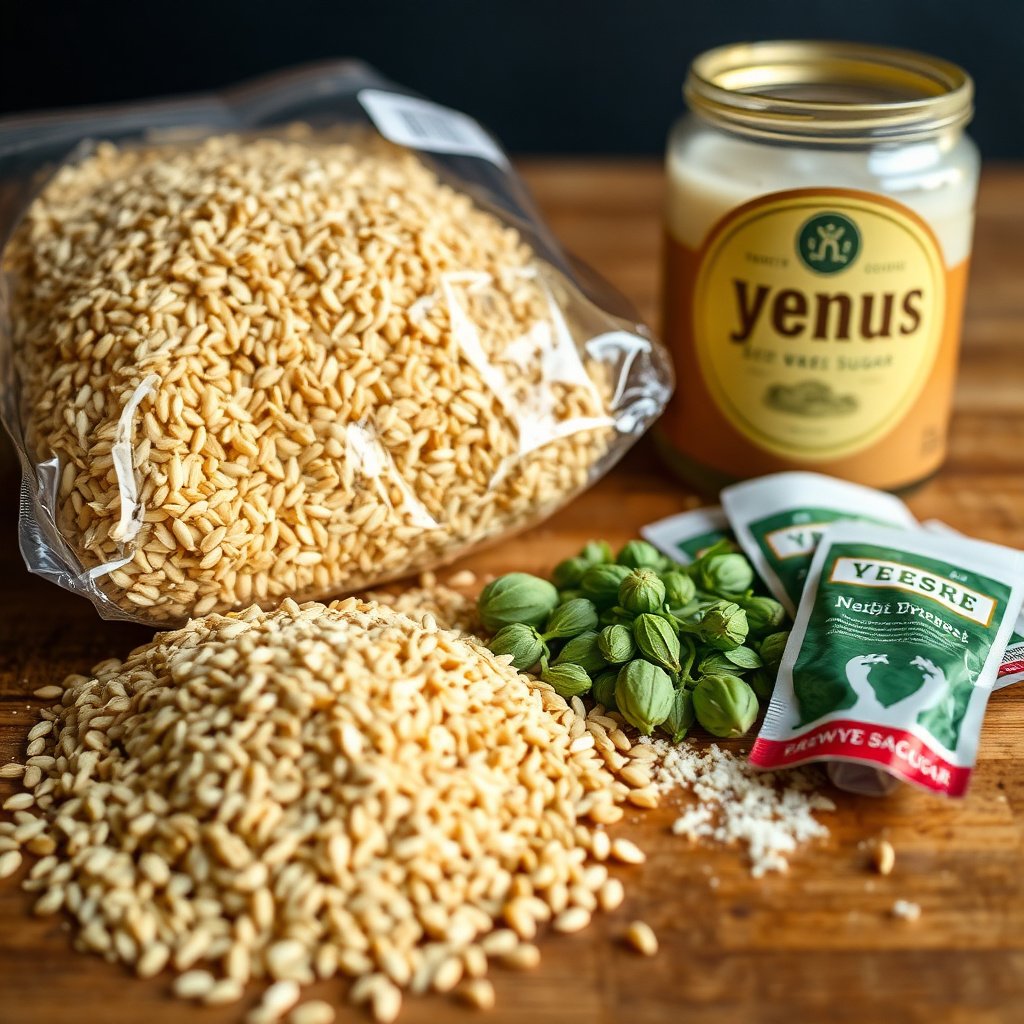
The core ingredients in beer are malted barley or other grains, hops, yeast, and water. Malt provides fermentable sugars and color, hops contribute bitterness and aroma, yeast ferments sugars into alcohol, and water is the brewing medium influencing final taste.
For beginners, malt extract kits simplify the process by providing pre-processed malt sugars. Choosing hop varieties depends on desired bitterness and flavor profile. Yeast strains vary in fermentation characteristics and flavor contributions, so selecting a versatile ale yeast is wise for a first brew.
Using Home Brewing Ingredient Kits
Ingredient kits curated for home brewing beginners include all necessary malt extract, hops, yeast, and often instructions tailored for easy brewing. These kits reduce guesswork and exposure to raw ingredients, making them popular for those starting out.
Kits come in various styles like pale ale, stout, or lager, helping new brewers create recognizable beer flavors. While slightly more expensive than buying bulk ingredients, kits minimize wasted materials and encourage experimenting with style variations over time.
Step-by-Step Home Brewing Process for Beginners
Brewing and Fermentation Basics
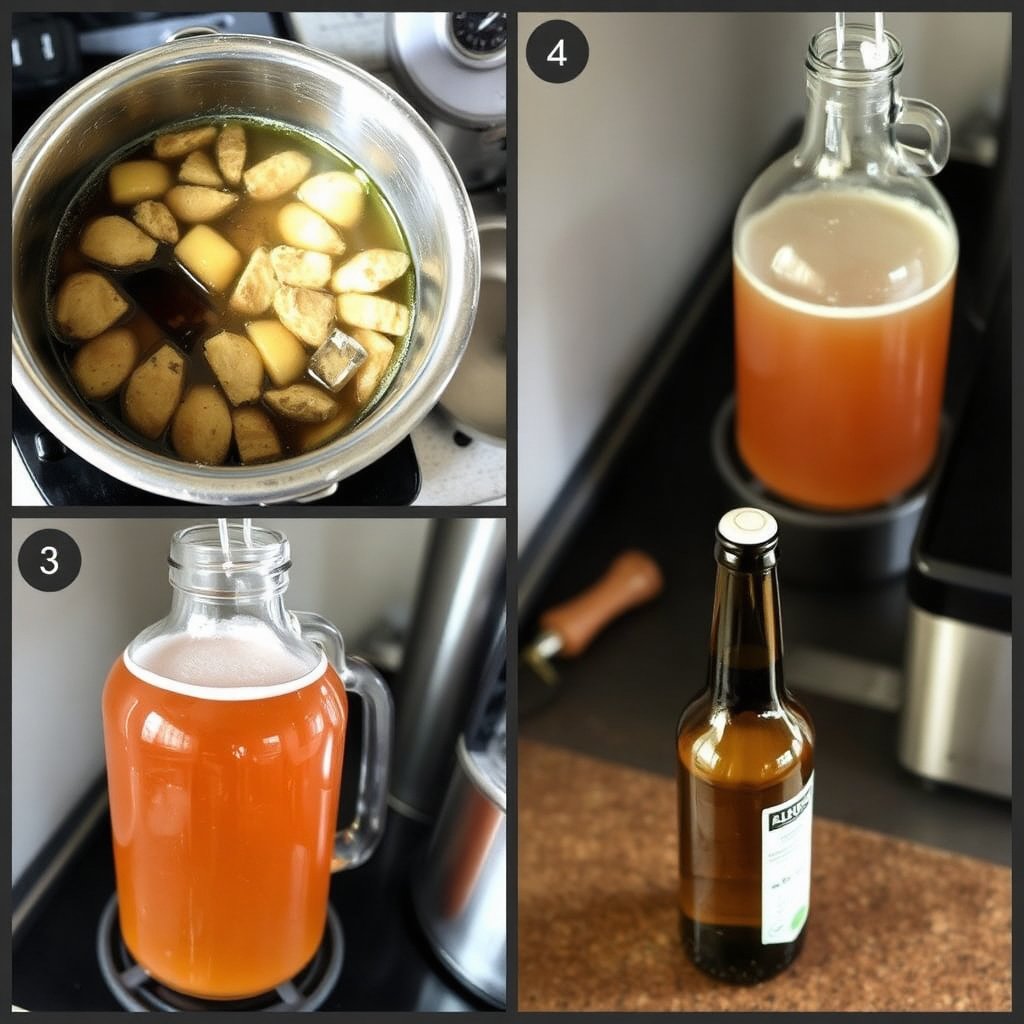
Start by boiling malt extract with water and hops to create wort. The boiling process sterilizes the mixture and extracts hop bitterness. After boiling, quickly cool the wort to yeast-friendly temperatures to avoid contamination.
Transfer the cooled wort to a sanitized fermenter and add yeast. Close with an airlock to allow carbon dioxide to escape while keeping contaminants out. Fermentation typically lasts 1-2 weeks at stable temperatures, during which yeast converts sugars into alcohol.
For more on this, see our related guide: What Is the Best Beer for Beginners: A Complete Guide to Easy & Enjoyable Choices.
Bottling and Conditioning Your Beer
Once fermentation is complete, siphon the beer into sanitized bottles or kegs, adding a small amount of sugar to encourage carbonation. Seal and store the bottles at room temperature for a couple of weeks to allow carbonation and flavor maturation.
Patience during conditioning improves the beer's taste and mouthfeel, ensuring a balanced final product. Refrigerating before drinking helps enhance clarity and flavor sharpness.
Common Home Brewing Mistakes Beginners Should Avoid
Sanitation and Contamination Risks
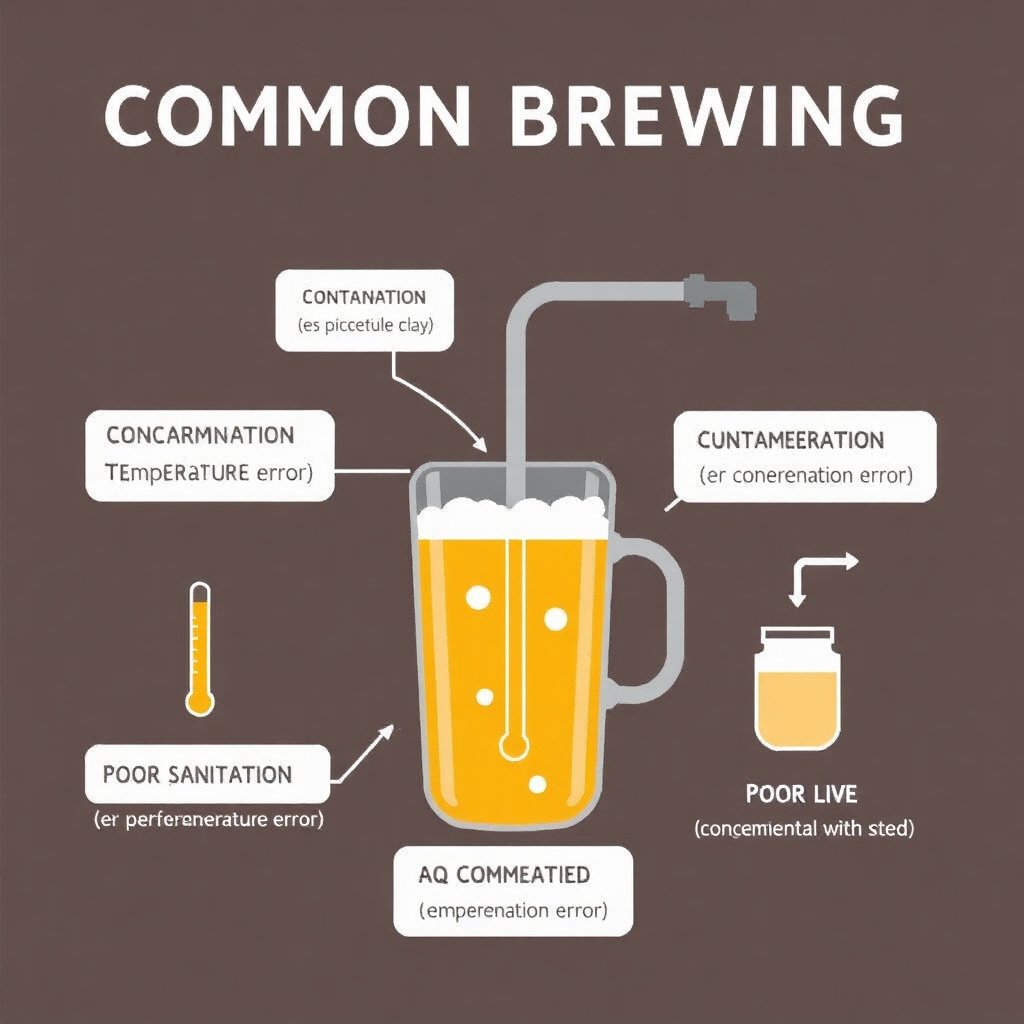
One of the most frequent causes of batch failure is poor sanitation. Bacteria and wild yeast can spoil beer by producing off-flavors or unwanted aromas. Rigorously cleaning and sanitizing all equipment that touches wort or beer is necessary throughout brewing steps.
Never skip sanitizing your fermenter, siphon tubing, and bottles to protect your brew. Using cleaning agents designed for brewing also prevents chemical residues that may harm yeast or alter taste.
- Always sanitize after cleaning
- Avoid touching sterilized equipment with bare hands
- Keep fermenting beer covered and sealed
Temperature and Timing Issues
Maintaining proper temperatures during fermentation is key. Yeast strains each have ideal ranges that affect flavor and fermentation speed; too cold or hot can stall or produce off flavors. Measuring and controlling ambient temperature helps avoid these issues.
Another common mistake is rushing bottling before fermentation finishes, which can cause overcarbonation or bottle explosions. Using a hydrometer to check final gravity ensures fermentation has fully completed before packaging.
- Monitor fermentation temperature closely
- Use hydrometer to confirm fermentation completion
- Avoid bottling too early
Selecting the Best Home Brewing Kits for Beginners

Types of Home Brewing Kits Available
Home brewing kits vary from simple extract kits with ingredients and instructions, to all-in-one kits including fermenters, bottles, and basic tools. Some kits focus on specific beer styles like IPA or stout to help beginners replicate popular recipes.
Choosing a kit depends on your willingness to learn, budget, and space. Basic extract kits offer a lower entry point, while more comprehensive kits reduce the need for separate equipment purchases, providing convenience and guidance for first-time brewers.
For more on this, see our related guide: What Is the Best Craft Beer? Top Picks and Expert Selection Guide.
Evaluating Kit Quality and Support
Select kits from reputable brands with positive user reviews to ensure quality ingredients and reliable instructions. Kits that provide access to online tutorials or customer support add valuable help if you encounter issues.
Also consider if the kit includes reusable equipment or only consumables. Long-term, investing in reusable fermenters and quality tools lowers costs and improves your home brewing experience.
- Check user reviews and brand reputation
- Look for included equipment vs. consumables only
- Assess availability of support and resources
Improving Your Home Brewing Skills Over Time
Experimenting with Recipes and Ingredients
Once familiar with a basic brew, home brewers often explore modifying malt types, hop schedules, and yeast strains to create unique beers. Keeping detailed brew logs helps identify what changes improve your desired flavors.
Trying small batch variations reduces waste and lets you learn ingredient impacts. Joining local brewing clubs or online communities also offers valuable feedback and recipe ideas.
For a detailed overview of home brewing history and techniques, the Homebrewing Wikipedia article is a valuable resource. Homebrewing Wikipedia article.
Learning Advanced Techniques Gradually
As confidence grows, exploring techniques like all-grain mashing, dry hopping, and temperature-controlled fermentation can enhance brew quality. These methods require additional equipment but open possibilities for more complex beer styles.
Patience and continuous learning, possibly via brewing workshops or books, develop your skills. Approaching these steps gradually helps avoid overwhelming the process and maintains your enjoyment of home brewing.
Home Brewing Kits Category Comparison
Here's a comparison of popular home brewing kit categories to help beginners decide which suits their needs based on content, price, and complexity.
| Kit Type | Includes Equipment | Ideal For | Price Range |
|---|---|---|---|
| Basic Extract Kit | Minimal (ingredients only) | Complete beginners on tight budget | $25-$50 |
| Starter Kit with Basic Equipment | Fermenter, bottles, ingredients | Beginners wanting all essentials | $60-$100 |
| All-in-One Brewing Kit | Comprehensive gear and ingredients | Beginners who want convenience | $100-$200 |
| All-Grain Brewing Kit | Includes mash tun and gear | Experienced beginners advancing skills | $150-$300 |
| Kit with Online Tutorials | Equipment + video guides | Learners who want structured support | $80-$150 |
Frequently Asked Questions
How long does it take to brew beer at home for beginners?
Typically, from brewing to drinking, home brewing takes 4 to 6 weeks for beginners. This includes fermentation of 1 to 2 weeks, followed by bottling and conditioning for 2 to 4 weeks.
Can I reuse home brewing bottles?
Yes, clean and sanitize bottles thoroughly before reuse. Using bottles designed for beer with sturdy caps helps maintain carbonation and prevents contamination.
Do I need special yeast for different beer styles?
Different beer styles often use specific yeast strains that contribute unique flavors and fermentation characteristics. Beginners should start with versatile ale yeasts and experiment later.
Is sanitation really that important in home brewing?
Sanitation is critical. Even small contamination can spoil your beer with off-flavors. Meticulous cleaning and sanitizing prevent bacteria and wild yeast from ruining batches.
What is the difference between extract and all-grain brewing?
Extract brewing uses malt extracts for simplicity, while all-grain brewing involves mashing raw grains to extract sugars. Extract is beginner-friendly; all-grain offers more control but requires more equipment and time.
Key Takeaways
- Start home brewing with basic equipment like a fermenter, kettle, and sanitizer.
- Use malt extract kits and versatile yeast strains to simplify your first brews.
- Sanitation and temperature control are the biggest factors in success.
- Selecting the right home brewing kit influences ease and learning curve.
Conclusion
Choosing to begin home brewing for beginners is both an exciting and educational process, blending art with science. A successful first batch depends on selecting appropriate equipment and ingredients, following sanitation protocols, and patiently allowing fermentation and conditioning. Approaching brewing step-by-step, with attention to temperature and cleanliness, helps build confidence and produces enjoyable beer. Understanding your preferences and environment will guide your choices throughout.
For many starting out, basic extract kits paired with reusable fermenters offer excellent balance between cost and simplicity. These kits include best home brewing kits components like malt extract, hops, and yeast, tailored to beginners’ needs. As you gain hands-on experience, experiment with ingredient substitutions and explore all-grain methods to create more custom brews. Joining brewing communities or referring to trusted tutorials enhances learning and enjoyment.
Once comfortable with foundational techniques, consider upgrading to kits featuring comprehensive equipment or selecting specific beer styles to challenge your skills. Remember, brewing is a process that rewards patience, consistent practice, and curiosity. Your next step is to gather your starter home brewing kit and embark on your first batch—taking pride in crafting beer with your hands.