How Does an Induction Hot Plate Work? The Complete Answer
Are you tired of waiting forever for your stove to heat up or struggling with uneven cooking? Many people find traditional hot plates frustrating because they waste energy and lack precise control.
If you’re looking for a faster, safer, and more efficient way to cook, an induction hot plate might be just what you need.
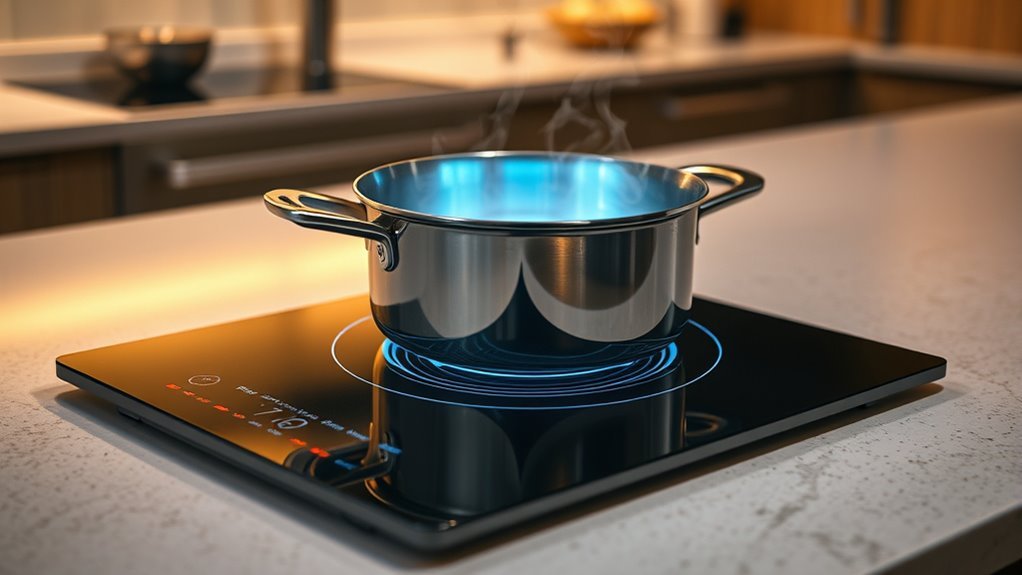
An induction hot plate works by creating a rapidly changing magnetic field that directly heats your cookware, not the surface itself. This means your pan warms quickly and efficiently, especially if it’s made from magnetic materials like cast iron or certain stainless steels.
You’ll enjoy precise temperature control and added safety features like auto shut-off and overheat protection.
Keep going, and you’ll find tips on choosing cookware, boosting energy efficiency, and troubleshooting common issues.
Key Takeaways
- Induction hot plates generate heat using electromagnetic fields that induce electric currents directly in compatible cookware.
- Heat is produced in the cookware itself, leading to faster cooking and a cooler hot plate surface.
- The best cookware materials include ferromagnetic types like cast iron, magnetic stainless steel, and enamel-coated cast iron.
- They offer high energy efficiency by minimizing heat loss and allowing precise temperature control.
- Safety features like auto shut-off, overheat protection, temperature sensors, and cooling mechanisms help prevent accidents.
How Does an Induction Hot Plate Generate Heat?
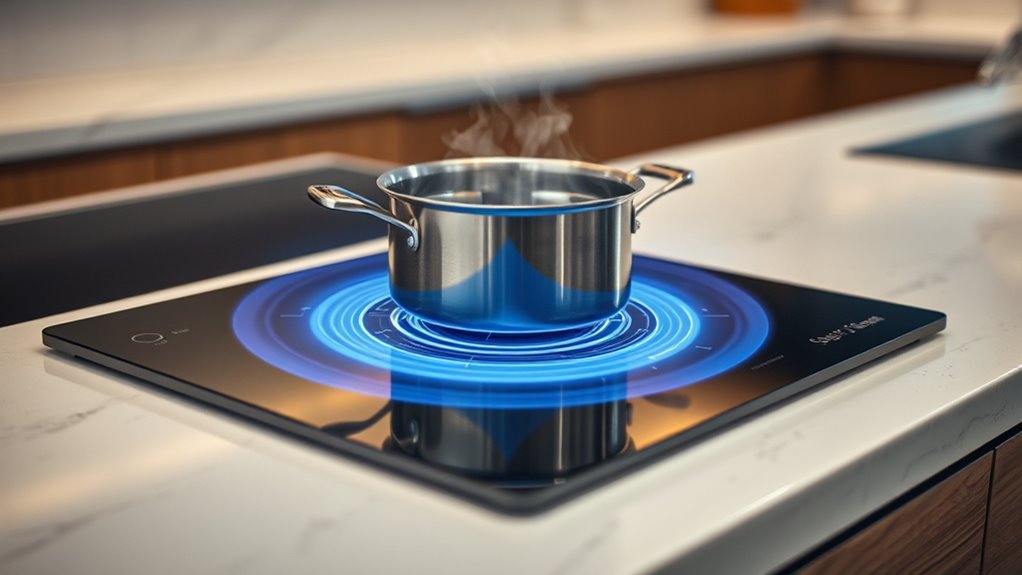
Although it might seem like magic, an induction hot plate heats up using electromagnetic fields. When you turn it on, it creates a rapidly changing magnetic field beneath the surface.
This magnetic field induces electric currents directly into the metal base of your cookware. The heat isn’t generated in the hot plate itself but in the pan, which makes the process super efficient.
Since energy is transferred straight to your pot or pan, very little heat is wasted. This results in faster cooking and a cooler surface compared to traditional stoves.
The focused heating gives you better control over the temperature, saving time and energy. By using electromagnetic fields to heat the cookware directly, induction hot plates offer a smarter, quicker way to cook.
What Materials Work Best With Induction Hot Plates?
Because induction hot plates rely on magnetic fields to generate heat, they work best with cookware made from magnetic materials. You want pots and pans that allow the magnetic field to induce electric currents efficiently, which heats the cookware directly.
Induction hot plates heat cookware directly using magnetic fields, so magnetic materials work best.
Here are four materials that work best with induction hot plates:
- Cast iron – It has excellent magnetic properties and retains heat well, making it perfect for induction cooking.
- Stainless steel – Make sure it’s magnetic grade; these are durable and often compatible with induction.
- Enamel-coated cast iron – Combines cast iron’s magnetic qualities with a smooth, easy-to-clean surface.
- Magnetic stainless steel blends – Some stainless steel alloys include magnetic elements, but check labels to be sure.
Materials like aluminum, copper, or glass won’t work unless they have an induction-compatible base. When you pick cookware with the right magnetic materials, your induction hot plate heats quickly and efficiently.
Choosing the Right Cookware for Induction Hot Plates
Selecting the right cookware is key to getting the best performance from your induction hot plate. You need cookware that’s compatible to ensure it works efficiently. Induction materials must be ferromagnetic, meaning they contain iron or have magnetic properties. Cast iron, stainless steel with magnetic bases, and enameled steel are great options.
To check if your cookware works, just place a magnet on the bottom—it should stick firmly. Avoid glass, aluminum, copper, or non-magnetic stainless steel unless they have a magnetic layer added. Using incompatible cookware won’t heat well and can even damage your induction hot plate.
Make sure the bottom of your cookware is flat and smooth. This helps maximize contact and heat transfer. Choosing cookware designed specifically for induction will help you cook faster and save energy. Picking the right materials means a safer, more effective cooking experience on your induction hot plate.
Why Induction Hot Plates Are More Energy Efficient?
You’ll see that induction hot plates heat your cookware directly, so there’s less energy wasted. Unlike traditional stoves, they don’t waste heat by warming up the air or the surface around your pot or pan.
This targeted way of heating not only makes cooking quicker but also helps you use less electricity. Pretty efficient, right?
Direct Heat Transfer
When you use an induction hot plate, it heats your cookware directly through electromagnetic fields. This means less energy is wasted compared to traditional methods. This direct heat approach makes cooking more efficient by transferring energy straight to the pot or pan, not the air or surface around it.
Here’s why direct heat transfer makes induction hot plates stand out:
- Instant heat delivery – The cookware heats up immediately, speeding up cooking times.
- Precise temperature control – You can adjust heat levels accurately for better results.
- Minimal heat loss – Energy goes exactly where it’s needed, boosting efficiency.
- Cooler cooking surface – Since heat is generated in the cookware, the plate itself stays cooler, reducing risks and energy waste.
This direct heat method maximizes energy use, making your cooking more efficient.
Reduced Energy Loss
The direct heat transfer in induction hot plates helps reduce energy waste. Unlike traditional methods, induction heats the cookware directly, which improves heat distribution and cuts down on energy lost to the air.
This design supports better energy conservation, so you end up using less power when cooking. Because heat is generated inside the pot, there’s no unnecessary warming of the cooktop surface.
This efficient process means you’ll save energy and cook faster. Induction hot plates are a great choice if you want to reduce energy loss in the kitchen.
How Do Induction Hot Plates Compare to Traditional Stovetops?
Although both induction hot plates and traditional stovetops heat cookware, they work using different technologies that affect how efficient, safe, and controllable they are. When comparing induction to traditional methods, you’ll notice some key differences that can change your cooking experience.
Induction and traditional stovetops use different technologies that impact efficiency, safety, and cooking control.
Here’s a quick comparison to help you understand:
- Energy Use: Induction hot plates heat cookware directly, making them more efficient and reducing wasted energy.
- Speed: Induction heats up faster, so you can prepare meals quicker.
- Temperature Control: With induction, you get precise, instant adjustments, unlike the slower response of gas or electric stovetops.
- Heat Distribution: Induction provides even heating across the bottom of the pot, leading to more consistent cooking compared to traditional stovetops.
Knowing these points can help you decide whether the high efficiency of induction or the familiarity of traditional stovetops suits your needs best.
What Safety Features Make Induction Hot Plates Safer?
You’ll really like how induction hot plates come with an auto shut-off feature. Basically, if they don’t detect any cookware on top, they’ll turn the heat off automatically. It’s a handy safety feature that helps prevent accidents or overheating.
Plus, they have an overheat protection system. That means if the hot plate starts to get too hot, it’ll automatically shut down to keep everything safe. These little safety tricks make cooking with induction hot plates much safer and worry-free.
Auto Shut-Off Mechanism
Because safety is so important when using any cooking appliance, induction hot plates come with an auto shut-off mechanism that helps prevent accidents and overheating. This feature offers several benefits, including reducing fire risks and saving energy by turning off the device when it’s not in use.
Here’s how it enhances your cooking experience:
It automatically switches off if you remove the cookware or if it’s unsuitable. It also prevents energy waste by shutting down during periods of inactivity.
Plus, it protects against accidental burns by powering off after extended use. And it gives you peace of mind, especially when multitasking in the kitchen.
Overheat Protection System
When your induction hot plate detects it’s getting too hot, it activates the overheat protection system to prevent any damage or safety hazards. This feature keeps an eye on the temperature and adjusts the power output to help regulate heat effectively.
If the temperature gets too high and exceeds safe limits, the system automatically reduces the heat or turns the unit off. This helps protect both you and the appliance from potential harm.
Here’s a quick overview of the key parts of the overheat protection system:
| Feature | Function | Benefit |
|---|---|---|
| Temperature Sensors | Detect heat levels | Prevents overheating accurately |
| Automatic Power Cut | Cuts or reduces power | Stops damage from happening |
| Cooling Mechanism | Lowers internal temperature | Keeps the device running safely |
| Alerts & Indicators | Warns you of issues | Enhances user safety |
Myths About Induction Cooking: Busted
Although induction cooking has become more popular, many myths still surround its technology and safety. You might have heard some misconceptions that make you hesitant to try it. Let’s bust those myths so you can cook confidently.
- Induction plates are unsafe. They use electromagnetic fields, but only heat the cookware, not you or the environment.
- It works with any pot. Not quite. You need magnetic cookware like cast iron or stainless steel to make it work.
- Induction cooking wastes energy. Actually, it’s more efficient than gas or traditional electric stoves, heating faster and using less energy.
- It’s complicated to use. On the contrary, induction hot plates are user-friendly with simple controls and precise temperature settings.
Now that these myths are busted, you can enjoy the benefits of fast, safe, and efficient cooking.
How to Maintain and Clean an Induction Hot Plate
Now that you understand how induction hot plates work and have cleared up common misconceptions, keeping your device in good shape will help it perform at its best.
Start with basic cleaning techniques: after each use, unplug the hot plate and let it cool. Use a soft, damp cloth with mild detergent to wipe the surface. Avoid abrasive cleaners that can scratch the glass top.
For stubborn stains, a mixture of baking soda and water works well without damaging the surface.
Maintenance tips include regularly checking the ventilation areas to make sure they’re free of dust and debris, which can cause overheating.
Avoid placing heavy objects on the hot plate when it’s off to prevent damage. Also, never immerse the unit in water or use excessive moisture during cleaning.
Practicing these cleaning techniques and maintenance tips will extend your induction hot plate’s lifespan and keep it running efficiently.
Why Choose Induction Hot Plates?
Thinking about induction hot plates? Well, you’ll love how they save energy because they heat your cookware directly, so there’s less wasted heat. It’s like getting the same cooking power but more efficiently.
And safety? They’ve got you covered. Many models come with safety features that help prevent burns and accidents, giving you peace of mind while you cook.
Plus, they’re super compact and portable, which means they’re perfect whether you’re setting up in a small kitchen, taking one on the go, or just saving space.
Energy Efficiency Benefits
Many cooks prefer induction hot plates because they deliver energy more efficiently than traditional stovetops. When you choose induction, you benefit from significant energy savings and better cooking efficiency. Here’s why:
- Direct Heat Transfer: Induction heats the cookware directly, reducing wasted energy.
- Faster Cooking Times: Since the heat is generated instantly, you save both time and energy.
- Precise Temperature Control: You can quickly adjust heat levels, preventing overheating and unnecessary energy use.
- Lower Ambient Heat: Less heat escapes into your kitchen, so you won’t need extra cooling.
Safety Features Explained
Although induction hot plates are energy-efficient, their safety features are what really make them stand out. When you use one, you get advanced safety standards designed to prevent accidents.
The surface only heats up when a compatible pot is on it, which helps reduce burn risks. Many models also include automatic shut-off functions if no cookware is detected or if overheating happens.
Following user guidelines is key to getting the most safety benefits. Using the right cookware and keeping the surface clean helps you avoid hazards.
These safety features make induction hot plates a smart choice for your kitchen. They offer peace of mind without sacrificing performance.
Compact And Portable
Induction hot plates provide a compact and portable solution that easily fits into any kitchen setup. Their small design means you don’t need a large countertop to cook precisely.
Plus, their portability lets you take them anywhere—camping, dorms, or small apartments. It’s all about flexibility and convenience.
Here’s why the compact and portable design makes induction hot plates a smart choice:
- They save space with a sleek, minimal footprint.
- Lightweight construction makes them easy to carry.
- They fit into tight spaces where full-sized stoves can’t.
- Quick setup and easy storage mean no hassle.
With these benefits, induction hot plates are perfect for flexible cooking without sacrificing performance or convenience.
How to Troubleshoot Common Induction Hot Plate Issues?
Wondering why your hot plate isn’t heating properly or won’t turn on at all? Start by checking the power connection and making sure your cookware is induction-compatible.
If you notice temperature fluctuations, your pan might not have a flat bottom or could be too thin for consistent heating. Noise concerns, like buzzing or clicking sounds, often come from the cooling fan or the electromagnetic field. This is usually normal, but loud or unusual noises could mean a faulty fan or coil.
If the hot plate shuts off unexpectedly, it might be overheating. Ensure it’s well-ventilated and free of dust. Resetting the device by unplugging it for a few minutes can also fix minor glitches.
If problems keep happening, check the user manual or contact customer support. Regular maintenance and using proper cookware can prevent most common issues and keep your device running smoothly.
Frequently Asked Questions
Can Induction Hot Plates Be Used Outdoors?
Yes, you can use induction hot plates outdoors, especially since they’re great for portable cooking. Just make sure to keep the device dry and away from extreme weather to stay safe.
Since they need a power source, ensure you have access to electricity or a reliable generator. Use cookware that’s compatible with induction to get the best results.
Place the hot plate on a stable surface to prevent accidents while you’re cooking outside. That way, you can enjoy outdoor cooking with peace of mind.
Do Induction Hot Plates Interfere With Medical Devices?
Yes, induction hot plates can cause electromagnetic interference that might affect medical devices like pacemakers.
If you use an induction hot plate, it’s a good idea to keep a safe distance from your medical devices.
It’s also important to talk to your doctor to understand any potential risks.
Manufacturers usually provide guidelines to help minimize interference.
Following those recommendations can help keep you safe while using induction cooking technology.
How Long Do Induction Hot Plates Typically Last?
Wondering how long your induction hot plate will last? Typically, they last around 5 to 10 years.
Durability depends on factors like build quality, how often you use it, and the power settings.
If you want it to last longer, keep it clean, avoid spills, and use compatible cookware.
With proper care, your hot plate can serve you reliably for many cooking adventures.
Are Induction Hot Plates Compatible With Glass Cookware?
No, induction hot plates aren’t compatible with most glass cookware because glass doesn’t have the magnetic properties needed for induction heating.
You’ll need cookware made of ferromagnetic materials like cast iron or stainless steel to ensure proper heating.
Using glass cookware on an induction hot plate won’t heat it effectively, so it’s best to avoid glass if you want your hot plate to work efficiently and safely.
What Is the Average Cost of an Induction Hot Plate?
You can expect the average cost of an induction hot plate to range between $50 and $200, depending on brand and features.
When buying, consider installation tips like ensuring a stable, flat surface for safety and performance.
These devices offer great energy efficiency, which saves you money in the long run.
Choosing a model with adjustable power settings can boost efficiency even more, making it a smart investment for your kitchen.
Conclusion
Now that you know how induction hot plates work, you can see why they’re a game-changer in the kitchen. They heat quickly, save energy, and offer precise control. Sometimes, “slow and steady” isn’t the only way to win the race.
By choosing the right cookware and keeping your hot plate clean, you’ll enjoy efficient, safe cooking every time. When you adopt induction, you’ll wonder how you ever cooked without it!