How Long Do Refrigerators Last? The Complete Answer
Are you tired of your refrigerator breaking down unexpectedly or costing too much to run? You’re not alone; many people struggle with figuring out how long their fridge will last and when it’s time to replace it. Knowing what to expect can save you money and stress in the long run.
You can expect your refrigerator to last between 10 and 20 years, depending on its type, maintenance, and energy efficiency. Top-freezer models tend to last the longest, while French door styles might need more upkeep.
Regular cleaning, stable temperatures, and checking door seals help extend its life and save energy. Older fridges use considerably more power, which increases costs.
If you want to know how to spot problems and decide when to repair or replace, keep exploring.
Key Takeaways
- Refrigerators usually last between 10 and 20 years, depending on the model and how well they’re maintained.
- Top-freezer models tend to have the longest lifespan, often reaching 15 to 20 years with proper care.
- Regular maintenance like cleaning coils and checking door seals can really help extend your fridge’s life.
- Energy-efficient models put less strain on parts and save you money on energy bills compared to older units.
- Watch out for signs of trouble, like strange noises, temperature swings, or doors that don’t seal properly, which may mean it’s time for repairs or a replacement.
How Long Does a Refrigerator Typically Last?
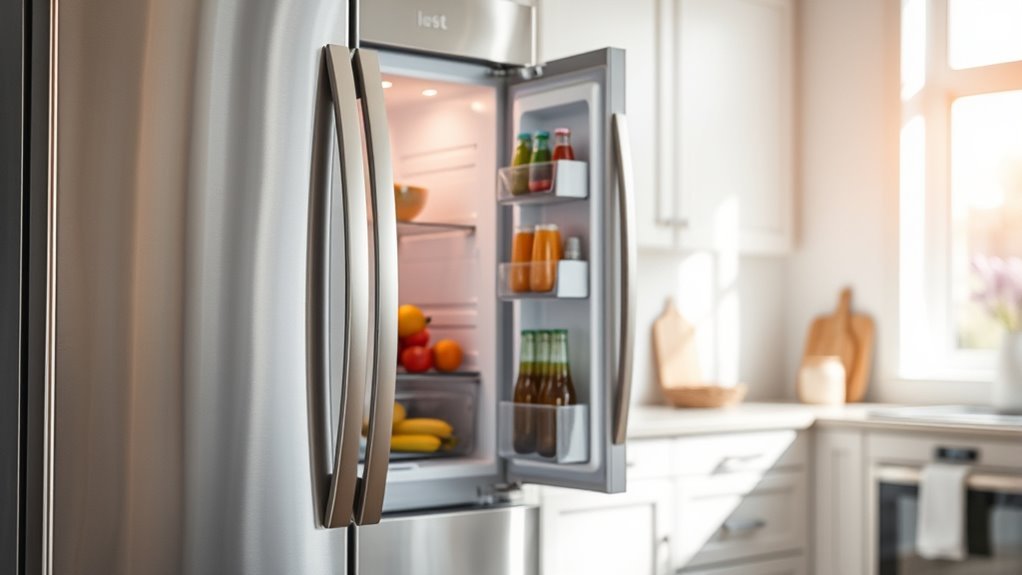
A refrigerator typically lasts between 10 to 20 years, depending on the brand, model, and how well you maintain it. You’ll find that newer models often have better energy efficiency, which can save you money on your utility bills over time.
As your fridge ages, it might start using more energy, making it less efficient. When you notice higher energy consumption or frequent repairs, it’s a good idea to weigh the costs of repairs against replacing it.
Sometimes, spending on repairs isn’t worth it compared to investing in a new, energy-efficient refrigerator. Replacing your fridge at the right time helps you avoid higher electricity bills and unexpected breakdowns.
Investing in a new energy-efficient fridge can save money and prevent costly breakdowns.
Keeping an eye on how your refrigerator performs over the years will help you decide when it’s time to upgrade while balancing energy use and costs effectively.
Key Factors That Affect Refrigerator Lifespan
While you can’t control everything, several key factors really impact how long your refrigerator lasts. First, energy efficiency is crucial. More efficient models tend to put less strain on their parts, which helps reduce wear and tear over time. Choosing an energy-efficient fridge doesn’t just save you money on electricity; it also supports a longer lifespan.
Temperature fluctuations also matter. Frequent or extreme changes can force the compressor to work harder, which speeds up mechanical failure. To prevent this, keep the door closed as much as possible and maintain a steady internal temperature.
Regular maintenance plays a role too. Cleaning condenser coils and checking door seals help your fridge run smoothly. Where you place it is important as well—avoid spots near heat sources or in direct sunlight. Managing these factors can really extend your refrigerator’s life and make your investment last longer.
Which Refrigerator Types Last the Longest?
You’ll notice that top-freezer refrigerators tend to last longer than other types. That’s mainly because they have a simpler design and fewer parts that can break down. So, if you’re looking for something durable, they might be a good choice.
On the other hand, French door models are pretty popular because of their stylish look and modern features. But keep in mind, they often have more components, which can mean more maintenance and potential repairs over time. Knowing these differences can help you pick a fridge that fits how long you want it to last.
Durability of Top-Freezer Models
Because top-freezer refrigerators have simpler designs and fewer mechanical parts, they tend to last longer than other types. You’ll find that top freezer durability is consistently higher, often reaching 15 to 20 years with proper care. Their straightforward cooling system means fewer breakdowns and less frequent repairs.
To maximize their lifespan, focus on basic maintenance techniques like cleaning condenser coils regularly, checking door seals for tightness, and keeping the unit level. Avoid overloading shelves, which can strain components.
Longevity of French Door Designs
Top-freezer refrigerators are known for their impressive durability.
But French door models bring a different set of factors that affect their lifespan.
You’ll find that advantages like wider shelves and better door access often come with more complex mechanics. This can influence how long they last.
Their design efficiency, including separate temperature zones and advanced cooling systems, can help keep food fresher longer. But these features sometimes require more maintenance.
If you value style and convenience, French doors deliver. However, you should also be prepared for potential repairs that might shorten their life compared to simpler top-freezer units.
Ultimately, how long your French door fridge lasts depends on usage and upkeep. Understanding these design trade-offs helps you make an informed choice about which model fits your needs best.
How Your Refrigerator’s Age Affects Energy Efficiency
As your refrigerator gets older, it tends to use more energy because of outdated technology and wear on its parts. When you compare energy use between newer and older models, you’ll see a big difference. Modern refrigerators have advanced compressors, better insulation, and energy-saving features that cut down on electricity.
Older units often run longer cycles and work harder to keep temperatures stable, which boosts your energy bills. A fridge over 10 years old can use up to 30-40% more electricity than a newer, Energy Star-rated model.
This higher energy use isn’t just costly, it also affects the environment. Knowing how your fridge’s age impacts efficiency can help you decide when it’s time to upgrade. Saving energy helps your wallet and supports a more sustainable lifestyle.
Simple Maintenance Tips to Make Your Fridge Last Longer
Want your fridge to last longer? Just a few simple habits can make a big difference. For starters, make sure to clean the coils regularly – it helps keep everything running smoothly. Also, take a quick look at the door seals to see if there are any gaps; a good seal keeps the cold in and saves energy.
And don’t forget about the temperature. Keeping it at the right level not only keeps your food fresh but also reduces strain on the appliance. These small steps are easy to do and can really help your fridge stay in great shape for years to come.
Clean Coils Regularly
Keep your refrigerator running smoothly by cleaning the coils regularly. Dust, pet hair, and debris can build up on the coils, making your fridge work harder and use more energy.
By cleaning the coils every few months, you can improve energy efficiency and help prevent wear on the compressor. To do this, unplug your fridge and locate the coils—usually at the back or underneath.
Use a coil brush or vacuum attachment to gently remove dirt without damaging the coils. Regular coil cleaning not only saves money on electricity but also extends your appliance’s lifespan.
This simple maintenance step helps your refrigerator perform its best, avoiding costly repairs and promoting long-term durability.
Check Door Seals
Although often overlooked, checking your refrigerator’s door seals can prevent cold air from escaping and reduce energy waste. Regular door maintenance guarantees your fridge maintains a tight seal, keeping the interior temperature stable and reducing strain on the compressor.
Perform a seal inspection by running your hand along the gasket to feel for gaps or cracks. You can also close the door on a piece of paper; if it slips out easily, the seal might need attention.
Clean the seals with warm, soapy water to remove dirt and debris that can compromise their effectiveness. If you notice any damage or persistent gaps, consider replacing the gasket promptly.
Staying on top of door maintenance helps your fridge work efficiently and extends its lifespan.
Maintain Optimal Temperature
Setting your refrigerator to the right temperature is essential for preserving food quality and preventing unnecessary wear. Aim to keep the fridge between 37°F and 40°F, and the freezer at 0°F.
Avoid frequent temperature fluctuations by minimizing how often you open the door. These fluctuations make the compressor work harder, which can shorten your fridge’s lifespan.
Monitor humidity levels inside the fridge—too much moisture can cause frost buildup, while too little can dry out food. Using a hygrometer can help you keep humidity balanced.
Signs Your Refrigerator Is Nearing Its End
When your refrigerator starts making strange noises or struggles to keep a steady temperature, it’s a sign that it might be nearing the end of its life. Paying attention to these early signs can save you from sudden spoiled food and costly repairs.
Strange fridge noises and unstable temperatures signal it may soon fail—spot these signs early to avoid costly issues.
Look out for persistent sounds like buzzing, rattling, or clicking. You might also notice your energy bills going up because the fridge is working harder than it should.
If you see frequent temperature swings inside the fridge and freezer, that’s another warning sign. Excessive frost buildup or water pooling at the bottom can also indicate issues.
Doors that won’t seal properly or stay closed are a clear sign the appliance isn’t functioning well anymore. Noticing any of these signs means your fridge is wearing out and needs attention.
Addressing these early warning signs can help you plan for a replacement before it completely breaks down. Keep an eye on these indicators to avoid surprises and keep your kitchen running smoothly.
Should You Repair or Replace Your Fridge?
Noticing signs that your refrigerator is wearing out puts you at a crossroads: should you repair the issues or replace the whole unit? First, think about how much repairs will cost. If fixing the fridge costs more than half the price of a new one, it’s usually better to replace it.
Older models tend to be less energy efficient, so buying a new fridge can save you money on your electricity bills over time. Also, consider how reliable your current fridge is; if it keeps breaking down, those repair costs and hassles can add up fast.
Replacing your fridge gives you updated features, better energy efficiency, and improved food preservation. But if your fridge is still fairly new and repairs are inexpensive, fixing it might be the smarter move.
In the end, weigh repair costs against the value, efficiency, and expected lifespan of a new fridge. That way, you can make the best choice for your home and budget.
Common Refrigerator Problems That Shorten Lifespan
You’ll want to keep an eye out for issues like the compressor failing, door seals not sealing properly, or the thermostat acting up. These problems can really cut down how long your fridge lasts. If you ignore them, they could lead to expensive repairs or even having to replace the entire unit. Let’s take a closer look at how each of these issues impacts your refrigerator’s lifespan.
Compressor Failures
Although compressors are the heart of your refrigerator’s cooling system, they can fail due to wear, electrical issues, or overheating. When that happens, your fridge won’t cool properly, and you might need an expensive compressor replacement.
To avoid this, focus on regular compressor maintenance. Here are some key tips to keep your compressor running smoothly:
- Keep the coils clean to prevent overheating.
- Make sure there’s proper ventilation around the fridge.
- Avoid frequent temperature changes.
- Listen for unusual noises that might signal compressor strain.
- Schedule professional inspections every few years.
Door Seal Issues
One of the most common issues that can shorten your refrigerator’s lifespan is a faulty door seal. When the seal is damaged or worn out, cold air escapes, which makes your fridge work harder. This increases energy use and wears down components faster.
Regular door seal maintenance helps prevent these problems. But if you notice cracks or gaps, it’s time to replace the seal. Keeping the seal in good shape is key to your fridge’s efficiency and longevity.
| Problem | Cause | Solution |
|---|---|---|
| Cold Air Leak | Worn Seal | Door Seal Replacement |
| Frost Build-up | Poor Seal Contact | Door Seal Maintenance |
| Increased Energy | Seal Damage | Replace or Repair Seal |
| Moisture Inside | Seal Not Tight | Clean & Adjust Seal |
| Food Spoilage | Air Exchange | Check & Replace Seal |
Stay proactive with door seal care to keep your fridge running smoothly longer.
Thermostat Malfunctions
When your refrigerator’s thermostat malfunctions, it can cause inconsistent temperatures that stress the appliance. These temperature fluctuations make the compressor work harder, which can shorten your fridge’s lifespan.
You might notice food spoiling faster or ice building up inside. To prevent this, watch out for these signs of thermostat problems:
- Erratic cooling cycles with sudden warm or cold spells
- Difficulty maintaining set temperatures despite trying to calibrate the thermostat
- Frequent compressor running or short cycling
- Frost buildup in the freezer or condensation in the fridge
- Unusual noises that may signal thermostat sensor issues
If you see any of these signs, it’s best to have a technician check and either recalibrate or replace the thermostat. Proper function of the thermostat helps keep your refrigerator running efficiently for longer.
Choosing a Durable Refrigerator: What to Look For
Several key factors help you choose a durable refrigerator that lasts for years. First, prioritize energy efficiency to reduce both your environmental impact and electricity bills. Look for models with an ENERGY STAR rating, which guarantees the appliance meets strict efficiency guidelines.
Next, consider brand reliability. Established brands with strong customer reviews often offer better build quality and longer warranties. Researching user feedback can reveal common issues and overall satisfaction.
Also, pay attention to the materials and construction. Stainless steel exteriors and sturdy shelves tend to withstand wear better. Avoid models with overly complex features that might increase the risk of breakdowns.
Finally, check the availability of replacement parts and service support in your area. This ensures maintenance won’t be a hassle. By focusing on energy efficiency and brand reliability, you’ll make a smart investment in a refrigerator that performs well and endures through the years.
Practical Tips to Extend Your Refrigerator’s Lifespan
To get the most out of your refrigerator, you’ll need to follow a few simple maintenance habits. These help extend its lifespan and improve efficiency. Start by guaranteeing proper ventilation around your fridge to prevent overheating. Keep it in an ideal placement away from heat sources like ovens or direct sunlight. Regular temperature monitoring guarantees your fridge runs efficiently without overworking. Make routine inspections to spot issues early, checking seals, coils, and cleaning dust buildup. Organize your fridge properly to promote airflow and reduce strain on the compressor.
Here are five practical tips to extend your refrigerator’s lifespan:
- Practice energy-saving habits like closing doors quickly and not overloading.
- Maintain proper ventilation by leaving space around the appliance.
- Conduct routine inspections and clean coils regularly.
- Use fridge organization to allow good airflow inside.
- Adjust settings seasonally to match ambient temperatures.
Don’t forget to review your appliance warranties for added protection.
Frequently Asked Questions
What Is the Best Temperature Setting for a Refrigerator?
You should set your refrigerator temperature to around 37°F (3°C) to keep food fresh without freezing it. This helps minimize temperature fluctuations, which can spoil food or cause energy waste.
The ideal settings balance safety and efficiency, maintaining a steady cool environment. Avoid changing the temperature too often, as that increases fluctuations and stresses your appliance.
Stick with these guidelines to keep your fridge running smoothly and your food safe.
How Do I Properly Clean the Refrigerator Coils?
To properly clean the refrigerator coils, start by unplugging your fridge first for safety. Use a coil brush or vacuum with a brush attachment to gently remove dust and debris.
Focus on coil maintenance by cleaning every six months, or more often if you have pets. Keeping coils clean helps your fridge run efficiently and extends its lifespan.
Don’t forget to check for any damage during cleaning. Wipe away any remaining dirt with a damp cloth.
Can a Refrigerator Cause High Electricity Bills?
Yes, your refrigerator can cause high electricity bills if it’s not energy efficient or properly maintained.
When coils get dirty or the door seals weaken, your fridge has to work harder, using more power.
To keep energy efficiency high, follow simple maintenance tips like cleaning coils regularly, checking door seals, and setting the right temperature.
These steps help your fridge run smoothly and save you money on your energy bill.
Are Smart Refrigerators More Reliable Than Traditional Ones?
Smart refrigerators aren’t always more reliable than traditional ones, but their smart features can help you monitor performance and spot issues early. You’ll get alerts for maintenance tips like filter changes or temperature fluctuations, which can prevent bigger problems.
That said, these advanced components sometimes need specialized repairs. If you stay on top of maintenance and don’t mind occasional tech updates, a smart fridge can be a dependable choice for you.
What Are the Environmental Impacts of Disposing Old Refrigerators?
Throwing away an old refrigerator is like releasing invisible clouds into the air. When you dispose of it improperly, refrigerant leaks can harm the ozone layer and contribute to climate change.
You can prevent this by using recycling programs that safely capture and handle these gases, turning your old appliance into valuable materials instead of pollution.
Conclusion
Picture your refrigerator humming quietly in the kitchen, keeping your food fresh and safe day after day. With simple care and smart choices, you can extend its life well beyond the average span.
By understanding its needs and acting early on small issues, you’ll avoid the stress of unexpected breakdowns. So, nurture your fridge like a trusted companion. It’ll reward you with years of reliable service and peace of mind.
Knowing how long refrigerators last helps you plan for repairs or replacements. Taking good care of your appliance can make a big difference in its lifespan.